Categories B2B

Brand Refresh vs Rebrand: Which is Best for You? [+Checklist]

Brands that aren’t constantly evolving run the risk of becoming outdated or irrelevant. Some of the most popular brands of today would not have made waves unless they had undergone rebrands or refreshes.

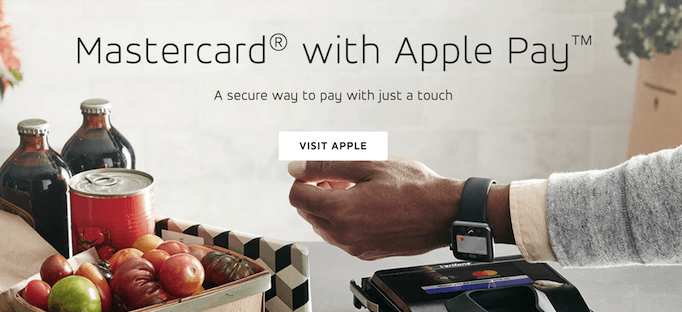
For example, Apple is an excellent example of successful rebranding. In the early 1990s, Apple was slowly dropping out of the computer market. Apple updated its iconic logo from the dated rainbow to a sleeker, monochrome look to signal the change in its brand image. Of course, that wasn’t the only change, but it did mark the beginning of a new era for Apple. Today, they’re one of the most widely recognized brands in the world.

So, what’s the right solution for your client? In this post, we’ll discuss what exactly it means to rebrand or refresh your business strategically and stand the test of time.

It’s more of a risk for a business to remain stagnant than to attempt to change in any developing market. With business trends coming and going, businesses looking to refresh their identity would change elements such as:

  • Logo
  • Font
  • Color Palette
  • Brand Slogan
  • Writing Style

But sometimes, it takes much more than just updating a logo or font, some businesses may need to make core changes to avoid the risk of losing competitive edge — by conducting a rebrand.

Think of rebranding as a series of substantial changes made to breathe life back into a struggling company. This process is more in-depth and can change elements of business including:

  • Brand Positioning
  • Brand Values
  • Brand Guidelines
  • Mission and Vision Statements

These can be time-consuming, expensive, and need a lot of approval to conduct, so if you’re looking to make more immediate changes for businesses, let’s dive into brand refresh strategy.

Brand Refresh Strategy

Use the steps below to guide your client through a successful refresh — but encourage them to adjust each step to fit the needs and audience of their company.

1. Determine if you need a brand refresh or a rebrand.

Perhaps your client has verbalized her desire to rebrand, but you should figure out its purpose before you even jump straight into rebranding. You should consider other avenues if your client can’t present a concrete reason (and “I’m bored” doesn’t count).

Why do you need to do this first? Rebranding isn’t as simple as slapping on a new logo or changing your name. Companies have to be willing to change their entire company vision, including company goals, message, and culture.

It takes a lot of time, money, and effort to pull a rebrand off successfully, and those that aren’t fully committed will be stuck with a poorly defined brand that will not stand out in today’s competitive market.

So how do you know if you should encourage your client to take that giant leap to rebrand? Here are some great cues:

  • The brand has plans to expand the company nationally or internationally.
  • Its current brand is restricting its growth into other markets.
  • Its customers have negative associations with the company.
  • The company is merging or acquiring other companies.

If that’s the case, refer to our guide to a successful rebrand to better serve their needs. And if there’s not a pressing need that necessitates a rebrand, move forward with conducting a refresh.

2. Brainstorm with your team to envision what they want the company to become.

The responsibility of a brand’s refresh shouldn’t fall on the shoulders of the few but instead should include your team to come up with new ideas for the brand’s future. You’ll have to decide which elements can have the opportunity to attract more attention.

  • Logo: Modernize your logo to be more unique and stand out against competitors.
  • Font: Make your chosen font accessible, professional, and distinct.
  • Color Palette: Let your color palette speak for your brand with color theory.
  • Brand Slogan: Refreshed brand slogans should speak to relevant needs.
  • Writing Style: Tailor your writing style to be more consistent and speak to the buyer personas looking for the company’s product or service.

And if you’re working on a business for a client, ask them and their team questions like:

  • Do they plan on growing to a national or international level?
  • What other markets do they want to expand into?

Incorporate their answers into their brand image so a future refresh won’t be necessary.

3. Use social media to communicate with your audience.

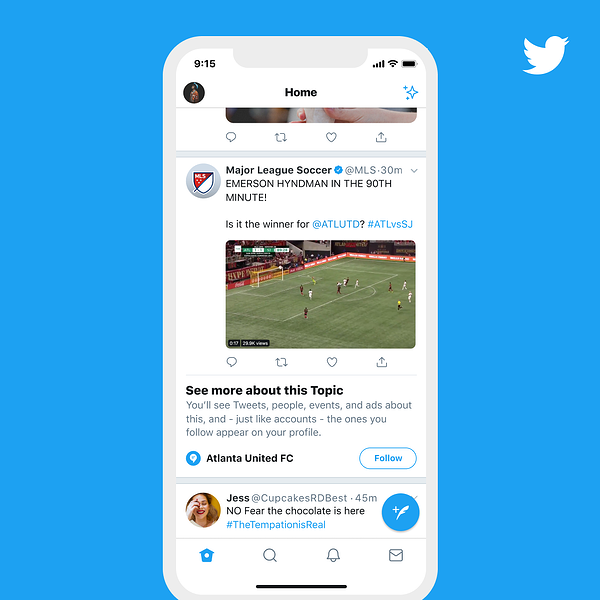
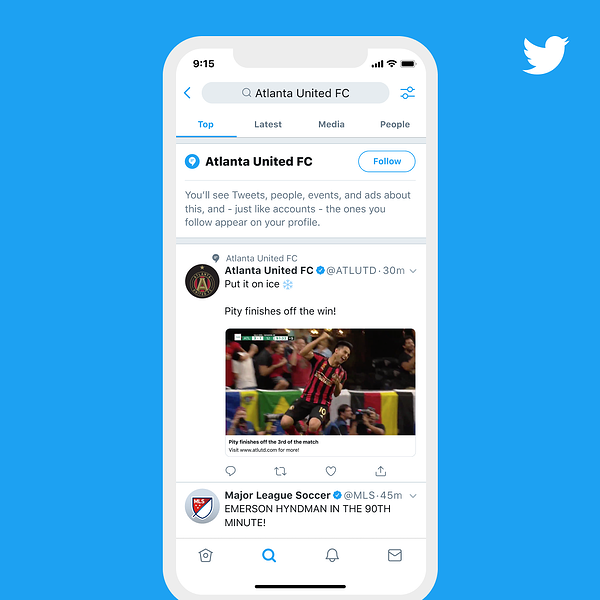
Soft launch your refresh with updated collateral or UI/UX. For today’s business owners, using sites like LinkedIn, Twitter and Facebook are among the most popular to reach target audiences.

Use social media marketing to inform your audience of the upcoming changes and informally poll them about their thoughts on the refresh. You can gather research this way by engaging in social listening and taking your audience’s feedback into consideration and including them in your new look.

4. Consider your audience’s emotions or desires in your strategy.

The most successful brands evoke some kind of emotion from their target audience. Go out and meet them; speak to them directly and get feedback; see how you can improve your image. People want to feel they’re making a difference, and doing that face-to-face, or incentivized through surveys, are great ways to increase customer loyalty.

5. Implement the changes slowly.

Start with something small, like changing the font used on documents, and work from there. Gauge reactions, and adjust when possible. If there is too much negative feedback, approach your audience to understand the issue and see if changing some things will affect your rebranding or not.

So if you’re ready to take the next step and conduct a brand refresh, you could benefit from a checklist to make sure you conduct your own brand refresh with intention.

Brand Refresh Checklist

brand refresh checklist outline

Begin with market research and competitive analysis.

Base your refresh on changes you’ve seen in the market. This can include discovery and research either conducted internally or through third parties and should consider shifts in customer needs and external factors like the economy and other trending news.

Competitive analysis will also allow you to gain inspiration from the successes and failures of your competitors as they try to maintain relevance, too.

Give your visual identity a lift — not an entirely new look.

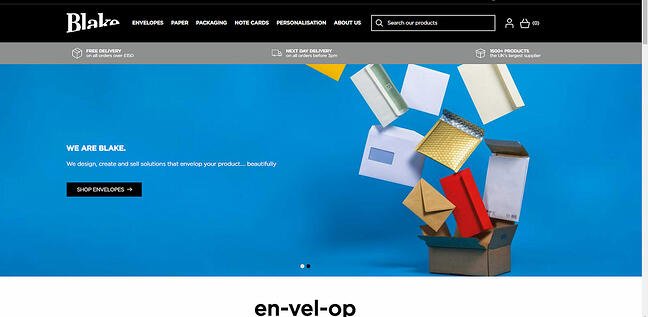
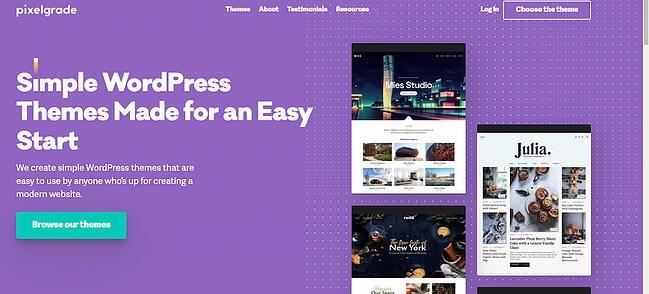
Whether it’s your logo, slogan, or color palette, you want to remain recognizable in a refresh. If it’s currently outdated, muted, or busy, try making it more visually appealing with more exciting color, geometry, or a sleek font choice.

Approach your brand messaging with emotional appeal.

Your messaging should be made for your buyer personas and demonstrate value in terms of content quality and emotion. A successful refresh with sincere, trustworthy messaging will reflect the emotional intelligence of your company, and set it apart from competitors.

Audit important content and collateral before rollout.

When planning to conduct your refresh, a task you shouldn’t forget about is running a content audit. More often than not, getting rid of or editing your pre-existing posts, website, or other brand elements can already give your digital footprint a facelift.

Execute your brand refresh with an implementation plan.

After your team has decided what all is to be changed in the brand refresh, the implementation of these changes will have to be properly communicated and acted upon internally and externally with a proper implementation plan.

Keep Your Brand Identity Fresh

A successful company is an overall goal for your team. And with a well-executed rebrand or refresh, you can position your brand to stand the test of time. Change is good, and while it may take time to see the results, your brand’s adaptability will be rewarded.

Editor’s note: This article was originally published in September 2014 and has been updated for comprehensiveness.

Categories B2B

16 Educational Podcasts for Minority Entrepreneurs

Welcome to Breaking the Blueprint — a blog series that dives into the unique business challenges and opportunities of underrepresented business owners and entrepreneurs. Learn how they’ve grown or scaled their businesses, explored entrepreneurial ventures within their companies, or created side hustles, and how their stories can inspire and inform your own success.

Podcasts are an excellent way for entrepreneurs to gain inspiration and actionable career advice.

However, entrepreneurs in minority communities searching for podcasts for and about people with similar experiences and identities to themselves may have a hard time doing so.

In this post, we’ve compiled a list of educational podcasts for entrepreneurs in minority groups that are worth listening to gain inspiration and insight from people with shared experiences.

Download Now: Business Startup Kit [Free Templates]

1. Side Hustle Pro

Side Hustle Pro’s host Nicaila Matthews Okome interviews inspiring Black women entrepreneurs that have grown side hustles into profitable businesses. Listeners learn about their processes, failures, and successes and leave with strategies to leverage to help them build their side projects or interests into successful ventures.


2. The Diversity Gap

The Diversity Gap Podcast, hosted by Bethaney Wilkinson, discusses the gaps between good intentions for diversity and the actual impact of those intentions. Each episode features guests that discuss strategies and best practices for creating an organizational culture that allows people from all racial backgrounds to thrive at work. It’s a great listen for business owners and entrepreneurs looking to champion DEI at their workplace.


3. ¿Quién Tú Eres?

¿Quién Tú Eres?, hosted by Pabel Martinez of Plurawl, empowers Latinx communities to be their most authentic and full selves at work by redefining what professionalism means and looks like in the workplace. Each episode features a guest who defines professionalism and shows how they show up as their most authentic selves at work.


4. The Out Entrepreneur

The Out Entrepreneur, hosted by Rhodes Perry, is an interview-based show where Perry speaks with LGBTQ entrepreneurs, business owners, and founders who share insight into their career journeys, building businesses, and actionable advice and inspiration to those embarking on their own ventures.


5. A Slight Change of Plans

Dr. Maya Shankar is the host of A Slight Change of Plans, where she discusses human behavior and the things that contribute to us becoming who we are. Through conversations with popular guests like Riz Ahmed and scientists like Dr. Ayelet Fishbach, listeners learn more about themselves, others, and how to set goals and lead fulfilling lives.


6. Queer Money

Queer Money is a podcast about how personal and business finance affects the LGBTQ+ community. Hosts David Auten and John Schneider discuss how they’ve built the life they wanted and achieved financial security and educate listeners on how they can do the same for themselves and their businesses.


7. South Asian Trailblazers

Simi Shah, the host of South Asian Trailblazers, interviews South Asian entrepreneurs and leaders amid their career journeys and discusses the businesses they’ve built from the ground up. The conversations give actionable insight and advice to those currently forging the path ahead and looking for success.


8. The Enabled Disabled

Gustavo Serafini hosts The Enabled Disabled Podcast, where he hopes to shift the narrative about disability and entrepreneurship. He speaks about what it does and doesn’t mean to have a disability and interviews entrepreneurs and business owners about their career trajectories and achievements.


9. iDigress

iDigress, hosted by Troy Sandidge, guides listeners through the world of marketing and gives actionable insight into strategies that can help you grow your business and achieve sustainable, scalable success. Episodes are 30 minutes or less, meaning you can gain considerable insight and tips from an industry expert in a snackable form.


10. Pow Wow Pitch

Sunshine Quem Tenasco hosts the Pow Wow Pitch Podcast, an interview-based show featuring successful Indigenous entrepreneurs who share their stories and insight to empower other Indigenous entrepreneurs.


11. Latina to Latina

Latina to Latina’s host, Alicia Menendez, talks to Latinas about their career trajectories and getting to where they are. Menendez digs deep, and listeners hear unique origin stories about business growth and tips and strategies to overcome obstacles and failures. It’s a valuable resource for Latinx entrepreneurs looking to thrive in a system built to keep them out.


12. Content is Profit

Content is Profit, hosted by Luis D. Camejo and Luis A. Camejo, discusses top marketing leaders and the frameworks and strategies they use to create high-value marketing content that turns a profit. It’s a good listen for any business professional or entrepreneur looking to form a content strategy or update their existing process to draw in more leads and drive revenue.


13. Native Business Podcasts

Native Business Podcast, hosted by Gary and Carmen Davis of Native Business Magazine, features news, information, and thought leadership from successful native entrepreneurs and Tribal Leaders about their experiences and insights on business, entrepreneurship, and successes.


14. Choose Inclusion

Choose Inclusion’s podcast description begins with “What happens when a blind man, a woman of color, and a wannabe Latino get together to discuss how diversity, equity, and inclusion can impact business?” Mike Hess, Nina Baliga, and UB Ciminieri have conversations about the different ways that diversity, equity, and inclusion impact business, from developing your own DEI program to being an active participant in workplace events.


15. LatinX Can

Dr. Jeniree Flores Delgado hosts Latinx Can, where Latinx professionals from varied industries and career paths share advice, tips, and actionable tools for listeners to harness and incorporate into their career plans to achieve their goals.


16. Blissful Prospecting

JBay, host of Blissful Prospecting, interviews sales experts, leaders, and high-performers to understand how they’ve achieved success. Listeners will get actionable tips, strategies, and advice that will help you harness your full sales potential, capture leads, and land meetings that help you grow your business.


Ready to Listen?

Browse through the options on this list and get to listening; the show might just give you the final piece of advice or encouragement you’re looking for to get you where you want to be.

Apply for a job, keep track of important information, and prepare for an  interview with the help of this free job seekers kit.

Categories B2B

What Marketing Myopia Is & Why Every Brand Should Avoid It [+Examples]

Most businesses want to grow and be successful, but what they often don’t realize is that success doesn’t happen overnight. It takes hard work, dedication, and a clear vision of what you want your business to become.

One of the biggest dangers that can prevent a business from achieving its goals is marketing myopia.

Download Now: Free State of Marketing Report [Updated for 2022]

In this article, we will discuss what marketing myopia is, what causes it, how to avoid it, and some examples of businesses that have suffered from it.

It often leads to businesses making decisions that are not in the best interests of their customers or that fail to take into account changes in the marketplace.

Top Causes of Marketing Myopia

A Disconnect between The Business and Its Customers

The most common cause is a lack of understanding of what customers really want. This can happen when businesses focus too much on their own products and services and not enough on what customers are actually looking for.

Marketing myopia can also be caused by a lack of investment in marketing research. This can happen when businesses believe they already know everything they need to know about their customers and the marketplace.

An Unwillingness to Adapt

Another common cause is a failure to keep up with changes in the marketplace.

This can happen when businesses become too comfortable with their current products and services and fail to adapt to new trends or technologies.

A Focus on the Past, Instead of Future

Many businesses become myopic because they are too focused on the past.

They may be reluctant to change their products or services, even when it is clear that customer needs have changed.

How to Avoid Marketing Myopia

1. Prioritize customer needs.

A few years ago, my favorite color was red, I ate takeout on a regular basis, and the only plants I took care of were artificial ones. Today, I cook 90% of my meals, I’m a new (and successful) plant mom, and orange is more my vibe now.

As individuals, we know our wants and needs change as we grow. But it’s often difficult for brands to expect the same of their customers.

It would be easier if consumers stayed the same – you’d only have to do market research once, identify the strategies that worked and stick with them. Unfortunately, the truth is more complicated than that.

A couple of months can make a world of difference in consumer behavior.

Take 2020 for instance – when the pandemic started in March, brands were forced to pivot their marketing strategies, and in some cases, their entire business models

Those who failed to realize this shift was necessary and relied solely on prior success likely experienced great financial loss.

However, not every shift is this drastic. Some happen over time.

Take the topic of social responsibility. Ten years ago, this wasn’t a major concern for everyday consumers.

However, today, sustainability is a major selling point for consumers and impacts their purchasing decisions.

You can also look at the online landscape and how users are consuming content. Where blogging was 10 years ago podcasting is now.

This is all to say that keeping your finger on the pulse is key to avoiding a myopic business.

2. Foster innovation within your team.

Just because something has always been done a certain way doesn’t mean it’s the best way. That mentality is what leads to marketing myopia.

To break out of that, it’s important to create an environment in which your teams feel inspired to innovate.

What does this look like? It’s a combination of big and small actions like:

  • Inviting new ideas.
  • Experimenting with various strategies.
  • Allowing failure and risk-taking.
  • Hiring diverse perspectives.

By staying open-minded and flexible, you’ll be in a better position to avoid marketing myopia.

3. Invest in competitive intelligence.

One way to stay on top of your game is by keeping up with others in your industry.

Competitive intelligence is the practice of monitoring and gathering data on your competitors through legal and ethical means. This can look like social media monitoring, setting up Google alerts for specific brands, and downloading offers to review content strategy.

Sites like Crayon, SEMrush, and Kompyte are great tools to help you leverage this intelligence into actionable insights to propel your company forward.

4. Optimize your marketing strategy.

When you get too comfortable in your approach, that’s when you risk marketing myopia.

Even if your marketing strategy is working well, it doesn’t mean you shouldn’t work on optimization. After all, companies like BlockBuster saw immense success – until they didn’t.

The past doesn’t dictate the future. However, it can help inform it.

With this in mind, review your data, take the time to gain insights, and then come up with ways to improve your performance.

Marketing Myopia Examples

1. BlockBuster

In the early 2000s, Blockbuster was the undisputed king of the video rental industry.

But by 2009, the company had filed for bankruptcy. What went wrong?

Many experts believe that Blockbuster’s downfall was due to marketing myopia. The company was so focused on its existing business model that it failed to adapt to the changing marketplace.

As streaming services like Netflix and Hulu became more popular, Blockbuster refused to embrace them. Instead, they clung to their brick-and-mortar stores and DVD rentals, which eventually became obsolete.

2. Kodak

Kodak is another example of a company that fell victim to marketing myopia.

For years, Kodak was the leading name in photography. But as digital cameras became more popular, Kodak failed to adapt.

The company focused on film and prints, even as its customer base shifted to digital. As a result, they lost market share and eventually filed for bankruptcy in 2012.

3. Old Spice

Old Spice is a good example of a company that was able to avoid marketing myopia.

When the company was first founded, it marketed its products exclusively to men. But as the marketplace changed, Old Spice recognized that there was an opportunity to reach a wider audience.

They began to produce new products specifically for women and shift their marketing strategy. As a result, Old Spice was able to avoid the decline that many other companies have experienced.

By staying focused on its customers and being willing to adapt to change, Old Spice was able to avoid marketing myopia.

New Call-to-action

Categories B2B

The Ultimate Guide to Talent Management [Strategy + Best Practices]

Ever wonder what sets successful businesses apart from those organizations that struggle year after year?

The product or service, pricing, industry, market share, and a thousand other factors can impact business success. However, there is one area that if they don’t get right, they’ll never flourish as an organization.

Hiring and retaining quality employees.

You may believe that your customers are the most important aspect of your business, but who is serving your customers? Without a top-notch staff, your product won’t make it to market, and you won’t have any customers to serve.

Download Now: Free Performance Review Template

With high turnover rates across industries, employers are scrambling to understand what attracts top talent, cultivates loyalty and engagement among employees, and encourages them to stick around for the long haul. If your team is experiencing dissatisfaction, low engagement and productivity, and a revolving door in your HR department, you’re probably wondering this as well.

The good news is implementing a talent management program can help businesses of all sizes and employee engagement levels find a sense of balance.

What is talent management?

Put yourself in your employee’s shoes for a moment. What is your employee experience like? What attracted you to the company in the first place? Was there something they could’ve done that would’ve made you even more eager to work there?

Now think about the onboarding process. Were you provided with the training and support you needed to succeed in your role? Are you appreciated for your unique skills and compensated appropriately? Do you believe there are adequate growth opportunities? How about the workplace culture? Do you feel comfortable voicing opinions and new ideas?

All of these questions factor into your employee’s experience and whether or not they remain engaged in their roles, or become disconnected, disheartened, and dissatisfied with their job. When this happens, they aren’t exhibiting the productivity you’re looking for, and it won’t be long before they’re planning an exit strategy.

Talent management falls into three distinct categories:

  1. HR processes that work together to create the best possible employee experience. We’ll discuss this more in the next section.
  2. Attracting, Developing, Motivating, and Retaining top talent for your organization.
  3. Developing High-Performing Employees

“The purpose of your talent management strategy is to attract, motivate and retain your employees,” says Rameez Kaleem, Founder, and Director of 3R Strategy.

“No one factor, such as pay or perks, will enable you to do this. You need to consider your overall strategy to create an environment where employees can thrive and feel empowered to achieve excellence. This includes your approach to pay, benefits, creating a positive work environment, and providing people with personal and professional growth opportunities.”

As a business owner, manager, or HR professional, it’s your job to provide the best possible conditions for your employees so when outside opportunities knock, they can’t help but say “no thank you, I’m happy here.”

talent management: elements needed to retain your employees

Image Source

How does talent management fit under the HR umbrella?

While talent management can fall under the responsibilities of a manager or senior leader, depending on the structure of your organization, it may be carried out (at least in part) by your Human Resources department.

Why?

Human Resources is responsible for instituting workplace policies, handling interpersonal issues, and administering payroll. However, many businesses, also have a hand in the hiring process, training, mentoring, and creating the employee experience. Your HR department may shoulder the responsibility of employee engagement, performance, and company culture.

Because of this, it is essential that your HR department is considered a part of the talent management team.

Talent Management Strategy

Hopefully, you approach every aspect of your business, from marketing to sales to production to delivery and follow-up (and everything in between), with a strategy. Talent management is no different. In order to create the most positive experience for your employees, you’ll want to approach talent management with a strategic plan designed to efficiently reach your goals.

There are five steps you’ll want to work through in order to do this.

1. Identify the goals and the metrics you’ll use to measure your progress.

What do you hope to see from your Talent Management program? Are you looking to attract a higher caliber of employees? Are you experiencing extremely high turnover and looking to hang on to your top talent? Identify the talent management metrics that will allow you to track your progress and determine if you’ve reached your goal.

2. Select one or two areas to focus on (at first) before taking on a massive overhaul.

While it would be amazing to improve every aspect of your employee experience overnight, these things take time. Once you’ve determined your goals in Step 1, you’ll have a clearer picture of which area of Talent Management to tackle first. Once you’ve gotten that area optimized, you can move to the next.

3. Consider what sets you apart from the competition.

You’re used to competing for customers, but have you ever considered that you’re competing for talent as well? Just like your customers, your employees (or potential employees) have other options as well. They want to find the best fit and compensation for their skills, and you can bet they’ll be doing their homework.

Know what sets you apart from others and what makes you special. Do you offer special perks for employees? Does your culture make your employees proud to be there? Does your contribution to the community excite potential and existing team members?

Know what makes you different and don’t be afraid to communicate it to potential employees.

4. Identify the specific skills needed to grow and prosper.

Do you already have someone on your staff that can take on this responsibility? Perhaps you’ve got an HR business partner who can take the reins on a talent development program. Or perhaps, a talent manager is the first position you need to fill. Having a person dedicated to this program can help you get the most out of your existing employees, and guide the decision-making process on new hires.

5. Identify and analyze the key performance indicators.

If you can’t measure it, you can’t improve it. Get specific with the key performance indicators you’ll use to determine your success in this endeavor. Pay close attention to these numbers and if they aren’t heading in the right direction, it may be time to revisit your strategy and switch gears.

The better your strategy, the better your execution. Don’t be afraid to take some time to plan before you dive in.

Talent Management Process

Now that you understand the strategy behind talent management, how do you incorporate it into your own organization? The talent management process consists of six steps:

1. Identify your needs.

If your sink was leaking, you wouldn’t hire an electrician. Before you start posting job openings, determine what roles you need to fill and what skills are required to complete these responsibilities. Once you’ve done this, you’ll be better positioned to create the job description and post the opening.

2. Attract the right talent.

Remember you have a treasure trove of talent at your fingertips. If you have the opportunity to promote from within your company, you’ll do much more than save time on onboarding. You’ll also raise employee morale as your team now sees room for advancement within the company. If you don’t have anyone suitable, then you can look outside of the organization for a new hire.

3. Select the right talent.

This differs from company to company. You may begin with creating a shortlist of resumes, require a test to be taken, hold individual or team interviews, and ultimately leave it to the department manager or HR to make the decision. No matter how you go about it, make sure that you refer back to Step 1 and hire based on your needs.

4. Develop your employees.

This can include onboarding new employees as well as providing ongoing training for your existing employees. When you help an individual become the best employee possible.

5. Retain your employees.

You’ve worked hard to attract the best talent. Now, how do you ensure that they stay with you? Employee retention strategies can include increased pay, extra benefits or perks, rewards or gifts, promotions, etc.

6. Have an offboarding process in place.

No employee will last forever (we’ll discuss that in more detail below), but what do you do when an employee leaves? Get an understanding of what responsibilities they handle and look for a replacement based on your findings.

If the employee provided a great deal of value to the organization, ask them to train their successor so he or she is up and running before your existing employee leaves. You may also want to include an Exit Interview. You can discover a great deal of knowledge about the employee experience when you ask someone on his or her way out.

This talent management process will look a little different depending on your industry and your business model, however, this should give you a good understanding and a solid jumping-off point.

Talent Management Best Practices

There’s no need to reinvent the wheel when it comes to attracting and retaining top talent. There are a variety of talent management best practices that you can follow in order to be more successful. Some of these are:

  1. Have a strong employer brand. Candidates have choices when it comes to where they want to work. If you want to attract the best possible candidates, develop a strong brand as an employer.
  2. Have a good reputation. Of course, there are always things beyond our control, however, how the world views you is strongly based on how you show up as a company. Do what you say you’ll do and do it well.
  3. Encourage employee referrals. Good people know good people. Ask your existing employees to recommend job seekers they know and trust. Offer them incentives for their help and keep them apprised of how the process is going.
  4. Onboard and inboard properly. It’s a truly horrible feeling to join a company (or be promoted to a new role) and not be set up to succeed. Provide the training necessary for them to be their best selves in the new role.
  5. Provide ongoing training. Yes, they may know how to do their current job, but what are you doing to prepare them for their next role? Most employees want to progress up the career ladder and if you don’t give them the encouragement and opportunity to do this within your organization, they’ll surely go outside it.
  6. Create a talent pipeline. Eventually, every person will leave their role. This may be due to promotion, retirement, opportunities outside of the organization, etc. Prepare for this by identifying star performers and grooming them for promotion. When the time comes that a role is vacated, you’ll have someone waiting in the wings to step in.
  7. Provide performance feedback. No one likes to wonder if they’re hitting their marks and living up to their manager’s expectations. Provide regular feedback and opportunity for improvement so your employees are never in the dark about their present or future.

Your employees are truly the most important aspect of your business and without quality team members, you won’t be able to reach your goals. Implementing a talent management program in your business can help you position your organization as a sought-after employer and motivate employees to stay loyal to your organization.

Don’t be afraid to invest in your people. It will be the best investment you ever make.

New Call-to-Action

Categories B2B

43 TikTok Stats to Know in 2022

Since launching in early 2018, TikTok’s been covered by seemingly every major news publication and racked up millions of downloads globally.

Despite its popularity, the app can still feel like a bit of a mystery to marketers, especially since TikTok doesn’t always disclose key app metrics. 

Free Ebook: The Marketer's Guide to TikTok for Business [Download Now]

As someone who’s gotten sucked into the app, blogged multiple times about it, hearted hundreds of posts, and even made a few videos of my own, I’m fairly certain that this platform will stick around for quite some time. 

But, luckily, with mounting data and statistics about TikTok, you don’t just have to take my word for it. To help you make informed decisions about your strategy, we’ll cover key TikTok statistics and facts to know, whether you’re just starting out on the app or you’re looking to update your strategy. 

Already know what stats you’re looking for? Jump there with this table of contents: 

43 TikTok Stats to Know in 2022

Userbase, Downloads, and Growth

Within TikTok’s first year, it reportedly reached 500 million monthly active users. Wondering if this was just a fluke or a viral trend that will simmer down? Think again. According to TikTok and its company heads, the audience might be larger and more promising than we think.

  • In September 2021, TikTok celebrated reaching 1 billion monthly active users. (TikTok)
  • Musical.ly, a lip-syncing app which ByteDance purchased and merged with TikTok, reportedly had 100 million monthly active users when it was purchased by TikTok in 2018. (The Verge)
  • Douyin, TikTok’s original standalone app in China, had 300 million users at the time Musical.ly merged with TikTok. (The Verge)
  • In 2020, TikTok was the most downloaded app globally (850 million downloads), followed by WhatsApp, Facebook, and Instagram. (Apptopia)
  • TikTok is the Top Free App in the Entertainment section of the Apple App Store. (Apple App Store)

Demographics

While TikTok’s user base is dominated by Gen-Z in the United States, many millennials have adopted it around the world. And, although it might feel like TikTok is huge in the U.S., the app’s biggest audience actually comes from China, where the platform is called Douyin.

Here’s a breakdown of TikTok’s major demographic.

  • 52.38% of TikTok users globally are between the ages of 18 and 24. (Statista)
  • The United States, Indonesia, and Brazil have the largest audiences on TikTok as of April 2022. (Statista)
  • As of April 2021, 48% of U.S. adults between 18-29 use TikTok, compared to 20% of adults between 30-49 and 14% among 50-64 year olds. (Pew Research Center)
  • One-quarter of Americans between 12 and 34 have used TikTok compared to 3% of adults aged 35+. (MarketingCharts)
  • TikTok is now available in more than 200 countries. (Oberlo)
  • Over 22.2 million of TikTok’s monthly active users are in Indonesia. (Statista)
  • The social media apps Gen Z uses most are TikTok, Instagram, and YouTube. (HubSpot Blog)

User Behavior

TikTok is a fast-paced app. The second you log in, you see a video at the top of a feed that’s algorithmically curated around your interests. 

From my own experience, I’ve found that TikTok can easily cause you to spend more time than expected watching an endless stream of often comedic videos. Since these videos are usually between 15 seconds and one minute, it makes the app ideal for people who need quick entertainment on their morning commute or when they’re bored at home.

Because of TikTok’s quick pace and entertainment factor, the stats below aren’t that surprising:

  • The average user spends 89 minutes per day on the app, according to a leaked deck from TikTok. (Music Business Worldwide)
  • As of September 2021, there are 14.43 million daily active users using the TikTok Android App and the average user spends 12.3 hours per month using it. (Statista, HootSuite)
  • TikTok is one of the most downloaded apps in the Google Play Store. (Statista)
  • According to a leaked TikTok deck, the average user opens the app 19 times per day. (Music Business Worldwide)
  • There are 29.7 million global DAU on the TikTok iOS app as of January 2021. (Statista)
  • 88% of people on TikTok report that the sound on the platform is central to the overall app experience. (TikTok)
  • 68% of TikTok users say videos using popular songs help them remember brands better. (TikTok)
  • 36% of consumers want to learn about products through short-form videos like TikToks or Reels. (HubSpot)
  • 55% of users say TikTok helps them discover new things. (Material)
  • 55% of TikTok users use the platform to research brands or products. (TikTok)

The Impact of TikTok

  • The TikTok community is more frequently and consistently engaging with content on the platform than they are on other social media platforms. (Neuro-Insight). 
  • When users see brands organic TikTok content before their paid ads, there is a 27% increase in brand recall. (Neurons Inc.)
  • 71% of TikTok users say the app has a bigger impact on their lives than other apps they use, and 79% say it inspires them to do new things in real life. (TikTok)
  • TikTok users are 1.3x more likely to agree that the platform helps them hear different perspectives than they normally hear vs. other entertainment and social brands. (TikTok & Material)
  • TikTok users are 1.3x more likely to know about products and trends before their peers.  (Material & TikTok)

Shopping on TikTok

  • 2 out of 3 users are likely to buy something while on the platform. (TikTok)
  • 50% of TikTok users have bought something after watching a TikTok LIVE. (TikTok)
  • TikTok users are twice as likely as users of traditional social platforms to recommend a product or service they’ve discovered on the app and 1.5x more successful at convincing others to try the product or service. (Material & TikTok)

Viral Trends and Influencers on TikTok

TikTok has opened doors for influencers, comedians, meme creators, and even some brands. Here are a few interesting tidbits about viral trends and influencers on the app: 

  • The most followed creator on TikTok is Khaby Lame with 147.7 million followers. Following close behind is Charlie D’Amelio with 144.6 million. (Wikipedia)
  • One of the earliest branded hashtag challenges was Guess’ #InMyDenim challenge. According to TikTok, videos marked with this hashtag have received a grand total of 38.8 million views. (TikTok)
  • 77% of TikTok users like when brands come up with new challenges, trends, or memes for others to join in on. (TikTok)
  • TikTok users say that you don’t need to have thousands of followers to go viral on TikTok. (TikTok)
  • 80% of top TikTok videos had music and upbeat songs. (Invideo)
  • Remixing a TikTok trend leads to a 14% increase in watch time. (TikTok)
  • Rapper Lil Nas X credits the success of his song “Old Town Road” to TikTok. The song was propelled to #1 on the Billboard Top 100 in 2019 after the artist uploaded it to TikTok. (BuzzFeed News)

Here’s a compilation of TikTok’s #CowboyChallenge where people wearing normal clothing cut to themselves in cowboy costumes to the song “Old Town Road.”

Business, Revenue, and Competition

The launch of TikTok not only put its parent company, ByteDance, on the map, but it also resulted in competition from apps like Facebook, which launched a very similar app called Lasso shortly after TikTok went viral. While TikTok and ByteDance are less transparent about revenue and other major details, here’s what we know:

  • TikTokoffers five advertising tiers aimed at big brands. One of which, a branded hashtag challenge, reportedly costs $150,000 per day. (TikTok Pitch Deck Notes First Reported by Digiday)
  • TikTok generated an estimated 4 billion in revenue in 2021. (Bloomberg
  • Consumer spending on TikTok has surpassed $2.5 billion globally. (Sensor Tower)
  • TikTok has a 4.8-star rating in the Apple App Store and 4.5 in the Google Play Store. (Apple App Store, Google Play Store)
  • Bytedance, TikTok’s parent company is valued at $140 billion, making it the world’s most valuable startup. (CBInsights)
  • TikTok has an ad reach of roughly 885 million people. (DataReportal)

The Mysteries of TikTok

Although TikTok is a top social platform and is ramping up its options for advertisers, it’s still rather new. When a company or startup is new, it’s not uncommon for leadership to hide early numbers, even when a brand is successful. In fact, we’ve seen this with other major companies like Snapchat and Netflix.

Despite the launch of TikTok For Business in mid 2020, there’s still a lot more to learn as TikTok’s global teams and ByteDance continue to remain hush-hush about major metrics. In the coming years, as TikTok continues to draw in more advertisers, it wouldn’t be surprising if we started to see more transparent information about the app and its user base. 

Where to Find TikTok Stats

In the meantime, If you want to learn more about TikTok, you can read up on its short history and early success in this post, or click here to find a how-to guide for using the app. In addition, you can discover important TikTok facts app on various websites: 

Want to see what other businesses are doing on TikTok? Check out this roundup of brands on TikTok.

Blog - Content Mapping Template

Categories B2B

Instagram Launches DM-Based Shopping Tools For Businesses: Why We Saw It Coming [New Data]

Remember when social media was all about keeping up with your friends and family?

For better or worse, those days are gone as more social platforms are now focused on keeping you connected with an endless stream of products you can buy without even leaving the app.

In other words, social media is the next frontier of e-commerce, and DMs are the future of customer service.

That’s the bold claim we made after running our survey of 500+ Instagram marketers earlier this year — but Instagram recently announced a big change confirming our theory.  

In July, Instagram revealed that the app will let shoppers place and track orders directly in their DMs.

Download Now: 2022 State of U.S. Consumer Trends Report

What Instagram’s DM Shopping Feature Looks Like

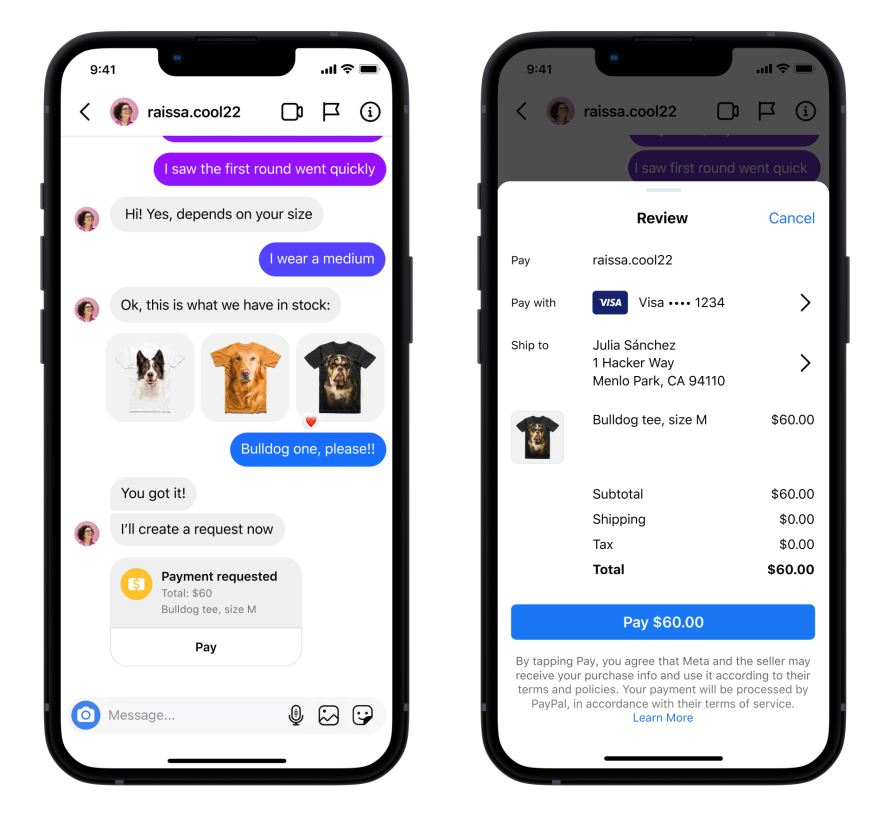
Instagram’s new DM features are similar to the messaging features of WhatsApp payments. Rather than going to a brand’s online retail store or Facebook/Instagram Shop, prospective customers can now shop and search for products with help from brand representatives on messenger.

Meta’s announcement notes that businesses that enable the feature can:

  • Chat with customers in real-time to answer questions and confirm purchase details.
  • Create a payment request with item description and price.
  • Request and collect payment.

Below is a preview of what this messaging feature looks like:

Instagram's DM Shopping tool

Source

Why This Could be Big for Businesses

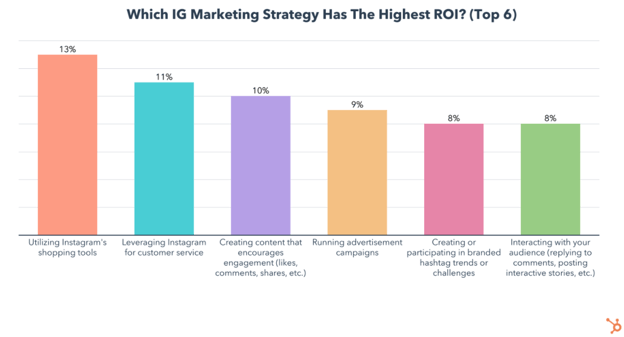
Why is this a big deal? For starters, our Instagram Marketing Trends Report shows that using the app’s shopping tools and leveraging DMs for customer service are the highest ROI strategies on the platform.

which instagram marketing strategy has the highest ROI

But while these tools may be working for marketers, are people actually buying products on Instagram and turning to DMs for customer service?

The results of another recent consumer trends survey we ran might surprise you:

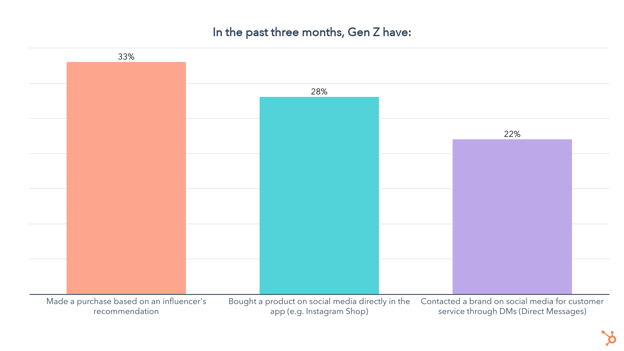
  • 28% of social media users age 18-34 have bought a product directly in a social media app in the past three months
  • 1 in 4 people age 18-24 have used social media DMs for customer service in the past three months
  • 33% of social media users age 18-24 have bought a product based on an influencer’s recommendation in the past three months
  • Social media is Gen Z’s preferred channel for discovering new products. 57% of Gen Z have discovered a new product on social media in the past three months
  • Social media is also Millennials preferred channel for discovering new products. 1 in 2 Millennials have discovered a new product on social media in the past three months

activities Gen Z has done in the past three months

While this data isn’t specific to Instagram, the app is currently at the forefront of the shift into e-commerce happening across social media platforms. YouTube just announced integrations with Shopify and Twitter is testing new shopping features, but Instagram seems to be slightly ahead of the curve.

That’s why Instagram is currently the best social media platform for selling products online. We even published a guide to Instagram’s various social media shopping tools and which perform best, based on our survey of 580+ Instagram marketers.

What’s Next for Social Shopping?

Social shopping isn’t necessarily new, but it’s being implemented and adopted in real-time by both consumers and marketers. Looking forward, we can confidently say that you’ll see Instagram continue embracing the shopping experience, and other social channels will likely follow suit.

When it comes to how marketers and consumers will interact with these shopping tools, it’s too early to tell. While social shopping shows huge potential based on our data, users might flee social media platforms as they become less about connecting us with the people we know and more about selling products.

Regardless, Gen Z and Millennials spend around four hours a day on social media, and social media is their preferred way of discovering new products, so there’s no better way to reach them.

As social selling evolves, we’ll be running our consumer trends survey bi-annually to keep track of how quickly social media users embrace these changes and keep surveying social media marketers to see if using these social shopping tools remains a top strategy.

New Call-to-action

Categories B2B

How Video Consumption is Changing in 2022 [New Research]

In 2022, video is more important to consumers than ever before.

Each day, we stream our favorite shows, watch YouTube videos to learn something new, or follow events, Q&As, and interviews via live video.

While video isn’t going anywhere, it’s always expanding, changing, and evolving to fit consumer preferences and new platforms — and marketers must keep up.

→ Access Now: Video Marketing Starter Pack [Free Kit]

Here, we’ll highlight five research-backed ways video consumption habits are changing and how marketers can respond strategically.

How Video Consumption is Changing in 2022

1. Increasingly, consumers are relying on marketing videos from brands.

In the past, consumers would visit websites, look at online reviews, watch commercials, and maybe watch a few YouTube videos to learn about a product. Now, with video being accessible on every major social media network, they are learning to rely more heavily on this type of content in their research phase.

Video Consumption

According to HubSpot Blogs research, 66% of consumers have watched video content (i.e., product demos, reviews, FAQs, unboxings, etc.) to learn about a brand or product.

The trend is clear: in 2022, consumers increasingly expect to see video content from brands. Why? Videos give consumers the opportunity to see how a product or service works in real life, discover any flaws before purchasing the item, and identify perks that they might not learn about in the text-based description.

Further, this content might also appear to be more authentic than a heavily edited product shot, which can boost a consumer’s trust in a brand or offering. 

2. Escapism is the name of the game.

In the past, older generations might have turned on their favorite TV sitcom or gone to the movies to escape from the stresses of daily life. While the platforms have changed, the need for relaxing or entertaining content hasn’t.

Video Consumption 3

According to HubSpot Blogs research, consumers say they primarily watch videos to “help me relax and unwind.” Additionally, people cited, “To laugh or be entertained,” as the second most common reason.

Even if you’re creating informative marketing videos, you should consider experimenting with funny anecdotes or adding other entertaining qualities. Interested in adding fun elements to your next marketing video? Get inspired by major brands that effectively used humor in their marketing.

3. Consumers lean into their passions.

Aside from looking for escapism, YouTube viewers are motivated to watch content that teaches them new things, especially when related to their passions, interests, hobbies, or social causes. In fact, according to HubSpot Blogs research, 13% of consumers watch videos to “explore an interest or passion,” while 11% want to “learn something new.”

Odds are your product relates to someone’s interests, hobbies, passions, or career. This is the type of person you’ll want to watch and enjoy your videos.

Creating a buyer persona and target audience around this type of person will help you identify video topics that they’ll value, benefit from, and remember..

4. Production quality is becoming more important. 

36% of consumers feel production value is “somewhat important,” while 28% feel it’s “very important.” But fear not — this doesn’t mean you need to rent a high-priced studio or enlist A-list celebs. 

Video Consumption 7

Instead, there are plenty of ways to produce an affordable video with solid quality from any home or workspace. And remember, oftentimes the success of a video relies on the value it provides. In other words, fancy lighting alone won’t cut it.

Additionally, video software like Vidyard, Bonjoro, and TwentyThree make it easy to record and send short video messages – like pitches, welcome videos, and more — to customers without needing a Hollywood budget.

5. Consumers prefer shorter videos.

Thanks to the rise of TikTok — and the wave of short-form content that followed — consumers are seeking quick, snappy videos. Specifically, videos under three minutes fall into a sweet spot.

optimal marketing video length according to HubSpot research-1

If you’re new to video, starting with short-form videos can help you get your feet wet — and tell you what resonates with your audience. 

You also need to set the right pace for your video content. Before you put a marketing video online, re-watch it from the point-of-view of a somewhat busy consumer. Then, ask yourself, “Does this video pull viewers into the action quickly and keep their attention?”

If you’re worried that parts of your video seem dull, you might want to shorten it. But, if your team thinks it’s entertaining or informative the entire time, you can experiment with publishing your longer-form video and learning from its results.

Navigating Video in 2022

With each new generation, the video world will continue to evolve.

However, at this point, the video landscape is changing in favor of marketers. Not only do consumers prefer to learn about brands via video content, but they use it as a necessary tool in the information-gathering phase of their buyer’s journey.

Additionally, the vast majority of video consumers now strive to learn something new about an interest or hobby, rather than just using video to entertain themselves. This means marketers can harness educational videos in their strategy and offer consumers content that relates to their niche, while also marketing a brand or product.

Back to You

Video isn’t going anywhere, but it is always expanding, changing, and evolving to fit new consumer needs and new platforms.

As this content continues to evolve with each new generation, marketers should continue researching video consumers’ interests, hobbies, and behaviors.

Discover videos, templates, tips, and other resources dedicated to helping you  launch an effective video marketing strategy. 

Categories B2B

How to Prepare for A Job in Digital Marketing and E-commerce [Google Certification]

The line between marketing and digital marketing has blurred. Offline marketing was once considered “traditional” compared to online or digital marketing. However, with many tactics living in the digital sphere, marketing changes as fast as technology does.

Traditional marketing, which ranges from radio ads to billboards and magazine spreads, simply adjusted to the new era. Radio ads became podcast sponsorships, billboards turned into web banners, and magazine spreads changed from ink on paper to pixels on a screen.

The benefits of this digital transformation are countless. The ability to target the right audience and engage them into action – subscribe, consume, or buy, are just a few examples.

Digital Marketing Specialties Are Endless

Inevitably, as with any constantly evolving field, specializations change. Today, being a digital marketer is only the beginning. Once you are familiar with the basics, you can find your specialty and niche.

Based on your interests and strengths, you can develop niche specialties like SEO, content strategy, or performance marketing. Within those specialties, you can become an expert in SEO for real estate platforms, a pharmaceutical content strategist, or an e-commerce performance marketer. Each specialty requires knowledge of different platforms and tools and familiarity with various technologies.

If you’re looking for flexibility, a career in digital marketing is a great choice. LinkedIn’s 2022 Marketing Jobs report shows a 121% YOY increase in a remote marketing job share with the most in-demand occupations in digital marketing and social media.

Where do I start?

With so much information and learning opportunities available online, candidates can gain in-demand skills and gain experience even without a formal education.

Deciding where to start can be difficult. While any updated knowledge that comes from a reliable source is valuable, a helpful rule of thumb is to look for an accredited source. Having a brand name behind the course or certificate not only promises a nice detail to add to your resume but also that the knowledge and skills you learn will be valuable and, hopefully, profitable.

Get A Certificate

A good place to start is the Google Digital Marketing & E-commerce Certificate. This certification does not require any previous experience, and with less than 10 hours of learning a week, you can become job-ready for a role in one of the most in-demand industries. In fact, this certificate is endorsed by the American Association of Advertising Agencies (4A’s) and the American Advertising Federation (AAF).

This certificate’s curriculum is extensive and includes everything from digital marketing and e-commerce foundations to marketing analytics and measurement. One of the things that makes this certificate so valuable is that you’re not only learning the theory but also getting the opportunity to practice while following the course. For example, as part of the certificate program, you will set up automated email campaigns on HubSpot, and design a mock e-commerce store using Shopify.

This is also one of the few courses out there that don’t just teach you digital marketing, it also provides you with the tools to specialize in e-commerce marketing management.

Why should you specialize in e-commerce marketing?

According to Fit Small Business, as of 2022 over 263 million American consumers shop online. That’s 80% of the population. It would be safe to assume that some of those shoppers are finding their way to online stores simply because they know what they are looking for, but in most cases, the funnel starts way before.

In 2021 alone, retail e-commerce sales were worth about 4.9 trillion U.S. dollars worldwide and this figure is expected to reach 7.4 trillion dollars by 2025.

E-commerce marketing can be considered a combination of marketing and sales. You’re not only advertising and engaging with potential customers, but you’re also encouraging them to make a purchase. As a digital marketer specializing in e-commerce, you will conduct marketing research, analyze traffic, and set up email marketing campaigns. In addition, you’ll design online stores, write product descriptions, and track store performance, to optimize conversion.

Working in e-commerce means you’ll be doing everything from driving traffic to online stores to converting that traffic into paying customers and retaining them using inbound marketing methodologies – attracting, engaging, and delighting people to grow a business that provides value and builds trust.

One of the distinguishing factors of the Google certificate in digital marketing and e-commerce is that it sets you up for your job search. Once you complete the Google Digital Marketing & E-commerce Certificate, you will have the opportunity to connect with over 150 employers that are currently hiring. More details can be found here.

Categories B2B

YouTube Challenges To Boost Subscribers in 2022

With roughly 15 million active content creators on YouTube, it feels like almost everyone has a YouTube channel these days — so how can you make your channel stand out from the rest Fortunately, there are always new viral challenges that can help you find your audience, boost your engagement, and showcase your unique personality as a content creator.

Some challenges can be done on your own and a few will need involvement from friends, family, or partners, but many challenges are interesting and fun to complete. Here are some of my favorites:

YouTube Challenges You Can Do Alone

Things Only 1% of People Can Do

Good Things Challenge

Surviving on a Penny Challenge

Buying the First Five Things You See Recommended in Ads

YouTube Challenges You Can Do With Friends or Family

Who Wore It Better

Whisper Challenge

Best Friend Challenge

Who Knows Me Better? Partner or Best Friend?

YouTube Challenges to Do as a Couple

Extreme Couple vs Couple Challenge

Spend 24 Hours Handcuffed Together

Wheel of Dares

→ Free Templates: How to Use YouTube for Business [Download Now]

Best YouTube Challenges

The best YouTube challenges are entertaining and simple enough that almost anyone can participate. Whether it’s trying a new look, completing DIY projects in record timing, or asking your loved ones silly questions, the challenges I’ve listed are straightforward for most people to do. So at the end of each challenge, don’t be afraid to ask your audience to try it themselves and tag your account. This can boost engagement and raise awareness for your channel.

Of course, safety should always be a priority, so don’t do anything that can put you, your loved ones, or any participants in danger. Viral numbers should never be put ahead of well-being. With that in mind, here are the best challenges you can complete to bring views to your channel.

YouTube Challenges You Can Do Alone

If you don’t have time to gather some of your favorite people to participate, these challenges are easy to do by yourself:

  1. Things Only 1% of People Can Do

Can you lick your elbow or touch your nose with your tongue? According to this challenge, only 1% of people can. Why not test yourself and try to do the nearly impossible on your own? Just remember — safety first! Once again, do not do anything that can put you in harm’s way.

What We Like: The challenge is a simple but effective way to share your hidden talents with your audience — or discover talents you never knew you had!

2. Good Things Challenge

To complete this challenge, film yourself doing at least one act of kindness. It could be working at a charity, volunteering at a shelter, helping a person in need, or anything charitable that benefits your community. Afterward, you can nominate another content creator or your audience to do the same and tag your channel.

What We Like: Content creators sometimes get a bad reputation for being self-involved, but this challenge proves it’s possible to use your platform to promote positivity and giving back to the community.

3. Surviving on a Penny Challenge

In this challenge, you start with just one penny. You then have to increase your money by as much as possible in a given amount of time. In Trahan’s case, he started with one penny before trading that penny for a pen and trading the pen for a dollar. He then used the dollar to buy a bottle of water and then sold the water for $2. This constant trade up went on for 30 days.

What We Like: This can push you as a content creator to be clever and creative in how you live off just one penny. It will also be entertaining for the audience to see your journey from having nothing to gaining more items and wealth over time.

4. Buy the First 5 Things You See Recommended in Ads

We’re constantly bombarded with ads everywhere we go online, so why not use it to our advantage? YouTuber Safiya Nygaard did this by buying and testing the first five products she saw in TikTok ads.

What We Like: We’ve always wondered if the products we see in ads actually work. You may find yourself with interesting items that make your life easier and you’ll help your audience discover products they may enjoy. At very least, you’ll help them steer away from products that aren’t worth the investment.

YouTube Challenges You Can Do With Friends and Family

Do you have a best friend with an eccentric personality? Or maybe an aunt who has the most hilarious reaction to everything? These challenges are a great way to get your loved ones involved and to let their personalities shine.

5. Who Wore It Better

In this challenge, you and one other person would wear the same outfit or clothing items and see who wore it best. This challenge is popular among sibling content creators — particularly twins — but can be done with anyone.


What We Like: This challenge can be customized to make it more unique to your channel. For example, instead of seeing who wore an outfit better, you and a friend can see who can rock a certain style better — like goth, punk, or bohemian.

6. Whisper Challenge

The whisper challenge consists of one person listening to loud music via headphones and another person reading a random phrase. They could whisper the phrase or say it out loud so long as the headphones are too loud for the other person to hear them. The person with the headphones has to guess what’s being said.

What We Like: The challenge is very simple and doesn’t require you or anyone else to buy anything. As long as you have something to read off of and working headphones, you’re good to go.

7. Best Friend Challenge

How well do you really know your best friend? This challenge puts your friendship to the test by having you and your friend ask each other questions and guessing each other’s answers. It’s a popular challenge used in celebrity interviews and its popularity doesn’t look like it’ll wane anytime soon.

What We Like: This challenge allows your audience to get to know you a little better. Questions about your favorite hobby, music, or food are very common in challenges like this.

8. Who Knows Me Better? Partner or Best Friend?

In this challenge you ask your significant other and your best friend a series of questions about yourself to see who knows you best. This challenge is very simple and can be modified to make it stand out from other videos. For example, YouTuber Daniel Gizmo modified the challenge to include a shopping trip to Target where Gizmo and his girlfriend’s best friend were tasked with finding the perfect gift.


What We Like: As I said earlier, it’s a very simple challenge to modify to make it more your own. You can challenge your partner and best friend to create an outfit you’ll like, buy you the perfect gift, or just stick to the simple question-and-answer format. The possibilities are endless.

YouTube Challenges To Do As a Couple

Speaking of partners, there are plenty of YouTube challenges you and your significant other can complete together. Here are a few of my favorites:

9. Couple vs Couple Challenge

Think of this challenge as a double date mixed with a bit of competition. Couple vs couple challenges simply mean you and your partner compete against another couple. The competition can involve trivia, battles of strength, or whatever you want. As long as everyone is having fun, it’s sure to be entertaining.

What We Like: You, your partner, and another couple can get creative with the kinds of challenges you include. From extreme yoga to pop culture trivia to DIY projects — any task can be used to modify this challenge to your liking.

10. Spend 24 Hours Handcuffed Together

The challenge is simple — you and your partner will spend 24 hours handcuffed to each other and will have to find a way to go about your day as normally as possible.

What We Like: Handcuff challenges have been popular among content creators for years and for good reason. It’s hilarious to watch couples try to have a normal day and complete simple tasks while stuck together.

11. Wheel of Dares

In this challenge, couples take turns spinning a wheel that dictates the dares they have to complete. You can either make the wheel yourself with dares of your choice or you can find one online. Just remember to be safe and not complete any dares that can put you or others in danger.

What We Like: This challenge is very spontaneous since the dares are assigned at random, making the game entertaining for the participants as well as the audience. You can modify the game to only be between you and your partner, or you can bring on more couples for added fun.

No matter what challenge you choose, just make sure you’re having fun. Your audience will enjoy seeing you and your loved ones laughing and being creative with the challenges. YouTube challenges are an excellent way to let your personality shine, expand your audience, and spread joy through your content.

New call-to-action

Categories B2B

Your Guide to Summer Web Traffic, Conversion & Lead Performance Across Industries [Data from 150,000+ Businesses]

Last summer, as physical businesses began to reopen, analysts predicted one of the largest summer slumps we’d ever seen.

And, when analyzing over 130,000 businesses, we certainly saw dips in engagement and conversion that affected some industries more than others.

This year, we’ve seen a lot more of the economy open back up. But, unfortunately, businesses have still worried about which direction they’re going due to the rising costs of inflation and continued economic uncertainties. At this point, many business owners could be asking, “How do I stack up to others in my industry?”

To help you, we collected data from more than 150,000 businesses to see how web traffic, conversions, and inbound leads were trending up or down MoM and YoY in July.

Here’s what we learned:

Editor’s Note: These insights are based on data aggregated from 150,000+ HubSpot customers globally between July 2021 and July 2022. Note: Because the data is aggregated from HubSpot customers’ businesses, please keep in mind that the performance of individual businesses, including HubSpot’s, might differ based on their own markets, customer base, industry, geography, stage, and/or other factors.

Overall Outlook

While some businesses are seeing heavier dips in traffic MoM and YoY, they’re still increasing performance YoY when it comes to Inbound Leads and Web Conversions. This shows that while we might be seeing signs of online seasonality, business could still be increasing from 2021 when COVID-19 still played a major role in economic uncertainty.


Next, let’s dive into some more specific metrics.

Inbound Leads

Overall inbound leads were down 1.68% MoM, but up 14.04% YoY in July. So while companies might be seeing a bit of seasonality, they might not need to call it a summer slump just yet.

Noted in the chart below, three MoM and YoY increases worth noting were in Financial Activities (12.4% MoM and 23.22% YoY), Leisure and Hospitality (11.46% MoM and 20.41% YoY), and Education and Health Services (8.27% MoM and 9.26% YoY)

While Leisure and Hospitality’s growth is not too surprising given the opening of economies and the summer months, there seems to be a lot more interest in Financial Activities as well as Education and Health Services.


But where do these leads come from? Two common areas businesses gain conversions and contacts from are their website and email marketing strategies. So, let’s dive in and see how different industries compared in July.

Website Traffic and Conversion Rate Trends

Across industries, July web traffic was down 5.2% month over month (MOM) and 11.44% year over year (YOY). This trend was seen across all industries.

While it isn’t uncommon to see lower web traffic in the summer (a theme we saw last year), the 11.44% annual drop across all industries is quite interesting as more and more people are connected to the internet, have web-enabled mobile devices, and even have multiple social media accounts. Although this dip could be due to even more time outside of the house than in 2020 and 2021, we’ll have to continue watching these themes to gain more context.

While you don’t necessarily need to panic if your traffic is dipping this summer, you should still take steps to optimize the web content and URLs you have. Here’s a data-driven report on how web managers around the U.S. track and optimize site traffic.

The good news? Overall contact conversion rates were up 3.76% MOM and 8.89% YOY in July. While this is good news for those involved in web conversion optimization, you should still take this data with a grain of salt as conversion rates can go up when traffic dips down.

Two industries that did not see a monthly increase in contact conversion rates were:

  • Technology, Information, and Media: down 1.45% MOM
  • Trade, Transportation, and Utilities: down 2.49% MOM

These data points aren’t super shocking as these industries have been historically susceptible to summer slumps and economic uncertainty. If you’re a marketer in one of these spaces, it’s important to continue aiming for the highest traffic possible, while still taking dips during the summer with a grain of salt.

Email Engagement Data Trends

Although more and more marketers are leveraging email marketing each day, inbox clutter might be getting lighter for subscribers this summer.

In July, most industries sent 5.61% fewer emails than in the previous month. But, in the scheme of things, email seems like a more active channel with 19.26% more sends year over year.

Email Send Changes by Industry

Industry

MOM

YOY

Construction

5.89% increase

24.57% increase

Education and Health Services

4.27% decrease

7.25% increase

Financial Activities

0.11% increase

28.74% increase

Leisure and Hospitality

1.8% increase

12.87% increase

Manufacturing

9.25% decrease

21.69% increase

Other Services (except Public Administration)

5.69% decrease

11.9% increase

Professional and Business Services

13.59% decrease

14.48% increase

Technology, Information and Media

8.38% decrease

1.77% decrease

Trade, Transportation and Utilities

7.95% decrease

1.49% decrease

Along with the number of emails sent MoM, nearly all industries saw a MoM open rate decrease in July, Leisure and Hospitality (up 1.42% MoM), Manufacturing (up 2.6% MoM), and Professional and Business Services (up 1.51% MoM).

This data could demonstrate that businesses are increasingly investing in email, but are adapting to send fewer emails during summer when engagement could be lower.

If you’re noticing dips in summer engagement and aiming to create an email cadence that works for your brand, without encouraging unsubscribes, check out this guide.

For email data and best practices directly from email marketers, read this post with even more original HubSpot Research.

More Resources and Research

Want to learn even more about the latest marketing trends, themes, challenges, and opportunities? Check out our State of Marketing Report below, plus this post which offers you a few of the major highlights we found from more than 1000 marketers.

New Call-to-action