Welcome to Breaking the Blueprint — a blog series that dives into the unique business challenges and opportunities of underrepresented business owners and entrepreneurs. Learn how they’ve grown or scaled their businesses, explored entrepreneurial ventures within their companies, or created side hustles, and how their stories can inspire and inform your own success.
The LGBTQ community is small but mighty, contributing trillions of dollars and thousands of jobs to the economy each year.
Despite this, LGBTQ individuals still face marginalization. The community continues to fight against historic and current systematic discrimination, which can present barriers to achieving equity and equality — even when trying to start or grow a business.
While progress is slow and not always linear, the good news is there are many resources intended to help give LGBTQ entrepreneurs a leg up. We’ve assembled a list of some of the best out there, which can help LGBTQ business owners thrive through peer networking, educational and leadership training, mentorship, and funding opportunities.
Resources for LGBTQ+ Entrepreneurs
1. NLGCC (National LGBT Chamber of Commerce)
The NLGCC, the National LGBT Chamber of Commerce, offers the only third-party certification for LGBTQ+ businesses in the U.S. If you complete their program and become a Certified LGBT Business Enterprise®, it opens the door to a new world of sales, networking, and educational opportunities.
Government bodies, and many corporations, have supplier diversity requirements — and obtaining a certification like this can put you in the procurement pipeline. The organization also offers many educational and networking opportunities, events, and resources.
2. StartOut
This nonprofit exists to support LGBTQ+ entrepreneurs and help them accelerate growth.
Resources include events, mentorship matching, a startup accelerator (StartOut Growth Lab), and even access to business capital. StartOut has several chapters throughout the U.S. with member networks and events, though if there isn’t one near you, the organization offers online events.
3. Out Professionals
This organization is somewhat similar to StartOut, though it’s more of a business network for all LGBTQ+ professionals, not just entrepreneurs.
Out Professionals has a membership program with chapters across the country that hold networking events, and the organization is open to people starting chapters in areas without them. These can be ideal places for LGBTQ+ entrepreneurs to connect with potential clients or partners. Members can also be included in an online directory and attend educational webinars.
4. Gaingels
Finding capital to launch or grow a business is hard for any entrepreneur, but it can be especially difficult for those in marginalized or under-resourced communities.
Gaingels was formed in 2014 as an angel investing group that focuses on helping LGBTQ entrepreneurs access capital, and it’s an excellent resource for startups seeking funding. Another firm to consider is Pipeline Angels, which creates capital for entrepreneurs who identify as cis or trans women, non-binary, two-spirit, agender, or gender non-conforming.
5. Out & Equal
While Out & Equal mainly focuses on supporting diversity and equality at large businesses, it also offers fellowships and career development training programs for LGBTQ+ leaders.
The organization also provides training on LGBTQ inclusion in the workplace, and its annual World Summit brings together business leaders to share best practices. They also offer a variety of online community engagement groups for those who want to connect with like-minded LGBTQ people (some current ones include bi+, LGBTQ+ people of color, and transgender & nonbinary people).
6. Lesbians Who Tech & Allies
Once geared toward lesbians, this group is now more broadly open to anyone in the tech industry who identifies as an LGBTQ+ woman, non-binary, trans, or an ally.
Lesbians Who Tech focuses on getting more women, people of color, and queer and trans people in technology. The organization also works to create visibility, foster community, and provide career and educational opportunities, such as coding scholarships. Their annual summit is an incredible opportunity for LGBTQ entrepreneurs to learn and network.
7. Out Leadership
This organization advocates for LGBTQ+ equality in the workplace. In addition to educating companies on how to be more inclusive, Out Leadership offers a global business network and programs for LGBTQ+ leadership. Entrepreneurs who want to hone their craft can apply for OutNEXT, a development program for emerging LGBTQ leaders, or OutWOMEN, for connecting LGBTQ+ women in business.
8. SBA Resource Partners
The U.S. Small Business Administration (the SBA) offers loads of free resources, including several partner organizations that support entrepreneurs. These aren’t specifically for LGBTQ+ individuals, but the SBA has been vocally affirming and supportive.
One resource funded by the SBA is its Small Business Development Centers, which are located nationwide and provide free business consulting, training, and support. Another SBA-supported resource is SCORE, which matches entrepreneurs with free business mentors who can help you start, grow or transition a business.
9. Your Local LGBT Chamber of Commerce
The NLGCC is the only national LGBTQ chamber of commerce, but its affiliate network contains city, state, and regional LGBTQ chambers across the U.S. Review their list of affiliate chambers to see if there are any near you.
These organizations are networks of LGBTQ-owned and allied businesses and entrepreneurs, and becoming a member plugs you into a network of peers. Members are also included in directories, which helps with marketing and signals that you’re in, or supportive of, the community. Local chambers usually also host many networking, social and educational events for members.
10. Out in Tech
Out in Tech is available to a broad audience of LGBTQ people working in technology, and its 40,000 members are tech leaders across the U.S. The organization has 32 chapters worldwide, featuring networking, education, social events, and a leadership training institute. Out in Tech also provides volunteer opportunities, such as the Digital Corps, which helps build websites for LGBTQ+ organizations and activists.
11. Reaching Out
Reaching Out was created to connect LGBTQ+ business school students with communities of alumni. It has several conferences, including Out Women in Business, that brings together LGBTQ+ women in the business community.
LGBTQ entrepreneurs with MBAs can join this nonprofit and participate in year-long programming that helps build a network of MBA students, alumni, and corporate partners.
12. Stanford Executive Leadership Program
If you want to uplevel your leadership, consider signing up for this week-long program hosted by Stanford’s business school. Hosted in person in California for a week in June 2023, participants learn how to excel as an LGBTQ+ business leader, improve interpersonal and communication skills, and build a strong peer network. The program is unique in that it teaches attendees how their LGBTQ+ identity is a strength to leverage in the business realm.
You’re Never Alone
While these are some of the top resources for LGBTQ+ entrepreneurs, it’s far from an exhaustive list. There are many more at the local level and in specific industries. LGBTQ people often experience isolation and discrimination, but know that our community is full of fellow entrepreneurs you can connect with and committed angel investors, nonprofits, and government partners eager to support you.
When you conduct research, you need to have a clear idea of what you want to achieve and how to accomplish it. A good research design enables you to collect accurate and reliable data to draw valid conclusions.
In this blog post, we’ll outline the key features of the four common types of research design with real-life examples from UnderArmor, Carmex, and more. Then, you can easily choose the right approach for your project.
Research design involves choosing the right methodology, selecting the most appropriate data collection methods, and devising a plan (or framework) for analyzing the data. In short, a good research design helps us to structure our research.
Marketers use different types of research design when conducting research.
There are four common types of research design — descriptive, correlational, experimental, and diagnostic designs. Let’s take a look at each in more detail.
The Four Types of Research Design
Researchers use different designs to accomplish different research objectives. Here, we’ll discuss how to choose the right type, the benefits of each, and use cases.
Research can also be classified as quantitative or qualitative at a higher level. Some experiments exhibit both qualitative and quantitative characteristics.
Experimental
An experimental design is used when the researcher wants to examine how variables interact with each other. The researcher manipulates one variable (the independent variable) and observes the effect on another variable (the dependent variable).
In other words, the researcher wants to test a causal relationship between two or more variables.
In marketing, an example of experimental research would be comparing the effects of a television commercial versus an online advertisement conducted in a controlled environment (e.g. a lab). The objective of the research is to test which advertisement gets more attention among people of different age groups, gender, etc.
Another example is a study of the effect of music on productivity. A researcher assigns participants to one of two groups — those who listen to music while working and those who don’t — and measure their productivity.
The main benefit of an experimental design is that it allows the researcher to draw causal relationships between variables.
One limitation: This research requires a great deal of control over the environment and participants, making it difficult to replicate in the real world. In addition, it’s quite costly.
Best for: Testing a cause-and-effect relationship (i.e., the effect of an independent variable on a dependent variable).
Correlational
A correlational design examines the relationship between two or more variables without intervening in the process.
Correlational design allows the analyst to observe natural relationships between variables. This results in data being more reflective of real-world situations.
For example, marketers can use correlational design to examine the relationship between brand loyalty and customer satisfaction. In particular, the researcher would look for patterns or trends in the data to see if there is a relationship between these two entities.
Similarly, you can study the relationship between physical activity and mental health. The analyst here would ask participants to complete surveys about their physical activity levels and mental health status. Data would show how the two variables are related.
Best for: Understanding the extent to which two or more variables are associated with each other in the real world.
Descriptive
Descriptive research refers to a systematic process of observing and describing what a subject does without influencing them.
Methods include surveys, interviews, case studies, and observations. Descriptive research aims to gather an in-depth understanding of a phenomenon and answers when/what/where.
SaaS companies use descriptive design to understand how customers interact with specific features. Findings can be used to spot patterns and roadblocks.
For instance, product managers can use screen recordings by Hotjar to observe in-app user behavior. This way, the team can precisely understand what is happening at a certain stage of the user journey and act accordingly.
Brand24, a social listening tool, tripled its sign-up conversion rate from 2.56% to 7.42%, thanks to locating friction points in the sign-up form through screen recordings.
Best for: Gathering unbiased data that reveals behaviors or recurring phenomena.
Diagnostic
Diagnostic research determines the root cause of a problem and finds the most effective solution. It’s often used in marketing to identify areas of improvement or potential opportunities for growth.
The diagnostic research design consists of three steps:
Inception, which includes data collection and problem definition.
Diagnostics, which comprises data analysis, hypothesis testing, and setting objectives.
Solutions, which define the best possible solution.
In product teams, a diagnostic design would involve analyzing customer feedback and reviews to identify areas where a company can improve. This would help identify where a product offering needs to change — pricing, missing features, customer service, etc.
Diagnostic research provides an accurate diagnosis of a problem and identifies areas of improvement.
Best for: Understanding the underlying causes of a problem and how to address it.
Research Design Examples
Let’s explore how leading brands employ different types of research design. In most cases, companies combine several methods to reach a comprehensive overview of a problem and find a solution.
UnderArmour doubled its market share among running shoes by referring to diagnostic and descriptive research.
The team aimed to design a breakthrough product by constantly improving their shoes in response to athletes’ real-time feedback. To do so, the company shipped free shoes to over 10,000 athletes. Using Qualtrics, the company surveyed participants for their feedback.
The resulting product received a 2019 Runner’s World Recommendation Award.
Pro tip: Use descriptive research design to tailor your product to the customers’ needs by observing their natural behavior and addressing the feedback.
The team moderated a live, online focus group. Participants were shown w product samples, while AI and NLP natural language processing identified key themes in customer feedback.
This helped uncover key reasons for poor performance and guided changes in packaging.
A beauty brand Tweezerman turned to descriptive research design to track its brand health and validate product ideas.
Tweezerman utilized SurveyMonkey Audience to collect quantitative consumer feedback and inform its global business strategy. This approach helped Tweezerland validate 10 out of 50 products and get an in-depth understanding of their audience.
Remember: To conduct market research, all you need is to launch a simple survey with the right targeting.
Getting Started with Research Design
Research design is your blueprint to answer questions through collecting data. When done right, it gives granular information on an issue and informs business decisions.
To start, map out your questions, define your problem, and think of what data you want to receive as a result. Then, choose the right research design method.
Unless they’re a monopoly, most companies can’t capture the total addressable market for their product or service. Even if a company just has one competitor, it would still be extremely difficult for them to convince an entire market to only buy its product or service.
Companies can measure their serviceable available market (SAM) to determine how many customers they can realistically reach. Additionally, they gauge their share of market (SOM) to understand the size of their actual target market.
However, TAM is still useful. Businesses can use a total addressable market analysis to objectively estimate a specific market’s potential for growth.
How to Calculate TAM
There are three ways to calculate your business’ total addressable market.
1. Top-down
The top-down approach uses industry data, market reports, and research studies to identify the TAM. In this approach, you might use industry data from Gartner or Forrester to identify which subsections of your industry align with your goals and offerings.
However, there are limitations here. Data generated by industry groups may not always be kept up-to-date and may not reflect niche elements of your market.
You may want to hire a market research consulting firm to conduct fresh research that is focused on your market.
2. Bottom-up
The bottom-up approach to TAM calculation is based on previous sales and pricing data.
First, multiply your average sales price by your number of current customers. This will yield your annual contract value.
Then, multiply your ACV by the total number of customers. This will yield your total addressable market. Let’s see what this looks like in an example.
Say you sell scuba fins to dive shops in the state of California.
You might sell an average of 60 pairs of fins, at $35/pair, to dive shops in California.
60 multiplied by $35 equals an ACV of $2,100. Then, you’d multiply your ACV ($2,100) by the total number of dive shops in California (125) for a total addressable market of $262,500.
3. Value-theory
The value-theory approach is based on how much value consumers receive from your product or service and how much they’re willing to pay in the future for that product or service.
To return to our scuba example, let’s say you manufacture a type of fin that’s lighter than your competitors. You’d identify your value theory by estimating how much dive shops would be willing to pay to carry your superior product.
If normal fins are being sold at $35 a pair, would dive shops pay $40 or even $45 for a pair of your ultra-lightweight fins?
After you calculate your total addressable market, it’s time to determine whether it’s worth entering the industry or not.
An industry with a market size ranging from $30 million to $200 million per year might be worth entering. However, if the industry’s market size is under $5 million per year or over $1 billion per year, it’s probably not.
In both situations, it’d be challenging to persuade investors to back your company. An industry with a market size of $5 million per year would likely be too niche and an industry with a market size over $1 billion would likely be too saturated.
Know Your TAM Before You Take Action
Starting a business or projecting next year’s revenue growth is always thrilling. But if you want to follow a realistic path toward success, you need to first understand what’s actually possible in the market.
Let your total addressable market be your North Star and guide you through a journey that’s rooted in reality, not hype.
Editor’s Note: This post was originally published in Nov. 2020 and has been updated for comprehensiveness.
Creating a resume from scratch can be a pain, particularly when you have limited design experience and your resume doesn’t extend beyond Times New Roman 1-inch margins in terms of flair.
You want your resume to appear professional, but you also don’t need it to look exactly the same as every other resume in the stack.
Fortunately, you don’t need to attempt any tricks you learned in a Photoshop 101 class to create a sleek and attention-grabbing resume.
Google Docs offers five templates with impressive design elements to help you portray a level of professionalism and originality in your resume. Even if you have the design all set, these templates provide formatting inspiration and fill-in-the-blank sections to ensure you don’t forget critical information, like your address or prior awards.
Take a look at these five Google Doc resume templates to choose one best suited for your desired role, or to get some inspiration before designing your own.
1. Swiss
The Swiss resume template is mostly traditional in style, but the color and bold lines make it appear more modern and impressive. The dark lines above and below each segment organize your sections effectively, and the small lines above each section title add some unique style. The simple color, right below your name, suggests you’re someone who pays attention to detail. This template is a solid option if you need a resume for a conservative role but also want to showcase some personality.
2. Serif
The colors used for each headline, and the two parallel columns with plenty of white space in between, suggest that you’re someone who’s organized and creative. This resume template is a good option for high school or recent college graduates with less work experience, since the template provides categories to showcase accolades and accomplishments outside the workplace.
3. Coral
The color used in the coral template isn’t overbearing or immature, but still spices up an otherwise basic resume. The formatting, with all the information left-indented in one column, looks clean and straightforward. This option is ideal if you’re applying for a corporate job but still want to seem fresh and unique.
4. Spearmint
With the bold green line at the top of the page, this template conveys someone who’s spirited and artistic. The consistency of the title colors is appealing and polished. Spearmint is a fantastic option for anyone who’s applying for a creative role, such as a web designer or creative director.
5. Modern Writer
You’ll only want to choose the statement-making Modern Writer as your template if you’ve got a good reason for it — for instance, if you’re applying for a web developer role, the font (which looks a bit like code) makes sense. The bold pink and Source Code Pro font are less ideal for a traditional role, but Modern Writer is a good option if you’re applying for a role that applauds uniqueness.
Welcome to HubSpot Marketing News! Tap in for campaign deep dives, the latest marketing industry news, and tried-and-true insights from HubSpot’s media team.
Artificial intelligence tool ChatGPT has been the center of debate online because there are still so many unknowns when it comes to using AI.
Is it ethical? Will it eliminate jobs? How can marketers use it to their advantage?
Ryan Reynolds is offering a potential answer to the latter in his latest ad for Mint Mobile.
In the video, Reynolds shares the ad criteria provided to ChatGPT and reads the AI-generated script directly to the camera. He finishes the read calling the technology “mildly terrifying, but compelling.”
Reynolds is no stranger to jumping on trending topics quickly through his media company Maximum Effort. Past examples include:
The 2019 Aviation Gin ad that served as a response to the infamous Peloton wife controversy was released immediately after the original commercial went viral.
The now-pulled 2021 Peloton ad starring actor Chris Noth aired just days after his character Mr. Big was killed off of the “Sex and the City” reboot “And Just Like That…” On the show, the character suffered a heart attack after riding a Peloton.
Back to Mint Mobile.
Though we don’t know if Reynolds really used ChatGPT to generate the Mint Mobile script, the video offers a glimpse into how marketers can use AI tools to streamline their efforts and describes how many people feel about the possibilities of artificial intelligence — mildly terrified but compelled.
I’ve always been a little leery of proclaiming anything “the best.” I never declared anyone my best friend as a kid because I was afraid my other friends might assume I thought less of them.
So it was a little difficult for me to come up with just one “best” advertisement of all time—which is why there are 18 in this post instead.
But why are these some of the best ads of all time?
Because of the impact they had on brand growth and because they hit on some universal truth that makes them memorable years after they first began. In fact, some of us might not have even been alive when these campaigns first aired.
Advertisements promote products, services, or campaigns through written or visual messages. Businesses can pay the owner of a channel or platform that reaches a similar audience to broadcast these messages. Two of the biggest challenges in advertising are measuring the value of the advertisement and ensuring it resonates with the right people.
As you can imagine, there are many types of advertisements—all of which run in different mediums, on different channels, and have different goals in mind for their business. People can advertise anywhere, and today’s best type of ad might not be the best type tomorrow.
Types of Advertisements
Here are four basic examples of advertising from the past few centuries (yikes), from earliest to latest.
1. Print Advertising
The first print ad ran in England in 1472, according to Infolinks. Since then, this type of advertising has become available in newspapers, magazines, brochures, billboards, flyers, and similarly portable methods of carrying a brand’s message to its ideal end user. In this ad method, the advertiser pays the publisher to place their ad in the publication.
2. Radio Advertising
United States radio stations launched their first commercial broadcasts in 1920. And while we might all drive around with our iPhones plugged in for music these days, don’t let that fool you.
Radio is still a viable marketing and advertising platform today for expanding the reach of sponsored events and new products. In this ad method, the advertiser pays the radio station to play their ad during designated breaks between music or a radio show.
3. Television Advertising
Television ads originated in the 1940s with the promotion of practical items and political campaigns. Advertisers can now use television to promote food, toys, stores, business services, and more—both to local TV channels and to national broadcast networks. In this ad method, the advertiser pays the TV network to show their ad during designated breaks in the network’s regular programming.
4. Internet Advertising
Internet advertising took root in the mid-1990s with the launch of “banner” advertisements for various telecommunications companies.
Marketers place these ads in interstitial spots on a webpage. Basically, advertisers pay the website owner to place their ads in exposed spaces peripheral to the website’s own content.
But that’s just the tip of the iceberg. Internet advertising has gone on to include video, search engine marketing, sponsored social media posts, and more.
In essence, the advertising types listed above have evolved dramatically since their inception. What were once quite one-dimensional messages now carry clever, funny, or profound undertones that make the ads memorable years after they first ran.
So how do you create an advertising strategy that resonates? Well, this post should help with that as we explore how we can learn from ads and campaigns.
But, first, an important distinction:
Advertising Campaign
An advertising campaign is a group of similar ads with a unified tone or message. The advantage of a campaign over a standalone ad is the ability to push the same idea in different ways, across multiple mediums, and for a longer period of time without getting too repetitive or stale for the audience.
Use HubSpot’s free Advertising Campaign Kit to plan out your advertising project and learn more about which advertising type is the best for your project.
The Best Advertising Campaigns of All Time (And What Made Them Successful)
Without further do, here they are in no particular order: 18 of the best advertisements of all time and the lessons we can learn from them.
Did you know that once upon a time, Nike’s product catered almost exclusively to marathon runners? Then, a fitness craze emerged, and the folks in Nike’s marketing department knew they needed to take advantage of it to surpass their main competitor, Reebok. (At the time, Reebok was selling more shoes than Nike). And so, in the late 1980s, Nike created the “Just Do It.” campaign.
It was a hit.
In 1988, Nike sales were at $800 million; by 1998, sales exceeded $9.2 billion. “Just Do It” was short and sweet yet encapsulated everything people felt when exercising—and people still feel that feeling today. Don’t want to run five miles? Just Do It. Don’t want to walk up four flights of stairs? Just Do It. It’s a slogan we can all relate to: the drive to push ourselves beyond our limits.
The Lesson
When you’re trying to decide the best way to present your brand, ask yourself: what problem are you solving for your customers? What solution does your product or service provide? By hitting on that core issue in all of your messaging, you’ll connect with consumers on an emotional level that is hard to ignore.
2. Coke: Share a Coke
Ad Campaign: Print
Big brands are often hard-pressed to do something ground-breaking when they’re already so big. So, what did Coca-Cola do to appeal to the masses? They appealed to individuals by putting their names on each bottle.
The Share a Coke campaign began in Australia in 2011 when Coca-Cola personalized each bottle with the 150 most popular names in the country. Since then, the U.S. has followed suit, printing first names across the front of its bottles and cans in Coke’s branded font. You can even order custom bottles on Coke’s website to request things like nicknames and college logos.
This was a breaking story across the marketing and advertising industry. It enchanted many consumers, but it confused others. Why make something temporary so personal?
Either way, Coke received immediate attention for this campaign. Pepsi even released some sassy counter-ads shortly after the campaign launched. Theirs focused on mocking the bottle names, questioning how people truly felt when they got the wrong name.
The Lesson
Coke fans are regular buyers, and the company fully leaned into that sense of individual ownership. Wondering what name you’ll get out of the vending machine was a fun thrill in and of itself—even if it isn’t yours, it encourages you to “share a Coke” with whoever’s name is on the front.
Despite having an ambiguous shape, Absolut made its bottle the most recognizable bottle in the world. Its campaign, which featured print ads showing bottles “in the wild,” was so successful that it didn’t stop running for 25 years. It’s the longest uninterrupted ad campaign ever and comprises over 1,500 separate ads. So, as the saying goes, “If it ain’t broke, don’t fix it.”
When the campaign started, Absolut had a measly 2.5% of the vodka market. When it ended in the late 2000s, Absolut was importing 4.5 million cases per year or half of all imported vodka in the U.S.
The Lesson
No matter how boring your product looks, you can still tell your story in an interesting way. Let me repeat: Absolut created 1500 ads for one bottle. So, don’t feel afraid to be determined and differentiate your product in the same way.
4. Anheuser-Busch: Whassup (1999)
Ad Campaign: Television
When’s the last time an advertisement literally changed the way we talk to one another? Allow me to answer that question with another question: “Whassup?!”
This series of commercials, which first appeared in late 1999, features a group of friends connecting on a group phone call (not very common anymore, huh?) while drinking beer and “watching the game” on TV.
It starts gently: “What are you doin’?” Someone asks. “Watching the game, havin’ a Bud” (a Budweiser), someone replies. As more friends pick up the phone, hilarity ensues: “WHASSUP!?” is yelled back and forth, becoming a classic catchphrase and an icon of beer-drinking culture that constantly ran on sports networks over the next few years.
The Lesson
The ad took pop culture by storm during the Super Bowl in 2000, and you can still hear its echoes today. Why? Anheuser-Busch showed us just how silly and informal an ad can be without ruffling feathers or going off-brand. Dare to celebrate your audience’s absurdities. The more genuine your ad is, the more valuable your product is.
Think it’s easy to create a whole new market for your product? The Miller Brewing Company (now MillerCoors) did just that with the light beer market—and dominated it. The goal of the “Great Taste, Less Filling” campaign was getting “real men” to drink light beer, but they were battling the common misconception that light beer can never actually taste good.
Taking the debate head-on, Miller featured masculine models drinking their light beer and declaring it great tasting.
The Lesson
For decades after this campaign aired, Miller Lite dominated the light beer market it had essentially created. What’s the lesson marketers can learn? Strive to be different. If people tell you there isn’t room for a product, create your own category so you can quickly become the leader.
6. Always: #LikeaGirl (2015)
Ad Campaign: Television, Internet
Always, the feminine product brand, hit a home run with this advertisement, not because it went viral after the commercial ran in the 2015 Super Bowl, but because it was a groundbreaking message that hundreds of millions of people repeated long after the campaign was over.
The campaign began as a commercial explaining the stigma behind playing sports “like a girl”—implying that the boy’s way is better or correct. By the end of the ad, the message is both clear and inspiring: girls are just as fit and capable as boys are, particularly during puberty—a stage of life that’s extremely important to Always and its women’s products.
The message is now a holistic initiative by Always and a hashtag that’s still used on social media today.
The Lesson
Acknowledge not just your audience but the challenges they face—especially the ones that reflect your time or culture. Not every societal issue is off-limits to marketers and advertisers. Take a stand on the ones you know your audience supports, and you’ll access a customer base that identifies with your passion.
Many marketing and advertising professionals like to call Volkswagen’s “Think Small” campaign the gold standard. Created in 1960 by a legendary advertising group at Doyle Dane & Bernbach (DDB), the campaign set out to answer one question: how do you change people’s perceptions not only about a product but also about an entire group of people?
See, Americans always had the propensity to buy big American cars—and even 15 years after WWII ended, most Americans were still not buying small German cars. So what did this Volkswagen advertisement do? It played right into the audience’s expectations. You think I’m small? Yeah, I am. They never tried to be something they weren’t.
The Lesson
That’s the most important takeaway from this campaign: don’t sell your company, product, or service as something it’s not. Consumers recognize and appreciate honesty.
8. Google: Year in Search (2017)
Ad Campaign: Internet
This isn’t the oldest or most well-known advertisement on our list, but it’s become the most powerful over its nine-year (and still going) existence. So powerful and so true you forget it’s an advertisement.
Year in Search began in 2009 as “Zeitgeist,” a written report of the public’s most common Google searches over the previous 12 months. The following year, Google adapted it for a three-minute video. Since then, it’s been a bold, yearly reminder of how much we depend on Google for information on the news and events that give the entire world pause. Check out the company’s latest video from 2021 above.
The Lesson
Remind your customers how much you care that they care. These stories elicit a variety of emotions but ultimately unite everyone—no matter what Google products they might like—through an uplifting message of how our usage of the company reflects the best in all of us.
9. Dos Equis: The Most Interesting Man in the World (2006)
You know who he is. The man smokes Cuban cigars, surrounds himself with beautiful women, and drinks Dos Equis beer.
Cooling down indulgent vices, such as beer, desserts, or luxury items, is key to creating a successful campaign. And The Most Interesting Man in the World is one of the coolest commercial guys out there.
At the end of every commercial, he says: “I don’t always drink beer, but when I do, I prefer Dos Equis. Stay thirsty, my friends.”
The Lesson
The hilarious hyperbole employed in this campaign makes it memorable the next time viewers head out to buy some beer. And even though Dos Equis recently replaced The Most Interesting Man with a new actor, the original actor’s popularity in meme culture will never decline because of his short, sweet, and memorable tagline—and the cool dude vibe it makes viewers harken back to.
10. California Milk Processor Board: Got Milk? (1993)
Thanks to the California Milk Processor Board’s “Got Milk?” campaign, milk sales in California rose 7% in just one year. But the impact ran across state borders, and to this day, you still can’t escape the millions of “Got [Fill-in-the-Blank]?” parodies.
Note, though, that the ad didn’t target people who weren’t drinking milk; it instead focused on the consumers who already were.
The Lesson
It’s not always about getting a brand-new audience to use your products or services. Sometimes, it’s about getting your current audience to appreciate and use your product more often. Turn your audience into advocates, and use marketing and ad content to tell them why they should continue enjoying the product or service you’re already providing.
11. Metro Trains: Dumb Ways to Die (2012)
Ad Campaign: Internet, Radio
Yes, you read that right: Dumb Ways to Die.
In Melbourne, Australia, Metro Trains wanted to convey a simple message: no horsing near train tracks. Disorderly conduct could lead to injuries or even death. Still, instead of typical warning signs or announcements inside train stations, Metro Trains came up with Dumb Ways to Die, a song that has garnered 157 million YouTube views since it debuted in 2012.
The song is, unsurprisingly, about dumb ways to die. For example, poking a grizzly bear with a stick or taking your helmet off in outer space.
Frankly, it features a catchy little chorus you won’t be able to stop humming to yourself (because singing it is a little morbid): “Dumb ways to die, so many dumb ways to die.”
At the end of the video, after you’ve watched adorable cartoon characters dying in the dumbest of ways, you get to the moral of the story: there are many dumb ways to die, but the dumbest possible way would be if you died while standing on the edge of a train platform, drove through a railroad sign, or tried to cross over a train track.
The video ad went viral on YouTube. The song was available on iTunes and even played over the radio with an accompanying ad.
The Lesson
This beloved, now-famous campaign communicates a simple idea in a creative and memorable way—and you don’t feel you’re being nagged the way some public service announcements do. Consider using creativity to convey your message if your subject matter is grim or boring.
12. Apple: Get a Mac (2006)
Ad Campaign: Television
While there have been many great Apple campaigns, this one takes the cake. The video above is just one of a series of iterations of this campaign, and the Mac vs. PC debate ended up being one of the most successful campaigns ever for Apple. The company experienced 42% market share growth in its first year with its help. These commercials tell Apple’s audience everything they need to know about the product without being overt.
The Lesson
Just because your product does some pretty amazing things doesn’t mean you need to hit your audience over the head with it. Instead, explain your product’s benefits in a relatable way, so consumers can see themselves using it.
The first time Clairol asked this question in 1957, the answer was 1 to 15—as in, only 1 in 15 people were using artificial hair color. Just 11 years later, the answer was 1 of 2, according to TIME Magazine. The ad was apparently so successful that some states stopped requiring women to denote hair color on their driver’s license. You know you’ve hit a nerve when your ad campaign changes things at the DMV.
Clairol did the opposite of what most marketers would do: they didn’t want every woman on the street running around saying they were using their product. They wanted women to understand that their product was so good that people couldn’t tell if they were using it or not.
The Lesson
Sometimes, simply conveying how and why your product works is enough for consumers. Showing becomes more effective than telling.
In 1999, AdAge declared De Beers’ “A Diamond is Forever” the most memorable slogan of the twentieth century. But the campaign, which proposed (pun very much intended) the idea that no marriage would be complete without a diamond ring, wasn’t just riding on the coattails of an existing industry. De Beers actually built the industry. It presented the idea that a diamond ring was a necessary luxury.
According to the New York Times, N. W. Ayer’s game plan was to “create a situation where almost every person pledging marriage feels compelled to acquire a diamond engagement ring.”
The Lesson
Advertising can make a relatively inexpensive product seem luxurious and essential.
15. Old Spice: The Man Your Man Could Smell Like (2010)
The very first part of Old Spice’s “The Man Your Man Could Smell Like” campaign, created by Wieden + Kennedy and launched in February 2010, was the following commercial. It became a viral success practically overnight:
That video has over 51 million views as of this writing. Several months later, in June 2010, Old Spice followed up with a second commercial featuring the same actor, Isaiah Mustafa. Mustafa quickly became “Old Spice Guy,” a nickname Wieden + Kennedy capitalized on with an interactive video campaign in which Mustafa responded to fans’ comments on Facebook, Twitter, and other social media websites with short, personalized videos.
In about two days, the company had churned out 186 personalized, scripted, and quite funny video responses featuring Mustafa responding to fans online. According to Inc, these videos saw almost 11 million views, and Old Spice gained about 29,000 Facebook fans and 58,000 new Twitter followers.
“We were creating and sending miniature TV commercials back to individual consumers that were personalized, and we were doing it on a rapid-fire basis,” Jason Bagley, former creative director at Wieden + Kennedy and a writer for the campaign, told Inc. “No one expects to ask a question and then be responded to. I think that’s where we broke through.”
The Lesson
If you find your campaign’s gained momentum with your fans and followers, do everything you can to keep them engaged while keeping your messaging true to your brand’s voice and image.
Is it enough to say this campaign was successful because it featured a giant hamburger bun and a cute set of old ladies? No? I didn’t think so.
Wendy’s took a more daring approach in this advertising campaign: it targeted its competitors. The simple phrase “Where’s the beef?” was used to point out the lack of beef in competitors’ burgers—and it quickly became a catchphrase that encapsulated all that was missing in their audience’s lives.
While you can’t predict when a catchphrase will catch on and when it won’t, Wendy’s (wisely) didn’t over-promote their hit phrase. The campaign only ran for a year, allowing it to gently run its course.
The Lesson
Be careful with your campaign successes and failures. Just because you find something that works doesn’t mean you should keep doing it repeatedly to the point it’s played out. Allow your company to change and grow, and you may find that you can have even greater success in the future by trying something new.
17. Procter & Gamble: Thank You, Mom (2012)
Ad Campaign: Television
Seriously, you wouldn’t expect a household and cleaning products company commercial to pull at the heartstrings like that, would you? Lately, though, Procter & Gamble (P&G) has launched some of the best ads we’ve ever seen from the consumer goods industry.
That’s because P&G identified the story behind the story of Olympic athletes—the stories of the supportive moms who pushed these world-class athletes throughout their entire lives leading up to that crowning moment. And yes, they probably had to do a lot of laundry and cleanup along the way (presumably using P&G products).
The Lesson
Make your audience cry (just kidding). The season or time period of your ad is important. But even if you run an ad during the Olympic Games, like P&G did, make sure it has longevity and a message that can influence people no matter when or where they see it.
Emotional and nostalgia marketing are powerful tactics to get people to make buying choices, so if there’s a bigger, more universal story behind your product or story, tap into it—and showcase it front and center.
18. KFC: “FCK” (2018)
Standalone Ad: Print
The ad above isn’t just an empty bucket of KFC with the company’s letters jumbled around. It’s also not a normal, unprompted promotion of fried chicken.
This ad is an apology and perhaps the most creative one of all time.
In February 2018, KFC’s business in the U.K. ran out of chicken. You read that right: a poultry company ran out of poultry. It’s not every day that a business stumbles upon the most ironic PR crisis in company history, so when it happens, all eyes are on the business’s response. Well, we’re happy to report that KFC stuck the landing.
With the help of the creative agency Mother London, KFC took out a full-page ad in Metro, the U.K.’s newspaper, rearranging its three famous initials to create a hilarious, albeit explicit, response to its product shortage. The ad depicts a KFC bucket that reads, “FCK”—as if to say, “FCK, this is embarrassing.” (You can fill in the missing letter…)
Beneath this design, the company apologizes for what it realizes is an inexcusable, if not slightly funny, failure.
The Lesson
No business is above a good old-fashioned sorry. And if you can laugh at yourself in the process, you’ll only make it better. KFC’s ad shows how to combine humility, class, humor, and ultimately company pride in a message that can help you bounce back from the bad press—and even come out the other side with a net-positive result for your brand.
Use These Advertisement Examples to Inspire Your Own Ads
Advertising is one of the most important aspects of any business, and it can be a make-or-break factor in terms of success.
What makes a great advertising campaign? It must be memorable, catchy, and above all else, it must effectively sell your product or service.
With careful planning and execution, your next advertising campaign could be the one that takes your business to new heights.
With how quickly the internet changes, people can argue all day about how often to post on social media. Which networks should you use? How frequently should you post? And does the time you post really matter?
Read on to get the answers to key questions about how often to post on social media for business, or jump to the topic or network you’re curious about:
Should I publish more or less often on social media?
How frequently you post on social media will depend on a number of factors, namely, how the platform works and the ecosystem on each platform you choose.
With chronological-based social media platforms, such as Twitter, a high frequency is better. The more you post, the more visibility you get. However, for algorithm-based social media platforms, quality content beats frequency, as too many posts can cannibalize performance.
This rule of thumb corresponds with how businesses have adapted their social media publishing schedules to meet audience demands.
In this post, we’ll dive deep into different social media platforms. We’ll then share the optimum number of times to post each week
When’s the best time to post on Twitter?
Time generally doesn’t matter. That’s right, read that again.
There’s some uptick in the number of clicks at the very end and very beginning of the day. However, we also see a smaller volume of tweets during that time, so it’s not a statistical trend.
Your focus on Twitter should be on content, not on the time of day. Post on Twitter whenever is convenient for you.
Which is the best day to post on Twitter?
For most tweets, there’s no difference in the day of the week that you post.
For more viral tweets — the ones in the 95th percentile — there could be some benefit to posting on Sunday, Monday, or Tuesday, but just like the time of day, it’s not terribly significant.
What’s the optimal publishing frequency on Twitter?
Twitter is still mostly a chronological social network. Therefore, the more marketers post, the more visibility and total clicks their posts get.
On Twitter, publishing more is better.
For marketers with at least 100 followers on Twitter, each message should earn marketers a median of 2.5-3 clicks.
Keep in mind that this shouldn’t mean that you publish terrible posts. That won’t do your brand or account any favors. However, as a temporal platform, it’s not as critical to have perfectly polished prose as it is on other social apps.
When’s the best time to post on LinkedIn?
While the median click count has little variation, the 95th percentile of posts shows a drop-off for content published later in the evening after 5 p.m. or so.
You should be scheduling LinkedIn posts during business hours (after all, it is a business networking site), but the focus should be on content, not the time of day.
Which is the best day to post on LinkedIn?
Posts published Mondays, Saturdays, and Sundays don’t perform as well as posts published Tuesdays, Wednesdays, Thursdays, and Fridays.
Tuesdays and Wednesdays are especially good times to publish on LinkedIn. They have a generally higher median as well as 95% percentile clicks.
What is the optimal publishing frequency on LinkedIn?
Once you publish more than five times per week (for most companies, this means once per workday), the return on investment drops substantially.
What is likely happening is that LinkedIn doesn’t want users’ feeds to be overwhelmed by posts by the same company, so the second post in a day that a marketer publishes can have a detrimental result on the performance of the first.
For pages with at least 100 followers, the first two posts on LinkedIn per week will typically bring in two clicks each. However, the 10th post in a week for those channels only adds about 0.5 clicks.
The marginal effectiveness of creating content for LinkedIn maxes out at two posts per week.
So, we suggest sharing between two and five posts per week on LinkedIn to get the maximum value from the network for the time spent creating the content.
When is the best time to post on Facebook?
Most posts on Facebook don’t do very well. But at the high end (95th percentile), there’s huge variability at the beginning and end of the day.
Keep in mind since there are fewer posts at the beginning and end of the day, these aren’t statistical trends that marketers can count on. Instead, we’d suggest focusing on the content, not the time of day when publishing.
Which is the best day to post on Facebook?
There is no median on Facebook — and no, that’s not a typo. The number of median clicks for all accounts is actually 0. That’s because only really good content on Facebook gets surfaced highly.
The conclusion here is that there’s no ideal day to post on Facebook. The data does show that it’s slightly better to post on Sundays.
There’s also a natural dip in post frequency and engagement on Friday and Saturday.
What is the optimal publishing frequency on Facebook?
Similar to LinkedIn, if you’re publishing more than five times per week (for most companies, that’s once per workday), the return on investment drops substantially.
For pages with at least 100 followers, the first two posts on Facebook earn a median of a single click on them. After the 10th post, each additional post nets just half a click, and then continues to fall.
Therefore, we suggest publishing between two and five times per week on Facebook.
Facebook prioritizes “fresh” content and doesn’t want to overwhelm users with just one company in their feed. When companies publish more than once per day, their first post can be cannibalized by the second.
Publishing more than once per day won’t just earn you diminishing ROI — Facebook could even punish your page with the algorithm if you don’t get a lot of engagement with your posts.
That said, if your posts are consistently getting many likes or comments — at least more than five on each one — then it makes sense to post more. The key to this platform is engagement.
So as long as your audience likes what you’re writing, Facebook will continue to reward you and show it in the News Feed.
Why publish on Facebook at all?
There are three big reasons to keep publishing on Facebook:
1. Publishing on Facebook shows leads and potential customers that you’re actively in business.
Many people go to Facebook simply to research companies and look for thought leadership. If your Facebook page is incomplete and inactive, they may go with a competitor who is more prominent on the platform.
2. It’s easier to go viral on Facebook.
The number of outliers that we see at every level is substantial — which means that when you go viral on Facebook, the upside is very, very high.
The maximum number of clicks that a single Facebook Page received during this time frame was 8K — and the Page published just five times that week.
3. Facebook Ads offer some of the highest ROI of social ads you can buy.
This is especially true if you are doing any retargeting. And once you’ve published on Facebook, it’s the easiest platform from which to boost posts and get more distribution (and followers).
When’s the best time to post on Instagram?
When there’s a break in the day, you may find yourself reaching for your phone to scroll on Instagram. You’re not alone. Some of the best times to post on the platform are during commute, lunch, and after the workday has concluded.
CoSchedule researched 30,000 social media accounts to find the best time to post on Instagram. They found that the best times to publish are right around the start of the work day (9 a.m.), lunchtime, and after work (around 7 p.m.).
Avoid posting in the middle of the night between 1 a.m. and 4 a.m., as data shows that these times can be less effective.
Which is the best day to post on Instagram?
Similar to other networks, it seems that Instagram use peaks as the week goes on. Posts published Tuesdays, Wednesdays, and Fridays tend to do better than those published Saturday through Monday.
If your business relies on weekend traffic, you’ll want to continue to post Saturday and Sunday. Restaurants, boutiques, and other shops may fall into this category. If your business offers weekend specials, these posts can prove beneficial.
What is the optimal publishing frequency on Instagram?
On Instagram, less is more. Too many posts from one will compete against each other and gain less traffic.
Adam Mosseri, head of Instagram, offered more insight during Instagram’s 2021 Creator Weekend. He suggests sharing a couple of in-feed posts per week and a couple of stories per day.
Hootsuite suggests posting on Instagram three to seven times per week. And remember: Don’t post more than once per day.
When’s the best time to post on Pinterest?
While Pinterest sits comfortably at the 15th-largest social media network, Hootsuite reports that the platform still boasts over 400 million users daily. These users browse the app at different times based on the type of content they’re searching for.
Different industries and types of content show variation. For instance, if you are a health and beauty brand, morning and evening posts have a higher likelihood of gaining traction, according to CoSchedule.
Likewise, food and beverage companies can gain extra reach by posting around dinner time (5 p.m.) as that’s the time that most people open the app to find a recipe.
However, for most companies, when you post doesn’t matter so long as you avoid posting in the middle of the night.
Which is the best day to post on Pinterest?
The type of content you gather on Pinterest will affect which days you’ll receive the most engagement.
However, research from CoSchedule found that Friday, Tuesday, and Thursday were the best day to post. The weekends and Mondays offered the least amount of traction.
What is the optimal publishing frequency on Pinterest?
Sources vary wildlyon how often you should post on Pinterest, but most agree that your organization should be pinning between five and 15 times per day.
You should also avoid pinning more than 25 posts in a day to avoid information overload. Unlike Twitter where more is better, with Pinterest you should be aiming for quality over quantity.
What does this mean for your social media strategy?
When it comes to posting on Facebook and LinkedIn, remember that you may only have between two and five posts per week that will get distribution by the networks’ feeds. With that in mind, focus on the quality of each post.
Your aim should be to get more likes, comments, and shares to make the news feed algorithms work for you.
On Instagram, remember that quality matters more than quantity. You should limit your posts while focusing on the quality and relevance of the images you share.
And when it comes to Twitter and Pinterest, post freely — the timeline updates so frequently that you’re at an advantage posting more often to reach more people.
Editor’s note: This post was originally published in June 2020 and has been updated for comprehensiveness.
Have you ever finished creating a WordPress website, loved everything about it, and promptly began to hate it after realizing it takes forever to load? Mastering the elimination of render-blocking resources will help diagnose this problem. But how?
Not only are slow loading speeds a nuisance for you and your visitors, but they can also cost you significantly when it comes to SEO. Since 2010, Google algorithms have accounted for loading speed in ranking decisions, so slow pages appear lower on results pages.
You might be familiar with the common culprits of poor page performance — excessive content, uncompressed image files, insufficient hosting, and lack of caching to name a few. But there’s another often-overlooked perpetrator in play: render-blocking resources.
Don’t get me wrong — CSS and JavaScript are great. Without CSS, websites would be walls of plain text. Without Ja=ooovaScript, we wouldn’t be able to add dynamic, interactive, engaging elements to our websites. But, if executed at the wrong time, both CSS and JavaScript can put a dent in your website performance.
Here’s why: When a web browser first loads a web page, it parses all the page’s HTML before displaying it onscreen to a visitor. When the browser encounters a link to a CSS file, a JavaScript file, or an inline script (i.e., JavaScript code in the HTML document itself), it pauses the HTML parsing to fetch and execute the code, which slows everything down.
If you’ve optimized your page performance in WordPress and are still experiencing problems, render-blocking resources may be the culprit. Sometimes this code is important to run on the first load, but much of the time it can be removed or pushed until the very end of the queue.
In this post, we’ll show you how to eliminate this pesky code from your WordPress website and give your performance a boost.
If you’d rather follow along with a video, check out this walkthrough created by WP Casts:
1. Identify the render-blocking resources.
Before making any changes, you first need to locate the render-blocking resources. The best way to do this is with a free online speed test like Google’s PageSpeed Insights tool. Paste in your site’s URL and click Analyze.
When the scan is complete, Google assigns your website an aggregate speed score, from 0 (slowest) to 100 (fastest). A score in the 50 to 80 range is average, so you’ll want to land in the upper part of this range or above it.
To identify render-blocking files that are slowing your page, scroll down to Opportunities, then open the Eliminate render-blocking resources accordion.
You’ll see a list of files slowing the “first paint” of your page — these files affect the loading time of all content that appears in the browser window on the initial page load. This is also called “above-the-fold” content.
Take note of any files ending with the extensions .css and .js, as these are the ones you’ll want to focus on.
2. Eliminate the render-blocking resources manually or with a plugin.
Now that you’ve identified the issue, there are two ways to go about fixing it in WordPress: manually, or with a plugin. We’ll cover the plugin solution first.
Several WordPress plugins can reduce the effect of render-blocking resources on WordPress websites. I’ll be covering two popular solutions, Autoptimize and W3 Total Cache.
How To Eliminate Render-Blocking Resources With the Autoptimize Plugin
Autoptimize is a free plugin that modifies your website files to deliver faster pages. Autoptimize works by aggregating files, minifying code (i.e., reducing file size by deleting redundant or unnecessary characters), and delaying the loading of render-blocking resources.
Since you’re modifying the backend of your site, remember to use caution with this plugin or any similar plugin. To eliminate render-blocking resources with Autoptimize:
2. From your WordPress dashboard, select, Settings > Autoptimize.
3. Under JavaScript Options, check the box next to Optimize JavaScript code?.
4. If the box next to Aggregate JS-files? is checked, uncheck it.
5. Under CSS Options, check the box next to Optimize CSS Code?.
6. If the box next to Aggregate CSS-files? is checked, uncheck it.
7. At the bottom of the page, click Save Changes and Empty Cache.
8. Scan your website with PageSpeed Insights and check for an improvement.
9. If PageSpeed Insights still reports render-blocking JavaScript files, return to Settings > Autoptimize and check the boxes next to Aggregate JS-files? and Aggregate CSS-files?. Then, click Save Changes and Empty Cache and scan again.
How To Eliminate Render-Blocking Resources With the W3 Total Cache Plugin
W3 Total Cache is a widely-used caching plugin that helps address laggy code. To eliminate render-blocking JavaScript with W3 Total Cache:
1. Install and activate the W3 Total Cache plugin.
2. A new Performance option will be added to your WordPress dashboard menu. Select Performance > General Settings.
3. In the Minify section, check the box next to Minify, then set Minify mode to Manual.
4. Click Save all settings at the bottom of the Minify section.
5. In the dashboard menu, select Performance > Minify.
6. In the JS section next to JS minify settings, make sure the Enable box is checked. Then, under Operations in areas, open the first Embed type dropdown and choose Non-blocking using “defer”.
7. Under JS file management, choose your active theme from the Theme dropdown.
8. Refer back to your PageSpeed Insights results from your earlier scan. For each item under Eliminate render-blocking resources ending in .js, click Add a script. Then, copy the full URL of the JavaScript resource from PageSpeed Insights and paste it into the File URI field.
9. Once you’ve pasted in all render-blocking JavaScript resources reported by PageSpeed Insights, click Save Settings & Purge Caches at the bottom of the JS section.
10. In the CSS section next to CSS minify settings, check the box next to CSS minify settings and make sure the Minify method is set to Combine & Minify.
11. Under CSS file management, choose your active theme from the Theme dropdown.
12. For each item under Eliminate render-blocking resources ending in .css in your PageSpeed Insights scan results, click Add a style sheet. Then, copy the full URL of the CSS resource from PageSpeed Insights and paste it into the File URI field.
13. Once you’ve pasted in all render-blocking CSS resources reported by PageSpeed Insights, click Save Settings & Purge Caches at the bottom of the CSS section.
14. Scan your website with PageSpeed Insights and check for an improvement.
How to Eliminate Render-Blocking JavaScript Manually
Plugins can handle the backend work for you. Then again, plugins themselves are just more files added to your web server. If you want to limit these extra files, or if you’d just rather handle the programming yourself, you can address the render-blocking JavaScript manually.
To do this, locate the <script> tags in your website files for the resources identified in your PageSpeed Insights scan. They will look something like this:
<script> tags tell the browser to load and execute the script identified by the src (source) attribute. The problem with this process is that this loading and executing delays the browser’s parsing of the web page, which impacts the overall load time:
To resolve this, you can add either the async (asynchronous) or the defer attribute to the script tags for render-blocking resources. async and defer are placed like so:
While they have similar effects on load times, these attributes tell the browser to do different things.
The async attribute signals the browser to load the JavaScript resource while parsing the rest of the page and executes this script immediately after it has been loaded. Executing the script pauses HTML parsing:
Scripts with the defer attribute are also loaded while the page is parsed, but these scripts are delayed from loading until after the first render or until after the more essential portions have loaded:
The defer and async attributes should not be used together on the same resource, but one may be better suited for a particular resource than the other. Generally, if a non-essential script relies on a script to run before it, use defer. The defer attribute ensures that the script will run after the preceding necessary script. Otherwise, use async.
3. Re-run a site scan.
After making your changes, conduct one final scan of your website through PageSpeed Insights and see what impact your changes had on your score.
Hopefully, there’s a noticeable improvement, but don’t worry if not. Many factors can inhibit page performance, and you may have to do some more digging to find the source of poor performance.
4. Check your website for bugs.
In addition to a rescan, check your pages to make sure your site works. Does the page load correctly? Are all elements showing up? If something is broken or fails to load properly, undo your changes and troubleshoot the issue.
If you’ve reached a point where you’ve repeatedly tried various measures with minimal speed gains, it might be best to consider other ways to speed up your pages, rather than risk breaking your site.
Optimizing Your WordPress Site for Performance
Many factors contribute to your users’ experience on your website, but few are more important than load time. Whenever you make big changes to content or appearance on your WordPress site, you should always consider how such changes affect performance.
Now that you’ve eliminated the render-blocking resources, you should continue to optimize your website’s speed by analyzing other features that are known to slow down performance. Try to incorporate regular speed testing into your site maintenance schedule — staying ahead of any potential issues will be critical to your success.
Have you ever read a post that you knew was an advertisement, but it was so interesting that you felt delighted anyway? Chances are that particular piece of content was an advertorial. In this article, we’re going to define what an advertorial is and how it can be an excellent marketing choice for you and your team.
A good advertorial doesn’t clearly state that an advertiser made the post in the copy, but it also doesn’t hide that fact. An advertorial should provide the same high-quality content as a blog post or video but give a spotlight to the product being advertised.
For example, let’s say I’m on the marketing team for a company that offers social media services, and I’m in charge of writing an advertorial. I might write a listicle that talks about the top social media tools in the marketing industry and include my company’s software somewhere in the list.
This approach accomplishes promoting my company’s services but also provides valuable information to readers about other tools, like an editorial piece. Advertorials can be used as a valuable marketing technique for visibility and conversion, so let’s explore that next.
Benefits of Advertorial Marketing
In an advertorial, you’re using a marketing technique that’s often used for brand exposure, conversion, and lead generation. Here’s how:
1. You can convert leads.
If you have blog post ideas relating to your industry, consider sourcing out a publication interested in advertorials for your industry. For instance, if you run an eCommerce technology business, you’ll want to consider a publication like TechCrunch, which specializes in all things technology and commerce.
Your advertorial would be shown to audiences that are the most interested in your industry, so you can increase exposure to the right people. This method can convert quite a few leads.
2. Advertorials build brand awareness.
An advertorial can be an excellent investment if you want to build brand awareness with paid ads but are looking to advance your efforts past social media or TV ads. An advertorial post, unlike ads, is paid for less often but has the potential to be found by readers long after the publish date.
If you pay for an advertorial, you won’t have to keep paying to boost its visibility, like you would with other ads. Instead, you can earn organic traffic continuously with an advertorial post.
3. Retarget your existing customers.
When an advertorial is posted, how can you fit it into your content plan to provide value to your existing customers?
If your advertorial is a filmed interview with an industry thought leader, and your customers respond really well to video. You can post the advertorial on your social media accounts and boost the fact that you partnered with a publication to bring a new video to your audience.
Similarly, you can embed the advertorial into your email list. Your email subscribers are likely devoted customers, so sharing the post with that audience is most likely going to earn you some traffic.
Encouraging your customers to share the post on social media and tag your company is a great way to increase brand awareness online, promote your advertorial, and gain user-generated content from your audience. User-generated content is a fantastic content idea that gives a voice to satisfied customers to market your product from their point of view.
So, now you know the many ways an advertorial can benefit your brand. Now, let’s talk about writing an advertorial.
Advertorial vs. Editorial
Just like there are multiple ways to market products, there are multiple ways to create an advertorial. Ultimately, how you structure your advertorial is dependent on the brand voices of your company and the publication for which you’re writing.
If your brand voice is more formal, but you’re writing for a publication that uses a less-formal tone, blend the two harmoniously so your advertorial can speak to both audiences. (Alternatively, perhaps your target audience for this campaign supports a change of tone, which is 100% okay).
To make sure you write an effective advertorial that doesn’t sound too much like a blog post or too much like an ad, follow these tips:
1. Write for value, not to promote.
Your advertorial should include valuable copy. You don’t need to write a blatant ad for your product or company. Instead, advertorials should take the tone of a blog post.
Blog posts are meant to provide information that audiences can find value in. So, when you sit down to create the concept of your advertorial, think about how you can serve your target audience with educational content first.
Maybe your campaign goal is to increase the visibility of your new product. If that’s the case, think of writing a listicle that mentions competitive products and includes yours at the top. This provides valuable information to audiences you’re interested in, as well as the other way around.
2. Stick to what your title says.
When your advertorial pitch gets accepted by a publication, or after you’ve written a draft, read it for continuity: Does your advertorial accomplish what you said it would in the title?
For instance, if your post title is “Marketing Tips for a Team of One,” but you spend the advertorial talking about how wonderful your marketing agency is at building brand awareness, your post is going to sound more like a product page.
It’s important to align the information in your article with your title so readers know what they’re getting into. Additionally, you won’t lose credibility for false advertising, and you can be sure you’re serving your audience.
3. Solve for the customer.
Serving audiences should be one of your top priorities with an advertorial. Yes, advertorials help your company out, but ultimately, solving for the customer generates new ones.
Advertorials aren’t a chance for you to shout out how your company solves all of the challenges presented in your advertorial. Instead, this is a chance for you to reach a new audience with high-quality content.
If you want to place an ad for your company in tandem with an advertorial, discuss the possibility with the publisher. You may be able to purchase ad space that will separate the purposes of your content.
4. Inspire action.
Remember, your advertorial should still be some sort of an advertisement, and, with all ads, you should inspire action by the end of the post.
Instead of including a huge CTA button, weave action into the narrative of your advertorial. For example, if you are going to write one about your latest data report, include a link to read it or a screenshot of a compelling part of the report that links to the content offer for it.
Similarly, you can make an interactive advertorial, like a quiz, that tests your readers’ knowledge about the subject, then provide a resource where they can learn more about the subject by accessing one of your offers.
5. Avoid only talking about your company.
To ensure your advertorial doesn’t take the form of a long-form ad, avoid only talking about your company.
Even if your content includes a quiz, you can have a couple of the questions mention competitors and how they fit into the lives of your customers.
Similarly, if you’re writing a “How-to” guide, when you include your company as a resource, be sure to mention another option or two. To diversify your content, add value to the reader, and show your knowledge of the industry, mentioning other brands in the post is key.
6. Delight your readers with exceptional content.
An advertorial is a good chance to try something new to delight your customers — for instance, maybe include animations instead of photos, emojis instead of text, or even a different style of writing that’s different from your typical brand voice.
The chance to participate in something new will engage with those leads. If you’re writing for the needs of your audience, you want them to feel like their experience reading your advertorial was a delightful one.
You can also try out some new optimization techniques. You can create a content offer that’s specific to a campaign. You can experiment here and cater to new leads with your piece.
Now that you have some tips about how to create an advertorial, let’s go over some examples you can refer to if you get stuck writing, formatting, or finalizing your post.
Advertorial Examples
If you’re wondering about the effectiveness of your advertorial, we’re going check out these examples to get an idea of how to make one that’s stunning.
1. Adobe x New York Times
Adobe partnered with the New York Times to produce a paid post about virtual shopping. The advertorial provided insight into virtual shopping trends using statistics and in-depth research studies. Adobe used the advertorial to promote its brand while also giving valuable information readers can use when shopping online.
Metro Parent is an online community giving parenting advice, support, and stories on trending topics and issues. Alpine Academy wrote an article for Metro Parent explaining the benefits attending of attending the school. Thought the advertorial is clearly an ad for Alpine Academy it also provides helpful information about what children need in a healthy educational environment.
Forbes runs a series on their website called BrandVoice, which is a series dedicated to expert advice from marketers. This BrandVoice in particular is an advertorial from footwear company, Cole Haan, about exploring creativity:
At the top of this post is a banner ad for Cole Haan. Putting this ad at the top of the post, rather than the body, reinforces that the post is an advertisement, but doesn’t make the copy suffer for it.This advertorial supports balancing your mind, and moving productively inside your home. While the post itself doesn’t mention the words “Cole Haan,” or promote the company’s products, the content still relates to the concept of moving your feet, which aligns with what the company sells.
If you want your advertorial copy to be a little more low-key, but still include an advertisement for your post somewhere on the webpage, think about adding in a paid ad, similar to Cole Haan’s.
5. Sapphire x Thrillist
Sapphire is a credit card rewards card offered by Chase Bank. Cardholders can earn points and rewards based on how much they spend at restaurants using the card. This advertorial gives a spotlight to must-try restaurants, in efforts to get readers thinking about how to use the Sapphire card:
This advertorial shows how a listicle doesn’t need to include your product to be successful. Instead, you can write about keywords that reflect your company or industry. As long as the advertorial supports your company in some way, it’s still effective.What’s great about this advertorial is that it takes an intriguing angle. Diving into restaurants that offer unique and futuristic food is an exciting topic. And, in keeping in line with Thrillist’s laid-back, friendly brand voice, the post’s language isn’t as formal.
6. Captain Morgan x BuzzFeed
Similar to the last example, this advertorial for Captain Morgan, an alcohol company, is a listicle from BuzzFeed Germany (Non-native speakers have the option to translate the page). What’s not similar to the last example is that this advertorial mentions the company and its products by name. Even so, this advertorial provides valuable information to the reader, so the advertorial is still effective.
The advertorial’s structure and copy make it an engaging, helpful read, even though it mentions the product more than once. It contains drink recipes that you can make at home, along with pictures to use as a guide:
Recipes, along with guided pictures and ingredients, accomplishes two things. First, it gives plenty of ideas for fans of Captain Morgan, who may already have the products mentioned, but need inspiration for what to do with it. A simple Google query like “recipes with Captain Morgan” would bring the fan to this BuzzFeed advertorial.
This post can also catch the eyes of readers who want simple rum recipes to try out and need inspiration. It gives enough recipe variations to spark inspiration, and capitalizes on the seasonality, since this post went up during a summer month.
7. Love Beauty Planet x The New York Times
Sustainability is a big focus for beauty company, Love Beauty Planet. One of the company’s values is to produce their products ethically and with recycled materials to reduce their carbon footprint. This emphasis on going green is the focus for the company’s advertorial that was featured in The New York Times:
Creating an advertorial that’s a little more interactive than a text-only blog post is a strategy you could use to make your advertorial more engaging. If your quiz is shorter, like Love Beauty Planet’s, you can provide valuable, actionable takeaways at the end, to keep your brand in the reader’s mind as they implement the tips. This editorial is an interactive one, which first quizzes the reader’s knowledge of recycling and reducing waste. After answering the five questions, the post shares small things readers can do to reduce their carbon footprint.
8. PwC and RYOT Studio x The Huffington Post
For this advertorial, two companies collaborated to make a paid post that mixed copy with video. PwC and RYOT Studio worked together to produce an entry in PwC’s new series for diversity and inclusion for CEOs. The company offers business solutions for customers, so the angle keeps consistent with PwC’s industry:
What this advertorial does really well is provide readers with a video to go along with the blog post. The video presents the content really well, so those who don’t usually enjoy interacting with long-form content don’t have to read as much.
If you have a video that tells the story of your company really well, and want to build some brand awareness, consider submitting it along with a couple of paragraphs of supporting copy for an advertorial. It can expose your company to a new audience, and be awesome for generating leads.
Now, you know how to spot an advertorial and even write one of your own. Advertorials can spice up your content marketing strategy and bring a community of new audience members to your brand, so make sure to put your best foot forward and good luck!
With so many changes coming to Twitter, many wonder if marketing on the platform could be impacted in 2023.
While we at HubSpot can’t say for sure what the future holds for Twitter, we surveyed over 100 marketing professionals to get their perspectives on whether they’d still use the platform going forward.
Here’s what we found.
Will marketers keep their brand on Twitter in 2023?
When we asked if marketers plan to move their brand off Twitter in 2023, 66% of respondents said “no.”
Though most respondents said they have no plans to move their brand off the platform, 71% said they plan to spend less time on Twitter.
Will marketers use alternatives to Twitter in 2023?
As Twitter goes through its changes, other platforms like Mastodon, Hive Social, and Cohost have risen in popularity as alternatives to Twitter. With that in mind, we asked marketers if they plan on using other platforms as an alternative to Twitter in 2023.
In our survey, 67% of respondents said they do not plan on using other platforms, while 33% do.
Have Twitter’s recent changes impacted marketers’ experiences on the platform?
When asked if their experience on the app has shifted since Twitter’s recent changes, 29% of marketers had a neutral response saying their experience on the platform has stayed the same.
About 34% of marketers responded negatively, saying their experience on the app has worsened. Many of these respondents cited their concerns with the app’s security and lack of censorship toward hate speech.
A quarter of responses were positive, with many respondents saying they still prefer the app over other platforms like Facebook and Instagram. Finally, the remaining 12% had mixed reviews concerning their experience on the platform, with many respondents saying they want to see how the platform develops before deciding whether they want to leave Twitter.
So, is Twitter ‘dying’?
According to our survey, it doesn’t seem like marketers are looking to leave Twitter en masse anytime soon. But according to a report cited in The Guardian, the social media platform is predicted to lose over 30 million users over the next two years.
In the report, a principal analyst at Insider Intelligence, Jasmine Enberg, says there won’t be a singular event that ends Twitter.
“Instead, users will start to leave the platform next year as they grow frustrated with technical issues and the proliferation of hateful or other unsavory content,” she said.
Enberg also predicts Twitter’s much smaller staff may not be able to combat issues with the site’s infrastructure or content moderation.
Though Twitter may face some challenges in the future, marketers don’t seem to be in a rush to abandon the platform.
Our advice: If Twitter continues to be a successful channel for your marketing efforts, there’s no real need to leave the platform now. If the platform has changed too much for it to be a viable part of your marketing strategy, then there are other alternative platforms you can consider leveraging.
We use cookies on our website to give you the most relevant experience by remembering your preferences and repeat visits. By clicking “Accept”, you consent to the use of ALL the cookies.
This website uses cookies to improve your experience while you navigate through the website. Out of these, the cookies that are categorized as necessary are stored on your browser as they are essential for the working of basic functionalities of the website. We also use third-party cookies that help us analyze and understand how you use this website. These cookies will be stored in your browser only with your consent. You also have the option to opt-out of these cookies. But opting out of some of these cookies may affect your browsing experience.
Necessary cookies are absolutely essential for the website to function properly. These cookies ensure basic functionalities and security features of the website, anonymously.
Cookie
Duration
Description
cookielawinfo-checbox-analytics
11 months
This cookie is set by GDPR Cookie Consent plugin. The cookie is used to store the user consent for the cookies in the category "Analytics".
cookielawinfo-checbox-functional
11 months
The cookie is set by GDPR cookie consent to record the user consent for the cookies in the category "Functional".
cookielawinfo-checbox-others
11 months
This cookie is set by GDPR Cookie Consent plugin. The cookie is used to store the user consent for the cookies in the category "Other.
cookielawinfo-checkbox-necessary
11 months
This cookie is set by GDPR Cookie Consent plugin. The cookies is used to store the user consent for the cookies in the category "Necessary".
cookielawinfo-checkbox-performance
11 months
This cookie is set by GDPR Cookie Consent plugin. The cookie is used to store the user consent for the cookies in the category "Performance".
viewed_cookie_policy
11 months
The cookie is set by the GDPR Cookie Consent plugin and is used to store whether or not user has consented to the use of cookies. It does not store any personal data.
Functional cookies help to perform certain functionalities like sharing the content of the website on social media platforms, collect feedbacks, and other third-party features.
Performance cookies are used to understand and analyze the key performance indexes of the website which helps in delivering a better user experience for the visitors.
Analytical cookies are used to understand how visitors interact with the website. These cookies help provide information on metrics the number of visitors, bounce rate, traffic source, etc.
Advertisement cookies are used to provide visitors with relevant ads and marketing campaigns. These cookies track visitors across websites and collect information to provide customized ads.


![→ Download Now: Market Research Templates [Free Kit]](https://i4lead.com/wp-content/uploads/2023/01/6ba52ce7-bb69-4b63-965b-4ea21ba905da-1.png)
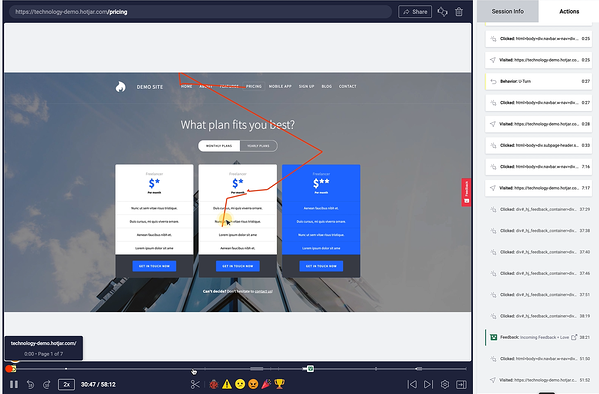


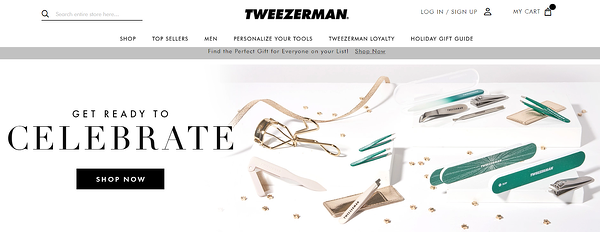


![→ Download Now: Market Research Templates [Free Kit]](https://i4lead.com/wp-content/uploads/2023/01/6ba52ce7-bb69-4b63-965b-4ea21ba905da.png)
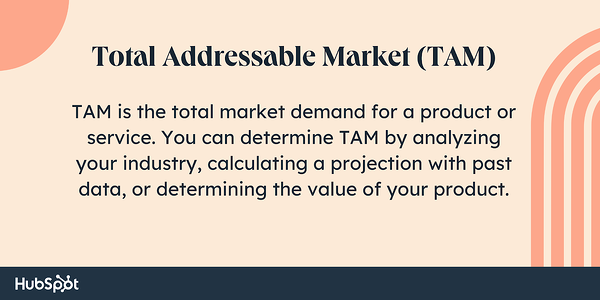
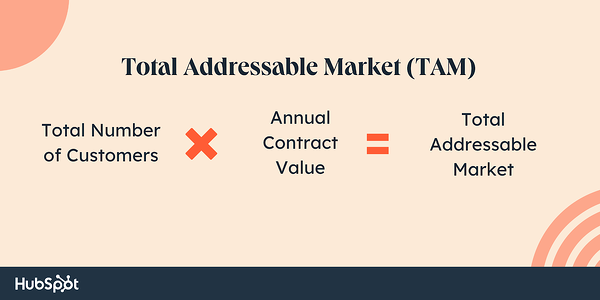
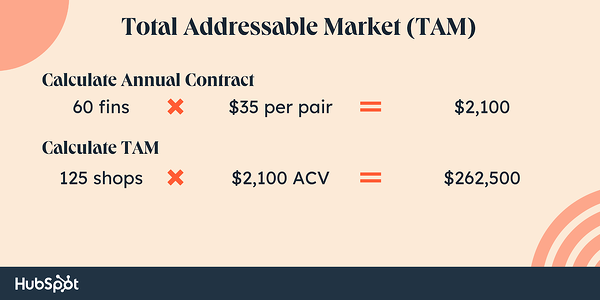


![→ Download Now: 12 Resume Templates [Free Download]](https://i4lead.com/wp-content/uploads/2023/01/4ec95757-585e-40cf-9189-6b3885074e98-1.png)
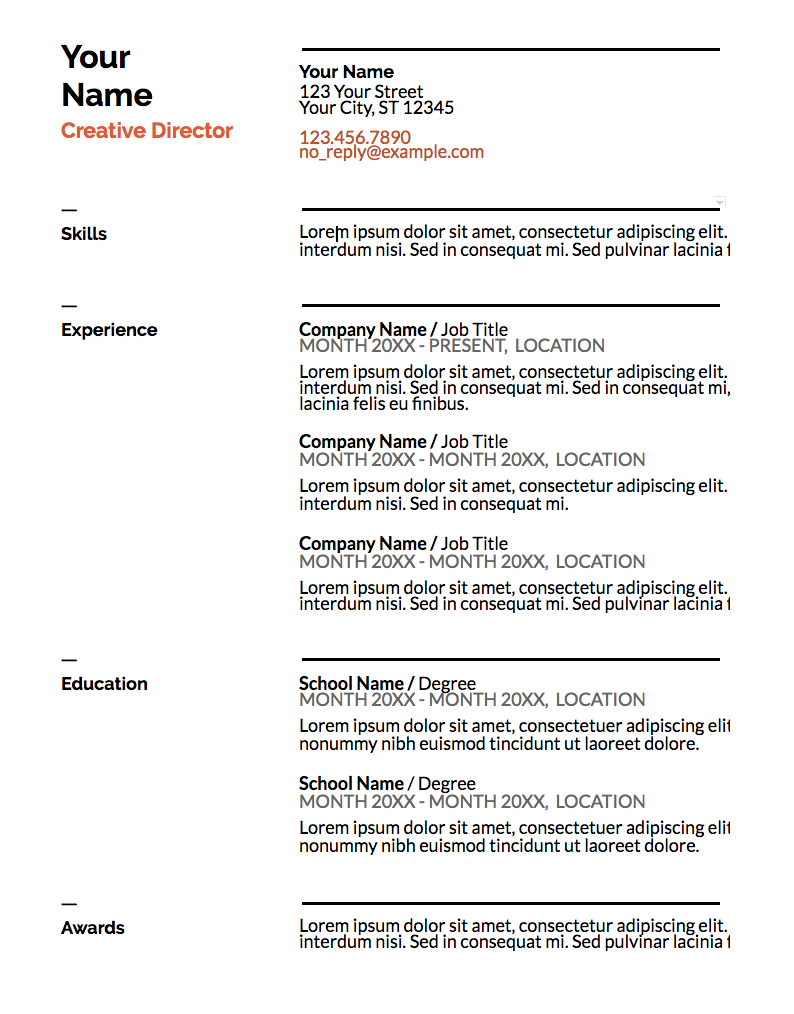
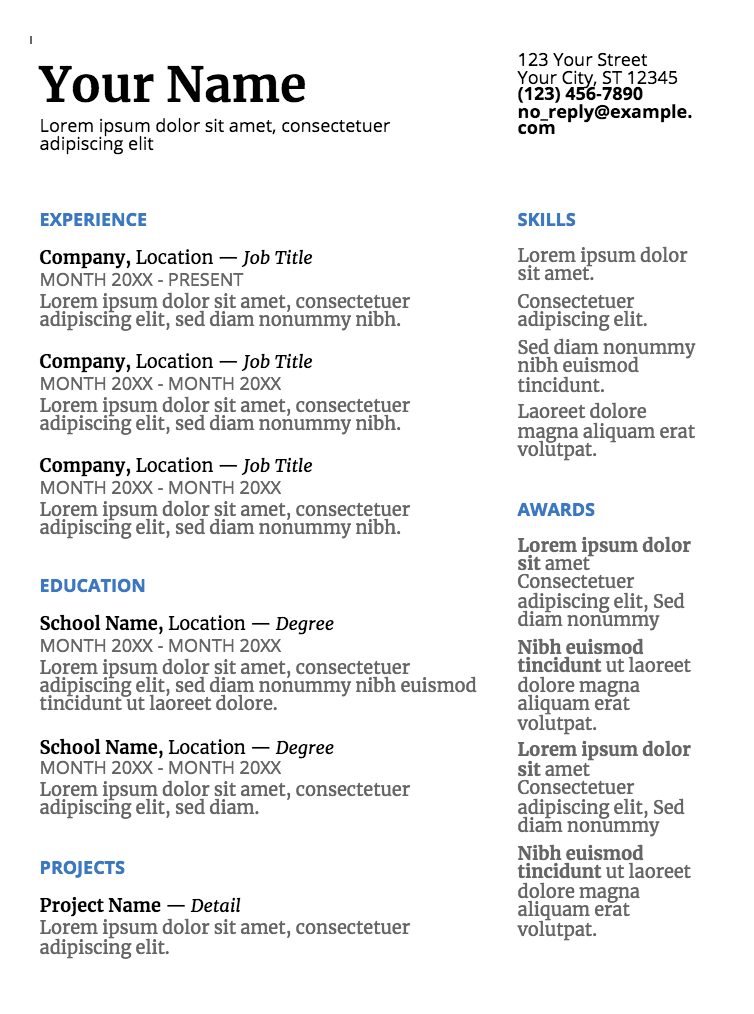
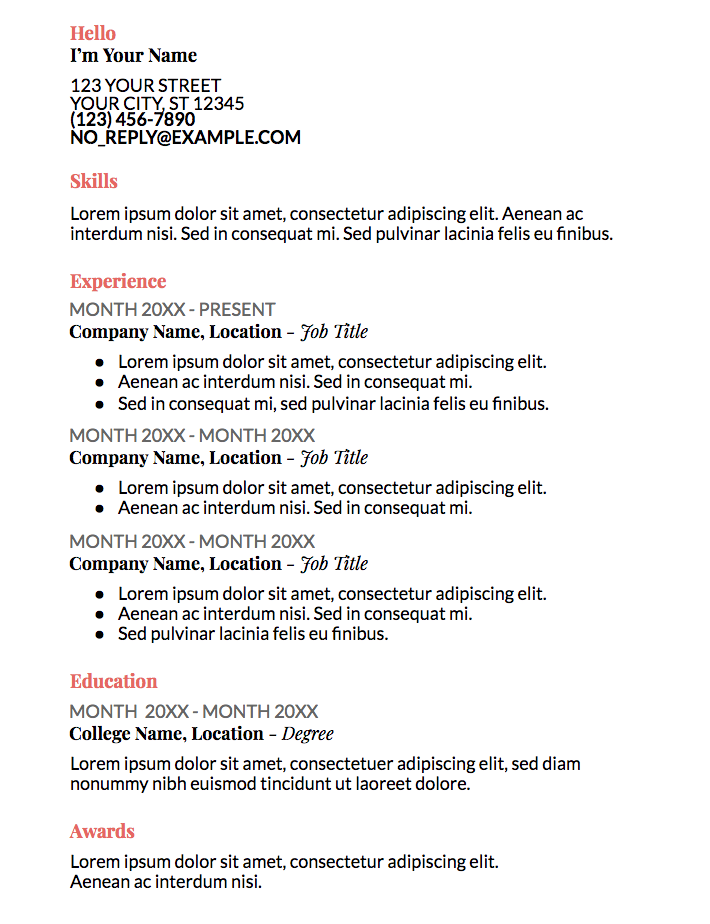
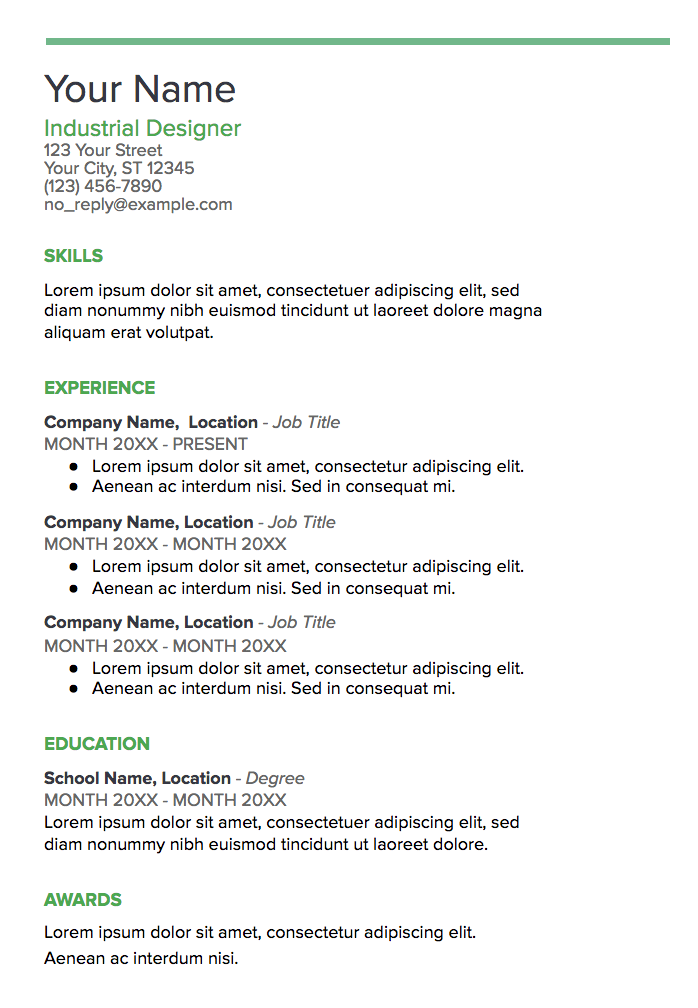
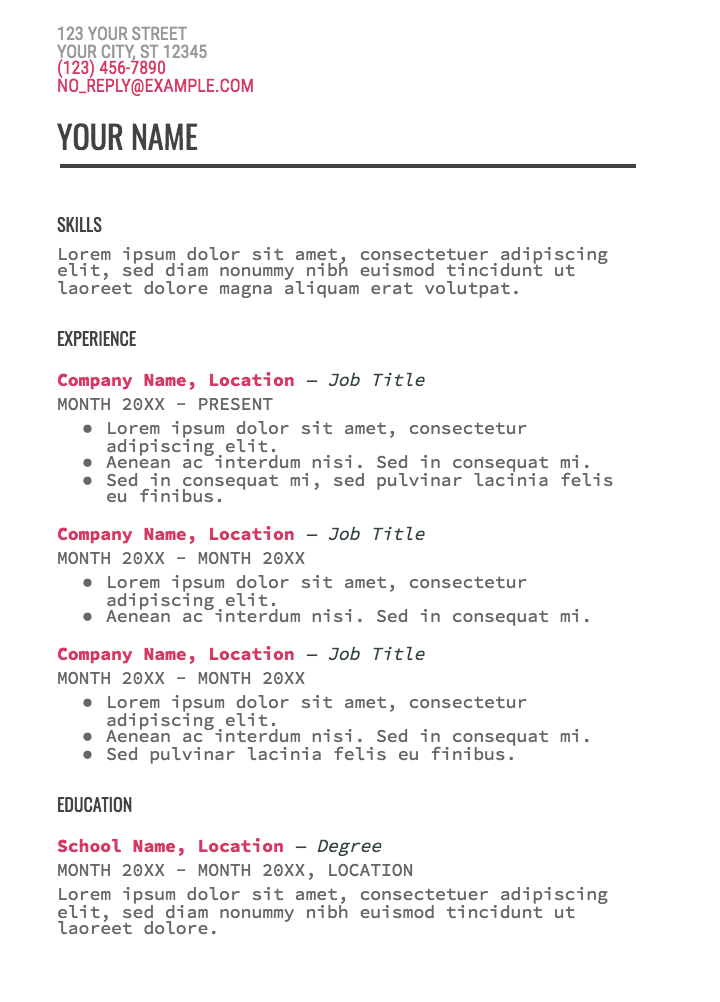




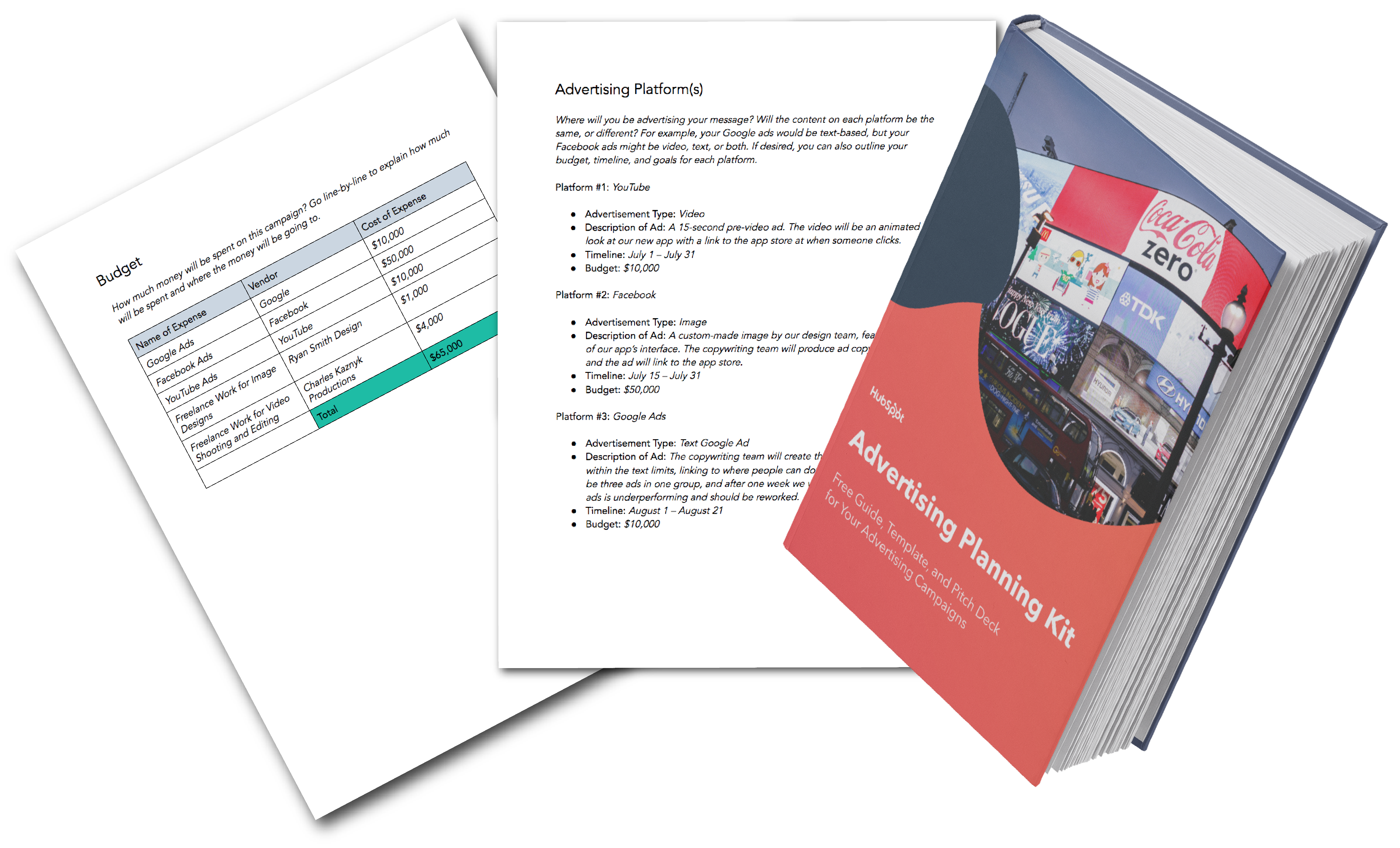
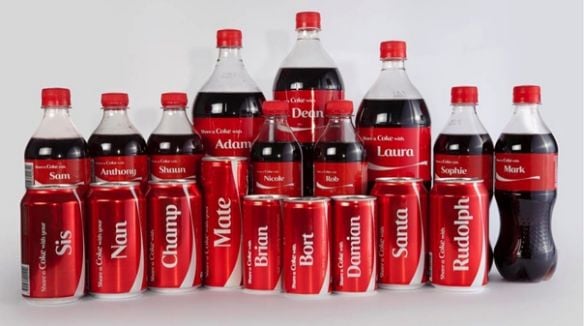


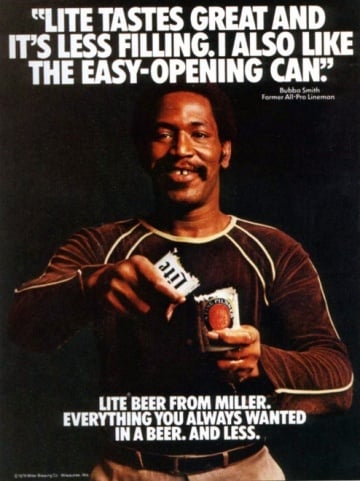
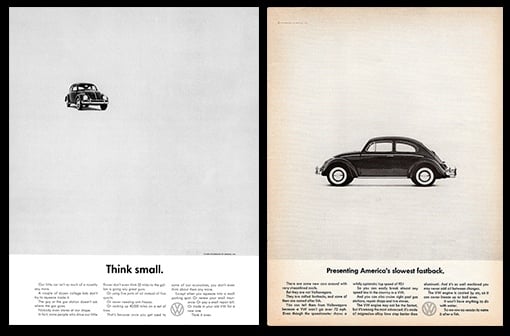


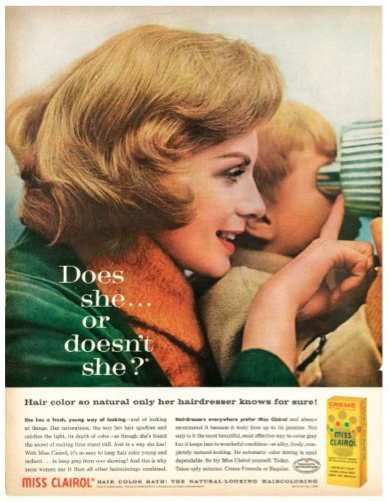





![→ Free Download: Social Media Calendar Template [Access Now]](https://i4lead.com/wp-content/uploads/2023/01/3e56e15d-47bd-46c9-a256-99fde52abfe7.png)
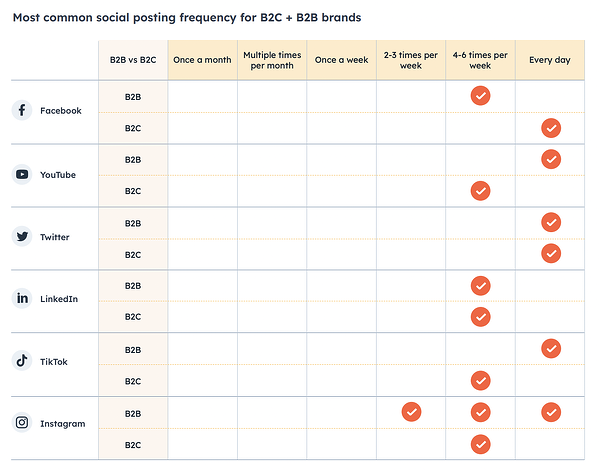
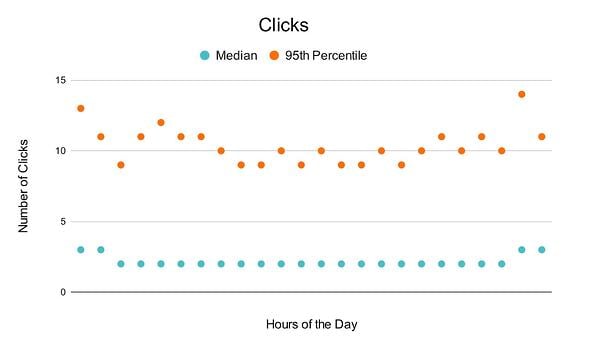
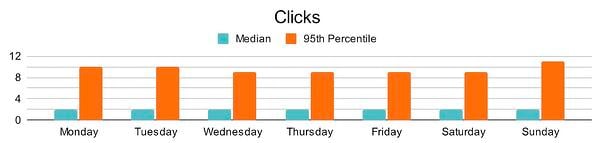
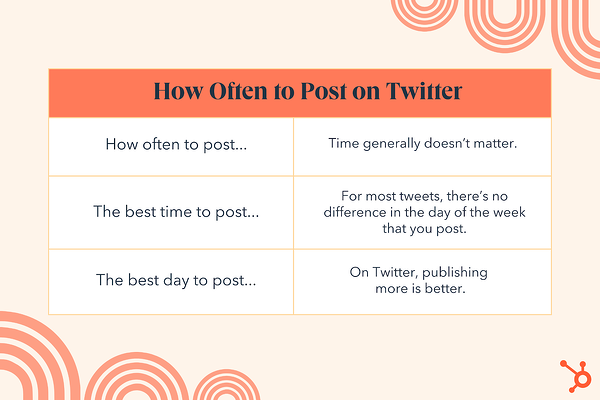
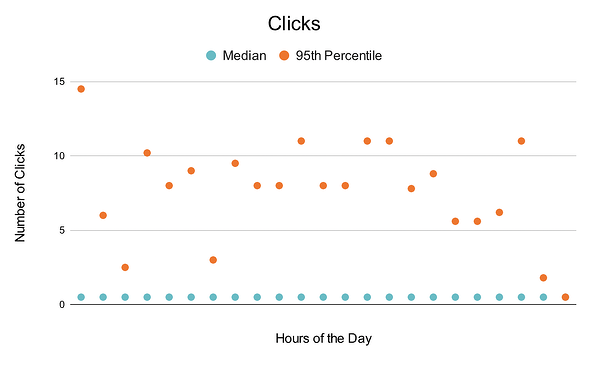
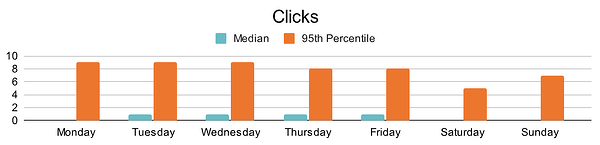
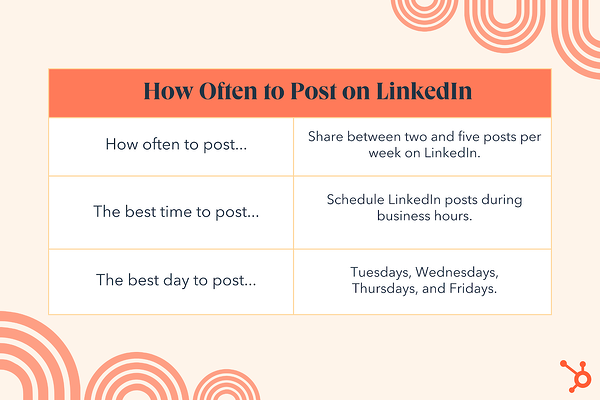
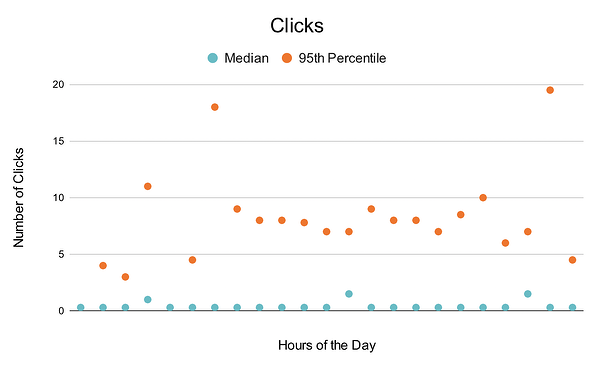
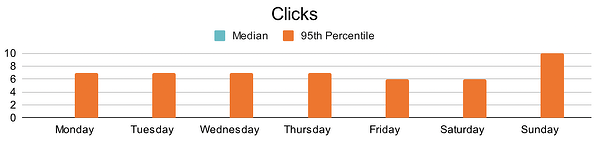
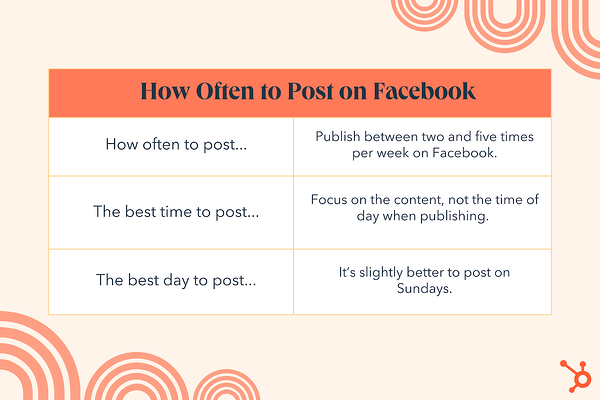
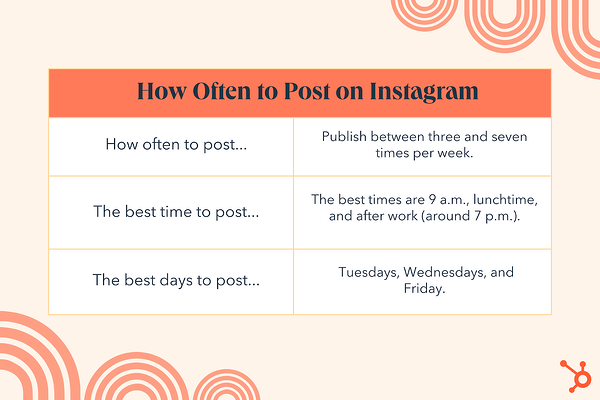
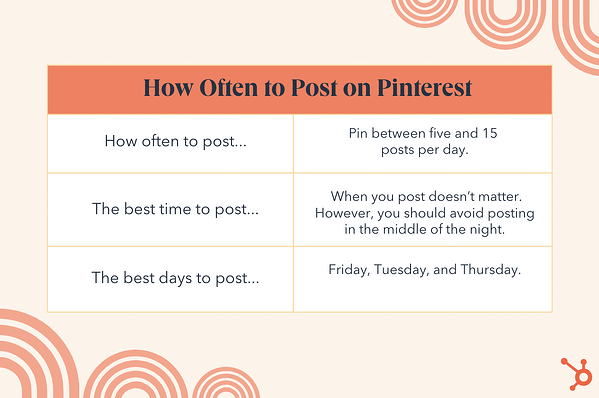


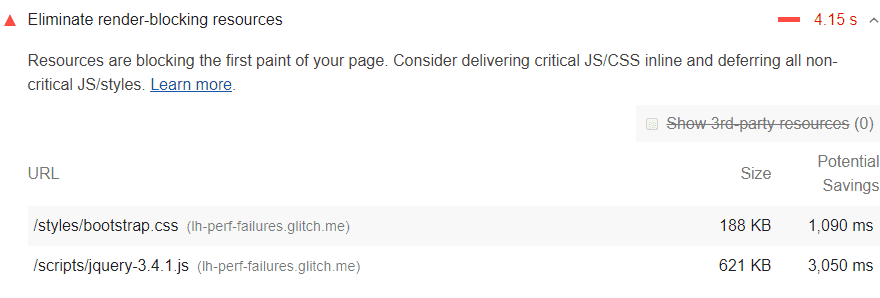
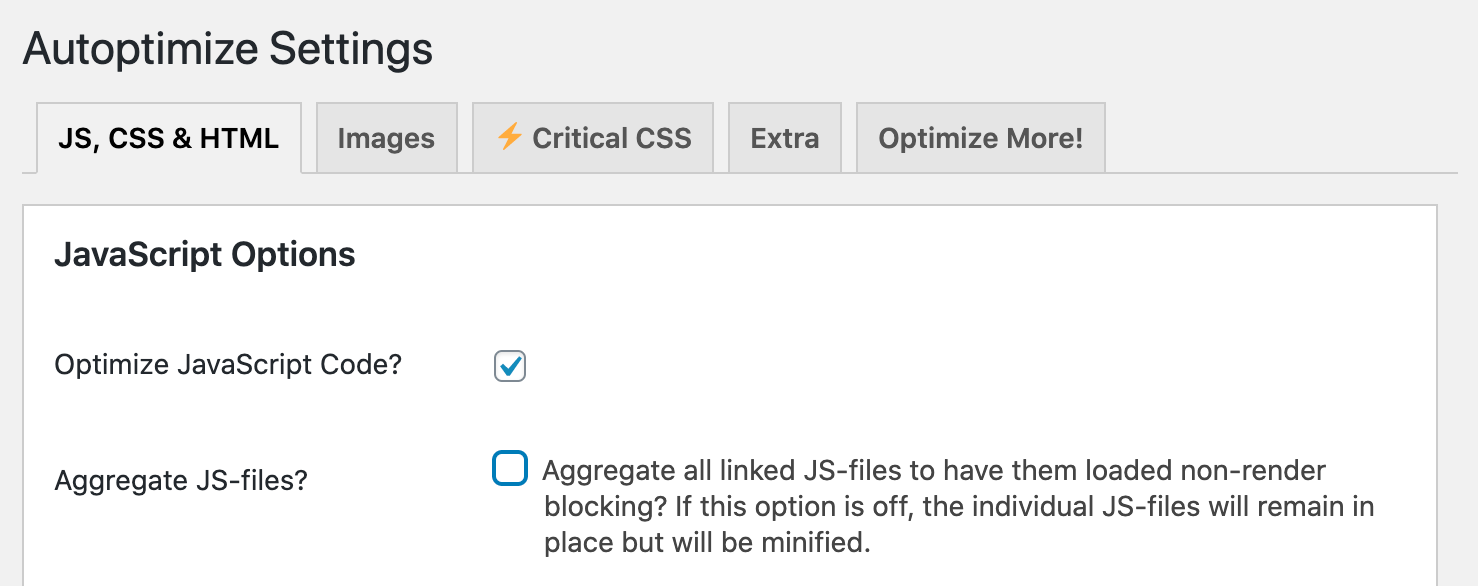
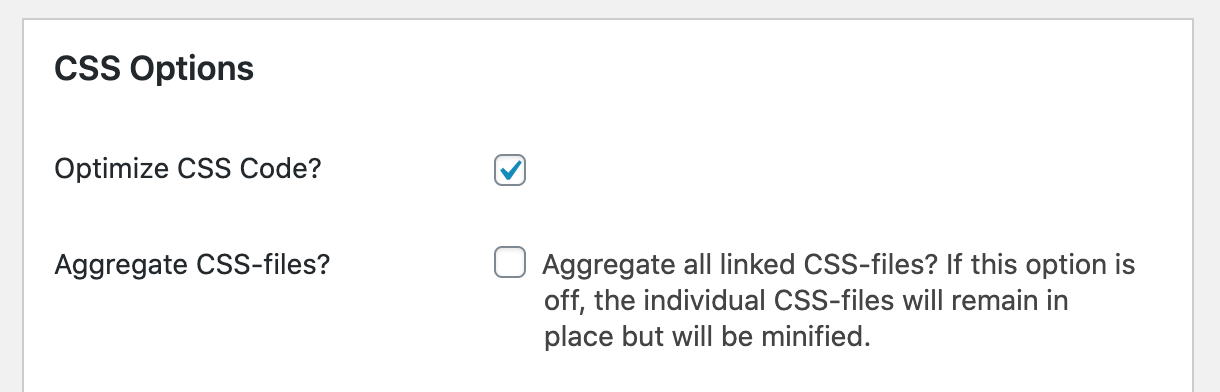
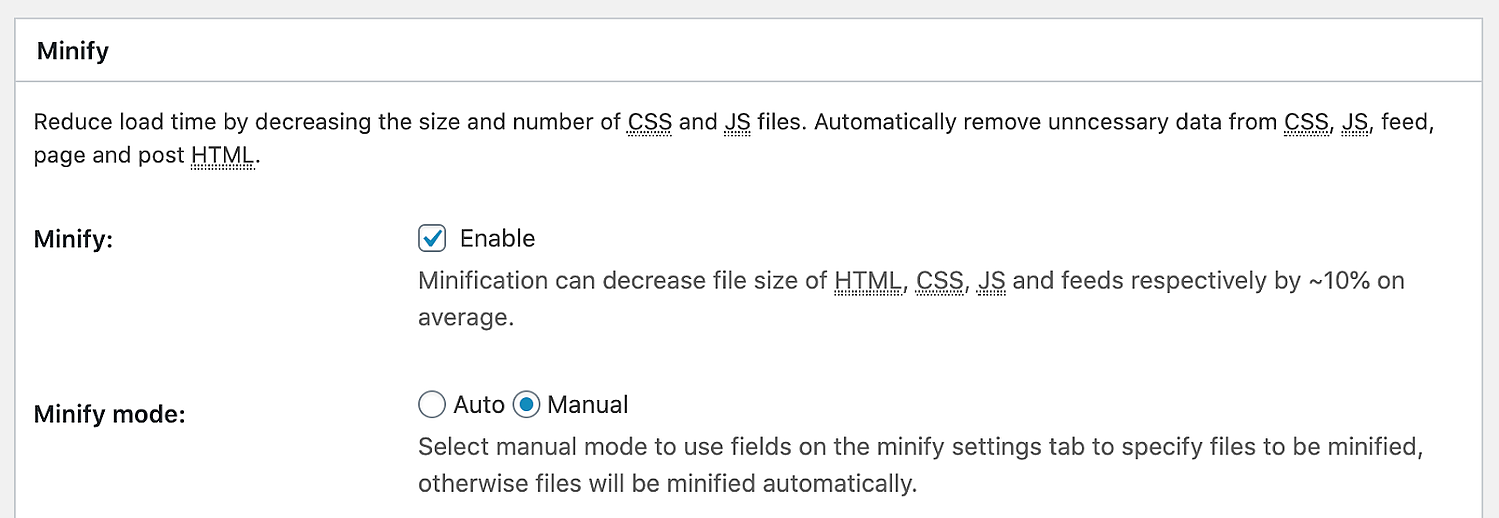
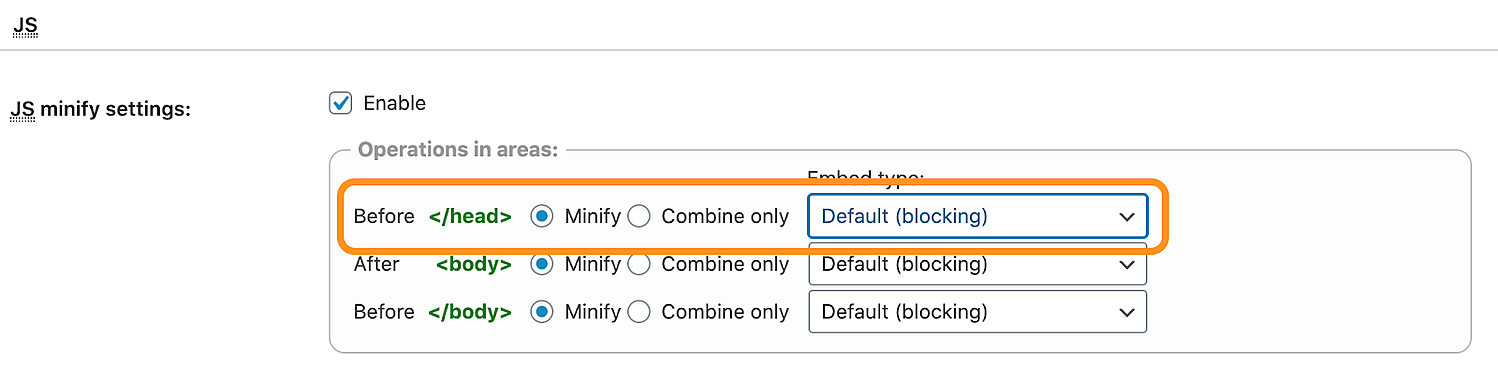


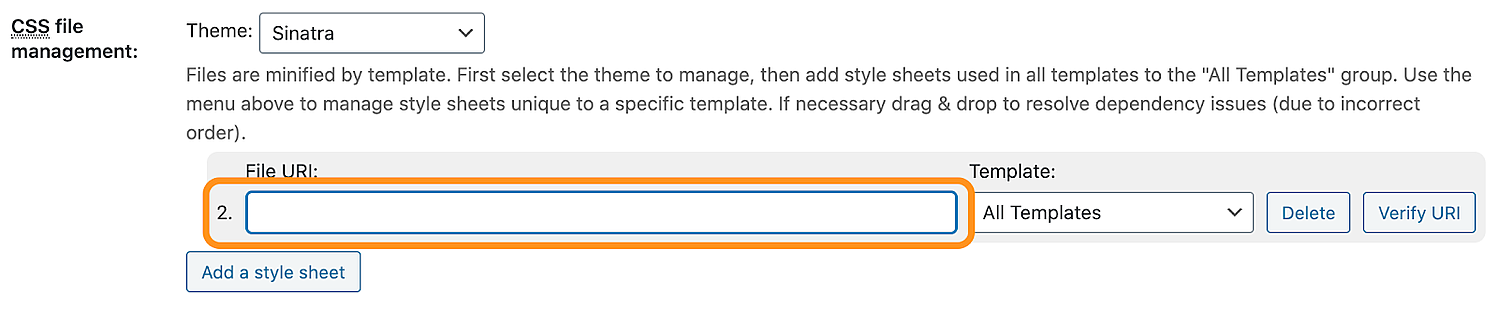





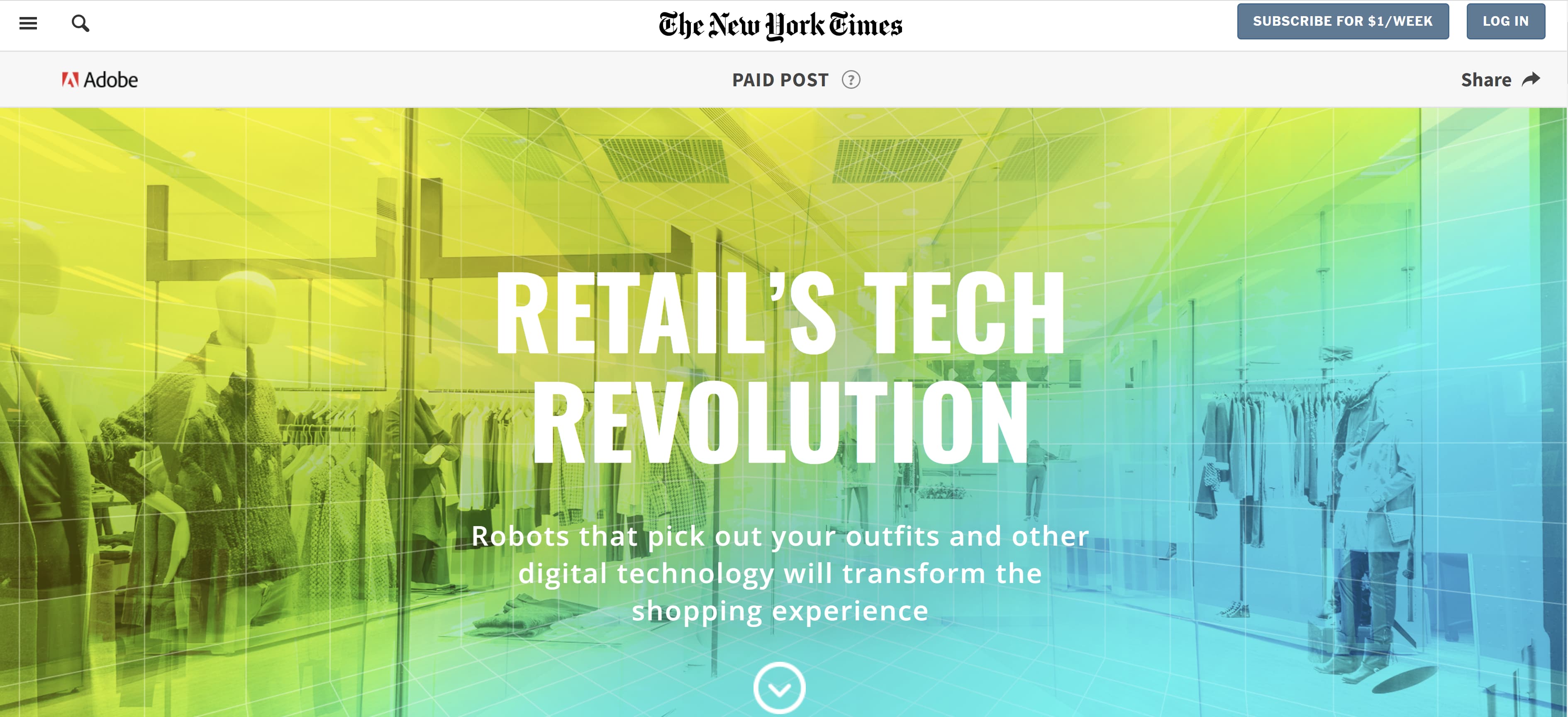
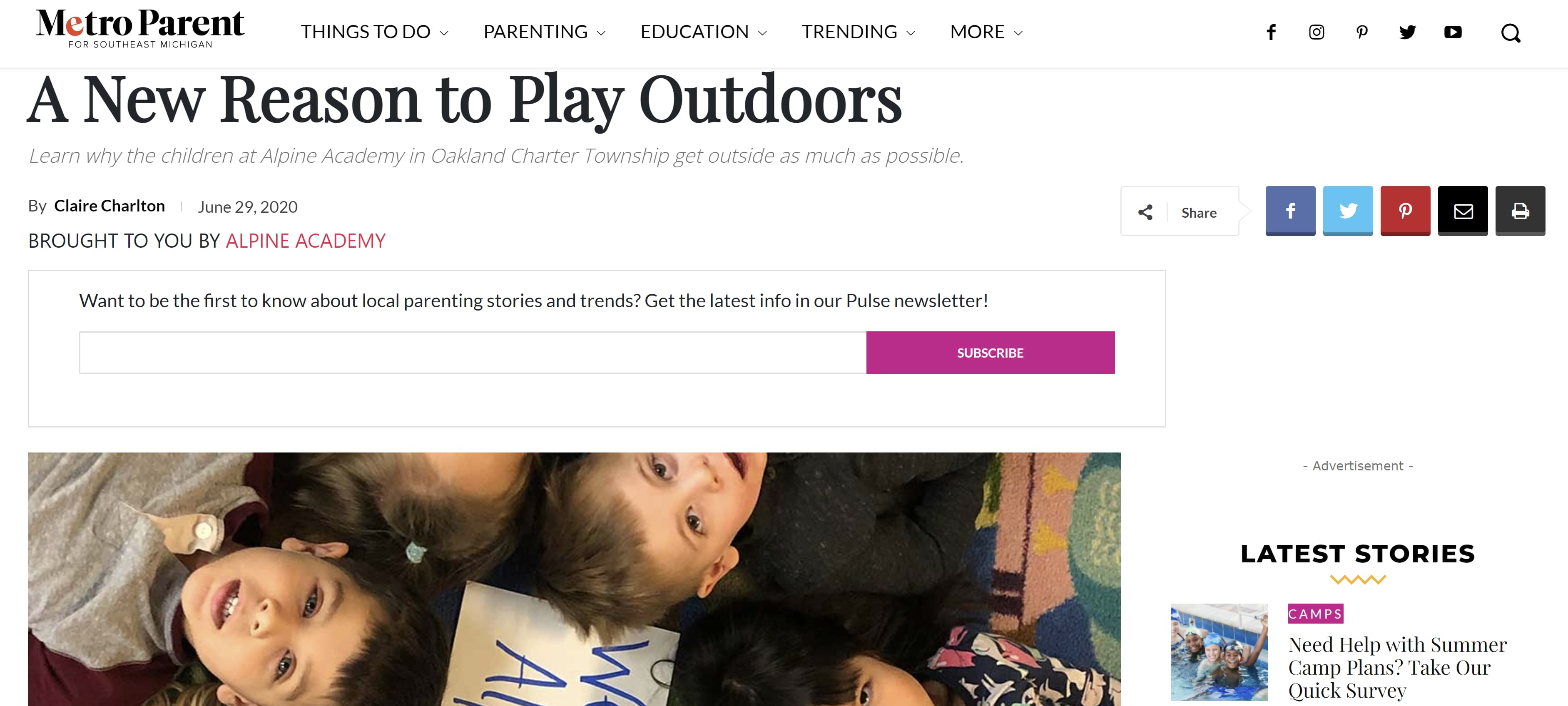
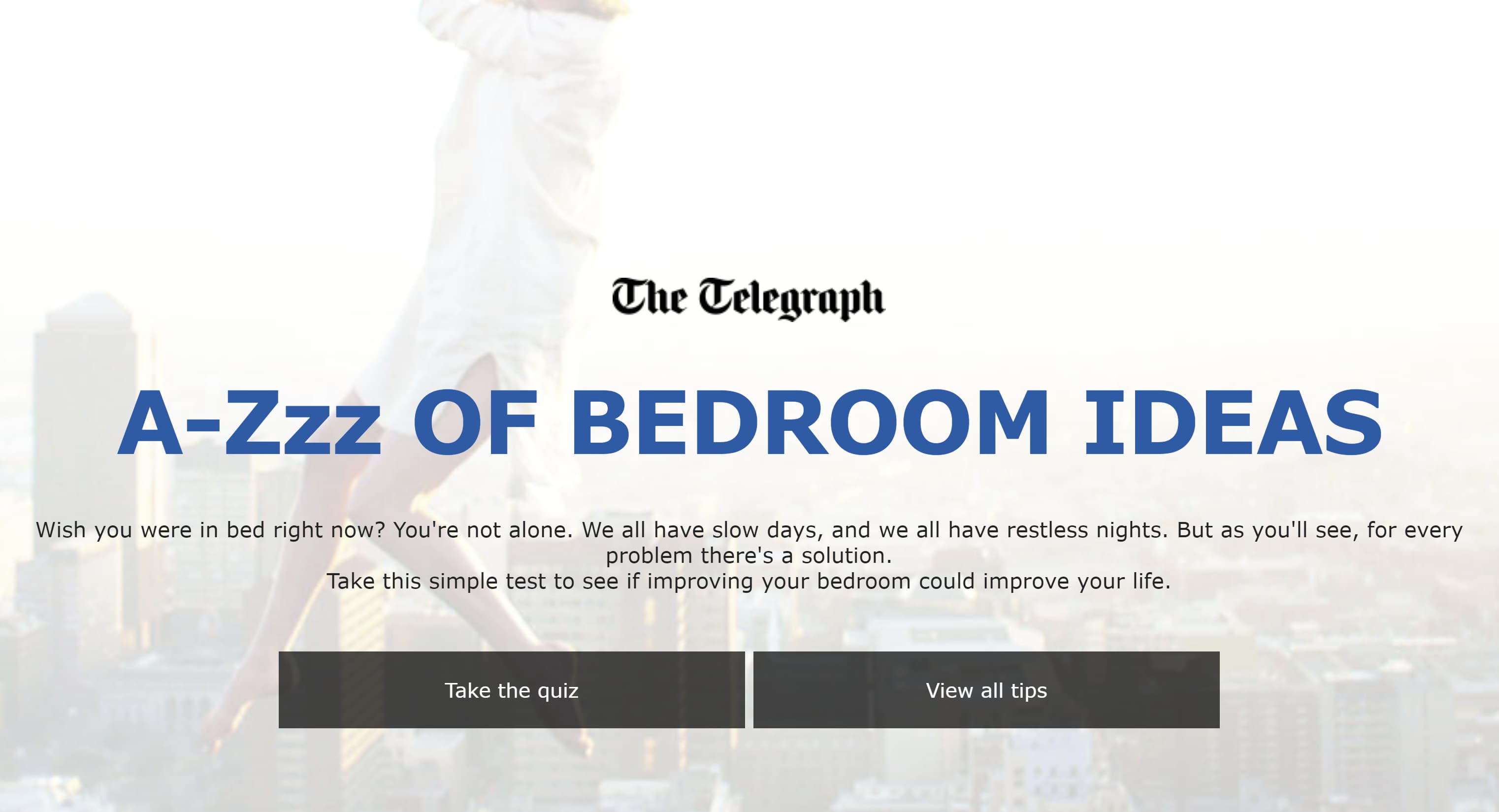
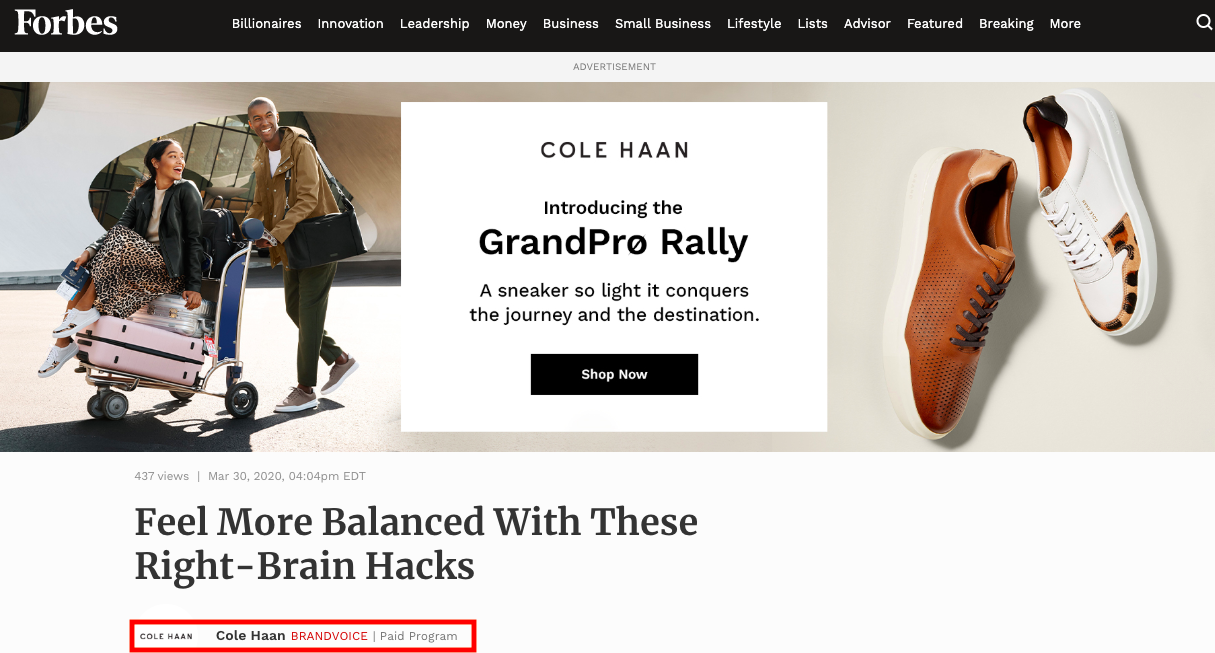

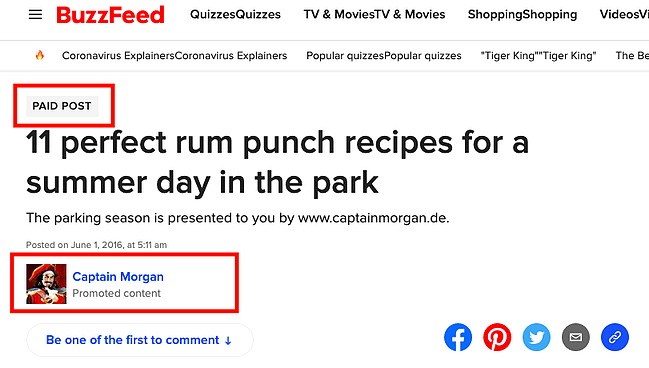
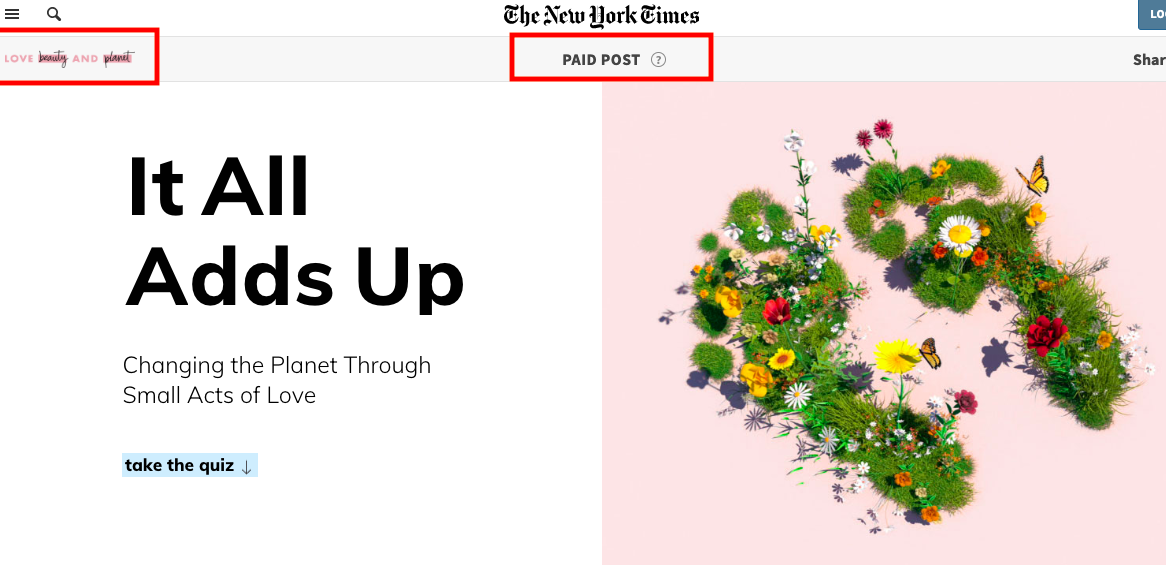
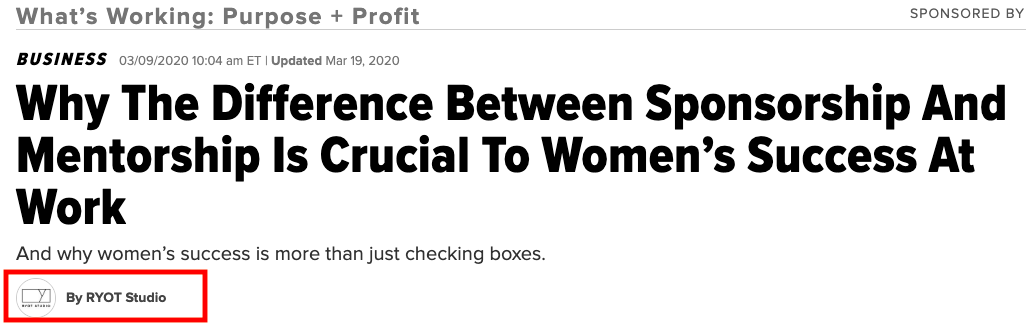


![Download Now: Social Media Trends in 2022 [Free Report]](https://i4lead.com/wp-content/uploads/2023/01/3dc1dfd9-2cb4-4498-8c57-19dbb5671820-4.png)
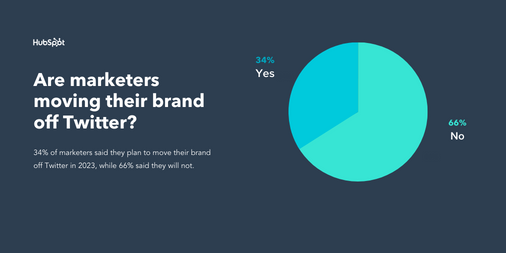 Will marketers use alternatives to Twitter in 2023?