Categories B2B

The Luna’s 2025: Celebrating the Best, Boldest, and Brightest in B2B Marketing

Modern marketing. Where do we start?

The amount of space junk orbiting our collective solar system is relentless. Sometimes, it can be unforgiving.

There’s always another quarter, another launch, another “can we get this live by tomorrow?” request coming our way. And yet, every once in a while, a team dares to stop scrolling and takes a collective breath… looks up, and recognizes the light they’ve created.

It is this last line that brought The Luna’s to life.

Introducing The Luna’s—NetLine’s Inaugural Customer Awards

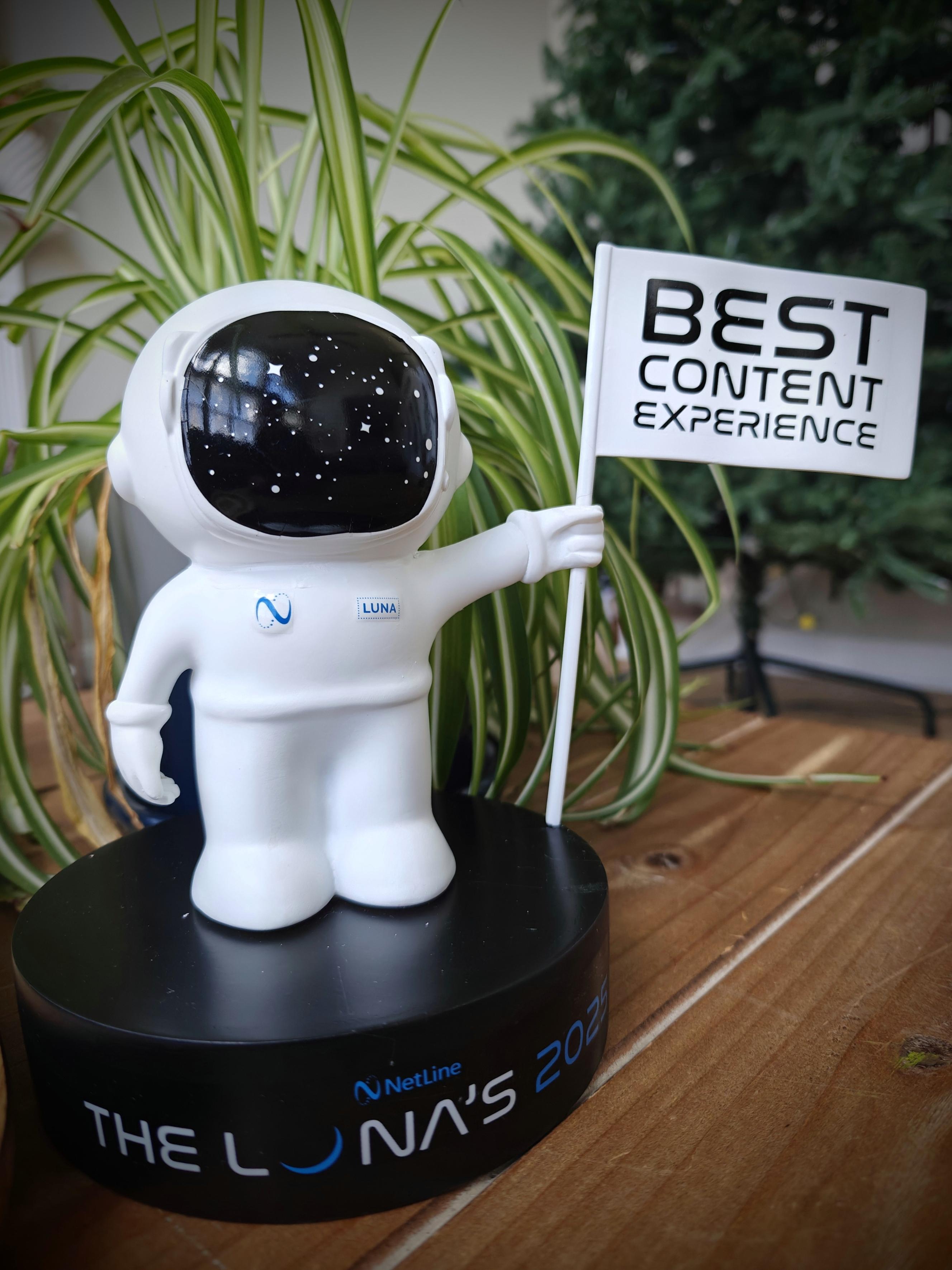
As 2025 draws to a close, NetLine is proud to introduce The Luna’s: our inaugural client recognition awards—a space‑themed celebration (naturally) honoring B2B marketers who didn’t just keep up this year… they redefined what great looks like.

A Celebration Born from Connection

The Luna’s started from a simple question: How can we better showcase and commemorate the terrific work produced by our clients?

For more than three decades, NetLine has helped B2B marketers distribute content, engage in‑market buyers, and turn insights into revenue. But NetLine’s mission and promises can only be delivered when we have outstanding content to power the platform. 

The Luna’s flip the script, honoring the people behind the campaigns that shaped 2025.

The 2025 Luna’s Award Categories & Winners

To bring this to life, NetLine’s Marketing, Customer Success, and Sales teams came together to determine and define five award categories that reflect how modern demand gen really works.

Here are the categories we landed on:

  • Best Content Experience
  • Best Buying Group Strategy
  • Best Always-On Strategy
  • Revenue Impact
  • The Luna Legacy Award

Once we reviewed nominations from across NetLine’s customer ecosystem, we judged the submissions and nominees in each category based on:

  • Creativity
  • Execution
  • Results
  • and Innovation

The result is a constellation of stories, from early‑stage startups to global enterprises, that reflects the best of what B2B marketing can be.

The 2025 Winners

Each Luna’s category recognizes a different way marketers brought light to their audiences this year.

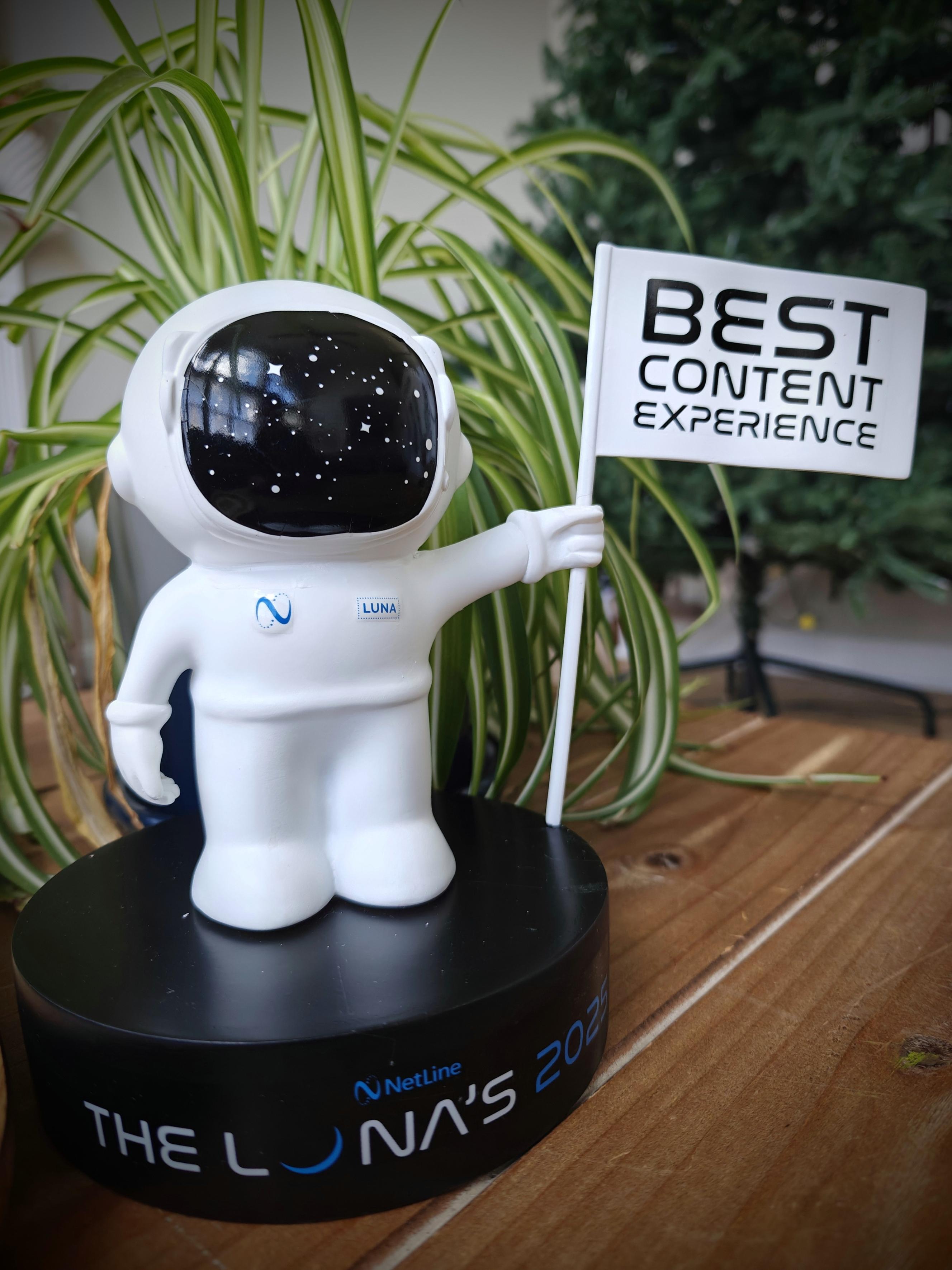
Best Content Experience

What it recognizes:
Campaigns that captivated audiences and delivered real impact—designing content experiences that educate, engage, and genuinely help buyers move forward.

2025 Winners

  • AbsenceSoft
  • Anaconda
  • Avidly
  • CG Life
  • Google
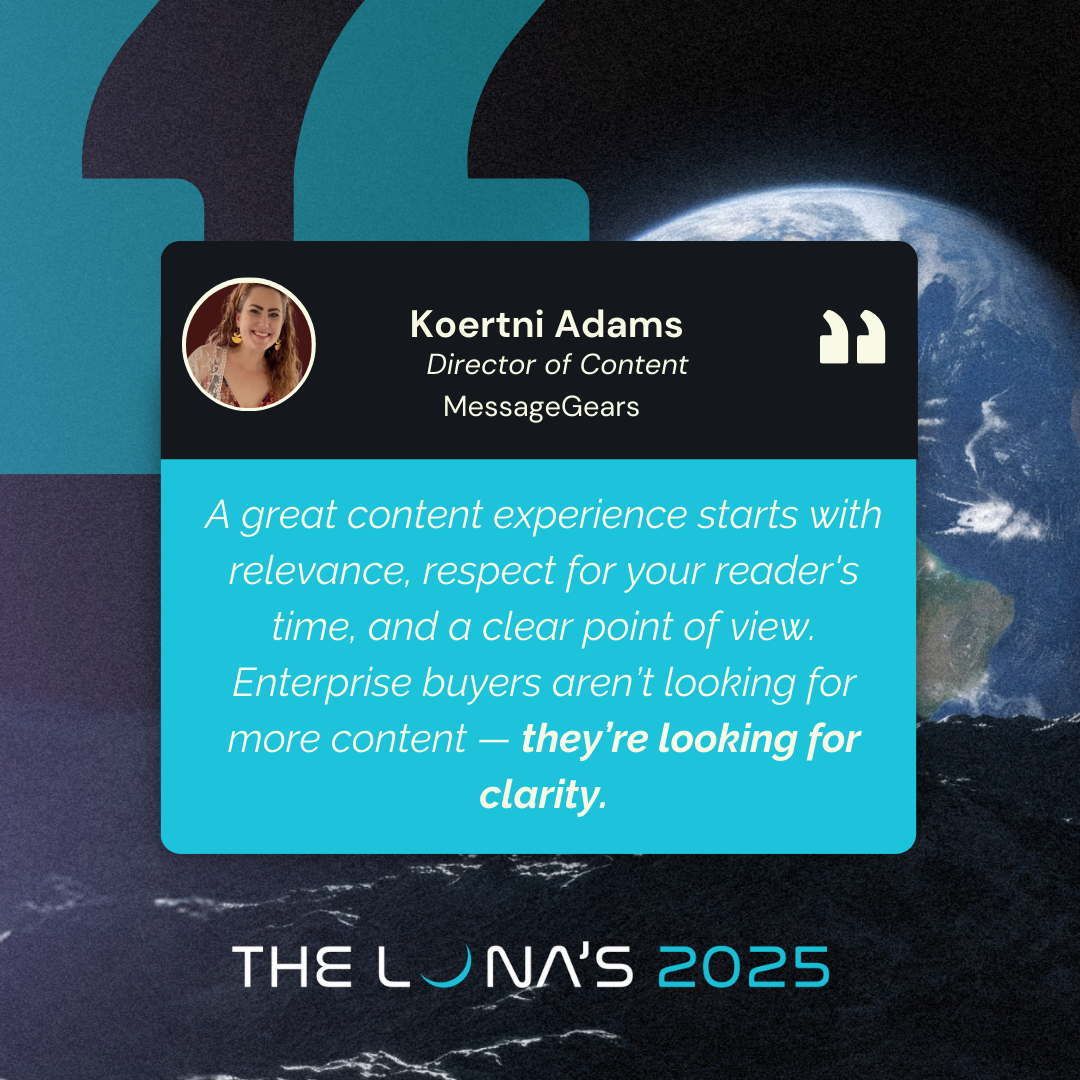
  • MessageGears 
  • ON24
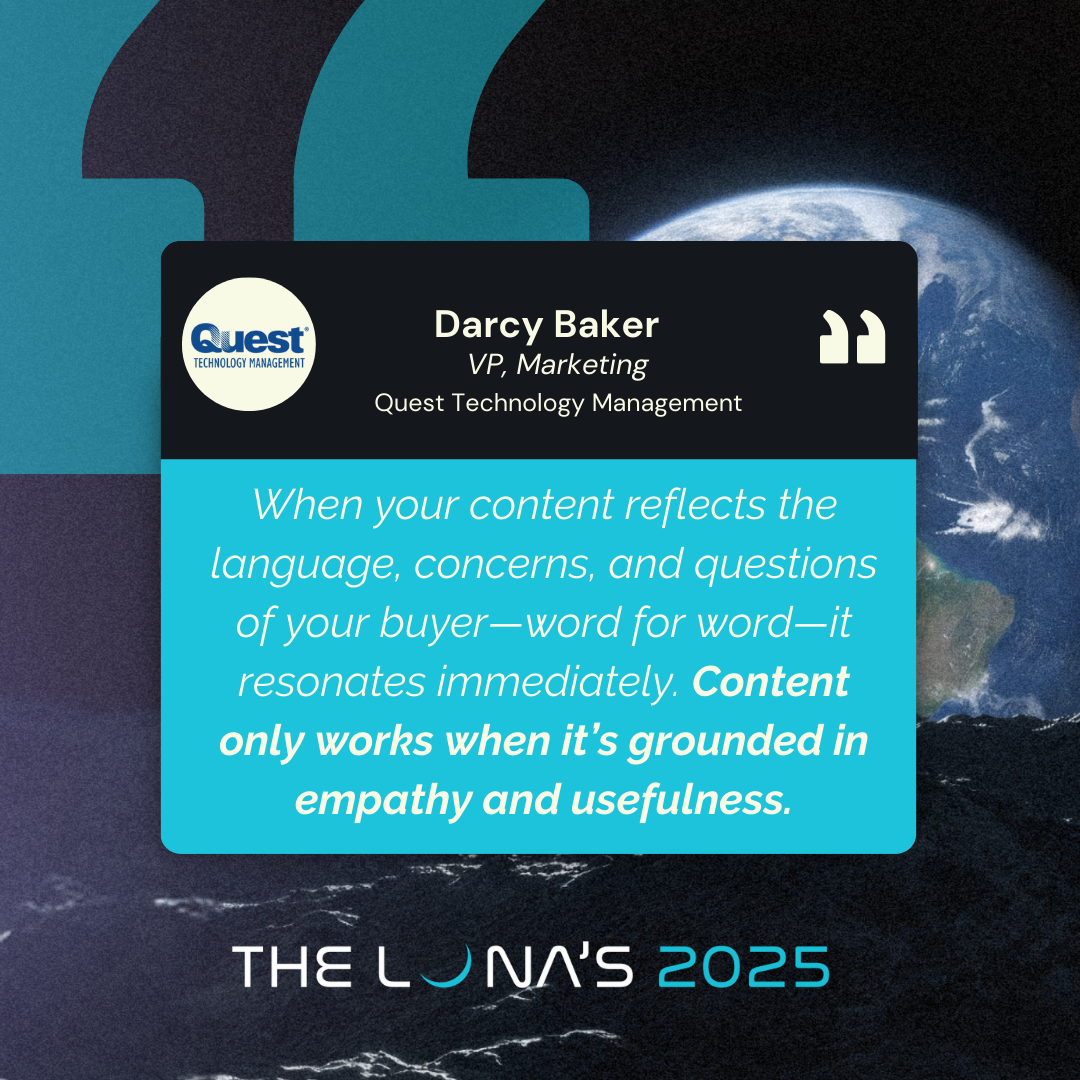
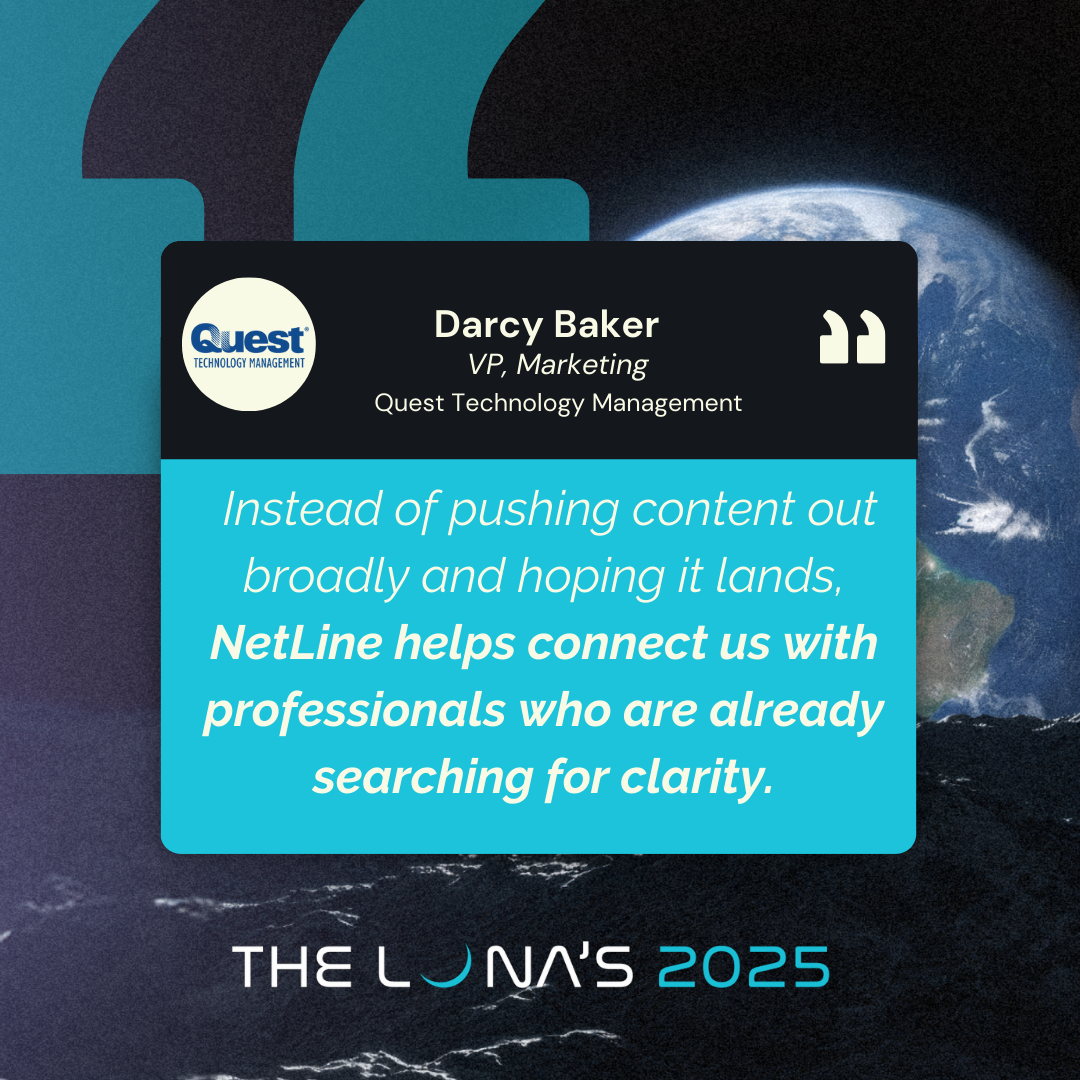
  • Quest Technology Management

Best Buying Group Strategy

What it recognizes:
Marketers who build smarter ways to reach entire buying groups—crafting journeys that resonate with decision-makers and the influencers around them.

2025 Winners

  • Bitrise
  • Gamma
  • Lambda
  • Lyra Health
  • NTT Data
  • Precision Medicine Group
  • Veeam
  • Zoom Communications

Best Always-On Strategy

What it recognizes:
Programs that never slow down—continually generating high-quality leads, fueling pipeline, and proving the power of consistent performance.

2025 Winners
These teams showed that “always-on” doesn’t mean “always the same”:

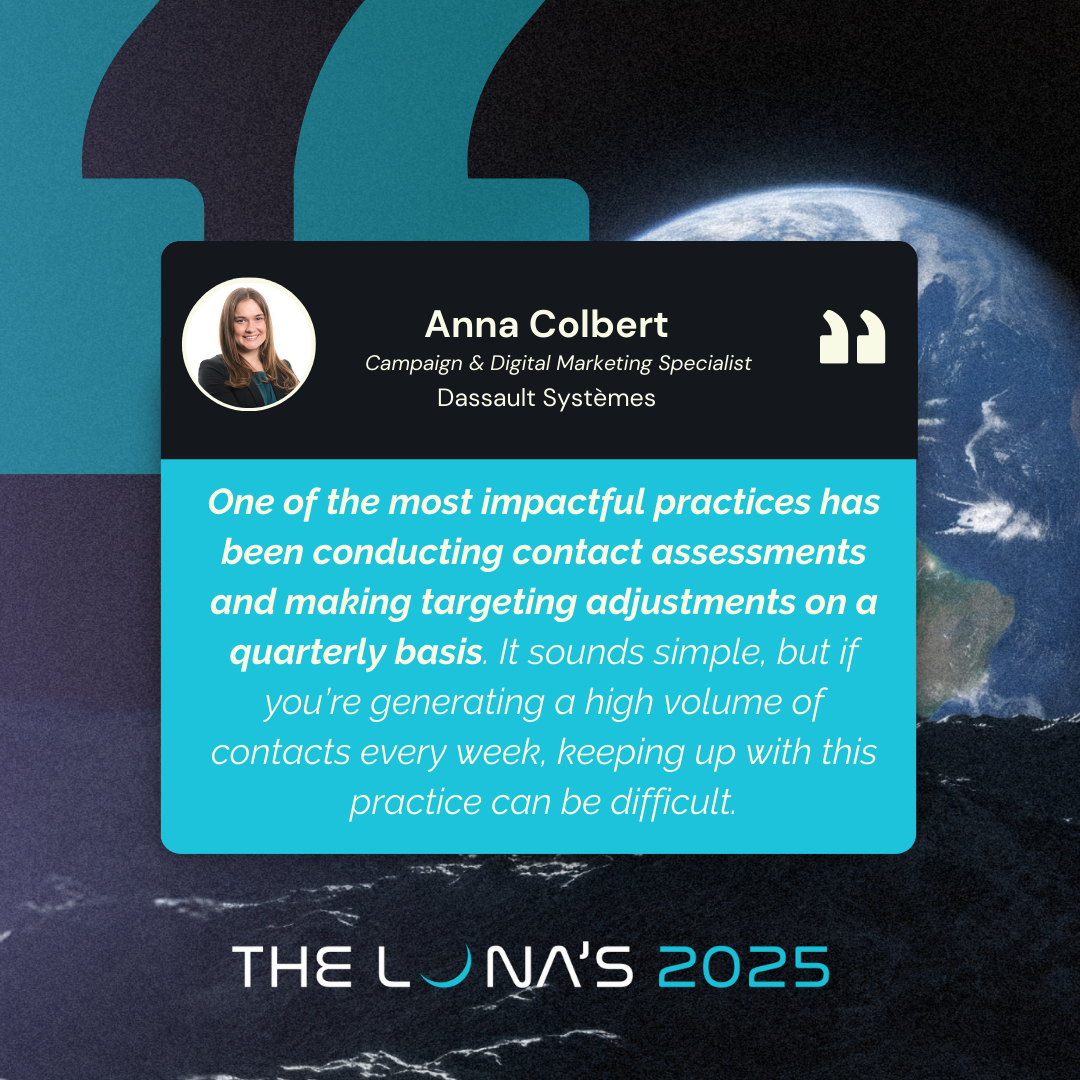
  • Dassault Systemes
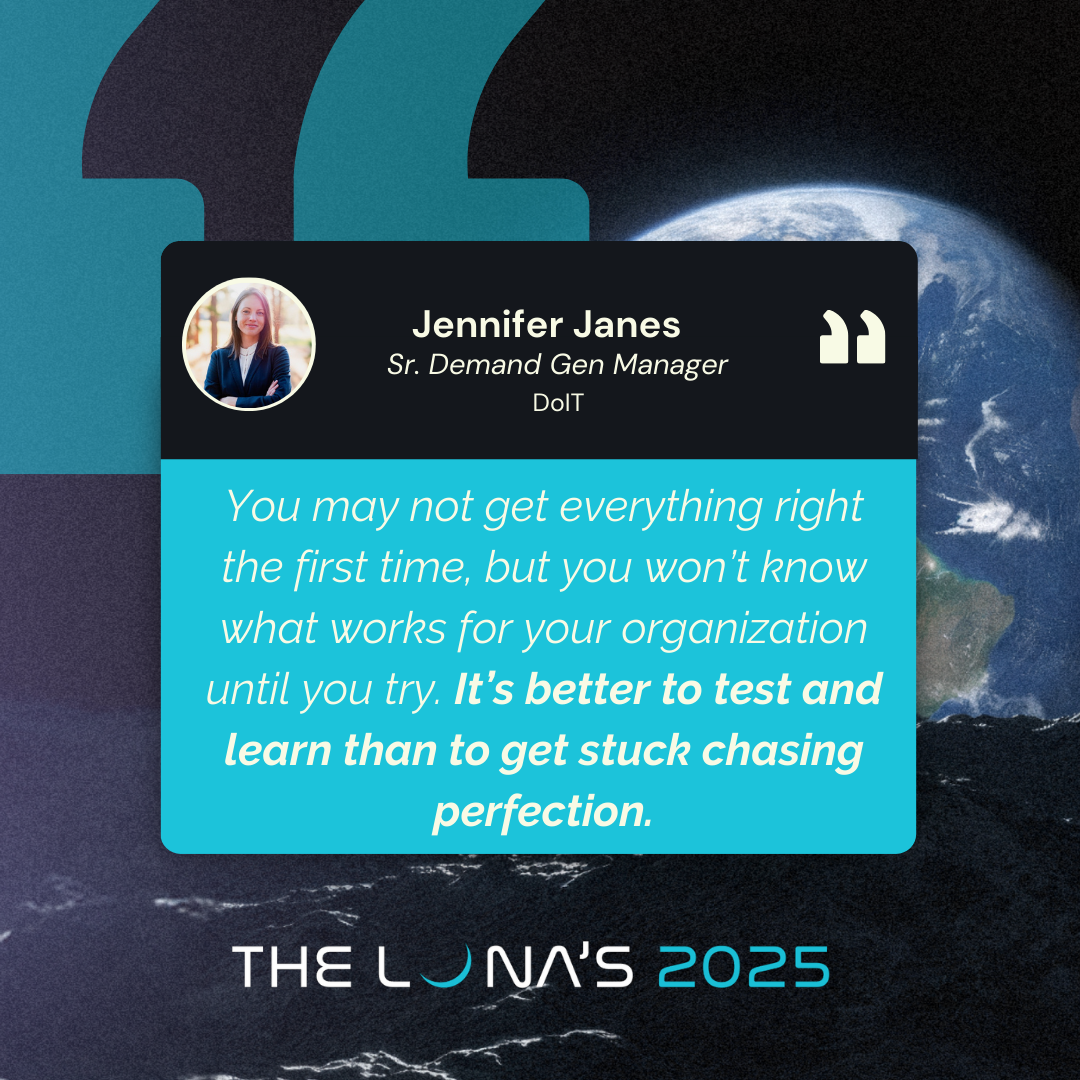
  • DoiT International
  • Grove Marketing
  • Lumen
  • Media Cause
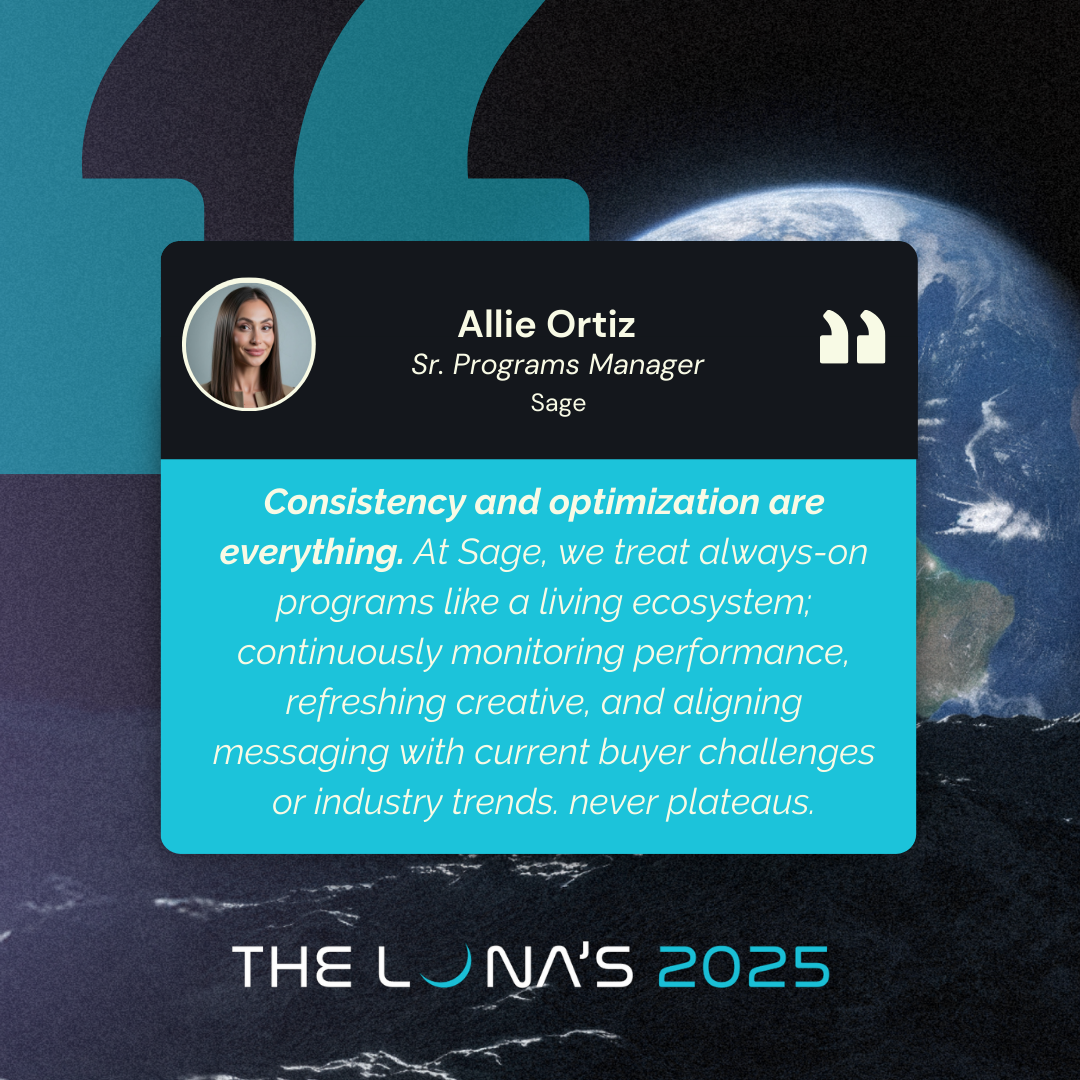
  • Sage
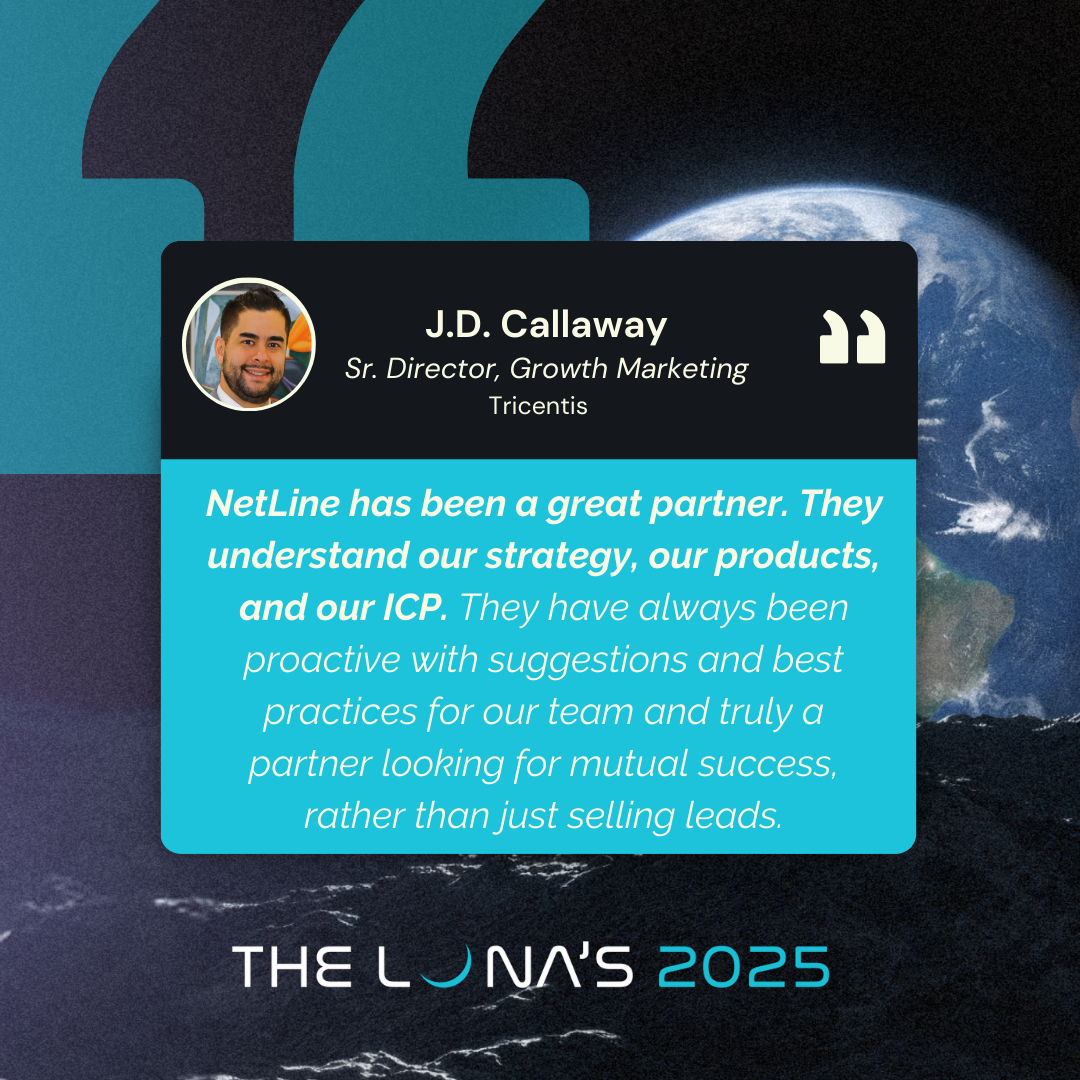
  • Tricentis
  • Vertex

Revenue Impact

What it recognizes:
Campaigns that turned great content into measurable business wins—showing how smart storytelling drives real pipeline and revenue.

2025 Winners

  • Atlassian
  • DataBee, a Comcast Company
  • Corelight
  • Just Global
  • Kepler Group
  • Mediaplus
  • Rootstock
  • TE Connectivity
  • Zeta Global

These teams didn’t just prove campaign performance; they helped shift marketing from “cost center” to growth engine.

The Luna Legacy Award

What it recognizes:
Long-time NetLine customers whose creativity, innovation, and results have consistently set the standard—demonstrating excellence across every campaign, year after year.

2025 Winners

  • Autodesk
  • Cato Networks
  • NAVEX Global
  • OMD
  • Park & Battery
  • Paycor, a Paychex Company
  • Software Advice
  • ZoomInfo

What This Year’s Submissions Revealed

In reviewing submissions, five big themes emerged to paint a picture of where B2B marketing is headed:

  1. Asking and listening beats assumptions
    • The strongest content experiences started not with “what we want to say,” but with real questions and roadblocks heard on customer calls, support queues, and social channels.
  2. Authenticity > automation
    • Winners repeatedly emphasized a human, conversational tone over jargon-heavy “marketing speak.” Automation supported the journey but never replaced empathy.
  3. Education is the new engagement
    • Top-performing assets led with usefulness: practical guidance, real examples, and data buyers could take straight into a meeting. Sales pitches waited until value was clearly proven.
  4. Always-on means always-learning
    • Always-on programs that stood out weren’t “set and forget.” They were iterative systems—refreshing content quarterly, tightening targeting, and letting performance data reshape the story over time.
  5. Revenue isn’t the enemy of creativity
    • Bold, creative work and disciplined measurement can coexist—as long as marketers speak the language of pipeline, not just clicks.

The Voice of the Customer

We may provide the pathways for our clients to reach their ideal customers via the NetLine Platform, but our clients do the heavy lifting. Naturally, we’re curious as to why these clients keep coming back to NetLine and the role NetLine plays in their growth and success as marketers. 

So asked them about it. Their responses were a testament to the value of collaboration and the impact of the platform on their campaigns.


“From my perspective, the NetLine platform is a differentiator. The data provided is extensive, and the user experience is great. To have that kind of insight and reporting available at the tips of our fingers, whenever needed, is a key enabler, especially in terms of campaign optimization, as well as for easy sharing of up-to-date performance results internally.”
Anna Colbert, Campaign & Digital Marketing Specialist, Dassault Systemes


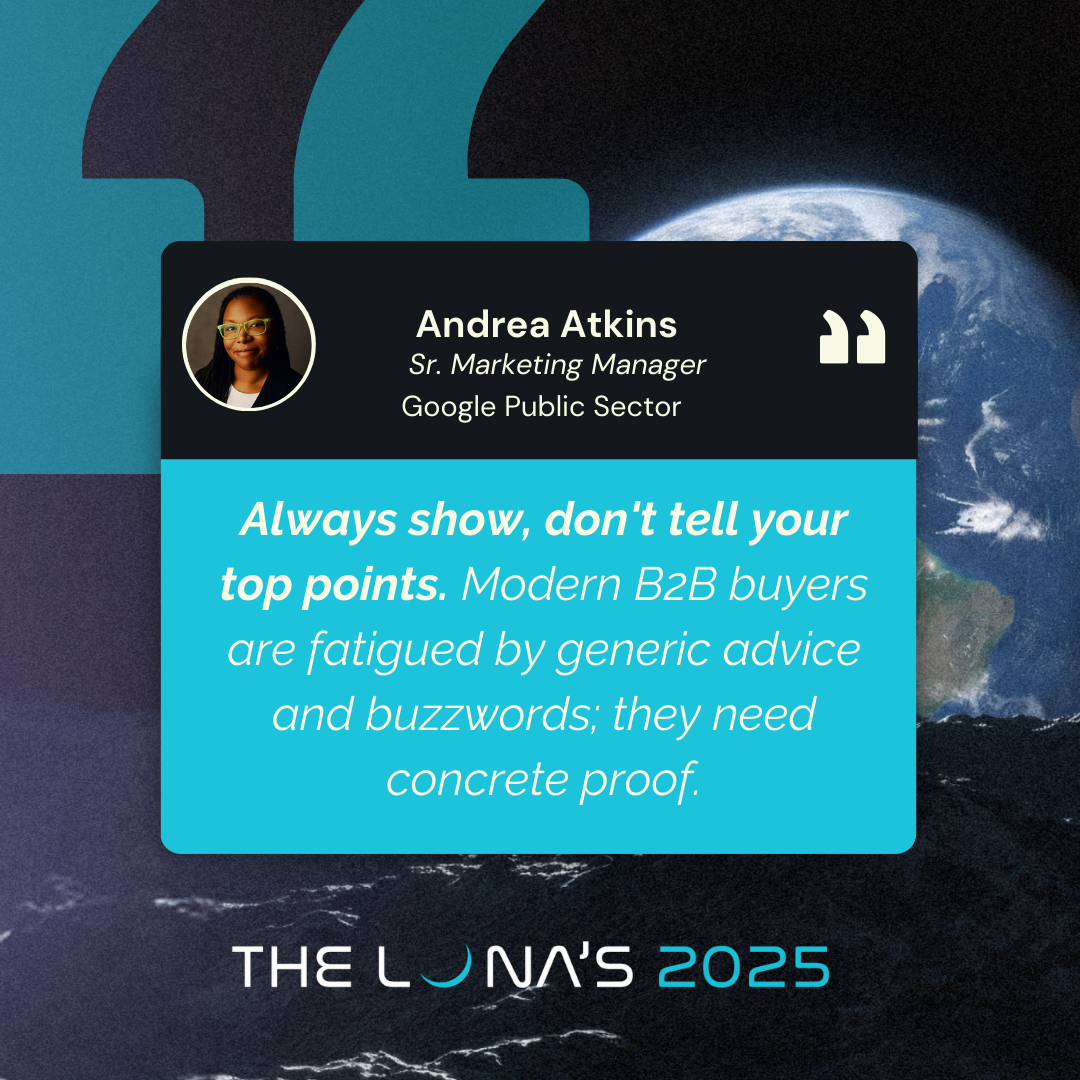
“NetLine has been an excellent addition to our content distribution strategy, ultimately allowing our Public Sector team to execute with greater agility and scale. We’ve gotten so much value from the leads generated on the platform, which has translated directly into pipeline and measurable success for the team.”
Andrea Atkins, Marketing Manager, Integrated Campaigns, Google Public Sector


“NetLine has been instrumental in scaling our content syndication efforts. The platform allows us to reach niche technical audiences with precision, and the lead-level intent data helps our sales team prioritize outreach. It’s a powerful tool for turning thought leadership into tangible business outcomes.”
Laetitia Donovan, Sr. Manager Marketing, TE Connectivity

These testimonials underscore the collaborative spirit and shared success that define how the company views the relationships we have with our clients.

On behalf of everyone here at NetLine, we extend a hearty and humble thank you to all of our winners and our entire client base.

We are grateful for and honored by the trust you place in us.

Looking Out Across the Lunaverse

If 2025 was the year of creative resilience, 2026 is shaping up to be the year of bold reinvention, where discerning buyers, complex signals, and transformative AI are reshaping how campaigns are planned, produced, and optimized. 

Despite challenges like tighter budgets, limited time, and uncertainty, the marketers behind this year’s Luna winners demonstrated that staying close to buyers allows creativity not only to survive but to scale. 

We are proud to honor our clients and will continue to celebrate the marketers who drive industries forward through imagination, impact, and endurance.

The brands that win will be those that listen hardest, the teams that grow will test, learn, and iterate fastest, and the marketers who stand out will be those who stand for something.

Categories B2B

Circus dreams and serious struggles: Lessons on leadership from a literal ringmaster

Lights dim. Sounds hush. The aerialist spins into the air. Sequins sparkle in the warm light of a followspot, and my weird little brain wonders: “What does marketing look like for a travelling circus where every other week brings a totally new market?

When I went searching for the answer, I found, instead, one of the most genuinely profound and heartfelt conversations I’ve had in a long time.

And the reinforcement of my belief that, sometimes, the most important lessons for marketers… don’t come from marketers at all.

Click Here to Subscribe to Masters in Marketing

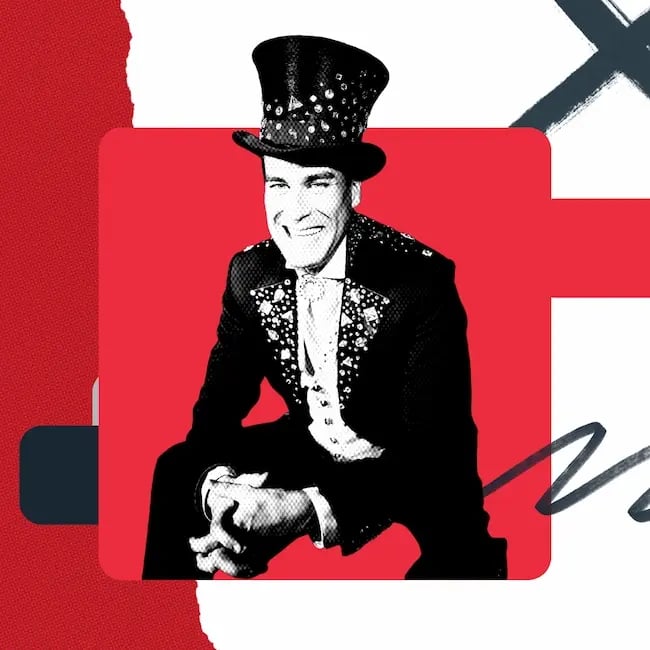
Kevin Venardos, a smiling man in a bejeweled tophat and coat

Kevin Venardos

Owner/Founder/Ringmaster of Venardos Circus

  • Fun fact: I’m sorry, what could be a more fun fact than that he owns his own circus?!
  • Claim to fame: Kevin grew his circus from a rented tent at a state fair to two touring shows delighting 45 locations across the U.S. and over 200,000 attendees!


Lesson 1: Use your dream to help others achieve theirs.

“All I owned was a significant amount of debt,” Venardos says, recounting the birth of his circus. “It started with a desire to keep working. To not have to rely on someone else thinking I was useful to keep around.”

But life had a lesson in store that would change his very motivation.

“I found this little [carnival] in Snohomish, WA. And I said, ‘Hey, let me put my little circus by your event, and don’t charge me a dime. And I’m gonna work my tail off putting as many butts into those hay bales as I possibly can.’”

It was only meant to be a shrewd business move, a way to stretch their thin budget, but something clicked into place for Venardos.

The capacity we have to make an economic impact. Where we place the circus, there are businesses nearby. And when we’re successful, they benefit from that.”

That little lesson grew into the philosophy that underpins how Venardos thinks about his crew, his partnerships, and even his audience.

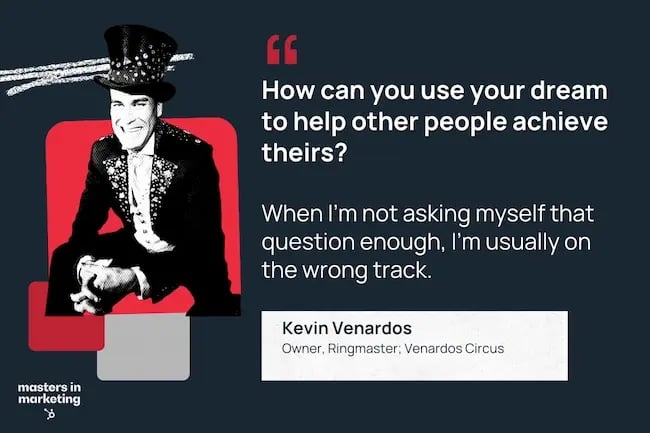
“How can you use your dream to help other people achieve theirs? When I’m not asking myself that question enough, I’m usually on the wrong track.”

"How can you use your dream to help other people achieve theirs? When I’m not asking myself that question enough, I’m usually on the wrong track."

Lesson 2: Invest in emotional connection.

“Every [interaction] has the opportunity for us to rob them of their joy or offer a reason to smile. Lift a weight from them or make our needs more important than theirs.”

This holds true with customers, coworkers, and collaborators alike. And it’s that consideration to which Venardos attributes the success of the show. To illustrate, he tells me about what could have been their lowest point.

When 2020 hit, that investment of love is what carried us through the pandemic.” Social isolation could and did end a lot of live shows. Instead, people showed up and bought $25 tickets [to a livestream of the circus] when they could have watched YouTube for free.”

And Venardos is quick to point out that love isn’t just for customers. “It’s about the other businesses and other parts of your community for whom the warmth that your flame generates.”

“Places where it’s simply a transactional relationship are generally not the places where we’re most successful,” he says. “When you have an army of people whose success is tied to yours in some way, that’s when things really start to grow.

Lesson 3: Share your unique struggle.

As our conversation drew to a close, I asked Venardos what he would do differently if he could time-warp back to 2014 and do it all again.

“It might be a trap to torture oneself with such a question. Our identity as The Little Circus that Could was forged absolutely, and only, because I made so many mistakes,” he said and stared into the middle distance.

The first time I saw the Venardos Circus, the show ended as the ringmaster himself came out to thank the audience. His voice quavered as he explained how close the show had come to not making it. How he bet everything on a rented tent and a circus dream. How each one of us there was supporting a whole family of dreamers. I was hooked.

I don’t wish pain on anyone, but pain is a spoon that carves out space in your heart for gratitude. I think that’s something that connects with people. There’s an emotional resonance.”

People come to the circus for the spectacle. But they come back because they find something deeper.

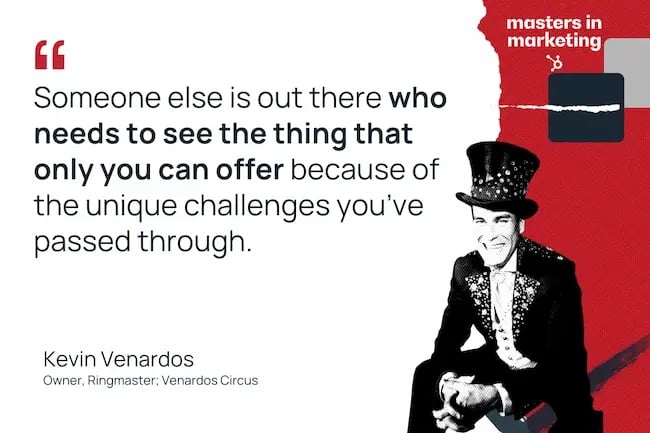
“That thing you think is your flaw, if you’re willing to get comfortable sharing, is actually your unique struggle. Someone else is out there — and you might not even know them yet — who needs to see the thing that only you can offer because of the unique challenges you’ve passed through.”

"Someone else is out there who needs to see the thing that only you can offer because of the unique challenges you’ve passed through."


Bonus Lesson 1: Happiness is clear expectations.

“Making a happy community means setting clear expectations for everybody and holding each other accountable to that.”

If you think culture is important at your job, imagine if you lived with all of your coworkers for months on end! I asked Venardos how his team navigates that dynamic.

He says the first step is “the amount of time and love that is spent finding the right people and caring for them.” The second step is the promise you make to each other.

Great people will feel disrespected if people are permitted to perform at a mediocre level or are not held to whatever they promised to do,” Venardos says. “I thought that this was a cold-hearted philosophy at one point. I went through so many painful iterations before I discovered that I create far more pain by not dealing with that stuff immediately than I do by [addressing it].”

Bonus Lesson 2: Heirarchy doesn’t imply worth.

“The person who is greeting at the front door, our concessions team, they are all equally important to every artist,” he explains. “In recent months, I’ve even discovered that giving people titles that would seem to indicate some sort of superiority [is harmful to team dynamics].”

Which isn’t to say that there aren’t levels of leadership.

“True, someone may have responsibilities where they’re looking after certain individuals and holding them accountable. But the idea that a boss should get respect simply because that’s their title goes in the opposite direction of what I’ve found to be a successful team.”

In a car, the engine isn’t more important than the wheels. You need both if it’s going to work.

Lingering Questions

Today’s question

“How do you see your marketing evolving as we’re entering the holiday season?” — Cristina Jerome, Founder of Off Worque

Today’s answer

Venardos says: “We don’t really change our marketing for the holiday season as our formula is more targeted to whether we’re playing a new city or a returning city.”

Sometimes it’s just like that!

Next week’s question

Venardos asks: “What is your single most effective marketing tool in your arsenal?”

Click Here to Subscribe to Masters in Marketing

Categories B2B

How The Doux uses AI to engage community

“I think we’re moving into a space where most beauty companies are tech companies,” says Maya Smith.

It’s a striking claim from a brand that launched in 2012, long before AI was everywhere. But The Doux has always been ahead of the curve. Since day one, the haircare brand has been anchored in culture: hip-hop references, retro- and Afrofuturism, Black hair-salon nostalgia, all in service of marketing hair products to Black women.

Click Here to Subscribe to Masters in Marketing

For all AI can do, Smith, who’s The Doux’s co-founder, CEO, and creative director, is well aware that system biases are still rampant; the tech is accelerating faster than access and representation. “What I understood is that in order for that to change, you really have to start to train AI,” Smith tells me. “I wanted to be a part of [it].”

Here’s how she’s doing exactly that.

Partnering with Black Girls Code

Collaborating with Black Girls Code (BGC), The Doux launched the Black Beauty AI Challenge back in June, calling on budding creators to submit their original AI-generated videos.

Other than the requirement to use only free tools like Canva, Capcut, or Pika — “because a lot of the obstacles are to do with access” — participants were given intentionally broad parameters to showcase how they define Black beauty, for a chance to earn cash prizes and additional visibility opportunities. Winners will be announced later this month.

“it's important for black creators to be able to participate in the ai conversation, because it's not going anywhere.” —maya smith, co-founder, ceo, and creative director, the doux

“I understand that there‘s some apprehension, because a lot of people don’t understand it,” says Smith, hopeful that this challenge provides some awareness. “But it‘s important for Black creators to be able to participate in the AI conversation, because it’s not going anywhere.”
Key takeaway: Leading with education and access is a powerful form of thought leadership and a solid way to build trust and authority.

Letting culture lead

Prior to the BGC partnership, Smith had already been experimenting with AI to help bring her campaign and product launches to life.

To help execute the vision for The Doux’s Press Play Collection, which launched last year, she used Midjourney AI to organize the endless thoughts in her head and generate usable renderings that guided her production team. “We didn’t want to spend a lot of time and money on revisions,” says Smith.

Smith is inspired by everything from the Black Barbie evolution to pin-up culture to Palm Springs aesthetics. “When people are communicating with any of these platforms, even if you‘re good at it, you’re still going to have to be very specific,” says Smith.

“You have to learn [in this case] art history so that you know what to say. You have to learn about camera angles, wide shots. You still have to educate yourself on what you’re telling AI to do.”

The latest launch was no different. Products across The Doux’s Block Party Collection were formulated to stand up to humidity. The biggest challenge, notes Smith, was telling this story without leaning into the typical, often culturally unsound campaign showcasing the frizz-to-sleek arc, implying that the hair wasn’t beautiful to begin with.

With the help of AI, a bubble visual became the metaphor for an anti-humidity barrier.

“Beauty brands need to lean into the people they’re serving,” says Smith. “Everything we do is informed by our community. AI is just another way to engage them.”

Key takeaway: Use AI to clarify — not replace — your creative vision. Humans still set the tone; AI helps execute it faster.

“everything we do is informed by our community. ai is just another way to engage them.” —maya smith, co-founder, ceo, and creative director, the doux

AI will never replace IRL

In that spirit, the “Block Party” concept was customer-led. New York remains its biggest community and what Smith kept hearing about the city stuck with her: that it was changing, that neighborhoods were looking different than what people grew up with.

So Block Party became an homage to the famous New York block parties that raised so many of The Doux’s customers.

For its NYC debut party, The Doux team invited 60 beauty journalists, influencers, and distributors for dinner and dancing, and hired DJ Ty Alexander to lead the set comprising crowd pleasers like Boosie’s “Wipe Me Down,” Lauryn Hill’s “Doo Wop (That Thing),” and FLY’s “Swag Surfin.”

“I think our love language to our community is showing them the way that we see them and ensuring that they see themselves,” says Smith.

Key takeaway: AI is inevitable, but in-person experiences remain irreplaceable drivers of community.

Click Here to Subscribe to Masters in Marketing

Categories B2B

Future of newsletters: 6 trends changing the newsletter industry in the next year

The future of newsletters is bright, but it’s a far cry from its snail mail origins.Download Now: The Future of Newsletters [Free Report]

I’m showing my age here, but back in the late 1900s, I thought newsletters were just something fan clubs sent out in old sitcoms. It wasn’t until much later that I realized they actually exist in real life and that they can be a powerful marketing channel for all kinds of organizations and communities.

Let’s unpack what newsletters look like going into 2026, including monetization, format, and channel trends marketers need to know, from our State of Newsletter Growth Report.

Table of Contents

Executive Summary

The future of newsletters is unified, AI-powered, and multi-channel. Marketers need to move beyond inbox-only strategies to reach their audience and get creative. That means using AI for content creation, CRM-driven personalization, and integrated measurement across email, web, and social.

To succeed, focus on segmenting your audience, automating workflows, and tracking engagement with a Smart CRM like HubSpot. Prioritize deliverability, privacy, and accessibility, and choose monetization models that feel natural, not pushy. Start by reviewing your tech stack, updating your measurement dashboards, and testing new formats.

Ready to future-proof your newsletter strategy? Check out our proven framework and get started for free with HubSpot’s tools.

The State of the Newsletters Industry

As of 2024, there were more than 50,000 newsletters on the newsletter platform Beehiiv alone. That’s nearly double the number it hosted the year prior, and thousands more have been added across web platforms and inboxes in the months since.

The popularity is not limited to fan clubs, though. From niche thought leaders (like Ann Handley and Nikhil Krishnan) and content creators to corporations like Buffer and branded communities like HubSpot Media’s The Hustle, newsletters are proving to be an effective strategy for:

  • Building and connecting with an audience
  • Sharing expertise
  • Fostering brand loyalty
  • Generating website traffic and sales.

Our research also shows that LinkedIn is the most popular newsletter distribution channel, which isn’t too surprising, given its free, native newsletter offering and huge potential reach.

future of newsletters, linkedin web-based newsletters

Source

Despite this, however, email remains the top platform for consuming newsletter content — especially Gmail.

In terms of artificial intelligence, 28% of the marketers we surveyed are using AI for brainstorming and planning (i.e., outlining, making suggestions, etc.) their newsletters, and 23% plan to use it in their strategy within the next twelve months.

But those are not the only changes transforming the future of newsletters and newsletter content strategy. Let’s dig into these trends and several others.

The Future of Newsletters: Emerging Trends, Channels, & Formats

1. Web platforms for newsletters are on the rise.

While most people still read newsletters in their email inboxes, web platforms like Substack, Patreon, and even LinkedIn offer something email can’t — discoverability.

More creators and brands are publishing newsletters as web-native content (in addition to email) in the hopes of reaching new audiences and potential buyers.

future of newsletters, newsletters published online report more engagement

Web-native newsletters can get crawled by search engines and answer engines and also shared on social media, which is likely why those who publish online report an average of 500–1,000 views and engagements per post.

What marketers can do:

Repurpose your email newsletter content for your website or blog, making sure it’s optimized for search engines as well as AI engines like ChatGPT or Gemini.

While you don’t have to worry about duplicate content with emails, it’s still good practice to switch things up. Buyer behavior and the mediums of content you can share on a website are dramatically different from those in email. For instance, you can share a video that plays directly on a webpage, but in an email, you’re limited to a gift or thumbnail with a link.

Keep these differences in mind and lean into them to create an optimized experience.

Try using Breeze AI to rework your copy or Content Remix to repurpose your newsletter into content for other channels (i.e., social posts).

Rather than your own website, you can also explore using third-party platforms, such as LinkedIn and Substack, which have their own established audiences and email delivery. Shopify is the biggest brand so far to take to Substack with “In Stock”:

future of newsletters, shopify’s “in stock” newsletter on substack

Source

2. Brands are experimenting with formats based on reader preferences.

Like all marketing, newsletters that align with their audience are the most successful. I mean, you can’t expect customers to take what you’re giving if what you’re giving isn’t what they want.

future of newsletters, newsletter formats based on reader preferences perform better

34% of respondents reported using newsletter formats that align with how core demographics prefer to consume content, while 31% align topics with the biggest demographics that subscribe to newsletters, and 25% schedule newsletters when core demographics are most active.

future of newsletters, newsletters that don’t personalize make the least

These percentages may seem low, but these were just some of the options. Only 7% of respondents say they don’t personalize their newsletters to their audiences at all, and they’re bringing in the lowest average monthly revenue. (Surprise surprise.)

Marketers who format their newsletters according to their core demographics earn the most, with monthly earnings ranging from $45,001 to $55,000.

What marketers can do:

Cater to your audience. Plain and simple.

Who are they? What do they care about? What are their behaviors? Understand what your audience wants to read about in-depth versus what they need quick access to (i.e., links to upcoming events, tools, resources) and update your format accordingly.

One thing that frustrated me in my years of sending marketing emails and newsletters was the creative limitations. I wanted to take the email experience from passive to active by incorporating elements like polls and video. Thankfully, there are a lot more tools available today to make those interactions possible.

For example, the Why We Buy newsletter for marketers includes a “one-click quiz” built with Kit complete with a flashy prize.

future of newsletters, live poll built with kit

Alternatively, if you’re a little more limited in resources, you can take a link-based approach, such as The New York Times.

future of newsletters, link-based poll

Whatever your means, don’t be afraid to get creative based on what your audience responds to.

Pro tip: Unfortunately, newsletters become graymail for many subscribers. When evaluating what your readers respond to, consider testing or surveying a list of only your engaged subscribers. This will help you understand what matters to those who are actually engaged.

Use a mix of content blocks, like:

  • Interviews or quotes
  • Resources
  • News articles
  • Polls
  • Checklists
  • Education/advice
  • Product spotlights
  • Short-form vs Long-form

Not to brag but my friends over at The Hustle do an awesome job of this.

future of newsletters, the hustle mixed media format

3. Readers engage more with personality-driven newsletters than brand.

Just over half of those surveyed in our report say readers prefer newsletters from independent people over business-branded content. In fact, the average conversion rate for personal newsletters ranged from 5% to 25%, performing better than their branded counterparts.

future of newsletters, personal newsletters perform better than branded

Whether it’s our increasingly virtual lives or simply human nature, people clearly crave and respond to connection with other human beings. Most consumers also trust word of mouth from other people more than they trust claims from brands, and personality-driven newsletters tap into this.

What marketers can do:

Even if you’re representing a brand, have a dedicated writer or team of writers behind your newsletter. These personalities are your spokespeople or “hosts.” They give readers someone human to recognize and connect with rather than just a cold, faceless brand.

Sarah Schmidt, President of Interdependence, a PR and strategic communications firm that manages Instagram accounts for celebrities, CEOs, and brands, says putting a face to the business is now essential, and it doesn’t always have to be the company founder.

“We’ve had the most success when someone from the team becomes a consistent presence — a personality followers can connect with,” she says. “When that person shows up with opinions, behind-the-scenes context, and a sense of humor, the brand becomes more than a logo, it becomes a point of view.”

Take our new “The Science of Scaling” newsletter. My fellow HubSpotter and former teammate Jay Fuchs pens this weekly email.

future of newsletters, jay fuchs is the personality behind hubspot’s “the science of scaling”

In it, readers get invaluable sales tips, but also a healthy dash of Fuchs’ signature humor, perspectives, and expertise.

Meanwhile, Shopify’s “In Stock” is authored by a four-person team, consisting of Dayna Winter, Shopify’s newsroom lead, and other members of Shopify’s communications division.

People pay attention to (and often pay for) real, exclusive insights — Not the same old opinions they can get across social media or competitor blogs.

To build and maintain your subscriber list and even close sales, newsletters need to get people hooked on their unique perspective and style, and how they curate their niche. They have to give people something they can’t get anywhere else to warrant subscribing.

Using personality-led content to tap into storytelling and the human experience can be the ticket to standing out from the masses and the AI-generated, unedited competition.

Speaking of which …

4. AI is leaving a mark on newsletter strategy and executive.

AI is everywhere these days, and newsletter strategy is no different. As we already saw, many marketers are already using AI to brainstorm and outline their newsletters. Well, nearly 25% of them say this saves them 1-2 hours per week.

52-104 hours saved a year isn’t too shabby.

future of newsletters, most marketers predict newsletters will all be ai-generated by 2030

64% of respondents also agree that most newsletters will be AI-generated by 2030 — but this creates a whole new landscape. AI, by its very nature, is derivative. It creates based on existing things, and, speaking from experience, plagiarism and duplicate content are very real concerns.

If AI is writing most newsletters, then putting a human back behind the keyboard will be a powerful differentiator.

What marketers can do:

Human editing and oversight are essential when using AI for newsletters; however, you can set up AI tools to learn your brand voice and identity to hopefully keep them to a minimum.

Read: How to Humanize AI Content So It Will Rank, Engage, and Get Shared in 2025

The “Express” phase of the loop marketing framework is focused on that. During it, you establish a crystal-clear style guide and give it to AI, so every asset the tech generates is on brand.

But AI isn’t just for generating content. Explore using it to:

  • Creating niche customer segments
  • Using predictive analytics to make personalized content recommendations
  • Track and analyze behavioral data to find trends about what your audience likes
  • Personalize your newsletter with reader data

Generate your brand voice and style guide with Breeze AI.

5. Personalization and relevance are more important than ever.

By 2030, 67% of marketers believe people will expect a far higher level of personalization from newsletters than we see today.

future of newsletters, marketers say readers will demand higher personalization

That means it’s not enough to just send generic updates or slap [first name] on a newsletter anymore. Audiences don’t want to feel like a number. They want to feel like every message was crafted just for them.

Luckily, personalization is another area where AI excels and can help you scale.

What marketers can do:

Instead of leaning into broad segments, brands should move toward 1:1 personalization even in transactional emails. It can be used to:

  • Tailor content based on CRM data (i.e., name, location)
  • Make content recommendations based on pages viewed, services/products bought.
  • Adjust tone based on demographics, season, etc.

Whether you’re a large enterprise or a solo creator, integrating AI with your CRM can help you deliver the right message to the right person — automatically.

In fact, HubSpot’s own marketing team recently found success with this.

We built an AI system that analyzes a contact’s business website, evaluates the offers or resources they’ve downloaded, and then predicts what they’re trying to achieve. The AI then used that data to generate a custom content offer, and personalized message aligned to that individual’s goals.

The results were incredible:

  • 82% increase in conversion rates
  • 30% higher open rates
  • 50% increase in click-through rates

For a detailed walkthrough on how to build personalization into your email strategy, check out HubSpot’s guide on dynamic email personalization.

Newsletter Monetization & Revenue Possibilities

Goal

Best Model(s)

Why It Works

Build steady recurring revenue

Paid subscriptions, memberships

Predictable income, loyal audience

Drive product or service sales

Product/service promotions

Ties newsletter directly to business ROI

Grow audience reach and partnerships

Sponsorships, affiliate marketing, third-party platforms

Scales with visibility and credibility

Deepen community engagement

Premium communities, events

Builds loyalty and perceived value

Maintain independence and authenticity

Donations

Reader-supported, mission-aligned

As the industry matures, 45% of marketers expect newsletter profits to increase significantly over the next year. But what does that revenue actually look like?

future of newsletters, marketers expect newsletter profits to increase

According to recent survey data:

  • 30% of newsletter creators earn income through product, service, or membership sales promoted within their newsletter.
  • 16% generate revenue through paid subscriptions to their newsletter.
  • 16% monetize via sponsorships and advertising — selling placement within their newsletters to brands aligned with their niche.

Other brands explore community engagement, donations, or even audience arbitrage. The best monetization model depends on your audience, goals, and brand type. Here are some tips to keep in mind.

For Businesses and Brands

If you’re running a company newsletter, treat it like a performance marketing channel.

  • Include contextual CTAs to your products or services where relevant in your newsletter
  • Use UTM tracking and CRM integration to measure conversions from email clicks.
  • Attribute revenue through lifecycle stages (e.g., subscriber → lead → MQL → customer) instead of relying on last-click metrics. This ensures you see the full pipeline impact of your newsletter — not just immediate clicks.

For Individual Creators

If you’re an independent publisher or thought leader, paid subscriptions are a powerful way to grow sustainable income. Offer tiered membership options inspired by creators like Rachel Karten’s “Link in Bio” newsletter.

Premium subscribers may receive perks such as extra weekly issues or bonus content, access to a private Slack or Discord community, one-on-one consultations or Q&A sessions, or exclusive reports and data-driven insights.

This model can work for brands as well; you just need an audience that is loyal, niche, and values your expertise.

Frequently Asked Questions About Newsletter Trends

Should newsletters move beyond email to web posts or social?

Yes — if you want to grow reach and visibility, establishing a presence for your newsletter on a public, web-based platform will make it accessible to search and AI engines unlike email. Email builds relationships, while web and social aid discovery. Use your CRM, like HubSpot, to unite metrics and track cross-channel engagement.

How often should you send newsletters next year?

There’s no one-size-fits-all frequency for newsletters. Some companies may send once a week, while others go quarterly. It really depends on your audience and the nature of the information you’re sharing.

I’d recommend starting with a biweekly or monthly schedule, then monitoring open rates and engagement to find your sweet spot. HubSpot’s reporting and analytics can help you evaluate these email metrics and more.

What’s the best newsletter format to start with?

Again, this depends on your audience, but it’s not a bad idea to start modular:

  • A personal intro
  • 3–5 curated links or tips
  • One deep-dive story
  • One strong CTA

This format is flexible, scalable, and easy to personalize over time, especially with HubSpot’s drag-and-drop email templates.

Which AI tasks are safest to automate today?

Start with strategy and short copy. Think tasks like:

  • Brainstorming topic ideas
  • Brainstorming and testing subject lines
  • Testing content variations

Keep human review for tone, brand alignment, and storytelling.

How do you avoid sounding generic with AI?

Create a brand voice guide, train your AI tools with proprietary examples, and always add personal commentary or experience. Authenticity and originality will be your biggest differentiators. I also recommend adding unique examples, quotes, and mixed media. Learn more here.

The Future is (More Than Just) Email

The future of newsletters is personal, data-driven, and multi-channel. Whether you’re a solo creator or a brand, the key is to combine automation with authenticity, email with web presence, and to measure every step of the way.

Want to build a future-ready newsletter program? Explore the Loop Marketing Framework to connect your channels and grow smarter in 2026.

Categories B2B

Intent-based marketing: How to target ready buyers

In business, to waste time is to waste money so you need a strategy that is efficient and the best use of your resources.

Download Now: Free State of Marketing Report [Updated for 2025]

With that in mind, intent-based marketing is an optimal strategy for marketers who want to ensure they are reaching audiences who have a genuine interest in what their business has to offer.

But what is intent-based marketing and how is it different from traditional or account-based marketing. Let’s dive in.

Table of Contents

What is intent-based marketing, and how is it different from ABM?

Intent-based marketing (IBM) is a strategy that focuses on delivering targeted messages to consumers based on their online behavior and preferences.

Intent-based marketing differs from account-based marketing (ABM) in that ABM targets specific high-value accounts while IBM targets accounts that are actively searching for solutions.

For intent-based marketing, you’ll want a Smart CRM like HubSpot that utilizes AI automation to identify prospects who are actively showing interest and exhibiting buying signals, allowing you to prioritize and engage at the perfect time.

Furthermore, you‘ll need a CRM that unifies and enriches your data, with key features such as custom reporting, which will turn data insights into manageable reports that track everything from the start of the buyer’s journey to revenue attribution.

Why Intent-based Marketing Matters Now

In an era of rising data breaches and growing distrust in how companies manage their data, consumers are understandably becoming more cautious with their personal information.

As a result, consumers are beefing up the security around their personal data by using privacy tools and deciding which companies they want to purchase from based on their data practices.

With that in mind, intent-based marketing is an excellent strategy for engaging prospects while respecting their privacy, as it relies heavily on first-party data collected from user interactions on your website, as opposed to mostly third-party sources. But what are third-party sources, and why are consumers wary of them?

Have you ever visited a website and been bombarded with pop-ups asking you to “accept or manage cookies”? Well, those website cookies and tracking scripts are third-party sources.

In addition to annoyingly interrupting your internet browsing, they also track your activity. They are owned by external entities, raising concerns about the level of control consumers have over the collection and use of their data.

These third-party sources are under even greater scrutiny thanks to regulations such as the General Data Protection Regulation (GDPR) and the California Consumer Privacy Act (CCPA), which both impose restrictions on how third-party data can be collected and used.

Another great benefit of intent-based marketing is that it enables marketers to create highly personalized experiences for website visitors by tracking their behavior and actions on the site.

For example, let‘s say you’re an online clothing store, and a website visitor spent a significant amount of time clicking through your fall lookbook before subscribing to your email list.

You could then follow up with personalized emails recommending fall attire and or a personalized digital fall lookbook, rather than a generic email of general sales and deals.

How to Start Intent-based Marketing

1. Define your ideal customer profile and buying signals.

Start by clearly identifying who you’re targeting and what behaviors indicate purchase intent.

Map out the specific actions that suggest someone is actively researching solutions in your category—like visiting pricing pages, downloading whitepapers, or searching for competitor comparisons.

The more precise you are about these signals, the more effective your targeting will be.

This aligns perfectly with the Express stage of HubSpot’s Loop Marketing framework, where you define your brand identity and ideal customer profile before leveraging AI to create targeted campaigns.

By establishing clear buyer personas and intent signals upfront, you set the foundation for AI-powered personalization throughout the entire loop.

2. Choose your intent data sources.

Select the right combination of first-party, second-party, and third-party intent data for your needs. First-party data from your website and CRM shows direct engagement with your brand.

Third-party providers reveal when prospects are researching topics related to your solution across the web. Consider your budget and identify the sources that align best with your target accounts.

Remember, most consumers are not fans of third-party sourcing, so be cautious when collecting and using third-party data and ensure you follow the guidelines set by the GDPR and/or CCPA.

3. Integrate intent data with your marketing tech stack.

Connect your intent data sources to your CRM, marketing automation platform, and advertising tools to streamline your marketing efforts. This integration ensures intent signals flow seamlessly into your existing workflows and can trigger appropriate actions.

Platforms like HubSpot’s Marketing Hub offer native integrations with major intent data providers, making it easier to centralize your intent signals alongside your contact data, email campaigns, and analytics—giving you a unified view of prospect behavior.

4. Create intent-specific content and messaging.

Develop tailored content that speaks directly to prospects at different stages of their buying journey. Prospects demonstrating early research intent require educational content, while high-intent prospects closer to making a purchase need case studies, demos, and competitive comparisons.

Match your message to the urgency and specificity of their signals.

In the Tailor stage of Loop Marketing, you can use AI to personalize this messaging at scale, leveraging unified CRM data to create experiences that feel individually crafted based on each prospect’s specific intent signals and stage in the buying journey.

5. Build automated workflows and trigger campaigns.

Set up rules-based workflows that automatically respond when prospects hit certain intent thresholds. This might include adding high-intent contacts to nurture sequences, alerting sales representatives to leads, or launching targeted ad campaigns to accounts that show buying signals.

Automation ensures that you act on intent data quickly while it remains relevant.

6. Measure, optimize, and refine your approach.

Track which intent signals correlate most strongly with actual conversions and adjust your strategy accordingly.

Monitor key metrics, including time-to-conversion, campaign engagement rates, and ROI, by intent source. Regularly review which topics and behaviors are most predictive of purchases in your specific market, and continuously refine your targeting criteria based on what’s working.

This continuous optimization mirrors the Evolve stage of Loop Marketing, where AI helps you measure, predict, and adapt in real-time rather than waiting for quarterly reviews — making each campaign cycle smarter and more effective than the last.

Intent Signals to Gather and Track

Not sure what intent signals you should track? No problem. I’ve got you covered with 5 intent signals you can track with Smart CRM.

1. Website Behavior Patterns

Repeated visits to high-value pages, such as pricing, product comparisons, case studies, or demo request pages, indicate a serious level of consideration. Multiple sessions over a short timeframe, especially from the same company domain, suggest active evaluation.

2. Content Consumption Activity

Downloading gated content, such as whitepapers, industry reports, implementation guides, or ROI calculators, shows that prospects are investing time in understanding your solution. The more in-depth the content, the stronger the signal.

3. Search Intent and Keyword Research

If a prospect is actively searching for solution-specific keywords, competitor comparisons, or “best [product category]” terms, then they’re in active buying mode. Third-party intent data can reveal when companies are researching these topics across the web.

4. Engagement with Sales or Support Content

Watching product demos, attending webinars, requesting trials, or engaging with chatbots about implementation or pricing questions all signal high purchase intent and readiness for sales conversations.

5. Technographic and Firmographic Changes

Changes in a company‘s tech stack, recent funding rounds, leadership hires, office expansions, or posted job openings for roles that would use your solution can indicate timing windows when they’re likely to invest in new tools.

How to Activate Intent-based Targeting Across Channels

So, we’ve been talking about data and patterns to observe when building an intent-based marketing strategy, but what do you actually do with that information? And how do you implement it across channels? Here are four ways to do so:

1. Keyword and Search Query Targeting

Monitor and target users based on their search behavior and the specific keywords they use. Search behavior and specific keyword searches reveal active intent as people search for solutions to their problems. You can bid on relevant search terms or use search data to inform advertising across platforms.

2. In-market Audience Segmentation

Identify and target users who are actively researching or comparing products in your category. Platforms like Google and Facebook offer in-market audience segments based on browsing behavior, site visits, and engagement patterns that signal purchase intent.

Tools like HubSpot’s Marketing Hub can help you analyze and segment these audiences based on their behavior and engagement data.

3. Retargeting Based on Behavioral Signals

Create campaigns that target users who have demonstrated specific intent signals, such as visiting product pages, adding items to their cart, downloading resources, or spending a significant amount of time on comparison content.

Layer these audiences with recency and frequency data to prioritize high-intent users.

This multi-channel retargeting approach is essential in the Amplify stage of Loop Marketing, where you diversify distribution to meet buyers across the scattered channels where they actually spend time — from social platforms to AI-powered search engines — rather than waiting for them to return to your website.

4. Content Engagement Triggers

Target users based on their engagement with specific content types that indicate intent, such as viewing pricing pages, accessing product demos, reading buying guides, or engaging with customer reviews.

You can also utilize lead scoring systems that trigger advertising when users reach specific engagement thresholds.

AI in Intent-driven Marketing

If I‘ve said it in one blog post, I’ve said it in a million others: When it comes to gathering and analyzing data, you want AI in your corner.

Artificial intelligence simplifies data scoring, clustering, and purchase prediction. AI algorithms seamlessly analyze vast amounts of data points in real-time and assign scores to each lead based on digital behavior.

For behavioral scoring, AI assesses actions such as visits to pricing pages, subscriptions to newsletters, or downloading case studies. AI then groups prospects and visitors together to gain a deeper understanding of their intent.

From there, AI uses machine learning and predictive analytics to predict which leads are most likely to make a purchase.

Tools like HubSpot’s Breeze AI can help marketers operationalize these insights by automatically scoring leads, identifying high-intent prospects, and triggering targeted campaigns at the optimal moment in the buyer’s journey.

This human-AI collaboration is the foundation of Loop Marketing, where AI handles execution and optimization while marketers focus on strategy and creativity — allowing you to launch campaigns in days instead of months while continuously improving results with each cycle.

How to Measure and Optimize Intent-driven Marketing

To successfully launch an intent-driven marketing strategy, you must match message intensity to buyer readiness, so start by segmenting all your metrics by intent stage (awareness, consideration, decision).

The core measurement is intent conversion rate — track how many high-intent signals convert within at least 30 days — and optimize monthly by auditing which signals actually drive revenue, testing message-intent fit, and reallocating budget toward decision-intent channels with lower customer acquisition cost (CAC).

Implement quick wins like intent-based scoring, keyword-to-close tracking, and intent-specific landing pages. Tools like HubSpot’s AEO Grader can help you assess how well your content aligns with search intent and identify optimization opportunities to better capture high-intent traffic.

If you‘re seeing high traffic but weak pipeline contribution or unqualified leads, you’ll want to recalibrate your strategy to ensure you‘re not wasting time and money on awareness-stage audiences who’ll never buy.

Here are some additional metrics to track to optimize your intent-based marketing strategy:

  • Intent-surge duration – How long a prospect stays in a high-intent state
  • Content consumption trends – Examples include whitepaper downloads and blog visits by role
  • Social engagement by target role or account
  • Website engagement – How frequently and for how long prospects visit your website, the number of pages they visit per session (page depth), and overall time spent on the site
  • Conversion rate

3 Intent-based Marketing Playbooks You Can Copy

High-Intent Intercept Playbook

Target prospects actively searching for solutions with decision-stage keywords like “best CRM for startups” or “[competitor] alternative”. Create dedicated landing pages for each high-intent query, run paid search campaigns with aggressive bids, and route conversions directly to sales within minutes.

This captures demand that already exists rather than trying to create it.

Account Surge Playbook

Monitor target accounts for intent spikes such as multiple visits to pricing pages, repeated product searches, or engagement with comparison content.

When an account hits your intent threshold, trigger coordinated outreach via tactics like:

  • personalized emails from sales
  • LinkedIn ads to key decision-makers
  • retargeting with case studies

Strike while buying signals are hot, typically within 24-48 hours of the surge.

Content Progression Playbook

Map content to intent stages and use engagement to advance prospects through the funnel. Awareness-stage visitors get educational content, consideration-stage get comparison guides and ROI calculators, decision-stage get demos and consultations.

Use marketing automation to sned the next appropriate materials based on consumption patterns, and score interactions to identify when someone transitions from browsing to buying mode.

Frequently Asked Questions About Intent-based Marketing

Is intent-based marketing the same as ABM?

Not quite, but they work very well together. ABM focuses on targeting specific accounts with personalized campaigns, while intent-based marketing identifies prospects actively showing buying signals regardless of whether they’re on your target list.

Think of intent marketing as the “when” and ABM as the “who”, then combine them to reach the right accounts at exactly the right moment.

Do I need third-party intent data to start?

Nope. Start with first-party signals you already have: website behavior, content downloads, pricing page visits, search queries, and email engagement.

These are often more accurate than third-party data because they reflect direct interaction with your brand. Once you’ve optimized your first-party intent strategy, then consider layering in third-party data to catch prospects earlier in their journey.

What’s the difference between purchase intent and search intent?

Search intent is what someone wants to accomplish with a specific search query (informational, navigational, or transactional), while purchase intent indicates they’re actively in-market to buy a solution like yours.

Someone searching “what is marketing automation” has informational search intent but likely low purchase intent, whereas “HubSpot vs Marketo pricing” shows both transactional search intent and high purchase intent.

How long should I run a pilot before judging results?

Give it at least 90 days to see meaningful patterns, though you can spot early indicators at 30-45 days. B2B sales cycles typically run 3-6 months, so you need enough time for high-intent leads to convert and for your team to iterate on messaging and targeting.

Track leading indicators weekly (intent score distribution, engagement rates) while waiting for lagging indicators (pipeline, revenue) to materialize.

How often should I refresh my intent signal taxonomy?

Review quarterly and update as needed, but don’t over-engineer it. Your intent signals should evolve with product launches, competitive shifts, and what your data reveals about actual buyer behavior.

If you notice new high-converting keywords, content types, or behavioral patterns emerging, add them immediately rather than waiting for the quarterly review.

Categories B2B

The A to Zs of B2B: A Marketer’s Guide to the Holidays and Beyond

“Come in,” the ghost exclaimed. “Come in, and learn my better plan!”

(A cheeky joke off that Dickens bloke, but we hope you’ll pull up a chair…)

For there, indeed, is magic and madness floating in air!

Welcome, friends, to the Land of B2B: a place full of data that’s hard to foresee—where pipelines are puzzling, and funnels are strange, and strategies pivot and constantly change; where the coffee is strong, and the acronyms fly…and where we seek the lead who’s ready to buy.

Come, spend some time, for we’ve gathered letters from A to Z, to help you unlock what a marketer sees. So open your eyes, and let’s have some fun—and take a look at the lessons inside of this business-y book!


The A to Zs of B2B

A is for Artificial Intelligence

What else would A be if not for A.I.?
In less than three years, we’ve seen demand go sky high!
Though it may “think” faster than we can blink, don’t just assume that your thoughts are in sync.
For the same power that writes your best emails and scores all your leads…
May just get confused by all the words that it reads.

B is for Buyer’s Journey

Oh, the places they’ll go! Wait…where did they go?
There’s so much to read and so much to do, your buyers may just ebb and flow.
They’ll schedule a demo and disappear; perhaps they’ll flirt with another peer.
If the connection was real, then they’ll return; otherwise, you’ll simply learn.
That the buyer’s journey demands we nurture: because your buyer has 12 co-researchers.

C is for Committee Chaos

There once was a buyer who gave you a “yay,” but the entire committee had yet to be swayed.
“There are six more folks who stand in your way!” you hear them say.
One wants a feature, one wants a tool, and one’s just afraid of breaking the rules.
When met with such a conundrum, do not offer content that comes off as humdrum.
You’ll need to plot out a multi-pronged plan that covers all the needs of each woman and man.
Without it you’ll see that “yay” start drifting away…

D is for Demand

So many businesses think they just have to shout it!
“Extra! Extra! Read all about it
in our latest eBook; it’s got brand new ideas you’ll just have to look!”
Alas, alas, I’m sorry to say, but such an old tactic will no longer play.
Make no mistake, you still have to make noise: the kind that a buyer enjoys!
To create this demand, demands moves both bold and enchanting; it’s the only way to become both known and worth stanning.

E is for Email

You’ve crafted a subject line, clever and slick! But getting an open? Now that is the trick.
With inbox defenses so incredibly high, your “Just Checking In” may just wither and die.
You’ll have six seconds flat (maybe five, maybe four!) to prove that you’re worth getting foot in the door.
So please, spare the masses your generic blast; Make it human and personal, and make it stick fast.

F is for First-Party Data

The cookie is crumbling! The pixel is fried! There’s nowhere left for the trackers to hide.
So forget buying lists that are dusty and cold; First-party data is marketing gold!
They came to your content and raised their own hand, An explicit request you can now understand.
It’s a signal, it’s a fact, it is truth without spin—First-party data is how you will win!

G is for Gated Content

We’ve heard all the shouting, “The Gate is a sin! You must let the readers go waltzing right in!”
But a gate with a gift is a different beast, like a VIP pass to a wonderful feast.
If the content is rich, then be bold and precise, and they’ll hand you their info without thinking twice.
But hide something shallow behind a huge wall? Then you’ll get no conversion, no data at all.

H is for HQLs

“I need actual budget! A timeline! A plan! Not a click from a student or a ‘just-looking’ fan.”
These aren’t random wanderers just passing through, But in-market buyers defined strictly by you. They signal a specific and relevant need, With a timeline for action—a rare, noble breed!
So filter the fluff and follow the signs, Or you’ll waste all your time on terrible finds.

I is for Intent

“They are surging! They’re surging!” the dashboards declare, but is it a buyer? Or just empty air? A click on a keyword might look like a lead, But without real context, it’s a weak one indeed.
True Intent must be verified, proven, and true, Not just a guess based on a singular view.
So look for the actions that show a true need, Or you’ll chase down a ghost instead of a lead.

J is for Jargon

As the New Year draws near, all the marketers shout, They’ll rush to their keyboards and type it all out!
And then, oh the Words! Oh, the Words! Words! Words! Words!
They’ll leverage their learnings! They’ll pivot their plays! They’ll optimize omni-channel pathways for days!
They’ll synergize silos! They’ll shift every paradigm! They’ll deep-dive the data just one final time! They’ll architect ecosystems! Dissect the stack! And threaten to (one day) just maybe “circle back!”

K is for KPI

Impressions are lovely; they sparkle and shine! To see the graph grow feels truly divine.
But vanity metrics are just a cheap thrill, and sadly, they cannot pay one single bill.
So track the real pipeline and deal size amount; the difficult numbers that actually count.
For when the execs ask what you really deliver, you’ll want more than a slide deck that gives you a shiver.

L is for Lead Velocity

A prospect has clicked! They are asking for more! But the lead is still stuck on the marketing floor.
It sits in a queue while the hours tick by, left lonely and cold to just wither and die.
To capture the interest, you have to be fast, for the moment of intent is one that won’t last.
If you wait just a day (or a week!) to reply, you can kiss that new deal a sorrowful “Bye!”

M is for The Messy Middle

The beginning’s exciting! The finish is grand! The middle, however’s, a chaos unplanned.
They loop, and they circle, they ghost, and they stall, ignoring your emails and dodging the call. It isn’t a funnel, a straight line, or track; It’s a maze where the buyer keeps doubling back!

N is for Nurture

You captured the interest, you got the first click—now don’t try to close them too hard or too quick! To pounce with a pitch is simply uncouth. Instead, you must offer them value and truth. Send helpful advice that is worthy of trust, for patience in marketing is always a must.
Give them the space to decide based on what they’ve been shown, and you’ll harvest the deals from the seeds you have sown.

via GIPHY

O is for Optimization

The landing page bounces. The form? Way too long, and CTA sings a most sorrowful song. When nobody converts, it is time for a fix: refine the experience; ditch all the tricks.
This isn’t a project meant just for today, It turns “meh” into “magic” and makes buyers stay.
So tweak every pixel and test every line, until your conversion rate looks simply divine.

P is for Personalization

“Dear [FirstName],” you write, hoping that will delight, But they’ve seen that same trick twenty times just tonight. To personalize requires much more than a token, It’s knowing what matters, what’s broken, unspoken. It isn’t a script where you fill in the blanks, That earns you no meetings, no trust, and no thanks. So prove you were listening, build with intent, and your message becomes one your intended won’t just resent.

Q is for Quality

“Less is more,” so the old saying goes, especially regarding your lead gen woes. You can stack up the leads ’til they reach to the sky, but that doesn’t mean they are ready to buy. A flood of bad contacts just clogs up the phone, with people who’d rather be left all alone. So don’t be afraid to chase quality’s class, and ignore the temptation to (always!) market en masse.

R is for ROI

You measure the dollars and count every cent, but is that truly where value is meant?
The new ROI is a different pact: It’s Resonance, Originality, and Impact!
To stand out in a sea of the boring and bland, you must banish the “businessmen shaking a hand.”
Be quirky, be bold, make a memory stick, for being memorable is the ultimate trick.

S is for SEO

The list of “blue links” is starting to fade, A shift in the game that the chatbots have made.
They don’t just match keywords you hid on the page; They synthesize answers for this modern age.
It isn’t enough to just rank in the top, for the user might read it and suddenly stop.
So optimize now for the machine’s hungry mind, or the new “Answer Engine” will leave you behind.

T is for Trust

It cannot be purchased with budget or ads. It outlasts the trends and the marketing fads.
It takes years to build it, one moment to break, A fragile foundation that’s risky to shake.
In a market of skepticism, bots, and the fake, It’s the one human difference that you have to make.
So speak with the truth and deliver on claims, For Trust is the victor in all B2B games.

U is for UX

Like a door with no knob, bad UX frustrates and fails at the job. If navigation is a puzzle or quiz, they’ll wonder just what kind of business this is. Make it all easy, no riddles to solve, let every next step just naturally evolve. Create an experience worth staying a while, and design every page with a digital smile.

V is for Voice

In a world where the content is generated fast, you need a distinctiveness destined to last.
If you sound like a robot or corporate machine, you’ll vanish completely from everyone’s screen. Your Voice is the fingerprint, unique and so rare, to show your potential accounts that you care. So banish the bland and be bold in your choice. There is nothing as strong as a confident Voice.

W is for Webinars

The webinar stands as a B2B king, For the depth and the nuance that it can bring.
No other format earns time on the clock like a live conversation where experts can talk.
It’s the perfect arena to teach and to spark, to offer real value and leave a great mark.
So plan with a purpose and deliver with heart, and watch as the meaningful relationships start.

X is for X-Factor

What makes them smile, then forward with pride?
What makes your post go viral worldwide?
It’s not more keywords or graphics that spin, It’s honesty, timing, and knowing your win.
Your X-factor’s not bought, it’s built with care, It’s the thing that says, “This brand is rare.”

via GIPHY

Y is for You

You’ve gotten this far, and the end is in sight, We saved this for Y and the timing’s just right.
Y is for YOU, for you are the star, without whom this business would be quite bizarre.
For despite all the talk of AI and machines, it is you and your peers making magic from dreams. No software can mimic the spark in your mind. The human connection is the best you can find.

Z is for Zero-Click Content

The searcher just scrolls, they read but don’t land, so serve them the goods right there on demand. The platforms want content that stays in the feed, so give the scrollers the info they need. If value’s the goal, then hold nothing back, make every impression a premium snack.
No clicks? No problem. You’ve still built the bond, and they’ll seek you out when they’re ready to respond.


The End? (Or The Beginning?)

via GIPHY

The alphabet’s over, the rhyming is done. Oh! But our marketing journey has only begun!

The tools will keep changing, the landscape will shift, but your human perspective? That’s your greatest gift.

The algorithms update, the tactics will change, and any “new normal” practice will surely feel strange.

So don’t let the chaos cause worry or stress; after all, you now have the whole alphabet now for success! Now go! Find your buyers, wherever they be, and master the madness of B2B!

Categories B2B

3 bitter truths all marketers need to hear right now

When I saw a LinkedIn post from today’s master declaring, “Marketing’s job is not to drive revenue,” I did a little shimmy and thought, “She gets it!

We struck up a conversation, and I discovered an entire pharmacopeia of tough pills to swallow. “I love talking smack about marketing!” she grinned.

I asked for three of the bitterest truths that marketers need to hear. And, folks… it’s time to take your medicine.

Click Here to Subscribe to Masters in Marketing

moni-oloyede-mim-blog

Moni Oloyede

Founder, Educator at MO MarTech

  • Fun fact: Moni hails from the same town as Edward Norton, Aaron McGruder, Christian Siriano, and Druski. (Do you know it without googling?)


Lesson 1: Marketing’s job is not to drive revenue.

Every CMO in the audience just reflexively jerked towards the “unsubscribe” button. Stick with us here.

“The problem with being focused on revenue is that your marketing feels like you’re just throwing spaghetti at the wall,” says Oloyede. “You just chase leads all day. ‘They didn’t click my email, let me move on to the next topic, and see if that works. And you jump and jump and jump.’

She points out that the instant gratification within digital marketing has raised a generation of marketers who have never been given the fundamentals. Which works until it doesn’t.

“I was raised in the digital marketing space. I didn’t know a time before that. And when I went to grad school, I realized: We’re not actually doing marketing. We’re sending out content and getting leads. But we’re not building relationships, communicating effectively, and trying to build affinity.”

“You can’t serve two masters. If I serve the CEO, that’s revenue. If I’m going to serve the customer, I have to slow down. I have to have patience.”

“The problem with being focused on revenue is that your marketing feels like you’re just throwing spaghetti at the wall. You just chase leads all day."


Lesson 2: Demand gen is not a strategy.

“The word ‘strategy’ gets thrown around a lot and it is bastardized to hell. Demand gen is not a strategy. Demand gen is the execution of a strategy.”

Tell me if this next part sounds familiar.

“A typical marketing campaign is: Let’s pick a topic, create content around that topic, then collect leads and just email the crap outta them until they die. That’s not a strategy.”

“Juxtapose that against the Dove Real Beauty campaign. A multi-year, consistent story based on the consumer psychology of women not feeling beautiful in their bodies due to beauty standards. That’s a strategy.”

Instead of one-off pieces of content that jump from topic to topic, all marketing efforts — whether lead gen, demand gen, or brand awareness — fed back to Dove’s core message.

And that message didn’t come from Dove simply throwing spaghetti at the wall until they found the noodle that stuck.

Oloyede lays out the process: “I’m hearing my audience say they’re scared to move forward with new software. They’re worried about lack of resources. This is my campaign to combat that messaging. These are the activities that support that campaign. We’re going to run it for a year. Our baseline metrics are going to be trials. I need six months to get X amount of trials. If we’re missing the mark, here’s what I’m going to adjust. If we hit the mark, you give me X more dollars to expand. Agree? Agree. THEN you go execute.”

It’s slow. It’s hard. It’s laborious. And as AI allows competitors to flood every channel with self-same slop, it’s the only thing that will stand out.

Lesson 3: Technology second.

“Technology is not going to fix your marketing problems,” Oloyede says. “People think I’m an anti-technologist. I’m not. [The technology is] just out of order.”

Whether it’s AI, analytics software, or even (gulp) your CRM, it’s important to realize that these are tools that do tasks. The why behind those tasks has to come first.

“Technology is only going to execute, manage, and operationalize. That’s it. It works when it’s supporting good, foundational marketing principles. So if you don’t understand your market, if you’re not confident in your message, if you don’t understand your audience psychologically, emotionally, culturally, then you have to go back to the drawing board.”

And once you’ve got all that, you can set your tools on autopilot, right? Not quite.

“We need to add in those human touches to all those digital tactics. [Currently,] we send leads to a 10-touch automated nurture campaign and then over to Sales to see if there’s a buying intent. And then discard them if they’re not ready to buy.”

“What if, instead, you invited them to a small, intimate focus group? Or a premiere event? Some kind of human touch where they saw you face-to-face. How much more likely are they to open your email?”

And here we rediscover that ancient marketing wisdom nearly lost to the ages:

“People buy from people. People buy from people they like, they trust, they have a connection with. The more you do that, the more you’re going to be successful.”

THAT. That is marketing’s job.

Click Here to Subscribe to Masters in Marketing

Categories B2B

Use the Ick to Create Better Marketing

Our expert this week has a few hot takes. 

Here’s one: “Any marketer that says they’ve never felt the ick from marketing isn’t a true marketer. You do feel the ick.”

Click Here to Subscribe to Masters in Marketing

While that doesn’t sound like the best lesson to open a marketing newsletter, stay with me. I swear this isn’t a I’m-quitting-my-job-to-work-on-a-goat-farm hail mary. 

It actually has more to do with foundational marketing than you think. 

Meet the Master

Cristina Jerome

Cristina Jerome

Creative Strategist and Founder, Off Worque

  • Claim to fame: Leading social for Topical’s infamous Faded Eye mask campaign.
  • Fun fact: She was the voiceover for the Topical’s brand campaign video.

Lesson one: Feel the ick. And use it to create better marketing. 

Cristina Jerome has had a whole host of jobs most marketers would kill for. 

She’s worked on content and social strategy for Jada Pinkett Smith’s show Red Table Talk, plus Issa Rae’s Rap Sh!t on HBOMax. She directed social content at Topicals, Sephora’s fastest growing Black-owned skincare brand. 

She’s also dabbled in marketing for Adidas and Lobos 1707, a luxury tequila brand. 

And, most recently, she launched her own non-profit social club, Off Worque, which emphasizes mental health and work-life balance.

Phew. I’m exhausted just typing that up. 

So my first question to Jerome was an easy one: How did building her own brand shift her approach to marketing?

“It didn’t change logically,” she told me. “It changed spiritually. When you’re working for someone, you’re so pressed on reaching KPIs… with Off Worque, it’s more organic, nurturing, emotional.” 

She still has KPIs, but they’re rooted in storytelling and community, not just conversions.

“The strategy is not ‘do this to get these people.’ It’s me sharing my own personal story, and giving the mic to other people to share [theirs].”

Jerome’s proudest takeaway? The work doesn’t feel as “icky” because it’s centered on well-being, not just selling. 

Even if you’re in SaaS or skincare, the lesson holds: If your marketing feels meaningless (or icky), it might be time to reconnect with the story behind the numbers.

If you feel inspired by what you’re saying, other people will, too.

Lesson two: Treat real customers like influencers. 

I don’t need to see another influencer on a boat,” Jerome told me. 

Which, you know. Amen, sister. 

Who does she want to see instead? Someone like Kathy, who hasn’t had a break in three years and wants to FaceTime her kids to show them the lip gloss she’s bringing home to them.

Jerome predicts the next level of community and brand-building will revolve around brands that take real customers on trips.

“Influencing… is becoming unrelatable,” Jerome told me, adding that she’d much prefer to see brands rewarding real customers because “it shows you that the brand actually hears you, and you’re not just order #564 to them.”

Sure, we might not all have the marketing budget to take our devoted customers on yacht excursions. But it’s worth assessing your current budget allotment and questioning whether you can spend a little more of it on loyal customers, versus sinking thousands into another sponsored LinkedIn post. 

Maybe that means sending surprise freebies or thoughtful swag. It’s not a luxury cruise — but recognition goes a long way.

Lesson three: If you’re going to do culture-first marketing, root it in a genuine backstory.

Jerome defines culture-first marketing as marketing rooted in authenticity and genuine cultural connection… not surface-level inclusivity.

In fact, she thinks inclusive marketing is a bit of a myth.

“I don’t think inclusive marketing is a thing,” Jerome told me, pointing to brands like Skims that appear inclusive but really cater to a particular aesthetic and lifestyle. Many brands mistake broad targeting for inclusivity when they’re actually appealing to a specific consumer without acknowledging it.

In contrast, truly culture-first brands like Nike or Topicals are built around stories and experiences that resonate deeply with a defined cultural group — whether athletes or people with real skin conditions.

“You can’t have culture-first marketing without a founder or brand story that aligns with the culture you’re trying to speak to,” Jerome explains. “Without that alignment, the marketing feels performative.”

If you don’t have a founder who aligns with the culture, Jerome recommends building relationships with ambassadors from that community — and letting those partnerships inform your strategy and storytelling.

Click Here to Subscribe to Masters in Marketing

Categories B2B

Forget B2B or B2C: It’s time for B2H

This pains me greatly to say, but: That typo in your last campaign may have made your audience more engaged.

Click Here to Subscribe to Masters in Marketing

That’s because in a world where you don’t always know what’s real and what’s AI — and trust in general is in rapid decline — a little tyop indicates that a real human wrote it (see what I did there?).

“We’ve been taught to think about B2B or B2C,” says today’s marketing master, “but I’m actually interested in B2H — there’s a human on the other side.”

Meet the Master

bryetta calloway

Bryetta Calloway

Founder and CEO, Stories Seen

Claim to fame: Calloway isn’t anti-AI by any means — her company has just produced the MVP of IDA, an AI tool that helps people tell their stories within systems that may have been built without them in mind. “AI is a really great tool to scale your strategy,” she says. “Not replace it.”

Lesson 1: Emotion + Logic = Engagement.

“I always say to start with emotional resonance,” Calloway tells me. “Literally, if you’re building a four-sentence story, start with emotion.”

To find that point of connection, ask yourself: “What did you feel? What did you see? What did you hear?” And don’t underestimate humor — “if you can get your audience to laugh, you have already bypassed the part of the brain that‘s like, ‘I don’t trust this.’”

“i always say to start with emotional resonance. literally, if you’re building a four-sentence story, start with emotion.”—bryetta calloway, founder and ceo, stories seen

Now you want to support that emotion with something logical, she says. “That’s a data point, a proof point. It’s something that solidifies the emotion so that the brain can hold onto it.”

“We like emotional resonance, but I need something tangible so that my trust can be solidified,” Calloway explains. And it’s not until you’ve provided an emotional connection and the data or proof points that you’ve earned the right to a product explanation.

The emotion + logic equation works across any channel, Calloway says — “if you combine emotion and logic in any sort of format, you will have exponentially increased engagement with your content.”

So, back to that four sentence story: 1. Emotional resonance. 2. Data or proof point. 3. Product explanation. 4. CTA. Boom.

Lesson 2: Follow the 85/15 rule.

Okay, so there’s a little bit of a caveat to the first lesson.

Emotion + logic should always be your storytelling guardrails, but the ratio may vary from platform to platform. And that’s where Calloway’s 85/15 rule comes into play.

“85% of what you do should be templatized, refined — checking the boxes of your strategic marketing plan,” she says. “And if you’re a marketing leader, you should give your team 15% of that work to play with.” (Cue: Everybody forwarding this to their bosses.)

The point of this is “to be a little faster — a little messier in the output, a little stripped back,” says Calloway. “A little less, ‘Did this person sign off?’” A little more fun, more experimental.

“85% of what you do should be templatized, refined — checking the boxes of your strategic marketing plan. and if you're a marketing leader, you should give your team 15% of that work to play with.”—bryetta calloway, founder and ceo, stories seen

That flexibility to play gives you a way to test and to explore, and then — this part is important — to adapt what you learn to your next campaign.

The learnings can‘t come when we’re just mass producing the same templatized thing that we’ve done for the last two years. Let somebody experiment in a safe place.”

The best part of all of this? It “restores the joy of marketing to marketers,” Calloway says. The reason most of us get into marketing is that “we want to tell amazing stories about amazing products to humans.”

Lesson 3: Beware the ambiguity effect.

“If something is ambiguous, my brain is going to fill in the gaps based on what I know, right?” says Calloway.

And if you don’t know a lot, suddenly your brain becomes a fiction writer.

If you describe “an AI-powered solution,” let’s say, your audience will fill in the gaps based on whether they think AI is a net good, a force of evil, or somewhere in between.

And that’s why storytelling is so important. Because the more stories that you share, “the more context and nuance you‘re giving folks, which means that they’re able to fill in the gaps with more accurate information,” not something they saw online or read in that one book 10 years ago.

“If you’re working with a product that feels unfamiliar,” Calloway says, “try building out a narrative that helps to fill in the gaps of who you are, the value that you bring, and how that relates to the humans that are in the shared space with you.”

And “that’s really the beauty of storytelling,” she says. “If I’m telling stories about who I am as a person, all of a sudden I want to participate in that with you.”

Your Monday move: Go tell some great stories. You only need four sentences.

Lingering Questions

This Week’s Question

I think nostalgia is something that‘s been overdone. I would love to know: What’s a better way for brands to engage with communities or consumers that they want to connect with? Shareese Bembury-Coakley, VP of business development and partnerships, CultureCon

This Week’s Answer

Calloway: I agree, nostalgia has become the easy button for connection. But real community is built forward, not backward. The better path for brands is participatory storytelling: inviting people to co-create the narrative rather than simply consume it. Communities don’t want to be reminded of who they were; they want to be seen in who they’re becoming.

That requires marketers to move from campaigns to contexts, spaces where shared curiosity, lived experience, and emerging identity meet. Whether through localized storytelling, behind-the-build transparency, or platforming authentic user voices, brands can shift from “remember when” to “imagine with us.”

Connection today isn’t about familiarity; it’s about alignment. The question isn’t “How do we tap into what people loved?” but “How do we stand alongside what they’re creating next?” That’s where trust, loyalty, and modern belonging live.

Next Week’s Lingering Question

Calloway asks: As marketers, we often talk about authenticity and alignment but those words can become buzzwords fast. How do you ensure your team stays connected to real people and not just the performance of connection?

Click Here to Subscribe to Masters in Marketing

Categories B2B

Loop marketing examples from companies we love

Loop marketing represents a fundamental shift from traditional linear funnels to a continuous growth engine, where every customer interaction creates expansion opportunities. Companies practicing loop marketing — whether through growth marketing strategies, behavioral marketing triggers, or integrated offline marketing touchpoints — transform one-time buyers into active participants who fuel sustainable business growth.

Download Now: Free Loop Marketing Prompt Library

Loop Marketing is HubSpot’s four-stage framework for compounding growth through connected customer experiences that generate momentum at each stage. Unlike closed-loop marketing, which tracks attribution, proper Loop Marketing creates self-reinforcing cycles where satisfied customers naturally drive online word-of-mouth marketing, product adoption spreads organically, and each completed loop strengthens the next.

For companies ready to implement these strategies, HubSpot’s Loop Marketing Playbook provides the tactical framework to identify, build, and optimize growth loops that transform customer success into sustainable business expansion. Moreover, this article will break down real-world Loop examples and demonstrate how to replicate their success using HubSpot’s Smart CRM.

Table of Contents:

What is Loop Marketing?

Loop Marketing is HubSpot’s four-stage, AI-enabled framework that creates compounding growth through continuous customer engagement cycles rather than one-way funnel progression. Unlike traditional marketing funnels, where customers exit after purchase, loop marketing transforms every interaction into fuel for the next cycle, building momentum that accelerates with each completion.

The Loop Marketing framework directly connects to established growth loop principles pioneered by companies like Dropbox and Slack, while also incorporating systematic AI integration and measurable compounding effects at each stage.

The Loop Marketing framework operates through four interconnected stages that form a complete system:

  • Express
  • Tailor
  • Amplify
  • Evolve

a hubspot-branded graphic showcasing the loop marketing strategy in four easy stages, guided by an orange infinity symbol

The ‘Express’ stage of Loop Marketing defines brand identity and ideal customer profile (ICP) while establishing the foundational messaging that resonates with target audiences. Then, its ‘Tailor’ stage of Loop Marketing personalizes content and experiences using AI-powered insights from previous loop completions, creating increasingly relevant touchpoints for each segment.

Next, the ‘Amplify’ stage of Loop distributes content across channels, creators, and AI engines, leveraging both owned and earned media to maximize reach and engagement. Lastly, the ‘Evolve’ stage analyzes performance data and customer feedback to optimize future loops, ensuring each cycle performs better than the last.

The shift to loop marketing addresses three critical limitations of funnel-based approaches:

  • Funnels treat customer acquisition and retention as separate processes
  • They fail to capture value from customer advocacy and referrals
  • They lack mechanisms for systematic improvement over time

Loop Marketing addresses these challenges by treating every customer as both a beneficiary and a contributor to growth, creating network effects where success with one customer directly improves outcomes for subsequent customers.

Pro Tip: HubSpot’s pre-existing, CRM-specific tools are well-suited for Loop Marketing tactics:

Loop Marketing Examples From Companies We Love

1. HubSpot

a screenshot of HubSpot’s newsletter builder, highlighting an example of a loop marketing stage in practice

Source

As the company that coined “Loop Marketing,” HubSpot’s approach to its own methodology is as follows: its free CRM creates a usage-based expansion loop, where initial adoption naturally reveals the need for advanced features. Additionally, by combining human authenticity with AI efficiency, HubSpot enhances customer lifetime value, organic growth velocity, and platform adoption depth.

Here’s a closer look at HubSpot’s Loop Marketing approach:

  • First, HubSpot’s Breeze AI analyzes usage patterns across millions of free CRM users.
  • Then, AI-powered personalization with Breeze engines dynamically adjusts in-app messaging, email sequences, and feature recommendations.
  • Lastly, HubSpot’s Smart CRM continuously refines the loop by correlating feature adoption patterns with long-term retention, enabling HubSpot to predict and prevent churn while identifying expansion opportunities.

Here’s how marketing teams can replicate HubSpot’s approach to Loop Marketing with its tools:

2. Instagram

a screenshot of instagram’s user interface, highlighting loop marketing in practice

Source

Instagram transforms every posted photo into discovery fuel through hashtags, location tags, and its Explore page algorithm, creating a self-reinforcing content ecosystem where creation drives discovery.

Additionally, by combining human creativity with Meta AI’s sophisticated recommendation engine, Instagram ensures that genuine moments reach the right audiences while AI-powered features like automatic alt-text, content suggestions, and Smart Reply maintain accessibility and engagement at scale.

Instagram’s approach to Loop Marketing works like this:

  • First, users post authentic content with hashtags and location tags, while Meta’s AI automatically suggests relevant tags and optimal posting times based on follower activity patterns.
  • Next, Instagram’s algorithm surfaces posts in Explore and hashtag feeds based on engagement signals, using AI to understand visual similarity, user interests, and relationship strength to match content with viewers most likely to engage.
  • Then, new users discover content creators through algorithmic distribution that balances popular content with diverse voices, ensuring human authenticity isn’t lost to viral optimization.
  • Consequently, discovery leads to follows, engagement, and inspired content creation, with AI-powered creation tools like Reels templates and music synchronization lowering barriers while maintaining creative originality.
  • Overall, each new post strengthens Instagram’s content graph and recommendation engine, creating a feedback loop where human expression trains AI to better understand and amplify authentic connections.

Here’s how marketing teams can replicate Instagram’s approach to Loop Marketing with HubSpot:

3. Slack

a screenshot of slack’s user interface, highlighting an example of a loop marketing stage in practice

Source

Slack’s version of Loop Marketing seems to operate on team-level network effects. Each new team member adds value to communication for all existing members, resulting in faster adoption rates compared to top-down software deployment.

By combining human-centered collaboration with Slack’s AI intelligent automation — including automated summaries, smart search, and workflow builder — Slack ensures authentic team interactions scale efficiently while AI handles repetitive tasks that would otherwise create friction.

More specifically, Slack’s approach to Loop Marketing works like this:

  • First, a user creates a workspace for a team project, with Slack’s AI automatically suggesting relevant channels, apps, and workflow templates based on industry and team size.
  • Then, product functionality requires inviting team members to collaborate, while AI-powered onboarding personalizes each new member’s experience based on their role and the workspace’s existing communication patterns.
  • Next, invited members experience value through improved communication, with Slack’s AI providing instant answers from message history, auto-generating channel summaries, and suggesting relevant conversations they might have missed.
  • Afterward, members create new workspaces for different teams/projects, using AI-powered workspace templates that preserve successful communication structures while adapting to new team dynamics.
  • Lastly, each workspace becomes a new growth node, spawning additional invitations, with AI identifying optimal moments to suggest team expansion based on conversation volume, project complexity, and collaboration patterns.

Here’s how marketing teams can replicate Slack’s version of the Loop Marketing methodology:

Pro Tip: HubSpot’s account-based marketing tools, combined with its Breeze AI, automatically trigger multi-touch campaigns that encourage team-wide adoption before customers even request additional seats.

4. Dropbox

a screenshot of dropbox’s user interface, highlighting an example of a loop marketing stage in practice

Source

Dropbox’s execution of Loop Marketing resembles an engineered bidirectional referral loop, where both the referrer and referee receive free storage, aligning user incentives with company growth while addressing the cold start problem through the immediate provision of tangible value.

By combining genuine user need with AI-powered intelligence — including smart sync, intelligent file suggestions, and automated organization — Dropbox ensures that storage becomes more valuable as users add more content, making referrals feel like helpful recommendations rather than marketing tactics.

More specifically, Dropbox’s approach to Loop Marketing works like this:

  • First, a user exhausts the free storage limit during active usage, with Dropbox AI tracking usage velocity and file types to predict when users will hit limits, enabling proactive rather than reactive referral prompts
  • Next, a referral prompt offers additional storage for successful invitations, with AI personalizing the message based on user behavior. (For example, heavy photo users see “Share memories with friends.” In contrast, business users see “Collaborate with your team.”)
  • Afterwards, invited users receive bonus storage upon sign-up, with AI-powered onboarding that automatically organizes transferred files, suggests sharing permissions, and demonstrates immediate value through smart workspace setup.
  • Subsequently, new users quickly reach storage limits due to active usage, as Dropbox’s AI features (such as automatic photo backup and desktop sync) naturally increase storage consumption while providing genuine utility.
  • Lastly, storage pressure triggers referral behavior, continuing the cycle, with AI optimizing referral incentives based on user segments.

Here’s how marketing teams can replicate Dropbox’s approach to Loop Marketing with HubSpot:

5. Spotify

a screenshot of the spotify user interface, highlighting an example of a loop marketing stage in practice

Source

Spotify’s annual “Wrapped” campaign transforms private listening data into public social currency, creating a yearly viral moment where users voluntarily advertise their platform usage while generating FOMO for non-users.

By combining deeply personal music tastes with AI-powered pattern recognition — including audio analysis, collaborative filtering, and natural language processing — Spotify creates data stories that feel intimately human while being generated entirely at scale, making each user feel uniquely understood among 500+ million users.

Spotify’s approach to Loop Marketing looks like this:

  • First, Spotify collects granular listening data throughout the year, with AI analyzing not just play counts but emotional patterns, discovery moments, and listening contexts to build rich behavioral profiles that capture authentic music relationships.
  • Next, the annual “Wrapped” experience packages data into shareable, personalized stories, using AI to identify surprising insights (“You played more 80s synth-pop than 99% of users”) while maintaining emotional resonance through human-crafted narrative frameworks.
  • Then, users enthusiastically share “Wrapped” results across social platforms for identity expression, with Spotify‘s AI generating unique visual styles and copy variations that match each user’s aesthetic preferences and social media behavior.s
  • As a result of organically built hype, non-users experience FOMO and social proof, which drives new sign-ups, with AI-powered onboarding that immediately demonstrates personalization capabilities through taste-matching algorithms.
  • Finally, new users engage deeply to ensure interesting Wrapped results next year, with an AI Spotify DJ and AI-curated playlists providing continuous feedback that their listening matters and will be celebrated.
  • Finally, new users engage deeply to ensure interesting Wrapped results next year.

Here’s how marketing teams can replicate Spotify’s approach to Loop Marketing with HubSpot:

6. Amazon

 a screenshot of an amazon email requesting a review, highlighting an example of a loop marketing stage in practice

Amazon’s implementation of Loop Marketing involves a review system that creates multiple interlocking loops where purchase data improves recommendations, reviews guide future purchases, and verified purchase badges create trust signals that accelerate conversion.

Here’s a closer look at how Amazon’s Loop Marketing strategy works:

  • First, a customer purchases a product based on reviews and recommendations, with Amazon’s AI analyzing review authenticity, surfacing the most helpful content, and generating AI-powered review summaries that capture thousands of opinions in digestible insights.
  • Then, post-purchase emails request reviews at optimal timing, with machine learning determining the perfect moment based on product type, delivery confirmation, and individual customer patterns.
  • Next, reviews improve product discoverability and conversion rates, with AI identifying verified purchases, filtering fake reviews, and dynamically adjusting review prominence based on recency, helpfulness votes, and reviewer credibility.
  • Consequently, purchase and review data refine recommendation algorithms, with AI connecting review sentiment to return rates, identifying quality issues before they escalate, and predicting which products will satisfy specific customer needs.
  • Lastly, better recommendations lead to higher purchase frequency and greater satisfaction, as AI personalizes which reviews appear first based on similarity matching.

Here’s how marketing teams can replicate Amazon’s approach to Loop Marketing with HubSpot:

7. Notion

a screenshot of a notion workspace, highlighting notion’s approach to loop marketing

Source

Notion’s iteration of the Loop Marketing framework transforms user workspaces into growth engines through template sharing, where productivity solutions become discovery mechanisms that showcase platform capabilities while solving immediate user needs.

By combining human creativity in workspace design with Notion AI — including content generation, summarization, and automated formatting — Notion ensures that complex workflows remain accessible to both beginners and experts. At the same time, power users can build increasingly sophisticated systems that feel personally crafted.

Here’s how Notion’s approach to Loop Marketing works:

  • Power users create custom workspaces for specific workflows, with Notion AI helping optimize database structures, suggest relevant properties, and auto-generate documentation that makes templates immediately understandable to others.
  • Notion enables one-click template sharing with public links, while its AI analyzes template complexity to generate contextual onboarding guides, sample data, and interactive tutorials that reduce the learning curve.
  • Template recipients experience immediate value without setup friction, with Notion AI automatically adapting templates to their specific needs — changing currencies, time zones, and terminology while preserving core functionality.
  • Success with templates drives workspace customization and creation, with AI suggesting enhancements based on usage patterns, identifying missing features from similar workspaces, and recommending complementary templates.
  • New creators contribute templates, expanding its use case library, with AI categorizing submissions, identifying unique innovations, and surfacing templates to users most likely to benefit from specific solutions.

Here’s how marketing teams can replicate components of Notion’s approach to Loop Marketing with HubSpot:

8. Duolingo

a screenshot of a duolingo streak, highlighting duolingo’s approach to loop marketing

Source

Duolingo’s approach to Loop Marketing involves a streak system that transforms language learning into a social commitment device where daily practice generates shareable achievements that create accountability pressure and competitive dynamics.

By combining human motivation psychology with AI-powered personalization — including adaptive lesson difficulty, optimal reminder timing, and GPT-4-powered conversations — Duolingo ensures that learning feels personally tailored while maintaining the social dynamics that drive users to practice daily.

Take a closer look at Duolingo’s approach to the Loop Marketing methodology:

  • First, a user completes daily lessons to maintain their streak, with Duolingo’s AI adjusting lesson difficulty in real-time based on performance, ensuring a challenge without frustration. Meanwhile, Duo the owl provides emotionally intelligent nudges.
  • Then, Duolingo displays streak milestones and leaderboard positions, using AI to determine which motivational mechanics work best for each user — some respond to competition, others to personal progress, others to social encouragement.
  • Next, achievement unlocks trigger shareable moments, with AI generating personalized celebration messages and creating unique visual badges that reflect individual learning journeys and cultural contexts.
  • Increased social visibility generates friend connections and league competitions, with AI matching users with similar skill levels and learning pace to maintain engaging but achievable competition.
  • Lastly, network effects motivate sustained daily practice, with AI analyzing social graphs to identify when users need encouragement, automatically triggering friend notifications at moments of potential streak breaks.

Here’s how marketing teams can replicate elements of Duolingo’s approach to Loop Marketing with HubSpot:

9. LinkedIn

 a screenshot of LinkedIn’s user interface, highlighting Uber’s approach to loop marketing

LinkedIn’s execution of Loop Marketing appears to be driven by engagement through profile completion gamification; each added detail enhances search visibility, match quality, and network recommendations, creating compound value from incremental actions.

By combining professional identity with AI-powered optimization — including skills assessments, content recommendations, and recruitment algorithms — LinkedIn ensures that profile building feels like genuine career development. At the same time, the platform’s AI maximizes the professional opportunities each data point creates.

Here’s a more detailed breakdown of LinkedIn’s approach to Loop Marketing:

  • First, the user creates a basic profile to join the network, and LinkedIn’s AI immediately analyzes the initial inputs to suggest relevant industries, skills, and connections, while maintaining professional authenticity through verified work history.
  • Next, the platform displays completion percentage with specific improvement prompts, using AI to prioritize which missing elements would most impact the user’s goals — job seekers see different prompts than thought leaders or recruiters.
  • Then, each profile addition triggers algorithmic visibility boosts, with AI determining which updates warrant network notifications, optimizing for engagement without creating notification fatigue among connections.
  • As a result, increased visibility generates profile views and connection requests. AI-powered features, such as “People You May Know” and “Jobs You May Be Interested In,” create relevant matches based on profile depth and career trajectory analysis.
  • Lastly, network growth motivates further investment in profiles, with AI surfacing insights about who’s viewing profiles, what keywords drive discovery, and which skills are trending in the user’s industry.

Here’s how marketing teams can recreate aspects of LinkedIn’s approach to Loop Marketing with HubSpot:

10. Uber

a screenshot of the Uber app’s user interface, highlighting Uber’s approach to loop marketing

Source

Uber’s implementation of Loop Marketing looks like in-app surge pricing, creating self-balancing loops where price signals redistribute supply and demand in real-time, using economic incentives to solve marketplace imbalances without manual intervention.

By combining human decision-making autonomy with AI-powered market predictions, including demand forecasting, route optimization, and dynamic pricing algorithms, Uber ensures that drivers maintain their independence. At the same time, AI orchestrates system-wide efficiency, making every ride feel personally chosen rather than algorithmically assigned.

Here’s a more detailed explanation of Uber’s execution of Loop Marketing:

  • First, high demand in a specific area triggers surge pricing, with Uber’s AI internally analyzing multiple data streams — events, weather, historical patterns, and real-time requests — to predict demand surges before they fully materialize, enabling proactive driver positioning.
  • Next, elevated prices incentivize drivers to relocate to surge zones, with AI providing personalized earning forecasts and optimal route suggestions while preserving driver choice about whether and how to respond to opportunities.
  • Then, price increases moderate rider demand through substitution or delay, with AI offering alternative options (such as UberShare, different pickup locations, and wait times) that balance individual needs with system capacity.
  • Subsequently, an increase in supply and a decrease in demand restore market balance, with machine learning continuously refining price elasticity models to find the minimum surge needed to achieve equilibrium
  • Lastly, price normalizes, maintaining system equilibrium, with AI ensuring smooth transitions that avoid jarring price changes while maintaining transparency about pricing factors.

Here’s how marketing teams can replicate Uber’s Loop Marketing strategy with HubSpot:

Frequently Asked Questions (FAQ) About Loop Marketing

What is loop marketing and how is it different from a funnel?

Loop marketing is HubSpot’s four-stage framework (Express, Tailor, Amplify, Evolve) that creates continuous growth cycles, where each customer interaction strengthens the next. In contrast, traditional funnels guide customers through linear stages, culminating in a purchase.

Funnels operate on a one-way path, where customers enter at the awareness stage and exit after conversion, necessitating ongoing new lead generation to sustain growth. Loop marketing transforms customers into active participants who:

  • Generate referrals
  • Create content
  • Provide data insights
  • Fuel organic growth that compounds over time

Each completed loop reduces customer acquisition costs while increasing lifetime value.

What are some real-world examples of loop marketing?

As previously mentioned, Spotify’s “Wrapped” campaign exemplifies Loop Marketing by transforming user listening data into shareable social content that drives organic brand mentions and social posts annually, creating new user acquisition while deepening existing engagement.

Additionally, Notion built a template-sharing loop where users create workspace templates that serve as discovery mechanisms for new users, who then create their own templates, thereby expanding the product’s use cases and reach exponentially.

How do I build a loop marketing system for my business?

Start by mapping your existing customer journey to identify where natural loop opportunities exist — moments where customer success creates shareable outcomes, data insights, or network effects. Then, define clear triggers and rewards at each stage:

  • The Express stage establishes what unique value creates worth sharing
  • The Tailor stage identifies personalization data that improves with usage
  • The Amplify stage determines distribution mechanisms that customers naturally use
  • The Evolve stage measures which behaviors predict expansion and retention

Build the minimum viable loop first by focusing on one high-impact cycle — typically product usage data that improves recommendations or customer success stories that drive referrals — then layer additional loops as the foundation strengthens.

What types of growth loops should I consider?

Content loops transform user-generated content or behavioral data into valuable resources that attract new users while engaging existing ones. That said, review platforms, community forums, and collaborative tools excel in this area.

Viral loops incentivize sharing through reciprocal value, where both referrer and referred benefit, achieving viral coefficients above 1.0 when properly designed. However, data loops utilize aggregated customer insights to enhance:

  • Product recommendations
  • Search results
  • Matching algorithms

All of this creates competitive moats that strengthen with scale.

Social loops leverage network effects where product value increases with user count — messaging platforms, marketplaces, and collaboration tools naturally create these compounding dynamics.

How do I measure if my loop is working?

First, track loop velocity by measuring time from initial engagement through complete cycle completion — successful loops show decreasing cycle times as optimization improves.

Then, monitor the loop multiplier effect: how many new participants each completed loop generates through referrals, content creation, or network expansion — healthy loops achieve multipliers above 1.5.

Afterwards, measure compounding metrics, including:

  • Customer acquisition cost trends (should decrease over time)
  • Lifetime value to CAC ratio (should exceed 3:1 and grow)
  • The percentage of growth from loops versus paid channels (target 40%+ from loops within 18 months)

When is loop marketing not a good fit?

Loop marketing requires a sufficient transaction frequency or engagement depth to generate meaningful data and behavioral patterns; single-purchase, low-engagement products struggle to create sustainable loops.

Industries with strict regulatory constraints surrounding data sharing, customer communications, or referral incentives may find loop mechanisms to be legally restricted or economically unviable.

Conversely, early-stage companies without product-market fit should focus on a fundamental value proposition before building loops, as loops amplify existing dynamics but cannot create demand where none exists.

Lastly, B2B enterprises with lengthy and complex sales cycles may find it more complicated to establish loop dynamics than relationship-based account expansion strategies.

How can I start a loop if I don’t have a big audience?

Begin with micro-loops focused on your most engaged users, rather than trying to activate your entire base. Identify the top 10% who already exhibit loop-like behaviors, such as:

  • Sharing
  • Referring
  • Creating content

Next, leverage partner loops by integrating with platforms that already have network effects, allowing you to tap into existing loop dynamics while building your own audience.

Then, create artificial initial velocity through manual processes that simulate loop outcomes by personally facilitating introductions or creating initial content yourself. These efforts will generate the success stories and data insights needed to automate future loops.

Overall, focus on quality over quantity by optimizing for loop completion rate rather than volume, as 100 users completing loops generates more sustainable growth than 1,000 users starting but abandoning them.

Loop Marketing is the future of marketing strategy.

The shift to loop marketing represents more than tactical optimization; it’s a strategic imperative for driving personalization at scale. And, most importantly, the numbers exemplify this.

According to HubSpot’s 2025 Loop Marketing Report, 93% of U.S. marketers who use some level of personalization or segmentation in their marketing say it has a moderate to high positive impact on marketing-driven leads or purchases.

The companies profiled in this article demonstrate a fundamental truth: sustainable growth no longer comes from pushing customers through linear funnels but from creating self-reinforcing systems where every interaction compounds future success.
Loop marketing transforms traditional marketing challenges into systematic advantages BY :

  • Decreasing customer acquisition costs over time
  • Turning retention into a growth driver rather than a separate metric
  • Transforming product usage data becomes marketing intelligence
  • Using team adoption to create network effects

Ready to transform your marketing from a funnel into a growth engine? Visit HubSpot’s Loop Marketing Playbook to access the complete framework for identifying, building, and optimizing loops that turn customer success into sustainable business expansion.