Categories B2B

Advice and Resources for AAPI Business Owners, From AAPI Business Owners

Welcome to Breaking the Blueprint — a blog series that dives into the unique business challenges and opportunities of underrepresented business owners and entrepreneurs. Learn how they’ve grown or scaled their businesses, explored entrepreneurial ventures within their companies, or created side hustles, and how their stories can inspire and inform your own success.

→ Download Now: Free Business Plan Template

Asian American Pacific Islander (AAPI) communities, originating from around 20 diverse countries, have a long history of exclusion, strict immigration laws, and discrimination. When immigrants, like my grandfather, from East and Southeast Asia made it into America in the 19th and 20th centuries, most of the available jobs were backbreaking labor.

When access to employment was slim, or wages were low, many newcomers relied on building small businesses to provide for their families. Those businesses have become deeply rooted in the day-to-day life of American society–restaurants, nail salons, doughnut shops, dry cleaners, spas, markets, and many others.

Still, obstacles have continued to exist. The National CAPACD analyzed federal and membership data on AAPI small businesses and noted gaps in access to funding, a recent rise in hate crimes, and language barriers. Despite these challenges, the U.S. Census Bureau has reported around 2 million AAPI-owned businesses across all industries, from entertainment, healthcare, hospitality, manufacturing, real estate, tech, and more. Countless household names, like YouTube, DoorDash, Old Navy, Peloton, and Notion, were founded by Asian Americans.

Another roadblock that prevents entrepreneurs from growing successful companies is the need for more awareness of available resources. In this post, discover advice, organizations, and services that exist to meet the unique needs of AAPI business owners.

Learn From Successful AAPI Founders and Executives

Read books and articles or listen to podcasts, like this one featuring HubSpot’s CEO Yamini Rangan, to learn stories about how successful entrepreneurs have built and kept their enterprises afloat. They’ll have real-life lessons and perspectives to help you make the right decisions for your ventures.

I connected with a few AAPI founders whose companies have blossomed in the past couple of years. Here is some of their wisdom to encourage your success.

1. Don’t wait too long to start building your teams.

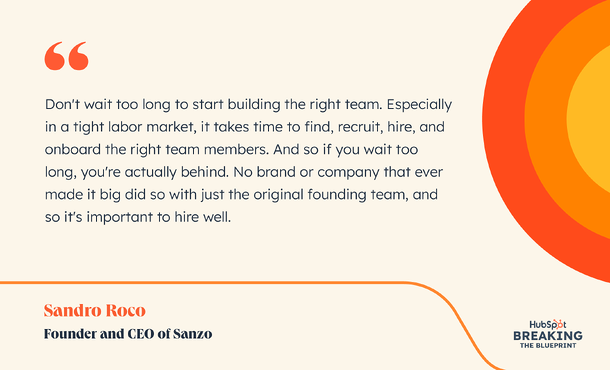
Sandro Roco, founder and CEO of Sanzo, says, “Don’t wait too long to start building the right team. Especially in a tight labor market, it takes time to find, recruit, hire, and onboard the right team members. And so if you wait too long, you’re actually behind. No brand or company that ever made it big did so with just the original founding team, and so it’s important to hire well.”

advice from AAPI business owners: sandro roco

2. Fight for abundance.

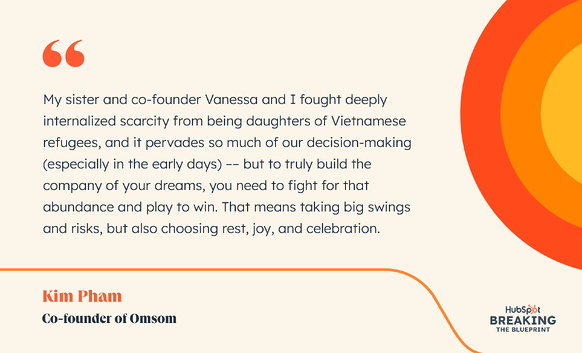
Kim Pham, the co-founder of Omsom, says, “Fight for abundance. My sister and co-founder Vanessa and I fought deeply internalized scarcity from being daughters of Vietnamese refugees, and it pervades so much of our decision-making (especially in the early days) –– but to truly build the company of your dreams, you need to fight for that abundance and play to win. That means taking big swings and risks, but also choosing rest, joy, and celebration.”

advice from AAPI business owners: kim pham

3. Practice intention and mindfulness.

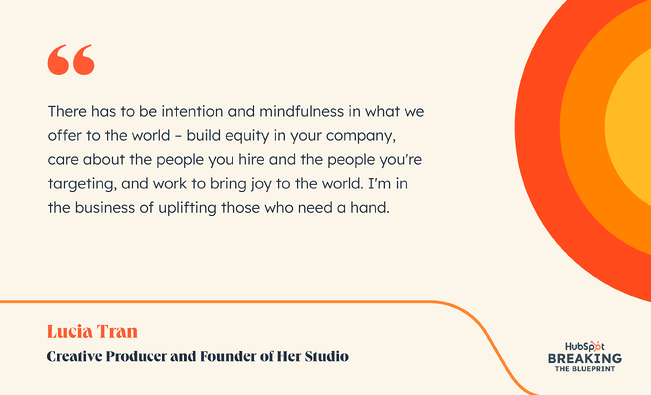
Lucia Tran, creative producer and founder of Her Studio, says, “Everything I do has to be more than just about creating photos and videos for companies. Otherwise, what are we doing but selling yet another product? There has to be intention and mindfulness in what we offer to the world – build equity in your company, care about the people you hire and the people you’re targeting, and work to bring joy to the world. I’m in the business of uplifting those who need a hand.”

advice from AAPI business owners: lucia tran

4. Believe in yourself.

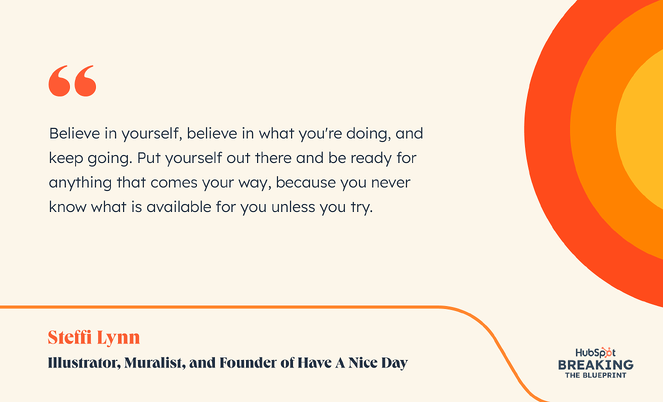
Steffi Lynn, illustrator, muralist, and founder of Have A Nice Day, says, “Believe in yourself, believe in what you’re doing, and keep going. Put yourself out there and be ready for anything that comes your way, because you never know what is available for you unless you try.”

advice from AAPI business owners: steffi lynn

Get Involved With Your National and Local Asian Chamber of Commerce

A Chamber of Commerce is a nonprofit business network, not a government entity. Businesses, organizations, and individuals can become chamber members to advocate for economic development, job creation, community stability, and representation of their legislative agendas at local, state, and national levels.

In addition to the U.S. Chamber of Commerce, there are local chambers across the country, including ones for minority communities. Becoming a member usually includes access to relationships with other businesses, discounts on services, a boost in visibility, and opportunities to have your voice heard.

Find the local Asian Chamber of Commerce in your city or state by searching the Chamber of Commerce Directory, and also check out the below organizations:

1. National Asian/Pacific Islander American Chamber of Commerce and Entrepreneurship

(National ACE) is an organization that advocates for economic development and community building for the current and next generation of AAPI entrepreneurs. With relationships with Congress, the White House, and federal agencies, National ACE leads multiple initiatives that provide grants, training, events, and amplification of AAPI voices. You’ll read about a few of their programs in the following sections.

2. US Pan Asian American Chamber of Commerce Education Foundation

(USPAACC) is a nonprofit that serves as an educational and networking organization with a gateway to corporate and government contracts, suppliers, and Fortune 1000 companies. USPAACC’s programs include business matchmaking, leadership series, legislative advocacy, pitch competitions, conferences, and awards.

Grow Your Network and Sharpen Your Skills

The National CAPACD reported that AAPI business owners primarily rely on family and friends for advice and money.

Still, a critical step in business growth is broadening your network, accumulating more opportunities, and learning new skills. Attending events, signing up for workshops, and joining organizations can introduce you to people and resources that will make the entrepreneurial journey less lonely and mysterious. Here are some networks to consider:

  • The National Coalition for Asian Pacific American Community Development’s (National CAPACD) Small Business Program provides financial education, coaching, and peer technical assistance for AAPI entrepreneurs and small business owners to help them build credit and capital. The majority of the business owners the program serves are immigrants or refugees.
  • ACE NextGen is a community of young AAPI entrepreneurs striving to have more leadership presence in America while feeling fulfilled and supported in their careers. Membership includes educational programming, conferences, retreats, and access to invite-only networking spaces in person and online. ACE NextGen members also have the opportunity to work with National ACE and Fortune 500 companies to impact business policies. 
  • Gold House is best known for increasing the representation of API voices and faces in media and entertainment, but it also invests in Asian and Pacific Islander-founded companies. Its Futures Accelerator is a 12-week program with masterclasses, 1:1 advising, fund investments, fundraising support, and a community of start-up entrepreneurs. Gold House also hosts the Multicultural Leadership Coalition, a union of funds that helps place leaders from underrepresented communities on the Board of Directors and Advisory Boards of leading private companies.
  • Asian Business Association educates its members on government policies on small businesses.It is active with several community organizations, public agencies, and corporations to represent the views of Asian American business owners. Members of the association are also encouraged to do business together, attend events, and recruit new talent by listing positions on ABA’s job board.
  • The Asian American Pacific Islander Business Summit is a free virtual event hosted by the U.S. Small Business Administration. Experts lead presentations, panels, and workshops across four tracks: Business Communication and Marketing, Diversity, Equity and Inclusion, Government Contract and Business Certification, and Small Business Financial Management and Investment Trends. In 2022, the summit will take place on November 13 and 14, with presentations in English and a few translation options.

Apply For Funding

Whether applying for grants and loans or securing funding from investors, having more capital will help speed up the process of acquiring the necessary components of running your business—for example, production, staff, and marketing.

  • Gold House Ventures connects industry-changing entrepreneurs with investors to accelerate company growth.
  • National ACE’s small business resource center provides virtual training on accessing capital, applying for grants, understanding government funding, marketing, and more. It also has a program called AAPISTRONG, which works with 100 of its affiliated Asian chambers of commerce to aid businesses negatively impacted by the pandemic, racial bias, and anti-AAPI hate.

Proudly Share Your Business and Be Easily Searchable

Some people are eager to support minority-owned businesses and often seek them out. Google launched the capability to add an “Asian-owned” attributeto business profiles, making it easy for customers to find businesses like yours using Google Maps and the search engine. When executing your traditional and digital marketing, feel free to affirm your AAPI roots.

There is space for your business to flourish, and an important step is seeking assistance from services and organizations created for that exact purpose. In time, these resources may help you build a strong business foundation for generations to come.

Business Plan Template

Categories B2B

What to Look for When Hiring Creators, According to HubSpot Experts

The creator economy is seeing a huge boom, and many marketers are looking for ways to use it in their campaigns. The most common way marketers leverage this new economy is by collaborating with creators to expand audience reach. But what should marketers look for when hiring creators?

In this article, the experts at HubSpot will explain what to look for when working with creators. The following information is perfect for marketers looking to collaborate with creators and creators trying to attract partnerships with brands.

Free Report: The State of the Creator Economy in 2022

5 Things to Look for When Hiring Creators

Here are five things businesses and brands look for when hiring content creators.

1. A Results-Driven Approach

“As a results-driven person, the first thing I care about is producing results, especially when working with creators,” said Brandon Huang, Partnerships Lead for the Creators Program. “I take a close look at all the quantitative metrics that I can regarding a creator: their reach, their engagement, how consistent they are with posting, and how consistent the results are on the content they create.”

Creators should regularly track their metrics to have concrete numbers to show potential brands and quantify their success. Some metrics creators should follow are:

  • Traffic

  • Conversions

  • Impressions

  • Click-through-rate (CTR)

  • Engagement

Business owners should also be mindful of these metrics when scoping out creators to work with to get an accurate impression of whether the creator can help the brand achieve its goals.

“For example, with YouTube, you want to see consistency in views per video because it makes it easier to model out from a business perspective, and I, as a partner, have a better understanding of the results I’ll get from working with this creator over a longer span of time,” Huang said.

2. Great Work Ethic

“Work ethic is also important to me,” Huang told me. “Can I see the effort they are putting into creating content and marketing their content to reach new audiences?”

Huang said a creator’s work ethic could also be assessed by how they bring on the right resources or personnel to support their operations.

As he puts it, “The best creators understand how to delegate and create infrastructure around them, so they don’t have to do the marketing part if they don’t want to and truly focus solely on creating content.”

To ensure you’re hiring a strong content creator, you’ll want to ask creators about their processes. How do they juggle all the responsibilities of being a content creator? It’s critical that the content creators’ you speak with have a thoughtful response to that question.

3. Alignment

HubSpot’s Head of Creators Partnerships, Alanah Joseph, says audience alignment is essential when collaborating with any creator.

“When we reach out to a creator, we have a pretty good idea of the content they cover,” she said. “However, we’ll request additional data on their audience to better gauge how well our advertisement will resonate within the creator’s content.”

Joseph said creators could prove a collaboration will be effective by surveying their own audience or knowing their audience exceptionally well. Tip for creators: You can know your audience better by creating detailed buyer personas. You can also monitor audience feedback, comments, and engagement.

However, audience alignment isn’t the only factor to consider when hiring a creator..

“Culture and personality fit are also important factors to consider,” Huang said. “Since we are focused on building relationships, it’s not just about results … but also how easy it is to work with a creator.”

It’s essential to ensure the personalities, values, and ethics of both the brand and the creator align for a smooth collaboration because the goal is for that initial collaboration to become a beneficial long-term partnership for both parties.

“As a team player, I need to make sure that I’m bringing on creators that my colleagues will enjoy working with for 1-2+ years,” Huang said. “Even simple things like being responsive through communication, taking feedback well, and really reciprocating that they care about my goals just as much as their own goals — which I’m trying to help with — goes a long way. This is truly meant to be a partnership and not a singular transaction.”

Businesses should partner with content creators who approach the opportunity with a positive, cooperative, team-oriented attitude, and content creators should embody that attitude when working with brands.

“Good partners are good people,” Joseph said. “We genuinely enjoy working with and supporting creators. When a creator is friendly, willing to collaborate, and professional, we will find more opportunities to work with the creator or offer a long-term partnership.”

4. Unique Style

Content creators should bring their personal touch to any project because brands want a campaign to stand out and capture the audience’s attention.

“Editorial style and editing style are both important,” Huang said. “Do they align with HubSpot? There’s more flexibility here, but certainly, unique editing captures my attention, and incorporating humor is a really fun way to make educational/business content more exciting.”

5. Authenticity

Finally, authenticity is a critical component you’ll want to consider when hiring a creator.

As Joseph told me, “Authenticity is key. Authenticity builds trust, so when a creator brings their full selves to their content, their audience trusts them. This is important for a brand looking to run advertisements within the creator’s content. If the audience trusts the creator, they will be more likely to trust the creator’s recommendations.”

Whether you’re a brand looking for a creator or you’re a creator looking to partner with a business, hopefully these tips will help set you up for a successful business partnership in 2023 and beyond.

New Call-to-action

Categories B2B

When to Post on TikTok: A Simple Guide

Sometimes, it’s not just what you post on TikTok but when you post.

If you’re looking to increase your presence on the app, or you’re leveraging it for the first time, it’s essential to know when your audience is active to get the most reach.

The HubSpot Blog surveyed 300+ marketers to uncover the best time to post on TikTok. Let’s take a closer look at the results.

Free Ebook: The Marketer's Guide to TikTok for Business [Download Now]

Table of Contents

Best Days to Post on TikTok

Best Times to Post on TikTok


How to Find the Best Time to Post on TikTok For Your Business

Can you post too much on TikTok?

Best Days to Post on TikTok

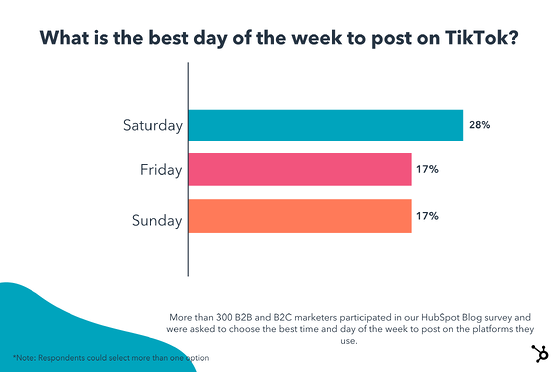
The best days to post on TikTok are Saturday, Friday, and Sunday, in that order. The worst days are Monday and Tuesday.

when to post on tiktok

Best Times to Post on TikTok

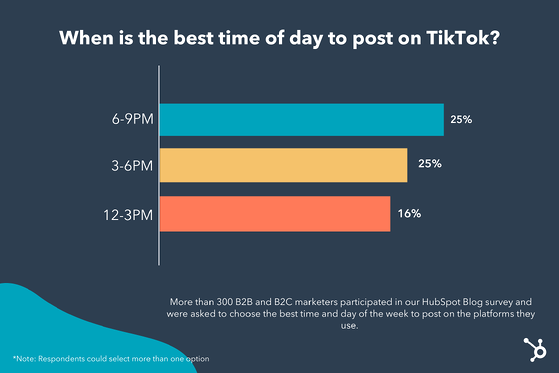
A quarter of marketers found the best time to post on TikTok is between 6-9 PM, followed by 3-6 PM and 12-3 PM.

what times to post on tiktok

Since TikTok is popular with the Gen Z crowd  — and they’re in school during the day — the morning and early afternoon “dead zone” makes sense.

So, if your audience skews younger, stay clear of these slow hours, and try posting later in the day.

How to Find the Best Time to Post on TikTok for Your Business

Our research pinpointed the best times and days to post on TikTok. However, this may be different for your audience depending on their location and activity. 

To get a better picture of when your audience is most active, try the following strategies: 

1. Check your audience analytics.

You can access a wealth of data about your audience and their behavior — including when they’re most active — under the Analytics tab.

To get there, you’ll need to log into your TikTok for Business account. Then, follow these steps:

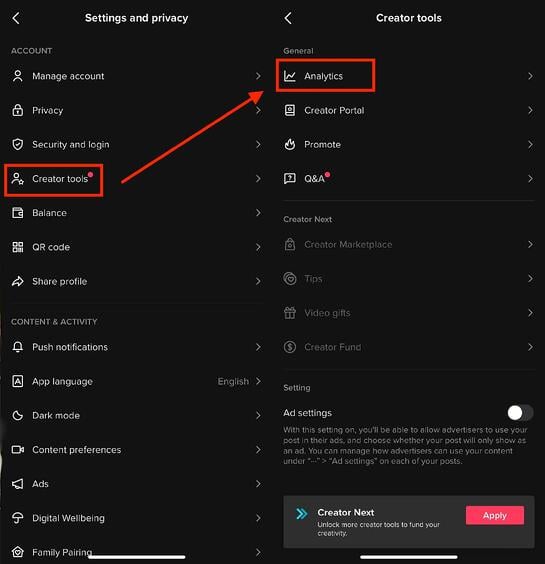
1. Select the hamburger menu on the top right-hand corner of your profile page.

2. In the Settings and privacy menu, select Creator tools, then Analytics (as shown in the image below). If you haven’t yet enabled analytics, you’ll be prompted to turn it on.

tiktok analytics

Image Source

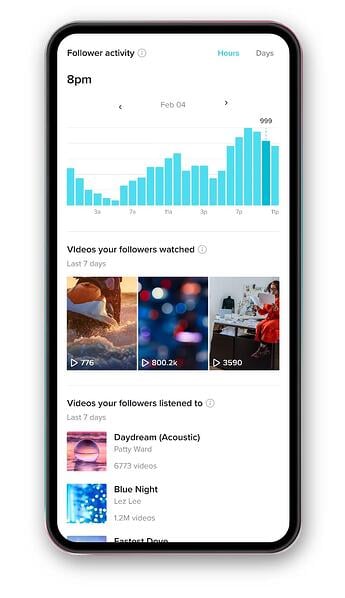
3. Then, you’ll see a dashboard with an overview of different metrics. To get more insights into your audience, select the Followers tab. From here, you should see your audience metrics, as shown in the image below.

sample tiktok follower analytics page

Image Source

You’ll be able to see where your audiences are located and when they’re most active. Take note of this information, compare it to the data we found, and select a time frame that aligns with your audience’s presence.

2. Check your top performing TikToks.

One of the easiest ways to find an optimal posting time is by checking what has worked in the past.

Take a look at your TikToks that have performed above average. Were they posted later in the week? At the beginning? Did they gain traction during the morning, afternoon, or evening?

Use these insights to inform your posting schedule going forward. 

3. Don’t be afraid to experiment.

It’s important to note that testing different posting schedules is always worthwhile to figure out what works best.

For example, our data shows that 6-9 PM is the best posting window — and lets suppose your in-app analytics show your audience is most active on Fridays. You can run your own experiment where you post at different times on Fridays to see what generates the most engagement.

Can you post too much on TikTok?

Most marketers post on TikTok 4-6 times per week. However, as with many social media sites, it is possible to post too much and oversaturate your audiences.

It’s best to test out different options and come up with a strategy that aligns with your goals so that when you do post, you’re sharing content your audiences want to see and when they’re most likely to see it.

Blog - Content Mapping Template

Categories B2B

Reducing Busy Work: Tips & Tools for Marketers [+New Data]

The average marketer spends almost a third of their time completing repetitive tasks. Marketers already have enough responsibilities — and can’t afford time mismanagement on busy work.

Marketers should spend their time driving company growth and visibility, — and in this post, we’ll give you our best tips and tools to help you minimize your time doing busy work and center your real priorities.

→ Download Now: Free Marketing Plan Template

Busy work prevents marketers from focusing on the more important or urgent tasks like working on the next big campaign, strategizing, or content creation. Luckily, we know ways to cut down busy work so marketers can get back to productive projects.

Tips for Reducing Busy Work

1. Determine how you’ll prioritize your workload.

Chances are you have more than one type of deliverable if you’re a marketer. Take the time to analyze and prioritize which parts of your job duties are most important to least as a general framework.

Focus on the most critical or time-bound tasks first, making the busy work seem less tedious when you get to it and giving you designated time to address it.

Pro Tip: Avoid the myth of multitasking. Otherwise, you risk jumping from project to project without finishing notable work, thus extending the time spent on busy work.

2. Create a routine with daily to-do lists.

Making a to-do list is easy, but adhering to one is not. Marketers should carve out time at the beginning of their week to delegate daily tasks. It can promote better time management — something that often gets away from us when consumed by busy work.

You can also easily use many work management tools to create complex to-do lists. For example, one of my favorite tools is Asana.

reducing busy work for marketers tips: create a routine with to-do lists

Whether you prefer a list view or shuffling a digital dashboard, this tool can help marketers stuck on uncompleted busy work to cross them off and stay on track.

Pro Tip: Make your to-do lists actionable. Start your task titles with action words like “Design,” “Create,” or “Submit” to give you an at-a-glance insight into what’s on your plate.

3. Add focus time to reach goals on your calendar.

The average employee spends 28% of their time dealing with unwanted interruptions. Combine that with boring busy work, and your day might seem less promising.

We know you can’t avoid all interruptions all the time, but you can schedule blocks of time for uninterrupted work on your daily projects. For example, if you block out two-hour chunks on your calendar a day where you can work without interruptions, you’ll give yourself a chance to get meaningful work done. And to avoid falling back into busy work during those time frames, including the type of work delegated in the calendar description.

Online meeting scheduler tools also share this functionality, and HubSpot’s Meeting Tool can be an excellent place to start.

Pro Tip: Be reasonable with the time you allocate yourself. You still want team members or other stakeholders to be able to reach you when necessary.

4. Automate manual processes.

According to the Zapier How We Work Report, 74% of workers say they’d prefer to stay in their current position than pursue a new opportunity. That number increases to 90% for those who started using automation in the last 18 months.

Busy work is typically related to outdated systems or processes that could use marketing automation. These tools help you manage and triage marketing tasks without the time needed manually.

A tool that can help marketers to automate work processes is the HubSpot Marketing Automation functionality.

reducing busy work for marketers tips: automate manual processes with HubSpot Marketing Automation functionality

It’s a master tool that can help marketers set up email list autoresponders or build an innovative and complex network of rules designed to target specific users with the correct email, live chat, website experience, and more.

5. Learn when to ask your team for help.

When things get overwhelming, and you have more busy work than you can handle, there’s no shame in turning to your team for a lending hand. Asking for help can foster a collaborative work environment between coworkers and minimize the intimidation of taking on all the responsibility on your own.

Pro Tip: Be mindful of your coworker’s workload when you ask for help. You don’t want to come off as irresponsible to your leadership. And if you are having cyclical issues keeping up with busy work, then it may be in your best interest to talk with your manager about a reduced cadence.

Spend More of Your Day Marketing, Without All the Fuss

While marketers can’t get rid of all the data, reporting, and busy work from the job, we can change how we approach it. We hope you apply our tips to your routine to get you back on track and less overwhelmed with busy work.

New Call-to-action

Categories B2B

15 Hiring Trends to Watch in 2023 [Marketing Leader Data]

This past year we’ve seen the effects of the pandemic in labor shortages, the Great Resignation, and signs of another recession — now’s the time to rethink recruitment and hiring strategy for 2023.

While we can’t predict the future, we can identify and interpret the biggest hiring trends we’ve seen emerging at the tail end of 2022. In this post, we’ll go through the most talked about topics that can improve your hiring strategy and get your business off to a great start.

Download Now: 100 Marketing Interview Questions [Free Access]

Recruitment Strategy Trends

1. Economic uncertainties will affect hiring.

As a possible recession looms and inflation rises, candidates and employers can expect economic uncertainties to impact their ability to find work and hire in the coming year. Many industries are experiencing budget cuts amidst slowed economic growth and inflated pricing — and across all teams, especially hiring, have to rethink their approaches for 2023.

2. Candidates are looking for more competitive compensation.

Candidates are entering the new year expecting salaries that can sustain them as best as possible amidst inflation concerns. Recruiters should expect to negotiate between candidates with more than one offer on the table and provide offers that reflect their level of experience, education, and mindset.

3. Gen Z will be joining the workforce.

According to Forbes, Gen Z will make up 27% of the global workforce by 2025. The new wave of employees will come with a different set of workplace expectations and priorities than the generations before.

4. Employer branding will be more people-oriented.

Your brand identity is how candidates will perceive you at first glance. They’ll look at your company values and goals when they visit your website or landing page. Suppose your brand lacks an ethical or people-oriented motivator. In that case, it won’t appeal to the newer wave of job seekers — especially those driven by social responsibility.

5. More streamlined interview processes will be necessary.

54% of Gen Zers won’t complete an online job application if the hiring process is too long, antiquated, or complicated. Prioritizing a straightforward interview process, with proper communication through each step, will help recruiters reach talent while they’re still engaged.

6. Remote and hybrid work isn’t going away — it’s getting more popular.

The push for workplace flexibility will only become more popular in the new year. In 2022, there was a lot of controversy on whether in-office work was more productive, but on average, remote work productivity was higher than those in-person. Hiring managers should keep hybrid work or work-from-home as an option to attract top talent with varying priorities.

7. Incorporation of social media for recruitment.

Social media is a powerful hiring channel, and it works both ways. Candidates can digitally showcase their talents in more ways than job boards, while recruiters can post information about newly published jobs and opportunities in relevant online communities.

Candidates can learn about opportunities in more spaces and showcase their work experience for visibility. At the same time, recruiters can share job listings in online communities centered around their target demographic.

8. Data-centric recruitment is a priority.

When posting job listings, you want to use technology that targets suitable candidates with the skills and previous experience that your business needs without the manual hours to sift through each application. Resume screening that runs verifiable and accurate historical data can be a major tool to invest in to improve the quality of hire.

9. Businesses are increasing the use of AI and HR automation tools.

Hiring managers are looking to optimize their time better when scouting candidates. In fact, 67% of HR professionals believe that AI has many benefits and a positive impact on the recruitment process.

Streamlining your recruitment and interviewing process can reduce the time and labor needed to identify your top candidates and help them secure a job smoothly. Automatic resume vetting can reduce the time to hire.

10. Hiring for soft skills is on the rise.

Soft skills are quickly rising in importance to companies across the globe. The pandemic brought about a skills deficit and decreased the amount of business done in person. While this may not have hindered their ability to learn hard skills, candidates proficient in soft skills are becoming more scarce.

The top soft skills to look for in the foreseeable future are:

  • Collaboration
  • Problem-solving
  • Communication

Employee Retention Trends

11. Talent pools are more relevant.

Today’s labor market is experiencing a skills deficit, and talent pools offer companies an effective way to address their labor needs. Offering current vacancies to pre-existing talent pools like intern alums or agency workers encourages talent retention and increases company loyalty.

12. Upskilling will lead to internal recruitment more often.

Companies should be trying to train up their employees for leadership positions. Not only is it more cost-effective than hiring externally, but you’ll reduce employee turnover by offering upward mobility. Candidates well-versed in your product, systems, and processes may already be sitting on ideas to innovate and improve your business.

13. More companies will look into rehiring former employees over new ones.

Remember to consider the benefit of a boomerang employee. Throughout the “Great Resignation,” one in four employees regret their decision to leave their company amidst quarantine. As businesses try to fill in pre-existing or new roles into the new year, make it a priority to reach out to former employees.

Diversity and Inclusion Trends

14. More emphasis on inclusive language.

Candidates want to apply to companies with clear values that will make them feel safe to be themselves. After all, you can only do your best work if you come as you are. Hiring teams will have to be more attentive in hiring automation tools and during interviewing to be respectful of more diverse pools of applicants.

While it may seem like a small detail, it could be a barrier that stops top talent from considering a position.

15. Salary transparency is becoming more critical.

Some states, like California or Colorado, have laws requiring employers to provide salary ranges in job listings. This is a massive shift from the typical guessing game that candidates play as they’re well into interviewing. Candidates don’t have time to start interviewing for multiple businesses only to be presented with an offer that isn’t near their expectations.

In addition, salary transparency also leads to more diverse candidates and more equitable pay for women, people of color, and other historically underpaid groups to gain fair wages.

What do hiring trends mean to your business?

Despite the uncertainty of 2022, hiring managers can adapt their strategies to find candidates to help your business succeed. We hope this post helps you boost your talent search and build the employee pool you need for the new year.

marketing questions

Categories B2B

How to Give Off Good Boss Energy, According to 9 HubSpot Leaders

We all know “good boss energy” when we see it.

Maybe it’s the boss who begins each 1:1 by checking-in with you and ensuring you don’t feel too overwhelmed or stressed.

Or, perhaps it’s the boss who goes out of her way to find new growth opportunities for you, and is always your biggest champion.

If you’re a leader, it’s critical you demonstrate qualities related to good boss energy. But those qualities can be difficult to pin down — which is why I spoke with nine HubSpot leaders who were nominated by their direct reports as leaders with good boss energy.

Here, we’ll dive into how those leaders believe they foster good boss energy in their roles — and how you can, too.

Act Like a Leader, Think Like a Leader: Data from 500+ Marketing Executives on How to Get Ahead in 2023

What is “Good Boss Energy”?

Before we dive into HubSpot leaders’ tips for embodying good boss energy … Let’s cover what it is.

The term was started by HubSpot’s Social team as an opportunity to introduce positivity when it comes to discussing corporate culture on social media.

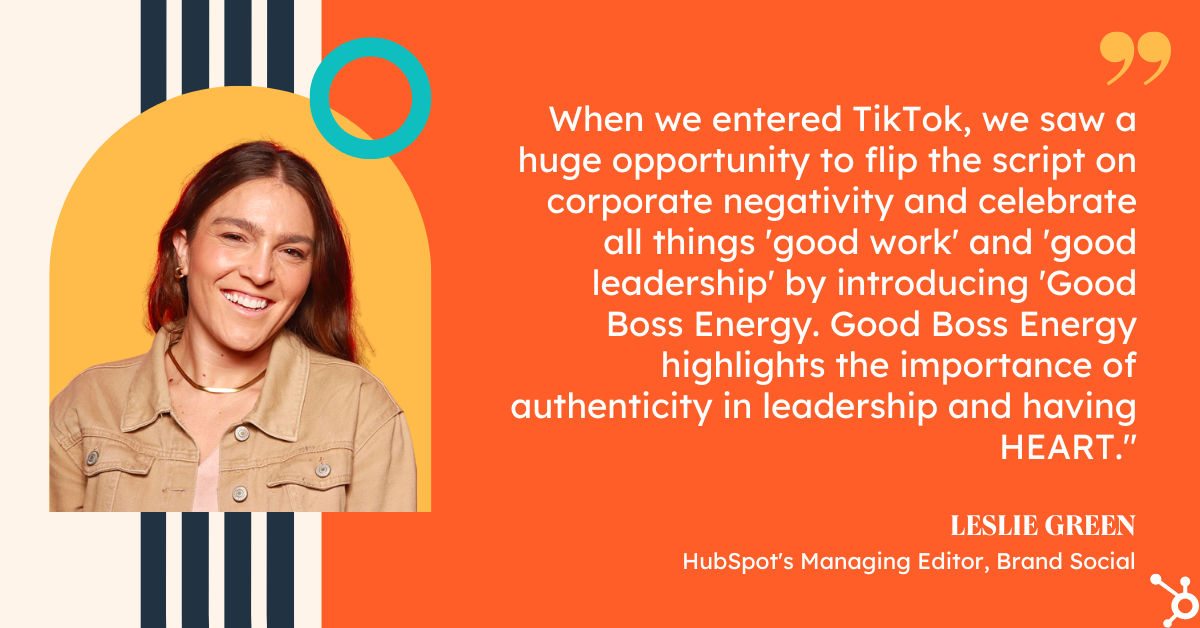
Leslie Green, HubSpot’s Managing Editor of Brand Social, told me, “#CorporateTok is the internet’s favorite work vent venue. But to grow better, you have to do things differently. When we entered TikTok, we saw a huge opportunity to flip the script on corporate negativity and celebrate all things ‘good work’ and ‘good leadership’ by introducing ‘Good Boss Energy.'”

how to give off good boss energy according to leslie green

She continues, “Good Boss Energy is our Culture Code in action. HubSpot’s culture is driven by a shared passion for our mission and metrics. It is a culture of amazing, growth-minded people whose values include using good judgement and solving for the customer. Good Boss Energy highlights the importance of authenticity in leadership and having HEART (being Humble, Empathetic, Adaptable, Remarkable, and Transparent.)”

To launch the campaign, HubSpot’s Social team leveraged creators of all sizes — including TikTok superstars Rod and Natalie — to fill the For You Page with inspiring and educational #GoodBossEnergy videos.

As Green puts it, “By creating our very own Good Boss Energy ambassadors, we filled #CorporateTok with much-needed positivity, established HubSpot as our audience’s growth soulmate, and demonstrated how growing better can start with you. The water cooler really is half full when you have Good Boss Energy around!”

Next, let’s dive into how you can display Good Boss Energy — including both authenticity and HEART — in the workplace.

@hubspot “Today, I will embody Good Boss Energy”. Repeat these daily affirmations to bring GBE to your office. ☕
#hubspot
#goodbossenergy
#corporatetok
♬ original sound – HubSpot

How to Give Off Good Boss Energy, According to 9 HubSpot Leaders

1. Having good boss energy means having good people energy.

Resa Gooding, a Principal Manager on the Customer Success team, told me that she started off her week with two of her direct reports resigning.

Admittedly, this made her question whether she was, in fact, giving off “good boss energy”. If she was, why would those employees leave?

“I was tempted to berate myself and ask, ‘What did I do wrong? Why are they leaving me? Was I such a bad manager?'” Gooding told me.

However, she realized her direct reports weren’t leaving her … They were leaving their jobs. As she puts it, “Sometimes, circumstances happen and life has a different calling for you. And it’s okay to answer that call. That is growth and progress — learning to move out of your comfort zone and get uncomfortable again.”

how to give off good boss energy according to resa gooding

She adds, “Both individuals were very smart and good at what they did, and I believe my role was to help them work on other aspects of themselves that would empower them to become risk-takers.”

Good boss energy means helping your employees learn and grow. It’s vital as a leader you look for ways to develop each employee’s strengths — and if, in the end, those strengths take them in new career directions, that’s okay, too.

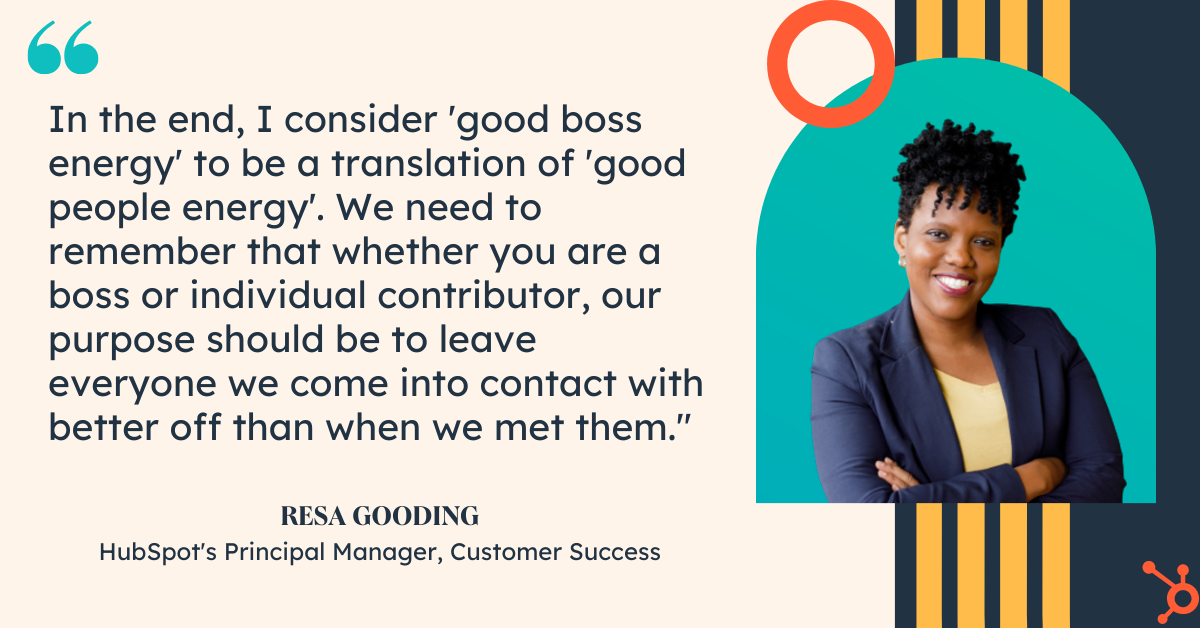
Gooding says, “In the end I consider my ‘good boss energy’ to be really a translation of ‘good PEOPLE energy’. We need to remember that whether you are a boss or individual contributor, our purpose should be to leave everyone we come into contact with better off than when we met them.”

2. Having good boss energy requires you to listen well.

Kyle Denhoff, Director of Marketing for HubSpot’s Media team, believes that being a great listener helps him give off good boss energy.

He told me, “I pride myself on this. My mother is a clinical social worker and she taught me how to listen to people and truly understand how they see the world. While many leaders have skills and experience to direct the team, the best leaders listen first.”

He adds, “You’ll want to meet with team members 1:1 and ask thoughtful questions. Get to know them as a person, and try to understand their pain points and motivations. Be an active listener and ask follow-up questions. You’ll also want to help your team members see the wider context by connecting the dots for them — It will help them understand how they contribute to the larger goal. Once you have this skill, you will notice that your team members trust you more.”

Listening is ultimately a vital skill for building any good workplace relationship. We’ve all been in situations where we’ve felt our managers aren’t truly listening, and it can come across like they don’t care about our progress, our challenges, or even us as people.

Irina Rosenblit, Senior Director of Partner Success, agrees that listening well is a major component of good boss energy. As she puts it, “Being a good boss is hard. It requires a lot of intentionality in the way you approach problems, team members, and communication. For example, to help a team member truly feel heard you need to listen without interrupting and then repeat back what you understood to make sure you’re on the same page.”

Rosenblit adds, “I also find it valuable to be vulnerable and acknowledge what body language you’re observing or if you’re picking up on things not being said as a way of opening the door for team members to be more open with their reservations.”

Practicing active listening takes time, but it’s easier if you limit distractions during 1:1s. Close all tabs on your screen besides Zoom, and take handwritten notes if it helps you concentrate on your direct reports, rather than the emails in your inbox or the other tasks on your to-do list.

3. To have good boss energy, show empathy.

Customer Onboarding Specialist Manager Rory Kelly believes that having good boss energy is actually very simple … As long as you demonstrate empathy.

As he puts it, “We’re naturally social and empathetic creatures and that must translate to the workplace … it’s probably one of the most important environments to actually ‘be human’, considering we spend most of our lives in this space and with other people.”

He continues, “As a leader, I try to just be human — which means meeting people where they are, considering an issue from their perspective, taking a genuine interest in them, and understanding their ambitions, goals, and even what causes them anxiety or stress. Empathy is something you can’t fake. If you want to give off good boss energy, you need to look in the mirror every morning and ask yourself, ‘Do I care about my team because I have to, or because I want to?’ The correct answer is because you want to — with that mindset, you can build truly outstanding teams.”

Empathy is a vital component of leadership success — in fact, a recent survey found that 80% of CEOs believe empathy is a key driver of success, as it builds trust, prevents a toxic workplace, and helps increase employee retention and engagement.

Katie Walsh, HubSpot’s Sales Director, agrees that empathy is critical. She says, “You need to step outside of the numbers and the data and remember it’s all about your people. If you genuinely care about your people, they feel it and appreciate it. Then, as a leader, you can lean into that emotion to ignite a fire within your people to help them achieve what they once thought was impossible.”

It’s a misconception that strong leaders shouldn’t be too compassionate towards their employees for fear of being seen as ‘weak’. Instead, empathy and compassion can help your team members feel valued, which is vital for ensuring they perform to the best of their abilities.

4. Being a good boss requires you — sometimes — to entertain the possibility that you might not be one.

Humility is a core principle of good leadership. Humility leads to a more authentic leadership style, which can help your direct reports connect with you and trust you more.

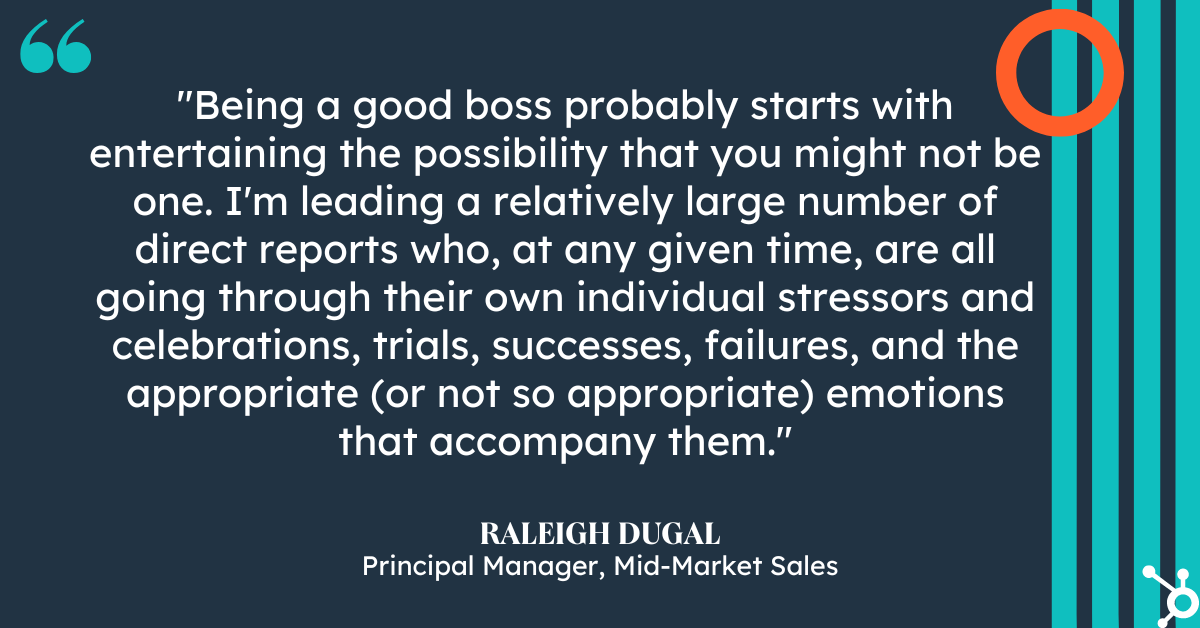
Principal Manager, Mid-Market Sales, Raleigh Dugal told me, “Being a good boss probably starts with entertaining the possibility that you might not be one. I’m leading a relatively large number of direct reports at any given time who are all going through their own individual stressors and celebrations, trials, successes, failures, and the appropriate (or not so appropriate) emotions that accompany them.”

how to give off good boss energy according to raleigh dugal

He continues, “Trying to be mindful of where people are coming from during any given engagement is crucial — maybe they had a tough day and aren’t ready to hear any feedback today, maybe they really need to just vent about stuff not even related to work. Or maybe they need a deep dive on a problem they’ve been trying to solve for weeks and you need to sideline less urgent items.”

To demonstrate humility as a leader, you might:

  • Ask for help from your peers
  • Admit your mistakes or when you don’t know the answer to something
  • Encourage new ideas and alternative perspectives from your team
  • Show your enthusiasm and support for each team member
  • Take accountability when issues arise

Dugal adds, “If you operate under the assumption that you won’t always, or even often, get everything right, that’s going to support a professional environment built on trust that gets as much as possible right, as often as possible.”

Additionally, being a good leader means fostering your employees’ growth and helping them scale-up on their strengths.

Dugal says, “The biggest yardstick I measure myself against is how my direct reports are developing. Are they overcoming obstacles, taking on new challenges, and growing in places that are going to help them reach achievements that motivate them on a weekly, monthly, and yearly basis. How am I keeping those lines on my deliverables to the organization at large? If all of that is reconciled, everything falls into place for everyone.”

5. To demonstrate good boss energy, test out strategies that help them feel challenged and empowered, like “voluntelling”.

Holly Park, Principal Manager of Customer Onboarding, told me, “Of all the strategies I employ as a manager to release this potential, the one that comes up most often from former team members is my ability to ‘voluntell’ them for special assignments. Apparently, I have a way of volunteering my team members for a stretch project that feels both empowering and challenging. It is in that discomfort that my team members grow.”

She continues, “How do I go about matching team member potential to opportunity? I keep a very short list of skills and ambitions of my direct reports and even their direct reports. That way, when I hear of an opportunity, I can do the matching in my head. The key to this is to match someone to something that is novel but still leans into their skillset. Then, when you hand it to them, express your confidence in their abilities and why this is an opportunity for them. After that, continue to offer support. As one mentor told me ‘get good at delegating and not abdicating responsibility’.”

In other words: Looking out for new opportunities for your employees to grow isn’t the same as handing them tasks from your to-do list that you don’t want to do. It’s about being thoughtful and intentional about identifying their areas for improvement, and then finding projects that help them flex that muscle.

6. To exude good boss energy, be authentic.

Paul Weston, Senior Director of Product for HubSpot’s Service Hub, believes that authenticity is the key to being a good leader.

He says, “Don’t we all have imposter syndrome from time-to-time? I’m at my best when I’m just being myself, not overthinking or ‘acting’ like a leader. In that sense, authenticity is key. I think that people appreciate that realness, positivity, and reliability. Over time, this leads to trust and psychological safety as relationships grow.”

Weston adds, “My team knows that I’m always available to work through hard problems together, and willing to get my hands dirty. Even when work gets busy, I make room for async catch ups, quick Zoom calls, or a whiteboard session. This also helps me to stay plugged in and shows through actions how important the work actually is. The truth is that building great relationships takes time and a lot of behind-the-scenes hard work. Throughout it all, it’s important to lead with humility, clear expectations, and positive ‘we’ve got this’ energy.”

7. To give off good boss energy, be direct.

Kyle Denhoff told me that one of the most important components of a strong leader is someone who can be direct with his or her team.

He told me, “Whether it is positive or constructive feedback, it’s always best to be direct. Give people feedback in the moment. Help them understand the ‘why’ behind the feedback. If you would like to see a change in behavior or output, coach them by setting clear expectations.”

He adds, “Everyone wants to succeed and they appreciate when you help them move forward. I personally like to coach people by showing them ‘what good looks like’ — provide them with an industry example or show them something you have done in the past. Side-by-side is best.”

Being direct and offering constructive feedback can feel challenging, but it’s one of the most important traits of a strong leader and will ultimately help your team members continue to feel engaged and challenged in the workplace.

8. To give off good boss energy, check-in with your team’s well-being.

At the beginning of each 1:1, my manager starts with, “So, how are you feeling this week?”

I love this question. My answer — whether it be stressed, productive, overwhelmed, or excited — can help inform my manager on what I need from her, and can give some context on how best to coach me.

Similarly, Alanah Joseph, HubSpot’s Head of Creator Partnerships, believes it’s vital to allow her direct reports to make mistakes and be human, and she sees it as her responsibility to give them (and herself) plenty of grace.

how to give off good boss energy according to alanah joseph

As she puts it, “Being a ‘good boss’ has never been my goal. Instead, it results from a lot of self-work and my daily practice of giving myself grace. In battling my own perfectionism, I’ve heightened my self-awareness around my own humanness. I am allowed to my mistakes. Bad days are never ideal, but everyone has them. Learning curves are exciting because you’re developing new skills, but inevitably you will fail along the way.”

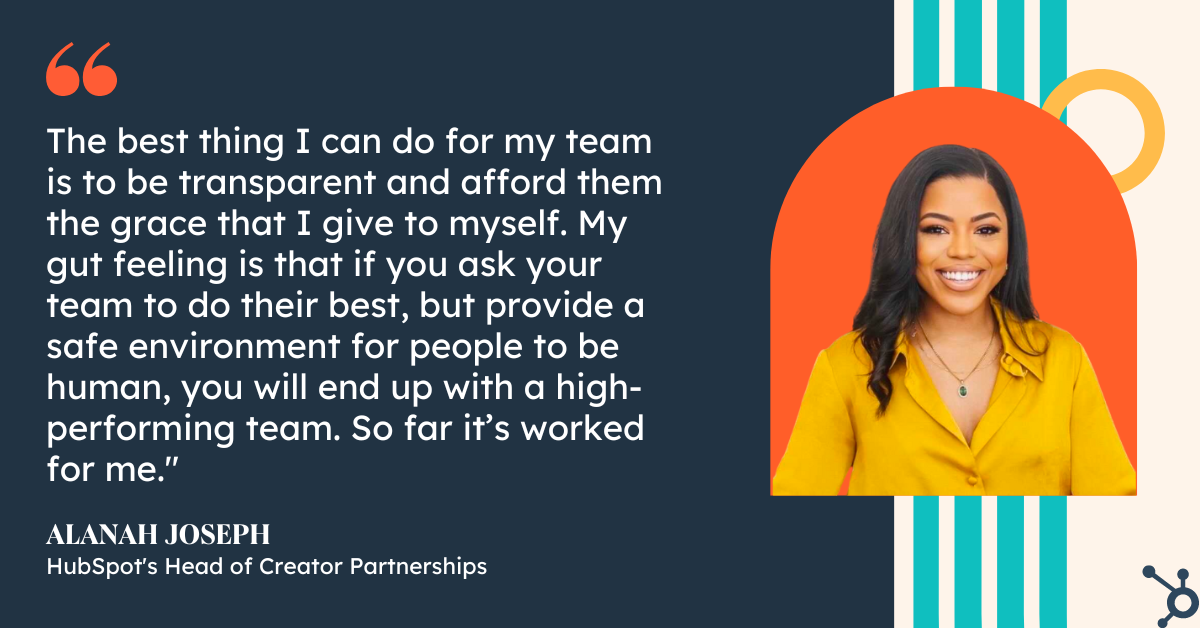
She adds, “The best thing I can do for my team is to be transparent and afford them the grace that I give to myself. My gut feeling is that if you ask your team to do their best, but provide a safe environment for people to be human, you will end up with a high-performing team. So far it’s worked for me.”

For Joseph, this includes starting each of her weekly team meetings with “Red light, green light,” as a wellness check. Green light means you’re doing great, feeling motivated, and ready to tackle the week. Yellow light means you’re close to bandwidth or you need additional support. Red light means for whatever reason (no need to disclose), you can’t do your full workload that week.

Joseph says, “When a team member calls a red light, the rest of the team splits up their work. We very rarely have red lights, but it’s important to me that I afford my team the opportunity to be transparent and authentic. We’re just human.”

What “Good Boss Energy” Means to HubSpotters

When I was collecting submissions on which HubSpot leaders’ exemplify “good boss energy”, I also got some fantastic responses from HubSpotters on why their manager had good boss energy.

For instance, Megan Scott, a Mid-Market Growth Specialist, recommended her manager Raleigh Dugal because, as she puts it, “There was one point when I felt like I was being high maintenance on his already packed calendar. He reminded me that out of all his responsibilities, helping me succeed was his top priority.”

Similarly, Principal Customer Onboarding Specialist, Bridget Donelson, says:

“Amanda Volk is my manager and she is amazing! She has super good boss energy. Examples of her awesome boss energy:

  • Always being available for me to ask a question and NEVER dropping the ball.
  • Commenting back to me on a Sunday night when I say I will be late to start on Monday.
  • Having my back 100% and bolstering my confidence when I am experiencing imposter syndrome.
  • Being able to be myself with her and bring all of my energy!
  • Doing a psych safety check in weekly and increasing her 1:1s with me when I was having a rough time.
  • Always asking about my kids and husband (caring about me as a person)
  • Offering constructive feedback and helping me create a plan for growth and development in my role mastery.  Plus, being able to admit to my weaker areas without worries of negative repercussions!
  • celebrating my achievements with me and posting recognition in our team channel.”

Ultimately, giving off good boss energy takes time, effort, and intentionality to do effectively, but it pays off by inspiring your team to take bigger risks, encouraging them to be more engaged and excited about the work at-hand, and letting them know they can feel comfortable being honest with you when mistakes arise.

New call-to-action

Categories B2B

25 of the Best Website Homepage Design Examples

You never get a second chance to make a first impression. That’s why you need thoughtful homepage design.

When designing your site, think of your homepage as a virtual front door. If a new visitor doesn’t like what they see, their knee-jerk reaction is to hit the “back” button.

So, what makes a website’s homepage design brilliant instead of bland? In this post, you’ll learn the ins and outs of home page design. Then, you can see sites that put these best practices to work.

→ Free Download: 5 Key Steps to Building and Maintaining a High Performing  Website

Homepage Design Best Practices

All of the homepage designs shown here combine the following elements. Not every page is perfect, but the best website designs get many of these elements right.

1. The design clearly answers who you are, what you do, and how visitors can engage with your site.

If you’re a well-known brand or company (i.e., Coca-Cola), you can get away with not having to describe who you are and what you do. However, most businesses still need to answer these questions so that each visitor knows they’re in the right place.

Steven Krugg sums it up best in his bestselling book, Don’t Make Me Think: If visitors can’t identify what it is you do within seconds, they won’t stick around long.

2. The design resonates with the target audience.

A homepage needs to be narrowly focused — speaking to the right people in their language. The best homepages avoid corporate jargon and eliminate fluff.

3. The design communicates a compelling value proposition.

When a visitor arrives on your homepage, your design needs to compel them to stick around. Therefore, the homepage is the best place to nail your value proposition so prospects choose to stay on your website.

4. The design is optimized for multiple devices.

Mobile devices accounted for 65.85% of global traffic in October 2022. So clearly, your website needs to be mobile-friendly if you want to attract a significant share of the online market.

A mobile-friendly website is easy to navigate. Avoid “flashy” objects that get in the way of browsing. That includes flash banners, animations, pop-ups, and other unnecessary elements.

5. The design includes calls-to-action (CTAs).

Calls-to-action help you encourage visitors to take specific actions. Examples include “Free Trial,” “Schedule a Demo,” “Buy Now,” or “Learn More.”

Most homepages use primary and secondary calls-to-action to direct visitors to the next logical step.

Remember, the homepage’s goal is to compel visitors to dig deeper into your website. CTAs tell them what to do next, so they don’t get overwhelmed or lost. More importantly, CTAs turn your homepage into a sales engine and not just brochure-wear.

6. The design is always changing.

The best home pages are dynamic. They constantly change to reflect their visitors’ needs, problems, and questions.

Some homepages also use A/B testing or dynamic content to make informed changes.

7. The design is effective.

A well-designed page is vital for building trust, communicating value, and navigating visitors to the next step. These homepages effectively use layout, white space, colors, fonts, and other supporting elements.

Now, get ready to learn about excellent homepage design through the following 23 real-life examples.

List Snippet

1. FreshBooks

home page design, freshbooks

FreshBooks is an accounting software for small and medium-sized businesses. And the site’s homepage makes the company’s mission clear. The page lays out FreshBooks’ features so visitors can quickly understand what they stand to gain from trying the tool out.

There’s a great use of contrast and positioning with the primary calls-to-action. It’s clear the company wants you to convert when you arrive. “Try for Free” is also a very compelling CTA.

What we love: FreshBooks uses customer testimonials to tell real-world stories of customer success. They also employ social proof by including star ratings from third-party sites.

2. A24 Films

homepage design, a24

The film company’s homepage is made up of only trailers for its new films. This is a great strategy to showcase A24’s work in an engaging way.

What we love: This website showcases the best of simple design. Each item on the homepage is a full row — consisting only of one image and large text. Nothing is cluttered and each featured movie or shop item pops.

3. Omsom

home page design, omsom

With a headline that reads “Real Asian flavors in minutes,” visitors know exactly what they’re getting once they land on this homepage. Omsom sells packets that include the spices and base ingredients for Asian cooking. Customers just need to add veggies and protein.

What follows as you scroll is Omsom’s value proposition and how their product works. These sections are vital as they give skeptical visitors more reasons to shop with the brand.

What we love: The hero section features reviews, a free shipping offer, and a sumptuous image. These elements motivate visitors to take action even before scrolling.

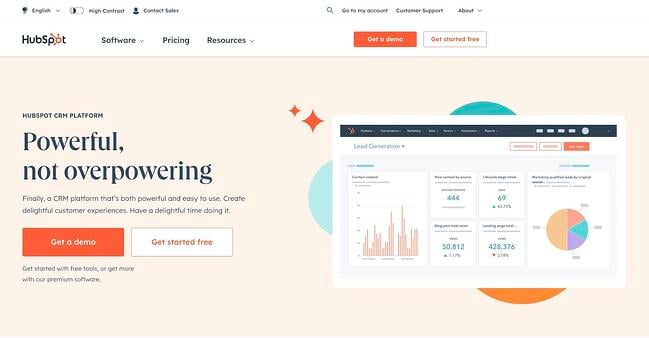
4. HubSpot

homepage design ideas, hubspot

We’ll take a second to toot our own horn. HubSpot’s homepage starts with an eye-catching headline that explains what we do and for who.

This information is followed by a dual CTA. You can choose to book a demo or sign up for free.

What we love: There’s a clever use of figures and statistics to show the vastness of HubSpot’s community. Seeing 150,000+ users in over 120 countries will instill trust in visitors.

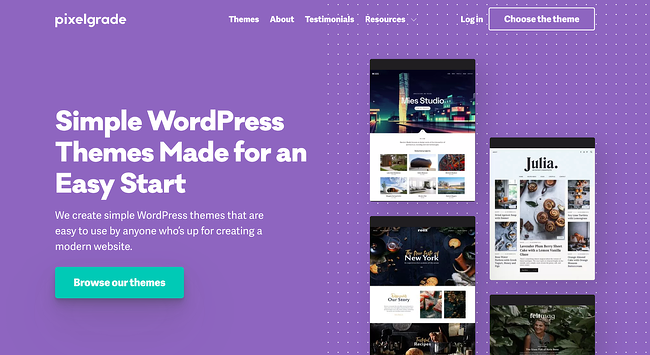
5. Pixelgrade

best home page design, pixel grade

At a glance, you can tell what Pixelgrade offers: WordPress themes. The big title, followed by a descriptive subtitle, lets visitors know what to expect.

The right side gives you a glimpse of how their WordPress themes look. Then, as you scroll, the page provides three reasons why you should use Pixelgrade. Each reason is followed by a testimonial from real-life customers.

What we love: The design is simple, and the color combination does a great job of making the call-to-action stand out.

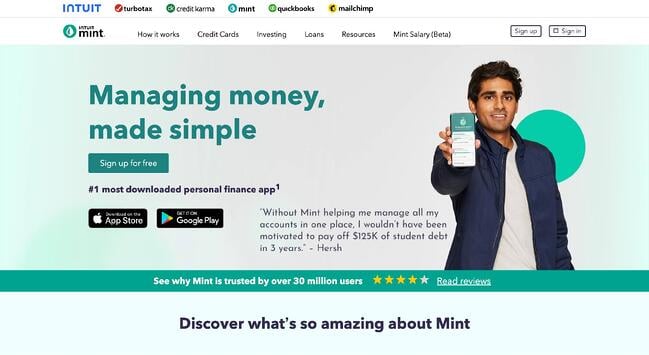
6. Mint

best homepage designs, mint

Mint’s home page makes the company’s message clear: Their app makes managing your money simple.

Simplicity is reinforced throughout the homepage design. The site gives off a secure but easygoing vibe, which is essential for a product that handles financial information. There’s no-jargon or confusing language.

The page also contains a simple, direct, compelling call-to-action copy: “Sign up free.”

What we love: The mention of 30 million users is a great use of social proof. This will likely convince visitors to try the tool.

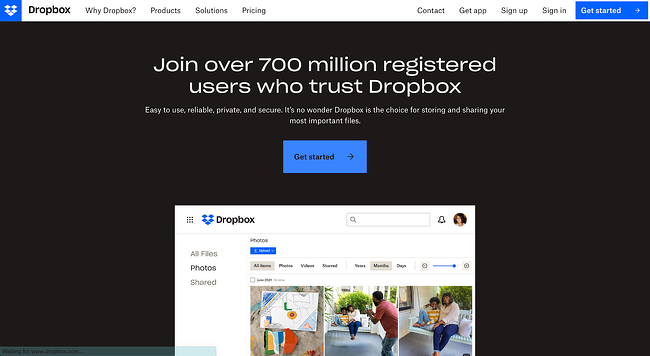
7. Dropbox

homepage design ideas, dropbox

Dropbox also relies on simple design and branding. It includes only what is essential: A large, relevant image with supporting copy and a “Get started” call-to-action button.

Its sub-headline is simple yet powerful: “Easy to use, reliable, private, and secure. It’s no wonder Dropbox is the choice for storing and sharing your most important files.” No need to decode jargon to figure out what Dropbox really does.

What we love: Throughout the homepage, Dropbox describes different use cases for their tool. Doing so helps visitors know exactly how (and if) Dropbox can help them.

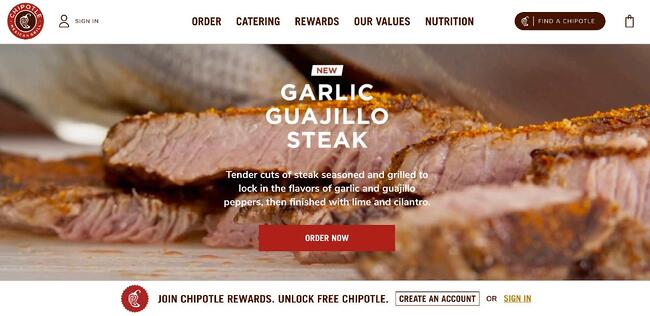
8. Chipotle

homepage design ideas, chipotle

The homepage is an excellent example of agility and constant change. Chipotle’s current homepage is all about the latest addition to its menu.

You can also see the company’s other service offerings well. That includes online ordering, gift cards, and catering.

What we love: The food photography is detailed and beautiful. The pictures make visitors hungry just by looking. Now that’s an effective use of visuals.

9. 4 Rivers Smokehouse

 homepage design, 4 rivers smokehouse

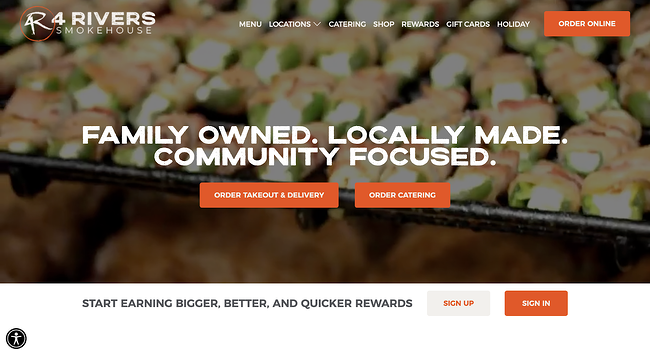
Drool. That’s what I think when I arrive at the website for 4 Rivers Smokehouse. Fantastic photography and the headline “Family Owned. Locally Made. Community Focused” easily sell the experience.

As you scroll, you’re taken on a tour of the services, menu, and people having a great time.

What we love: A brief note about the company’s history is found at the bottom of the page. The company’s story adds to the brand’s authenticity and deepens its relationship with customers.

10. eWedding

best webpage design, ewedding

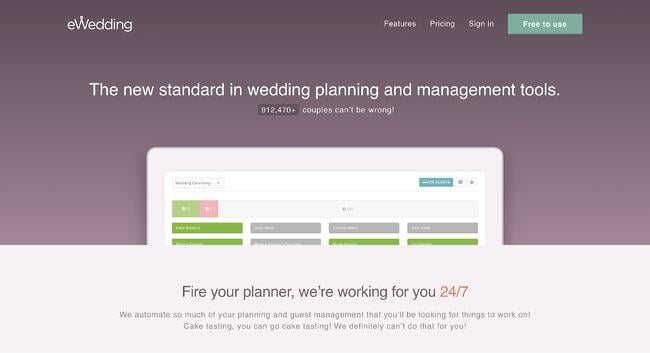
For those love birds planning their big day, eWedding is a great destination for building a custom wedding website. The homepage isn’t cluttered and only includes the necessary elements to get you started.

The homepage includes excellent product visuals, a great headline, and a call-to-action that reduces friction with the copy, “Start now.”

To convince more visitors to use eWedding, the site has a cost calculator that helps estimate how much couples could save on total RSVP, a cash registry, and a custom website.

What we love: The live counter of the number of wedding websites built using eWedding (over 900,000) is excellent social proof.

11. Spotify

best homepage design, spotify

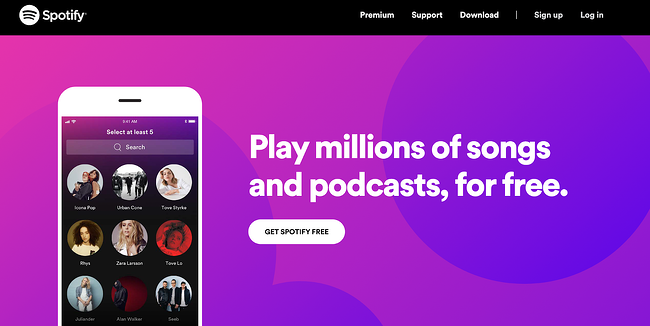
Spotify has mastered the mantra “less is more.” Visitors are immediately greeted by a simple value proposition. They can play songs and podcasts at no cost. A simple CTA takes you to a signup page.

As you scroll, the page explains why you should choose Spotify. The site reinforces that you can get started right now “no credit card required.”

What we love: Spotify’s homepage includes a short FAQ. Each question explains how to use the platform, including how to make a playlist and where to find podcasts. Simple answers showcase that Spotify is easy to use.

12. Colorsmith

homepage design, colorsmith

Remember, your home page should explain what your product does.

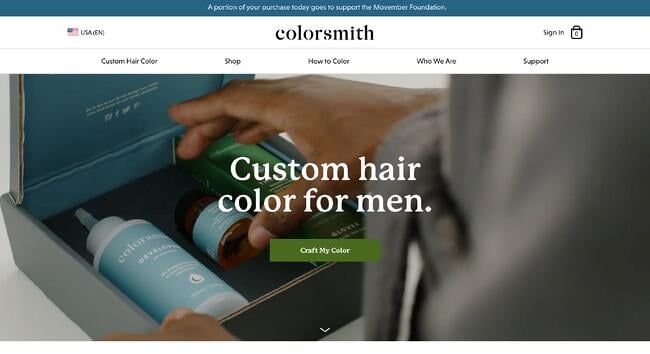
Colorsmith shows that explaining your mission can be simple. The “custom hair color for men” headline immediately tells visitors what the website is about — thereby eliminating any confusion.

Under the headline is a video showing real people using Colorsmith in their routine. This video draws an audience in and helps them create a mental picture of themselves using the products.

What we love: There’s a consistent use of the “Craft My Color” CTA. A single CTA throughout the page limits distractions and clarifies the desired course of action for visitors.

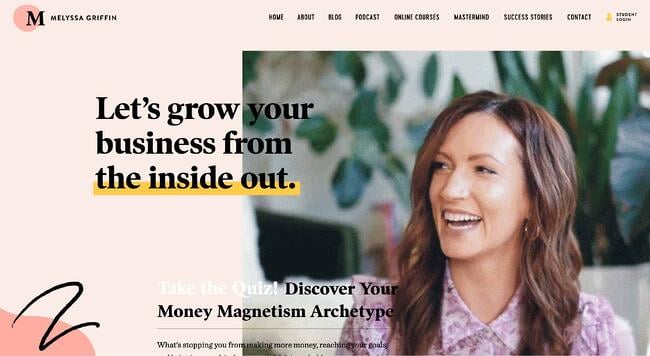
13. Melyssa Griffin

best homepage design, melyssa griffin

Melyssa Griffin’s site showcases both her expertise and personality.

Melyssa does well to include an image of herself so visitors can get familiar with her. She isn’t just a random website. She makes it clear she’s a human whom people can connect to.

The page uses bright colors without being overwhelming, making it easy to understand Melyssa’s central business offerings.

What we love: Visitors are invited to take a quick quiz. This allows visitors to learn their money management archetype, while Melyssa generates leads.

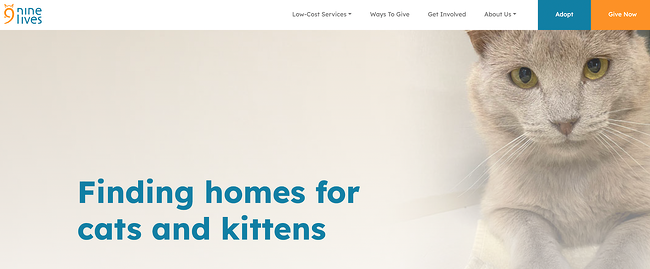
14. Nine Lives Foundation

homepage design ideas, nine lives foundation

If you’re a nonprofit in search of a website role model, look no further. Nine Lives is a California-based cat adoption center. Their headline “finding homes for cats and kittens” makes their mission clear.

As you scroll, you’ll see different ways you can get involved with the rescue — and that’s not just adopting a cat. You can learn about ways to give, vaccination options for your furry friend, and ways to volunteer.

What we love: Nonprofits can benefit from multiple CTAs. Your home page should lay out the many ways people can interact with your organization.

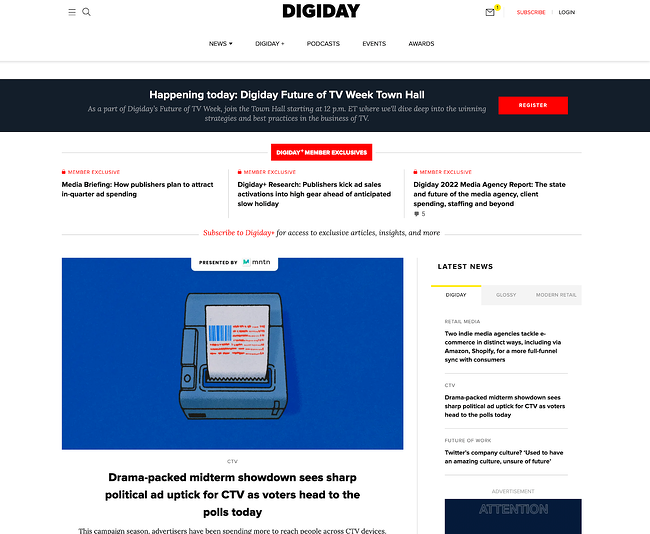
15. Digiday

homepage design ideas, digiday

Unlike other online news publications that inundate homepages with as many headlines and images as possible, a single article takes up most of Digiday’s top section.

Its featured image is eye-catching, and the headline just asks to be clicked.

What we love: The top of the homepage only has one icon to click — which leads you to a subscription page.

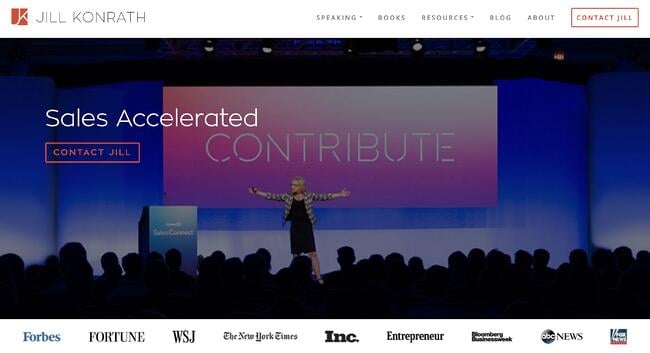
16. Jill Konrath

homepage design ideas, jill konrath

This homepage gets straight to the point. From the headline and sub-headline, it’s clear exactly what Jill Konrath does (and how she can help your business).

Visitors can also easily find Jill’s thought leadership materials, which is important to establishing her credibility as a keynote speaker. The pop-up subscription CTA uses social proof to get you to join her thousands of other fans.

What we love: It’s easy to subscribe to the newsletter and get in touch — two of her primary calls-to-action.

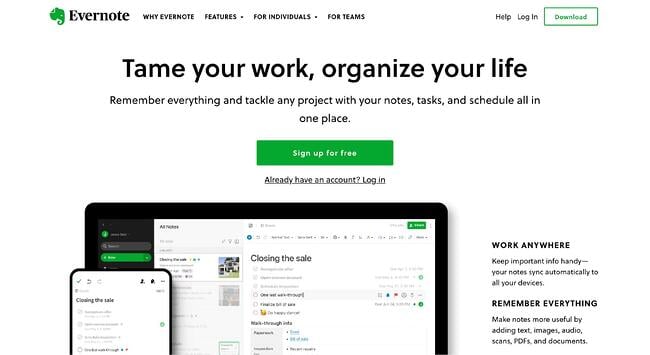
17. Evernote

homepage design, evernote

Over the years, Evernote has turned from a simple note-saving app into a suite of business products. Evernote does an excellent job of packaging many potential messages into a few key benefits.

This homepage uses a combination of white space and its signature bright green and white highlights to make conversion paths stand out. Following a simple headline (“Tame your work, organize your life”), the eye path then leads you to its call-to-action, “Sign Up For Free.”

What we love: Evernote also offers a one-click sign-up process through Google to help visitors save even more time.

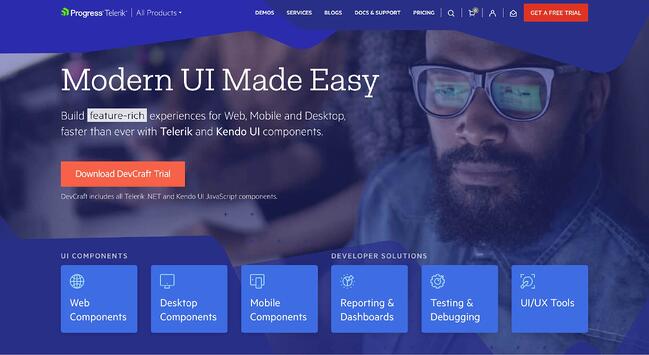
18. Telerik by Progress

homepage design, telerik

“Stuffy enterprise” isn’t the feeling you get from Telerik’s website. For a company that offers many technology products, its bold colors, fun designs, and videography give off a Google-like vibe.

The website uses a simple, high-level overview of its six product offers. It’s a very clear way of communicating what the company does and how people can learn more.

What we love: The copy is lightweight and easy to read. It speaks the language of its customers.

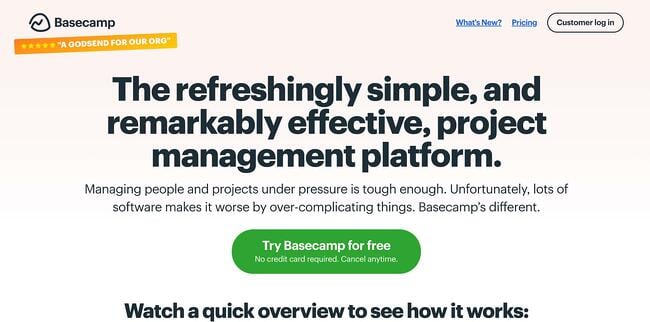
19. Basecamp

homepage design, basecamp

Basecamp’s homepage features a brilliant headline and sub-headline that explains what they do and how they’re different from the rest. The call-to-action is bold and above the fold.

What we love: In this example, the company chose a more blog-like homepage (or single-page site approach), providing much more product information.

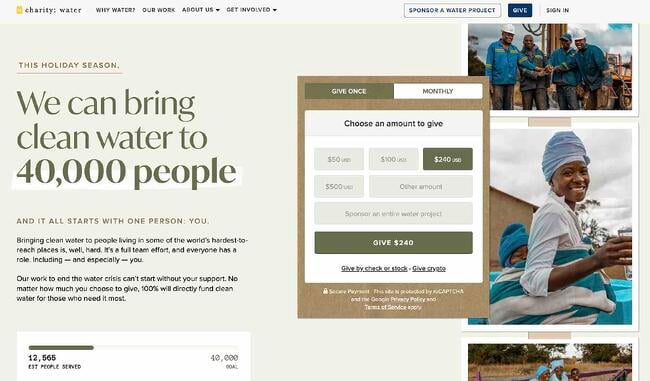
20. charity: water

homepage design, charity:water

Charity: water uses visuals, creative copy, and use of interactive web design to engage visitors. The website’s main purpose, to accept donations, is brought to the forefront with the payment gateway right above the fold.

For those who miss the donation gateway at the top of the page, the website also shows other ways they can donate once they scroll below the fold.

What we love: This nonprofit employs great uses of video and photography, particularly in capturing emotion that causes action.

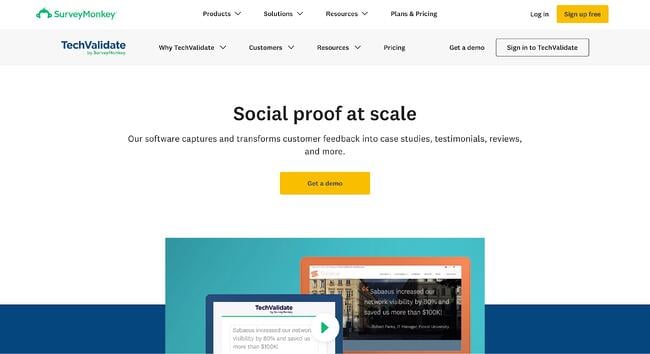
21. TechValidate

 homepage design ideas, techvalidate

Software tools should explain their value proposition and how their product works on their homepages. TechValidate executes this brief with mastery — pairing beautiful design with essential information.

This homepage is beautifully designed, making use of white space, contrasting colors, and customer-centric design. The headline is clear and compelling, as is the call-to-action.

What we love: The product’s video is front and center. Customers know just what to watch to learn more.

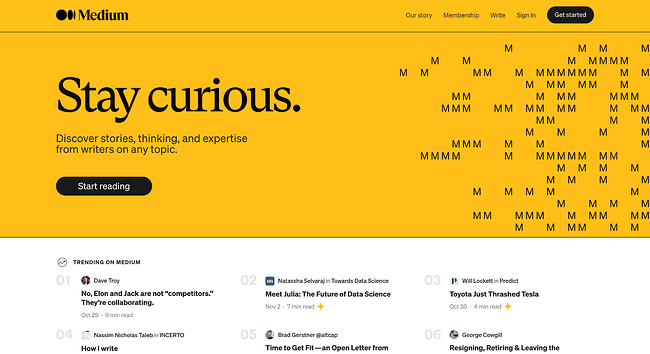
22. Medium

homepage design, medium

Medium’s homepage uses a simple header, sub-header, and CTA button before drawing visitors’ attention to the trending stories — the main point of the website.

What we love: The homepage uses social proof to get visitors to start clicking around. The “Trending on Medium” section lets visitors know where to find high-quality content.

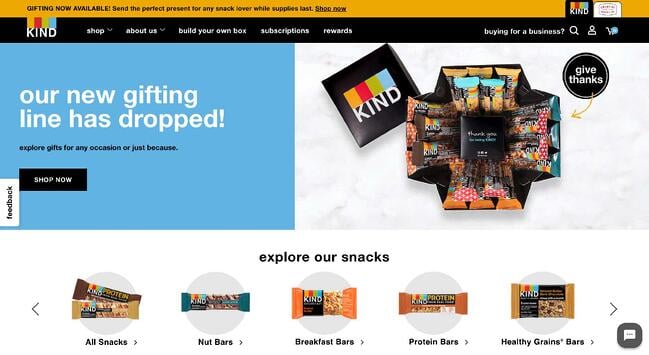
23. Kind Snacks

best website homepage example, kind foods

Kind Snacks website makes you hungry just from the images. The bold colors produce contrast, making the words and images stand out on the page.

The website also makes use of a carousel to show the brand’s wide array of products. All of the options reinforce that anyone can find their new favorite snack.

However, Kind’s website is more than just selling individual products. The homepage also introduces visitors to gifting cubes, build-your-own-box options, and mini products.

What we love: Kind’s website also features a subscription option. Here, the brand clearly lays out the benefits visitors would enjoy if they subscribed.

24. Ahrefs

homepage design, ahrefs

Ahrefs offers many tools that can help teams improve their SEO. However, the home page keeps offerings simple, prompting visitors to sign up.

Simplicity is reinforced by the site’s design. There’s no clutter thanks to the solid background and simple typography. The color contrast between the blue, white, and orange colors is eye-catching and makes the headline and CTA pop.

What we love: Ahrefs uses different social proof elements throughout the page. For instance, visitors can see the number of new Ahrefs accounts created in the past week above the fold.

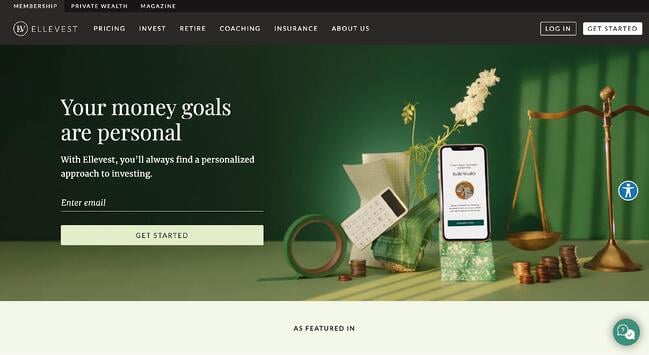
25. Ellevest

homepage design, ellevest

“Your money goals are personal.” This headline is powerful and makes visitors want to learn more about the product. The images show, rather than tell, one of the company’s value propositions: a mobile app, pair of scales, and calculator that move with you.

What we love: “Get Started” is a great CTA — in fact, we use it ourselves here at HubSpot. When clicked, it takes visitors through a few simple steps to set up a profile and start investing.

Building the Best Home Page

When it comes to beautiful homepage design, remember: Less is more. Your homepage’s job is to present your mission and explain what visitors can gain from your offering.

Keep these best practices in mind when you revisit your site. Soon, you’ll be on your way to making our list.

Canva HubSpot Website Ebook

Categories B2B

16 Effective Ways to Build Your Online Presence

The other day I was trying to find the perfect dress pant yoga pants because I wanted comfortable, professional clothing options.

When I searched for “dress pant yoga pants” on Google, I found the brand Betabrand.

Amazingly, the company dominated the top four search results. The first two results were their website, the third was their Amazon page, and the fourth was a review of their product.

Deciding I wanted to look into it further, I searched for Betabrand on Google and found their social media pages, a Wikipedia page, their website, their Amazon store, and reviews.

They were impossible to ignore online. Ultimately, I ended up making a purchase.

My buyer’s journey is not unique.

In fact, according to Adaptive Marketing, 97% of consumers use the internet to find a business.

That’s why having an online presence is important.

It helps consumers find your brand before they are aware you exist and it helps them learn about your reputation before making a purchase. Eventually, all of this information will play a role in your customer’s purchasing decision.

Below we’ll review what an online presence is, and explore 16 effective ways to build your online presence.

Download Now: Free Brand Building Guide

1. Build an email list.

One of the top ways to build your online presence is to create and grow an email list. An email list will enable you to engage with current and potential customers on a daily, weekly, or monthly basis.

To grow your email list, you can create gated content that users have to sign-up to receive. Additionally, you can use a call-to-action (CTA) on your website and social media pages to promote your email newsletter. With a newsletter, you’re able to collect leads’ emails — additionally, it shows your leads and customers are interested in your content.

You can use tools in your content management system (CMS) to create forms, slide-in CTAs, or popups that are designed to gather email addresses. For example, HubSpot offers free CMS tools, an email marketing tool, free pop-up forms, and a free online form builder to help build an email list. Alternatively, you might consider checking out MailChimp or GetResponse. To find a tool that works for your business, check out The 12 Best Email Newsletter Tools in 2019.

2. Master SEO.

With algorithms changing every day, search engine optimization (SEO) is one of the best tactics to build your online presence.

The first step to showing up online when people are searching is to master SEO.

SEO can be divided into two categories — on-site SEO, and off-site SEO.

On-site SEO is all about the content. You’ll want to use keyword research, include internal and external links, and create educational content that likely matches your target audiences’ search queries.

With off-site SEO, you’ll pay attention to the more technical side of things. For example, you’ll want to make sure your site is set up correctly, has simple URL structuring, and loads quickly. Additionally, off-site SEO also includes building credibility with backlinks. You can also use SEO and website audit tools to optimize both your on-page and off-page SEO

Lastly, if you want to show up on Google, create a Google My Business account, and use Google’s keyword planner.

3. Create value.

Overall, your brand or company’s goal is to make money. But before you can make money, you have to create value and be customer-centric.

One way to create value is to provide educational, free content online. Not only is this helpful for your customers, but it’ll also improve your online presence.

To get started, write out a list of your customer’s pain points and motivations. In other words, take a look at your buyer persona.

Then, brainstorm content that would answer their questions. What information would help your customers? This will be the basis for your content strategy.

Another way to create value online is to give advice. You could do this through guest posting, responding to comments, or appearing on a podcast. Wherever your customers have questions, you should be answering them.

4. Be active online.

In order to show up online, you have to be active online. This includes regularly posting to your owned properties, including your website and social media accounts.

Additionally, you should be active in other areas, as well. For example, you should engage with followers and subscribers on social media. If there’s something that everyone is talking about in your industry, you can engage in the conversation.

5. Analyze your results.

Once you get started with a few tactics to build your online presence, it’s critical you analyze your results. I would suggest testing your strategies so you learn what works and what doesn’t.

In order to test your results, start out by deciding what metrics you’re using. If you’re working on your SEO, you might track your search engine results on Google. On the other hand, if you’re building an email list, you might track the number of subscribers, plus your open and click-through rates.

Keep in mind that these are long-term strategies. Some may take time to produce results. Additionally,, some may be harder to track, like brand awareness. But that’s okay — just because results may be hard to track doesn’t mean it’s not worth doing.

6. Adopt new forums.

When new social media or popular websites emerge, be an early adopter. There are many benefits to being an early adopter.

First, if you’re an early adopter, there’s less competition. Second, most of these websites start out free and have high engagement rates.

To be an early adopter, make sure you’re always in “the know.” Read industry news and research new, up-and-coming sites.

7. Have a social media presence.

Being on social media is a necessity in this day and age. In fact, in 2019 there are now 3.2 billion people on social media globally, so social media is a key tool for reaching your intended audience on whichever platforms they prefer.

Having a presence on social media instills trust in your current customers and prospects. Personally, if I see that a company doesn’t have a presence on social media, I lose trust and feel unsure if they even exist.

Plus, social media is a great way to build your credibility and reputation and showcase your brand. When potential customers are researching your brand, the first place they’ll look is social media to see what you’re putting out there and what people are saying about you.

8. Make a website.

Not to be repetitive, but again, to show up online, you have to have a website online. Besides social media, one of the first places people will go to find out more about your company is your website.

Your website is where you can show off your brand through colors, fonts, text, video, and images. You’ll appeal to your buyer persona’s pain points and present a solution to their problem.

To make a website, there are many CMS sites you can use, including HubSpot, Wix, WordPress, and Squarespace. HubSpot’s free CMS tools contains a host of features to make website creation seamless and customizable.

9. Produce content.

The more content you produce, the more opportunities you have to show up online. Having an online presence is all about showing up in search engines, on social media, and sites like YouTube.

To start producing content, strategize what places you want to show up online. Do you want to be on Facebook, Instagram, YouTube, Twitter, Pinterest, Etsy, Poshmark, Goodreads, or Amazon?

Prioritize the sites your customers are active on (based on customer research) and start brainstorming content that is best-suited for those mediums.

For example, with YouTube, you’ll come up with video ideas — whereas on Instagram, you’ll come up with photo and caption ideas.

10. Personify your brand.

Building an online presence is a lot like building a brand. One tactic many companies use to build a brand is to personify their brand.

For example, The Skimm, a daily newsletter, personified their brand when they were founded in 2012. The founders created a persona called The Skimm Girl. This was the personification of their brand. They knew her likes, dislikes, age, job, financial situation, and sense of humor.

By personifying their brand, the company was able to appeal to their target demographic while staying true to their mission and values.

Having a clear brand helps users relate to your company and makes them want to engage with you, whether through a social media comment or by signing up for your email newsletter.

11. Experiment with online advertising.

A faster solution to building an online presence is through online advertising. If your ad shows up in the top search results, you’ll build brand awareness and increase your visibility online.

You can advertise on search engines like Google, Yahoo, and Bing. Additionally, you can look into social media advertising. Facebook, Instagram, and YouTube are well-known for their advertising options.

Before you begin advertising online, brainstorm what you want to promote. Do you want to promote a certain content offer? Alternatively, perhaps you want to advertise your email newsletter?

Once you choose what it is you want to advertise, you’ll also need to decide on the platform that is best-suited (i.e. has the right audience) to promote that content on.

12. Research influencer marketing.

In order to stay active in your community, it’s important to engage with the most popular figures in your niche.

For instance, if you sell beauty products, you might consider researching beauty influencers on YouTube and Instagram. Many consumers look to influencers for their honest reviews and promotion before purchasing a product.

Additionally, influencer marketing will get the word out about your brand online. The more people are talking about you, the more often you’ll show up online.

13. Be competitive.

When you’re building an online presence, remember to be competitive. Look at what your competitors are doing and discuss whether or not that’s a good strategy for your business, as well.

You can also use your competitors to see what they’re missing. Is there a gap they aren’t filling? What information do customers want that your competitors aren’t providing?

Researching your competitors should give you ideas for content and strategies. You won’t be able to compete with or one-up your competitors if you aren’t sure what they’re doing.

14. Develop relationships.

Developing relationships with those in your industry is an important way to build your online presence.

For instance, if you have a relationship with blog writers or podcasters in your industry, they might feature you in their content. Perhaps they’ll ask you to guest post or appear on their podcast.

Forging relationships with others in your industry will ultimately help you show up online.

15. Show up where your audience is.

To show up online, you have to figure out where your audience is.

If your audience is on Instagram, but they aren’t on Twitter, you shouldn’t be putting all your efforts into Twitter. On the contrary, you should be focusing your content and promotion strategy on Instagram.

If you show up where your audience is, you’ll build a strong online presence that customers can’t ignore.

16. Automate your process.

Lastly, building an online presence includes a lot of tedious tactics.

In order to ensure the system runs smoothly, automate some of your processes. For instance, you can schedule your content to go live on your CMS and social media.

Additionally, you can curate other people’s content, which enables you to provide valuable resources for your audience without constantly creating fresh content.

You can also plan your email marketing newsletters in advance, and set up email sign-up forms on your site that show up automatically.

These marketing strategies can help you build your online presence, create brand awareness, and develop a strong reputation. Building an online presence requires effort, but over time it will pay off with increased sales and better brand awareness in your industry.

brand consistency


Categories B2B

How to Whitelist an Email in Gmail, Outlook, Yahoo, and More

Imagine waiting for an important email, never receiving it then discovering it in your junk folder months later. That’s pretty frustrating.

The same can happen between a brand and its subscribers – wasting a marketing team’s time and resources.

→ Download Now: The Beginner's Guide to Email Marketing [Free Ebook]

In this article, learn how to whitelist an email on all major email providers like Gmail and Outlook. If you’re a marketer, discover ways to encourage your subscribers to do so.

Table of Contents

1. Click the gear icon in Gmail and select “See all settings” from the Quick settings menu.

gmail gear icon and quick settings menu

2. Navigate to “Filters and Blocked Addresses” in the top menu.

gmail filters and blocked addresses page

3. Select “Create a new filter.”

In Gmail, whitelisting an email actually involves creating a filter.

gmail create filter on filters and blocked addresses page

4. Add a specific email or a whole domain in the “From” field.

The “From” field is where you’ll specify what’s getting whitelisted. In Gmail, you can specify either a specific email address (e.g. [email protected]), or you can whitelist a whole domain by omitting everything before the at symbol (e.g. @domain.com).

The former will whitelist one specific email address while the latter whitelists anyone who is sending emails from that domain.

gmail-create-filter-process

5. Click “Create filter.”

From there, you don’t need to input any additional information. Simply click the Create filter button at the bottom of the window (next to the blue Search button).

6. Check “Never send it to Spam” in the checkbox.

Clicking the button brings up a new window. Here’s where you’ll actually specify that what you’re doing is whitelisting. In Gmail, you do this by checking the Never send it to spam box.

Doing so will ensure that emails that meet the criteria you specified never end up in Spam or Trash (unless you do so manually).

gmail never send to spam checkbox

7. Click “Create filter.”

Once this information is specified, you click the “Create filter” button again, and this creates the whitelist within Gmail.

1. Click the gear icon in Outlook and select “View all Outlook settings.”

outlook gear icon

When you select it, a drop-down menu will appear. At the bottom of the drop-down menu, you’ll choose View all Outlook settings.

outlook settings menu with "view all outlook settings" highlighted

2. Select “Mail” from the settings menu.

outlook junk email settings

3. Choose “Junk email” from the submenu.

4. Click “Add” under “Safe senders and domains.”

outlook add safe senders and domains

5. Enter the email address that you want whitelisted.

6. Choose “Save.”

This will save your whitelist preferences and ensure that emails that fit the criteria don’t make it to your junk email folder in Outlook.

How to Whitelist an Email in Yahoo

  1. Open Yahoo Mail and log into your account.
  2. Navigate to “Settings” then click “More Settings.”
  3. Select “Filters” and hit “Add” to enter the email you’d like to whitelist.
  4. Name the filter and add the email address.
  5. Select to send all mail to “Inbox.”
  6. Save your settings.

How to Whitelist an Email in AOL

  1. Log in to your AOL account.
  2. Open “Contacts” from the left navigation pane.
  3. Click the “New Contact” icon and add the email address.
  4. Click the “Add Contact” button and you’re set.

How to Get Subscribers to Whitelist Your Email Address

To get on your email subscribers’ whitelists, consider using simple language that frames the extra step as a benefit to the recipient:

“To be sure our emails always make it to your inbox, please add us to your email whitelist.”

Ideally, you’ll include this message in the first email you send new subscribers to improve email deliverability at the onset of a new relationship.

You might use your own flair and brand voice to craft a compelling email message.

Digital marketing agency Yokel Local does this well in their re-engagement campaign aimed at reconnecting with customers who may not be opening their emails:

whitelist email example from yokel local

While the email above is serving a specific function in an email marketing campaign, you can also include a more general whitelist reminder in the footer of all your communications like so:

whitelist message in footer

Keep in mind that not all of your recipients may know what a whitelist is, so you might also want to incorporate steps they need to take. To make the process simple, you can include links to the instructions for the most common web clients like this:

“To be sure our emails always make it to your inbox, please add us as a contact or put us on your whitelist. If you have a Gmail account, follow these steps. Alternatively, if you use Outlook, find the steps here.

Just be sure that you include instructions for the most popular email providers.

Best Email Practices Beyond Whitelisting

Encouraging your subscribers to whitelist your email is a best practice that can help you improve the deliverability of your email. However, it’s not the only factor that can help you increase deliverability. Here are some additional fail-safes:

  • Use inbound methods to populate your database rather than buying email lists and sending spam emails.
  • Segment your email database.
  • Keep your contact information clean and remove disengaged emails.

All of this is so important in ensuring that your message is heard by your prospects and customers so that you stay top of mind and grow your business.

Editor’s note: This post was originally published in April 2019 and has been updated for comprehensiveness.
New Call-to-action


Categories B2B

The Complete Guide to Stakeholder Management

Successful projects have support from stakeholders across the organization. That’s why stakeholder management is essential for any initiative.

Click Here to Get HubSpot's Project Management Tool

Stakeholder management allows you to identify and meet leaders’ needs while keeping communication open.

In this article, you’ll learn what stakeholder management is, why it’s important, and how to create a stakeholder management plan.

Table of Contents

Why is stakeholder management important?

Projects fail when the interests and needs of stakeholders are ignored. This leads to a lack of buy-in from key stakeholders, which can jeopardize the success of the project.

When stakeholders feel their needs are being met, they’re more likely to support the project. On the other hand, if their needs are not met, they may try to block your initiative. Stakeholder management helps build positive relationships that keep your project running smoothly.

An effective stakeholder management strategy can help you:

  • Avoid or resolve conflicts between stakeholders.
  • Secure buy-in and support from key stakeholders.
  • Communicate effectively with stakeholders.
  • Manage expectations of stakeholders.
  • Monitor stakeholder engagement throughout the project.

Benefits of Stakeholder Management

There are many benefits of an effective stakeholder management strategy, including:

  • Improved communication. By identifying the interests and needs of stakeholders, you can tailor your communications to their specific needs. This ensures that your messages are received and understood.
  • Increased buy-in. According to KPMG, 61% of projects have highly involved sponsors. When stakeholders feel their interests and needs are being considered, they’re more likely to support the project.
  • Reduced risks. By engaging with stakeholders, you can identify potential risks early and take steps to avoid or mitigate them. This can help reduce the overall risk of the project.
  • Improved performance. An effective stakeholder management strategy can help you optimize resources and align project activities with stakeholder interests. This can lead to improved project performance.

Inside the Stakeholder Management Process

stakeholder management, the step-by-step guide

While stakeholder management may seem intuitive for some, you can start building trust systematically with a more formal roadmap.

The following six steps can help you understand stakeholder priorities and how you can address these needs.

1. Identify stakeholders.

Stary by identifying all the individuals and groups who can impact your project, both positively and negatively. This includes internal stakeholders (such as team members) and external stakeholders (such as customers or suppliers).

To identify your stakeholders, ask yourself the following questions.

  • Who will be impacted by your project?
  • Who has an interest in your project?
  • Who has the power to influence your project?
  • Who wants your project to fail?
  • Who wants your project to be successful?

2. Prioritize stakeholders.

After you’ve identified all your stakeholders, the next step is prioritization. This will help you focus your attention on the stakeholders most important to your project’s success.

You should identify where their expectations lie, their level of influence, what information they will want from you, and how often they want reporting from your team. You can use stakeholder mapping to help you prioritize key leaders.

Run a Stakeholder Mapping Exercise

stakeholder mapping, stakeholder management process

Image Source

The above stakeholder mapping exercise asks you to plot leaders on a two-by-two grid. One axis is labeled power and the other interest.

On the power axis, you rate each stakeholder on their ability to influence the project. On the interest axis, you rate each stakeholder on their level of interest in the project. This will give you a clear picture of which stakeholders are the most important to engage with and how best to do so.

There are several different ways to map stakeholders, including:

  • RACI matrix. This is a popular stakeholder mapping method that uses the letters R (responsible), A (accountable), C (consulted), and I (informed) to rate stakeholders on their level of involvement in the project.
  • Power/interest grid. This is a simple way to map stakeholders that can be used to prioritize engagement. It is also known as the Salience model.
  • Influence/impact matrix. This is a more detailed stakeholder mapping method that can be used to assess the potential impact of each stakeholder on the project.

3. Assess stakeholder needs and interests.

The key to a successful stakeholder management plan is understanding your stakeholders. This will help you assess what they want from the project and how best to engage with them.

At this stage, ask yourself the following questions.

  • Do you understand their needs, priorities, and issues?
  • Do they have the power to influence the project?
  • What financial or emotional interest do they have in the outcome of the project?
  • What motivates them?

By understanding the answers to these questions, you can better develop a stakeholder management plan that fits each leader.

4. Define stakeholder motives.

Once you’ve identified and assessed your stakeholders, you can begin to define their motives. This will help you understand what they want from the project and how best to engage with them.

There are several ways you can define stakeholder motives, including:

  • Interviews. You can interview stakeholders to get their views on the project. This can be done in person, over the phone, or via email.
  • Surveys. You can send out surveys to stakeholders to get their feedback on the project. This is a quick way to gather data from a large number of stakeholders.
  • Focus groups. You can hold focus groups with stakeholders to get their input on the project. This can be used to generate ideas and identify issues.

By understanding stakeholder motives, you can develop an effective stakeholder management plan that meets their needs and interests.

5. Develop a plan for engagement.

The goal of stakeholder engagement is to manage expectations and build relationships. This can be done through several different methods, including:

  • Frequent communication. This is the most important aspect of stakeholder engagement. You must regularly communicate with stakeholders to update them on the project and get feedback. This can be done through face-to-face meetings, phone calls, emails, or online tools like a project management software. Each stakeholder may need their own communication strategy.
  • Consultation. This involves consulting stakeholders in decision-making. This can be done through meetings, surveys, or focus groups.
  • Collaboration. This involves working with stakeholders to complete tasks or achieve objectives. This can be done through co-creation, joint planning, or shared decision-making.

The best way to engage with various leaders will depend on the stakeholder and the project. You should tailor your engagement plan to each individual.

Stakeholder Management Plan Templates

After you’ve identified stakeholders, it’s time to develop management plans for each group.

The below templates can help you create engagement plans and organize your stakeholder communication.

Asana

stakeholder management plan template, Asana

If you’re new to stakeholder management, this template from Asana offers a simple way to stay organized. In this plan, you write down each stakeholder, their level of interest in your project, and how influential they are to your work.

Then, you can check a box to identify their communication preferences. That includes how often they want to hear from your team and how they want you to get in touch.

What we love: With this template, you know which of your leaders prefer a quick Slack versus a formal email at a glance.

Project Management Docs

stakeholder management example, project management docs

If you’re looking for a more detailed engagement plan, consider this option from Project Management Docs. With this document, you can fully lay out the vision of your project and which departments your initiative will affect.

What we love: This template includes charts and tables that you can use to determine each stakeholder’s level of importance to your project. You can use this document to brainstorm and outline your final draft.

KnowledgeHut

stakeholder management plan template, Knowledgehut

If you’re looking for a complete guide to writing an engagement plan, KnowledgeHut is here to help. This template includes sections that help you identify stakeholders and create a timeline for each person’s involvement. You can also keep track of costs and human resources involvement.

What we love: This template features charts that you can fill out with stakeholder data. If you get stuck, each section comes with helpful questions for self-reflection to guide you along the way.

PM-Training

stakeholder management example, pm training

If you’ve been searching for a simple spreadsheet to manage your stakeholders, look no further. This template from PMTraining offers a straightforward approach to managing stakeholders.

What we love: This template lays out who is involved, what they need to do for your project, and how you plan to keep them engaged. If you’re looking for a quick way to develop a one-page stakeholder management guide, this is it. Plus, everything can be edited in Google Docs.

Tips for Stakeholder Management

Formalizing stakeholder management can feel like an overwhelming process. Whether you’re just getting started or have years of experience, the following tips can help you ensure successful stakeholder management.
1. Define the purpose of the project.

According to PMI, 44% of projects fail because of a lack of alignment between business and project objectives.
Before you begin engaging with stakeholders, it is crucial to define the purpose of the project. This will help you identify who you need to engage with and their objectives.
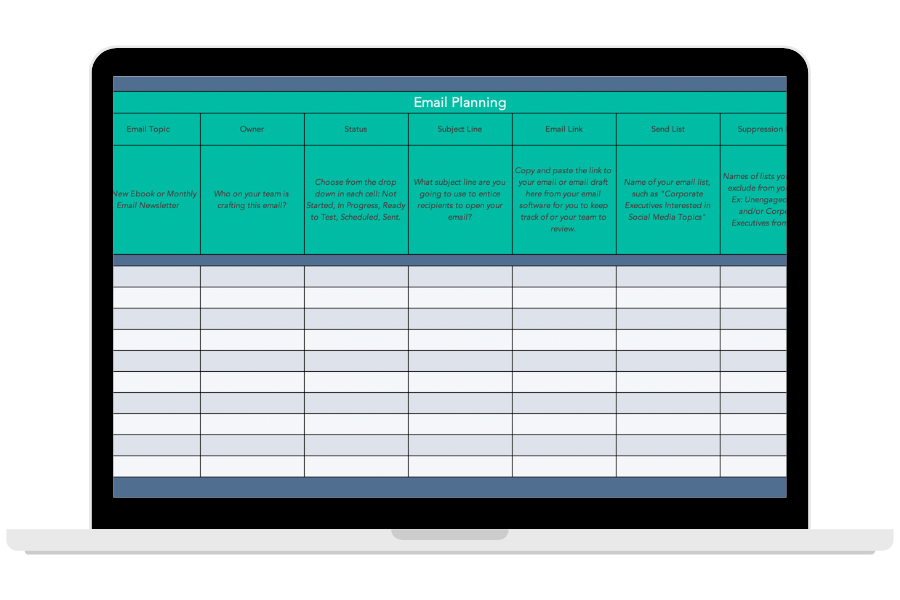
2. Define roles and responsibilities.

At the start of a project, clearly define each stakeholder’s roles and responsibilities. This will help ensure that everyone is clear on their involvement in the project.

3. Communicate regularly.

Regular communication is essential for successful stakeholder management. You should update stakeholders on the project regularly and solicit their feedback.

Your strategic objectives should always be clear in stakeholder communication. This allows your team to manage stakeholder expectations and create positive relationships.

4. Be transparent.

It is important to be transparent with stakeholders about the project. This will help build trust and ensure everyone is on the same page.

5. Seek feedback.

Feedback is essential for successful stakeholder management. You should seek feedback from stakeholders at every stage of the project.

Keep track of their suggestions and implement their insights. You can then report back on how you implemented their solutions to further gain their support.

6. Choose the right software.

Today, only one in four teams uses a project management software. Implementing one of these tools can help you keep organized.

That ranges from project management software, like Basecamp or Asana, to collaboration software, like Google Drive or Trello. Choose a tech stack that best fits the needs of your project.

7. Be flexible.

Stakeholder management is not a one-size-fits-all process. You should be flexible and tailor your approach to each individual you work with.

Create an Effective Stakeholder Management Plan

Stakeholders hold the power to influence your project, so engaging leaders while keeping their needs at the forefront will help keep things running smoothly.

Keep these tips in mind as you develop your stakeholder management strategy to stay on track.

New Call-to-action