Categories B2B

Real-Time Bidding for Programmatic Ads — Here’s How It Works

As a marketing leader with experience at several different tech companies, I’ve become an expert at real-time bidding (RTB) for programmatic ads.

This process is often one of the most efficient and cost-effective ways to purchase ad inventory online.

Access Now: Free Media Planning Template

But, even for experienced marketers, real-time bidding can be confusing. That’s why I wrote this article: to break down what RTB is, how it works, and the pros and cons of using it — in plain, jargon-free English.

Table of Contents


In a traditional media buying process, the marketer has to buy ads manually.

Let’s say I find a magazine that serves my buyer persona. I ask the magazine publisher for their media kit, I choose the ad dimensions that fit my budget, and then I buy an ad for a certain amount of time. Once the time runs out, the ad is taken down.

Real-time bidding eliminates most of that work. With RTB, you can get space in that magazine — and hundreds of others — by letting a Demand-Side Platform (DSP) automatically choose the best publishers and ad spaces, and then bid on them for you.

You just set targeting parameters, such as maximum bid price and target audience. Then, the DSP uses these parameters to automatically determine where your ads are placed.

If you place the highest bid, the publisher accepts your ad automatically. Real-time bidding does all the bidding for you, so you don’t have to take any additional steps.

As Mandar Ambekar, founder and managing director of blueShepherd GmbH, explains, “The Real-Time Bidding process is like an auction, but it happens in the time it takes for a webpage to load. Advertisers compete to display their ads to a specific audience based on criteria like age, interests, or browsing behavior. The highest bidder wins, and their ad appears on the user’s screen.”

Real-time bidding is the driving force behind most programmatic advertising campaigns. Advertisers can buy ad inventory, place those ads online, and ensure that they get a certain number of impressions with their programmatic advertising campaigns.

Still confused? No worries. I’ll break down the concept of RTB and programmatic advertising further below.

Real-Time Bidding Terms to Know

There are several pieces involved in the real-time bidding process. Before we put them all together, let’s take a look at each piece one-by-one.

      • Advertiser: The advertiser is the company or brand that wants to place an ad online.
      • Demand-Side Platform (DSP): The Demand-Side Platform is the service that advertisers use to launch their ad campaigns.
      • Publisher: The publisher is the website or online property that wants to sell ad space, often referred to as “ad inventory.”
      • Supply-Side Platform (SSP): The Supply-Side Platform is the service that publishers use to make their ad inventory available. SSPs use ad exchanges to run auctions where ad spaces are instantly purchased by the highest bidder.
      • Ad Exchanges: The ad exchange connects companies who want to advertise with publishers who want to sell ad space. Ad exchanges carry out the bidding transaction automatically in real time by connecting Demand-Side Platforms and Supply-Side Platforms.
      • Impressions: Impressions refer to the number of times an ad is seen or scrolled past. In the real-time bidding process, advertisers pay per thousand impressions. This cost is known as the cost per mille, or CPM, of a campaign.

How does real-time bidding work?

real time bidding steps

Below, I’ll share what this looks like in action, explaining how real-time bidding works from both the advertiser’s side and the publisher’s side.

Setting Up an Ad Campaign as an Advertiser

On the advertiser side, marketers use DSPs, or Demand-Side Platforms, to set up ad campaigns and track their performance. To determine what ad inventory to bid on, advertisers will set targeting parameters.

For instance, a brand may only want to target users who are in a specific region or who have visited their website recently.

Importantly, there are many tools that today’s marketers can use to help them develop effective ads. For example, HubSpot’s AI Video Ad Creator makes it possible to quickly and easily produce video advertisements, while its Free AI Headline Generator tool can create tailored headlines for any target audience.

Then, once the ad is crafted and the campaign is set up, the advertiser’s DSP will evaluate ad potential in real time. The DSP can then decide whether or not to place a bid, and how much to bid, on a given ad space.

Listing Ad Inventory As a Publisher

Publishers, on the other hand, use Supply-Side Platforms (SSPs) to list their ad inventory and the prices they charge.

When creating these listings, they’ll want to include key information that DSPs will be looking for to evaluate whether a specific ad space is a good fit for their target market. That includes the type of content on their webpage and the types of ad space available.

Meeting in the Middle at the Ad Exchange

Next, the advertiser and publisher will meet in the middle at the ad exchange: the marketplace where the real-time bidding actually takes place.

Advertisers set their bid through their Demand-Side Platform, while the publisher’s Supply-Side Platform either accepts or rejects the bid. The prices are negotiated based on cost per thousand impressions, or CPM, so the advertiser isn’t paying based on uptime or even ad dimensions. Instead, they’re paying for the number of times, in thousands, that their ad is seen.

Still confused? Don’t worry — this can be tricky to wrap your head around. Let’s go through a real-world example to illustrate what real-time bidding can look like in action.

Real-Time Bidding Example

real time bidding example

Let’s say I’m the marketing manager for Silk, a UK-based beauty brand that just launched a new brow line and is running a marketing campaign to promote it.

I set up the ad campaign on a Demand-Side Platform (DSP) where I specify that I want to target users who regularly shop for makeup products, who are located in the Manchester area, and who are between 18 and 30 years old. I also note that I only want my ads to be shown on sites related to beauty and lifestyle.

So, what happens next? A user visits a publisher’s site, and the publisher’s Supply-Side Platform (SSP) sends a bid request to the ad exchange. Then, my DSP evaluates the impression’s value. The DSP determines whether the user meets the parameters outlined in my campaign, and if they do, the DSP submits a bid.

Of course, not every bid is a winner. But if Silk has the winning bid, then once the page loads, the user will see my ad, and Silk will pay the cost associated with the bid.

That’s real-time bidding on a single ad space for a single user — but most likely, this process will happen thousands of times on different web pages over the course of Silk’s ad campaign. Silk’s paid ads manager will then monitor the ad’s performance on the DSP to see whether the ad is reaching the desired audience, or if the parameters should be adjusted.

How Much Does Real-Time Bidding Cost?

As with any marketing tool, the cost of real-time bidding for programmatic ads varies substantially depending on your unique use case. But first, remember: The price of an RTB campaign is measured by the cost per thousand impressions or CPM.

In my experience, the CPM for a given ad campaign will change based on who your target market is, the budget you’ve allocated to the campaign, and how long you’ve allotted for the campaign to run.

If you’re looking to reduce the cost, you can adjust these factors to be more limited. In contrast, if you have more budget available, you can always explore opportunities to expand these factors.

In general, the CPM for a campaign targeting a niche audience will be higher than that of a campaign targeting a broader audience. Of course, there are substantial advantages to targeting a more niche user base. However, if you’re looking to reduce the cost per impression, broadening the audience may be helpful.

How to Measure the Success of Real-Time Bidding Ads

Of course, any marketing strategy is only as useful as your ability to measure its success. When it comes to real-time bidding on programmatic ads, there are several metrics that I’ve found can be effective ways to measure how well a campaign is working.

On the most basic level, I always start by simply measuring impressions.

Impressions are the easiest metric to track, but of course, just because someone sees your ad doesn’t mean they click through to visit your website, let alone buy your product.

That’s why click-through rate is another important factor to consider: How often are the people who see your ad actually clicking on it?

Beyond impressions and click-throughs, I’ve learned that it can also be helpful to explore more nuanced measures of user engagement. For example, a website visit is one thing, but how long do users stay on your website? How many pages are they visiting on your site, and which pages are they spending the longest on?

Tracking metrics like these can help you get a more detailed view of the actual quality level of the leads you’re paying for.

Finally, I always remember to zoom out and look at bigger-picture measures of success as well.

What is the ROI of the overall campaign? What percentage of ad impressions ultimately convert into purchases? And how loyal are these customers once they convert? Do they buy once and then churn, or do they become lifelong evangelists of your brand?

Accurately measuring success is no simple task, but factoring in a range of metrics and considerations like these can help to ensure that you invest your ad money as effectively as possible.

Real-Time Bidding Platforms

Now, you know what RTB is, and you’ve started thinking about how to measure success. But what does it take to get started implementing a programmatic ad campaign? There are several tools I recommend to help you get started with real-time bidding on programmatic ads.

I’ll start with the advertising side, showing which tools can help you buy space to place your ads online. Then, I’ll move to the publishing side and feature tools can help you sell your ad space.

Real-Time Bidding Platforms for Advertisers

real time bidding from an advertiser perspective

Source

As an advertiser, you’ll want to find a Demand-Side Platform (DSP) that allows you to manage several ad campaigns at once. I recommend looking for a DSP that lets you set specific targeting parameters, such as users’ most-visited websites and preferred brands.

Here are a few of my favorite options.

      • AdRoll: This simple self-serve Demand-Side Platform is a good fit for beginners in the programmatic advertising space.
      • mediasmart: This more advanced self-serve Demand-Side Platform offers detailed targeting and segmentation capabilities. As such, it’s a good fit for more experienced marketers who have already set up ad campaigns with other tools, such as Google Ads.
      • theTradeDesk: This Demand-Side Platform allows you to place ads on multiple devices, including TV ad rolls, online videos, music streaming devices, mobile apps, and publishers across the web — so it will be a good fit for marketers who are planning to advertise across all of these channels.

Real-Time Bidding Platforms for Publishers

On the other side of the equation, if you have ad inventory to sell, then signing up with a Supply-Side Platform is essential to take advantage of real-time bidding. With an SSP, you don’t have to speak with any advertisers or do any of the manual work associated with account management.

Here are a few of my favorite supply-side channels that can help publishers sell ad inventory through real-time bidding.

      • Magnite: This Supply-Side Platform is best for large-scale ad inventory sellers who also want to sell ad space through Private Marketplace (PMP) and Programmatic Guaranteed (PG) systems. It’s a good fit if you’re an experienced ad seller who wants to upgrade to a more capable system.
      • Index Exchange: This simpler supply-side marketplace allows you to get started with selling ad inventory on multiple channels, including display, video, mobile, and native. As such, it will be a good fit for publishers who would like to start selling ad inventory or who plan to take advantage of all these available channels.

Still not sure if buying or selling programmatic ads through real-time bidding is right for you? Below, I’ll go over some of the most important pros and cons to keep in mind when deciding whether to invest in RTB.

Real-Time Bidding Pros

real-time bidding pros and cons

Better Tracking

As TeqBlaze CEO Anastasia-Nikita Bansal explains, real-time bidding provides marketers “real-time insights and the ability to adjust campaigns on the fly.” She continues, “[This] ensur[es] advertisers can optimize their ads to reach the right audience at the right time, thereby reducing wasted impressions.”

In other words, with RTB, advertisers can monitor their campaigns easily without relying on vendors. No need to reach out to multiple publishers and ask for reports — you can get all the data you need yourself on your DSP.

This also gives marketers the agility to pivot quickly if their campaign isn’t performing as expected. For instance, you might find that switching out one keyword for another may boost your campaign’s performance and align better with the audience you want to reach.

Real-time bidding with programmatic advertising enables you to track your campaigns and easily identify opportunities for improvement.

Better Targeting

In addition, when purchasing ads through RTB, you buy one impression at a time.

That means every time a website visitor or mobile app user visits a publisher’s site, you get the chance to assess that person’s profile and see whether it matches your target audience. This makes for more accurate targeting, as you can ensure your ads only reach the right people at the right time.

Indeed, “RTB has a clear edge as compared to traditional forms of media buying,” notes Shridhar Mishra, chief business officer of the EMEA and APAC regions for DIGIAD DMCC. Specifically, he argues that “the performance [of RTB] would be quite better since you are going contextual and targeting the most relevant audience sets.”

More Cost-Effective

Finally, one recent report found that, on average, programmatic ads cost up to 20 times less per impression than traditional ads. Moreover, I’ve found that the precision of real-time bidding allows marketers to spend their ad dollars on higher-value impressions.

Too often, I’ve seen brands launch marketing campaigns that reach their target market occasionally, leaving much of their budget wasted on users who don’t fit the brand’s profile. In contrast, RTB enables marketers to ensure that every cent goes toward targeting users who are likely to be interested in the brand.

In addition, RTB takes much of the manual labor out of the online advertising process, allowing marketers to focus on other efforts.

You can also complement your RTB efforts by leveraging a Free Paid Media Template to track and organize your media planning. With tools like these, marketing teams can get more bang for their buck, prioritizing high-value work.

Real-Time Bidding Cons

Compromised Brand Safety

Despite the many benefits of RTB and programmatic advertising, real-time bidding has real shortcomings to consider. First, it’s important to remember that where your ad shows up is just as important as who sees it. This is because consumers judge brands based on the content surrounding their ads.

Indeed, a recent survey found that 71% of U.S. consumers report that they would feel less favorably toward a brand if it advertises near inappropriate content, and 56% would be unlikely to engage with an ad that appeared near inappropriate content. This can be anything from a site that hosts pirated movies to a blog that promotes hate speech.

Due to the nature of RTB, there is a risk your ad may appear on a site with content you wouldn’t want your brand associated with. To mitigate this risk, marketers can put certain keywords and sites on a “deny” list.

That said, because RTB systems place ads automatically, there is no way to fully guarantee that your ad will never be placed next to unsavory content.

Potential Ad Fraud

In addition, I’ve learned that it’s critical to be aware of potential ad fraud. Ad fraud happens when scammers (or any parties with ill intent) try to trick digital ad networks by falsifying impressions and clicks using bots.

Obviously, bots aren’t real people — so they aren’t potential buyers you can eventually convert into customers. Because you don’t get to hand-pick publishers when you use real-time bidding, there’s a very real chance that your ad might be seen by bots instead of real people.

The rising sophistication of bots can also cause brands to gather inaccurate data on their campaigns, mistaking impressions or clicks by bots for real, human traction.

This form of fraud may happen without publishers’ knowledge, but some deceitful publishers fabricate impressions knowingly to steal from advertisers. One way to combat this is by using a DSP or ad network with fraud detection software.

But of course, even if you take reasonable precautions, this risk is also still always going to be present.

Real-Time Bidding is the Easiest Way to Increase Brand Awareness

At the end of the day, I’ve found that real-time bidding makes the online advertisement process fast and easy. While it’s not without risks, RTB and programmatic advertising means marketers can skip the back-and-forth previously associated with ad buying and focus instead on tracking the results.

You can also use HubSpot’s Ads Software to create personalized and targeted ad campaigns, and see which ads are turning prospects into customers. Ultimately, this enables brands to increase the ROI from their campaigns — and it empowers brands to grow better, faster.

Editor’s note: This post was originally published in March 2021 and has been updated for comprehensiveness.

Categories B2B

Here‘s Everything I’ve Learned About Internet Marketing [Data + Expert Tips]

I still remember the early days of the internet and how exciting (and expensive!) it was to use. As it was a dial-up modem connection, my parents put strict time limits on how much time I could spend online (gosh, that makes me feel a little old).

Since then, things have changed tremendously and the internet has become so widely accessible that even people in the most remote areas use it. So, it’s not surprising that it became a massive marketing channel.

Download Now: Free Content Marketing Planning Kit

Internet marketing offers unique benefits other marketing mediums (i.e., TV, print) can’t offer — scope of reach, the option to personalize content, and the opportunity to build far-reaching relationships with customers, being just a few.

There are tens of digital channels, including email, social media, websites, and search engines, to reach your ideal audience. In this post I’ll cover everything from marketing strategies to real-world examples, to ensure your business reaches the right people.

Table of Contents

Types of Internet Marketing

1. SEO Marketing

Search engine optimization or SEO, helps companies expand their visibility in organic search results. Essentially, good SEO ensures that when someone Googles your product or service, they can find your website in the search results.

For example, if I Google “Hubspot,” it appears at the top of the search results, right after the sponsored posts. Branded terms are much easier to rank for compared to other terms, like “best CRM.”
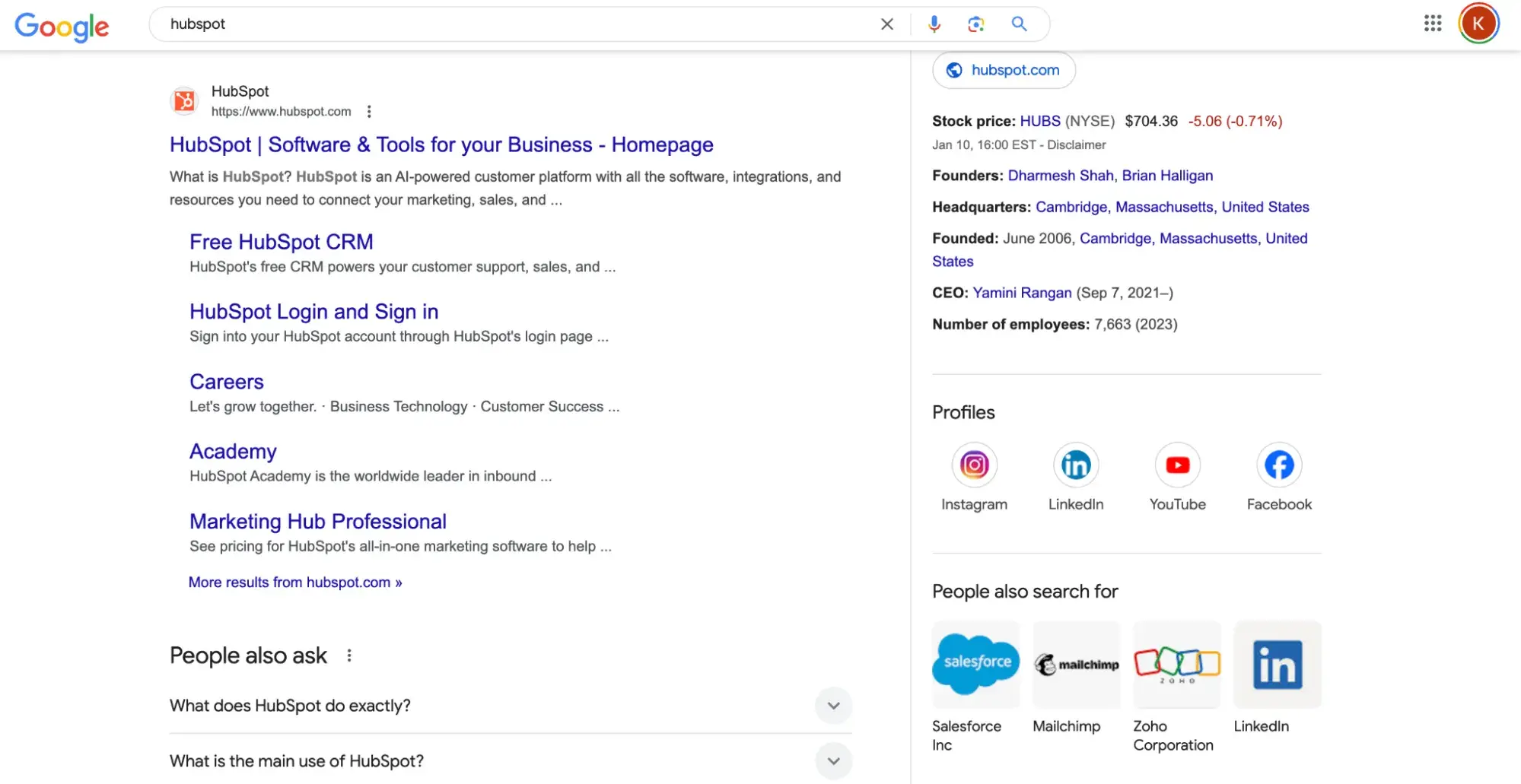
internet marketing content; google search results for the term “hubspot”

2. Social Media Marketing

With 5.17 billion social media users globally, if you’re not using it for marketing, you’re missing out. No matter who your target audience is, chances are you’ll be able to find them on TikTok, Instagram, Facebook, X, or another platform.

Depending on your marketing goals and budget, you may choose:

  • Organic. With organic social media marketing, you can take advantage of free marketing opportunities like creating posts and reels on Instagram.
  • Paid. With paid advertising on social media, you can create promoted posts targeted towards a specific audience.

A lot of brands (and individuals) turn to LinkedIn to not only show their expertise but also to build connections with their followers. For example, Ben Goodey, the founder of an SEO agency Spicy Margarita (whom I am a big fan of), has impressive engagement. Look at how many likes and comments he got!
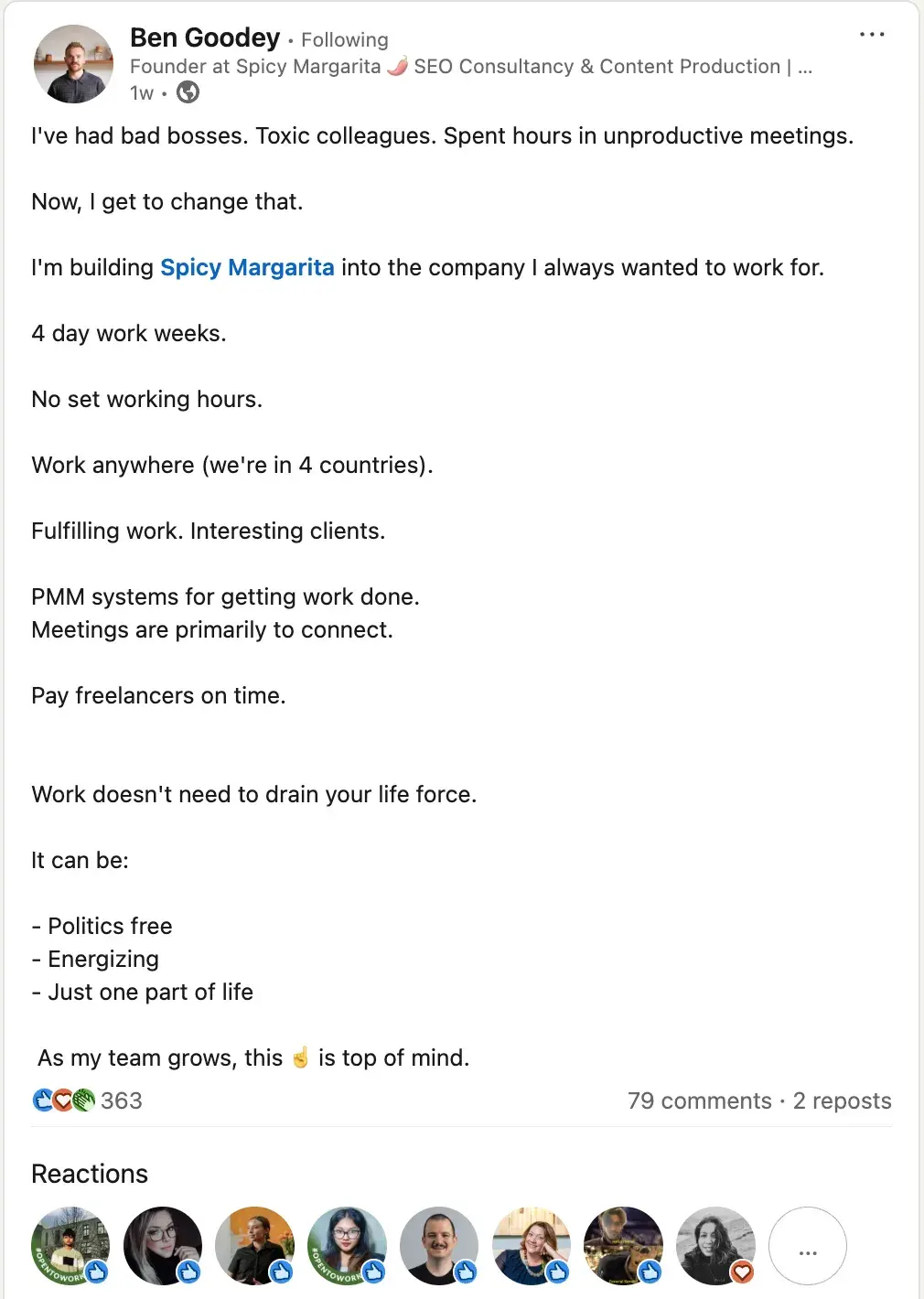
internet marketing content; an example of a linkedin post from ben goodey

Source

3. Content Marketing

Content marketing involves the creation and distribution of branded online content you can use to engage and attract both potential and existing customers. This can include social media, a company blog, training materials, video content, case studies or other industry related topics.

Blogging is definitely one of my favorites. It gives companies a great opportunity to share unique insights and showcase their personality — especially now that the internet is flooded with generic, low-quality content written by AI.

Here is an example from HubSpot. It features a lot of expert tips, which add credibility to the piece.
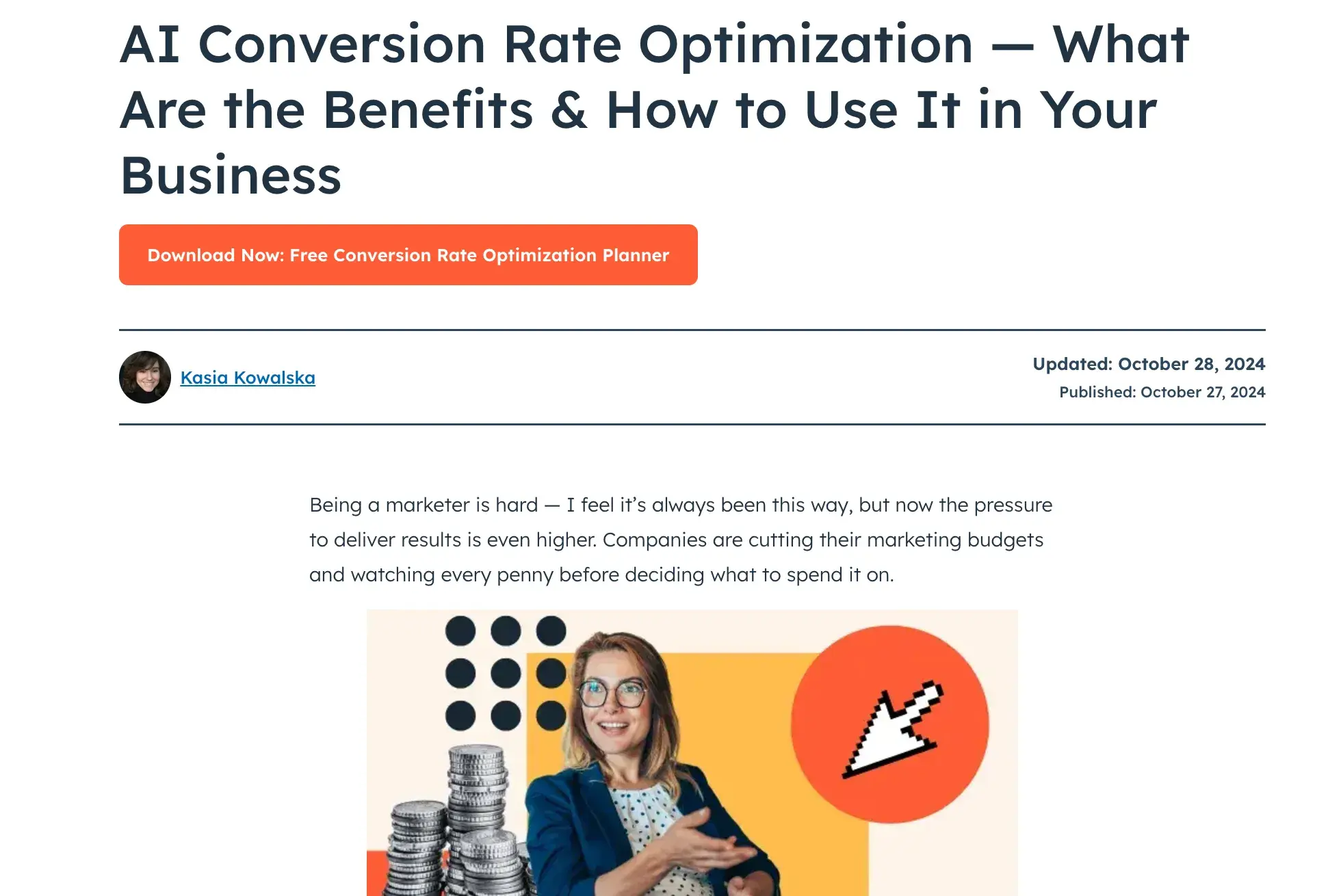
internet marketing; example of an expert article from the hubspot blog

The CMO at gifted.co, Elad Maoz, told me that content marketing has proven a very helpful tactic for them.

“By creating high-quality, audience-centric content, we’ve built trust and engagement with our target market. One strategy we implemented was a blog series on creative gifting ideas, paired with video tutorials on making personalized gift packages. We distributed this content through email campaigns and social media ads,” says Maoz.

The blog series generated a 35% increase in website traffic and boosted engagement rates on social media by 50% over two months.

“Content marketing works because it positions your brand as a helpful resource, fostering loyalty and encouraging users to share your content, amplifying your reach organically,” he adds.

4. Email Marketing

Email marketing is the process of targeting your audience and customers through email. It helps you boost conversions and revenue by providing subscribers and customers with valuable information to help them achieve their goals.

When customers share their email with your brand, you can use it to:

  • Send welcome emails to new customers.
  • Promote new blog content.
  • Introduce new products or services.
  • Send promotions and discounts.
  • Solicit feedback from customers about their experience with your brand.
  • Send abandoned cart notifications to boost sales.

You might be wondering if it’s still worth investing in email marketing (especially since there are so many social media platforms to post on). My short answer is – absolutely. Some of the world’s most popular newsletters see subscriber numbers in the seven-digit range. For example, The Pulse, one of New York Times’ flagship newsletters, exceeded 2.4 million subscribers in 2024.
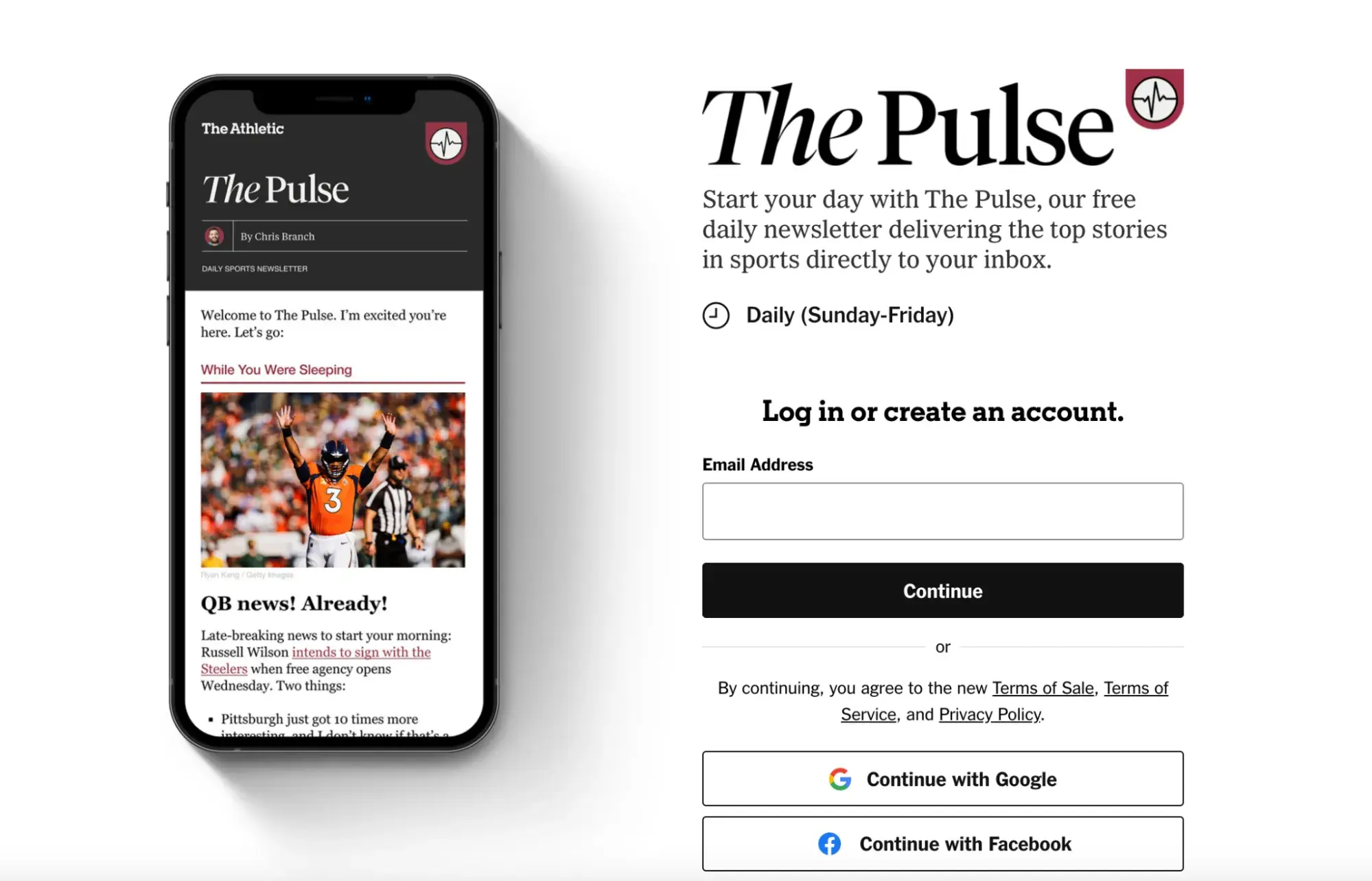
internet marketing; example of the pulse newsletter as an internet marketing content success story

Of course, the more niche your product, the fewer subscribers you’ll aim for. Yet, this example demonstrates that email marketing can still achieve outstanding success.

5. Pay-Per-Click Marketing

Pay-per-click, or PPC, is a form of advertising that allows you to pay a fee to have your website on the search engine result page (SERP) when someone types in specific keywords or phrases to the search engine.

The SERP will display the ads you create to direct visitors to your site, and the fee you pay is based on whether people click your ad.

For example, here are a couple of PPC ads that appeared in Google when I searched the phrase “newsletter tool.” Notice the “sponsored” tags and how these types of advertisements frequently take up all of the above-the-fold parts of the page.
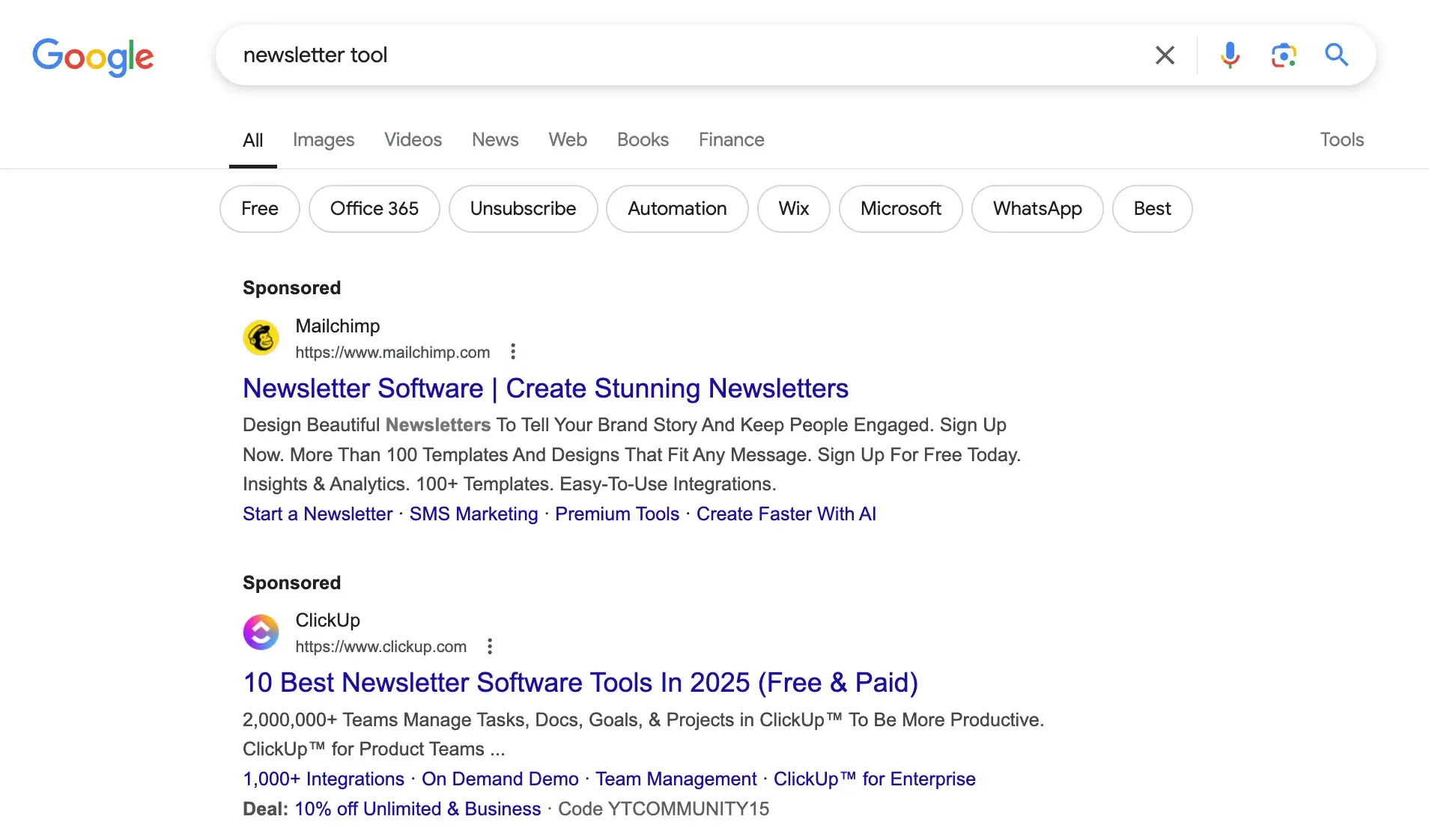
internet marketing; example of ppc ads for the phrase “newsletter tool” in google search

6. Influencer Marketing

Influencer marketing employs popular, niche content creators to improve brand awareness, increase traffic, and target messaging to a brand’s audience.

You can use influencers across multiple channels, including social media, blogs, digital and print ads, and television. It’s an effective marketing avenue because it uses word-of-mouth marketing and social proof, which are now critical aspects of any successful marketing strategy.

One of my favorite influencer marketing examples is Skin Unmasked, an Instagram profile run by Piotr Janicki MD, focusing on skin health and wellness. He has an engaged audience of viewers who turn to him not only for product recommendations but honest reviews and tips.

He’s also known for educating about the risks of myths and misleading product advertising. For more knowledge on these topics, he redirects readers to his blog and YouTube channel. This allows him to build an even more engaged community.

internet marketing; example of an influencer marketing profile on instagram

7. Affiliate Marketing

Affiliate marketing is a performance-based marketing tactic in which a retailer, typically an online one, rewards a website with a commission for each customer referred via the website’s promotional activities.

The “affiliate” or website only gets paid when their promotion of your product results in a sale. This method is similar to influencer marketing, but the pay structure is different.

For example, HubSpot’s affiliate program offers a 30% recurring commission for each customer an affiliate refers.

What’s the role of internet marketing?

Simply put, the role of internet marketing is to help your business reach, attract, and convert online audiences.

Acquiring skills through digital marketing courses can be a significant step to mastering the methods necessary to achieve these objectives.

Let‘s dive into two separate goals you’ll have with internet marketing, as well as the necessary methods you’ll want to take to achieve those goals.

Goal 1: Internet Marketing to Attract New Customers

96% of shoppers use the internet for research before making purchasing decisions, so it’s important to pay attention to where your brand can be discovered (and how it’s perceived) online.

There are plenty of tactics you can use for this, like the following:

  • Paid social media ads. Which channels you choose largely depends on whether you’re in B2B or B2C. I once worked for a company that offered a digital product for business-to-business clients, so our marketing team assumed that running LinkedIn ads would bring the highest ROI. We also simultaneously ran paid campaigns on Facebook. To our surprise, the latter channel turned out to be the most effective, bringing in the best quality leads at the best price.
  • SEO. Optimizing your site for specific keywords will increase your chances of being discovered by prospects. Just make sure your content provides value to your target audience on top of being SEO optimized.
  • Partnering up with influencers. In order for this to work, you’ll need to run some preliminary research. Ask yourself, “What types of accounts does my ideal customer follow?” Then, research influencers (whether on social media, YouTube, or both) in your niche.

Pro tip: Before you reach out to an influencer with a collab proposal, I highly recommend checking if they have high engagement on their posts and videos.

This is even more important than the number of followers (the classic case of “quality over quantity”). How can these people help you promote your brand?

There are plenty of ways from anything as simple as sharing images of your products to recording a video showing the “before/after” complemented with a discount code for the influencers’ community.

  • Website design. While website design doesn’t attract new customers, per se, it affects how your brand is perceived. If the design is clunky, information is hard to find, and the site is slow, it might discourage visitors from exploring your website and surely won’t result in conversion.

Goal 2: Internet Marketing to Cultivate Brand Loyalists

Internet marketing is for more than “just” attracting new customers — it’s also critical for turning them into long-time clients. You can use the channels I mentioned above and a few others, but apply different tactics.

Here are a few methods I recommend giving a try:

  • Email marketing. This is a pretty broad category. It covers both wide-scale campaigns like informing all of your clients about a cross-site sale and personalized messages for individual customers.

One of my favorite examples of the latter is sending over a Happy Birthday message along with a special discount code that can be redeemed within a month or so.

With such a tactic, you don’t pressure your clients into buying while the promo code lasts and give them the option to get their favorite product or service at a special rate.

Pro tip: Of course, to reap the benefits of email marketing, you need to build and properly set up an email list. Here’s how to build an email list from scratch.

  • Social media. You might use social media to showcase your brand’s personality and hear directly from your customers. Consider hosting a chat on X, posting surveys on Instagram, or creating fun contests on Facebook.

Always reply to every comment your clients or prospects post — especially negative ones. If you don’t feel like you have the bandwidth to create all social media content internally, consider using a third-party service like UpContent, which sends you compelling, curated content that you can share with your audiences for increased engagement.

  • Loyalty programs. According to Emarsys, loyalty program usage went up by 28% in 2024. Given how much customers love personalized rewards and incentives, this is hardly surprising. I do need to say here, though, that you shouldn’t create a program unless you can genuinely follow through and offer attractive deals.

If you’re looking for inspiration, I recommend checking out the loyalty program at wellness brand Rituals. I’ve been shopping there every two or three months for about a year or so.

The first time I visited a brick-and-mortar location, I was asked if I wanted to sign up as a member, to which I agreed. Now, every time I go in to stock up on my favorite items, I am surprised either with a freebie (like hand cream) or a discount.

Just the other day, I was given a $5 discount upon checking out – a pretty nice touch, if you ask me!

Internet Marketing vs. Content Marketing

Content marketing and internet marketing are incredibly similar strategies used to attract leads and prospects to your site, and ultimately convert web traffic into customers. However, there are a few slight differences between the two.

Content marketing lives under the roof of online/internet marketing — which means online/internet marketing is the more broad, overarching strategy, and content marketing is one process within that strategy.

  • Content marketing applies only to the process of creating and distributing content to reach audiences.
  • Online marketing encompasses sharing that content through email, search engines, and social media — it also includes paid advertising, retargeting, and a wide range of strategies you might use to reach audiences online.

While most of the strategies that fall under online marketing have to do with content creation, online marketing also pertains to the non-content creation tasks of internet marketing such as PPC bidding, or website design.
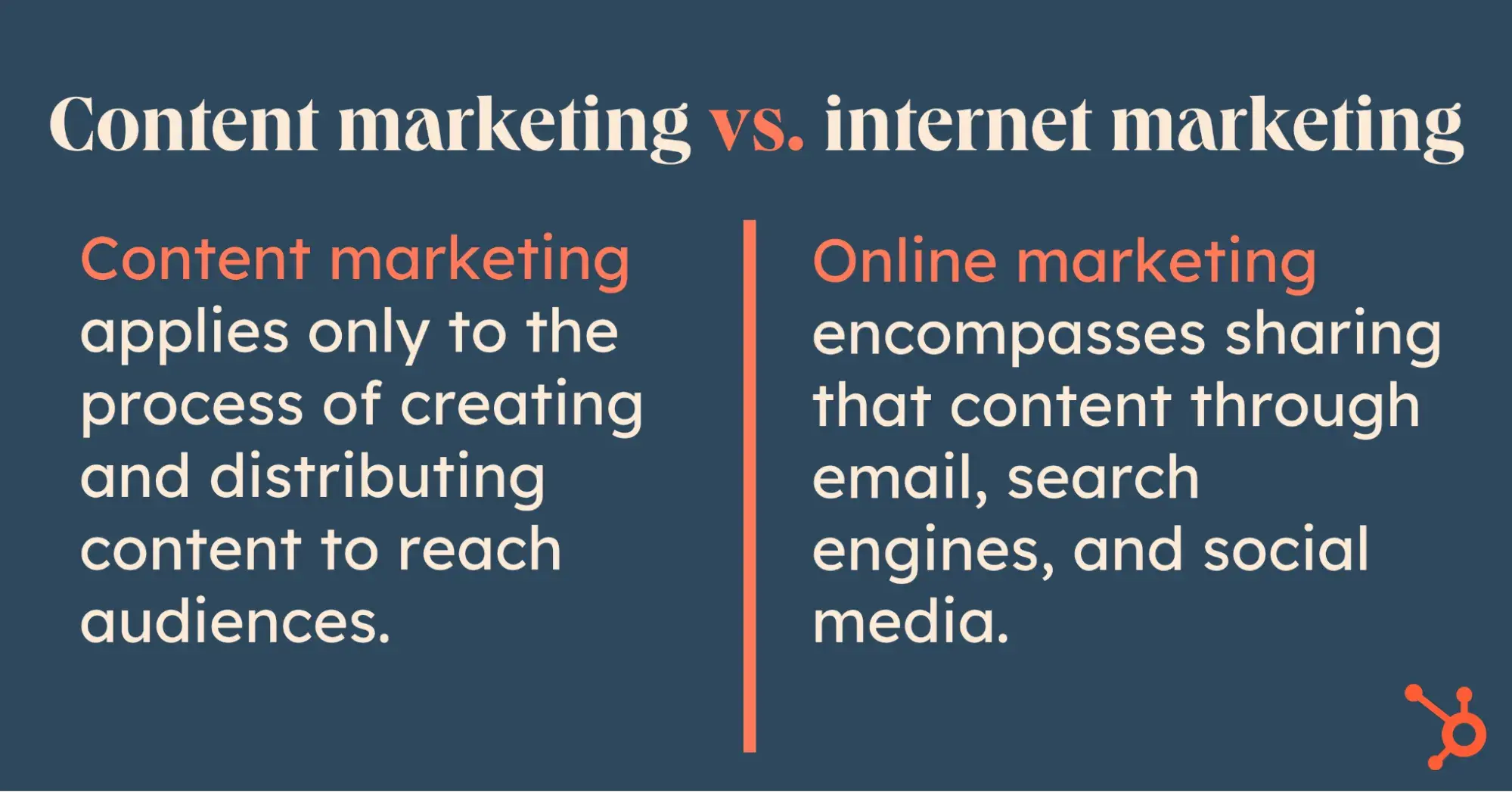
internet marketing vs. content marketing

Here are 16 strategies you‘ll want to employ to ensure you’re successful at internet marketing.

1. Lean into short-form video content.

According to HubSpot’s 2025 State of Marketing report, not only is short-form video one of the most popular trends among marketers, but it’s also the most effective with an ROI of 21%.

Short-form video is expected to continue its growth trajectory, as visual storytelling is overtaking text-heavy content formats.

With the enduring popularity of TikTok, audiences are gravitating more and more toward short-form videos. Short-form videos continue to be the norm as Instagram and YouTube push similar short-form video features such as Reels and Shorts, respectively.

2. Post videos on YouTube or other social networks.

Video marketing is an undeniably powerful opportunity to reach new audiences and convert leads into customers.

In my opinion, saying that it’s currently “on the rise” would be an understatement. The average user spends 29 hours in the YouTube mobile app alone. In fact, 88% of video marketers say video has helped them generate leads, and 87% of people say that they‘ve been convinced to buy a product or service by watching a brand’s video.

Convinced yet? If not, simply consider the fact that YouTube is used by 52% of video marketers — which means, even if you’re not posting videos on the channel, your competitors possibly are. Half of the marketers who use YouTube also report that it provides the highest ROI of all social marketing channels.

You’ll want to diversify the type(s) of content you produce to attract audiences who prefer video over text, or YouTube over X.

Consider how you might implement your own video strategy to reach and convert new audiences. If you‘re not sure where to start, check out HubSpot’s guide on YouTube marketing.

3. Keep TikTok in mind.

TikTok’s popularity isn’t expected to wane anytime soon. While Facebook, Instagram, and YouTube have the highest ROI for B2B businesses, TikTok is quickly becoming the app to invest in.

In our 2025 State of Marketing report, we found that Facebook, TikTok, and YouTube will remain strong for both B2B and B2C brands. B2B marketers (14%) plan to invest more in LinkedIn, and B2C marketers (10%) in TikTok, reflecting how shoppers research new products and services personally and professionally.

4. Find influencers to work with your brand.

I‘m currently wearing a watch I found on Amazon. I’m sitting on a couch from Wayfair, with a candle from Anthropology on the table in front of me. Where did I hear about all these products? Influencers.

In 2024, 24% of marketers reported using influencer marketing surveyed for our 2025 State of Marketing report said they are seeing the highest ROI from influencers on 1) Facebook (28%), 2) Instagram (22%), and 3) YouTube (12%), and brands most commonly spend 50-74% of

their marketing budget on influencers or content creators.

The best part is you can use influencer marketing effectively with short-form video, and take advantage of these two top ROI trends at the same time!

On top of all that, our consumer trends survey shows that 27% of Gen Zers have bought a product based on an influencer’s recommendation in the past three months. And when they’re making purchase decisions, Gen Z says influencer recommendations are more important than recs from their friends and family.

Social media influencers have cultivated strong, meaningful relationships with their followers. Their followers typically trust them to provide true, reliable guidance on a range of topics related to the influencers’ expertise. This is why influencer marketing can be an effective opportunity to spread brand awareness to new audiences.

If you think influencer marketing could be a good choice for your business, consider micro-influencers as a more effective (and oftentimes more cost-efficient) option. Micro-influencers often experience higher engagement rates than mega-influencers.

We found that 62% of the influencers who inspired social media users to buy had under 10,000 followers, and 25% had even fewer – under 1,000.

Naturally, it can be expensive and time-consuming to find the right influencer(s) for your brand. If you’re going to invest in the strategy, consider working with the same few influencers for the long-term — which enables your company to build stronger relationships with their social followers.
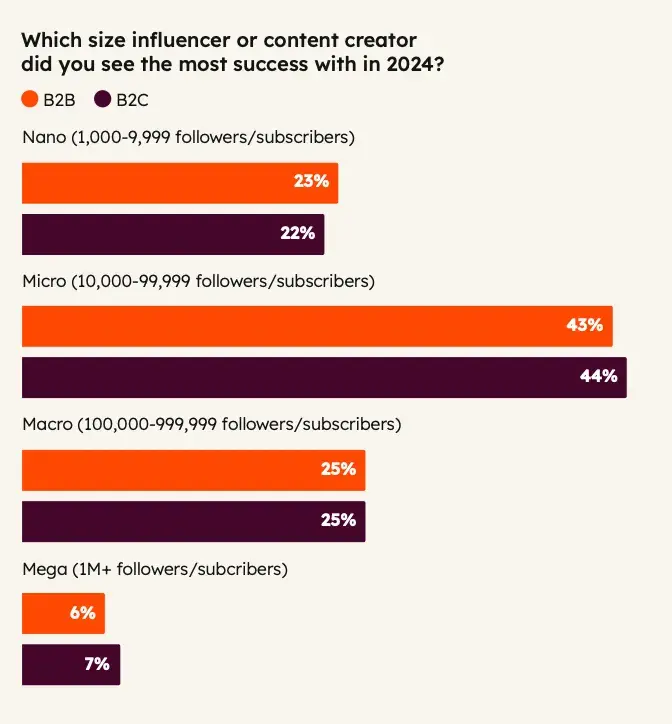
internet marketing, chart of influencer sizes

Source

5. Humanize your brand using brand values.

AI has taken the internet by storm, swamping it with generic, meaningless content. While generative AI has many advantages, 60% of marketers using it for content worry it might hurt their brand.

Concerns include bias, plagiarism, or content that doesn’t match the brand’s values. This is a valid concern as content reflecting brand values has an ROI of 13%, which is the second highest after short-form videos.

Iñigo Rivero — former strategy and partnership manager at TikTok and founder and managing director at TikTok marketing agency House Of Marketers — agrees that brands should invest in their image.

“Success in internet marketing begins with authenticity. In my experience, creating content that tells a story or offers value draws people in naturally,” Rivero says.

He explained to me that it’s not “just” about promoting a product or service: companies should try to position themselves as problem-solvers. It’s about understanding your audience and connecting with them.

Rivero adds: “As I often say, ‘Marketing isn’t about selling; it’s about connecting and building relationships.’ When you listen to your audience and meet their needs, you foster loyalty that lasts.”

6. Repurpose content across various channels.

Repurposing content means re-using your existing content and presenting it in a fresh format that extends its lifespan and audience reach. Today, it’s one of the top AI use cases among marketers.

Examples of repurposing content include:

  • Sharing old blog posts you’ve updated with new information, fresh data, and video content (Hint: The piece you’re currently reading is an update).
  • Using video clips of podcast recordings sessions on Instagram to create intrigue and excitement over an upcoming episode.

If you’d like to learn more about repurposing content, here are 20 methods you should know about.

7. Invest in permanent social media content.

Permanent social media content is content that won’t disappear after a set amount of time, unlike Instagram Stories or SnapChat photos and videos.

A lot of the “disappearing” content you create might be simply too valuable to have it disappear within a few hours or a day. Luckily, you can now save Instagram Stories and pin them permanently to your company’s profile. Alternatively, you can create Reels, which are a permanent post by default.

8. Design a user-friendly website.

First, you want to create a user-friendly, and mobile-friendly, website. The design of your site will showcase your brand‘s personality and differentiate your business from every other online business. But it’s more than just looking good — a cleaner, more well-organized site structure can affect how you rank in the SERPS.

For help designing your website or ensuring it’s up-to-par, check out 8 Guidelines for Exceptional Web Design, Usability, and User Experience.

9. Optimize your site for search engines.

Next, you‘ll need to keyword optimize your site for search engines. Essentially, this means you’ll choose keyword(s) that relate to your business, and incorporate those keywords into the URL, body text, image text, headers, and navigation bar.

For tips on keyword optimizing your entire site, check out On-Page SEO 101: Tips for Keyword Optimizing the Most Critical Parts of Your Website.

If you’re interested in focusing on keyword optimizing your blog posts, consider reading Blog SEO: How to Search Engine Optimize Your Blog Content.

For a real-life example on how to successfully implement SEO into your digital marketing strategy, check out our case study on Canva.

10. Use email marketing or opt-in email campaigns.

Email marketing and opt-in marketing campaigns are one of the most effective long-term strategies to connect with potential customers and cultivate brand loyalty.

For everything from getting started with email marketing, to email marketing best practices and lead magnets, check out The Ultimate Guide to Email Marketing.

11. Write online press releases.

Writing online press releases is an additional way to increase online coverage of your business from other sources, which will also positively affect your ranking in the SERPs. Plus, if a local news outlet covers your business, you’ll receive their audience, which you otherwise might not have reached.

To get started writing a press release for your business, consider How to Write a Press Release [Free Press Release Template + Example].

12. Create a blog.

I might be biased, but blogging is one of the best ways to attract a large audience to your site, establish your business as a thought leader in your industry, and prove your brand to be both useful and current.

Writing blog posts is especially effective for providing different opportunities to land on page one of search engines — for instance, maybe your eyeglass store’s website is on page three of Google for “eyeglasses,” but your “Best Sunglasses of 2025” blog post is on page one, pulling in an impressive amount of traffic (over time, that blog post could also boost your overall website to page one).

To learn everything from choosing a domain name to writing your first blog post, check out How to Start a Blog: A Step-by-Step Guide [+ Free Blog Post Templates].

13. Develop social media contests and campaigns.

Social media contests and campaigns are exceptional opportunities to engage with your online audience, form relationships with customers, and learn about your buyer’s persona.

For an overarching compilation on everything you need to know about social media campaigns — from how to craft perfect posts on Facebook to the most shared phrases on LinkedIn — take a look at Everything You Need to Know about Social Media Campaigns.

14. Leverage pay-per-click (PPC) advertising.

Pay-per-click advertising, or PPC, is an advertising model in which advertisers only pay when someone interacts with their ad through impressions or clicks.

PPC is most commonly used on search engines, and can help your business appear for searches related to your products or services. This is particularly important for more competitive keywords, when it’s difficult to rank on page one against websites with higher domain authority.

Cache Merrill, founder of Zibtek, told me that the company had great success running retargeting campaigns through PPC social media and search engine campaigns. They used it to promote a free downloadable guide on software development best practices.

“By promoting the guide through these ad types, we attracted thousands of leads. Then, we used remarketing ads to re-engage users who didn’t initially convert.” Merrill said that this PPC campaign boosted conversions by 40% and reduced Zibtek’s cost per lead by 25%.

It‘s important to note that PPC doesn’t replace your SEO strategy: it simply complements it.

For instance, if you‘re trying to rank for “website builder,” you’ll see the keyword difficulty is “super hard (95),” according to Ahrefs. However, there are some long-form keywords you might have success ranking for, including “what is a website builder? (52)” or “best website builders for ecommerce (57).”

If you do want to target “website builders,” you’ll want to bid for an ad and use PPC to stand out against competitors.

15. Optimize your site for conversions.

Okay, you got readers to your blog or homepage … now what?

Ultimately, you’ll want to invest in resources for conversion rate optimization (CRO). If you don’t, you risk not being able to convert any of your traffic into qualified leads and, ultimately, customers.

There are four areas of your website that can benefit from CRO: the homepage, pricing page, blog, and landing pages.

Within a blog, a CRO strategy might include adding relevant calls-to-action throughout the text, or inviting readers to submit their emails in exchange for an ebook. On a pricing page, a CRO strategy might include a slide-out that invites viewers to book time with a sales rep or watch a demo.

Optimizing your site for conversions is a critical component of any strong internet marketing strategy.

16. Create a Facebook group.

A Facebook group — unlike a Facebook page — is an exclusive, private group that enables you to facilitate a sense of community surrounding your brand.

A Facebook group isn’t a necessity for every business, but when done properly, it can go a long way towards creating a stronger relationship between you and your customers. Best of all, it can help foster connections between your customers.

Since having a strong community can help you build brand loyalty, it‘s important to seek out unique opportunities to engage directly with your customers. If a Facebook group doesn’t seem like a good fit for your business, however, there are other ways to create a sense of community — including via social media, or through a branded newsletter.

Finally, take a look at our Essential Step-by-Step Guide to Internet Marketing to dive deeper into the six essential steps of internet marketing.

There are many different methods to online marketing you can try to boost engagement for your brand. Here are ten that I recommend.

1. Repurpose your high-quality internet marketing content across multiple channels.

Like I said earlier, repurposing your content simply means reusing content you already have but in a fresh format. That reaction video you created on TikTok could be repurposed as a Reel on Instagram. If you change the caption on Reels, you can use the video to react to something else.

2. Lean into permanent social media content that doesn’t have a time limit.

Examples of permanent social media content include X posts, YouTube videos, and TikTok videos. Content such as Instagram stories are not permanent and disappear after a period of time.

3. Choose the right keywords and optimize your site for search.

Using keywords helps search engines, especially Google, categorize your content and ensure it reaches the right audience. It also helps your target audience find your website and services.

To optimize your site with the right keywords, use applications like Ahrefs that are designed to help you find the right keywords your audience is searching for.

4. Create a mobile-optimized site.

There are many ways to better optimize your website for mobile users, such as compressing images to reduce page load time, mapping your customers’ journey, or creating a mobile app.

5. Publish blog posts regularly.

Blogging consistently has many benefits. It keeps your website up to date with fresh content, maintaining the interest of your audience. It’s also an effective way to get your website to pop up on the first page of search engines. The more you post, the more content you’ll have for the search engine to rank.

6. Conduct email marketing campaigns.

In our recent survey to predict marketing trends, we found that email marketing is still a helpful approach to marketing your business online. According to our survey, the three most effective email marketing strategies are subscriber segmentation, message personalization, and email automation campaigns.

7. Encourage conversation on social media accounts.

Social media is the place where connections are made and conversations happen. Social media users don’t want to just interact with brands, they want to see the humanity behind the big name and logo.

A great way to create meaningful connections with the humans that make up your audience is to facilitate conversations.

8. Publish online press releases.

Like blogging, publishing online press releases will increase your presence on search engines and raise awareness of your brand. When writing press releases, remember to answer the “who,” “what,” “where,” and “why” of your brand. And make sure to use simple, understandable language as well as a quote.

9. Cultivate paid social media campaigns.

The idea of paying for advertising may seem a bit daunting, but paid social media advertising is one of the least expensive types of advertising. Paid social media ads can start as low as one dollar thanks to the bidding model and lottery system some platforms use to push ads to users’ news feeds and timelines.

Platforms that allow for paid advertisements are:

  • Facebook
  • X
  • Instagram
  • TikTok

10. Leverage pay-per-click advertising for competitive keywords.

Pay-per-click advertising (PPC) and SEO go hand-in-hand like peanut butter and jelly. Optimizing your website for keywords can definitely help your brand appear at the top of search engine results pages.

However, it requires patience, and you may not see results for weeks or months if you’re optimizing for highly competitive words.

But by leveraging PPC, you’ll be able to stand out among competitors by bidding for an ad.

11. Post videos on YouTube or other social channels.

YouTube is the second largest search engine on the internet, with the United States making for its second biggest audience in the world (with 238 million users). So, you can bet your prospects and customers frequently visits the site.

When creating content for YouTube, be sure to diversify your content in order to attract audiences who prefer video over text. You’ll also want to research keywords you can optimize your content for and use in your video’s title, description, and tags.

12. Work with micro-influencers to reach new audiences.

On apps like TikTok, brands are still struggling to find their place. However, influencer marketing has proven to be a helpful tool in helping brands elevate their online presence and find their target audience.

Businesses are seeing the most success with smaller, niche influencers. In fact, 47% of marketers report positive results from micro-influencer partnerships.

These influencers provide access to highly engaged, loyal audiences at a more affordable cost.

Maris Laatre, the CMO at Bully Max, finds this tactic especially effective. She said they partnered with a popular dog trainer and pet influencer who shared their positive experience using Bully Max’s products.

“As a result, our website traffic increased by 20% and we saw a 13% boost in product sales within a few weeks. Influencer marketing humanizes our brand and connects us directly with dog owners, creating stronger engagement and building lasting relationships with our audience,” says Laatre.

Online Marketing Examples

There are hundreds, if not thousands, of online marketing examples to inspire your next internet marketing campaign.

Here, I‘ll dive into real world examples of social media, email, SEO, and website marketing methods. I’ll also include links to additional blog resources at the bottom, for even more exceptional ideas.

1. Social Media: #TheFaceof10 from Dove

In 2024, Dove launched an educational campaign to raise awareness about the societal pressure young girls face to look a certain way. The campaign highlighted the troubling trend of young girls adopting multi-step skincare routines to maintain youthfulness and glow.

To combat this, Dove invited numerous influencers, dermatologists, and academic experts to help promote a healthier self-image among youngsters, with even Drew Barrymore supporting the initiative.

The campaign was focused mainly on social media, especially TikTok, where influencers shared videos showing what a child’s face should look like– bright and playful, decorated with colorful tints, glitter, and stickers, not retinol.

internet marketing; an example of a social media campaign from dove

Source

A TikTok video posted by Drew Barrymore putting glitter on her face was liked by 27k and got 396 comments – pretty impressive!

internet marketing; a tiktok video from drew barrymore as part of the dove campaign

Source

2. Social Media: Patagonia’s “Buy Less, Demand More” Campaign

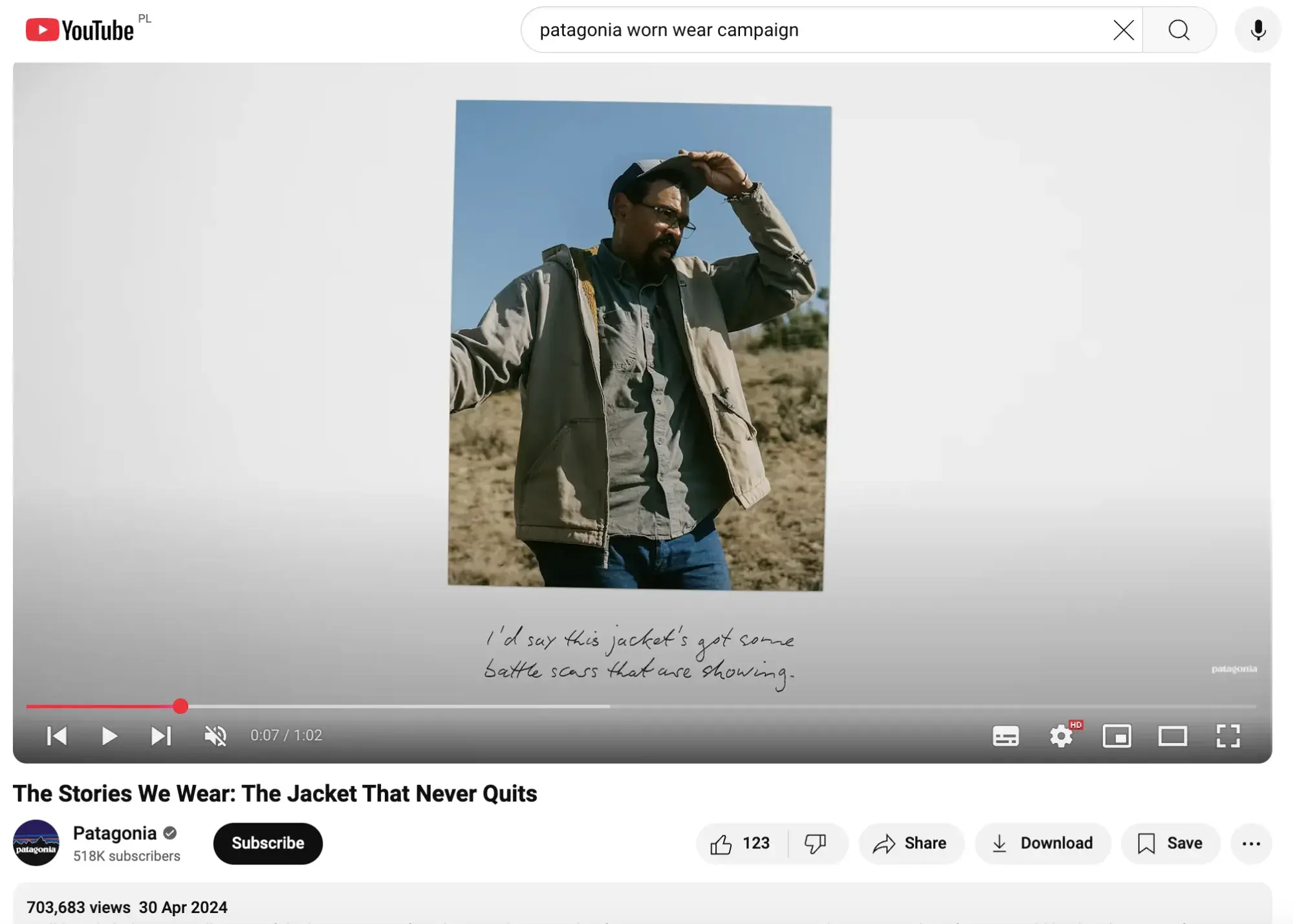
One of the boldest campaigns I’ve seen in 2024 was one from outdoor wear and gear brand Patagonia. The company, which has always communicated its dedication to sustainability and eco-consciousness, decided to launch a series of Instagram and YouTube videos and posts with the #WornWear tag.
internet marketing; a youtube video telling the story of patagonia client and farmer, jesse smith

The message Patagonia wanted to convey was that not every piece of worn-out garment needed to be tossed into the garbage bin. Instead, they wanted to spread awareness on how to care for (and, when the time comes, repurpose) their favorite clothing.

For this purpose, they partnered up with sports people, activists, farmers, and other real-life Patagonia clients who shared their stories and how the company’s apparel accompanied them in their daily lives.

Each of the videos released to YouTube garnered hundreds of thousands of viewers, with some even exceeding 1M.

I personally think that this campaign is more than “just” an example of how to promote your brand online to the right customer.

Back in 2023. Patagonia was accused of producing their garments in the very same locations as fast-fashion brands, so it’s also a good case study of how a brand can recoup from a reputational crisis.

3. Email: Expedia

Companies often use email marketing to re-engage past customers, but a “Where’d You Go? Want To Buy This?” message can come across as aggressive, and you want to be careful with your wording to cultivate a long-term email subscriber.

This is why Expedia’s New Year promo re-engagement email works so well — it gets straight to the point by mentioning its “Big January Sale” in the email tagline, while simultaneously reminding an old email subscriber (and client of theirs) that they might want to check out some of the discounted deals for travels well into the following autumn.

internet marketing; example of a promotional email from expedia

4. SEO & Expert-Driven Content: Databox

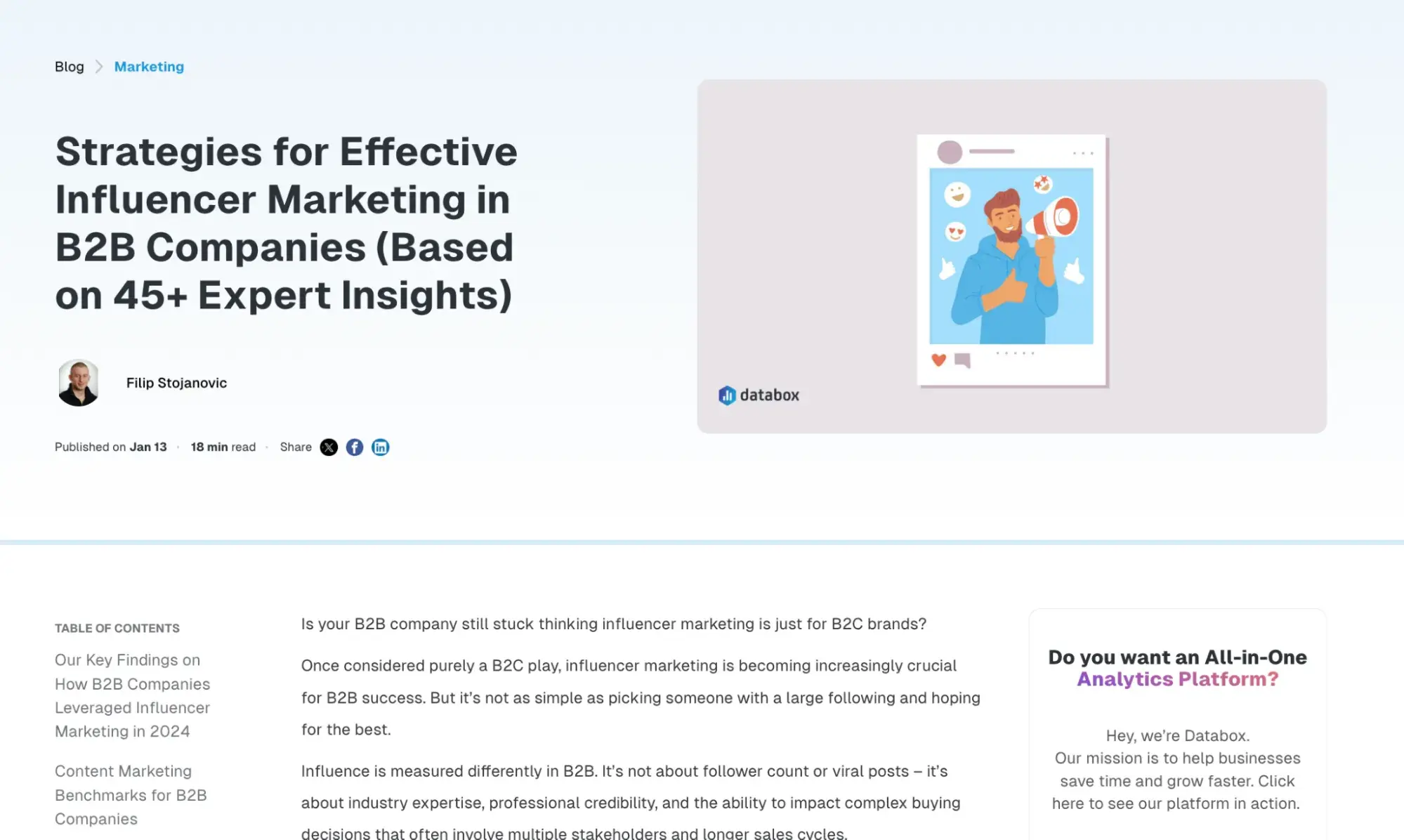
Databox was one of the pioneers of expert-driven content. They’ve been creating expert roundups at least since 2018, when I used to regularly submit answers to their article roundups.

They created SEO articles packed with tips and advice from subject matter experts – the screen below is an example of a piece where 45 experts shared their take on a topic.
internet marketing content; an example of an expert article published by databox

Source

With this type of internet marketing content, there are at least two benefits.

Firstly, you please search engines, which are now prioritizing unique articles that share first-hand experiences. Secondly, if you feature tens of experts, you can also ask them to share the piece on their social profiles to grow your organic reach.

This is the type of approach I myself use when writing content.

5. Web Design: AccessAble

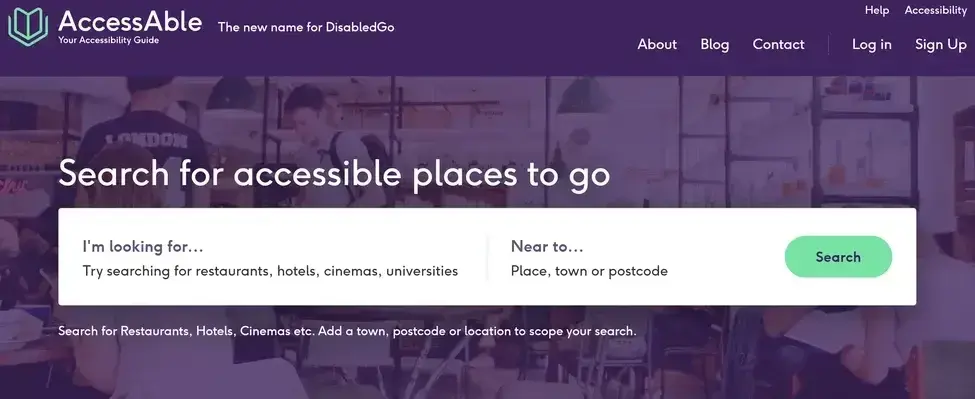
AccessAble, an information provider for people with disabilities in the UK and Ireland, hired Agency51 to implement an SEO migration strategy to move AccessAble from an old platform to a new one.

By applying 301 redirects to old URLS, transferring metadata, setting up Google webmaster tools, and creating a new sitemap, Agency 51 was able to successfully transfer AccessAble to a new platform while keeping their previous SEO power alive.

Additionally, they were able to boost visitor numbers by 21% year over year, and the site restructuring allowed AccessAble to rank higher than competitors. Their case study is available on SingleGrain.com.
accessible homepage example

Source

More Internet Marketing Examples:

Whether you’re a seasoned marketer, or just starting out, there are plenty of tools available to help build your brand’s audience, including:
1. Marketing Hub by HubSpot

marketing hub homepage

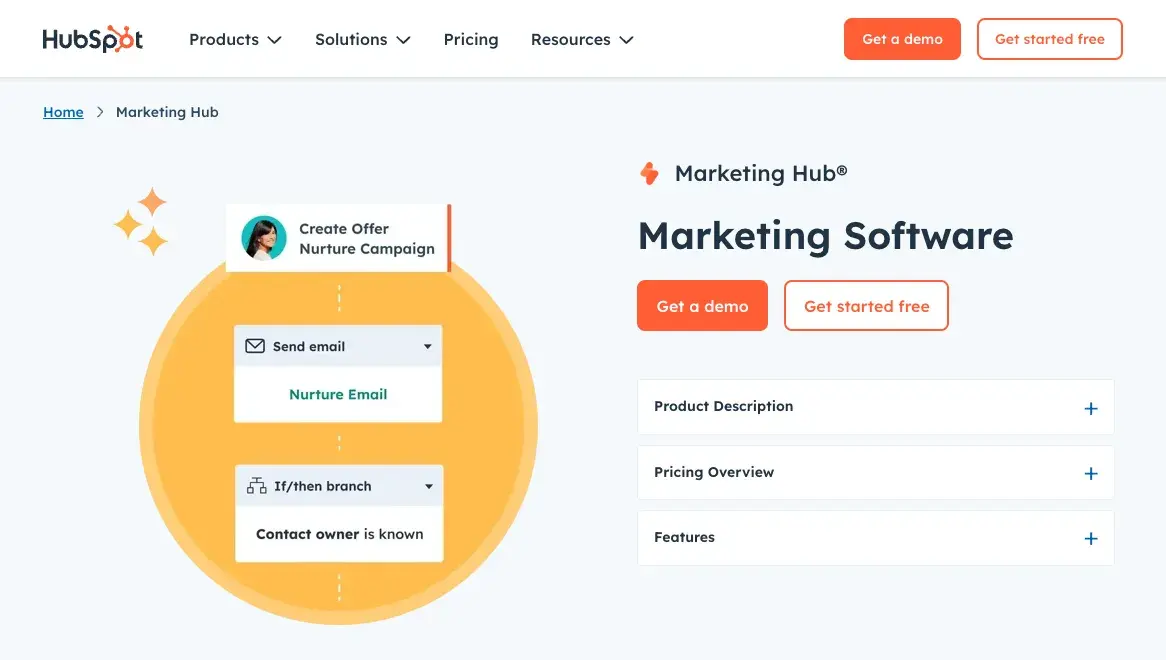
Since marketers are arguably now managing more channels (and campaigns) than ever before, they need a solution that’s quick and intuitive to use.

Marketing Hub is our AI-powered solution that uses our Smart CRM feature to bring all your customer insights together into one view. It helps you grow your company’s reach, capture leads, and grow your contact list. These can be used (you’ve guessed it) to nurture your prospects – whether through engaging newsletter content, free assets, or any other tactic of your choice.

Also, with its automation capabilities, Marketing Hub can make it much easier to reach out to your leads and customers at the perfect moment.

2. Buzzsumo

I love Buzzsumo because it can help you analyze what content performs best for any topic or competitor. Buzzsumo can report important metrics such as social shares, backlinks, and which influencers are sharing certain pieces of content.

You can also find influencer reports that give insight if you’re looking for a micro-influencer to promote your brand.

3. Canva

Canva makes designing infographics and materials for print, blogs, and social media simple, even if you don’t have much experience with graphic design. Its user interface is easy to navigate and includes thousands of customizable templates you can redesign to fit your brand’s aesthetic.

4. GTMetrix

This application tests your website’s performance, particularly its speed. If your website takes too long to load, you run the risk of deterring potential customers or clients from your brand. With GTMetrix, you can measure how long your website takes to load and what areas of performance need to be improved.

5. Ahrefs

Ahrefs is my favorite tool for finding the right keywords for optimizing my content. They offer tools for tracking keyword performance, analyzing your competitor’s keywords, web traffic, and more.

One of my favorite features has been the “content gap” tool, which shows the keywords our competitors rank for that we don’t.

6. Buffer

Posting multiple pieces of content across several different platforms can be overwhelming. Fortunately, applications like Buffer allow you to draft and schedule posts across multiple social media channels, such as Facebook, Instagram, Twitter, and Pinterest.

Furthermore, Buffer also offers social media reporting and functionality monitoring so you can track how your content is performing.

7. Facebook Insights

When I was a journalist, Facebook Insights played a key role in tracking how my articles performed. With a Facebook Insights dashboard, you’ll be able track user behavior and post performance on your Facebook Business Page.

This tool also reports important metrics like page views and post reach for paid and organic posts. It even recommends competitor pages to monitor.

8. SocialRank

SocialRank is an online tool that helps you manage your followers on X and Instagram. SocialRank offers a range of filters to better analyze your follower count. It can also search for new followers, get leads, and more.

9. Trello

As your business grows, so will its output and the projects it takes on. Therefore you’re going to need a tool like Trello that will help you manage it all.

With Trello, a project management tool, you can put all your team’s projects in one customizable space that can grow as your company grows. You can use Trello to conduct growth experiments, sales pipelines, and product feature road maps.

10. Crazy Egg

Crazy Egg is a website optimization software that offers A/B testing, heat mapping, and usability testing tools. We love its A/B testing tool because it allows you to test variations of every page on your website. All you have to do is copy one snippet of code to the pages you want to test.

You don’t need coding experience to use Crazy Egg, as the software is user-friendly for marketers at all levels.

11. Google Keywords Planner

If you struggle with finding the best keywords for your website, Google Keywords Planner is an excellent tool for you.

By putting in one keyword, multiple keywords, or even your website address into Keyword Planner, Google will show a list of related keywords along with simple metrics.

These metrics will gauge the competition around each keyword and how many searches it gets on both a global and local search level.

The Best Internet Marketing Content Strategies Add Value

As you can tell from this post, there are tons of internet marketing content strategies to choose from. Naturally, you shouldn’t aim to use all of them.

From my experience, it’s best to focus on the ones that work best for your business, given its size, the industry you’re in, and – ultimately – what your customers react to best.

This calls for a lot of experimentation, but will be well worth the effort. Whichever tactics you choose, just make sure they always add value not only for your business, but also your target audience.

Editor’s note: This post was originally published in August 2018 and has been updated for comprehensiveness.


Categories B2B

How Our Events Team Saved Thousands using AI for INBOUND ’24

When HubSpot’s Global Events Team had its first kickoff planning session for INBOUND 2024, they weren’t sure about the creative direction they’d take.

One thing was clear though: Given how huge AI has become in the last few years, they knew they’d incorporate it somehow.

I connected with the team to learn more about the important role AI played in pre-production – from creating eye-catching visuals with Midjourney to targeted agendas with Claude.

Download Now: The Annual State of Artificial Intelligence in 2024 [Free Report]

Creating Fresh Interstitials

Prior to INBOUND 2024, the team kept the onsite interstitials pretty consistent year-over-year, sticking to static visual imagery and light animation.

It was time for a change.

Instead of graphics that would disappear into the background, they wanted to create interstitals attendees would want to engage with.

“This year, AI has been big, and we got an intro to Midjourney and the work that Eduardo had been doing with the tool,” said Sav Aaver, former HubSpot production manager who led the collaboration. “We decided to look into that to add more interest to our screens, create a new element so people have something to look at that sparks conversation, if they’re sitting and waiting and working between sessions.”

The Global Events team tapped Eduardo Garcia-Lopez, a lead designer on HubSpot’s Visual Design team, to oversee the production of fresh interstitials with AI – leveraging Midjourney, Topaz and Runway.

HubSpot Video

They weren’t trying to create something net new, he says, but they wanted to push their branding.

“We didn‘t want it to feel like, ‘Oh yeah, this is very on the brand. It’s exactly what we would expect,’” Garcia-Lopez said. “We wanted to explore, because AI gives us these possibilities – you can take it anywhere you want but still maintain the same style of the brand.”

After some brainstorming, they settled on three themes:

  • An umbrella theme for INBOUND, which was very abstract and closely tied to the HubSpot brand.
  • An extended brand for each stage.
  • A third, surreal, abstract city theme
HubSpot Video

The Creative Process with AI

From start to finish, it took the team roughly a month and a half to generate 28 final videos, with 14 minutes of run time adapted for seven screen types at the venue.

Starting with a baseline of shapes, gradients and colors that have always been the foundation for INBOUND graphics, Garcia-Lopez fed those initial images to Midjourney.

inbound shapes

That allowed him to generate initial ideas and options to present to the Global Events team.

With AI, the person doing the prompting becomes the director, he says.

“You‘re telling the AI. ‘Here’s my vision. Now, go out and do that,’” he says, “It takes a while, but if you compare that to a team, you still need somebody to drive the vision.”

Once both teams agreed on the final 2D images for each stage and location, Garcia-Lopez headed to Runway for mini video shorts and animation.

inbound Main Stage

“It took me roughly two days to create the Boston mini paper city, generating all the flat images and creating a storyboard, going into Runway and animating all of them,” he says. “Then, I went into Adobe Premiere to edit the whole thing.”

He also used Topaz, an AI editing software that enhances the quality of AI videos. 

I wondered, how much would it cost if the team worked with a vendor to create these assets the old fashioned way. 

Garcia-Lopez estimates requesting a 30-second clip would take at least two weeks and thousands of dollars.

That said, Midjourney wasn’t exempt from the oddities that happen when you use AI to mimic reality.

“What I presented to the team was the most presentable, the cleanest options, but behind the curtains, there were many generations that were not coming out well,” Garcia-Lopez says. “It was very choppy. You would have something weird happen – buses going into each other, buses running into people, like all these weird things.”

What took a lot of time was identifying the best takes and cleaning up inconsistencies, he says. Thankfully, AI works fast.

“We were iterating in a matter of days. We’d have new options in a couple hours, so it was very, very fast,” Garcia-Lopez said. “As a designer, we would’ve needed a big team to deliver all of these assets, even an illustration for all the variation of styles.”

With Midjourney’s assist, he was able to create 25 distinct styles – a result he calls “almost unthinkable” in the time they had.

“You need a big team with specific skills to accomplish a specific style,” he says, “and we were able to go wild and choose what we wanted.”

AI isn’t without its limitations.

When I asked Garcia-Lopez about the design challenges that come with leveraging AI, he said there’s a big one people often forget.

“Editing something is actually quite hard. With an editable file, like a vector-based design in Adobe Illustrator, you can change every little detail,” he says. “With Midjourney and these AI tools, it’s not that easy.”

It’s a myth that editing with AI is quick, he says. For example, color wise, you might not always get the exact same colors you’d achieve from a color palette. But you can get something pretty close.

Aaver echoes that sentiment.

“It was a big learning experience for us, as the approvers and reviewers,” she said, “learning what we can and can‘t give feedback on, what’s an easy change, what’s not so easy.”

In addition, AI isn’t doing the bulk of the work, contrary to popular belief. There is a lot of bringing it back to Adobe and then feeding it back into the AI model to get the results that you want., Garcia-Lopez says.

“You can do a lot with a small team, but you need skills in other software and a good background to solve a lot of these issues,” he adds.

Creating Custom Agendas for Attendees

In addition to interstitials, the Global Events team also turned to Anthropic’s Claude to create assets.

“We wanted to consider safety and we love Claude because it doesn’t train on the data you input,”said Matt Diaz, the team lead on HubSpot’s Global Events team. “It has a large context window so we could upload a lot of information for it to train on and give us the output without keeping that data for its system.”

They wanted to develop attendee personas and create targeted agendas, which would then be used to promote the event in an interactive “Choose Your Own INBOUND Adventure” quiz.

inbound targeted agendas

The team’s first step was asking Claude to create targeted agendas, based on INBOUND’s sessions and speakers, their buyer personas, and their goals and objectives.

“It was able to do that within a minute,” Diaz says, “It was really detailed, it was incredible.”

Their next step was instructing Claude to make sure each agenda was unique, without overlapping sessions, making sure to add the chatbot for context and reasoning behind its choices.

The process took two to three rounds of reviews, as Claude would sometimes hallucinate, creating sessions or speakers that didn’t exist.

The whole process took less than a full day, according to the team.

“If you were to hire a team to do that, you‘re talking multiple days,” Diaz says, “and they’re going to hit you over the head with a lot of money to do that. And this was the price of a Claude pro subscription.”

Once their targeted agenda was built, they created dedicated personas for each agenda. This included marketing-focused ones like the AI-Driven Leader and the Marketing Technologist, sales-ones like the Go-To-Market Strategist, and founder-inspired ones like the Data-Driven Leader.

inbound targeted persona

The second half of this project involved creating a personality quiz that attendees could take to match their persona to a targeted agenda.

“We were operating under the assumption that, especially on social media, people don’t want to go and find out who they are,” said Sarah Hughes, the social media lead on the Global Events team. “They like to be told who they are through these quizzes or personality tests.”

choose your own inbound adventure quiz

The biggest challenge was ensuring that the quiz’s scoring system had even odds for each agenda, i.e. making sure all quiz takers weren’t getting matched to the same targeted agena.

“Claude got us roughly 85% of the way, and then it came to figuring out that scoring rubric and making sure that it made sense for all the personas,” said Senior Content Marketing Manager Lanna Nguyen.

They published it on the INBOUND blog, driving traffic via email and social channels. To say it was successful is a bit of an understatement.

“In all of our 2024 blog posts, it was the third ranked in terms of impressions behind another post that we put a lot of paid spend behind,” said Lanna.

This quiz became a valuable resource for leads, prospects, and attendees, she adds.

With so many ‘AI gone wrong’ stories floating around, this is a small case study into AI getting it right. 

New Call-to-action

Categories B2B

HubSpot’s 2025 State of Blogging Report [Data from 500+ Marketers]

Full disclosure, I think my team and I are a little embarrassed. Believe it or not, blogging is kind of our main thing here at The HubSpot BLOG — so the fact that it‘s taken over a decade for us to put together our first-ever report on the state of blogging isn’t the best look.

But hey! As that Chinese proverb says, “The best time to plant a tree is 20 years ago. The second best time is right now.” That’s why we surveyed over 500 marketers across various industries and company scales to get a pulse on the current state and future fate of blogging.

Download Now: Free State of Marketing Report [Updated for 2025]

We covered all of the big bases, including:

Check it out! Yeah!

Do companies still publish blog content?

Short answer? Yeah, they do — for good reason.

Our survey indicates that 65% of marketers are employed by companies that maintain blogs, and they generally post pretty diligently. Our research found that:

  • 22% of businesses that maintain blogs publish content on a daily basis.
  • 37% publish two to three times per week.
  • 30% publish weekly.
  • 7% publish bi-weekly.
  • 5% publish monthly.

Most of those respondents also say blogging is still pretty crucial to their broader marketing strategies. Of our respondents whose companies publish blog content:

  • 47% cite it as being very important.
  • 46% cite it as being important.
  • 5% cite it as being neutral.
  • 2% cite it as being less important.

a graphic covering how important blogging is to businesses

That‘s why blogging remains a pretty significant staple of many marketing orgs’ budgets. According to our research:

  • 24% of marketers from blog-producing businesses say they dedicate less than 10% of their marketing budget to blogging.
  • 31% say they allocate 11-20% to it.
  • 25% say they allocate 21-30% to it.
  • 18% say they allocate more than 30% to it.

And those figures make sense when you consider the returns blogging generates for several businesses. Our research found that:

  • 50% of marketers from businesses that maintain blogs say they saw a higher ROI from blogging in 2024, relative to 2023.
  • 31% said it was roughly the same year over year.
  • 15% saw a lower ROI.

a graphic covering how much roi blogging offers businesses

So it makes sense that a lot of blog-publishing businesses are leaning into the strategy. According to our study:

  • 45% of marketers from blog-maintaining businesses say their companies are going to invest more budget in blogging in 2025, relative to 2024.
  • Only 13% are going to invest less.
  • 40% are going to keep their investment consistent year over year.

So by the looks of it, blogging is still popular and not going anywhere anytime soon — but why is that the case? We dug into that as well.

Why do companies blog?

Blogging is a pretty versatile practice. It can help cover a lot of bases on the marketing front, but our research indicates that most businesses that leverage it are doing it to garner attention. Our study found that:

  • 66% of blog-maintaining businesses publish content for brand awareness.
  • 53% do it for customer engagement.
  • 49% do it for lead generation.
  • 34% do it for SEO-related purposes.
  • 26% do it to project thought leadership.

Naturally, those goals align with the KPIs most of those companies use to gauge their content’s success. We found that more brand awareness-oriented metrics were the most popular with businesses that publish blog content. According to our research:

  • 54% of blog-maintaining businesses use pageviews to measure their blogs’ success.
  • 53% use social shares.
  • 46% use conversion rate.
  • 45% use time on page.
  • 22% use backlinks.

a graphic covering the kpis businesses use to measure blog success

Ultimately, blog content is — first and foremost — a promotional play for most businesses. While some use it for hard conversions, most blog-producing businesses are just looking for another avenue to get their brand in front of potential customers. While those goals are generally consistent, there are a lot of ways to achieve them.

“Blog content” is a pretty broad catch-all that covers several content formats — and the marketers we surveyed saw value in a wide range of them.

What kind of content are companies publishing?

A company blog can be an excellent medium for establishing longer-term credibility through evergreen content and immediate clout with more trend-responsive articles, and the marketers we surveyed generally publish a mix of the two. According to our research:

  • 40% of outlets that produce blog content produce evergreen and timely content at a 50/50 split.
  • 24% split their content 75% evergreen and 25% timely.
  • 18% split their content 75% timely and 25% evergreen.
  • 7% publish evergreen content exclusively
  • 2% publish timely exclusively.

Our research also indicates that blog-producing businesses see solid returns from a fairly wide range of different content formats. Our study found that:

  • 51% of blog-producing businesses find that how-to guides perform well for them.
  • 45% find that industry news performs well for them.
  • 42% find that case studies perform well for them.
  • 34% find that encyclopedic articles explaining concepts relevant to their verticals perform well for them.
  • 23% find that product listicles perform well for them.

But how you structure the content you produce is a bit of a non-factor if you can’t distribute it effectively — and as any content strategist will tell you, that is one of the most (if not the most) challenging aspects of maintaining a blog.

Where does blog traffic come from?

Getting engaged eyes on your content is every bit as tricky as it is essential — and in a landscape facing seismic shifts prompted by factors like volatility in organic search and the popularization of short-form content, maintaining a diverse range of distribution channels is transitioning from nice-to-have to need-to-have for bloggers.

The marketers we surveyed reflected that sentiment. Our study found that:

  • 83% of businesses that maintain blogs distribute their content through social media.
  • 47% leverage email newsletters.
  • 47% leverage paid ads.
  • 36% leverage organic search.
  • 33% leverage influencers.
  • 23% leverage paid search.

a graphic covering how blog-publishing businesses distribute their content

Our research also indicates that businesses with blogs are generally split on sourcing traffic organically versus through paid avenues. Our survey found that:

  • 38% of businesses with blogs mostly sourced traffic organically.
  • 21% sourced it primarily through paid avenues.
  • 36% sourced it with a mostly equal combination of the two.

While we’re on the subject of nice-to-haves becoming need-to-haves, let‘s take a look at how AI is playing into businesses’ blog strategies.

How does AI play in?

AI — specifically generative AI — is probably the most disruptive element ever introduced into the world of content marketing (and maybe the world in general, but that’s neither here nor there.)

It’s presenting a real “adapt or die” moment for bloggers, and our respondents seem to understand that. Our research indicates that:

  • Only 4% of bloggers never use AI tools to support content creation.
  • 21% use it to support less than 25% of content creation.
  • 37% use it to support 25-50% of content creation.
  • 19% use it to support 51-75% of content creation.
  • 16% use it to support more than 75% of content creation.

Bloggers also use AI at various points in the content creation process. Our study found that:

  • 43% use AI to support editing and proofreading.
  • 38% use it to support outline creation.
  • 37% use it to support first-draft writing.
  • 31% use it to support image creation.
  • 30% use it to support topic research.
  • 26% use it to support meta-description generation.

Of the AI resources available to bloggers, the most popular were:

  • ChatGPT with 68% of respondents referencing using it for content creation.
  • Google Gemini with 50%.
  • Copy.ai with 13%.
  • Claude with 12%.
  • Jasper with 11%.
  • HubGPT with 8%.
  • 5% used other resources.

a graphic covering the various ai resources bloggers use to support content creation

As you can probably assume, one of the primary benefits of incorporating AI tools into bloggers’ workflows has been an increase in content production volume. Our research found that:

  • 19% of respondents saw their production significantly increase after folding AI resources into their content production.
  • 48% saw it moderately increase.
  • 17% saw no change in content production volume.
  • 9% saw it moderately decrease.
  • 3% saw it significantly decrease.

AI‘s emergence isn’t the only element that recently rocked the world of content marketing. These past couple of years saw Google pivot to E-E-A-T (Experience-Expertise-Authority-Trust) — a new search-grading criteria that places extra emphasis on relevant, first-hand experience with the subject matter bloggers cover.

How are blogs E-E-A-T-ifying?

Several blogs have found themselves scrambling to adjust to these new standards, and our respondents took a range of approaches to get there.

One key factor in appeasing the E-E-A-T gods is establishing author credibility, and respondents whose companies publish blog content went about that a few ways. Our research found that:

  • 43% of blog-producing businesses established author expertise by referencing published works and citations.
  • 42% used author bios with credentials.
  • 40% included links to professional profiles.
  • 27% referenced industry certifications.
  • 8% were unsure.

Incorporating research and data is also a big help when E-E-A-T-ifying blog content — making it one of the more popular approaches our respondents took. According to our study:

  • 8% of our respondents featured data in 0-20% of their blog content.
  • 23% featured it in 21-40% of their content.
  • 28% featured it in 41-60% of their content.
  • 26% featured it in 61-80% of their content
  • 13% featured it in 81-100% of their content.
  • 3% were unsure.

However, loading your content with data might not be enough to cut it on SERPs nowadays. Again, the additional “E” in E-E-A-T stands for “experience” — meaning firsthand insight is pretty mission-critical when trying to make headway in the current search landscape. According to our research:

  • 45% of blog-producing businesses project firsthand experience by highlighting personal experiences from team members.
  • 36% source original quotes from subject matter experts.
  • 35% reference case studies from actual clients.
  • 33% feature expert interviews.
  • 25% share product testing results.
  • 10% don’t specifically document experience.
  • 6% were unsure.

Ultimately, E-E-A-T represents what might be the most monumental shift in organic search ever, so naturally, it‘s fundamentally shaped several blogs’ content development process. According to our research, these are the primary ways our respondents have adapted:

  • 39% increased citation of primary sources.
  • 34% implemented expert review processes.
  • 36% added original research and data.
  • 31% implemented enhanced fact-checking procedures.
  • 20% added author credentials and bios.
  • 12% didn’t implement any significant changes.
  • 7% were unsure.

So with all of the shifting tides, turmoil, and uncertainty that‘s been shaping the landscape of content marketing as of late, there’s really only one question to ask — where is blogging headed?

Where is blogging headed?

Well, despite all of the recent headwinds and “all-over-the-boardness” that a lot of my fellow content strategists can speak to, most of the marketers we surveyed were optimistic about the future of blogging.

Our research found that:

  • 56% of marketers who work for blog-maintaining businesses say they see the role of blogging in their content marketing strategy expanding in the future.
  • 32% say it will stay the same.
  • 7% they’ll be reducing focus on it.
  • 5% are unsure.

a graphic covering how marketers see the role of blogging at their organizations changing

Still, content marketing is ever-evolving, and businesses can‘t lean strictly on their blogs to drive engagement going forward — and most of our respondents recognize that. That’s why they’re also investing in other content formats. According to our study:

  • 81% of blog-producing businesses are also investing in video.
  • 53% are investing in podcasts.
  • 46% are investing in newsletters.
  • 39% are investing in webinars.
  • 20% are investing in ebooks.

So what is the state of blogging in 2025?

Ultimately, if our research is any indication, blogging is far from obsolete halfway through the 2020s. A lot of changes have rocked the practice in recent years — the popularization of AI and the introduction of E-E-A-T criteria being two of the most transformative — but bloggers appear to be adapting.

Blogging is still one of the most effective vehicles marketing orgs have at their disposal for facilitating key goals like lead generation and generating brand awareness. And the fact that the marketers we surveyed still see enough value in the practice to keep investing in it speaks to how versatile and productive it can be.

So what’s the state of blogging? In a word — solid.

It’s ever-changing and fundamentally different than it used to be … but still solid.

“Behind the Blog”: A Look at the Ins and Outs of The HubSpot Blog Team

Categories B2B

How Much Does a Super Bowl Ad Cost [& Does It Get ROI]? A Data-Backed Deep Dive

Whether you’re a diehard Super Bowl fan or, like me, prefer watching superb owls, you gotta admit: Super Bowl commercials are pretty great.

They’re also pretty expensive. And still, Fox, which holds the rights to Super Bowl LIX, easily sold all the ad spots for the big game on February 9, 2025.

Download Now: Free Ad Campaign Planning Kit

Let’s take a look at what goes into the most expensive TV ads in the world, how much they’ve cost throughout the history of the big game, and what brands are really getting out of them.

Table of Contents

How much does a Super Bowl ad cost?

It’s a little tricky to put a number to the cost of an average, non-Super Bowl TV ad, since the numbers can vary from a couple hundred thousand to several million dollars. But let’s give this question some context:

  • In 2024 (Kansas City Chiefs 25 – San Francisco 49ers 22), U.S. and Canadian advertisers spent an estimated $69 billion on TV advertising. That’s the GDP of Costa Rica.
  • The top 10 TV advertisers in the U.S. — we’re talking brands like Geico, Burger King, and T-Mobile — spent an average of nearly $7.5 million every week in 2023 (Chiefs 38 – Philadelphia Eagles 35).
  • Upfront primetime ad sales — these are the ads you’ll see on major TV networks between about 8 and 11 p.m. or 7 and 10 p.m., depending on your time zone — were projected to hit $19.12 million in 2024, which is actually a slight decrease from 2023.

Google’s 90-second “Loretta” ad from the 2020 Super Bowl (Tampa Bay Buccaneers 31 – Chiefs 9) cost the search behemoth $16.8 million ($20.5 million today).

Drilling down a little further, let’s look at the five most expensive 30-second ad spots during the 2020/21 broadcast television season, according to a Statista report:

  • NBC Sunday Night Football: $783,718 per ad
  • Fox Thursday Night Football: $624,626 per ad
  • NBC’s This Is Us: $476,352 per ad
  • NBC’s The Voice (Monday): $254,224 per ad
  • Fox’s The Masked Singer: $225,764 per ad

Awards season is also catnip for advertisers, with a 30-second spot during the 2024 Academy Awards commanding an average of $2.2 million.

Amazon’s 90-second “Before Alexa” ad from 2020 cost $16.8 million ($20.5 million today).

In 2025, 30-second Super Bowl ad spots sold for about $7 million a pop. That’s nearly 220% more than a spot at the Oscars, and nearly 800% more than a regular season Sunday Night Football commercial.

And that’s just to air the ad — one time. It doesn’t account for celebrity spokespeople, who are making a cool $1 – $3 million each; premium ad agency costs; production and post-production costs; even the marketing budget for the ads themselves.

In recent years, between 70 and 100 commercials have aired during each Super Bowl game, adding up to around 40 minutes of commercials.

In 2012 (New York Giants 21 – New England Patriots 17), Super Bowl ads cost $3.5 million ($4.9 million today) for a 30-second spot. Chevrolet and OK Go’s musical Rube Goldsbergian machine took four months of prep and cost an estimated $500k – $1m to produce ($700k – $1.4m today).

Some brands snag decorated Hollywood directors for the shoots, and while numbers are hard to come by, it’s safe to assume that these directors raked in some cash:

  • The Coen Brothers directed the 2017 (Patriots 34 – Atlanta Falcons 28) Mercedes ad, an homage to the counterculture biker film Easy Rider.
  • At the 1984 Super Bowl (Las Vegas Raiders 38 – Washington, D.C. 9), a Ridley Scott-helmed Orwellian ad introduced Apple’s first-ever Macintosh computer.
  • David Fincher directed a swaggering Brad Pitt in Heineken’s “Beer Run” from 2005 (Patriots 24 – Eagles 21)

If you’ve watched even one Super Bowl, you probably know the brands at play — usually the biggest names in tech, food, computer, and beer. Budweiser, Booking.com, Dunkin’, and Volkswagen were
favorites of the 2024 Super Bowl.

Even though Google and Amazon share the title for most expensive Super Bowl ad ever, the King of Beers is the King of Super Bowl ad spend. Anheuser-Busch spent an estimated $470.5 million on its wildly popular Budweiser ads between 1967 and 2020.

In 1999 (Denver Broncos 34 – Falcons 19), a 30-second Super Bowl ad cost $1.6 million ($3.1 million today).

84 Lumber’s “The Journey Begins” spot cost $16.2 million in 2017 ($20.1 million today), making it among the most expensive Super Bowl ads in history.

How Much Can You Buy With the Cost of a Super Bowl Ad?

Have millions burning a hole in your pocket but missed the deadline for a Super Bowl LIX ad? Here’s what else you could spend $7 million on:

* It’s illegal to own an owl as a pet in the U.S. Number based on estimates from wildlife rescues and zoos that feed Great Horned Owls.

what can you buy for the cost of a super bowl ad? 16 rolls-royce ghosts; private bahamian island, 17 - 28 cmos; feed 3,835 superb owls for one year.

What 
doesn’t cost $7 million is software like
Marketing Hub or our
ad management software. You can build or manage your ad campaigns, whether you’re targeting football fans or superb owl enthusiasts.

How Super Bowl Ad Prices Have Changed Over Time

The first Super Bowl was played in 1967 (Green Bay Packers 35 – Chiefs 10), and NBC and CBS charged brands $37,500 for each ad, or about $360k in today’s money.

A decade later, in 1977 (Oakland Raiders 32 – Minnesota Vikings 14), brands were forking over $125k (about $675k today). In 1987 (Giants 39 – Broncos 20), 30 seconds cost $600k ($1.7m today); by 1997 (Packers 35 – Patriots 21) it was $1.2m ($2.38m today).

The Betty White Snickers ad from 2010 (New Orleans Saints 31 – Indianapolis Colts 17) is estimated to have cost $4 – $5 million ($5.8 – $7.3 million today).

Another decade, another (million) dollar(s). In 2007 (Colts 29 – Chicago Bears 17), ads averaged $2.39m ($3.72m today); in 2017, it was $5m ($6.5m today).

graph showing cost of a 30-second super bowl ad in 1967, 1977, 1987, 1997, 2007, 2017, and 2025.

Is a Super Bowl ad worth the cost?

The short answer: Probably not. Unless you do marketing for a brand with a positively enormous marketing budget, a single $7 million ad spot isn’t even on the table.

But for brands that do have that kind of spend, the ROI can be significant, with Super Bowl ads in the zeitgeist for several weeks before and after the big game. (I don’t watch the Super Bowl — but I definitely watch all the ads as soon as they’re online.)

And 123 million U.S. viewers watched Super Bowl LVIII — second only to the moon landing — and nearly a third of viewers say that the commercials are their favorite part of the game. Your $7m ad is getting a lot of eyeballs on it.

According to Kantar research in 2021, “Super Bowl ads delivered an average return on investment (ROI) of $4.60 per dollar spent, with many brands in the double digits.”

Brad Adgate, described as a veteran media analyst, told the New York Times in 2024, “In this era of fragmentation, the Super Bowl is what television used to be.”

It’s arguably the only true mass-market live event of the year, reaching nearly every demographic. Beauty brands like NYX and Dove have entered or re-entered the Super Bowl ad game, putting the lie to anybody who thinks football isn’t for girls, women, or drag queens.

In a 2024 interview with NPR, Maria Rodas put the ROI of a Super Bowl ad in simple terms. Rodas is a marketing professor at the University of Illinois Urbana-Champaign, and a self-described “big fan” of Super Bowl ads — in her household, talking is allowed during the game but not during commercials.

Rodas told NPR, “[Super Bowl ads are] like mini-movies. [Advertisers] hire these big celebrities. The production value is insane. And so all of a sudden, $7 million is probably, like, the smallest of what they spend compared to the rest [of the money] that they put into creating these.”

“To have this almost undivided attention provides an amazing opportunity for marketers to create a narrative, to really be able to connect at a much deeper level with consumers.”

Lessons in Super Bowl Marketing

That connection is important whether you have a $7 million or $700 ad budget.

And plenty of brands have found alternatives to shelling out $7 million big ones.

So don’t despair if you’re doing marketing on a modest or even shoestring budget — $7 million can buy you 100+ million viewers, but no amount of money can make up for bad marketing.

Categories B2B

Your Content Marketing Budget: Balancing Investment, Engagement, and ROI

If you asked marketers about their 2025 content marketing budget, you’d be hard-pressed to get a straight answer.

While marketers recognize the value of great content, it’s not always easy to define exactly what “great” content looks like — or how much it costs to create.

Click here to download 8 free marketing budget templates.

I’m no exception. For more than a decade, I’ve been creating content for big brands and small companies alike. I’ve seen the pendulum swing from keyword-stuffed content to in-depth narrative exploration to the burgeoning use of AI to help kickstart writing efforts.

And in all of this, I’ve never seen a single, simple way to determine exactly how much you should spend on your content marketing budget. The (hard) truth is that what you spend depends on a combination of content goals, market forces, and strategic business objectives.

While I won’t be able to tell you exactly how to budget for your content marketing, I can help make the calculations easier by looking at current spending, budgeting best practices, and what’s on the horizon for content marketing.

Table of Contents

Is content marketing worth the money?

My simple answer? Yes.

My slightly more complex answer? Yes, so long as your content reaches and resonates with the right audience.

According to HubSpot’s State of Marketing in 2024 Report, 50% of companies planned to increase their marketing budget this year. With 40% of Gen Z, 40% of Gen X, and 43% of Millenials saying they’ve discovered new products through content on social media, this ongoing investment makes sense.

In fact, HubSpot dedicates a portion of its budget to creating content with the help of freelance writers. I’m a member of that team.

“We absolutely find content marketing to be a worthy investment,” says Kaitlin Milliken, who runs HubSpot’s freelance writing program. “We need to keep content fresh and showcase expert insights that our in-house team may not have. Finding experts, showcasing their work and paying them fairly is all part of the model.”

If marketers can engage with prospective buyers on the social platform of their choice, they can drive organic traffic to websites or ecommerce portals and increase the chances of sales conversion.

Perhaps more importantly, engaging content can set the stage for an ongoing relationship that sees customers coming back again and again.

Where are marketers spending on content creation?

I’m sure you won’t be surprised to hear me say that the global reach of social media sites makes them the primary focus for content creation spending. For example, Facebook has more than 3 billion active monthly users. Instagram boasts 2 billion, and up-and-comer TikTok recently passed the 1.5 billion mark.

In 2024, 76% of B2C small businesses were using Facebook as part of their content creation strategy, and 63% used Instagram.

LinkedIn, meanwhile, was used by 89% of B2B marketers to generate leads.

TikTok, meanwhile, was tied with YouTube and Instagram for delivering the biggest ROI of any marketing strategy, according to 67% of marketers.

In terms of content types on these platforms, video rules the roost. Consider that 89% of customers say that product explainer videos have influenced them to make a purchase, and 92% of marketers say that video provides positive ROI.

Emails also remain a popular content marketing approach, with some caveats.

First is that segmented emails outperform their generic counterparts, with marketers reporting 30% more opens and 50% more clickthroughs on segmented emails. In addition, GenAI is becoming a key component of email marketing strategies, with 95% of marketers using GenAI rating it as “effective.”

Content Marketing Budgets: How Much is Enough?

When it comes to content marketing budgets, “enough” is the amount that gets you the results you want without breaking the bank.

I know, I know — that’s not exactly helpful. There are two reasons for a lack of hard-and-fast rules in content marketing budgets.

First is the changing nature of content engagement. Look at TikTok. Five years ago, TikTok was primarily a platform for teenagers and young adults. While silly and funny videos drove views, they had little impact on purchasing decisions.

Enter the era of the social media influencer, and the TikTok shop was born. Creator funds combined with expanding demographic influence made TikTok a force to be reckoned with, even as other platforms saw a flattening of ad curves (looking at you here, Facebook).

All this is to say that there’s no such thing as a sure thing in content marketing.

Right now, it makes sense to ramp up spending on platforms like TikTok and YouTube and take it slower on platforms like Facebook or Instagram. It’s also worth remembering a simple mantra: Easy come, easy go. While TikTok is a social selling powerhouse right now, it won’t last forever.

So, in addition to the change in the landscape, markets looking to create a content marketing budget also have to consider how industry plays a role in setting content marketing budgets.

“When it comes to our budget for working with writers, our program is always looking at industry rates,” Milliken says. “We can’t make great content or work with great people if we’re paying below what’s standard. Oftentimes, you do get what you pay for.”

For example, businesses in the banking and finance industries often spend approximately 9.5% of total company revenue on marketing. Retail wholesalers spend 14.52% on average, while consumer packaged goods companies shell out just over 25% of total revenue on marketing.

How to Establish a Content Marketing Budget

While your content marketing budget will evolve and change over time, I’ve seen how you can establish a solid funding framework with these five best practices.

1. Pinpoint your target audience.

Don’t waste money on marketing to customers who aren’t interested in your product or service. While you may get the occasional unexpected conversion, I can tell you that the vast majority of prospective buyers outside your intended audience will either ignore your content or actively seek to disengage from it.

To prevent this from happening — and to find your funding sweet spot — I recommend ensuring you’ve pinpointed your target audience. Common customer factors can include demographics such as age, location, average income, and historic patterns of content interaction. This is always my first step.

At HubSpot, Milliken says her team’s writing focuses on specific personas. That laser focus on who the audience is makes sure the team’s content resonates with potential customers.

2. Calculate your current content marketing spend.

Next, I’ll calculate how much I should spend — but before I do that, I need to know how much I’m currently spending. It sounds simple enough, but I find this is a crucial first step.

This number includes money spent on creating social media posts, blogs, videos, and other content, along with any funds used for research and preparation. And don’t forget to include the cost of tracking content metrics as part of your larger budget.

Current spend provides a baseline for future content budgets. Even if your plan is to boost spending to increase your reach, knowing what you spend now helps you level set for new initiatives.

“I keep track of what I spend in multiple places,” Milliken comments. “I have a tracker that shows my team’s spend per month. Then, I put those numbers in Allocadia so leadership knows how much is spent on content marketing across programs.”

3. Define your strategic goals.

What’s the plan? If you don’t have one, don’t start spending that budget just yet.

While you could take a scattershot approach to content marketing, you’ll get out what you put in: Assets that occasionally hit the mark but mostly miss your target audience.

Instead of hoping for the best, I always build a budget plan. Identify content areas that have seen significant growth over the past year, and prioritize those efforts. Even better? I drill down into why they’re working with surveys or focus groups.

For example, if you’re seeing great returns on short-form videos, ask customers why they’re working so well. Sure, the smaller length plays a role, but what else stands out about the content? The visuals? The audio? The CTA? Play to your strengths to get the best return on your investment.

If you’re still developing and evolving your goals (and who isn’t!), HubSpot’s free content planning templates can also be a big help. And Content Hub, of course, is a great unified platform for creating and managing personalized content experiences across the customer journey.

4. Identify measurable outcomes.

I’m sure you’ll agree that conversions are the ultimate metric of content marketing success. The more prospects you convert into customers, the better for your bottom line.

But conversions alone don’t tell the whole story. You also need to track metrics that measure engagement, such as how long visitors stay on your webpage or how many click through on CTAs to sign up for newsletters or learn more about your newest product.

I also like to measure engagement through social interactions such as likes or comments, which indicates that users took the time to stop and interact with your content rather than scrolling by.

5. Regularly review your spend.

Finally, it’s worth remembering that content marketing spend isn’t static. As consumer preferences change, so will the way they interact with and consume content.

For example, if engagement on a specific social media platform begins to fall, and this decrease is paired with a larger drop in the platform user base, it may be time to shift marketing spend.

By the same token, if new approaches such as interactive chatbots or highly personalized advertising show a marked increase, it’s worth doubling down on ad budgets.

Content Marketing Types to Budget For

2024 was a year of social media spending for content marketers. What’s on deck for 2025? Here are four content marketing types you should consider budgeting for next year.

Short-Form Videos

In 2024, 56% of content marketers said short-form video was their top investment trend. “Short” in this context means less than 10 minutes long — 96% of marketers agreed on this number, and one in three said videos shouldn’t exceed the three-minute mark.

This particular content form continues to see significant growth across platforms such as YouTube and TikTok. Other social media sites such as Facebook and Instagram have also hopped on the trend — in many cases, videos are cross-posted between multiple platforms.

Informational Blogs

Despite the rise of multimedia, blogs continue to deliver content marketing returns. In 2023, 9 out of 10 marketers used blogs to help achieve their content goals, and companies using blogs generated 67% more leads each month than their non-blogged competitors.

The caveat? Gone are the days of keyword stuffing and backlink frenzies. Blogs aren’t simply promotional vehicles; they have to offer something of value to readers or they won’t get read.

Influencer Partnerships

Influencers continue to positively impact content marketing efforts. Statistics show that 69% of consumers now trust influencer recommendations over those directly from brands, and 36% of marketers say that influencer content outperforms typical marketing content.

GenAI Content

While it’s casting a broad net, companies can’t afford to ignore the impact of generative AI in creating personalized content. With 94% of marketers saying that personalization increases sales and 96% saying it encourages repeat purchases, it’s no surprise that GenAI is a priority in content marketing efforts.

bar graph from hubspot research on generative ai in marketing

Generative AI is also playing a bigger role in content creation as referenced in the graph above with 77% of marketers saying it helps them create more personalized content. Additionally, 71% of marketers claimed GenAI helped them better understand their customers and improve their overall experience.

GenAI continues to grow in popularity because it’s an effective way to personalize your marketing efforts at scale.

Content Marketing Budgets: A Moving Target

In this piece, I’ve offered some basic guidelines and best practices for marketing budgets and target content types to help you take your best shot at the moving target that is content spending. If you’re looking for more concrete applications of the concepts above, however, HubSpot has you covered. 

Editor’s note: This article was originally published in March, 2022 and has been updated for comprehensiveness.

Categories B2B

How to Write a Content Brief [Template + Examples]

I’ve worked in a lot of different industries — as a freelancer, as a manager of freelancers, as a marketer, as a writer — and you know what never changes? The need for content creators to be crystal clear on their assignments. 

One of the simplest ways to achieve this is to write content briefs.

→ Free Download: Creative Brief Templates

Don’t be deceived, though: Even though a content brief is simple, it’s still important to get it right. 

Table of Contents

What is a content brief?

A content brief is a short document — if you can keep it to a page or two, everybody will be happy — that’s a guide or blueprint for creating content.

The specifics will vary depending on the kind of content you’re creating and who the brief is for, but it should anticipate and answer top-level questions about content, format, communication, and so forth.

If you manage freelance writers, a content brief will be a lifesaver for both you and your writers — and that’s only a slight exaggeration. Your content briefs will describe exactly what’s expected of the writer, including any required subheadings, target word count, and deadlines.

If you work on a project with multiple partners at multiple organizations, a simple content brief will give everybody a single source of truth.

Content Briefs vs. Creative Briefs

Although they sound similar, content briefs and creative briefs serve different purposes. A creative brief outlines a campaign, and may include more extensive messaging, deliverables from multiple contributors, and other details that give shape to the entire campaign.

A content brief focuses on a specific piece of content — my examples below are for written content, but you could use the same elements to create a content brief for videos, podcasts, or anything else you’re producing. If you’re using software like Content Hub, a brief will be the foundation for each piece of content.

Importance of Content Briefs

Sure, you could try to muddle through without one, but they save more time than they take to write.

I once worked on a project with several external partners, and other than Slack and Google Docs, nobody used the same organizational tools, and it caused a lot of frustration and confusion.

I pulled together a generic content brief that could be iterated on for specific assignments. It included approved messaging, links to all the documents that everybody was working on, and major deliverables and deadlines. You could almost hear the sigh of relief in the Slack channel.

I used to do some freelance writing, and my favorite client was the one that had the best content brief. Writing for a new client can be intimidating, even for experienced writers, because you have to learn a new style guide, a new voice, and maybe even an entirely new target audience.

That particular client included a one-page brief with each assignment. It included the target word count and the rate, the name of the publication and its audience, as well as links to the style guide and any assets, a description of the assignment, and the assigning editor and due date. If an interview was required, contact info was provided.

They were a dream to freelance for because I never wasted time with logistical questions — the expectations were clear and everything I needed was at my fingertips.

If you’re editing content, providing a clear content brief will reduce the number of revisions and rewrites (not to mention frustration!). Let’s talk about how to strike a balance between detailed and concise.

Elements of a Content Brief

The elements of a content brief will vary depending on your needs, but here are what I think are the absolute essentials:

  • Point person and/or a responsibility matrix
  • Communication protocols, such as a Slack channel
  • Clear description of the project or assignment, including target audience and word count
  • Links to assets, messaging, style and/or brand guides, and any other relevant shared documents
  • Deliverables and deadlines

elements of a content brief. point person and/or responsibility matrix; communication protocols, such as a slack channel; clear description of assignment, including target audience and word count; link to assets, messaging, style and/or brand guides, and other relevant docs; deliverables and deadlines.

You might also include:

When I’ve worked on marketing multi-partner podcasts, I’ve found it helpful to include a few bullet points of approved messaging, noting who has approved on behalf of each partner.

Some stakeholders may have certain requirements for how their company or organization is described, and your writers and content marketers will need that info.

Keep it simple:

messaging. on projects with many stakeholders — and especially if you have external stakeholders — including a few bullet points of messaging can be helpful for writers. this gives them building blocks to start with, and it can help ensure a consistent narrative across all your marketing materials. if there are specific brand or product requirements, mention those as well, such as: hubspot, not hubspot; refer to hubspot as a customer platform, not a crm.

Pro tip: Especially when working with external partners, it’s often worth repeating important brand details that are in your style guide. Don’t get too bogged down here — the style guide exists for a reason — but stakeholders will appreciate having this info at hand.

If you’re writing content briefs for freelancers, you’ll want to make sure they have access to any information they might need during the course of their assignment — style or brand guidelines, Slack channels, who to contact with questions, and any context for the assignment.

Let’s dig into “clear description of the assignment,” since that can contain a lot of important details for your writer(s), such as:

  • Purpose. Tell the writer what the content goal is; maybe it’s a blog post to address demand for a certain keyword, or maybe you need ad copy and a variety of CTAs for a new product.
  • SEO/keywords. What does your writer need to know about target keywords? Are there any keywords or topics that they should avoid to prevent content cannibalization?
  • Subject matter experts and sourcing. In our brave new E-E-A-Tified world, firsthand experience is more important than ever. If your writer is expected to conduct SME interviews, include that in the brief. You may also ask that they provide links to any other sources they’ve used to assist with any light fact-checking.
  • Required subheadings and other technical specifications. If you’ve done your keyword research, you may already have H2 or H3 subheadings in mind. This will also help the writer understand how you want the content organized. Your writer may also be expected to provide meta descriptions, alt text for images, or social media copy.
  • Other formatting requirements. If a document needs to be formatted in a certain way, explain how (ideally with an example or template). If you can only accept (or if you prefer) a certain file type, include that — don’t assume that everybody is using Google Workspace or Microsoft Word just because you are.
  • Sharing/access requirements. We all know the frustration of seeing “Access denied.” Set everybody up for success by including info on who to share files with.
  • How and where to file the completed assignment. Does your workflow require tagging certain people in an Asana card? Do writers email you when they’ve completed an assignment?
  • Naming conventions. If any of the deliverables, including assets, need to follow a specific filename convention, lay that out in your content brief.
  • Post-assignment expectations. If writers should expect to hear from an editor, let them know that ahead of time — freelancers in particular will need to budget time for this. And if you manage a large roster of freelancers, it can be helpful to include any reminders about the rate and invoicing requirements.

How to Write a Content Brief

Let’s make a template: Using your word processor of choice, create a one-page doc with a two-column table. In the left-hand column, write out the basic elements: point person and/or responsibility matrix, communication protocols, assignment description, assets, and deadlines and deliverables.

This is personal preference, but I like to list the communication info in the top left header of the brief, including the relevant Slack channel — I repeat this info when I have to create other docs for stakeholders, so everybody gets used to having it front and center.

It immediately answers the top questions: Who’s in charge? Who needs to provide approval? Where did you tell me that Google Drive was? Why didn’t anybody tell me there was a Slack channel for this project?

Even if this info feels redundant, it can be especially helpful for new freelancers or new hires, so I suggest making it part of your template. Freelancers often have several (or more) clients, all of whom might have different requirements and formats, and this will save them some time and sanity.

Your brief might start off like this:

content brief example. fields: date of request; point person / preferred communication channel(s); raci; assets; deliverables; deadline.

Pro tip: You’ll note that I’ve included the time and time zone in the due date — I consider this essential information. Especially in the age of distributed workforces, where employees and freelancers may be in different time zones, including this will save everybody a headache and set your writer up for success.

Before you flesh out any details in the assignment description, consider who your content brief is for. Freelance writers will likely need more links and more context than in-house writers, who already have the company style guide bookmarked (right? Right?).

You may find it useful to create two templates, one for in-house writers and one for freelancers, so you can provide your marketers with the most concise brief. For instance, freelancers may not need info on KPIs; in-house writers who upload their own work to the CMS won’t need a folder for deliverables.

What’s the absolute minimum information a writer needs to successfully complete an assignment? It’s tempting to include links to everything related to the project, but don’t overload your writers with unnecessary context.

It’ll be useful at this stage to talk to them, whether they’re in-house or freelance, and find out what they find most helpful.

You’ll need to describe the assignment, its purpose, and its audience:

assignment. fields: description, purpose, audience, kpis. space for additional notes.

Pro tip: For freelancers, consider always including a link to your style guide. That way it’s always handy. And a simple “thank you” is always a nice touch.

If your content has a lot of specific requirements for conversion strategy, SEO, keywords, and the like, include those in a table so they’re easy to parse.

When I worked as a freelance writer, I found this incredibly helpful. It’s a small thing, but being able to see all this info in the same format with each assignment makes it much easier to get started on assignments.

Info that’s often included in HubSpot assignments is the monthly search volume, any required CTAs, and SEO and conversion strategies:

table with fields: msv; target word count; ctas; headline; primary keyword; secondary keywords; on-page seo strategy; e-e-a-t; conversion strategy; links & resources.

Write Your First Content Brief

Once you’ve built a template (or two) that suits your needs, content briefs won’t take you much time at all to fill out. And whether you’re working with in-house content creators, freelancers, and/or external stakeholders, having a single source of information will make everybody’s job easier and more efficient.

Categories B2B

A Step-by-Step Guide to How I Do Content Research

I love to do content research — what’s more satisfying than falling down a few Google rabbit holes? (Don’t answer that.) 

Of course, great marketing content is built on more than just Google search results. I’ve put together a six-step guide to how I do my own content research for HubSpot blog posts using a real-life example.

Download Now: Free Content Marketing Planning Kit

Table of Contents

On the one hand, content research is exactly what it sounds like — researching content. But it’s a deceptively simple term for a process that’s a lot more complex than a few Google searches.

Put into marketing terms, content research is the systematic process of gathering information to create valuable content that meets your readers’ needs, furthers your business goals, and ranks in search results.

Why is content research important?

Thoughtful and thorough research will reward you with compelling, engaging, and genuinely helpful content. You’re probably already doing keyword research (if not, learn the basics!), and you probably already know subject-matter experts in your company or network. Content research will connect all these points together.

And “genuinely helpful” cannot be understated. If you understand search intent and can answer your users’ questions, you’re establishing your brand as an authority, setting yourself up for return visitors, and showing Google that you know your stuff.

Having a structured research plan will help with other aspects of your content workflow, like a marketing calendar or editorial calendar, content intelligence, and any other tools you and your team use to maintain a well-oiled marketing machine. 

Components of Content Research

Although the sub-steps of content marketing research may look a little different depending on your project and field — we’ll get into that in the next section — there are a few basics that are foundational to great content.

components of content research. keyword research, audience research, competitor research, topical research, subject-matter experts, performance analysis.

Keyword Research

Begin at the beginning, as they say. Keyword research is the gateway to analyzing search intent that answers not just your users’ initial questions, but also their follow-up questions (and maybe even questions they didn’t know they had).

You can check out our beginner’s guide to keyword research, but here are the main elements to keep in mind:

  • Relevance: Your content will only rank for a keyword if it meets the searchers’ needs.
  • Authority: Google provides more weight to sources it deems authoritative.
  • Volume: Volume is measured by MSV (monthly search volume), which means the number of times the keyword is searched per month across all audiences.

Audience Research

You probably already know who your target audience is, and you may even have customer or buyer personas. Also consider search intent and follow-up questions.

If I’m writing marketing content about bedding, let’s say, there’ll be a substantial difference in the audience for budget bedding versus luxury bedding. For the former, I might be looking for subject-matter experts on different kinds of materials, including less expensive options. If I’m marketing luxury bedding, I might look for experts on the highest-quality materials and construction methods.

Whoever your audience is, keep those personas in front of you as you conduct the rest of your research so you don’t find yourself down the wrong rabbit hole.

For a deeper dive into market research, including a how-to guide, check out our market research guide and templates.

Competitor Research

You’ll likely turn up some competitors as you do your keyword research. I like the Ahrefs tool that compares two sites so you can see what one has that the other doesn’t — this can be super useful if you’re comparing a top-ranking competitor with one that ranks a bit lower. What sets the number one apart from the rest?

Continuing with luxury bedding, here’s what Ahrefs’ keyword explorer looks like:

screencap of ahrefs’ keyword explorer results for “luxury bedding.”

Source

I want to see what the top-ranked result has that the 10th result doesn’t. In the Competitive Analysis tab, I can input both of those URLs, like so:

screencap of ahrefs’ competitive analysis.

Source

When I hit “Show keyword opportunities,” I can see what the top-ranked link has that the 10th-ranked link doesn’t:

screencap of ahrefs’ content gap results.

Source

I confess I don’t know exactly what “coastal bedding” is, but the top-ranked link has a lot of it. Knowing where my competitors are killing it will help me think about the search intent of my target audience.

Start thinking about what you bring to the table in terms of your own experience, knowledge, and network. What holes in search intent might you be able to fill?

Topical Research

Whether you start on Google or an AI-powered search engine, make sure that you’re careful about your sources. Are they websites or publications that you know and trust? What info can you find about the author in their bio or on LinkedIn?

(Random pro tip that hopefully you’ll never need, but: If something seems too good to be true, check and make sure it’s not dated April 1. I know more than one smart writer who’s fallen for a brand’s April Fools’ joke.)

A few starting points I’ve relied on in my own research:

  • Search LinkedIn for your keywords. Oftentimes, I’ll find experts and thought leaders talking about exactly what I’m writing about. Just be sure that you cite and link to them if you use their writing as a source.

    Pro tip: Do your due diligence — read the person’s LinkedIn profile and make sure you can trust their expertise.

  • Search Google Scholar. Even though the results might be too academic for your audience, this has helped me locate experts and find the newest research, especially when AI is involved.

    Pro tip: Check the publication date or restrict your search to the last couple years, unless you’re looking for historical knowledge. For studies, make sure you understand the sample size and the geographical location — they might be quite different to your own target audience, so proceed with caution.

  • Post on your own LinkedIn. If you have a sizable following and/or a strong network in your industry, letting other content managers know that you’re working on a piece can surface some experts you may already know. Your network might also have suggestions for other people or resources.
  • Use primary sources. If you have a subscription to Statista or a similar service, you can usually find a treasure trove of studies that are directly relevant to your topic.

    Pro tip: Don’t rely on other articles that cite studies — I’ve found that these are often old studies, even if the article has a recent date.

  • Use social media. Even if you don’t have access to social media listening tools, you can still dig into places like Reddit, Quora, Substack, or niche online forums where people in your industry gather and talk.
  • Use your co-workers. If you don’t already have a Slack or Teams channel where your fellow marketers can bounce ideas off each other or ask questions, consider this a sign to start one. Your colleagues may be experts themselves, or they may be able to connect you with somebody from their network.

Subject-matter Experts

Not everything you write requires a subject-matter expert, but getting an outside perspective on a topic can give you ideas and creative inspiration, and expert quotes are good for your readers and good for search algorithms that prioritize personal experience.

Quotes and background information from the people in the trenches will also distinguish your final product from AI-written content. I like to keep these informational interviews to just 15 minutes — it’s long enough to get some solid background info and quotes, and short enough that it’s easy for even busy people to say “yes” to.

Performance Analysis

You’re not quite done when you hit “publish.” Take some time to review your KPIs to see how the content resonated with your audience, and whether there’s anything you should consider editing now or revising in the future.

KPIs that you might include in your analysis:

  • Engagement metrics like scroll depth, click-through rates, and bounce rates
  • Traffic metrics like page views, unique visitors, and return visitors
  • Conversion metrics like lead generation rates, product purchases, and email signups

If you have the resources to do at least a light monthly performance analysis of all your content, patterns will emerge, and you’ll be able to further refine SEO, E-E-A-T, voice and tone, and other elements that make your content distinct.

How to Do Content Research

Let’s use a piece I wrote recently about B2B newsletters as an example. It’s a topic I have experience with, but I wouldn’t consider myself an expert, per se.

Here’s how I conducted my content research:

1. Research keywords and audience intent.

Thanks to our crack SEO team, I know that the primary keyword for this article is “B2B newsletter marketing,” so my first step is to use Ahrefs’ keyword explorer:

screencap of ahrefs’ keyword explorer for the term “b2b newsletter marketing.”

Source

I can also narrow my search by user intent by selecting the dropdown menu and ticking the “intent” box.

screencap of ahrefs’ “intents” dropdown menu.

Source

A few things I’m noticing in these results: strategies, examples, and best practices. This gives me an idea of what users are looking for, and it will help me structure my article to make sure it delivers real value.

People Also Ask

On Google, I searched for “B2B newsletter marketing” and scrolled down to the People Also Ask section.

screencap of google’s people also ask section for the search term “b2b newsletter marketing.”

Source

It’s more of the same — users want an overview of what B2B newsletter marketing is and what best practices are.

Ahrefs also has a handy SERPs overview with the same info:

screencap of ahrefs’ serp overview for “b2b newsletter marketing.”

Source

AI Search Engines

I personally don’t like to use AI for outlines or first drafts, but I do like it for content research. I often use Perplexity for research and Claude for analysis; together they can help me identify a perspective I hadn’t considered or uncover more resources.

When I search Perplexity for “B2B newsletter marketing,” I can scroll down to the Related Questions section:

screencap of perplexity’s “related” section of the serp.

Source

No surprises here — more confirmation that users are searching for an overview, best practices, and examples.

2. Research the competition.

I use both Ahrefs and Perplexity to identify competitors.

Perplexity synthesizes info from its top sources, so I want to see what it’s identified as a source. I just use a simple search term for this rather than a complex engineered prompt:

screencap of perplexity serp for “b2b newsletter marketing,” with a red arrow pointing to the “show all” button for sources.

Source

This shows me three sources; click on the box that says “Show all” to see all the sources it’s pulling from.

screencap of perplexity serp for “b2b newsletter marketing,” with its sources listed in the right sidebar.

Source

This reveals all the sources and its links, which gives me an idea of the competition.

In Ahrefs, I can skim through the list of the top-ranking articles that rank for the same keyword I’m targeting.

screencap of ahrefs’ list of urls that rank for “b2b newsletter marketing.”

Source

One important note at this step: It can be very easy to inadvertently plagiarize from a competitor — maybe a definition, the structure of the post, or even a turn of phrase. You’ll read something, it gets stuck in your head, and a day later, you write it down without realizing it’s from another source.

My strategy for avoiding this is to not spend a ton of time reading the competition — I really do just skim — but your mileage may vary, so do whatever works for you.

3. Consider your own experience.

I took down some notes about the newsletters I’ve written for over the past few years — questions I had, questions I didn’t know I had until I was knee-deep in an email newsletter platform, and lessons learned.

For instance, at a previous job with a very small team, I found myself face to face with some of the more technical aspects of running a newsletter. I had no clue what “DKIM” or “DMARC” meant, and as far as I knew, “SPF” referred to sunscreen.

So when I started working on a different blog post about B2B newsletters for HubSpot, I knew I wanted to include something about the technical side of newsletters without going into too much detail.

I reached out to a HubSpotter on our MarTech team who was able to give me some high-level advice on what marketers new to newsletters should consider from a technical perspective.

This is just a fraction of the information I got from a 15-minute Zoom call:

screencap of technical considerations for b2b newsletters, from a hubspot blog post entitled, “b2b newsletter marketing: how it differs from email promotions & what brands can learn from independent producers.”

Source

Sometimes you don’t know what you don’t know, and reaching into your own experience can help uncover questions your audience will have as they dive further into the topic at hand.

4. Research the topic and any trends.

If you have access to a data and research tool like Statista, IBISWorld, or similar, get in the habit of running a few searches. This didn’t turn out to be a major source for this particular topic, but I did find some data on personalization, which was one of the subtopics I touched on in the blog post.

screencap of search results in statista

Source

I also searched Google Scholar for “email newsletters in marketing,” restricting results to anything from 2023 or later. I came across a December 2023 paper entitled “Personalization (In)effectiveness in email marketing” from a journal called Digital Business.

This ended up being a background resource for me rather than something I quoted in my article, but in my opinion, it’s worth taking a few minutes to check scholarly journals — you never know when you’ll come across somebody doing something brand new in the field.

screencap of search results on google scholar for “email newsletters in marketing.”

Source

5. Interview subject-matter experts.

This step can be intimidating if you don’t know subject-matter experts. Here’s a few of my tricks I used to find people to talk to about B2B newsletters:

  • I started by asking the HubSpot #marketing Slack channel: What are your favorite email newsletters? Lia Haberman’s ICYMI and Alexis Grant’s They Got Acquired were both mentioned several times, so they went on my list.
  • I searched LinkedIn for “B2B email marketing” and found other experts and top voices.
  • I went through my own network and found that I knew a few people on the technical side. I asked them if they had any suggestions and recommendations.
  • I asked other newsletter writers at HubSpot if I could talk to them, and if they knew anybody they could introduce me to.

6. Analyze the performance.

It’s good to check the performance of your piece after a month, though I’ve also worked in places where we monitored daily performance — so let your industry and KPIs guide you. If you’re writing timely (as opposed to evergreen) content, your pageviews will probably peak within the first week or even sooner.

If you use HubSpot CMS, clicking “view post details” will let you monitor metrics like lead conversion rates, revenue attributed, and other metrics. HubSpot also shows you the breakdown of traffic sources, which can help you fine-tune your distribution in the future. (Google Analytics, a commonly used tool, has similar metrics.)

screencap of hubspot’s cms, showing breakdown of traffic sources.

Research With Confidence

There are many approaches to content research, and not everything I’ve outlined may apply to you. But you should now have a solid foundation for content research, the many paths it can take, and how to effectively and efficiently start researching great content.

Categories B2B

How I Used Root Cause Analysis to Turn Organizational Problems Into Opportunities

I’ve faced plenty of problems when building content teams. Sometimes, those problems led to outright failures. Content falls flat, email campaigns flop, or new hires don’t work out.

At times, it feels easier to just accept reality and move on. “Well, that new hire wasn’t the right person for our team right now. We’ll do better next time!” But, if you don’t understand why that hire didn’t work out — if you fail to understand the real problem — you’re bound to repeat it.

Download Now: 5 Free Project Management Resources

Conducting a root cause analysis (RCA) helps you confront your perceived reality and truly understand what went wrong so you don’t repeat history. Now, that can sound a little scary.

After all, while we’ve been told for years that learning from failure is key to growth, admitting to failure feels vulnerable. What if I am the problem? What if it’s something I cannot fix?

The RCA process helps us work through those fears using a data-driven approach and critical thinking. It asks us to eschew the easy answer and chase deeper truths. From there, we can build a more informed and practical approach to challenges. We fail, we learn, and we improve. That’s the goal of a good RCA.

How do you run a root cause analysis, and what tools can you use to do it effectively? Grab your free root cause analysis template, and let’s get into it.

Table of Contents

Marketers experienced in project management know it’s important to monitor your systems and take an honest look at things when they break down. RCA offers a framework to better understand how organizational components work together and how it can improve.

To help us unpack RCAs, I talked with Ellen Smolko, a fractional CMO at Foresight Performance. She’s helped many companies analyze business problems with RCAs and find significant value in the process.

“Root cause analysis helps you move past surface-level symptoms and tackle the true sources of underperformance,” Smolko said.

“For example, if sales are down, it’s tempting to assume you need more leads. But often, the real problem lies deeper: perhaps your offerings no longer meet evolving customer needs, or your messaging fails to communicate value. By systematically identifying and addressing these root causes, RCA enables you to make informed decisions that lead to lasting improvements.”

pull quote on root cause analysis

What is the “5 whys” approach for a root cause analysis?

An RCA’s purpose is to identify the root cause of a problem. That means that when we’re confronted with a problem, we can’t accept our first instinct.

We need a framework to help us question the people, processes, tools, systems, and environments influencing a negative outcome.

That’s where the “5 Whys” comes into play. In the 5 Whys approach, you repeatedly ask why a problem happened to drill down past the obvious answers and find the underlying root cause. Sakichi Toyoda pioneered this technique and applied it liberally in the company he founded — Toyota Industries.

As an example, I’m going to apply the 5 Whys to my new hire example from before.

Several years ago, I was building a content team from scratch. We had an urgent need to meet client expectations with stellar written content. But, our content was falling below that expectation, and our new hires were turning over voluntarily and involuntarily within 12 months.

Why was this happening?

Why 1: Why are new content hires not meeting performance expectations and leaving so soon?

An important piece of the 5 Whys exercise is to use objective data as much as possible. We often build subjective assumptions around people and processes and let those influence decision-making:

  • “The new hires just don’t get it.”
  • “They’re not spending enough time understanding their customers.”
  • “They’re not surfacing their own problems fast enough.”

But, does the data we gather bear out those assumptions? During this exercise, set aside what you think you know and focus on what you can prove.

Pro tip: Using data to support decisions is a key tenet of total quality management — and simply a good practice to lean on when advocating for complex organizational changes.

In this case, I looked at quality control data provided by clients and team leads, as well as satisfaction surveys from staff. From those data points, I found that several team members were unhappy with their roles. These team members were also the ones clients flagged as producing content that didn’t meet expectations.

It’s tempting to stop here; after all, doesn’t this back up our subjective assumptions? The new hires clearly don’t get their clients. But, the 5 Whys has us go deeper.

Why 2: Why are team members unhappy with their roles and not meeting client expectations?

I could sense team members were frustrated, and the data supported that feeling. And clients were certainly vocal about their frustrations as well.

So, I dug deeper into the quantitative hiring, onboarding, and performance data. I also ran more qualitative surveys, talking with current team members about their struggles and what they felt was happening.

Analysis at this stage uncovered two key learnings:

  1. Unhappy team members felt overwhelmed by the number of clients and their expectations.
  2. They weren’t getting enough feedback and support to adjust to those expectations and improve their performance.

Why 3: Why are team members feeling overwhelmed and lacking sufficient feedback and support?

You’ve probably noticed a trend with these questions: the previous conclusion informs the next question. That’s the secret to a good 5 Whys session — you keep interrogating.

You also might start taking things personally at this stage of the process. I felt I owned a significant piece of this problem. They were my team — were they not getting enough help from me? What was I doing wrong?

There’s a place in this process for extreme ownership and to follow through on improvements personally. But, remember that we need data to back our decisions. We have to continue objectively to ensure we really understand the root cause.

So, I talked with our talent management, and we dug deeper into the hiring and onboarding process, including screening questions, writing test analysis, and early hire management practices. The data showed us:

  1. We were not thoroughly assessing content team candidates’ skills and abilities for a match to the role.
  2. We lacked consistent performance reviews and mentorship to ensure feedback turned into professional development opportunities.

Why 4: Why was there a role mismatch and a lack of performance reviews and mentorship?

We reviewed hiring and onboarding data and saw how fast managers pushed to hire. We had a fair number of steps in our hiring process, but we could move through those steps quickly (and, perhaps, too quickly).

Looking at onboarding, we also found our process covered the usual administrative tasks like taking PTO or logging client hours. Yet, we hadn’t addressed the need for continuous performance management or close mentorship.

Why 5: Why were we hiring so quickly and using a limited onboarding process?

At this stage, you can see how organizational goals and challenges influenced my team. Our company was growing rapidly, and client count and expectations grew accordingly. Growth pressured the hiring managers, who wanted to just get people onto the team to meet ballooning demand.

The rush also led to a rushed onboarding process. We were so focused on getting team members that we didn’t put enough energy into keeping them. We were missing a strategic focus on long-term team development, which included deeper onboarding and more effective mentorship and performance management.

Using the 5 Whys to Improve Your Organization

From this approach, we took measures to make substantial improvements:

  • Reassessing the pressure to scale quickly.
  • Tinkering with hiring and onboarding processes to find best-fit people for our growth stage.
  • Implementing more structure and feedback opportunities to boost performance.
  • Doubling down on team development as a core component of managers’ roles and responsibilities (including my own role).

These changes helped build a stronger, more resilient team who consistently met and exceeded client expectations. It wasn’t a perfect solution — growth always surfaces new challenges. But, it got us going in a more informed direction.

Pro tip: You can run the 5 Whys with nothing more than a whiteboard and dry-erase marker, but it’s tough to think through challenges on the spot. I recommend using our 5 Whys template to break through barriers and start mulling.

It’s also vital to note that you can only perform the 5 Whys successfully if your company culture can accept failure and not resort to blame and distrust. While you should own failure and learn from it, you cannot do so in a place where you don’t feel safe.

That lack of safety leads to ignoring data that points to the “wrong” conclusion, not fully analyzing the situation, or failing to follow through on needed changes.

My experience also raises an important point of caution that Smolko echoed.

“While straightforward, the 5 Whys method has limitations,” she said. “It assumes a single root cause and relies heavily on accurate data. Many marketing challenges are multifaceted, requiring deeper exploration and validation.”

This approach helps you get started, but a true root cause analysis should push you beyond a single-cause mentality.

What tools can help you with root cause analysis?

After you’ve run your 5 Whys approach, you should have a better sense of root causes. But, like Smolko mentioned, there are more places begging for deeper review and critical thinking. RCAs can use different approaches and tools to help unpack complex challenges.

Fishbone Diagrams

You may also see these called Ishikawa diagrams or cause-and-effect diagrams, but they’re called fishbone diagrams because they look like a fish’s skeleton. These diagrams help you map potential contributing factors to your specific problem.

ishikawa fishbone diagram for root cause analysis

Source

Begin by placing your problem at the “head” of the fishbone. Then, identify major categories like people, processes, and tools. Under each category, brainstorm all possible causes contributing to the problem. For instance, I would put “speedy hiring and onboarding” under the processes category.

Finally, analyze how these causes relate to each other and your problem. The fishbone visual helps you organize thoughts around complex problems and spot missing connections and opportunities.

Pro tip: If you’re looking to hop right into a fishbone diagram exercise, check out our free fishbone diagram template for a head start.

Affinity Diagrams

An affinity diagram helps you organize and analyze large data sets. You place data and ideas into groups based on their relationships with each other.

Start by gathering data from multiple sources, focusing on anything pertinent to your problem. Then, define categories and sort that data into groups. Label each group and analyze potential connections for patterns and potential root causes.

root cause analysis, affinity chart example

Source

For my team’s challenges, I could grab data from exit interviews, performance metrics, and qualitative surveys from clients and team members. Natural buckets like Training Deficiencies or Lack of Support might surface, and connections between data would show them as points to begin addressing immediately.

Pareto Charts

If you’ve been around project management, you’ve heard of the Pareto Principle or the 80/20 Rule. Succinctly, it’s the concept that things in life aren’t distributed equally. As in, 80% of your company’s production comes from 20% of its workers.

Applied to RCA, a Pareto chart operates from the underlying concept that a few root causes are responsible for most of your problems.

Start with a list of potential causes related to your problem. Then, you count every time to see each cause affecting the outcome in your data. The causes with higher frequency tend to be the “bigger challenges” to solve.

For instance, while going through my 5 Whys exercise earlier, we could categorize my team’s frustrations and count instances where it appeared in the data. Inadequate training may have appeared 15 times, while high workload only appeared 5 times.

root cause analysis, pareto chart example from chatgpt o1-mini

I would read this chart and see we need to focus on training opportunities, as that would more effectively address the root cause of our retention issue. This chart helps you spend time on the weightier root causes and make a greater impact.

Failure Mode and Effects Analysis (FMEA)

RCAs often take place after a problem emerges. However, an FMEA focuses on identifying failure points before they break. In this process, you assess possible root causes for failure and prepare actions to mitigate problems.

root cause analysis, fmea example chart

Source

Part of the FMEA is to rate from 1-10 the severity, occurrence, and detectability of each failure mode. Or, basically:

  • How bad would it be if it happened?
  • How likely is it to happen?
  • How easily can we tell it’s happening?

From there, you derive a Risk Priority Number and build plans to address the highest-risk failure points. It’s a great way to sniff out problems early and prioritize limited resources toward the biggest potential challenges.

Start Your Root Cause Analysis With Our Free Template

You can run these RCA tools without specialized resources. Microsoft Excel or Google Sheets can help you accomplish this process. Some specialized data-driven tools, such as Minitab or Tableau, can help with more complex challenges.

At HubSpot, we see many opportunities where a root cause analysis can help your marketing team. So many, in fact, that we compiled our best tools and resources into a template. Open this template in Word, Excel, Google Docs or Sheets and follow our guided steps through a complete RCA.

Inside our template, you’ll find places to track event dates, customer details, and descriptions of problems. You can then assign investigators, track possible root causes, and build suggested solutions.

This template will help you make informed, data-driven decisions and focus on consistent organizational improvements.

hubspot root cause analysis template https://www.hubspot.com/business-templates/root-cause-analysis-template?exp-cohort=dist-0031-control

Don’t Fear the Root Cause Analysis

A good root cause analysis should make you a tad nervous.

Confronting underlying issues with organizational problems requires asking tough questions, sharing openly and honestly, and being vulnerable with your role and responsibilities. It’s a humbling process at times.

But, I think it’s also an important process. Follow the steps behind an RCA and use the tools and data at your disposal, and you’ll find the real issues holding you back from success.

If you’re looking to build toward long-term achievement, don’t let fear limit you.

Dig deep and find the keys to victory.

Categories B2B

Using Video for Branding: 5 Top Brand Examples

Video is quickly becoming the preferred tool for most marketers to connect with and reach new audiences.

Branding videos are undeniably effective — including a video on a landing page can boost conversion rates by over 80%, and the mere mention of the word “video” in your email subject line increases open rates by 19%.

→ Access Now: Video Marketing Starter Pack [Free Kit]

For me, a great video can spark curiosity, get me asking questions, or even make me feel emotional.

But what separates great brand videos from those that fall flat? Here’s a look at what makes video marketing successful, and five examples of brands that got it right.

Table of Contents

What makes a successful brand video?

What is a brand video? Any video that promotes your brand.

What makes a successful brand video? Any video that reaches your target audience and causes the desired reaction.

For example, if I’ve just launched a new outdoor clothing brand, my target audience might be people who are interested in camping or other outdoor activities. My desired reaction is for potential customers to visit my website or social media pages.

As a result, my video should focus on what my product does, not what my product is. This could mean creating a short video of hikers exploring a new trail or campers setting up next to a lake, all while wearing my clothing.

I wouldn’t show prices or talk about specific product lines; I’d just show my gear being used in real-life situations. At the end of the video, I’d showcase the company name and website.

Then, I measure the reaction. Have my visitor numbers gone up? Have users left comments on social media pages or sent direct messages? If yes, then my video was a success. If not, I need to go back to the drawing board.

Key Features of a Branding Video

No two marketing videos are the same. Some target awareness, others drive conversions, and some focus on providing information.

Regardless of the intent, however, all great videos share five key features:

  • Clarity: Great videos have focus and purpose. They have a clear message and use clear language and images to get it across. They also waste no time in getting to the point. While there’s no hard-and-fast rule here, ads should stay in the 30-second to 1-minute range for maximum impact.
  • Specificity: For branding video ads to work, they must target a specific audience. For example, if you’re selling top-of-the-line car care products, your audience is car owners. Make your ad too general, and it won’t reach your target audience.
  • Authenticity: While it may be quicker and cheaper to make inauthentic videos using stock footage or actors as stand-ins for real customers, users can tell when you don’t put in the effort. Want better engagement? Put real people talking about real experiences on the screen.
  • Quality: Your branding video doesn’t need the budget of a blockbuster movie, but it should look and sound good. Think clear images, crisp colors, and clear audio. If your messaging is great but your quality is “meh,” your video won’t have the same impact.
  • Consistency: All videos act as ambassadors of your brand. As a result, it’s important to use consistent logos, fonts, colors, and designs to ensure users can easily recognize your products.

I know — it’s a lot to consider when planning your brand video and your overall video marketing strategy. If you need help getting your ideas off the ground, try HubSpot’s free AI video tool Clip Creator.

Five Examples of Great Branding Videos

1. Tasty

The goal: Increasing brand awareness.

Video can help your business reach new audiences and attract new viewers to your social media pages and website, which is likely why “increase brand awareness” is the number one reason brands use video.

Take this video from Tasty, a Buzzfeed brand:

Ultimately, Tasty‘s video isn’t meant to sell any products (at least, not directly) — instead, it‘s simply meant to entertain new audiences and, ultimately, increase awareness of Tasty’s brand.

Why I Think It Works

The video works because it’s entertaining. It’s silly, fun to watch, and provides a small but welcome diversion. Yes, it mentions Tasty, but that isn’t the focus of the video. Instead, the ad provides a jumping-off point for viewers to learn more about food and recipes — which just happen to be on the Tasty channel.

2. Fabletics

The goal: Driving new sales.

Consider how you might create entertaining or informative videos with the sole purpose of increasing brand exposure.

Ultimately, brand awareness can foster trust and increase brand equity, so it plays a critical role in your company’s bottom line.

To highlight this point, here’s a video that I think makes a good example. This video highlights Kate Hudson’s company, Fabletics:

While at first glance it might look like a somewhat random video of Kate Hudson running through the Aspen wilderness, it’s actually an effective example of a video designed to increase sales without appearing like, well, an ad.

For instance, while the video portrays Hudson in a range of workout gear from her October Fabletics collection, it also incorporates an exclusive interview with the celebrity to discuss family, nature, and growing up in the mountains.

Add in a gorgeous Aspen backdrop, and viewers might be fooled by the true purpose of the video: to sell Fabletics clothing.

Why I Think It Works

Ads that don’t look like ads are becoming more commonplace.

This ad works because it leverages Hudson’s well-known name and combines it with a popular clothing category: Athleisure. Show both in tandem and I’d say you’ve got a winning ad formula.

3. Gillette

The goal: Growing a social media community.

Did you know that four of the top six channels global consumers use to watch videos are social channels? Ultimately, many marketers use video to attract visitors to a company’s social pages.

Consider, for instance, this #ShaveItOff video by Gillette partner The McFarlands:

While the video is undoubtedly entertaining to watch, it also serves a powerful purpose: to send some of The McFarlands‘ 2 million followers back to Gillette’s own social channels.

Best of all, the hashtag #ShaveItOff can be found on Gillette’s Instagram page as well, ensuring viewers can find the brand regardless of which social channel they prefer.

Why I Think It Works

Social media is one of the fastest-growing platforms for product sales. In part, this is thanks to a concept known as “ambient shopping.”

Unlike intentional shopping, which sees customers seeking out a particular product or service, ambient shopping happens when users are scrolling social media or watching streaming services and come across an interesting product.

This video works because it features well-known TikTokers doing exactly what their audience has come to expect — only this time, it points back to a partner product page.

4. HubSpot

The goal: Educating customers.

Video can be an incredibly effective tool for education. This how-to video from HubSpot Marketing dives into a game-changing technology that’s transforming the ecommerce world for small businesses: text-to-image AI tools.

Many people learn best through visuals, which is why video can be a phenomenal tool for educating prospects and even customers.

Consider how you might incorporate educational videos into your own content strategy in unique ways – for instance, perhaps you include video demos for interested prospects, or how-to tutorials for new users of your product.

Why I Think It Works

HubSpot is a well-known resource for free and comprehensive content.

Of course, our ultimate objective here at HubSpot is to create new customer connections, but this video shows the power of providing something of value for free to help kickstart a reciprocal relationship.

5. Microsoft

The goal: Building brand authority.

Similar to the reason listed above, the fifth reason brands use video is to build brand authority on a subject and demonstrate expertise.

Ideally, this means when people are searching for help on a certain topic, your brand will show up. After watching your videos, if viewers feel they‘ve gained unique insight, they’ll trust your brand more and explore other offerings.

Consider what happens when I search “How to run a vlookup” in Google. When I click on the video section (since I prefer learning about vlookups through visuals like video), Microsoft is the first two video results:

screenshot of google search for “how to run a vlookup” and top two results

In this example, Microsoft is demonstrating its brand expertise when it comes to its Excel product — and, more widely, anything related to technology and data.

This provides Microsoft with a good opportunity to showcase its brand authority while attracting new visitors to its website.

Why I Think It Works

When I do a Google search, it’s rare I make it to page 2.

In most cases, I’m clicking on one of the top five results, and at most I’m heading down through the top 10.

Why? Because higher rankings are associated with increased authority on a subject, product, or service.

Microsoft succeeds here because it’s (still) capturing the top 2 spots.

Branding Video: Getting Noticed for All the Right Reasons

Video gets you noticed. Branding videos tip the scales — prospective and current customers get closer or farther away depending on how well you package and convey your message.

My best advice? Don’t get locked into a single branding approach. Different videos have different purposes. Some are designed to generate interest, while others drive new sales and still others look to build community or build authority.

What’s important isn’t replicating what other brands have done, but rather defining a goal for your video, and then measuring how successfully your video achieved that goal.

Take a look at The Ultimate Guide to Video Marketing to learn more about how you can create a powerful video marketing strategy for your own brand.

Editor’s note: This post was originally published in November 2020 and has been updated for comprehensiveness.