
As a marketer, my professional bio is the best way to, well, market myself.
From generalist to content strategist and agency to enterprise, my role has changed a lot over the last (almost) eight years. And my professional bio has to keep up. Even though I can admit I don’t always feel like rewriting it.
![→ Download Now: 80 Professional Bio Examples [Free Templates]](https://i4lead.com/wp-content/uploads/2025/02/4eb63650-d315-42e5-9ac7-8d0fcba29324.png)
But we all know we have to keep our professional bios refreshed to give people an accurate snapshot of who we are, why they should work with us, and why they should care about what we have to say.
For that reason alone (and because it’s my actual job), I’ll show you how to write a bio and share some of my favorite professional bio examples from years of reworking my own.
Table of Contents
What is a professional bio?
A professional bio or biography is a quick rundown of your background and experience. Your bio should include details about your professional expertise, skills, and achievements, but it’s also an opportunity to show off your personality and personal interests.
They can live just about anywhere — your personal or company website, speaker or contributor pages, LinkedIn profile, or other social media channels.
Purpose of Professional Bios
“Writing a professional bio is more than just listing academic degrees or job titles — it’s a strategic narrative about your professional journey,” says Rosario Maccarrone, Director & Head of Student Services at OPIT. It’s almost like an executive summary of your career.
When I look at my own professional bio, I want it to answer four simple questions:
- Who is she?
- What has she done?
- What does she do?
- What can she do?
I want someone to read it and think: “Wow, that was a great summary. I’d love to know more.”
Your professional bio is your opportunity to briefly introduce yourself (or your brand) and tell clients, customers, employers, and colleagues what you’re good at.
It’s not a laundry list of everything you’ve ever accomplished — you have a resume for that. The keyword here is snapshot. You want the reader to quickly identify what your areas of expertise, talents, and interests are.
They can then use that snapshot to decide if they want to move forward and make a connection.

Why Good Bios Are Important for Professionals
But how many people actually read professional bios, anyway?
Well, I can tell you that I get a number of “Someone has viewed your profile” notifications on LinkedIn, so you’re probably getting more eyes on it than you think.
The reality is people will read your professional bio. Whether they remember it or it makes them care about you is a matter of how well you present yourself.
A good professional bio will reel them in. Then, you can really seal the deal by providing more depth IRL.
What should a professional bio say?
Remember those four simple questions I mentioned above? Here are the specific ingredients that I include in my own professional bio to help answer them.
- Name and background: Always start your professional bio by introducing yourself and providing some context about who you are and your experience.
- Professional roles and achievements: Highlight your previous roles, what you currently do for work, and an accomplishment or two. You know, brag a little.
- Values and work approach: What do you care about? What drives the way you think about work? Include that here.
- Passions and interests: Yes, you should absolutely save room to share your hobbies and talk a little bit about your personal life. This really helps the reader understand who you are beyond your professional achievements.
- Call-to-action: Tell the reader what to do next. Now that they’ve met you in writing, what’s the ideal path forward for you (and for them)?
That was quick, I know. But don’t worry. I will break all of this down even further when we get into my nine steps for writing a professional bio.
How to Format Your Professional Bio
Depending on the platform and audience, you can use several formats for your work bios, but one consistent choice, regardless of these factors, is whether to write in a first-person or third-person tone. Let’s break down the two.
First-person bio vs. third-person bio? I talked to the experts, and here’s where they stand:
Team: First-Person Bios
Emily Neal, Marketing Manager at DSMN8, says she always makes sure to write a professional bio in first-person, even if she’s writing on behalf of someone else.
“Particularly on social media channels like LinkedIn, using first person comes across as more authentic and personable,” she adds.
David Magnani, Managing Partner at M&A Executive Search, also typically writes in the first person because it helps create a personal connection with the reader. “I believe using ‘I’ makes it feel more engaging and genuine. It allows me to share my experiences and values directly.”
Team: Third-Person Bios
On the flip side, Vivian Chen, Founder & CEO at Rise, says she always recommends writing professional bios in the third person, as “it lends a more professional and objective tone, especially when used in formal settings.”
And Arvind Rongala, CEO at Edstellar, agrees that writing in the third person “makes them sound more formal.”
My take? I do believe both approaches can work as long as you tell your story in a way that connects with your reader. So, I suggest picking one that works best for your audience and your medium.
First-person professional bios do tend to read more casually, so consider that style for channels like social media or your personal website.
If you’re writing for a business website or formal occasion, you may want to opt for a third-person professional bio.
(I’d pretend I don’t have a preference … but between you and me, I lean toward writing my professional bios in the first person. I like to write how I speak, and the easiest way to talk about myself is from my own POV.)
Regardless, I’ve got some tips to make either version great.
How to Write a First-Person Bio
- Don’t start every sentence with “I.” Find other creative ways to stay within that POV. Like “Skilled writer. Average cook” instead of “I like to write.”
- Remember, you know yourself better than anyone. Add a little back story to your bio to create context for the roles and successes you’re writing about.
- Focus on valuable details. Include quick facts that are relevant to who you are and what you do. And if you ask me, hobbies and interests are equally as valuable to the right audience.
Example: Hi, my name is Alana Chinn. I’m a writer specializing in informational content for marketing professionals. One thing I’m really good at? Creating copy for a wide range of marketing and business topics including social media, email marketing, and career development.
How to Write a Third-Person Bio
- Write from the perspective of someone you know and trust. It can be hard to write about yourself, so this can help you write from a position of authority without feeling self-conscious.
- Show the reader why they should trust your opinion. A professional bio often reflects a specific industry or niche. With this in mind, your text should include relevant details that professionals in your industry know. Avoid jargon whenever you can.
- Don’t forget that you’re telling a story. If you want a third-person bio, but you’re used to writing in first-person, it may help to write it the most comfortable way for you. Your professional bio is an essential piece of writing, so edit it carefully. Edit your writing from both points of view and see which works best for your target audience.
Example: Alana Chinn is a writer who specializes in informational content for marketing professionals. She has created copy for a wide range of marketing and business topic, including social media, email marketing, and career development.
Professional Bio Templates
I’m sharing these professional bio templates with you ahead of time so you can use them as a reference as I walk through my steps for writing a good professional bio. (Spoiler alert: That’s up next.)
These templates are great because they allow you to 1) stick to a predetermined format and 2) simply fill in the blanks with your information.
So … drum roll, please … Here are over 80 downloadable professional bio templates for both short- and long-form bios. Time to start building a bio that actually hits the mark.
And you can take my word for it. I knocked out the four templated bios you see in the image below in less than five minutes.
Free Resource: 80+ Professional Bio Templates & Examples

Download free, editable short and long professional bio templates.
WAIT! Just kidding, it’s not that urgent. But make sure you’ve decided on a voice (first-person vs. third-person) and considered where your professional bio will live before you start writing.
Instagram, for example, allows only 150 characters of bio space, whereas you can write as much as you want on your website or Facebook Business page.
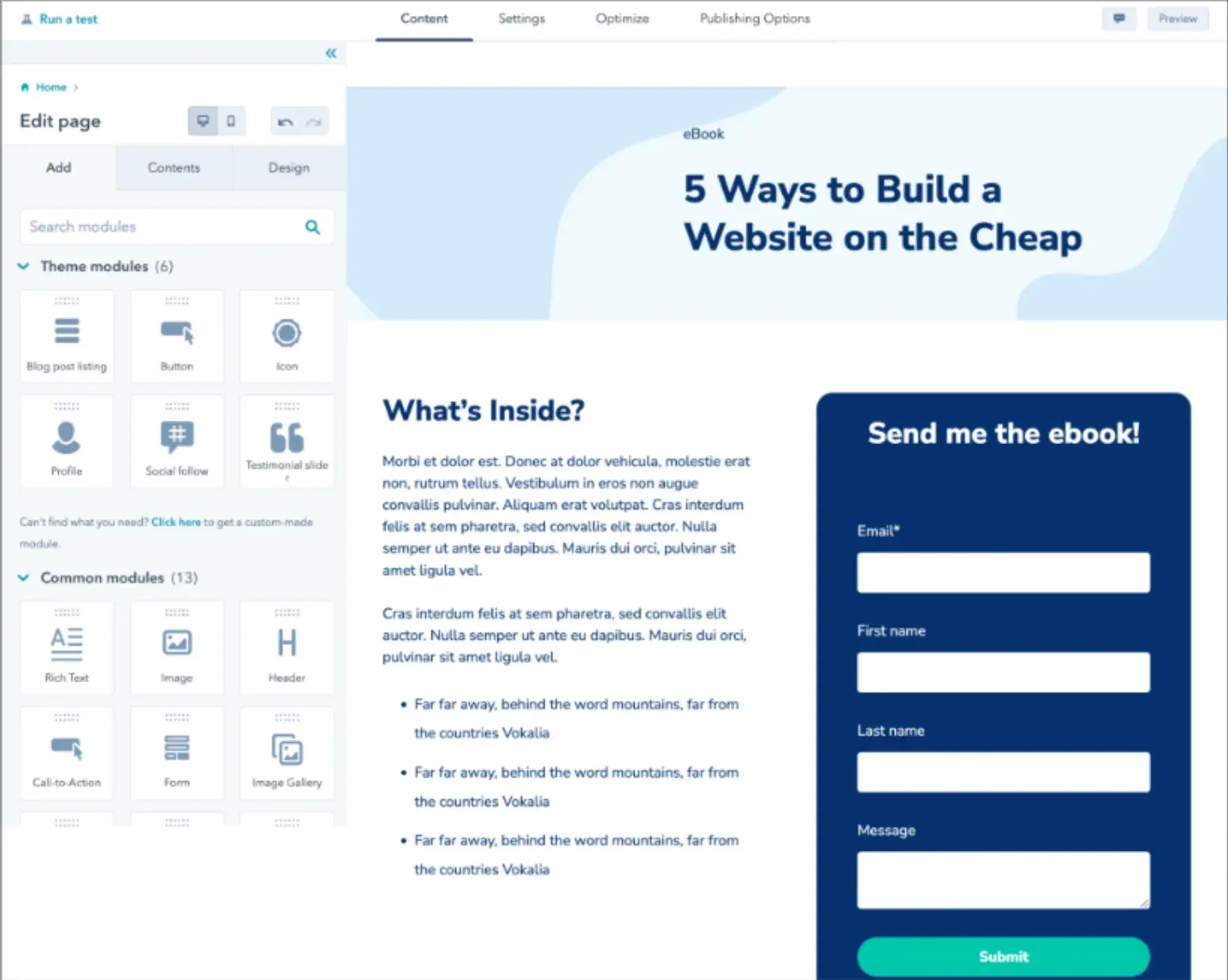
Oh, and one more thing. As you embark on this journey, I’d recommend checking out a tool like HubSpot’s free drag-and-drop website builder — a quick and simple way to showcase your professional bio online with ease and style.
Phew, now we can get into the how-to. Please enjoy this combination of tips from my own experience along with best practices from a few more experts.
1. Understand and write for your audience.
Dr. Kyle Elliott, Founder & Tech Career Coach at CaffeinatedKyle.com, says, “One of the biggest mistakes professionals make when writing their professional bio is failing to customize it based on the platform and target audience.”
And I agree — before you start writing, you have to know who you’re writing for. That’s marketing 101 (and now, it’s also professional bio writing 101).

Franklin Buchanan, Career Coach at Post Up Careers, agrees that the most important part of writing or updating your professional bio is understanding your audience and the message you want to convey to them.
Buchanan suggests, “Try to tell a story of yourself and think about who is going to be digesting the content.”
Note: For this walkthrough, I’ll be using my HubSpot Blog author bio as an example. To that end, I know that my audience is, well, you — and all of the other marketers who are looking for the latest marketing intel.
2. Start with a strong introduction and hook.
If your readers remember nothing else about your professional bio, you want them to remember the important stuff: who you are and what you do. The first couple sentences give you a chance to establish those facts and make yourself memorable.
John Cox, Online Marketing + Creative Services Consultant at Bonhomie Creative, says, “People form a first impression online in just seven seconds. That‘s all the time you have to hook someone’s attention — and that’s why, when writing or updating a professional bio, your bio needs to be sharp, authentic, and engaging from the first sentence.”

Cox continues, “The must-haves? First, a headline — something that tells people what you do in one line. For me, it‘s highlighting my 25 years in digital marketing, advertising, and graphic design.”
“Then, I make sure to include what I specialize in today — whether it’s leading a team in SEO, social media, or conversion optimization — because people want to know exactly how I can help them.”
Example: Alana Chinn is a marketer of all trades with over seven years of experience in brand management and communications. As an MBA, her expertise in business strategy shines through every aspect of her work.
3. Talk briefly about your work history and current position.
Next up, talk a little bit about your career. Whether you’ve authored a novel or work as a mid-level specialist, use this space to describe what you’ve done and what you do now.
At the bare minimum for this section, I’d recommend mentioning any previous (but relevant) roles followed by your current position. Once you’ve reeled them in with your kick-a** intro, this is an easy way to establish your credibility early on.
Example: She spent many of her early career years working as a strategy consultant across marketing and PR agencies. Since then, Alana has taken her talents to HubSpot where she exercises her captivating creativity and sharp editorial mind as Marketing Blog Editor.
4. Show off your skills and a professional accomplishment (or two).
Your professional bio is just the place to tout your successes and share what makes you great.
Rongala says, “I always talk about the skills or successes that make me stand out in my field.
Focusing on your unique strengths is important, whether it’s a skill set, an award, or a project that made a big difference. This not only builds trust — it also draws attention to what makes you special.”
![how to write a professional bio, quote graphic, focusing on your unique strengths [...] not only builds trust — it also draws attention to what makes you special, arvind rongala, ceo, edstellar](https://knowledge.hubspot.com/hubfs/professional-bio-examples-4-20250207-9193400.webp)
Austin Benton, Marketing Consultant at Gotham Artists, says including results over responsibilities is a must. “Saying ‘I led a campaign’ is weak — talk about the impact it had,” he suggests.
My mindset for this section is: What am I the best at? And what have I done that makes me a valuable player in my industry? Then, I put it on paper.
Example: Her attention to detail, writing, and organization skills keep the Blog running like a well-oiled content engine. In fact, she drove months of consecutive organic and YOY blog growth, with a YOY high of 36%, in her first year as an editor.
5. Highlight your values and how you approach your work.
I believe shared values are one of the best ways to connect with someone. They say a lot about who you are and what you bring to the table.
Nicholas Robb, ‘Head Honcho’ at Design Hero, says, “I make sure to include the ‘why’ behind what I do — such as helping burned-out freelancers build their ideal life in just 90 days. This is what drives me, beyond just money. This helps convey my mission and the value I bring to my clients.”
Why do you do what you do? And what do you care about most as a professional?
From your commitment to innovation or dedication to ethical decision-making, explain what drives you — and be enthusiastic about it.
Example: Alana meets readers where they are with compelling messages that inspire career growth and spark great content ideas. Inclusivity is a must, and she actively finds opportunities in her writing to give marginalized voices a safe place to shine.
6. Share your passions and interests outside of work.
Transition from describing your values in work to defining who you are outside of work.
Rongala says, “Adding a skill or interest outside of work makes the bio more personal and easy to relate to. You can show that you’re more than just your job title by telling them about yourself in this way.”
The name of the game here is humanization — especially in this everything-is-written-by-AI era.
If I’m reading about you from a computer screen, that already creates distance. Try to close that gap by sharing a few nuggets from a more personal perspective.
Example: Based in the D.C. area, you’ll find Alana playing with her adorable French Bulldog (Howie), trying out new bagel recipes, or watching Friday Night Lights on repeat.
Sure, frenchies, bagels, and FNL have very little to do with my day job. But imagine the instant connection if another frenchie owner / bagel lover / FNL fan is reading it, amirite?
7. Tell your readers what you want them to do next.
You’ve grabbed someone’s attention and even gotten them to read your professional bio in its entirety. What’s next?
That’s up to you. What action do you want the reader to take after they learn a little bit about who you are and what you do?
Maybe you want them to read through your portfolio. Or reach out about a potential collaboration or work opportunity. Include a clear call to action so you can keep the conversation going.
Example: Take a look at Alana’s most recent blog articles below. Happy reading!
8. Tap AI for inspiration and a second pair of “eyes.”
Ah, AI. Should you use it to create your bio? Here’s my take. (And I promise I won’t be a biased blogger here.)
I say go for it, but I’d recommend leveraging AI for three specific use cases: outline inspiration, spelling and grammar checks, and tone adjustments.
HubSpot’s Free AI Content Writer is great for this. Tools like ChatGPT can also be useful here.
Here are a few prompts I’ve used for my bio before (that you can, too).
Outline inspiration: Outline a professional bio for a marketer with seven years of experience in marketing, content strategy, and communications. Include writing, organization, and attention to detail as key skills.
Here’s the result:

Spelling and grammar checks: Run a spelling and grammar check for this professional bio based on AP style guidelines. [Include a copy of your bio.]
Here’s the result:

Tone adjustments: Update this bio to reflect a more formal, objective tone: [Include a copy of your bio.]
Here’s the result:

Whether you use AI or not, just remember that your professional bio is a reflection of you, and AI can never replace your unique voice and personality.
Speaking of personality…
9. Let your personality do the talking.
If you leave with any of my tips, let it be this one: Your bio should always include a taste of your personality. Your quirks and sense of humor are what make you who you are.
As my colleague Erica Santiago says, “I want readers to know I‘m a real person with a story. Who knows, maybe our personalities will click. And if I have similar hobbies and interests as them, they may realize I’m just as invested in certain topics as they are.”
Marta Romaniak, Vice President of Global Branding at Avenga, also encourages you to add a little personality to it. “If you can crack a joke, why not come up with a fun opener for your bio? This is what it‘s for — to reflect who you are and catch the reader’s eye.”

So don’t be afraid to tell a joke or use some of your favorite casual phrases. I’m officially giving you permission to go a little rogue with it.
And there you have it! When I put my professional bio all together following these steps, here’s what we get:

(P.S. Want to boost your professional brand? Take one of HubSpot Academy’s free certification courses. In just one weekend, you can add a line to your resume and bio that over 60,000 marketers covet.)
It’s the moment you’ve all been waiting for… here are 15 of my favorite professional bio examples that I refer back to at least once a year.
1. Tabitha Brown, Entrepreneur and Author
Bio Example: Personal Website
Category: Third Person
Tabitha Brown is an Emmy-award-winning host, actress, vegan food personality, author, and more, according to the bio below on Brown’s personal website.

Here’s what I like about this professional bio:
The picture immediately draws me in. Her smile is inviting, and it makes me feel like Brown is a friendly and relatable person — like someone I’d listen to or want to do business with.
She backs up her background and experience with recognition from reputable sources like Emmy Awards, New York Times, and NAACP.
Brown also includes a strong value statement at the end of the bio. After you read through her impressive achievements, she states the importance of “having faith, perseverance, paving our unique path to achieving dreams and being our authentic selves.”
Best for you if: You have a wide list of professional accolades to highlight.
2. Neil Patel, Marketing Strategist & Thought Leader
Bio Example: Business Website
Category: First Person
If you’re a marketer, you likely know Neil’s name (and face for the matter). Co-founder of Neil Patel Digital, Patel is a well-known marketing strategist whose website can be found on the first page of practically any major industry keyword.

Here’s what I like about this professional bio:
What immediately stands out about Patel’s bio is that he offers a video version.
While this article is about writing a good professional bio, in today’s TikTok and YouTube world, supplementing with a video a great way to make an even deeper connection and also make your bio engaging to those who may not be readers.
From there, he leads with his accolades including praise from beloved business publications and even government organizations. His first-person and casual tone makes the information accessible to a wide audience and the detailed narrative of his journey helps humanize him to new audiences.
I also love how he uses formatting (bullets, lists, headlines) to make the lengthy bio easier to read and skim, includes visuals, and also includes drops of social proof in the form of links and company logos.
Best for you if: You want to humanize your brand.
3. Lestraundra Alfred, Podcast Host and Content Creator
Bio Example: Business Website
Category: First Person
Lestraundra Alfred is the creator and host of Balanced Black Girl, a top-rated wellness podcast and online community. The bio below lives on her business website.

Here’s what I like about this professional bio:
Alfred tells us a story about how Balanced Black Girl came to life and seamlessly connects it back to the podcast’s purpose.
She mentions that she was “frustrated by feeling isolated as a personal trainer and nutrition coach,” — and BBG is a community of “wellness-minded friends who create healthy habits that stick and invite joy to flow through our lives.”
Alfred also nicely quantifies the impact of her work by casually mentioning the fact that BBG has over 1,000 five-star reviews and millions of downloads. You know, nbd.
Best for you if: You want to promote both your personal story and your brand at the same time.
4. Daniel Murray, Founder and Marketer
Bio Example: Business Website
Category: First Person
If you know The Marketing Millennials, then you probably know Daniel Murray. He specializes in B2B LinkedIn growth and brand-building, and you can find his bio on The Marketing Millennials homepage.

Here’s what I like about this professional bio:
I, too, am a former D1 athlete, so he wins on relatability in my book. The personal details — from being a bearcat to living in Seattle with his wife — give the reader an opportunity to connect with him beyond just the professional stuff.
It’s also simple and to the point. We know who he is, what he does, a little bit about his personal life, and that he’s great at marketing ops. Boom.
Best for you if: You’re looking for a short, punchy bio with a personable tone.
5. Ryan Holiday, Writer & Media Strategist
Bio Example: Personal Website
Category: First Person
Ryan Holiday is a renowned writer so his professional bio has gotta be good, right? And it is.

Here’s what I like about this professional bio:
Holiday’s bio is written simply and relatably. While it’s easy to fall into the trap of self-indulgence when it comes to writing your bio, he maintains a great balance of sharing candid details about his motivation, successes, and demeanor and his credentials. He doesn’t overshare in either arena.
He also skillfully incorporates social proof via subscription numbers, publication names, and peet quotes without coming off as arrogant — a difficult thing to accomplish.
Best for you if: Show accomplishment, but humility.
6. Basha Coleman, Marketer and Content Strategist
Bio Example: LinkedIn
Category: First Person
Basha Coleman is one of my wonderful colleagues here at HubSpot. She specializes in audience development for the Blog. I pulled Coleman’s bio from her LinkedIn page.

Here’s what I like about this professional bio:
That intro? I mean, come on — are you not entertained?
Not only does she mention key skills like program management and content writing, she also includes a light joke about how she can’t whistle. It’s lighthearted and a great way to reel people in.
Coleman also does a nice job of weaving in personal anecdotes with her professional experience. She likes to cook AND she’s good at helping brands generate demand and revenue through SEO.
Plus, her call-to-action asking visitors to send her a private message based on a “least favorite food” icebreaker is a great way to make connections.
Best for you if: You want a bio that shows off your personality and helps you build a network.
7. Guy Kawasaki, Author, Evangelist, and Speaker
Bio Example: Personal Website
Category: Third Person
Guy Kawasaki is a well-respected voice in the business and tech world that is on a mission to “murder mediocreity” and his bio certainly does that.

Here’s what I like about this professional bio:
Kawasaki’s personal website has both a long and short bio, but it’s the long one that caught my eye.
I like how he takes audiences on a narrative journey through his life, beginning with his humble upbringing in Honolulu. He doesn’t shy away from sharing his hurdles and discusses his accomplishments as experiences rather than bragging rights (though they certainly are).
Also a fan of how he plays around with the layout and formatting to draw attention to important information like his affiliations and companies he’s worked with. Playful language like “Guy’s Golden Touch” and personal photos are also a nice addition.
Best for you if: You want to emphasize your values more than your accolades.
8. Hailee Catalano, Food Blogger
Bio Example: Personal Blog
Category: First Person
Hailee Catalano is one of my favorite food bloggers on TikTok. She specializes in making fancy yet easy recipes for her followers. The bio below can be found on the About page of Catalano’s blog.

Here’s what I like about this professional bio:
Catalano kicks things off with a personal story, and I like how she anchors her bio with a timeline.
She starts with culinary school and walks you into the now — her experience creating easy recipes and fun videos for Instagram and TikTok.
Catalano also identifies a need and tells me, the reader, how her work fills that gap. She said the “gap between the food being made and the people enjoying it” in the restaurant scene always bugged her. And her passion is to show that good food isn’t only for fancy restaurants.
Best for you if: Your personal interests align closely with your professional passions.
9. Tristen Taylor, Blog Editor and Marketer
Bio Example: Blog Author Page
Category: Third Person
Tristen Taylor is another wonderful colleague of mine. She’s the editor of our Service Blog, and this is the bio from her author page.

Here’s what I like about this professional bio:
Taylor establishes her expertise right off the bat. You’ve contributed over 500 articles to the HubSpot Blog? I’m listening.
She also calls out key roles from her past with big names like GoCo.io and Southwest Airlines, and highlights recognition from other reputable organizations like Marketing Brew and BLACK@INBOUND.
And if you also live in Washington, DC or like anime or enjoy painting, you’re already feeling a connection to Taylor as a person.
Best for you if: You’re a writer and you need inspiration for your author bio.
10. Eliana Murillo, Entrepreneur, Designer, Community Builder
Bio Example: Personal Website
Category: Third Person
Eliana Murillo is an angel investor and former Googler who made her name as the Founder of Multicultural Marketing at the tech giant before becoming one of Forbes’ 30 Under 30.

Here’s what I like about this professional bio:
Right off the bat, I love that Murillo leans into her cultural background, greeting readers with “hola.”
This establishes that she is proud of her heritage and that it is an important part of not only her identity but also her career. She proudly represents her community and stands as a role model for others in it.
From here, she briefly summarizes her accolades before letting people click to read about them in even greater detail. She also does a great job of supplementing her bio with links, a video profile from Eater, testimonials, and partner logos.
Best for you if: You want to highlight your cultural background and its role in your work.
11. Erika Kullberg, Attorney and Personal Finance Expert
Bio Example: Personal Website
Category: First Person
If you’re also chronically online, you may know Erika Kullberg by her “I read the fine print, so you don’t have to” line. Kullberg is a lawyer turned content creator who helps make personal finance accessible to everyone. This bio is from her personal website.

Here’s what I like about this professional bio:
Kullberg does a great job establishing her authority by using words like “award-winning” and “expert” and by mentioning features in heavy hitters like Inc. Magazine, CNBC, the Today Show, and Business Insider.
I also like the way this professional bio is outlined:
- Strong hook to establish credibility
- Simple but effective mission statement
- Professional overview with quantifiable accomplishments
- Personal anecdote to explain the “why” behind her passion
- Call to action to learn more
Best for you if: You want a clear, concise bio that hits all of the important elements.
12. Christina Garnett, Fractional CCO and Advisor
Bio Example: LinkedIn
Category: Third Person
Christina Garnett is a fractional CCO and advisor. She specializes in customer satisfaction and brand loyalty, and you can find the bio below on Garnett’s LinkedIn profile.

Here’s what I like about this professional bio:
This is a great example of a professional bio that follows more of an objective style.
As an advisor, I think focusing on her expertise and specialty skills (like program optimization and problem-solving) make a lot of sense here. From features in Semrush to Forbes, Garnett also thoroughly established herself as a thought leader in the space.
Best for you if: You’re writing for a more formal audience or if you want to keep the focus on your professional achievements.
13. Dale Bertrand, CEO and AI/SEO Researcher
Bio Example: Personal Website
Category: Third Person
Dale Bertrand is a tech innovator and master marketer. He specializes in AI and SEO research, and his bio is on his personal website.

Here’s what I like about this professional bio:
Including data points at the top of the bio is a fantastic way for Bertrand to build authority — 25+ years of tech marketing experience, 1,000+ marketers trained, and 100+ conference presentations. Nice.
I also like how Bertrand uses a storytelling approach to introduce his specialty areas. He talks about where he started before his marketing career and how his background has allowed him to pivot and find success in the field today.
Best for you if: You have a non-traditional story or transferable skills that map to your career journey.
14. Joanna Goddard, Lifestyle Blogger and Editor
Bio Example: Personal Blog
Category: Third Person
As the founder and editor of Cup of Jo, Joanna Goddard turned a hobby into a whole lifestyle brand. Her bio, along with her teams’ bios, live on the About page of her blog.

Here’s what I like about this professional bio:
This is another bio that hits the mark. It’s clear, personable, and concise.
Goddard lightly introduces her educational background and driving passion — her “love of magazines.” And as a blogger, she name-drops in all the right ways by including Glamour and New York as two publications she’s contributed to in the past.
The rest tells a simple story of how she built her brand, how it’s grown since, and how you can reach her if you want to know more.
Best for you if: You want to keep things simple and relatable.
15. Marie Mikhail, Professional Recruiter
Bio Example: LinkedIn
Category: First Person
Marie Mikhail is a professional recruiter who likes getting people excited about the things she’s excited about (her words, straight from the bio below). You can find the full read on her LinkedIn profile.

Here’s what I like about this professional bio:
Right away, Mikhail tells us a story. In the first few words, she expresses her “passion for recruiting” and uses this to hook profile visitors into a brief story about her background.
She does a great job differentiating herself in a crowded industry by using a strong value proposition to explain why she’s on the recruiting path.
Plus, I like how Mikhail concludes her bio with a smooth mix of professional skills (like her Spanish fluency) and personal interests (like barre and Star Wars).
Best for you if: You have a strong passion that drives your career path.
16. Lisa Quine, Creative Consultant
Bio Example: Portfolio Website
Category: Third Person
Lisa Quine is a creative with a focus on murals, illustration, lettering, branding, and graphic design. Quine introduces herself in the bio on her portfolio website.

Here’s what I like about this professional bio:
I love the balance Quine creates between her professional bio and her creative work.
She gets creative by mentioning the brands she’s worked with and highlighting some of her favorite projects. Quine also weaves in a brief timeline of her career to help paint the picture of who she is as a professional.
Written in the third person, this bio invites the reader behind a metaphorical door to meet Quine as a professional, traveler, learner, wife, and mother.
Best for you if: You work in a creative field and want to introduce yourself through your portfolio.
17. Trinity Mouzon, Wellness Brand Founder
Bio Example: Personal Website
Category: First Person
Trinity Mouzon is the co-founder of Golde, a wellness and superfoods brand focused on accessibility and inclusivity. Mouzon shares her bio here on her personal website.

Here’s what I like about this professional bio:
I completely gravitated toward Mouzon‘s bio from the first sentence: “I’m obsessed with leveling the playing field.”
Mouzon effectively grips the reader’s attention with this intro and then dives into some of her impressive accomplishments — including a brand now sold at Urban Outfitters, Goop, and Target.
Her voice also feels authentic, real, and honest. Love.
Best for you if: You have a great story to tell, and you want to lean into transparency.
18. Ann Handley, Writer and Marketer
Bio Example: Personal Website
Category: Third Person
If you‘re a marketer, you’ve likely heard of Ann Handley. She has tons of credentials as a writer. digital marketing pioneer, and best-selling author. You can check out the full bio below and on her personal website.

Here’s what I like about this professional bio:
Handley does a really nice job of listing out her accomplishments in an approachable way. She also focuses on her readers’ challenges and motivations — like escaping marketing mediocrity — rather than her own.
She also uses the last section of the bio to showcase her personal side by saying she “lives in Boston, where she is Mom to creatures two- and four-legged.”
Plus, having both a short and long bio is a nice touch.
Best for you if: You’re an expert in your niche, and you’re regularly called on for speaking engagements.
19. Alberto “Beto” Perez, Co-Founder of Zumba Fitness
Bio Example: LinkedIn
Category: Third Person
As an avid Zumba fan, I was excited to include this one. Perez styles his bio as a short story, and you can find it here on LinkedIn.

Here’s what I like about this professional bio:
Perez’s bio tells the fun and fascinating origin story of Zumba. He introduces you to himself, an aerobics teacher in Florida who forgot his music for class one time and used a Latin music cassette tape instead … “And it was an instant hit!”
He goes on to say that his dream has now turned into “15 million people in more than 200,000 locations in 186 countries” taking Zumba classes every week. Incredible.
From a likable lead-in to proving his credibility, Perez tells the story of his business rather than just listing out his accomplishments. This makes him both relatable and inspirational.
Best for you if: You found your passion as a result of unexpected (or non-traditional) circumstances, and you want to use your story to motivate others.
Learn how to write your professional bio with more free tips, templates, and inspiring examples.
If you’re posting a professional bio on a social media account or sending a quick blurb to a client, here’s how I’d approach keeping things short and sweet.
1. Introduce yourself.
Your introduction is your first impression, so always begin by telling people who you are. I suggest starting with a greeting like, “Hi! I’m” or “Hello, my name is” to kick things off.
Example: Hey there! I’m Alana Chinn.
2. State what you do.
Next, give people an idea of what you do daily and where you work. As a blog editor who specializes in content for marketers, I’m always going to mention “Marketing Blog editor” somewhere.
Example: I have over seven years of experience as a writer and marketer, and I’m currently the Marketing Blog editor at HubSpot.
3. Add key skills or areas of expertise.
I’d also recommend highlighting your most valuable skills. I’m good at writing and keeping things organized, so I’ll be sure to include those details.
Example: My attention to detail, writing, and organization skills keep the Blog running like a well-oiled content engine.
4. Include a personal mission statement.
What do you hope to achieve through your work? Why do you do what you do? For shorter professional bios, I like to give a brief one-liner about what motivates me to do my best work.
Example: When I’m not playing with my frenchie, I like to meet readers where they are with compelling messages that inspire career growth and spark great content ideas.
5. Celebrate your wins.
Don’t forget to spotlight one to two major achievements — whether they’re awards you won, publications you featured in, or companies you worked with.
Example: In my first year as editor, I drove months of consecutive organic and YOY blog growth, with a YOY high of 36%.
6. Provide your contact information.
Your professional bio is the first step toward building a relationship. Keep the connection alive by including your contact information for follow ups. Your email address, website, phone number or any other professional profiles are a good fit here.
Example: Want to work together? Let’s connect on LinkedIn.
7. Make it fun.
“Professional” doesn’t have to mean plain, so don’t be afraid to add a splash of charisma to your short professional bio. Try making a joke, mentioning a hobby, sharing a fun fact, or throwing in some emojis.
Example: See “when I’m not playing with my frenchie“ above 😄
Here’s what it looks like when we put it all together:
Hey there! I’m Alana Chinn. I have over seven years of experience as a writer and marketer, and I’m currently the Marketing Blog editor at HubSpot. When I’m not playing with my frenchie, I like to meet readers where they are with compelling messages that inspire career growth and spark great content ideas. In my first year as editor, I drove months of consecutive organic and YOY blog growth, with a YOY high of 36%. Want to work together? Let’s connect on LinkedIn 👋🏽
Short Sample Bios
For added inspo, here are two short professional bio samples — one from the first-person POV and one using third-person language.
Friendly, First-Person Sample Bio
“Hey! My name is Ryan, and I’m a marketing specialist passionate about digital advertising. I have five years of experience managing various online campaigns and improving brand visibility for clients across multiple verticals. I love analyzing consumer behavior and leveraging data-driven strategies to maximize ROI. Outside work, I enjoy traveling, taking funny photos, and exploring new hiking trails.”
Authoritative, Third-Person Sample Bio
“Jennifer Patel is a versatile graphic designer known for her creative approach and attention to detail. With a background in visual arts and eight years of experience, Jennifer has worked on diverse projects ranging from logo designs to website layouts. Her ability to understand and translate client needs into visually striking designs sets her apart. Jennifer finds inspiration in nature, music, and pop culture.”
I’ll wrap us up with a few more short professional bio examples that may be more suitable for channels like social media.
1. Angela Rye, Journalist and Entrepreneur
Angela Rye is a political commentator and sports correspondent. Rye’s short bio is here on Instagram.

Here’s what I like about this short bio: I like the creativity Rye uses to describe who she is — like #TruthBringer in Chief, for example. Rye also uses linktr.ee to drive people to her website for further communication. Great strategy.
2. Morgan Ingram, Founder and CEO
Morgan Ingram is a B2B influencer marketing expert. His short bio can be found here on X.

Here’s what I like about this short bio: Ingram packs a lot into just a few words — his role, accomplishments, value prop, and personal interests. The link to additional resources (i.e., his newsletter) is also a nice touch.
3. Katie Hicks, Senior Reporter
Katie Hicks is a senior reporter for Marketing Brew. This short bio is featured on Hicks’ blog contributor page.

Here’s what I like about this short bio: Most people who land on an author bio enjoyed the article they just read by said author. Kicks swiftly introduces herself and her coverage areas for those who want to learn more about her work.
4. Jane Hardy, Food and Travel Blogger
Jane Hardy is another one of my favorite foodies on social media, and her short bio lives on her Instagram page, @foodsofjane.

Here’s what I like about this short bio: This bio is a nice combo of personal and professional. Hardy hints at the food and travel blog along with her kids’ names. The location and partnerships contact also makes it easy for potential collabs.
5. Nicole Weber, Graphic and Logo Designer
Nicole Weber is a logo and brand design expert, and you can find her short bio on TikTok @nicoleweberdesign.

Here’s what I like about this short bio: With a business name like Nicole Weber Design, it’s pretty obvious what she does, so a minimal bio like this works well here. I like the focus on the important details and the linking out for more information.
6. Lianna Patch: Copywriter
Lianna Patch is an author and copywriter. The short bio below is featured on Patch’s blog author page.

Here’s what I like about this short bio: Starting with her “greatest dream” and using that to tie in the work she does as a copywriter is such a great play. She also tells you exactly how and where to work with her for different types of projects.
7. Bea Dixon, Feminine Care Founder
Bea Dixon is the founder and CEO of The Honey Pot Company. You can find Dixon’s short bio here on Instagram.

Here’s what I like about this short bio: Big emoji fan here. Bea adds visual interest to her bio which allows her to use less words to describe herself. And at first glance, I’m immediately interested in Dixon as a person because I, too, am a pet parent and ramen connoisseur.
8. Precious Oboidhe, Content Strategist
Precious Oboidhe is a marketing and tech freelance writer. You can find Oboidhe’s short bio on his blog author page.

Here’s what I like about this short bio: In addition to his background, Oboide finds room to call out specific brands he’s worked with that he knows industry professionals will care about — like HubSpot (shameless plug) and CoSchedule.
9. Rebecca Bollwitt, Writer
Rebecca Bollwitt is an author and editor. Bollwitt’s short bio is here on Instagram.

Here’s what I like about this short bio: This is another solid example of using emojis and keywords to introduce yourself on social media. Bollwitt focuses on key aspects like her location and experience as a blogger, photographer, and board member.
10. Dharmesh Shah, Founder and CTO
Dharmesh Shah is the co-founder and CTO of yours truly, HubSpot. You can find Shah’s short bio on his X page.

Here’s what I like about this short bio: Shah’s bio shows social proof by mentioning he’s the founder of a very popular, very cool software company (🧡). Plus, by mentioning a few of his favorite topics, he’s transparent about what his followers can expect from his content.
Can’t Wait to Meet You in Writing
In the words of Benton, “If you don‘t leave the reader with a mental hook in your professional bio — something useful, clever, or different — they’re scrolling past you.”
I encourage you to take stock of your accomplishments, career path, and hobbies, and use my strategies and examples to craft a bio that reflects your best professional self.
Editor’s Note: This post was originally published in November 2019 and has been updated for accuracy and comprehensiveness.







![Download Now: The Annual State of Artificial Intelligence in 2024 [Free Report]](https://i4lead.com/wp-content/uploads/2025/02/b72f2b25-8cc9-4642-9a1b-1e675d3d273b.png)


![Download Now: Free State of Marketing Report [Updated for 2025]](https://i4lead.com/wp-content/uploads/2025/02/b0f73a5e-16e4-41fd-9511-8564efc560a7-2.png)




![→ Download Now: Free Product Marketing Kit [Free Templates]](https://i4lead.com/wp-content/uploads/2025/02/08b5e1f4-5d26-405b-b986-29c99bd0cb14.png)

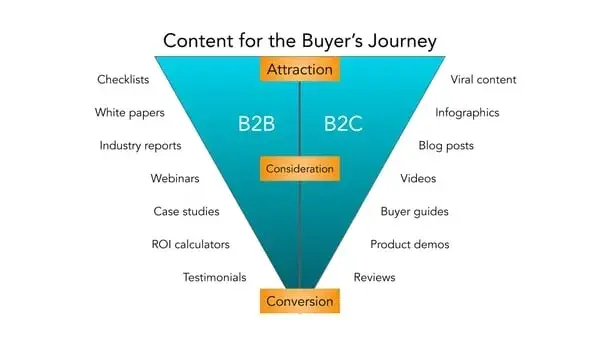
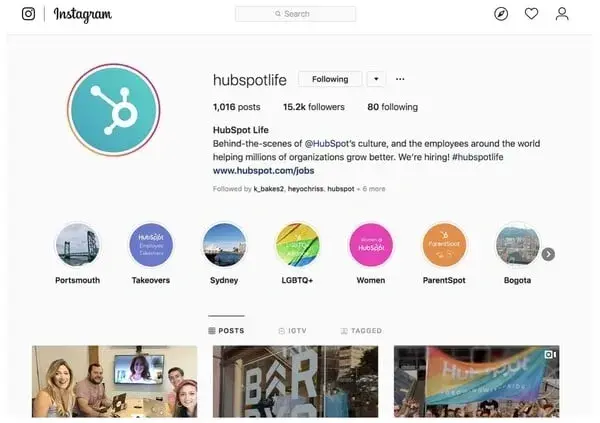
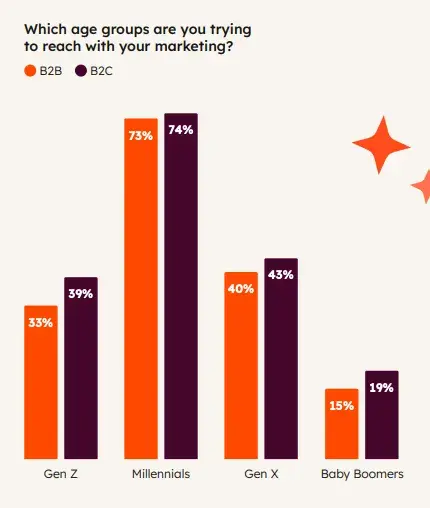
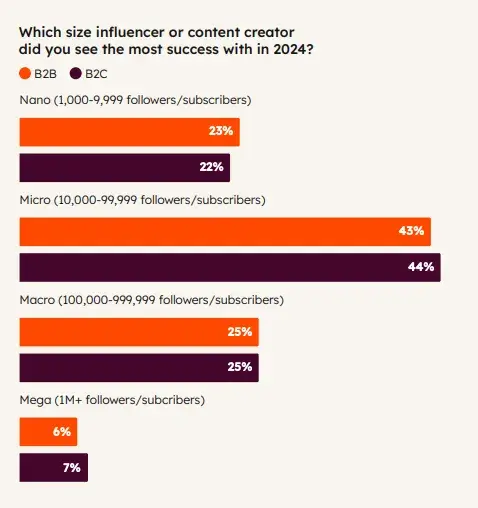
![b2b marketing, content format chart comparison]](https://knowledge.hubspot.com/hubfs/b2b-marketing-10-20250205-8505565.webp)




![→ Access Now: Video Marketing Starter Pack [Free Kit]](https://i4lead.com/wp-content/uploads/2025/02/8f27c677-d952-4663-8787-bf65c6a1ecf2.png)

![→ Click here to download our free guide to digital marketing fundamentals [Download Now].](https://i4lead.com/wp-content/uploads/2025/02/0a42501f-0096-4817-9fbc-923540fe37a6.png)
