Categories B2B

How Qwen 2.5 Just Beat the Top AI Models — HubSpot SVP of Marketing Shares The Industry Impact

The AI model races are heating up. Right on the heels of DeepSeek-R1’s release, the industry is reeling from yet another powerful AI model hitting the market. I test drove the latest iteration of Alibaba’s Qwen models — Qwen 2.5.

In this post, I’ll break down what Qwen 2.5 is, how you can use it, and how it compares to OpenAI o1 and DeepSeek-RI. I’ll also explore what this means for the AI industry moving forward. Let’s dive in.

Download Now: How to Use AI to Create a  Marketing Plan

What Makes Qwen 2.5 Different

Qwen 2.5 was released as a surprise launch on January 29, 2025. Like its competitors, Qwen 2.5 offers natural language processing, versatile use cases, and integrations with multilingual support. It’s fast and trained on a massive amount of data. It can search the web, write text, and code.

Unlike OpenAI and Claude’s models, Qwen 2.5 is open source, which opens a realm of possibility for companies and developers.

Beyond that, you can go to Qwen’s website and sign up to start using it today for free. Early testing suggests that Qwen 2.5 performs similarly to ChatGPT’s o1 and o3 models, which cost $200 per month. For a company or an individual looking to leverage complex reasoning and build a custom AI model, that’s significant savings.

Qwen 2.5 is also multimodal, meaning it can process and generate content based on both text and image inputs. This approach makes the tool incredibly versatile. With Qwen 2.5, I can:

  • Generate images and videos.
  • Create structured outputs for forms and invoices.
  • Conduct spacial seasoning tasks.
  • Convert images into coding languages like HTML, JSON, and more.

How Qwen 2.5 Compares to Other AI Models

Take a look at this performance comparison of Qwen 2.5 versus the other leading models, including ChatGPT-4, Claude 3.5 Sonnet, DeepSeek-V3, and Llama-3.1.

Screenshot 2025-03-25 at 10.54.55 AM

Source

Qwen outperforms all other models on Arena-Hard (complex problem-solving) and LiveBench (competence in real-world AI tasks). Other tests have found that the model performs better at mathematical reasoning and vision-language modeling, where it needs to process both image and text inputs.

Qwen performs on par or better than paid models from comparable U.S. companies on a variety of tasks. Now, let’s dive into the use cases. Here’s what you can actually do with Qwen 2.5.

Four Ways to Use Qwen 2.5

1. Create images, videos, and text-based content.

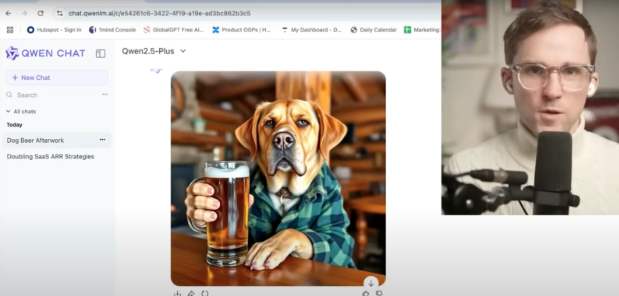
First off, Qwen 2.5’s image and video creation rivals DALL-E and Soros. Here’s an AI-generated image someone created of a dog drinking a beer. It’s not perfect, but it’s a decent first take.

Create AI images with Qwen 2.5

Then, for videos, check out this example from Shruti Mishra of a lifelike ride with huskies.

Whether you need to create images, videos, or text-based content like a blog post, Gwen 2.5 can give you a decent first draft to work with.

2. Create your own AI agents.

AI agents can reason through complex instructions and act on them without heavy oversight from you. With Gwen 2.5, you can create one of these agents to use on your computer, similar to Claude’s or OpenAI’s operator.

For example, you could build an agent to update your calendar, interpret structured data, or book flights for you online. I recommend starting small by building agents for personal use (think, your own assistant to manage chores or social engagements). From there, you can scale up to AI agents for your business.

3. Synthesize large datasets and multimodal formats.

Qwen 2.5 can handle document parsing, meaning that it can understand not only text but also tables, charts, and images. It’s particularly good at understanding long videos, which other models aren’t.

If I want to train the model on my proprietary data, I can feed it information in many formats. Qwen 2.5 also uses long-context training, which gives the model a specific history to draw from. The model can then identify patterns and contextualize your business data over time. That’s useful for the next step I want to complete — complex reasoning.

4. Perform complex reasoning.

Early testing shows that Qwen 2.5 outperforms its competitors in math and logical inference. That means it’s well set up to perform complex reasoning.

I wanted to test Qwen 2.5 with one of the advanced prompts that I use to do my work. So, I asked the model to build a dashboard for a SaaS brand.

First, I started with a reasoning prompt. Remember:

  • For a non-reasoning prompt, I provide step-by-step instructions on what I want the model to do.
  • With a reasoning model, step-by-step logic is built into the system. All I have to do is provide it with the problem I want to solve and the output I want. From there, AI should be able to figure out a path forward.

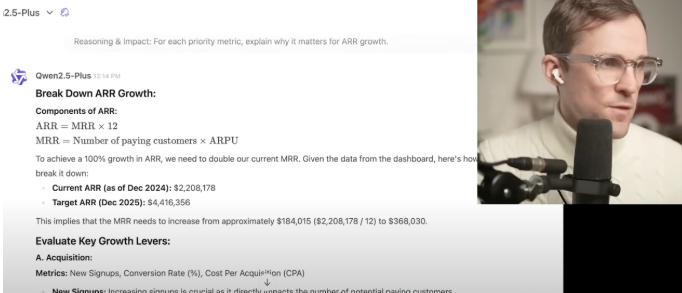
I asked Gwen 2.5 to go through my most important business metrics, identify any trends I should be aware of, and tell me which metrics I should prioritize. Then, I asked it to build a forecast model and create a strategy for me to hit that forecast.

Gwen 2.5 complex reasoning

I compared this side-by-side with ChatGPT o1 pro, which I regularly use for this purpose, and Gwen 2.5 did a really good job. It broke down my key growth levers and identified almost the same core metrics as ChatGPT. Then, it identified core bottlenecks and created the requested forecast model. I still have work to do after this, but as a first pass, it’s pretty incredible.

Qwen 2.5 really excels when the model needs to run through five or more steps to complete your goal or objective. In my experience, that’s when other options start to struggle. The more powerful the model, the more strategic it can be and the more steps it can run through to outperform lesser models.

What All of This Means for the AI Industry

When DeepSeek and Qwen 2.5 launched, stock for AI chip providers crashed. These Chinese models are trained on lower-capability chips than U.S. options, but they match their competitors in power. Further, it’s mindblowing that DeepSeek and Quen 2.5 are free for anyone to use. A $0 price point puts pressure on competitors who charge for access to equivalent models.

I believe this market shift will allow custom AI tools to evolve faster. Teams can build on these great foundational models to create experiences specific to their audiences. As companies like Alibaba push the boundaries with models like Qwen 2.5, the industry is forced to adapt, leading to a future where open-source, custom models become the norm. So, AI giants are in for some competition.

Finding Your Place in the Next Chapter of the AI Race

Overall, Qwen 2.5 offers a cost-effective and powerful solution for AI applications, from content creation to data analysis and strategic planning. It’s fast, multimodal, multilingual, and can support large context windows and complex reasoning.

For individuals and business users, the hardest part will be discovering how to integrate this AI in a useful and impactful way. Ultimately, user habits and workflows are the hardest things to change.

If you want people to use these models, you have to figure out how to integrate them into their work on a day-to-day basis. That means testing use cases, sharing best practices, and building apps that make the AI easier to actually consume and use.

If you can crack that code, you can leverage the power of models like Qwen 2.5 to grow.

To learn more about lead-scoring tactics and marketing growth strategies, check out the full episode of Marketing Against the Grain below:

This blog series is in partnership with Marketing Against the Grain, the video podcast. It digs deeper into ideas shared by marketing leaders Kipp Bodnar (HubSpot’s CMO) and Kieran Flanagan (SVP, Marketing at HubSpot) as they unpack growth strategies and learn from standout founders and peers.

Categories B2B

25 Live Video Stats Marketers Need to Know This Year

As a content marketer, I’m always on the hunt for effective ways to deliver content that will result in more customers and conversions. Video has grown into an essential marketing platform, and social media is rewarding those who prioritize a live approach. I’ve narrowed down the top live video stats to give you and your teams a better picture of what’s trending this year in live video marketing.

Classic and emerging platforms like YouTube, Facebook, Instagram, TikTok, LinkedIn, Whatnot, and Twitch.tv cater specifically to live streaming, with good reason. I’ve learned that viewers find live streams engaging because they offer a chance to see raw, authentic footage, go behind the scenes, watch product tutorials, interact with influencers, or participate in live Q&As with industry experts.

→ Access Now: Video Marketing Starter Pack [Free Kit]

When it comes to streaming live video, the creative possibilities seem endless. Good news and bad news: Revenue potential just went way up, but the where-to-start factor can feel daunting. Review the most recent live video stats to inform your team’s strategy.

Table of Contents

25 Live Video Stats That Marketers Need to Know

Growth in Live Video

  • In a 2023 survey, 81% of companies reported they had a marketing budget dedicated solely to video. (HubSpot)
  • In Q3 2023, live video streams were the third most popular type of online video. (Go-Globe)
  • The revenue of the global live-streaming market increased from $1.24 billion in 2022 to $1.49 billion in 2023. (Go-Globe)
  • The live-streaming video market is projected to reach $416.84 billion by 2030. (Grand View Research)
  • Marketers placed live video third among the most engaging types of videos. (HubSpot)
  • “Live commerce,” a format where buyers specifically purchase during a live stream, is growing globally, with 49% of users in the U.S. reporting they’d like to spend more money through this format. (McKinsey)

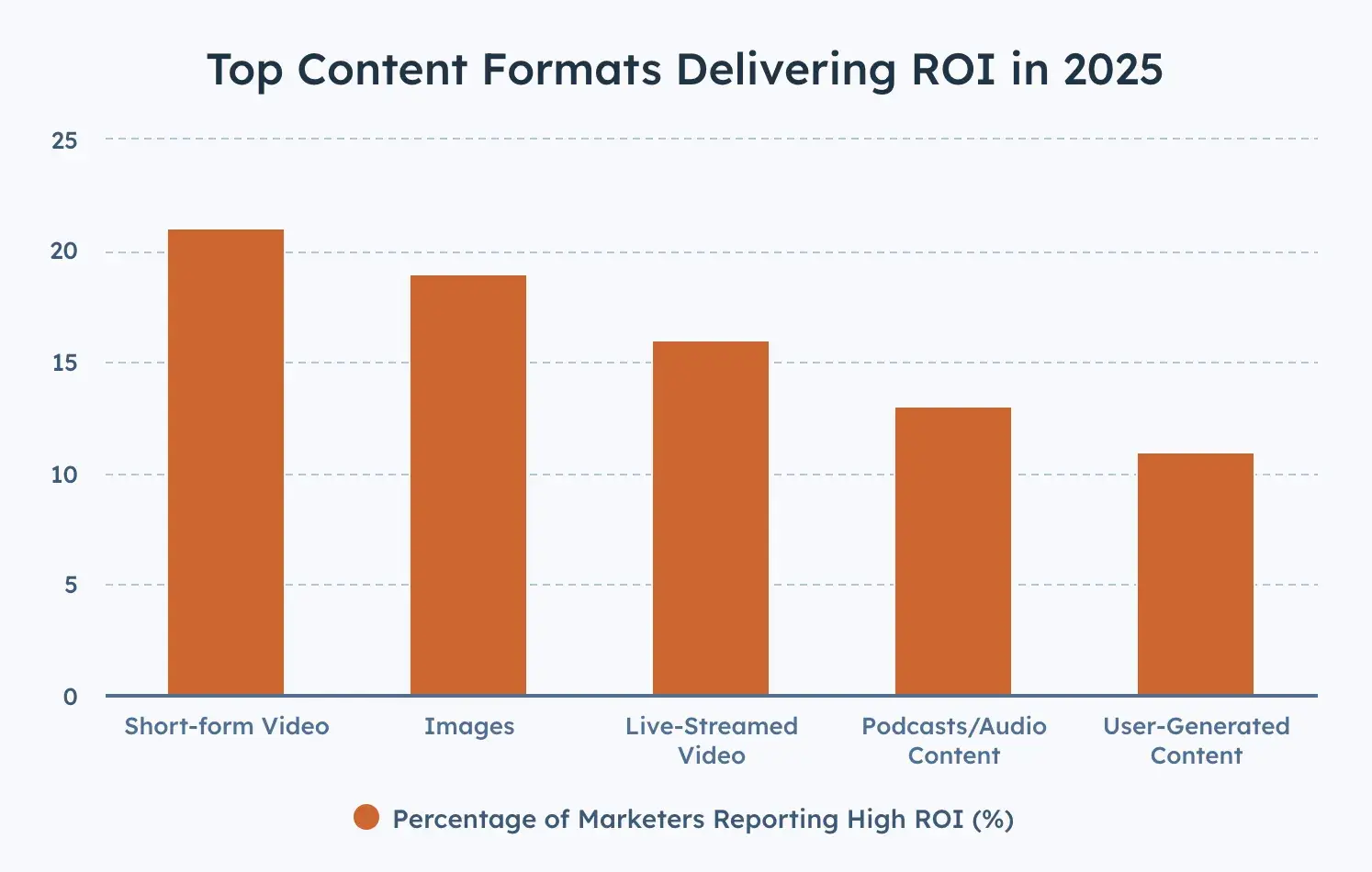
live video stats: top content formats delivering roi in 2025

Source

How Live Streaming Benefits Brands

  • 46% of brands and marketers use live video as a social media tactic. (Go-Globe)
  • 91% of consumers want to see more online video content from brands. (Go-Globe)
  • 37% of viewers consider live video the most engaging type of content on their media feeds. (Restream)
  • 20% of U.S. adults between 18-34 watch live stream video several times a day. (Statista)
  • 27% of all internet users watch live-streaming content on a weekly basis. (Restream)
  • Only 19% of the videos brands post on Facebook are live, compared to 81% of pre-recorded videos. (Influencer Marketing Hub)

Live Streaming Platforms

  • Most popular live streaming platforms include Twitch, YouTube Live, Instagram Live, X, LinkedIn Live, and Livestream by Vimeo. (Influencer Marketing Hub)
  • In Q3 of 2023 alone, viewers consumed 7.6 billion hours of live content across all platforms. (Demand Sage)
  • In total, Twitch has clocked over 9.3 billion hours watched worldwide. (TechJury)

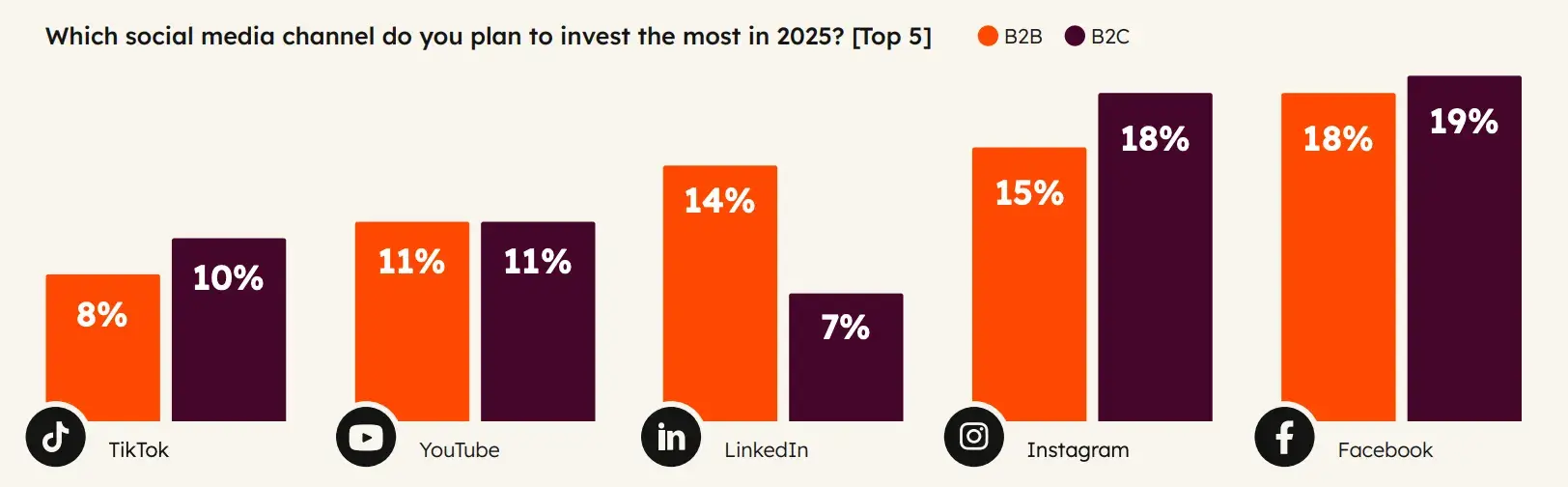
live video stats on most-used social media channels

Source

  • YouTube Live had more non-gaming viewing hours than Twitch in Q2 2023. (Glo-Globe)
  • For live streaming, 52% of viewers prefer YouTube to other platforms, and 42.6% of viewers prefer Facebook. (Demand Sage)
  • Kick, a new live video streaming platform, reached 1 million users within its first few months. (Restream)
  • TikTok saw the biggest positive increase in brand usage from 2022-2023, with a 16% gain. (Hootsuite)

Live Stream Audience Behaviors and Content Preferences

  • On Facebook, live video dominates user engagement with three times the median interactions compared to carousels. (Emplifi)
  • Live video on LinkedIn gets 24 times more comments than native video. (LinkedIn)
  • 43% of young adult users in the U.S. prefer Instagram Live over other types of video on the platform. (Statista)
  • People who engage in live streams are 43% more likely to buy a premium product. (GWI)
  • At the end of 2023, live videos were more popular among viewers than educational or tutorial videos. (Statista)
  • Watching a live video increases the likelihood of buying an event ticket by 67%. (Eventbrite)

Why use live streaming for B2B?

I’ve found that there are lots of great reasons for using live streaming for your B2B — and there’s never a better time to get started than now. Here are some compelling reasons to begin investing in live video.

Live video enhances B2B purchasing.

More employees than ever are working from home — which has left them physically isolated from interaction. As we know, this shift also included positions in charge of purchasing.

Live video has come to fulfill a basic need and offer a more natural format for interaction and purchasing. In fact, social video is currently the most trusted form of content influencing B2B buyers. I often find myself being influenced by live video, especially when I’ve already been exposed to a product and want to determine if I’m a good fit.

There’s something special about a live event. Customers feel involved and in the know and can ask questions with immediate answers. So don’t sleep on live video, especially when trying to increase B2C purchasing in 2025.

You can always start small with the HubSpot clip creator tool and make an AI-powered video clip for your website.

Pro tip: Choosing who will be the face of your live video is very important. Look for someone at your company who is charismatic, not afraid to be in front of a camera, and knowledgeable. If you don’t have someone like this in mind, consider hiring a paid actor to deliver your message.

Live streams increase internal communication for B2B.

At B2B companies, internal communications play a key role in sales, and live streams provide opportunities for engagement that text and recorded video can’t. In fact, 53% of companies broadcast or stream live video to employees at least once per week.

At my current company, live videos (webinars) are currently our most profitable form of content. They’re also great for recycling content, as a webinar can be turned into a handout, a blog, and more.

Pro tip: Be sure to promote your upcoming live videos and webinars sufficiently. You want to build significant hype around your event, with frequent reminders for those attending.

Live video can expand your B2B marketing reach.

Live streaming has the potential to be exciting for both the seller and the buyer. If a brand gains a reputation for entertaining and/or useful live video events, the potential for significant gains in reach is there.

Employees with purchasing power have more flexibility than ever when it comes to what and when they consume content related to their role. Aim to provide consistent entertainment and value for your B2B targets.

Pro tip: To reach new audiences, you have to meet them where they are at. Consider your advertising spending and which platforms you’ve already targeted. There may be untapped opportunities on platforms such as LinkedIn, Facebook, Instagram, and others that you haven’t already invested in. Don’t be afraid to switch things up!

Planning Your Live Video Strategy

As live video and streaming events increase across most platforms, viewer behavior will adjust according to factors like production, content, and what features become available. Consider which resources you have on hand and what new tools could augment your current capabilities.

You will want to consider appropriate platforms that align with your brand in terms of demographics, usage, and purchasing behavior. At times, you may want to target audience niches with narrow viewership and specific viewing times.

But you may also want to use live streaming for general brand awareness to a large audience. For example, Facebook Live is a great option due to the platform’s age and its number of users. On the other hand, if you want to reach gamers or Gen Z, you might want to test out a Twitch stream.

If you’re interested in creating your own live campaigns but don’t know where to start, here’s a great guide to help you.

Trying to pick out the right live-streaming platform for your brand? Check out this post that directly compares Facebook Live and YouTube. You can also read up on Twitch, one of the fastest-growing live platforms.

Pro tip: If you don’t already have a marketing template, you need one. Check out HubSpot’s free marketing template to get started.

Start Using Live Video Streaming Now

Identifying these stats taught me that even though live streaming has been around since the ‘90s, the 2020 pandemic’s effect on isolation combined with consumer preference has fueled the recent rapid growth of live video events for brands. It’s clear a wave of live and streamed videos is crashing over many platforms, demographics, and marketing budgets.

As I cited above, projections extending to 2030 predict live video has the potential to overtake more familiar forms of online marketing. Enhancing your marketing strategy to include or increase live video production will become increasingly important as time goes on.

In the meantime, I encourage you to play around with the HubSpot Clip Creator to start adding video to your ads, website, social media, and more.

Editor’s note: This post was originally published in May 2020 and has been updated for comprehensiveness.

Categories B2B

How TikTok, Canva, & Other Top Marketing Teams Outperform the Rest [New Data]

Imagine trying to describe a giraffe to someone whose never seen one.

Maybe I’d say something like this: “Well, it has brown patches that look a little like puzzle pieces; a long, 6-foot-tall neck, and skinny legs.”

Download Now: Free State of Marketing Report [Updated for 2025]

This description is close enough, sure, but it doesn’t quite capture the sensation of seeing one in real life.

Which is how I feel about high-performing marketing teams: Hard to describe, but easy to spot.

The best way to improve, in any sport or category, is by learning from the best. So I‘ve uncovered the seven surprising ways top-performing marketing teams are winning in 2025, based on HubSpot’s 2025 State of Marketing report — and why others are missing the mark.

Plus, keep reading to hear from marketers at TikTok and Canva at how they incorporate these lessons into their own workflow.

1. High-performing teams will focus on value-aligned brand content.

In 2024, roughly 40% of marketers focused on their customer’s experience with their brand.

This year, they’re doubling down on these efforts, with almost one-fourth of marketers investing in content that reflects their brand values.

Why? Because we’ve seen younger audiences in particular prefer value-driven marketing — and many marketers are more interested than ever in reaching Gen Z and Millennial consumers.

Consider Patagonia’s “Unfashionable” ad, which launched in April 2024. The video goes against typical marketing best practices by actively asking consumers to stop buying so much clothing. The video doesn‘t promote a new product. Instead, it promotes Patagonia’s values.

I watched the video and found myself more drawn to Patagonia‘s products than before – because, in buying their clothing, I feel like I’ll be investing in something meaningful.

That’s the power of value-driven content.

2. The best marketers are leaning into visual.

TikTok. IG. Facebook Live. Webinars.

Short-form video, images, and live-streaming videos were among the most commonly used formats in 2024.

This shows no signs of slowing in 2025.

Ahem, some quick stats: Almost 30% of marketers say short-form video is their most popular content format; and, when asked which format delivers the highest ROI, 21% said short-form video.

Additionally, I was shocked to see that images outpaced interviews, blog posts, and live streaming videos for the most-popular formats marketers are using.

(I mean, really. More than blog posts? I’m biased, though. I know.)

most popular content formats

But this makes sense. The majority of consumers spend a good portion of their time on social media – and social is, by and large, visual.

I spoke with Nick O’Connor, Monetization Product Partnerships at TikTok. As he puts it, “In 2025, brands that embrace visual-first storytelling will win consumer attention and engagement. Short-form video, interactive formats, and dynamic creative optimization are essential.”

O’Connor adds: “At TikTok, we see brands driving impact by leaning into native storytelling, tapping into trends, and creating content that feels organic rather than overly polished. The key is to prioritize authenticity and creativity while leveraging AI-powered tools to scale production without sacrificing quality.”

So good marketers will continue to lean into visual content in 2025. But they’ll also invest in owned platforms (like a newsletter) to ensure they’re facilitating a space where they can continue to foster stronger relationships with prospects and leads.

3. The highest-performing marketers will use AI.

This one is surprising to absolutely no one, I presume.

But it‘s still worth calling out: The highest-performing teams won’t just occasionally dabble with conversational GPTs; they’ll fully integrate AI into their existing strategies, content, and processes.

“One thing that’s clear in this rapidly evolving AI-augmented era is that marketing teams that fully embrace AI—the ones that think of AI not just as a tool but as an essential collaborator—will outperform the teams that don’t,” Indy Sen, an Ecosystem Marketer at Canva, told me.

He adds, “AI, when implemented right, has the power to speed up workflows, shaving hours off your team’s workload while keeping the talented humans you hired squarely in the loop.”

AI should be overhauling how you create content, how you report on campaign performance, and even how you send emails. It should change your to-do lists, your career chats with your manager, and your company-wide presentations.

In 2025, marketers plan to:

  • Use AI for multi-modal campaigns (20%)
  • Leverage AI agents to automate marketing (20%)
  • Create content using AI — including copy, images, and ideas (43%)
  • Brainstorm with AI (26%)
  • Leverage AI for data analysis and reporting (35%)

Almost 50% of marketers say they have a clear understanding of how they’ll use AI in their marketing strategies in 2025.

What does this mean? It‘s time to play ball. If you’ve been hesitant to test AI in unique ways, this is your year to dive in.

4. Top marketing teams will invest in micro-influencers.

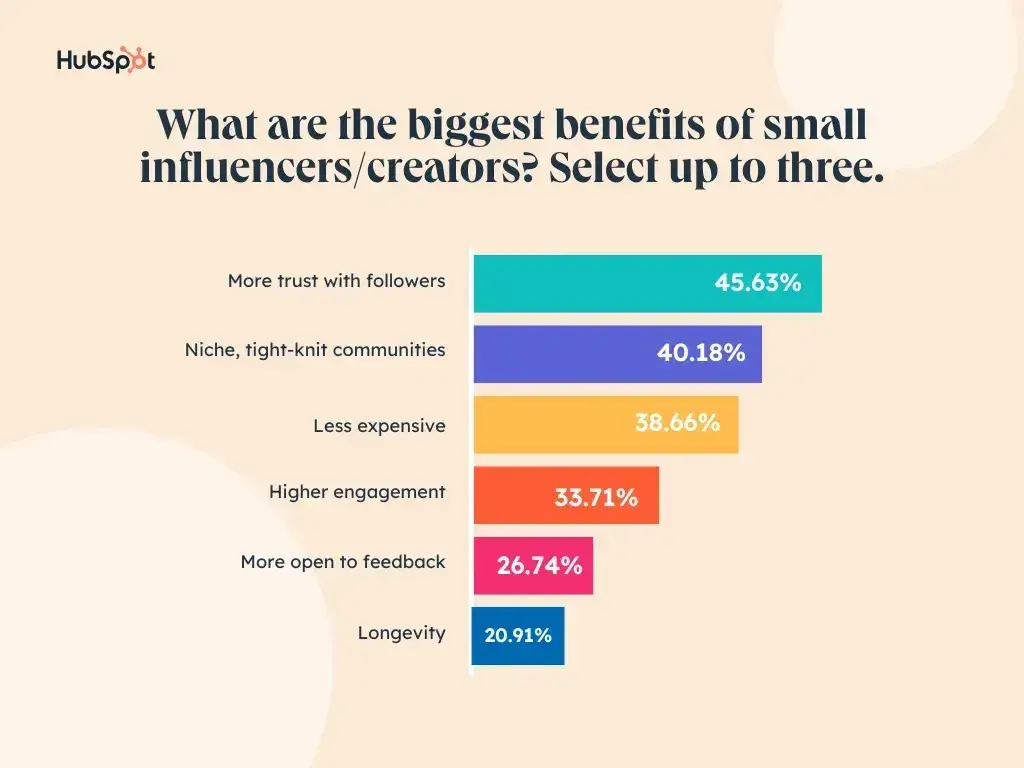
45% of marketers told us they’d found the most success in 2024 with micro-influencers, compared to 25% with macro-influencers (100k-999k followers) and just 6% with mega-influencers (1M+ followers).

Top-performing marketers are recognizing the power of micro-influencers — those with smaller but highly engaged audiences (typically between 10k-50k followers).

This comes down to authenticity and trust. Micro-influencers tend to have deeper connections with their followers, resulting in higher engagement rates and more genuine endorsements. Plus, they’re more affordable than mega-influencers, allowing brands to diversify their influencer portfolios.

influencer marketing success rate by type

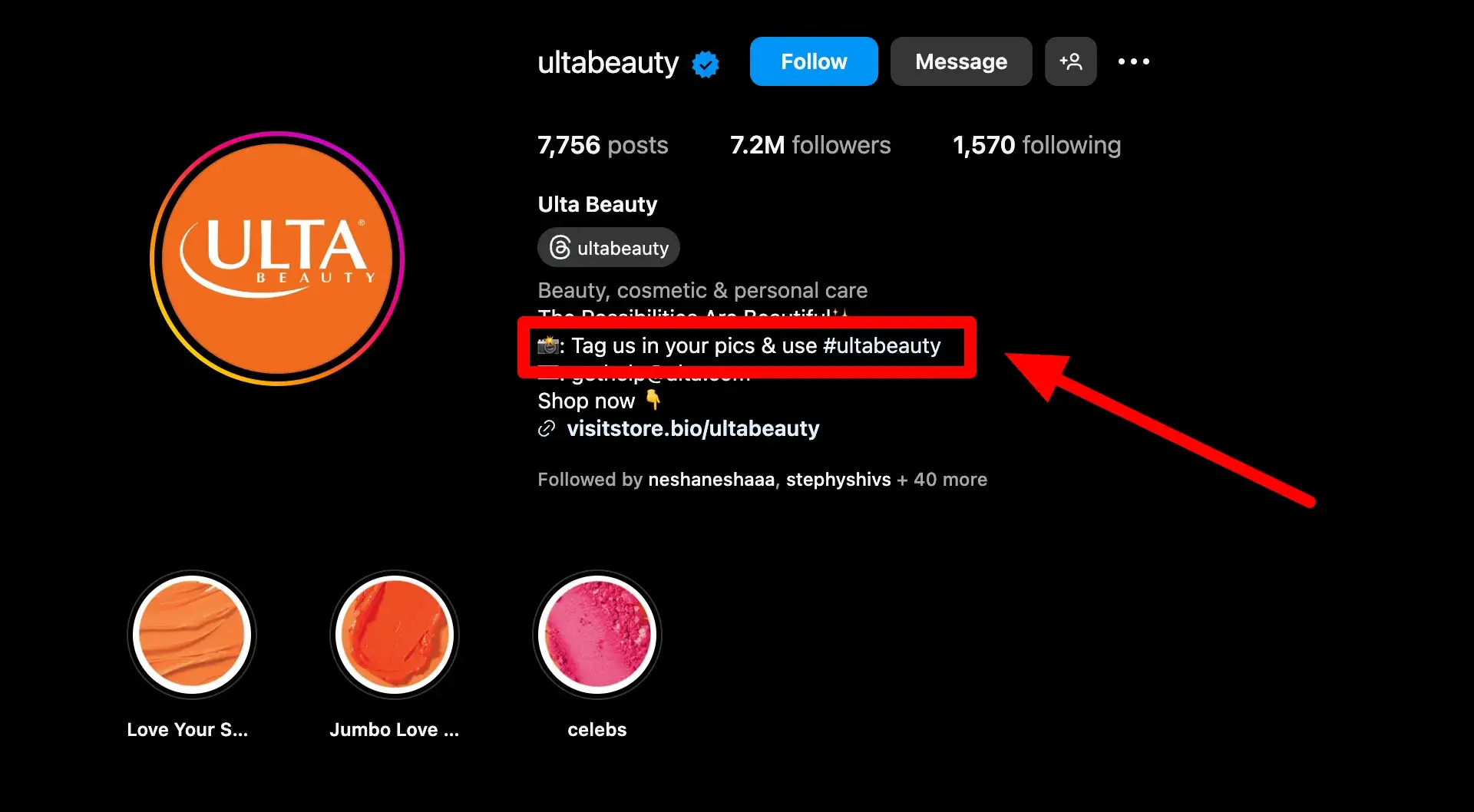
Take Glossier: Rather than chasing A-list celebs, they’ve built their empire largely through partnerships with beauty micro-influencers who create authentic content that resonates with specific audiences.

The strategy? Quality over quantity. One passionate micro-influencer with 15k dedicated followers can drive more conversions than a celebrity with millions of passive followers.

5. The best marketers will repurpose their content.

If you‘re creating content from scratch for every platform, you’re working too hard. That’s the mantra of high-performing marketing teams in 2025.

Think about it: That webinar you hosted could become a blog post, which could then be chunked into LinkedIn carousel posts, which could then be transformed into TikTok clips, which could then… you get the gist.

This approach isn‘t just about efficiency (although that’s a major benefit). It’s about meeting your audience where they are with consistent messaging.

This is how smart teams are scaling their content efforts in 2025.

6. Marketing leaders will hire social media specialists.

Remember when “social media manager” meant the intern who knew how to use Facebook? Those days are long gone.

The top three roles marketing leaders plan to recruit for in 2025 are:

  • Content creator (14%)
  • Social media coordinator (13%)
  • Social media strategist (13%)

In 2025, high-performing marketing teams are treating social media as a specialized discipline requiring dedicated expertise.

marketing roles in high demand

We’re seeing roles like “TikTok Content Strategist” and “LinkedIn Audience Development Manager” emerge as companies recognize that each platform requires its own strategy, content approach, and performance metrics.

The general social media manager role is evolving into a more strategic position that oversees these specialists and ensures brand consistency across platforms while allowing for platform-specific optimization.

With algorithm changes happening almost weekly and new features constantly rolling out, having someone who lives and breathes a specific platform has become a competitive advantage that separates top marketing teams.

7. Data-driven marketing will be a necessity, not a luxury, for high-performing teams.

In our State of Marketing report, nearly one-third of respondents (29%) identified the growing significance of data-driven marketing strategies as the most important industry change, while another quarter (25%) highlighted the increasing importance of data to prove ROI and business value.

The most successful marketing teams in 2025 are leveraging data at every step of their process – from initial audience research to campaign optimization to ROI analysis.

But here‘s the catch: It’s not just about collecting more data. It’s about collecting the right data and turning it into action. Top teams are focusing on metrics that directly tie to business outcomes rather than vanity metrics.

They’re also democratizing data access across their teams. Gone are the days when only analysts could access performance data. In high-performing organizations, marketers at all levels have dashboards and tools to make data-informed decisions daily.

The gap between data-driven teams and those still operating on assumptions is widening rapidly. In 2025, this capability isn‘t just nice to have: It’s table stakes for marketing success.

So there you have it – seven surprising ways top marketing teams are winning in 2025. Which of these strategies is your team already implementing, and which might require a shift in approach? The beauty is that you don’t need to tackle all seven at once – even small steps toward these practices can yield significant results over time.

Categories B2B

Here’s Why Integrated Marketing Is So Effective [+ Best Practices]

I fly Southwest Airlines almost exclusively, and one thing I’ve noticed about Southwest is that their branding is on point.

Whether I’m booking a flight on their mobile application, being served my go-to in-flight ginger ale, or walking through the terminal at Midway Airport, I’m surrounded by Southwest’s consistent brand colors, messaging, and imagery.

Download Now: Free Marketing Plan Template [Get Your Copy]

This is an example of integrated marketing at work. If you’re interested in presenting a cohesive, consistent brand experience that leaves your products or services top-of-mind — like Southwest does — this guide is for you.

Read on to learn more about integrated marketing, how to weave it into your marketing plan, and how to create your own campaign.

Table of Contents

Imagine discovering a new brand on Instagram and visiting the company’s website to purchase one of its products. If their website promoted a different message or campaign than the one you found on their Instagram account, you’d have a hard time understanding the gist of the brand, right?

Integrated marketing exists to eliminate these disparities and differences regardless of how or when a customer interacts with your brand. It’s similar to multi-channel marketing, except integrated marketing aligns the message you share on all those channels.

I’ve found that integrated marketing doesn’t just apply only to your inbound or digital marketing channels; it also includes traditional media channels. Many integrated marketing examples I’ll review below incorporate conventional marketing channels such as print, radio, and TV ads.

Why are integrated marketing communication plans effective?

While integrated marketing campaigns can differ in their goals (e.g., converting views, building brand awareness, etc.), they should all have one component in common: to align your marketing channels to present a united marketing “front.”

I’ve also found it more effective to run integrated marketing campaigns than campaigns on individual channels. Integrated marketing campaigns are more impactful for a few reasons because they tend to:

  • Reach a wider audience than a single marketing channel.
  • Increase visibility as they are more likely to be seen on multiple channels.
  • Build trust with visitors as they see a consistent message on multiple channels.
  • Save you money since assets are shareable between different marketing channels.

So, how can you build your integrated marketing campaign? These are the steps I follow to get started.

1. Establish your overarching campaign goal.

Before you consider what channels will be part of your integrated marketing campaign, you must consider the goal of the entire campaign.

Once you’ve identified your goal, remember to make it SMART. This will help you stay focused, track your campaign success, and learn how to improve the next time.

When I’ve tracked my own campaigns, I’ve focused on creating goals that relate to key performance indicators (KPIs) and their subsequent metrics.

KPI

RELATED METRICS

Traffic/reach

Unique page views by channel and source

Engagement

Bounce rate; average time on page

Top (and falling) content

Top page views; top exits

Impact

Click-throughs; conversions; backlinks

Sentiment

Comments; social shares

Lead generation

Total leads; total sessions; session to lead conversion rate

Sales

Lead to marketing qualified lead (MQL); MQL to sales qualified lead (SQL); customer purchase/closed-won business

Also, while increased engagement and new leads are always exciting, a multi-channel campaign should consider the bigger picture: how your campaign impacts sales opportunities and business revenue.

2. Choose your marketing channels and set goals for each one.

Now that you know your overarching integrated marketing campaign goal, you probably have a better idea of what channels (if not all of them) can help you reach that goal.

For example, if you want to roll out a new logo and branding suite, you don’t necessarily need to leverage radio ads.

On the other hand, if you’re extending your audience to target a new geographic region or city, radio ads, billboard ads, TV ads, and other local channels may come in handy.

In my opinion, there are 10 major marketing “channels” that you can use to distribute your campaign content, including:

  1. Advertising (both print and PPC)
  2. Direct marketing
  3. Email marketing
  4. PR
  5. Personal selling
  6. Sales promotions
  7. Digital marketing (e.g., website, content marketing, and SEO)
  8. Social media
  9. Events and sponsorships
  10. Packaging

Your integrated marketing campaign should include a variety of marketing channels to reach the widest audience and drive home your campaign message. If you see one or more channels plateau, don’t hesitate to add, remove, or test new ones.

integrated-marketing-1-20250331-2806189-1

Source

3. Define your buyer personas by channel.

Every marketing channel targets its specific buyer persona. For this reason, instead of defining a broad persona for your campaign, I recommend defining your audience by channel.

There will inevitably be some overlap, but I think it’s wise to understand exactly who you’re talking to on each medium and how to tailor those specific assets to be the most successful.

With some campaigns, you may be targeting a specific audience. In this case, flip steps 2 and 3 — define your buyer persona(s) first and then decide which channels can help you reach that audience.

Pro tip: In addition to HubSpot’s (fun!) buyer person tool, you can utilize free buyer persona templates to jumpstart this process.

example of buyer persona template for integrated marketing strategy

Source

4. Identify your channel managers.

Depending on the size of your marketing team, you may have different people (or entire groups) in charge of other channels. However, you still must choose who specifically will ensure their channel(s) align with the campaign.

This is important for two reasons:

  • So managers can be the expert on their channel (e.g., audience, posting cadence, optimization tactics, reporting strategies, etc.) and will know how to tailor the campaign to be the most successful.
  • Because putting one person in charge of all channels may be overwhelming and cause the content and campaign to suffer.

Pro tip: If you’re like me, you may have a smaller marketing team where one person handles multiple channels. Regardless of your team size, do your best to share channel management responsibilities across a few people — ideally, with one person running one or two channels.

5. Create adaptable marketing assets and messaging.

You have your campaign goal, target audience(s), and marketing channels. It’s now time to create your integrated marketing campaign content. This stage is where copywriting, graphic design, and other creative processes come into play.

Before I dive into how, let’s talk about an essential component of integrated marketing content: adaptability.

To keep your campaign consistent (and ease your workload), you should be able to repurpose content for use on different channels.

For example, let’s say your integrated marketing campaign focuses on the launch of a new 3-minute brand video. You could repurpose this video into:

  • 30-second and one-minute “trailer” videos
  • Still images
  • Quotes
  • GIFs
  • Hashtags
  • Blog posts
  • Soundbites

One great way to do this? AI tools like HubSpot’s Content Remix can be a huge time-saver.

visual metaphor for content repurposing tool from hubspot

Source

Pro tip: Create brand guidelines for your integrated marketing campaign to share with your team and any channel managers. This documentation could include a few things:

  • Visual guidelines (logo, color palette, typography, etc.).
  • Any developed and repurposed assets in multiple file formats.
  • Voice and tone guidelines (taglines, preferred language, words to avoid, etc.).
  • Messaging guidelines (pain points, goals, types of content, resources, etc.).
  • Buyer persona information and guidelines.

6. Establish your integrated marketing communication plan for collecting leads.

Whether or not you intend your campaign to collect leads, you should always be ready to receive them. Trust me, you don’t want to leave this as an afterthought once you launch your campaign.

Step 1: Consider how a visitor might convert to a lead:

  • Would they subscribe to your newsletter?
  • Input their information to download a content offer?
  • Create an account on your website?

Ensure these conversion aspects of your campaign are also on-brand with the rest of your visual and messaging assets.

Step 2: Consider how your leads will be nurtured once they convert.

However you go about this step, I advise you to make sure your leads aren’t forgotten once they willingly give over their information.

Pro tip: I try to prioritize communicating with sales to confirm they’re aware of my campaign and on board with the plan for new leads and customers.

7. Launch, measure, and iterate your campaign.

Remember those KPIs and metrics I mentioned? Whichever KPIs relate to your overarching campaign goal (e.g., boosting brand awareness, rebranding, new product, etc.), start tracking those subsequent metrics each week, month, and/or quarter to see how successful it is at reaching your goal.

Don’t forget: Apply what you learn from each integrated marketing campaign to your future campaigns.

Integrated Marketing Strategies and Best Practices

As you construct your integrated marketing campaign, there are a few key strategies and best practices to remember. I’ve detailed them here, and they apply regardless of your chosen media, channels, or goals.

Align behind the scenes.

For you to successfully implement an integrated marketing approach, it’s imperative that you not only choose marketing channel managers but also that all your marketing managers communicate often about projects and campaigns.

While not every integrated marketing campaign or promotion must be on all channels, they should at least complement each other to avoid a fragmented brand experience for customers.

Consider the channel transition.

Integrated campaigns receive traffic from several sources. Consider how a visitor may view/experience each marketing channel:

  • If it was their first visit.
  • If they transitioned from another channel.

Think about how each channel can help others convert.

For example, say a customer saw your new billboard on their way to work and, once they arrived, visited the website on the billboard.

Imagine if, on your website, the customer couldn’t easily find whatever your billboard was marketing. How confusing would that be? That customer would likely drop off immediately.

Don’t neglect the overlap between your campaigns.

Integrated marketing exists to eradicate the silos of traditional marketing and bring together a cohesive campaign experience. For this reason, don’t neglect the places where your campaign overlaps.

I recommend checking these places to enhance your consistency across campaigns:

  • Your email signature, where you can plug your social media handles, website URL, or video links.
  • Your social media bios and posts, where you can include links to your website, blog posts, content offers, or other digital content.
  • Your blog and website, where you can incorporate social sharing buttons.
  • Your standalone landing pages, where you can optimize for relevant keywords and SEO.
  • Your PPC copy, where you can test subject lines to see what your audience responds to.

While these overlaps might not directly support your campaign goals, they help your audience transition seamlessly between channels, enjoy that consistent, cohesive brand experience, and ultimately find their way to a page that converts them.

pull quote on purpose of integrated marketing

Every marketer knows how much you can learn from those before you. In this section, I’ve pulled together a handful of well-executed integrated marketing campaigns to give you an example of this tactic’s success.

1. Apple TV+’s “Severance” Grand Central Station Stunt

If you’re an avid television watcher, you’ve likely heard of the successful Apple TV show “Severance.” Ahead of the season two premiere of the show, the cast and crew set up an unexpected pop-up at the Grand Central Station in New York City, gathering the attention of local New Yorkers and the world.

The cast of the television show “Severance” displays an integrated marketing strategy by  promoting their show with a PR stunt.

Source

Leading up to the Severance pop-up, Apple TV changed the main header image on their app to one of Severance and also put the show in their number one slot for popular series.

By utilizing an integrated marketing strategy, they ensured that the publicity stunt at Grand Central would point viewers to their app, which then made it very easy to find the show.

Pro tip: If you are planning a publicity stunt for the promotion of a particular product, it’s imperative that you make sure your website, social media, PR, etc., all also promote the same product.

2. Duolingo and Social Media Integrated Marketing

Sassy comments from corporations on social media is nothing new. But Duolingo, the language learning app, takes this to the next level with its unhinged and hilarious brand image.

Duolingo went viral on TikTok and other social media platforms in 2025 when a TikTok creator asked the brand to create a video of the Duolingo owl mascot going to sleep to appease her toddler, who wouldn’t go to bed until the owl did as well. This viral video was shared by many on social media as well as featured on the Duolingo app and website.

Source

We can learn a lot from Duolingo’s integrated marketing strategy by looking at their different social media platforms. Their owl mascot is heavily featured and is always up to something unexpected. Replies from the brand have a unified (if not slightly scary) voice, and customers get the same campaign, no matter where they enter the marketing funnel.

Pro tip: If your corporation is going to reply to comments on social media, it’s vital to have a unified brand voice and image.

3. The Barbie Movie and Mattel

mattel’s barbie doll dressed like margot robbie’s character from the barbie movie

Source

2023 was a big year for movies, and one of those successful blockbusters was the “Barbie” movie, starring Margot Robbie and Ryan Gosling.

The marketers and advertisers behind the movie used several integrated marketing strategies to promote the movie, including having Margot Robbie dress up as different iconic Barbies during the press tour, having a photo booth Barbie box for moviegoers to snap pics of and post to social media, and encouraging guests to wear pink when attending the film.

All of these were successful integrated marketing tactics, but one of the best moves was involving Barbie’s original company, Mattel, to participate. The year the Barbie movie was released, Mattel created individual Barbie dolls for each of the main characters of the film.

This kind of integrated marketing is successful because those who enjoy Barbie dolls wanted to know what these new dolls were based on, and those who enjoyed the movie were motivated to check out the Barbie doll merchandise for the film, increasing profits for both.

Pro tip: If you’re including merchandise in your integrated marketing campaign, make sure it’s quality and something people will actually want to buy. Cheap or rushed merchandise will not help your campaign but rather harm it.

4. Coca-Cola and Oreo Collab

Limited edition products and collaborations are common marketing strategies consumers experience all the time. But what happens when you pair up two unlikely yet gigantic brand partners like Oreo and Coca-Cola? A surprising success.

coca-cola and oreo collaborated to create an integrated marketing product that uses both flavors together

Source

Unlike past collaborations where a soda-inspired cookie might exist or just a cookie-inspired soda, the Oreo Coke collaboration had both — and both were advertised on every possible channel.

When you’re a big brand like Oreo or Coke, you often don’t even need your own social media campaign – consumers will taste test and promote your product for you.

And that’s exactly what happened here. If you visit either company’s websites, social media, or more, you’ll see that they all promote the limited edition collaboration items.

Pro tip: If your brand is planning to collaborate with another brand, make sure that you’re both on board for an integrated marketing approach and strategy so customers can get a unified experience no matter which brand they start with.

5. Spotify “Wrapped” Campaign

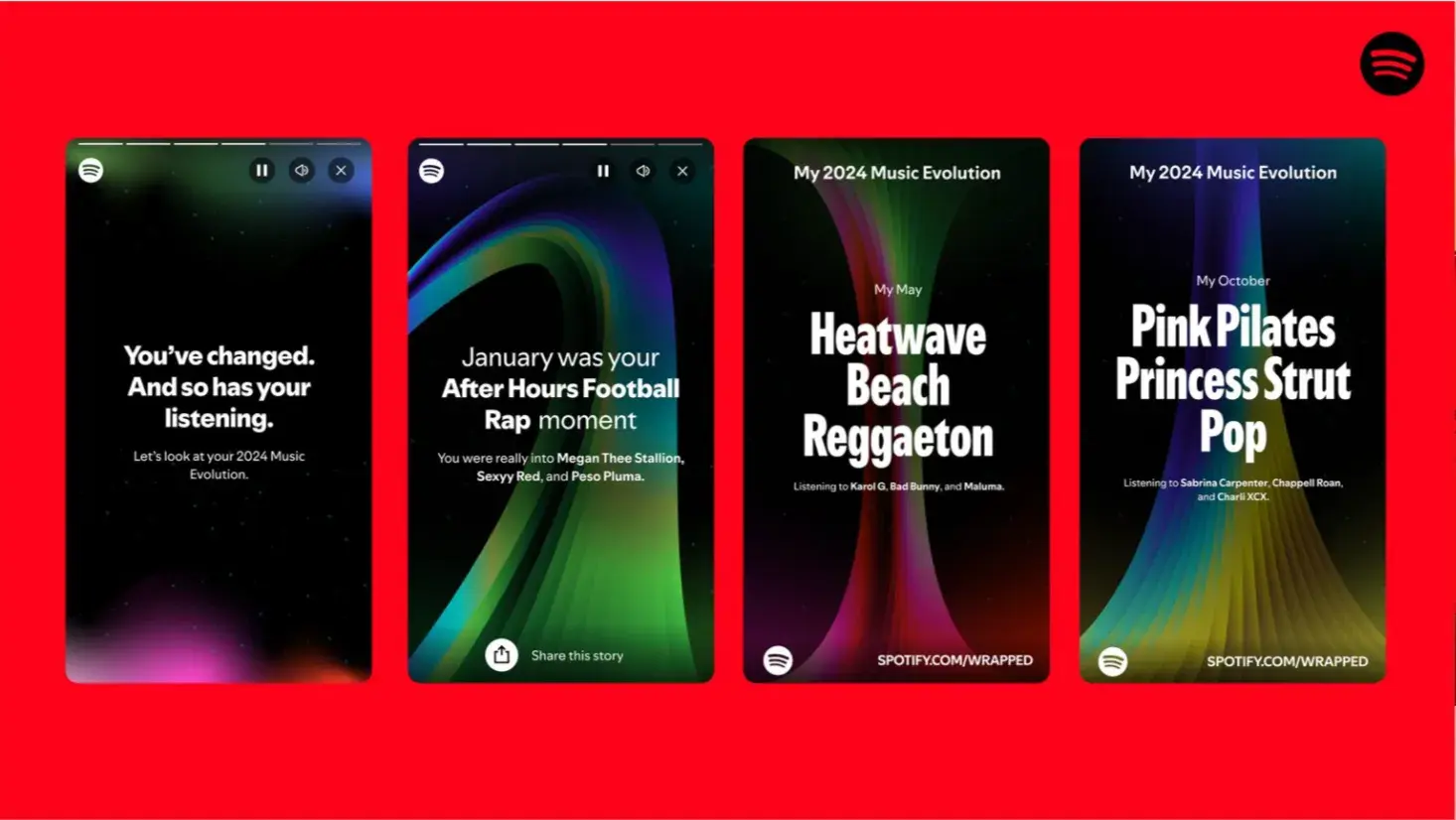
The best marketing campaigns require little to no advertising because your customers love them so much they do the marketing for you. This is the case with music app Spotify’s yearly “Wrapped” campaign.

Spotify Wrapped shows listeners their top artists, songs, listening time, and more. This campaign returns yearly and has improved its integrated marketing strategy over time.

I remember the first couple of years that Spotify launched Wrapped — it was difficult to find where my yearly wrapped was located on the app. By improving their integrated marketing strategy, you can now easily find your Wrapped on the front page of their app, website, and in your inbox. This has helped customers avoid getting frustrated and improved the whole user experience.

spotify’s wrapped campaign features brightly colored images that list your top artists, songs, and more.

Source

Pro tip: If you launch a yearly campaign, it’s important to add new features and optimizations every year. Consider updating your design, including new additions or stats, or identifying new channels to showcase the campaign.

Marketing Plan Template

As you can see, planning is the key to successful integrated marketing. If you need extra guidance through the planning process, I recommend HubSpot’s free marketing template to help set you off on the right track.

The template includes:

  • A business summary
  • Business initiatives
  • Target marketing
  • Market strategy
  • Budget
  • Marketing channels
  • Marketing Technology

I like this template because it’s both easy to fill out and perfect for sharing with your marketing team and executives who need to sign off on your plan. The template also invites you to evaluate your strengths and weaknesses while looking for opportunities and avoiding threats.

I believe that armed with a solid budget and integrated marketing communication plan, you’ll be able to get executive buy-in to begin reaching customers on channels you haven’t previously.

Integrated Marketing Helps You Grow Your Business — Better

After reviewing the concept of integrated marketing, I appreciate how it turns your marketing campaigns into multi-channel movements.

In today’s omnichannel world — with consumers encountering your brand online, on social media, and on their daily commutes — I believe integrated marketing is more important than ever to capture new customers and build brand recognition and loyalty.

Use the strategies, template, and best practices shared in this post to launch your own integrated marketing strategy successfully.

Editor’s note: This post was originally published in October 2019 and has been updated for comprehensiveness.

Categories B2B

How Conversion Funnels Create a Better Customer Journey [+ Tips to Optimize Yours]

Conversion funnels are a fundamental concept in sales and marketing. Personally, I like to visualize the funnel as that big scary slide you wanted to try as a kid. You saw your friends whizzing down, which sparked your interest. You watched how much fun they were having, doing your research. And then the benefits of having fun outweighed your fear, so you climbed up and flew down.

Customers take a similar journey through your company’s conversion funnel when evaluating whether or not to buy from you. You have to pique their interest, build trust, and encourage them to take action.

Download Now: Free Customer Journey Map Templates

In this post, I‘ll explain conversion funnels and how they impact your customer journey. Then, you’ll learn how to optimize your funnel to increase the number of people who make it to your conversion point at the bottom.

Table of Contents

Have you ever watched water swirl through a funnel? If you have, you know that the top of the funnel is wide and becomes smaller at the bottom. The shape of the funnel helps direct the water to a final point.

When moving leads to paying customers, a conversion funnel works the same way as a water funnel.

A conversion funnel is called a funnel because companies often have more leads than they do customers, making the top of the funnel a larger pool of people than the bottom. The top of the funnel, where all leads begin, is broader. As leads move through the funnel, it becomes smaller and more personalized. Your content and customer touchpoints help direct leads to the end of the funnel.

Understanding how people flow through your conversion funnel is essential to being an effective marketer or salesperson. It helps you:

  • Engage leads.
  • Answer questions about your business.
  • Address concerns.
  • Organize leads into categories and create customer touchpoints that entice each group to convert.

That’s why every funnel should be designed for how your customers buy, not how you sell. The focus is on providing such a great experience within the customer journey that you convince them to convert.

Before diving into how to analyze and optimize your funnel, we need to talk about an important aspect of this process: the customer journey.

Customer Journey

The customer journey complements the conversion funnel, but it’s not the same thing. Unlike the generalized, linear conversion funnel, customer journey maps show the individual and circuitous paths people take from discovering your brand to purchasing.

Let‘s say you’re a food blogger who sells cookbooks. Here‘s how your customers’ journeys can differ.

  • Customer A sees and clicks on your banner ad, visits your blog, reads an article, signs up for your newsletter, gets a discount email, and purchases a cookbook.
  • Customer B sees your cookbook in a bookshop, buys it, makes the recipes, visits your blog, and subscribes to your newsletter.

The outcomes for customers A and B are essentially the same, but the journeys and touchpoints are different. So, if you know the various ways people enter your funnel, you can optimize for those entry points. That way, you can meet potential buyers where they are and entice them to convert.

Why Understanding Your Conversion Funnel is Important

To better understand why the conversion funnel is important, I turned to a few experts to get their take. Here’s what they told me.

Belinda Conde, SVP of Marketing at Datos, told me that a conversion funnel is the “holy grail” of any marketing strategy. She uses conversion funnels as a crystal ball to help predict future performance.

Conde said, “[The conversion funnel] is massively important for many companies, but the top of the list for me right now is predicting and, therefore, scaling marketing-attributable revenue. Without historical funnel performance data (especially conversion rates at key stages), it becomes nearly impossible to model future performance accurately.”

Ryan Anderson, President of Markiserv, told me that a conversion funnel is the backbone of both sales and marketing. It becomes even more critical when you want to understand where you can improve your marketing and sales strategies.

Anderson said, “For a product or sales-led business, you are able to identify key drop-off points within the funnel to improve upon whether that is top of funnel (TOFU) or awareness, mid-funnel (MOFU) or consideration/intent, or bottom of funnel (BOFU) or action/purchase based intent.”

Speaking of stages within the conversion funnel, let’s define each stage.

Conversion Funnel Stages

Sales and marketing are full of acronyms. If you hang around either of those departments long enough, you’ll hear references to “TOFU” or ‘BOFU.” These acronyms refer to the various stages of the conversion funnel.

The top-middle-bottom funnel is a classic model used by sales teams. It focuses on sparking interest, informing potential customers, convincing them to purchase, and building loyalty to become repeat buyers.

Traditional Conversion Funnel Stages:

  • Top of the funnel (TOFU). This is the awareness phase. Potential customers enter the TOFU when they engage with your brand, oftentimes through your website, an ad, an email, or social media.
  • Middle of the funnel (MOFU). This is the consideration phase. Potential customers know about your brand and engage with it to learn more. They may sign up for your email newsletter, follow you on social media, or download guides and templates.
  • Bottom of the funnel (BOFU): This is the conversion phase. A prospect is here before they purchase, which means you’ve given them good information and relevant touchpoints. Help them convert by making purchases easy, offering a trial, outlining pricing, or sending a discount for their abandoned shopping cart.

Let’s see what this looks like visually in the examples below.

Conversion Funnel Examples

HubSpot started off with the traditional conversion funnel structure, using marketing efforts to serve as the top of the funnel. Those leads were then passed further down the funnel to the sales team.

While some conversion funnels are simple, others can be incredibly complex. There are several conversion models you can use to suit your business needs, ranging from a simple three-stage funnel for smaller operations to complex, multi-stage sales funnels for enterprise-level companies. Let’s explore some of the most common models.

Three-Stage Marketing Funnel

basic funnel example

  • Awareness: Get visitors to your website. Attract them with quality blog posts or through social media.
  • Consideration: Use that great content to entice new visitors to sign up for your newsletter.
  • Conversion: Now that prospects are familiar with your brand, persuade them to purchase by offering a discount code for first-time buyers.

AIDA Funnel

simple aida funnel

Sometimes called a “purchase funnel,” the AIDA model expands on the basic three-stage structure.

  • Attention: Besides blog posts and social media, you can use targeted ads to draw visitors to your website.
  • Interest: Pique the prospect’s interest in your product by showcasing the goods. Use case studies to show how your product has helped other businesses. Have notable press mentions? You’ll want to showcase those as well.
  • Desire: Your prospects like you. Now, you must make them want you. Gain their trust and create an emotional connection. Continue to serve them content that helps them visualize how your product would fit into their lives and why they need it.
  • Action: Now’s your chance to get them to convert. One way is to offer a free ebook, trial, or tool that is only accessible if they fill out a form with their contact information. If your goal is to get them to purchase a product, you could give them a promotional offer to persuade them to buy.

The detail of your funnel depends on your sales process — the longer your sales cycle, the more complex your funnel. If you have a short sales cycle, your funnel tends to be simpler.

Think about how long it takes to sell $2,000 B2B software versus a $20 T-shirt. The software purchase usually requires months of sales calls, marketing materials, FAQs, and demos.

Each of those is a specific point in your conversion funnel. However, potential buyers may only need five minutes to determine whether the t-shirt is the right color and fit before purchasing. The touchpoints required here are taking it off the rack and trying it on.

Action: Jot down a list of your current strategies that help build brand awareness, drive lead consideration, or convert a prospect to a customer. For example, do you run paid social media ad campaigns? Do you offer free trials or provide one-on-one consultations with your sales team?

This list will help you begin to understand your conversion funnel. And to figure out how complex your funnel is, you can look at the data and perform an analysis. This will help you flush out each part of your customer journey to create a unique visual representation of your funnel.

Conversion Funnel Analysis

Analyzing your funnel helps you visualize the flow of potential customers across each point. You can see key traffic sources and high-exit pages to get a feel for how people end up in each stage of the funnel.

Looking at your funnel also helps you uncover barriers and points of friction that cause people to leave a page before they convert. For example, if you see a high drop-off rate on one page, you’ll know to prioritize that as you work toward optimizing your funnel.

To understand your funnel, follow these steps for in-depth analysis:

1. Look for high-traffic pages with high drop-off and conversion rates.

High-traffic pages hold a plethora of helpful information. Not only are these the pages people see the most, but they’re also where people decide to stay or go. Look at the pages where people drop off (aka leave) and where they convert (take your intended action). Some metrics to collect are:

  • Cost Per Acquisition (CPA)
  • Customer Lifetime Value (CLV)
  • Drop-Off Rate
  • Conversion Rate
  • Number of Marketing Qualified Leads (MQLs)
  • MQLs to Customer Conversion Rate
  • Conversion Rate Per Channel (i.e., social, email, and paid search)

Action: Monitor these metrics for at least a quarter. Track your numbers in a spreadsheet to help make auditing easier, or use a custom funnel report. For better visualization, create a graph.

2. Discover where your best customers come from.

Not all leads are the same. Some people drop off near the top of the funnel, while others make it all the way down. That‘s why tracking leads is so important. When you know where your high-quality leads come from, you can analyze that touchpoint or channel to see what you’re doing right.

Ask yourself:

  • How is this touchpoint different from other touchpoints?
  • What information is resonating with people?
  • What are the barriers or friction (if any)?
  • How many steps do people have to go through before converting?

Identifying what you‘re doing right in your funnel is just as important as figuring out what you’re doing wrong.

Action: If you need help digging into the data, check out these sales funnel tools or look into heatmap and session recording tools for information on how people navigate your pages.

3. Create an optimization plan.

After you figure out where people are dropping off and converting, it’s time to make an optimization plan. This should include the goals you want to focus on, like more:

  • Leads
  • Newsletter signups
  • Demos
  • Software purchases

Goals let you determine what you want from each touchpoint within your funnel so you can measure whether it’s working or not.

After your funnel analysis, you’ll have a list of priority touchpoints that need to be optimized. Make sure to focus on the areas with the most significant drop-off rates first.

Pro tip: To optimize your funnel, make one meaningful change at a time. Singular changes help you understand what’s working and what’s not.

Benefits of Optimizing Your Conversion Funnel

Your conversion funnel is only as good as the strategies you use to build it. Without solid strategy, your leads will quickly drop out of the funnel and will be reluctant to re-engage.

Optimization is crucial — it brings better results with less effort. Let’s look at the positives of taking the time to optimize your conversion funnel.

1. Increased Conversions

An optimized conversion funnel leads to, well, more conversions.

Take Anderson and his team. After optimizing their funnels, they saw improved conversions on their customer registration pages and MQLs.

“We removed barriers to conversion along our funnel, wherein TOFU users were having trouble registering in our funnel, becoming intent-based users, or MOFU, based on a frustrating form fill process,” Anderson said.

Here’s what he and his team did to improve their conversion rates:

  • Eliminated large form-fill fields, which improved bounce and exit rates
  • Increased TOFU video content to garner more interest.

“This, in turn,” he said, “increased the amount of MQLs that entered our pipeline and MOFU prospects for us to service. Once our MOFU pipeline expanded, this increased our BOFU counts and conversion rates.”

2. Lower Customer Acquisition Costs

One of the biggest benefits of improving your conversion funnel is reducing customer acquisition costs (CAC). CAC refers to how much a brand spends to gain a new customer.

Let’s look at a quick example. Let’s say you analyze your funnel and realize that more of your leads come from social media ads than any other source. Using this information, you can invest more in social media marketing and decrease your spending on other avenues that don’t provide the same results.

While you might spend more on one marketing channel, you’ll save more of your marketing budget by nixing ineffective strategies.

3. Better User Experience

Optimizing the touchpoints in your conversion funnel leads to a better user experience. When leads are pleased with their initial experiences with your brand, they’ll continue to move through the conversion funnel.

Your website is among the first places a lead might interact with your brand. A slow-loading website is a major turn-off for many leads, meaning they’ll bounce off your page and onto something else.

Nearly 18% of visitors become frustrated with slow loading pages. When you improve your website speeds, you reduce your bounce rate and shuffle your leads to the next part of your funnel, like the call-to-action (CTA).

If the next phase of the funnel is personalized to your target audience, even better—especially considering that personalized CTA performs a whopping 202% better than generic CTAs.

Pro tip: 70% of marketers believe that A/B testing is essential to boost conversion rates. Use A/B testing to nail your messaging across your website and CTAs.

4. Better ROI

Optimizing your conversion funnel often means being very specific in your messaging. The more laser-focused your messaging, the better it resonates with the leads who will become customers.

Effective messaging is essential for a better ROI. Brands who nail personalized messaging often see over 120 times better ROI compared to brands who focus on creating marketing campaigns for a broader audience.

5. A Realistic Sales Pipeline

I asked Conde what she thought was the biggest benefit of a conversion funnel. She told me her conversion funnels help identify high-value leads and create more realistic pipelines tailored to a specific audience.

“The most significant benefit would be having a more realistic pipeline for marketing and sales. Last year, my team and I worked really hard to refine our HubSpot Lead Scoring logic to narrow down what really constitutes a valuable MQL. We needed to better profile leads that were genuinely aligned with our ICPs and map out all the implicit and explicit attributes that would demonstrate intent or engagement,” she said.

“That naturally led to a decrease in the number of MQLs in our pipe, but we ended up having a much cleaner and highly qualified funnel. Over time, we’re pleased with the results, and the conversion rates down the funnel are more realistic, allowing us to monitor any anomalies much more efficiently.”

Conversion Funnel Optimization

Every part of your conversion funnel can be optimized to increase the number of people who turn into customers. Think of conversion funnel optimization as finding out what motivates, blocks, and persuades people so you can give them the best experience possible on their unique journey.

To optimize effectively, you need to think about giving each customer what they want at each phase of the funnel. Using the phases outlined above, here’s what to consider at each step along the customer journey.

1. TOFU: Awareness

Issues at the top of your funnel? Take a look at how you attract new leads. Compare every channel that brings in customers (i.e., social media, search engines, your blog, and paid ads) to see which attracts the most people.

Action: If you‘re unsure how customers found you, send out a survey to ask. Look for trends in how people find new brands and put more effort into your best channels. This helps make sure you’re attracting the people in your target audience.

2. MOFU: Consideration

Potential customers made it to the middle of your funnel, but it’s your job to keep them moving toward the bottom.

If you’re having trouble with this phase, look at how people learn about your business and engage with your site.

Action: Ask yourself the following questions.

  • Is it easy for people to navigate your site? Or sign up for your email list?
  • Do you have relevant, rich content?
  • Do you offer pricing and product information?
  • Is it easy to get questions answered?

Depending on your barriers, consider these ideas for improvement:

  • Product videos and photos
  • FAQ page
  • Whitepapers, case studies, or blog posts
  • Filters and search options
  • Newsletter capture
  • Discounts
  • Check pages for loading speed and broken elements

3. BOFU: Conversion

As the final stop for potential buyers, this is the phase to turn them into customers. You should remove as much friction as possible and encourage people to take the final steps to convert.

Some ways to optimize this final part of your funnel are to make sure product or service pages are fully built out with:

  • Interesting descriptions.
  • Engaging videos.
  • High-quality images and photos.

Consider your checkout process to see if people have issues with payments or abandoned carts. Make it simple for people to compare pricing and clearly outline all product features. You can also send specific BOFU emails or create ads to remind people of their desire to convert.

Think your job is done once a customer converts? Wrong.

While you may have pulled a customer through your conversion funnel, there are plenty of opportunities to re-engage them. Not only is customer retention essential for growing your business, but it’s often more expensive to acquire a new customer than to retain a current customer.

Action: Once your customers make it through the funnel, re-engage them. You can invite them to:

  • Sign up for a new webinar series.
  • Download additional templates.
  • Send promotions.
  • Join a loyalty club.
  • Follow you on social media.

Conversion Funnels Shouldn’t Be Business Models

While conversion funnels are very effective for demonstrating the customer journey for a one-time purchase, they are not a substitute for creating a holistic business model. Relying on a funnel as your business model creates a lack of alignment between each stage of the customer experience.

HubSpot transitioned to thinking of the customer journey as less of a funnel and more of a flywheel — building more momentum as customers move through it.

With the flywheel model, the momentum of your happy customers is used to drive referrals and repeat sales. It’s not a linear beginning and end, but rather a continuous cycle that allows you to generate more business.

Tailor Your Funnel to the Customer

While the customer journey is more complex than my slide analogy, understanding how conversion funnels work can improve this flow. It can help you optimize your funnel, attract more leads, convert them to customers, and boost your bottom line. But all that requires reducing as much friction as possible.

My advice: Find what makes sense for your particular sales cycle and use your existing content and channels to stay in touch. Make sure customers value your business and want to come back because you never know who they’ll introduce to the top of that funnel.

Editor’s note: This post was originally published in April 2021 and has been updated for comprehensiveness.
Categories B2B

Navigating Global Expansion: What Brands Can Learn from Liquid Death’s UK Exit

When Liquid Death, the edgy, death-metal-themed water brand that took American social media by storm, announced it was pulling out of the UK market, marketing Twitter(X) erupted with hot takes.

Was it the irreverent branding that didn‘t connect with British sensibilities? Or proof that even viral marketing can’t guarantee product success?

According to behavioral science expert Phil Agnew, the answer is more nuanced.

1. Who Needs Premium Water?

In the UK, tap water isn’t just acceptable, but a point of pride. Scottish tap water is famously excellent, and many Brits are genuinely proud of their municipal water quality.

The cold climate creates another unique challenge: water comes out of pipes already refreshingly chilled. This natural advantage eliminates one key selling point of bottled water — coldness — before the marketing battle even begins.

“The idea that you’re going to splash cash on something you can get for free out of your tap is quite hard for a lot of Brits to swallow,” Agnew explains.

2. The Marketing-Behavior Mismatch

People in the UK fall into two camps: loyal tap water drinkers, or price-sensitive bottled water buyers. Asking either group to buy premium canned water was fighting deeply ingrained habits.

As Agnew points out, when Red Bull came to market, they weren’t asking people to drink soda for the first time. But Liquid Death was trying to get Brits to buy canned water, something they just don’t do.

This challenge was compounded by a channel mismatch. Liquid Death‘s social media prowess didn’t align with UK purchasing behavior. Brits don’t buy water online. They grab it at stores while shopping for other items.

“There’s something slightly perverse in trying to sell it online when the sale point is actually in person,” Agnew notes.

3. No One’s Drinking The Kool-Aid (or Water)

Despite killer marketing that made the brand stand out in a “sea of sameness,” UK-based Agnew points out a crucial flaw: “I have not seen a single person drinking Liquid Death.”

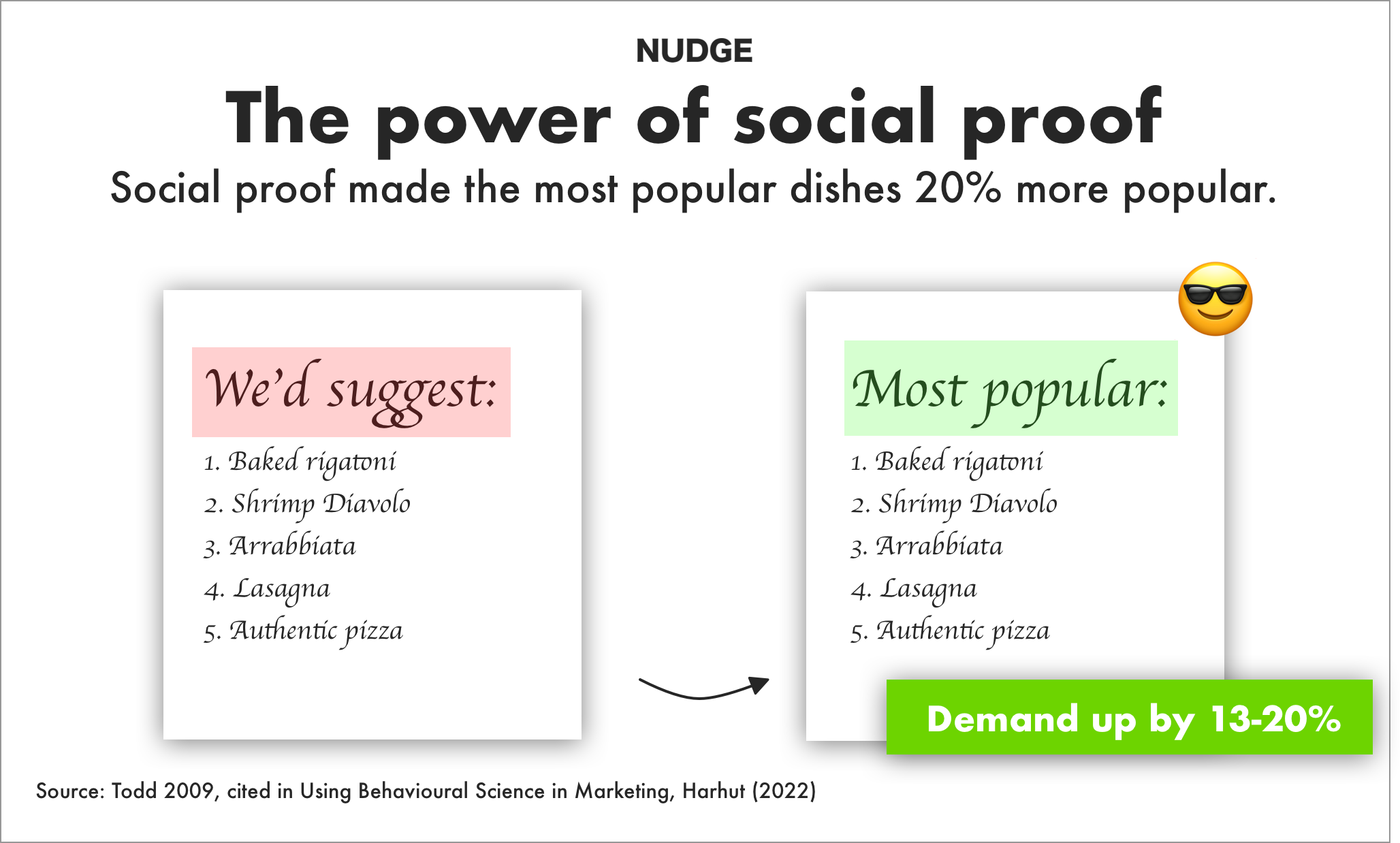
This matters more than you might think. Studies show we’re significantly more likely to order coffee on a plane if we see someone else drinking it. We follow the herd — but there was no herd of Liquid Death drinkers for Brits to follow.

4. Too Much, Too Soon

Liquid Death tried going mass market too quickly, spreading themselves thin across the UK. Their distinctiveness (what Agnew calls the “Von Restorff effect”) made them memorable online, but this advantage evaporated without in-person visibility.

Contrast this with Joe & The Juice, which placed 15 stores within a small area of West London.

“An economist might call this mad,” says Agnew, “but a psychologist and a marketing scientist would call it genius.”

When customers see multiple locations in quick succession, they assume popularity and success.

Not A Culture Clash

Interestingly, the failure wasn’t about British resistance to American marketing, or Liquid Death’s style of humor. Brits happily consume American products daily, from Coca-Cola to Heinz baked beans. Many even watch the Super Bowl purely for the commercials.

The problem wasn‘t that British consumers didn’t get the joke — it’s that they never saw it in contexts where they make purchasing decisions.

The Right Way To Go Global

For brands considering international expansion, the lesson isn’t to completely overhaul your marketing for each market. Instead:

  • Consider targeted saturation rather than wide distribution
  • Match marketing channels to actual purchase behavior
  • Consider partnerships with premium retailers or exclusive venues
  • Target consumers at the point of sale where they can try the product

Agnew suggests that Liquid Death could sponsor Wimbledon to reach young professionals with disposable income in the UK (they likely attend Wimbledon every year). They’re the crowd most likely to adopt its product.

Remember: 80% of product launches fail, according to Harvard Business Review. Liquid Death‘s struggle isn’t unusual. It’s just more visible because their marketing was so damn good.

Categories B2B

How to Use Claude to Create a Virtual Assistant (in Under 10 Minutes)

Who wouldn’t want their own personal executive assistant? Sounds pretty awesome, right?

Well, with the AI tool Claude, anyone can set up a virtual executive assistant in just ten minutes. In this article, I’ll share how you can use Claude’s incredible new Projects feature to create an executive assistant.

That virtual EA can help you analyze meeting transcripts, manage action items, draft follow-up messages, and more.

Ready to get started? Let’s dive right in!Download Now: How to Use Claude AI at Work [Free Ebook]

Setting Up Your Claude Executive Assistant

Part of what makes today’s AI tools so powerful is that they can truly be customized in endless ways. There are countless different approaches to creating a virtual assistant, and I definitely encourage you to play around and experiment.

So, think of the steps below not as hard-and-fast rules but as a beginner’s guide: This is a quick and easy way to get started, but it only showcases a small portion of Claude’s huge potential to transform how you work.

Step 1: Set project instructions.

The first step to set up your executive assistant is to navigate to the Projects feature within Claude and click on “Set Project Instructions.” In the popup that opens, you can define exactly what you want your assistant to do.

For our executive assistant, I defined two key responsibilities: meeting analysis and follow-up management. I also noted several important components of each of these, including analyzing meeting transcripts, identifying key action items, and tracking deadlines.

In addition to these responsibilities, I also defined a communication style and output format for the assistant’s responses.

Setting Up Your Claude Executive Assistant: Set communication style and output format

I directed the assistant to use a professional but conversational tone, to identify issues proactively, to prioritize tasks, and to flag urgent items. I also defined a specific format with which the assistant should respond. I specifically ask for key items such as a short meeting summary, action items (with owner and deadline), and suggested follow-ups.

Finally, I specified the exact items that should be included when the assistant tracks follow-ups: a list of outstanding items, items due this week, overdue items, and suggested messages to send.

Setting Up Your Claude Executive Assistant: Define follow-up tracking

Importantly, this is all just one approach. I constantly tweak our project instructions, especially when it comes to the exact format and content of the follow-up tracking. I’ve found that this general setup works well for me, but it’s important to customize and fine-tune the instructions to meet your unique and evolving needs.

Step 2: Upload content.

Once you’ve defined your project instructions, it’s time to upload the content that Claude will analyze for you.

If you have an enterprise account, you can link to your Google Drive account, which makes it possible to search for and link directly to live files. Otherwise, you can just upload a static file.

Setting Up Your Claude Executive Assistant: Upload content

For us, I’ve found that it tends to work best to do this at the end of each day. In principle, you could upload a new meeting transcript after each meeting, but in my experience, it’s usually more efficient to get a full summary once a day.

Step 3: Ask Questions

Alright — I’ve defined the assistant’s instructions and uploaded the content it will analyze. Now, it’s time for the fun part!

Once it’s set up, there are several questions you can ask Claude to start to reap the benefits of your virtual executive assistant. The first basic request I like to make is to “analyze the latest meeting transcript and update our action list.”

This prompts the assistant to analyze your transcripts and extract key action items. Then, it adds those actions to your existing action list, helping you keep track of everything you need to do in one place.

Questions to Ask Your Claude Executive Assistant: “Analyze the latest meeting transcript and update our action list.”

Another useful question to ask is, “What are our outstanding action items and what needs to follow-up today?” This is a great way to get a quick view of what’s on deck for today, as well as the critical issues that need your immediate attention.

Claude will also call out any action items with unspecified deadlines, which I’ve found can be super helpful to keep things from slipping through the cracks. Claude basically forces me to make sure there’s a clear owner, due date, and description for each action item, which helps us stay organized.

Questions to Ask Your Claude Executive Assistant: “What are our outstanding action items and what needs to follow-up today?”

Next, in addition to flagging outstanding items and tasks with missing details, the virtual executive assistant also keeps a running list of all action items, including who they’re assigned to, their deadlines, and their statuses. To view that list, I can just ask, “Give me a complete list of all my actions.”

You may even want to get more specific, asking it something like, “Give it to me in the table format.” This is especially helpful because it will match the format of its output to the format of your existing action item tracking table.

Questions to Ask Your Claude Executive Assistant: “Give it to me in the table format”

Finally, one of our favorite ways to use Claude is for drafting email or Slack messages based on the items in our action list. For example, you can ask it to draft a follow-up message to check in on the status of a certain action item. You can also ask it to write a message that will assign a certain task to a certain person.

Questions to Ask Your Claude Executive Assistant: Draft a follow-up message

Of course, it’s important to review these messages before you send them off, but I’ve found that these automatically generated emails and Slack messages can be really helpful and save us a lot of time.

The Future of Claude

If you ask me, Claude is already an amazing tool — but I also know that this is just the beginning. In the future, I think that the team behind Claude is likely to offer a few more features that will make it even more powerful.

Specifically, I think that at some point soon, Claude will start letting you write back to a Google Doc, rather than just reading from them. This will make it possible to share updates to your action item list in real time, rather than only being able to see the latest version of your list within your own Claude account.

In addition, we think it’s likely that Claude will offer integrations that let it draft suggested emails directly to your email client. After all, right now, we have to copy and paste the suggested messages from Claude into our email, but it would be much more streamlined if you could generate the emails directly in Gmail or Outlook.

And finally, we think similar integrations would make sense for platforms like Slack, too. In the future, we imagine that Claude will link directly with Slack to analyze all your communications there automatically and suggest messages within the relevant channels.

Unlock New Levels of Productivity with Claude

I’ve only been using Claude for a short while, but I’m convinced that it’s an amazing and underutilized productivity tool.

Of course, as with any tool, it’s only going to be useful if you set it up and use it in the right way. For example, one key question to consider before you start is the scope of work you want your assistant to help you with. I recommend setting up a separate assistant for each larger project that you manage. For instance, I manage three pods within HubSpot, so he set up one assistant for each pod.

Navigating nuances like these is part of the challenge of adopting any new technology. But with the simple steps we’ve outlined here, you’ll be on your way to using Claude. You’ll then be able to maximize your efficiency with a basic — but incredibly powerful — virtual executive assistant.

To learn more about lead-scoring tactics and marketing growth strategies, check out the full episode of Marketing Against the Grain below:

This blog series is in partnership with Marketing Against the Grain, the video podcast. It digs deeper into ideas shared by marketing leaders Kipp Bodnar (HubSpot’s CMO) and Kieran Flanagan (SVP, Marketing at HubSpot) as they unpack growth strategies and learn from standout founders and peers.

Categories B2B

How to Create a Complete Marketing Strategy [Data + Expert Tips]

As a marketer, I know that a marketing strategy is essential to nurture future clients, improve my business’s bottom line, and increase the ROI of my efforts. But that doesn’t mean it’s easy — 74% of small and medium businesses say they lack confidence in their marketing strategies.

To stay consistent and see powerful results, you need a clear roadmap for your objectives, audience, positioning, and tactics.

Download Now: Free Marketing Plan Template [Get Your Copy]

Here, I’ll share the critical components of an effective marketing strategy, complete with data from HubSpot’s latest State of Marketing report and a free marketing template so you can hit the ground running.

Table of Contents

A completed marketing strategy typically includes brand objectives, target audience personas, marketing channels, key performance indicators, and more. Overall, 82% of marketers say they believe their marketing strategies are effective.

I’ve found that a marketing strategy will:

  • Align your team to specific goals
  • Help you tie your efforts to business objectives
  • Allow you to identify and test what resonates with your target audience
  • Empower you to capitalize on emerging consumer trends

Marketing Strategy vs. Marketing Plan

I like to think of a marketing strategy as outlining the long-term goals and overall approach, while a marketing plan covers the specific actions and tactics to achieve those goals.

In other words, marketing strategy guides a business’s overall approach to marketing. It includes goal-setting, market and competitor research, and messaging and positioning for a brand.

For example, say you’re creating a marketing strategy for a new fashion brand. Your strategy might target young Gen Z students and position the brand as trendy and affordable.

But, a strategic marketing plan is a detailed tactical roadmap that outlines the specific actions and tactics that should achieve the marketing strategy’s goals.

For example, the marketing plan for the fashion brand mentioned above might include:

  • Targeted social media campaigns
  • Influencer partnerships
  • Online advertising timeline

Both a marketing strategy and a marketing plan are essential for a business’s success.

To succeed with the fast pace of change, stay relevant with your audience, and integrate AI in marketing, it’s vital to stay ahead of the curve.

Below, I’m going to show you step by step how to create a comprehensive marketing strategy. But first, let’s go over the individual components that make up a strong marketing strategy.

1. Marketing Objectives

smart marketing goal for marketing strategy

Believe it or not, “gaining more customers” isn’t the only marketing objective to consider. While one company may want to focus on lead generation and customer acquisition, another may want to increase brand awareness and industry authority. Others may prioritize customer engagement, loyalty, and referrals.

I always recommend that you outline your marketing objectives before building upon your strategy. Why? Because your goals will inform other components of the plan, including the budget and content creation process.

With every objective, be as specific as possible. Aim to create SMART marketing goals divided by channel or promotional tactic, and don’t forget that you can always come back and revise your goals as your priorities change.

2. Marketing Mix

marketing mix for strategy document

The marketing mix, also known as the four Ps of marketing, is the preliminary framework you must create to understand what you will be marketing, where you’ll be marketing it, and how you’ll be marketing it.

The following P’s make up this framework:

  • Product: What are you selling?
  • Price: What is the price?
  • Place: Where will you be selling the product?
  • Promotion: Where will you be promoting the product?

Once you have these broad strokes, you can extrapolate this information into a full-fledged marketing plan for each promotional channel.

3. Marketing Budget

marketing budget template

A marketing budget is an essential element of your strategy. Without allocating funds to hire the right talent, use the right software, advertise on the right channels, and create the right content, your marketing strategy can’t succeed. To get a high return on investment, you must first invest.

Pro tip: Remember that you can always start small — hyper-focusing your budget on one or two efforts — and build upon them once you generate an ROI.

4. Competitive Analysis

competitive analysis template

Knowing your competition is key when creating a marketing strategy. With a competitive analysis, you will know where your marketing and positioning stand in relation to the market.

You might already have an idea of who your competitors are, but I think it’s still essential to sit down and analyze them. You may end up uncovering a surprise competitor who’s vying for your target buyer’s attention and engagement.

With this analysis, you can position your brand alongside other brands. What do you do better than your competitors? It’s essential to map this information when creating a marketing strategy— grab HubSpot’s free competitive analysis template to get started.

5. Audience Segmentation, Targeting, and Personalization Strategy

audience segmentation, targeting, and personalization strategy

Segmentation and targeting refer to the process of delivering more relevant, personalized messages to target audiences. In other words, rather than blasting out generic campaigns to everyone, you’ll go through a methodical process for creating content that resonates with specific audiences.

Personalized marketing is more important than ever: 96% of marketers report that personalized experiences have increased sales. Segmentation and personalization at scale are game-changers for B2B marketers using AI to boost engagement and conversion rates.

During this process, you’ll take three steps:

  • Identify your target audience. Carry out market research, interview customers, and create buyer personas detailing your audience’s needs, wants, and pain points.
  • Target a segment of your target audience. It’s better to speak to a narrow group of highly qualified buyers than to send your message out to everyone.
  • Outline a segmentation and personalization strategy. Document how you will reach different audiences, including how AI and other tools will help you personalize at scale.

6. Content Strategy

Once you have your budget, competitive outlook, and targeting information, it’s time to create a content strategy. First, refer back to the marketing channels chosen in your marketing mix.

A content strategy should outline the content formats best for your audience and the goals for your content— whether that’s to educate, entertain, or generate conversions.

7. Metrics & Key Performance Indicators

Last but certainly not least, your marketing strategy must include metrics and key performance indicators (KPIs) to measure how well you’re performing.

The KPIs you choose will vary depending on your business type and preferred customer acquisition channels. Examples of KPIs include:

Now, let’s dive into why it’s important to follow the steps of a marketing strategy.

Why is a marketing strategy important?

Without a defined strategy, you’ll essentially be throwing things at the wall to see what sticks. And that process will cost you money, time, and resources.

A robust marketing strategy will reach your target audience and have the power to turn people who’ve never heard of your brand into loyal repeat customers.

Here are just a few of the top reasons I think a marketing strategy is essential:

Offers Direction

A marketing strategy outlines clear goals and defines the path to achieve them. It pulls together all marketing efforts within an organization for optimal effects.

Targets the Right Audience

A well-defined marketing strategy helps you find and understand your target audience. This helps your business tailor your messaging and positioning to reach the right people at the right time.

Builds Brand Identity

A marketing strategy helps you create a consistent and cohesive brand identity. This makes it easier to align all marketing initiatives for increased brand recognition and loyalty.

Maximizes ROI

With analysis of market trends, competition, and customer behavior, marketing strategies help businesses find the most effective marketing channels and tactics to invest in. This helps businesses get the maximum return on investment.

Evaluates Performance

A marketing strategy defines key metrics and performance indicators. This makes it easier for your business to measure and track the success of marketing initiatives. It also gives you what you need to make data-driven decisions and optimize future campaigns for better results.

1. Conduct market research.

Before you can begin creating your marketing strategy, you need to gather useful data to make informed decisions. Market research is like playing detective, but instead of solving crimes, you uncover juicy details about your customers.

I believe that market research is important because it helps your business make data-driven decisions for your marketing strategy. It also makes it easier to understand your target market, find gaps, and make the most of your resources.

This process is essential for understanding your customers and adapting to changing trends. If you’re new to this process, this complete market research guide and template can help.

Once you have the data you need, you’ll be ready to set some marketing goals.

2. Define your goals.

What do you want to achieve through your marketing efforts?

Well-defined goals will guide your marketing strategy, whether you’re increasing brand awareness, driving sales, or diversifying your customer base. Your marketing strategy goals should reflect your business goals. They should also offer clear direction for marketing efforts.

For example, say one of your business goals is to increase market share by 20% within a year. Your goal as a marketer could include expanding into new target markets, updating your brand, or driving customer acquisition.

Other marketing goals might be to increase brand awareness or generate high-quality leads. You might also want to grow or maintain thought leadership in your industry or increase customer value.

I find that defining clear goals provides direction and clarity, guiding marketing efforts toward desired outcomes. It helps with resource allocation, decision-making, and measuring the success of marketing initiatives.

I recommend this SMART goal guide which can help you with more effective goal-setting.

3. Identify your target audience and create buyer personas.

To create an effective marketing strategy, you need to understand who your ideal customers are. I suggest taking a look at your market research to understand your target audience and market landscape. Accurate customer data is especially important for this step.

But it’s not enough to know who your audience is. Once you’ve figured out who they are, you need to understand what they want. This isn’t just their needs and pain points. It’s how your product or service can solve their problems.

So, if you can’t define who your audience is in one sentence, now’s your chance to do it. Create a buyer persona that’s a snapshot of your ideal customer.

Buyer Persona Example

For example, a store like Macy’s could define a buyer persona as Budgeting Belinda, a stylish working-class woman in her 30s living in a suburb, looking to fill her closet with designer deals at low prices.

With this description, Macy’s marketing department can picture Budgeting Belinda and work with a clear definition in mind.

Buyer personas have critical demographic and psychographic information. This can include:

  • Age
  • Job title
  • Income
  • Location
  • Interests
  • Challenges

Notice how I included all those attributes in Belinda’s description.

For B2B SaaS companies, keep in mind that buyer personas don’t apply solely to the end user. When you’re selling a product to another business, you also have to address the decision-maker, the financial buyer, and the technical advisor, among other roles, says Head of Marketing at Entrapeer, Hillary Lyons.

“You need to be able to tailor your message to each of these unique personas even though most of them will never actually use the product,” says Lyons. “You have to sell each of them on the unparalleled benefit you provide without muddling your [overall] message.”

You don’t have to create your buyer persona with a pen and paper. In fact, HubSpot offers a free template you can use to make your own (and it’s really fun).

You can also use a platform like Versium, which helps you identify, understand, and reach your target audience through data and artificial intelligence.

Buyer personas should be at the core of your strategy.

4. Conduct competitive analysis.

Now that you have an understanding of your customers, it’s time to see who you’re competing with to get their attention.

To begin your competitive analysis, start with your top competitors. Reviewing their websites, content, ads, and pricing can help you understand how to differentiate your brand. I think it’s also a useful way to find growth opportunities.

But how do you know which competitors are most important? This competitive analysis kit with templates will walk you through the process. I like it because it will help you choose and evaluate the strengths, weaknesses, and strategies of your competitors.

This process will help you find market gaps, spot trends, and figure out which marketing tactics will be most effective. Competitive analysis can also offer valuable insights into pricing, positioning, and marketing channels.

5. Develop key messaging.

You’ve figured out who you’re talking to, what they’ve already heard, and what they want to hear. Now, it’s time to share your brand’s unique value proposition.

In this step, you’ll craft key messaging that shows the benefits of your product or service that resonate with your target audience. This process should show off the research and work you have done up to this point. It should also incorporate your creativity, inventiveness, and willingness to experiment.

In my experience, well-crafted key messaging:

  • Sets businesses apart from the competition
  • Resonates with the target audience
  • Is flexible enough to be consistent across all marketing channels
  • Builds brand credibility
  • Creates an emotional connection with customers
  • Influences buying decisions

The key messaging in your marketing strategy is critical to driving engagement, loyalty, and business growth. These value proposition templates can help if you’re not sure how to draft this important messaging.

6. Choose your marketing channels.

You know what you want to say. Now, decide on the best marketing channels for your message. Your top goal for this stage of your strategy is to align your channel choices with your target persona’s media consumption habits and interests.

Start with media channels you’re already using. Then, consider a mix of traditional and digital channels. The top channels used for marketing in 2025 according to Salesforce are social media, website/app, digital ads, email marketing, and email.

marketing channels used in 2025

Source

For social media, you’ll need to determine which specific channels are best to reach your audience. Consider your audience’s demographics when making a choice and limit yourself to social channels where you know you can produce high-quality, consistent content.

marketing mix, top marketing channels 2025

Source

To streamline this process, I like to think of your assets in three categories— paid, owned, and earned media.

Paid Media

Paid media is any channel you spend money on to attract your target audience. Most of this spending is on advertising. This includes online and offline channels like:

Owned Media

hubspot marketing blog

Source

Owned media refers to (mostly) online channels your brand owns, including:

It also refers to the media your marketing team creates, such as

Earned Media

Another way to say earned media is user-generated content. Earned media includes:

  • Shares on social media.
  • Posts about your business on X or Threads.
  • Reels posted on Instagram mentioning your brand.
  • Organic news stories about your company.

To decide which marketing channels are best for your marketing strategy, look carefully at each channel. Think about which channels are best for reaching your audience, staying within budget, and meeting your goals.

For example, a business targeting a younger demographic, like Gen Z, might consider using TikTok or Reddit to reach its audience.

It’s also important to choose a number of channels that’s manageable for your team and budget. 82% of small and medium businesses agree that using multiple marketing channels generates better results, but it’s important to avoid taking on too much. It’s much better to market on three channels well than on 10 channels poorly.

I suggest looking at your content strategy as a whole to get a clear vision of how you can integrate different content formats and channels into your strategy.

For example, say you already have a blog that’s rolling out weekly content in your niche (owned media). You might consider promoting your blog posts on Threads (owned media), which customers might then repost (earned media). Ultimately, that will help you create a better, more well-rounded marketing strategy.

7. Create, track, and analyze KPIs.

Once you have a clear outline of your marketing strategy, you’ll need to think about how you’ll measure whether it’s working.

At this stage, you’ll shift from marketing detective to numbers nerd. With a little planning and prep, your analytics can unveil the mysteries of marketing performance and unlock super insights.

Review your strategy and choose measurable KPIs to track the effectiveness of your efforts. Pick a marketing analytics software solution that works for your team to collect and measure your data.

​​

marketing strategy kpis

Ideally, I recommend choosing an analytics platform that allows you to track data across all of your marketing channels — from emails to social media and your website. This centralizes all of your data, which makes it easier to understand how each channel contributes to your overall strategy.

You can then plan to check and analyze the performance of your strategy over time and identify the channels that bring the best results. This can help you refine your approach based on results and feedback.

Lexi Boese, an ecommerce growth strategist and co-founder of The Digital Opportunists, recommends making data a priority when building your marketing strategy.

“The more data you can use, the easier you can track your success,” she says. “This could be as simple as understanding which channels convert the highest amount of customers (to determine how your team should prioritize ad spend), or assessing whether you have a higher amount of first-time or returning customers to [determine] if you should focus on internal or external marketing.”

Analyzing KPIs helps businesses stay agile, refine their strategies, and adapt to evolving customer needs.

8. Create a content strategy.

Think of a content strategy like a plan for how you want to communicate with people through things like social media posts, blog articles, videos, or even emails.

You already know who you’re trying to reach, but this determines how you’re going to say it and in which format. A content strategy should outline the type of content you’ll share, goals, how often, and an editorial calendar for planning content.

In 2025, multimedia content and visual storytelling are king. According to the State of Marketing, 30% of marketers use short-form videos as part of their content strategy, and 31% say it generates the highest ROI of all content creation formats.

content strategy, top content formats 2025

Source

It’s even more essential to invest in formats that have a high ROI, such as short-form video, audio content, and user-generated content. Consider adding podcast and audio content to your strategy: 91% of marketers planned to increase their investment in podcasts and audio content in 2025, and 46% of weekly podcast listeners have purchased a product or service after hearing about it on a podcast.

top content formats 2025

Source

That doesn’t mean you shouldn’t invest in text-based content like SEO and blogging. It’s simply important to be strategic about where you allot the most resources, in my opinion, especially if you have a limited budget.

9. Create an AI strategy for marketing.

Your boss may have asked you how you plan on using AI this year. If you’re like me, you’re learning on the fly. 48% of marketing leaders have invested in AI tools for their teams, but just 47% of marketers have a clear understanding of how to use AI in their marketing strategy.

Let’s be clear, AI isn’t a marketing strategy on its own.

It’s simply a tool that can make everything else— identifying buyer personas, creating personalized content, prospecting, and even analytics— faster and more effective. 75% of marketers say they use AI to reduce manual task time, and 86% say that AI saves them over an hour a day.

In your marketing strategy, document how you plan to integrate AI into your processes and workflows.

Examples of AI in Marketing Strategy

  • Analyzing your target audience and their wants, needs, and desire.
  • Writing a first draft of emails, blog posts, or website content.
  • Using buyer signals in your CRM to send hyper-personalized campaigns.

10. Present your marketing strategy.

A finished marketing strategy will pull together the sections and components above. It may also include:

Executive Summary

A concise overview that outlines the marketing goals, target audience, and key marketing tactics.

Brand Identity

You may want to create a brand identity as part of your strategy. Brand positioning, voice, and visual identity may also be helpful additions to your marketing strategy.

Marketing Plan and Tactics

Your marketing plan is the specific actions you’ll take to achieve the goals in your marketing strategy. Your plan may cover campaigns, channel-specific tactics, and more.

Not sure where to start? This free marketing plan template can help.

free marketing planning template

Download for Free

Budget Allocation

Defining a budget for your marketing strategy helps you show that your planned resource allocation aligns with business goals.

I think it’s important to get clear about your spending and how your proposed budget will impact the company’s overall business goals.

Timeline and Milestones

Marketing strategies can be complex and difficult for stakeholders to understand. Creating a timeline that outlines the different tactics, milestones, and deadlines can help.

Your marketing strategy is a living document. It will need constant reviews, revisions, and optimizations to meet your long-term goals. Prepare to revise your marketing strategy at least once a year to address market trends, customer feedback, and changing business objectives.

Examples of Successful Marketing Strategies

1. Regal Movies

Digital Strategy: Owned Media

Regal shares interactive Instagram content that’s not only relevant to its film-loving customers but also encourages them to interact with the content.

regal marketing strategy

Source

Regal’s Instagram post is an example of owned media because the company was in full control of the answers it shared with its followers. Interacting in the comment section was an opportunity for Regal to showcase its voice and brand to its audience.

And it clearly worked well. The post received half as many comments as it did likes, with an impressive 207 comments.

Best for: I think social media is a great owned channel to experiment with new ideas for your overall marketing strategy.

2. La Croix

Digital Strategy: User-Generated Content, Earned Media

I think user-generated content is one of the best ways to gain traction in your strategy.

It demonstrates your appreciation for loyal customers, builds community, and incentivizes other users to promote your products for the chance at a similar shout-out.

Plus, sometimes the content your brand loyalists create is really, really good. In this case, the consumer is creating a handmade needlepoint featuring the brand’s product.

lacroix marketing strategy

Source

Pro tip: UGC isn’t reserved for consumer brands with visual products to share. B2B companies can also take advantage of UGC by sharing positive reviews of their product and incorporating them into their messaging.

3. Small Girls PR

Digital Strategy: Owned Media

small girls pr marketing strategy

Source

Small Girls PR is a boutique PR company based in New York, and one of the company’s talents is connecting with amazing clients. This post on Instagram is an effective marketing example, as it boosts awareness for their brand and offers social proof by featuring high-profile clients.

Pro tip: I find that owned media in the form of PR is a great way to spotlight company executives and position them as industry leaders.

4. Tobii

Digital Strategy: Paid Media

Eye-tracking software company Tobii launched a LinkedIn ad to promote a lead magnet. While the brand may have created the guide specifically for paid promotions, it’s also possible that they repurposed a high-performing blog post into a downloadable PDF.

tibii marketing strategy

Source

In this case, all they had to do was repackage their current content, build an ad around it with creative assets, and run it.

What I like: In previous sections, I discussed the power of leveraging multiple forms of media in your marketing strategy. This is a great example of it.

5. Target

Digital Strategy: Owned Media, Influencer Partnership

If you’ve got the time for influencer partnerships, I encourage you to take full advantage of it.

Influencer marketing is when you partner with influencers to promote your content on their site. By doing this, your content reaches new audiences you might not be able to reach organically:

target marketing strategy

Source

Target recently partnered with fashion expert and influencer Jeneé Naylor to collaborate on its Future Collective line. What made this campaign even more powerful was that Naylor was a former Target Team Member.

I love how this collaboration highlighted Target’s commitment to supporting its team members and influencer marketing strategy.

Best for: Consumer, lifestyle, and retail brands. While just 24% of marketers use influencer marketing, marketers report that it has a high ROI. The channels with the best ROI for influencer marketing are Facebook (28%), Instagram (22%), and YouTube (12%).

Best Marketing Tools to Execute Your Strategy

While a marketing strategy is essential to reach your goals, that’s just step one. You need a robust tech stack to plan, manage, and execute your marketing strategy. Tools can make or break your marketing efforts. Just over half of marketers without a CRM, for example, felt their marketing strategy was effective compared with 87% of those using HubSpot.

effective marketing strategy

Source

Here, I’ve curated a list of marketing and management tools to help you track and measure the success of your marketing goals.

1. HubSpot Marketing Hub

HubSpot’s Marketing Hub allows you to connect all your marketing tools into one centralized platform, including social media, content marketing, and email marketing.

hubspot marketing tools

HubSpot avoids the complexity and headaches of legacy CRM tools. With this tool, you can attract users with blogs, SEO, and live chat tools. You can then convert and nurture those leads through marketing automation, the website and landing page builder, and lead tracking features.

With custom reporting and built-in analytics, you can analyze your data and plan your next move.

HubSpot’s Breeze AI features bring generative AI to your fingertips so you can create great content, automate workflows, and built campaigns with AI-powered intelligence.

What I like: HubSpot Marketing Hub integrates with over 800 tools, making it easy to create a tech stack that meets your specific business needs.

Pricing: Free plans are available; Starter – $15/month; Professional – $800/month; Enterprise – $3,600/month.

2. Trello

trello for marketers

Source

Trello keeps your marketing team on track and openly communicates about the projects you’re working on. You can create boards for individual campaigns, editorial calendars, or quarterly goals.

Built-in workflows and automation capabilities keep communication streamlined, and simplicity keeps your marketing team focused on the work that matters.

What I like: Trello’s visual elements and straightforward organization make it easy for everyone to stay on the same page.

Pricing: Free plans available; Standard – $5/month; Premium – $10/month; Enterprise – $17.50/month for 250 users.

3. TrueNorth

truenorth marketing tools

Source

TrueNorth is a marketing management platform built to help you hit your marketing goals. Built specifically for marketing teams, TrueNorth turns your marketing strategy into a visual projection of your growth, which is used to create monthly milestones that help you stay on track.

What I like: TrueNorth centralizes all your ideas, campaigns, and results in one place, with everything tied back to your goal.

Pricing: Plans cost $99/month, with a free 14-day trial available.

4. Monday.com

monday.com marketing tools

Source

Everything on Monday.com starts with a board or visually driven table. Create and customize workflows for your team and keep groups, items, sub-items, and updates synced in real time.

You can also transform data pulled from the timeline and use Gantt views to track your projects on Monday.com to make sure you’re meeting your deadlines.

Plus, with more than 40 integrations — from SurveyMonkey to Mailchimp and, of course, HubSpot — you can visualize your data and make sure your whole company is collaborating.

Best for: Companies with locations around the world or lots of remote workers, as it keeps everyone in touch and up to speed no matter where they’re located.

Pricing: Monday.com is free for two seats; $9/month/seat or $90/month for 10 seats; Standard – $12/month/seat or $120/month for 10 seats; Pro – $19/seat/month or $190 per month for 10 seats. Contact Monday.com for Enterprise pricing.

5. Semrush

semrush marketing tools

Source

SEO continues to be a huge factor in the successful ranking of your website. But you need the right tools to do it successfully.

Semrush allows you to run a technical SEO audit, track daily rankings, analyze your competitors’ SEO strategy, research millions of keywords, and even source ideas for earning more organic traffic.

But the benefits don’t stop at SEO. I like that you can also use SemRush for PPC, building and measuring an effective social media strategy, content planning, and even market research.

Best for: Creating, implementing, and tracking your marketing strategy.

Pricing: Pro – $139.95/month; Guru – $249.95/month; Business – $499.95/month.

6. Buzzsumo

buzzsumo marketing tools

Source

BuzzSumo allows you to analyze data to enhance and lead your marketing strategy, all while exploring high-performing content in your industry.

Use the platform to find influencers who may help your brand reach, track comments, and find trends to make the most of every turn.

What I like: As your needs evolve, you can also use their crisis management and video marketing tools.

Pricing: Content creation plan – $199/month; PR & Comms plan – $299/month; Suite plan – $499/month; Enterprise plan – $999/month.

7. Crazy Egg

Need to optimize your website?

crazy egg marketing tools

Source

I highly recommend getting started with Crazy Egg. You’ll be able to identify “attention hotspots” on your product pages, track ad campaign traffic on your site, and understand if shoppers are clicking where you want them to.

You can even make sure your “Buy Now” buttons are in the best place.

Crazy Egg also offers recordings, A/B testing, and more to help make sure your website is offering the best user experience.

Best for: If your marketing strategy includes optimizing your website, Crazy Egg is the tool for you.

Pricing: Starter – $29/month; Plus – $99/month; Pro – $249/month; Enterprise – $499/month.

Get Started Creating an Effective Marketing Strategy

Ultimately, creating a complete marketing strategy isn’t something that can happen overnight. It takes time, hard work, and dedication to confirm you’re reaching your ideal audience— whenever and wherever they want to be reached.

Stick with it (and use some of the resources I’ve included in this post), and over time, research and customer feedback will help you refine your strategy to make sure you’re spending most of your time on the marketing channels your audience cares most about.

Editor’s note: This post was originally published in October 2019. It has been updated for freshness and accuracy.

Categories B2B

Why Everyone Is a Social Media Entrepreneur Right Now — Trends You Need to Know

In TikTok’s early days of mostly dance challenges and lip-syncing exchanges, Shola West, a Gen Z career advocate, speaker and educator, spotted a gap.

“I decided I wanted to come on the platform to share tips and tricks from my career working in the media industry,” she says.

Now affectionately known as the “Big Sis to Young Creatives” — with accolades including Forbes 30 Under 30 — West is building a digital brand around providing career advice to rising professionals.

Download Now: The 2025 State of Social Media Trends [Free Report]

“I didn’t go into it thinking it would be a social media business per se,” says West. “It was about adding value.”

Now, it’s her full-time business.

The social media entrepreneur makes her money from brand partnerships, workshops, and other aligned collaborations.

Want to learn more? You’re in luck. I chatted with some of the best in social media entrepreneurship and I’m diving into trends, tips, and more below.

Table of Contents

What is social media entrepreneurship?

Social media entrepreneurship entails building a business using social media as the predominant method of driving sales and marketing.

The concept goes hand-in-hand with a surging “creator economy” — the term used to describe influencers or content creators who leverage their digital platforms to produce, distribute, and monetize their content, often generating revenue from brand partnerships, paid advertisements, and affiliate links.

Other forms of social media entrepreneurs might have businesses in sectors such as ecommerce, consulting, and beyond.

Why is social media entrepreneurship so popular?

It’s rare to encounter a business that’s not tapping into social media in some way. In the U.S. alone, 77% of small businesses use social media for essential functions like sales, marketing, and customer service.

It’s no wonder, as these same online platforms are the hunting grounds for buyers: One in four consumers prefer searching for brands on social media platforms over search engines. And when it comes to how consumers value individual creators, 49% make daily, weekly, or monthly purchases based on influencer posts.

I think it’s safe to say social media is a lucrative channel for entrepreneurs. It’s also a low-cost, high-reward business tool for people with creative minds but tight budgets.

Top Social Media Entrepreneurship Trends

1. Short-form video is dominating.

Across the board, social media platforms are really pushing and prioritizing video right now. Short-form video is the fastest-growing content category on LinkedIn, and the platform recently started testing a vertical video feed (similar to the formats on Instagram and TikTok).

“I’ve been seeing an explosion of video podcast interviews,” says Gigi Robinson, founder of Hosts of Influence. “It’s allowed for opportunities where you can better relate to a brand, or a founder of a brand, which may make you a more loyal customer.

top social media entrepreneurship trends

2. People want to see behind-the-scenes.

On a similar note, how-the-sausage-is-made content is booming.

“Some brands do this quite well,” says Emma Sneddon, a freelance social media manager, referencing examples like REFY and Free Soul.

In the Free Soul post below, the brand celebrated International Women’s Day with various events — and a video that showcased not only what the brand is about but the people behind it.

“Rather than purely saying, ‘Here‘s our product, please buy it,’ they’re showing more behind-the-scenes content. They’re getting their employees involved.”

top social media entrepreneurship trends

3. There’s a rise in influencer marketing.

“We’re moving towards more authenticity over aesthetics,” Sneddon also shared with me. “Social media entrepreneurs are starting to focus on raw, relatable, more personality-related content.”

As brands catch on, many are turning to micro-influencers (creators with 10,000 to 99,999 followers) rather than celebrities to showcase their products and services through original content.

Sixty-four percent of marketers have worked with micro-influencers in the last year, and 47% say this group generated the most marketing success.

“Back in the day, people felt like you had to have a million followers to get partnerships, to land brand deals, to get opportunities,” says West. “That’s not the case anymore. If you have a strong niche and a well-engaged community, even if you have 5k followers, you’re still able to gain access.”

top social media entrepreneurship trends

Tips for Social Media Entrepreneurs

1. Don’t be afraid to carve out a niche.

In a saturated industry, presenting something fresh by leaning into your unique experience, expertise, and interests is what will set you apart. That’s what West did, and she tells me it’s working in her favor.

Similarly, my newsletter, podcast, and community platform Stella is a network specifically connecting Black women in media. That’s by design — and it works: Niche communities can foster greater user engagement and loyalty. They also promote a stronger sense of belonging and relatability.

2. Be adaptable.

Part of mastering social media is experimenting across platforms.

“I think platform diversification is key,” says Robinson. Don’t be afraid to add and evolve — oftentimes, what’s waiting are massive rewards and new customers. Don’t be afraid to pivot, either.”

For example, Substack launched the Creator Accelerator Fund, which incentivized creators to migrate their subscriber communities to its platform, offering a host of tools and services.

3. Be consistent but intentional.

Develop a social media posting schedule that best suits your business model — and stick to it. But don’t get bogged down by the notion that you need to post at a certain cadence just because you’re seeing it from another person or brand.

“Consistency for everyone looks different,” Sneddon tells me. “I always say quality over quantity. You want your posts to be value-driven and to actually add something to your audience. You don’t want to be posting every day just to try and keep consistent.”

Regardless of the frequency, social media maintenance can get tedious. Schedulers like Vista Social and Buffer are helpful alternatives to manual posting, and I know a lot of companies and creators who have had great results with them.

Also, most social media platforms have built-in scheduling tools you can tap into.

And if you’re ever feeling burned out creatively, West has a tip: She says that AI, when used responsibly, can be a great resource to help generate new content ideas.

For example, HubSpot has an AI-powered blog idea generator tool that can help you brainstorm ideas when you’re stuck or hone an idea into something you can work with.

hubspot idea generator tool

Source

4. Collect your own data.

If there’s anything we learned from TikTok’s temporary U.S. ban, it’s that we can’t assume platforms — and the data that comes with it — will exist forever.

Create your own email marketing system to ensure you’re collecting emails and other pertinent information from your online community.

5. Build a community.

Successful social media entrepreneurs, says Robinson, know the difference between an audience and a community. The biggest differentiator lies in engagement.

“Your audience is the people that are often supporting you, but your communities are the people that buy into you. When you are able to be successful with social media, you‘re able to convert, and you’re able to make money because people want access to you.”

In other words, community is central to conversions.

Sneddon agrees. She says you should be constantly “engaging with your audience, asking them questions, and replying to comments.”

She adds, “This will build your community and have people coming back to your page because they know you’re going to interact.”

Don’t be afraid to self-promote.

If I could share one main takeaway from these conversations — and my own experiences — it would be that you have to drive your business forward yourself. This is why one of the best strategies for sustaining a career as a social media entrepreneur is self-promotion.

“Closed mouths don’t get fed,” says Robinson. She’s locked in 15 gigs since the start of 2025 by sharing her past work loudly across her social media channels. Work, after all, leads to new work.

Categories B2B

10 Excellent Examples of Video Marketing on Facebook

For my company’s video marketing campaigns, Facebook is a natural choice. As the second-most widely used social media, the company inspires confidence and excels in audience targeting, reach, and cost efficiency. However, it does take some strategy to make sure your videos land.

A quality video marketing campaign on Facebook can strengthen your brand and increase your customer base. Though the steps are simple, running marketing videos on Facebook has many moving parts to consider. And most importantly, your videos should appeal to your audience, so you need to create video content that is engaging, emotional, and entertaining.

Free Resource: How to Reach & Engage Your Audience on Facebook

Check out these lists I put together of best practices and top industry examples to get your creative juices flowing.

Table of Contents

Best Practices for Facebook Video Marketing

1. Gather trends to inform your video marketing plan.

There are two areas I recommend you focus on. First, read up on current video marketing trends to help you understand audience behavior and preferences. You want to know when and how your target demographic uses Facebook and which types of videos they are most likely to respond to.

Second, your campaign may include both native videos (like Facebook Live, reels, posts, and stories) as well as paid video ad campaigns.

Pro tip: If your budget allows for a paid campaign, you need to brush up on the nuts and bolts of running ads on Facebook. Review how to choose the right objectives, track click-throughs, use automated messaging, and select calls-to-action (CTAs).

2. Define big-picture marketing goals.

A big part of both paid and native campaigns is also keeping general objectives in mind. Are you aiming for product education, brand awareness, or driving traffic? There are so many directions to go in, so you need to keep the big marketing picture in mind to stay on track.

For example, if your goal is to gain new customers, you want to put effort into eye-catching images, catchy text, and brief videos. If your goal is to boost sales with current customers, live video events and increased personal interaction are the way to go.

Pro tip: Either reference the marketing goals and plan you already have in place or get started with a free marketing plan template.

3. Streamline video production.

Whether you’re on the planning or production side of your campaign, finding an easy-to-use, dedicated video app will let you spit out clips and videos for faster results. Consider dabbling in technologies like AI-informed video microapps to make your life easier.

Pro tip: Keep in mind that production will take a significant chunk of time. Find shortcuts and take advantage of tools to keep this part of the process in check. If you want to keep operations rolling, it’s a huge advantage to use technology prudently at the production stage.

4. Keep video marketing short and engaging.

Due to its visual nature, video is ideal for inspiring buyer action. Viewers tend to prefer short videos to long ones. I found that, according to Search Engine Journal, 85% of viewers prefer clips less than 15 seconds long, and short-form videos receive 2.5 times more engagement than long-form.

Pro tip: Keep videos concise and striking. Check out some of our excellent examples of video marketing below for inspiration to keep length brief and storytelling precise.

5. Incorporate entertaining live video.

While heavy use of live video is not the norm for most companies, sprinkling it into your strategy can help corral current customers and seriously increase engagement, especially if it’s entertaining and personally interactive.

Facebook boasts some of the easiest-to-use live video options. You can quickly go live from your feed or schedule and promote a live event in the future.

Pro tip: Take a minute to learn how to run a Facebook Live event. This format is perfect for product announcements, live testimonials, product demonstrations, Q&As, and even live selling.

10 Excellent Examples of Video Marketing on Facebook

1. Powerbeats Pro 2 | Beats by Dre

Large brands often have the advantage of star power, like in this example from Beats by Dre filled with some of the world’s biggest sports stars — Lionel Messi and LeBron James. But what I like is their creative interplay of product with celebrity.

Drenched in sweat and set against dark backgrounds, this inspiring video ad comes in at about two minutes. Not short, but not too long, either. The company uses the full two minutes to highlight athletes who are at the peak of fame and incorporates their Powerbeats wireless headphones as an essential tool to success.

I think the use of the word “power” throughout keeps the video on its theme of greatness. The video highlights incredible stats from each of the athletes’ careers and features them all wearing the product while performing in their respective sports. The continuity and striking visuals make it hard to look away or forget.

Pro tip: Repeat your keywords to strengthen messaging. For example, ask yourself what your key message or takeaway is for your marketing video. Consider making a word chart that explores keywords and adjacent words that support your message.

2. Blazer EV SS | Chevrolet

Advertised as the quickest Super Sport model ever produced by Chevy, the Blazer EV SS features in an equally quick 30-second spot posted on Facebook on February 14, 2025. Vintage clips of Chevy’s glory days at the track are cut together in quick succession, leading to an exciting reveal of the Blazer’s sleek and powerful silhouette in action.

Chevy has a rich history of power and speed — and they don’t shy away from promoting their industry leadership and accomplishments. If it fits with your brand, you may want to take note and highlight your products and services with a confident vibe.

I picked this video ad due to its superior design concept. Movement and power are displayed on a few levels as the video starts slow and increases in visual and verbal speed.

Pro tip: Fine-tune your video pacing to evoke emotion by experimenting with a free tool like HubSpot’s Clip Creator to heighten anticipation and keep viewers glued to the screen.

3. BRUNKRISSLA Comforter Set | IKEA USA

IKEA can be described in many ways — quirky, stylish, fun, whimsical — and their 15-second video posted on February 16, 2025, combines all these adjectives in one. What do they do best? Create a striking and unforgettable visual: Mount Rushmore covered in a soft comforter and pillows.

Animated IKEA helicopters fly in the goods to cover the national monument, adding a straightforward but fantastical impression. A shortened .bitly URL right in the text of the post links the viewer straight to the online catalog.

I think bright colors and a little silliness go a long way to drive traffic to IKEA’s website, making purchasing easy and impulsive after a quick, eye-catching visual.

Pro tip: Feature your product in a lighthearted way if it fits with your brand. Check out this blog on funny commercials to find the right humor for your brand.

4. #GoProAwards | GoPro

GoPro’s use of customer-submitted video just makes sense. The millions of hours of footage caught on GoPros is clearly one of their marketing department’s gold mines.

In this video for their #GoProAwards campaign, GoPro customers are encouraged to send in their best. A searchable hashtag makes the campaign quickly accessible across many platforms, but where they really excel is customer engagement combined with focusing on the best of the best.

As a company, they can stand out on Facebook’s feed with beautiful, striking, or exclusive footage. Their ongoing campaign delivers compelling visuals: a rarely seen box jellyfish, a nighttime bike ride in the forest, skydiving stunts, and a bustling coral reef provide content that is sure to be following fodder.

Pro tip: For longer, planned campaigns, use hashtags to group videos over a period of months or years. This makes it easy to look at engagement and track how your campaign has done over time.

5. Garmin Coach | Garmin

In this Garmin Coach video ad posted on Facebook in September of 2024, aspiration is implied using the rolling visual of a competitive cycler. The fit physique, authoritative voice, and bare-bones production are right on brand for Garmin’s hard-working demographic.

What does Garmin do well with this video? They maintain focus. They cut the fat. At only 30 seconds, I think they give viewers what they want in a product announcement — a quick rundown of the features backed by strong and confident footage of the product in action.

The dialogue of the video is expertly written and follows classic marketing writing principles of including only focused and relevant content.

Pro tip: Create a script with confidence and always keep your target audience in mind. Check out HubSpot’s Ultimate Video Marketing Starter Pack for a free video script template to follow.

6. Meta AI | Facebook

A Facebook marketing video on Facebook had to make the cut for obvious reasons. Facebook has a huge compendium of all forms of video marketing — produced, clips from user accounts, and AI-informed. But, I am highlighting this Meta AI explainer video because it is a good example for brands of a short — very short at 12 seconds — illustration of how to use a new feature.

Clean and well-paced, I find this video format is best for how-to content, which is hugely valuable for brands. A relatively quick and simple screen recording will bolster customers’ product use and keep them coming back for more. The keys to success are simplicity, pacing, and highlighting only one feature per video so users can focus on what they want to learn.

Pro tip: Users will never stop needing product demos or explainer videos. Product demo videos aren’t always intuitive, so explore this blog on successful product demo videos to get some ideas.

7. Family Farm Videos | Organic Valley

The Organic Valley brand is known for promoting the small family farms from which they source their dairy and other grocery products. Their series of farm footage from these family farms across America serves as quick behind-the-scenes glimpses for consumers. Customers of Organic Valley are likely concerned about animal welfare, environmental health, family values, and a quality product.

The “family farm” aspect of videos like this one from June of 2024, filmed in a field of sleeping dairy cows, promotes the hard-working, wholesome image of the brand. Plus, they’re fun to watch. When I think about video marketing in a social feed, Organic Valley does well at posting regularly and reminding customers that the brand is still committed to sourcing from real family farms.

Pro tip: Don’t stray far from your brand values if they are a major selling point. Trying out new marketing styles can be fun and interesting, but if you stray too far from your key messaging, you risk confusing buyers.

8. #DiorCouture | Dior

Beauty and lifestyle brands take note. Dior is known for being highly inspired yet accessible to everyday consumers who are in the market for luxury fashion, fragrance, and cosmetics. Their focus on elegant details makes their video ads pop.

In this minute-and-a-half short starring Anna Sawai, Anna attends her first Golden Globes, easy on the eyes, and the “inner dialogue” revealing her inner fears and anxieties portrays her as just as human as the rest of us.

“Do I look okay?” she thinks as she is dressed in a stunning white number and done up with beautiful Dior accessories and makeup. Posted on February 5th, 2025, I like how this ad tells a simple story that keeps you watching but also serves as an announcement that Anna is Dior’s newest brand ambassador.

Pro tip: Keep your brand aesthetics on point. If you’re a luxury brand, your video needs to reflect that and feel expensive.

9. Gemini AI | Google

Mega corporation Google doesn’t shy away from posting regular Facebook marketing videos. And, it’s an understatement to say that Google has resources to spare for any marketing pursuit they take on. They produce masterful, touching marketing content like it’s no big deal. That being said, I believe we can still learn from what they do right.

In a recent marketing video posted on Facebook on July 26, 2024, titled “A Little Help from Gemini,” Facebook mixes emotional storytelling with a few key features in a video to promote their Gemini AI chatbot.

Part personal interest story, part product demo, this video tells of a young girl’s dream to be like U.S. Olympic hurdler and sprinter Sydney McLaughlin-Levron — and someday break her record.

It plays out a conversation between her father and Gemini — he is asking various questions to help support his daughter in her dream: “How to teach hurdle technique,” and “Help my daughter write a letter telling Sydney how inspiring she is.”

What I like: The text of the father’s dialogue popped and rolled across the screen the entire time. And since it has been reported that 85% of users watch Facebook videos with the sound off, this is a genius move.

10. Beauty for Nature | Dove X Walmart

Dove is no stranger to taking a stand and gears most of their campaigns toward social and environmental causes. In a video posted in August of 2023, the textures of the earth are shown beautifully alongside various skin textures.

Dove used the video to announce the Dove Nature Regeneration Project in partnership with Walmart and the Rimba Collective in Southeast Asia to protect and restore 123,000 acres of rainforest.

What I like: Dove maintains their brand’s strong core values. An announcement spoken over their signature striking visuals is enough to keep viewers enraptured for the entire 30 seconds. Pleasurable, enjoyable, and real, this video is a relief for the eyes amid the busy clutter of social media feeds. And it achieves its objective as a major public relations piece.

Facebook Video Marketing Is for Everyone

I’m always impressed by marketers who tackle a new social media platform without previous experience. It can be daunting to begin a new campaign on an unfamiliar platform. Luckily, I’ve also found that Facebook video marketing is pretty user-friendly and yields quick results.

There’s a lot we can learn from companies with giant marketing budgets, but don’t feel like you need to start investing millions of dollars into your video marketing just yet.

I’d start small with HubSpot’s free Clip Creator Tool and Ultimate Video Starter Pack and experiment with your Facebook video marketing strategy. The creative process spent before actually filming a video is just as important as the actual content, so don’t be afraid to spend a good chunk of time defining your brand strategy.

Editor’s note: This post was originally published in April 2016 and has been updated for comprehensiveness.