Categories B2B

The Future Consumer: State of Consumer Trends in 2025 [Data from 700+ Consumers]

From the rise of AI to shopping on social media, times are changing fast. Some consumer trends are a flash in the pan, but others represent a permanent change in buying habits. If your business doesn’t keep up with the latter, you could get left behind.

To help marketers and business owners stay ahead of the curve, we’ve surveyed 700+ U.S. adults for HubSpot’s annual Consumer Trends Report. Keep reading to keep a pulse on:

  • How consumers spend their time online.
  • How and where they prefer to shop.
  • Which standards they’re holding their favorite brands to.

Download Now: The State of U.S. Consumer Trends [Free Report]

Meet the Future Consumer

I spent a few hours digging through HubSpot’s survey results to uncover the top consumer trends in shopping, customer service, and technology. With voices and responses from over 700 people, here’s what I found.

The future consumer is digitally savvy, preferring mobile commerce and social media platforms for product discovery. Younger generations prefer influencer recommendations and short-form video content to get ideas and inspiration. Search patterns are changing, with customers starting to turn to social media and AI chat over traditional search engines.

Consumers want options from brands: More payment options and channel options for customer service. While more people are experimenting with AI, many don’t trust the tech yet.

Although convenience is important, it isn’t the only consideration for consumers. Sustainability, social advocacy, and data privacy are becoming more important for consumers making choices between brands.

Digital Media Trends

Let’s dive into these trends one by one.

1. Social commerce is growing.

Social media platforms have become a top place for people to both discover and buy products.

Our Consumer Trends Report found that social media is the top channel for product discovery for Gen Z, Millennials, and Gen X.

This can be both passive, through scrolling through posts and videos, and active — like when someone searches for a particular product.

social commerce trends

Source

One in four social media users (and 43% of Gen Z) have bought a product directly through a social media app in the past three months.

Of the social media platforms, Instagram, Facebook, and TikTok are the most popular for direct purchases. Some consumers remain wary, however, about subpar customer service or getting scammed by fake shops.

2. Gen Z embraces new social media platforms, while legacy platforms stagnate.

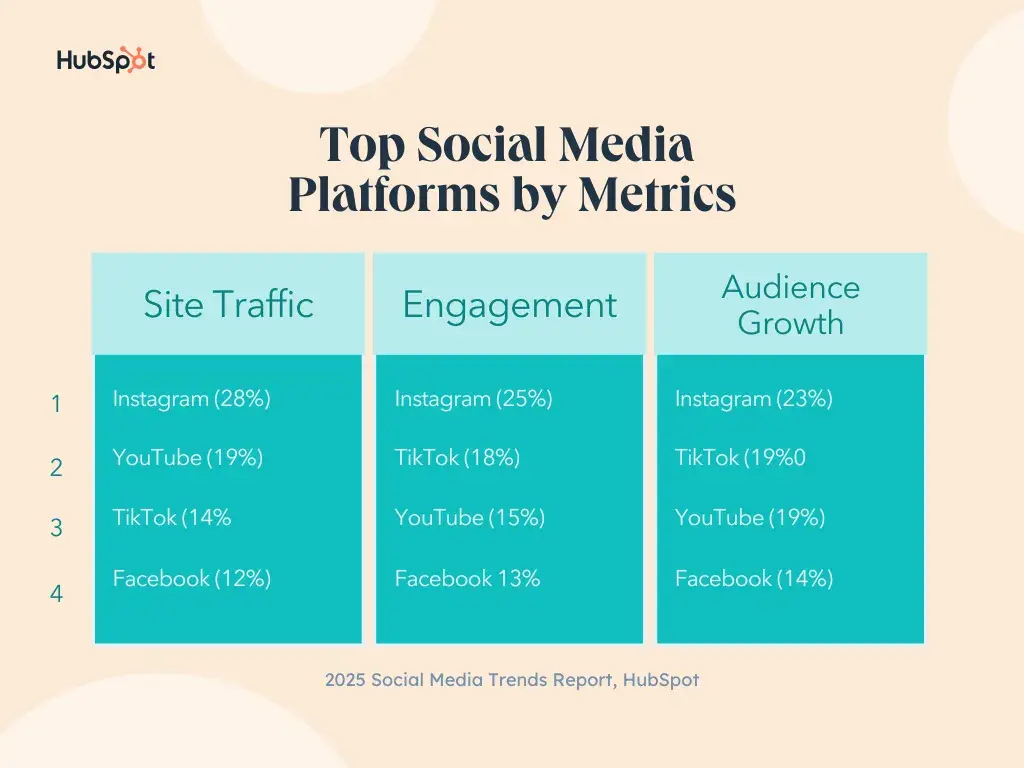
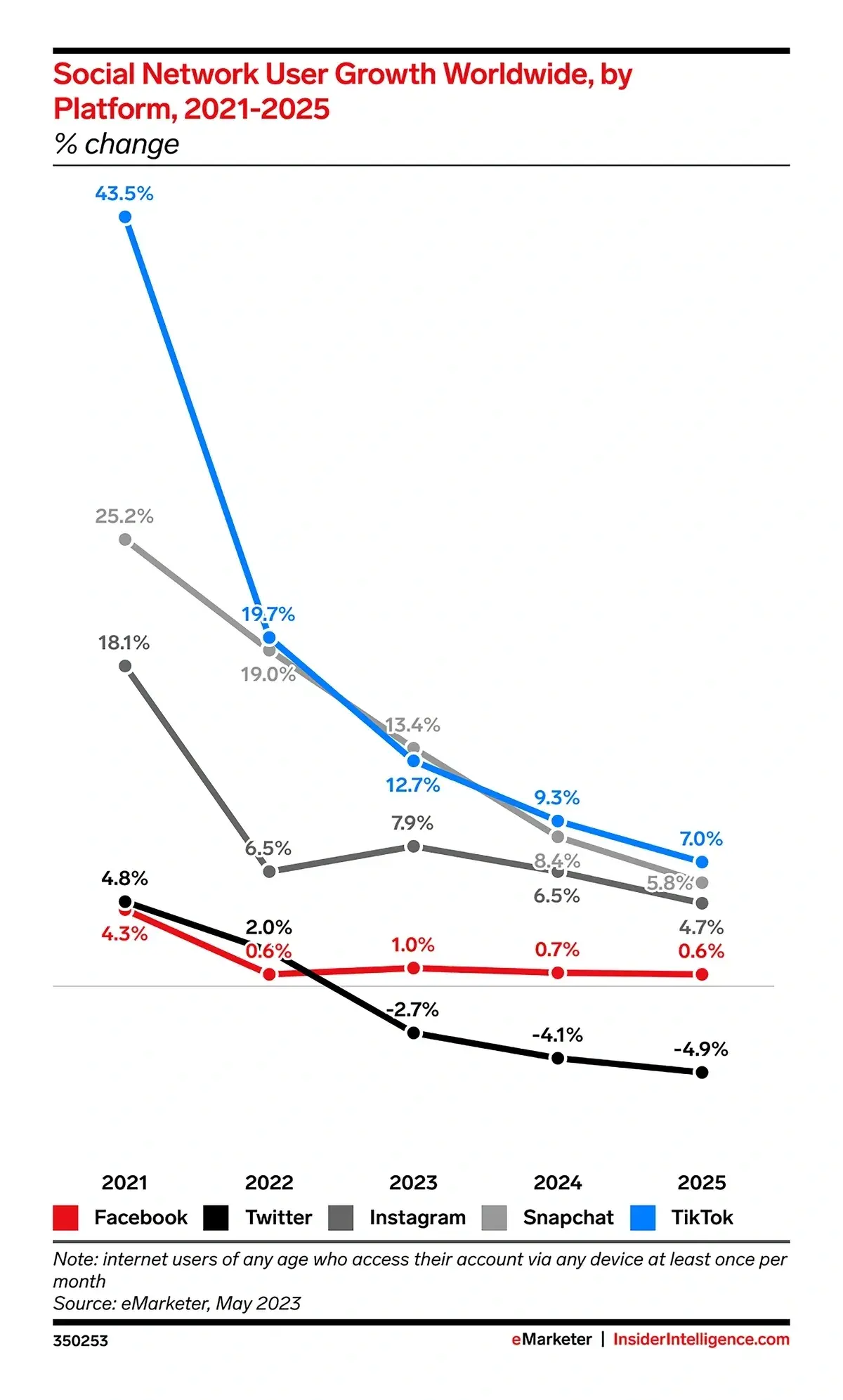
87% of U.S. adults use social media. While legacy apps like Facebook and Instagram aren’t going anywhere, they also aren’t growing like they used to. Newer social media platforms like BeReal, Twitch, and TikTok are gaining traction, while established platforms like Facebook and Instagram see slower growth.

This shift is particularly pronounced among younger users. Facebook doesn’t crack the top three platforms Gen Z uses, while TikTok tops the list. Consumers are embracing decentralized platforms like Bluesky, Mastadon, or Discord as they retreat from X.

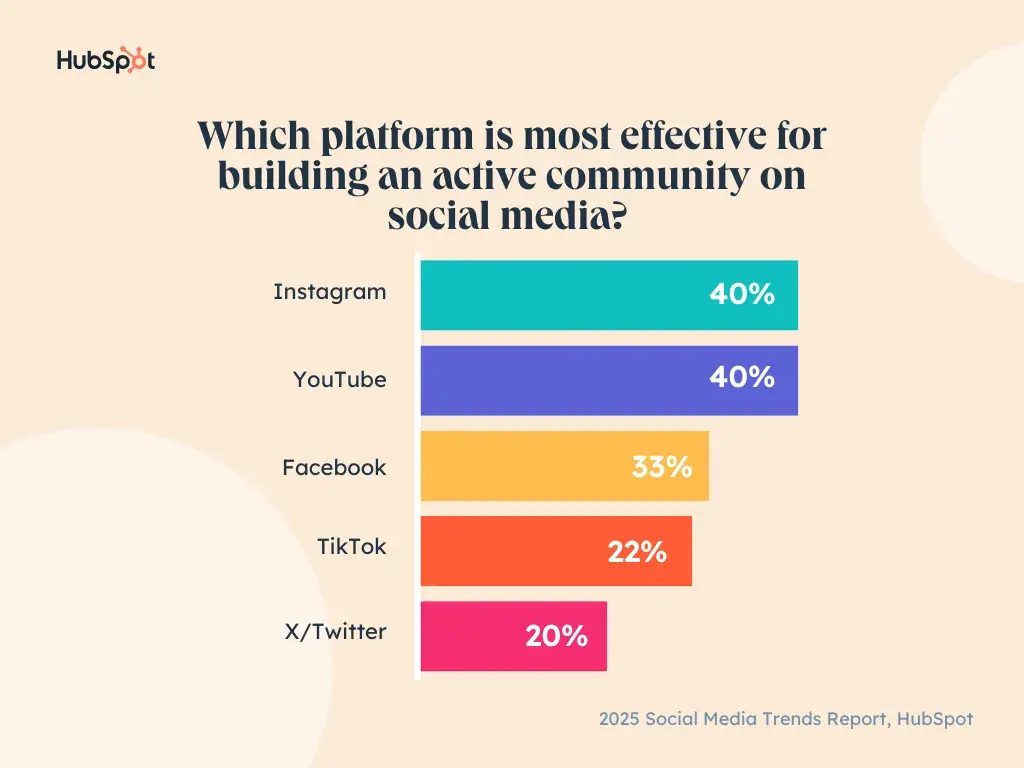
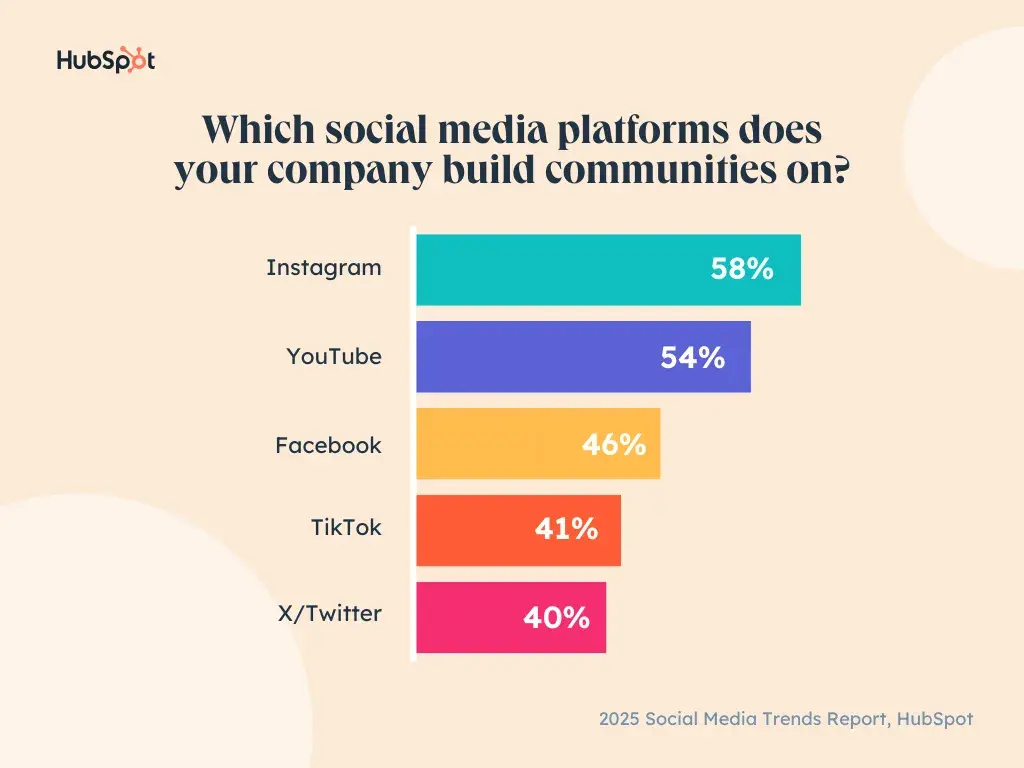
When choosing a platform to be on, keep in mind that consumers like different social media platforms for different reasons. People like Facebook and Instagram primarily to keep up with friends and family, while they pick up YouTube and TikTok to be entertained.

social media platform use by motivation

Source

3. Search behavior is changing.

While traditional search engines remain dominant, social search and AI are disrupting the landscape.

Google enjoyed 90% of the search engine market share from 2015 to 2024, but in January 2025, the giant’s monopoly dipped below 90% for the first time in a decade. The reasons for this are three-fold:

  • The rise of alternate search engines. Small numbers of users are migrating to privacy-centric search engines like DuckDuckGo and Bing.
  • AI-enabled search. Rather than turning to Google, consumers are starting to search for products and ideas on apps like ChatGPT or Perplexity. Experts expect ChatGPT alone to take 1% of the search market in 2025. Our survey found that 72% of consumers plan on using gen AI-powered search for shopping in the future. Of those already using it, 79% said their experience was better than shopping experiences with traditional search.

ai-enabled shopping habits

Source

  • Social product discovery. As I’ve already covered, younger consumers are turning to social media platforms to find inspiration and products. 36% of social media users say they search for brands and products or services on platforms, and 24% search for local shops or businesses. 18% of consumers (and 31% of Millennials) say they turn to platforms like YouTube to search for answers to questions instead of Google.

4. Economic uncertainty means tighter budgets.

Most businesses aren’t sure what to make of the economy in 2025. Consumers aren’t either. While people we surveyed disagree about whether we’re in a recession, the impact is real: 47% say they’ve taken steps to prepare for a potential recession.

Here’s how that translates to spending: 55% of people say they’re tightening their budgets because of current economic conditions, while just 11% say they’re loosening them. This doesn’t mean consumers aren’t spending — they’re simply prioritizing intention and necessities over impulse purchases.

5. Data privacy reigns.

75% of consumers now believe that data privacy is a human right. While data protections are much stricter in Europe than in the U.S., consumers are making their preferences known.

data privacy trends

Source

We asked what would make consumers more comfortable sharing data with companies, and it comes down to trust, transparency, and security.

Of consumers, 75% want to be in control of what’s happening with the information they provide — what data is collected, how it’s used, and with whom it’s shared.

data privacy preferences

Source

6. Consumers are divided on social advocacy from brands.

Consumers are divided about the role companies should play in social advocacy. There are large differences of opinion on whether companies should be vocal on social issues or stay out of it: 43% say brands should not take a stance, while 36% say they should.

Take a look at Target, for example. The retailer was one of the most outspoken advocates of DEI during the Black Lives Matter wave of 2020 and 2021. In early 2025, Target dropped its DEI initiatives, sparking praise from a few but a large outcry and a 40-day boycott from many longtime customers.

The top issues consumers want to hear about are affordable healthcare, climate change, and income inequality. 55% of consumers believe companies should advocate for racial justice, while just 15% say they shouldn’t.

Speaking out can be a gamble — but so can staying silent. The key is to know your audience well so you can follow their lead and act on the values that are important to your brand and leadership.

7. Green is the new black.

Sustainability is a non-negotiable expectation for products and services across all industries. Consumers are increasingly prioritizing sustainability in their purchasing decisions.

In fact, 58% of consumers globally are willing to pay more for eco-friendly products, with Millennials (60%) and Gen Z (58%) leading this trend. Brands that emphasize transparency in sourcing and production are likely to gain a competitive edge in 2025.

8. AI as a personal assistant.

AI is becoming the ultimate personal assistant, offering personalized and predictive solutions in our personal and professional lives. When I need to find an appropriate product, check on an order status, or file an insurance claim, I can often do it 24/7 through an AI assistant.

This matches the trend of self-service that I’ve seen growing for some time. Our research found that when researching a brand or product, 59% of consumers prefer to gather information themselves rather than speak to a human. They also expect immediate problem resolution on the channel of their choice.

This doesn’t apply just to shopping, but to customer services and sales. If you haven’t already, consider setting up an AI assistant or chatbot to help consumers answer basic questions, request customer service help, or schedule appointments.

ai assistant customer service

Source

9. Make it omnichannel.

Customers want a seamless integration of digital and physical shopping experiences, across multiple channels. They expect ultra-convenient, frictionless experiences in every interaction with brands and services.

For example, if I chat with a business on Facebook Messenger about a return, I expect them to be able to pull up my order. On the business side, we call this omnichannel experience.

Here are the channels that customers prefer for interacting with brands:

  • Phone (49%)
  • In-person at a physical store (44%)
  • Email (32%)
  • Live chat tool/chatbot (25%)
  • Text message/SMS (22%)

That’s a tall order for businesses to serve customers through all of those channels and keep the context and level of service the same across each one.

So, what does it take to create an omnichannel experience? You need an integrated platform that can sync customer data across channels and equip marketing teams, customer service reps, and AI assistants with the context and agency they need to serve customers’ needs.

omnichannel customer trends

Source

10. Mobile commerce dominates.

Big purchases call for big screens? Not anymore. It comes as no surprise to me that mobile commerce now dominates online shopping.

Consumers HubSpot surveyed said they use mobile phones more than any other device for online shopping and when searching for questions online. That’s particularly true for Gen Z, of which 81% use their phone as their primary shopping device.

11. Memories over materials.

Have you asked for an experience gift like a concert or class for Christmas? Or contributed money to someone’s honeymoon fund instead of a wedding gift?

Americans are increasingly valuing experiences over material goods, with 58% preferring to spend money on experiences — 14% higher than the global average.

This trend is driving growth in sectors like travel, entertainment, and experiential retail as people seek meaningful, shareable moments rather than accumulating more stuff.

12. Influencers are here to stay.

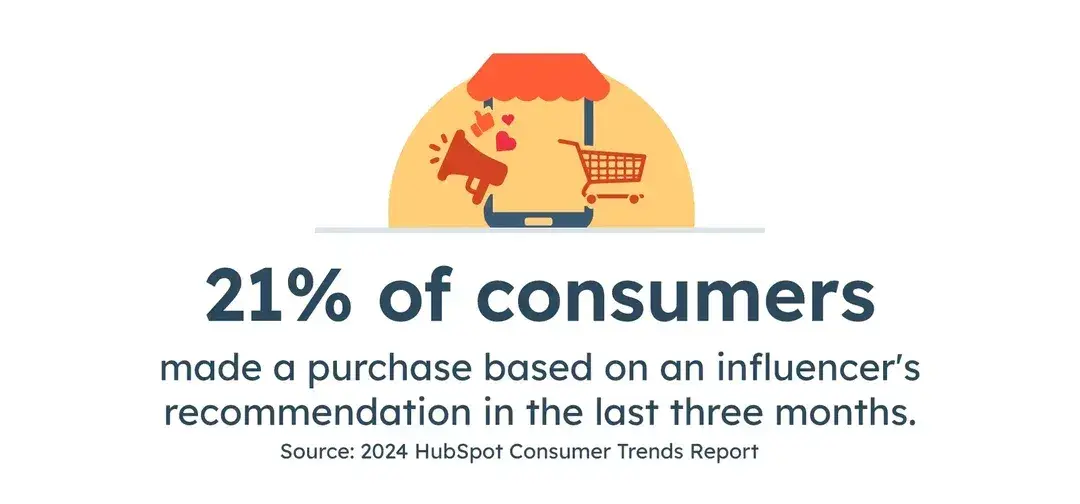
In 2025, 29% of people say they’ve discovered a product through an influencer on social media.

Gen Z social media users say that influencer recommendations are more impactful than family and friend recommendations, though their elder generations disagree.

The number of people who consider themselves influencers is surprisingly large: 21% of people — and a whopping 45% of Gen Z and Millennials — consider themselves influencers or content creators.

24% of brands work with influencers for campaigns, and most say that it’s an effective marketing strategy. Brands have found particular success with micro-influencers with a niche audience and 10,000 to 99,999 followers.

13. AI adoption is growing, but trust remains low.

AI adoption is becoming widespread, but consumers are still skeptical. We found that one in three consumers uses AI tools like chatbots and ChatGPT, but trust is still low. 17% of customers “strongly distrust” and 16% “somewhat distrust” AI tools, while 35% neither trust nor distrust them.

That means that as you roll out AI tools, you’ll need to work hard to build trust and communicate with transparency.

14. Pay how you want.

With the explosion in payment methods from Venmo to CashApp to Zelle to even cryptocurrency, consumers want the convenience of alternate payment methods.

There’s also a trend that customers don’t want to pay just once upfront. Our survey found that just 63% want to pay for a product at full price. Alternately, 21% want to pay in installments (Buy Now Pay Later or BNPL), and 17% prefer a subscription model. Research shows that 8% of consumers already use BNPL, and 31% pay for a digital streaming subscription.

To stay competitive, consider expanding the payment options you accept.

15. Consumers crave authentic content.

Surprise! People actually want to see your content. But — and here’s the catch — they want it to be authentic and relatable. Almost two-thirds of consumers say it’s more important for marketing content to be authentic than polished.

While it’s good news that you don‘t need a huge budget to woo your audiences, you will need to create content they’ll actually enjoy, keep their attention on, and be persuaded by.

Videos and images are a great way to connect authentically with your customers and showcase the people behind your brand. Here are the types of content that customers say they enjoy the most:

  • Images/photos/infographics (52%)
  • Short-form video content like TikToks and Reels (45%)
  • Live videos/live streams (35%)
  • Long-form video content (24%)

Dive Deeper Into Consumer Trends

In the post above, I gave just a few highlights of our State of Consumer Trends Survey, as well as predictions for what’s to come. Want to explore the latest Consumer Trends report and see how trends have changed over time? Click below to download the full findings of that survey in our State of Consumer Trends Report.

Editor’s note: This post was originally published in May 2022 and has been updated for comprehensiveness.

Categories B2B

Using AI to Get Your Business Branding Right — My Favorite Tips and Tools

I grew up a Nintendo kid (and yes, that includes the original NES console and Duck Hunt Zapper). For those who remember the Nintendo GameCube, you know a memorable brand experience. How could anyone forget this nine-second clip of branding brilliance?

Whenever I think of “branding,” I go back to my memory of the GameCube boot-up screen and the feelings of joy and anticipation it evokes. That makes a brand work — the experience behind the logo. But getting your brand experience right is incredibly hard for any marketing team. Logos, visual identities, copy, websites, social media — “brand” requires tons of attention and work.

Download Now: The Annual State of Artificial Intelligence in 2024 [Free Report]

So, I’m always on the lookout for ways to build a brand stronger, faster, and better than before. And AI tools for branding have come a long way these past few years to enable more sophisticated brand identity creation and growth.

Let’s look at AI for branding as it stands today and how your team can start building a memorable brand that clicks with consumers.

Table of Contents

AI for Branding

Brand building isn’t just making logos. You need strategy, consistency, and scalability to reach your audiences and grow your impact. Welcome to AI’s biggest role within marketing teams in 2025.

Marketers have toyed with AI for several years. That tracks with what McKinsey has found: Most AI adoption has happened at the individual contributor level (i.e., the social media manager whipping up posts).

But, AI is showing the potential for greater strategic business value. As 2025 unfolds, I believe we’ll see a shift in tool adoption, from ICs experimenting with ChatGPT to deeper integration into everyday workflows.

The Marketing Artificial Intelligence Institute recently found that 36% of marketers have infused AI into their daily workflows. Its research also showed a profound shift from marketers just “experimenting” with AI to actually implementing it in their everyday work.

Marketers deploying AI are seeing better results across their bodies of work. SurveyMonkey’s latest AI survey found that, of the marketers using AI:

  • 93% use it to generate content faster.
  • 81% use it to uncover insights more quickly.
  • 90% use it for faster decision-making.

Our research shows that four out of ten marketers are using AI to write copy and outlines for long-form content. They’re also using AI to learn how to do things — not just research for articles but tutorials on writing better content or using tools more effectively.

In 2025, I think we’ll see AI become the marketing team’s branding copilot.

Teams are using AI for content support and customer experience personalization already. AI in content marketing is helping to define and scale brand identities while keeping everything on-brand and consistent. AI’s role will expand, provided marketing teams better structure their internal data architectures and continue investing in AI education and training.

But that copilot piece matters. You shouldn’t concede all branding decisions to an AI partner. Instead, the best-performing marketers will learn to operate alongside their AI branding tools, leaning on its strengths while keeping human creativity and ingenuity at the heart of their brand.

Pro tip: How else are marketers using AI across their organizations? Download our AI Trends for Marketers report for more.

Why use AI tools for branding?

While AI tools for branding can bring many benefits, AI is like any other tool. You need to know how, when, where, and why to use it. You wouldn’t use a hammer to drive a screw into a wall; likewise, AI used without planning and intention can stymie or even damage your brand.

Efficiency and Authenticity

Most talk around AI adoption focuses on efficiency gains — get more, faster, with your team. Rosier predictions from McKinsey show the potential for saving 60-70% of an employee’s time with AI tools. While efficiency is certainly part of the benefit, I don’t think efficiency alone is sufficient, especially with branding needs.

Garin Hobbs, Martech Expert at InboxArmy, agrees. “AI pushes branding toward efficiency, but efficiency without intent weakens identity. I can’t even count how many companies plug AI into content creation and label it innovation, yet the output lacks depth.”

Hobbs continues by sharing how an AI tool’s thoughtful application helped his company. “In my experience, AI works best analyzing customer sentiment at scale, then feeding those insights back into brand messaging,” he said.

“Here‘s my favorite tactic: instead of letting AI write entire emails, I used it to identify specific phrases customers responded to in previous campaigns. Weaving those into fresh copy led to a 19% higher conversion rate. We were shocked — it actually worked! AI shouldn’t replace creative instincts — it should reveal patterns that inform smarter human decisions.”

A branding AI tool doesn’t replace creativity (or creative talent). It supports their efforts while buying back their time and effort.

Hyper-Personalization of Content

Personalizing your marketing content is a bare minimum. Everyone knows “Hi, Alex!” in your email is a first name field.

Now, we’re looking at hyper-personalization, which involves understanding a buyer’s individual behaviors and preferences and changing content to match. These highly customized experiences can reduce customer acquisition costs by as much as 50% and increase marketing ROI by 10-30%.

But, there’s no easy way any marketing team could hyper-personalize at a meaningful scale. Enter an AI branding tool.

However, before you turn your AI loose, give it the structure for personalization at scale while keeping things authentic. Tristan Harris, Sr. VP of Marketing at Next Net Media, shares more.

“For businesses navigating this balance, conduct a brand touchpoint audit identifying moments of genuine differentiation versus functional interactions — this reveals where AI implementation preserves rather than dilutes authenticity,” he said. “The most effective approach I’ve seen connects authentic human expertise with AI-driven personalization at scale rather than choosing between them.”

Harris also points to the importance of voice in this process: “Create clear AI usage guidelines for customer-facing content that specify which brand elements must remain human-crafted, preventing the subtle voice erosion that has damaged many well-intentioned automation efforts.”

Brand Consistency at Scale

Harvard Business Review reports a well-defined brand strategy, with consistency across every touchpoint, can drive 10-20% increases in annual revenue. A branding AI tool is basically purpose-built to protect consistency wherever your brand appears.

But, as Nirmal Gyanwali, Founder & CMO and WP Creative, notes, the buck does not stop at the AI tool.

“We‘ve had to be intentional about how we integrate AI. It’s incredibly useful for tasks like generating content outlines, analyzing customer sentiment, helping us spot patterns we might have missed,” he said. “But when it comes to storytelling and brand voice, that’s all human.”

Balancing the human aspect of a brand while staying consistent is a high-wire act that involves putting faith in your team to represent you well.

“I‘ve learned that you can’t just set an AI tool loose and expect it to build authentic connections,” Gyanwali said. “AI needs a human filter. We‘ve built brand guidelines into our AI tools, but we also trust our team to step in and say, ‘That doesn’t sound like us.’ It’s about working with AI, not letting it take over.”

Types of Branding Tools with AI

“Branding” can be a busy word — a lot goes into building and growing your company’s brand. And AI tools often only solve particular branding problems. Let’s talk about the most common branding tools you’ll come across and how AI integrates to help you get the job done.

Logo and Visual Identity Creation

A brand’s look is typically the first thing a potential customer sees. And, when you get it right, the memory can stick forever. You can probably picture the Nike Swoosh or McDonald’s Arches right now, can’t you?

If you want to design that kind of memory, you might want help from an AI-powered logo maker. These tools use functions similar to text generation to create logos based on your preferences, similar industry brands, and desired color schemes.

Now, the Swoosh is famous because it’s the same everywhere. AI logo makers also typically offer full brand kits with fonts, color palettes, and social media assets. You can maintain a cohesive visual identity as you build your brand.

Website and Landing Page Builders

Your website is still an important part of making your first impression on a customer. And what an impression it has to be: Studies show you have 50 milliseconds to make that first impression. That’s as fast as a gearshift on a Lamborghini. How can you possibly appeal to users that quickly?

AI-driven website builders can help you make that powerful first impression.

These tools can generate copy and visuals, but their real benefit is in design suggestions. You can use AI’s data repository to pick the best-performing designs, improve layouts, and optimize your user experience to nab their attention and keep them scrolling. Some tools are even adding integrated chatbots and dynamic personalization for even better engagement.

Pro tip: Use HubSpot’s CMS platform to build and manage your website using AI. Start by generating a free AI website.

Copywriting and Brand Messaging

My writer’s heart needed time to get comfortable having AI perched on my shoulder, the stochastic parrot it may be. However, time and practice have shown me how these AI-powered writing assistants can, well, assist.

Copywriting tools can generate headlines, product descriptions, email campaigns, SMS text, and social media posts — anywhere you need words. In particular, I’ve found value in AI as a brand messaging amplifier. It’s great at repurposing long-form content into more digestible chunks, which can help you reach more people without writing the same sentence dozens of times.

Branding Research and Competitive Analysis

Marketers need to crunch data to find better ideas and drive stronger results. But, I’d venture to guess many marketers did not choose their field to conduct deep statistical analyses. And, with so much data popping into existence (over 400 million terabytes of data globally every day), it’s impossible for marketers to keep pace.

Branding research AI tools help you analyze competitors, track brand sentiment, and identify consumer trends to keep your brand strategy sharp. These tools review that mess of data using machine learning and natural language processing, scanning online conversations, social media mentions, and industry reports to get the good stuff.

The models then crunch that information into insights, generated in real time and with useful context. You can get ahead of market shifts and adjust your brand positioning and messaging accordingly.

Social Media and Content Creation

I’ve heard, “Can you turn this into a Facebook post?” more times than I can count. While forcing brevity can elicit creativity, writing endless posts can drain any marketing team. And, as social media platforms shift their audiences and best practices, you could use help keeping pace.

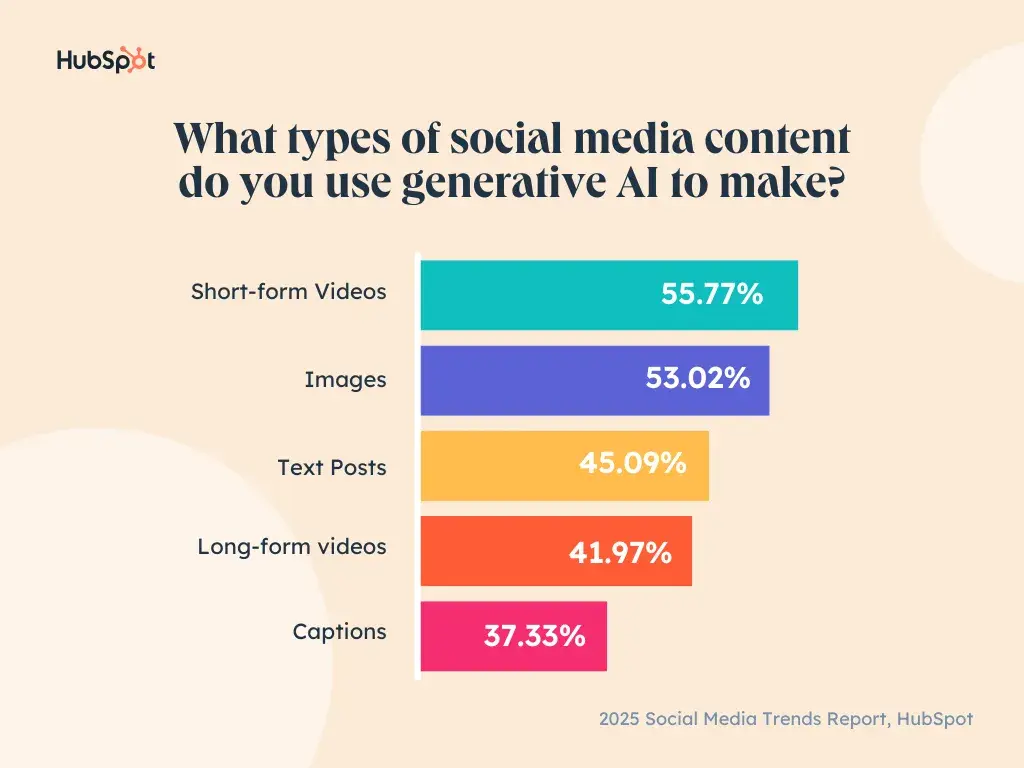
AI-powered social media tools can generate posts, captions, pictures, audio, and video using your brand style. It can review your content’s past performance, competitors’ content, industry trends, and audience behavior to create the strongest posts and find the right time and channel to deliver your message. Sentiment analysis can even review the emotions behind a post and recommend sentiment-driven messaging to calm an angry customer or cheer on a happy one.

Brand Consistency and Guidelines

Yes, I prefer the Oxford comma. No, most companies I’ve worked with don’t let me keep it. Those small decisions add up to create your brand’s feel, and it should be consistent wherever your customer sees you.

Brand consistency and style guidelines keep content on track, but it’s a lot to handle yourself. AI tools can centralize your brand’s elements and flag inconsistencies in your content before it hits the internet (e.g., the wrong heading font in a blog post). Your AI tool can enforce guidelines, automate content approvals, and keep your team aligned with internal brand messaging.

Marketing and Ad Creative

Which message will perform the best? And how do you make it perform even better? These questions could inspire dread in any performance-focused marketer. But, with the right AI tools, answering them could actually be refreshing.

AI can generate ad creatives, but it can also predict your campaign’s performance and suggest ways to optimize your messaging. A/B testing can happen in real time and at scale, with AI analyzing thousands of ad variations to get things just right.

Pro tip: HubSpot Marketing Hub has several AI-enhanced features to run and manage ad campaigns. Check out our free AI tool for advertising to start.

Best AI Tools for Branding

Now that you’ve seen the benefits, let me recommend a few AI branding tools to bring those benefits to life.

HubSpot Breeze AI

The best AI tools for branding operate within your current framework. It should be simple to activate, use, and adopt AI. So, if you’re using products in the HubSpot ecosystem, it only makes sense to use an AI tool integrated with your HubSpot suite.

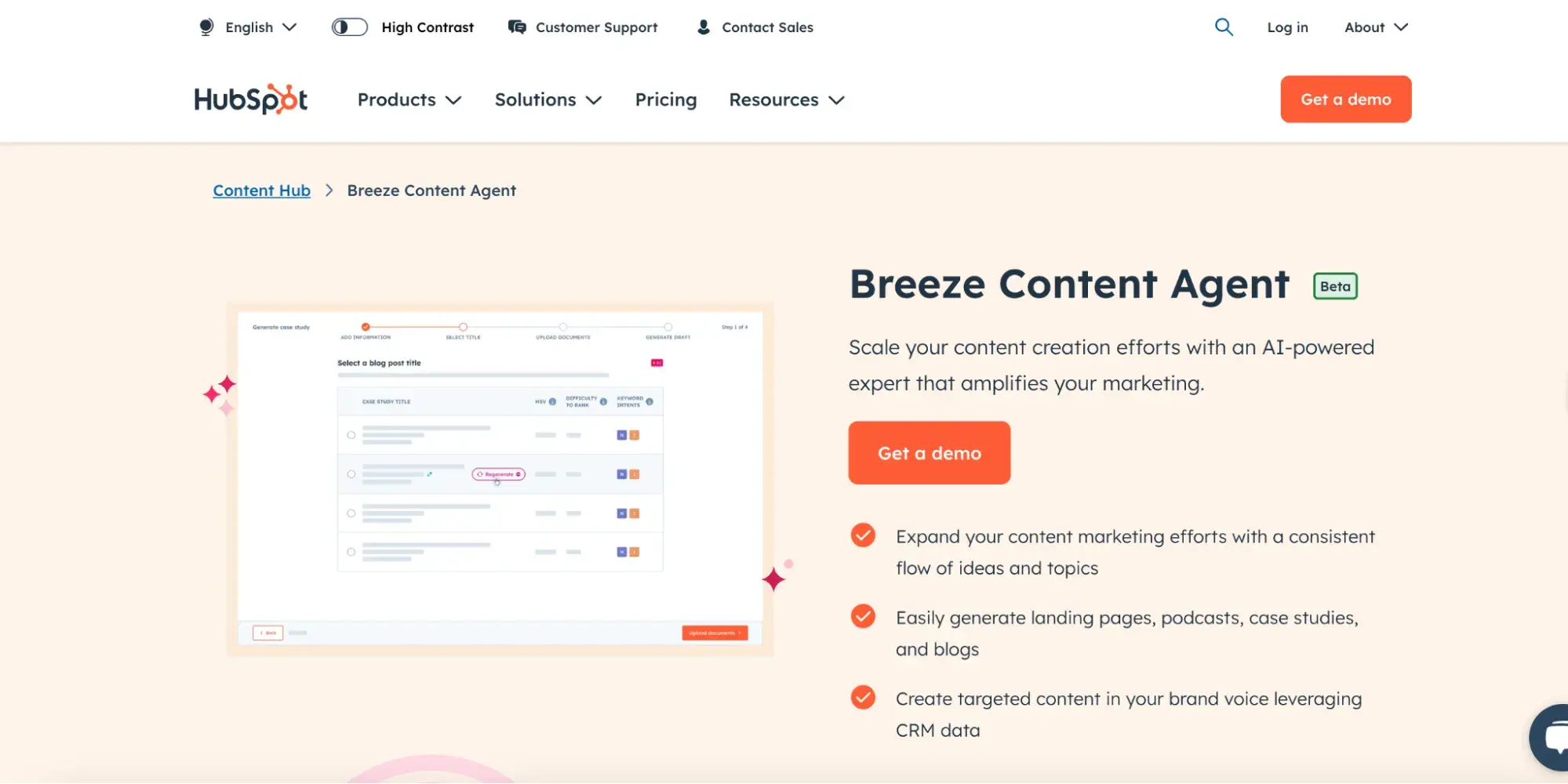
HubSpot Breeze AI has lots of options for managing and growing your brand with AI. The writer in me looks first at content development. That’s more than just producing words; it’s understanding the context of your work in relation to your company and the larger marketplace.

The Breeze Content Agent brings that context and helps you deliver more targeted content with speed and scale. And, it sits atop your HubSpot ecosystem, so you can test, learn, and iterate quickly.

ai branding tools, breeze content agents

Gamma

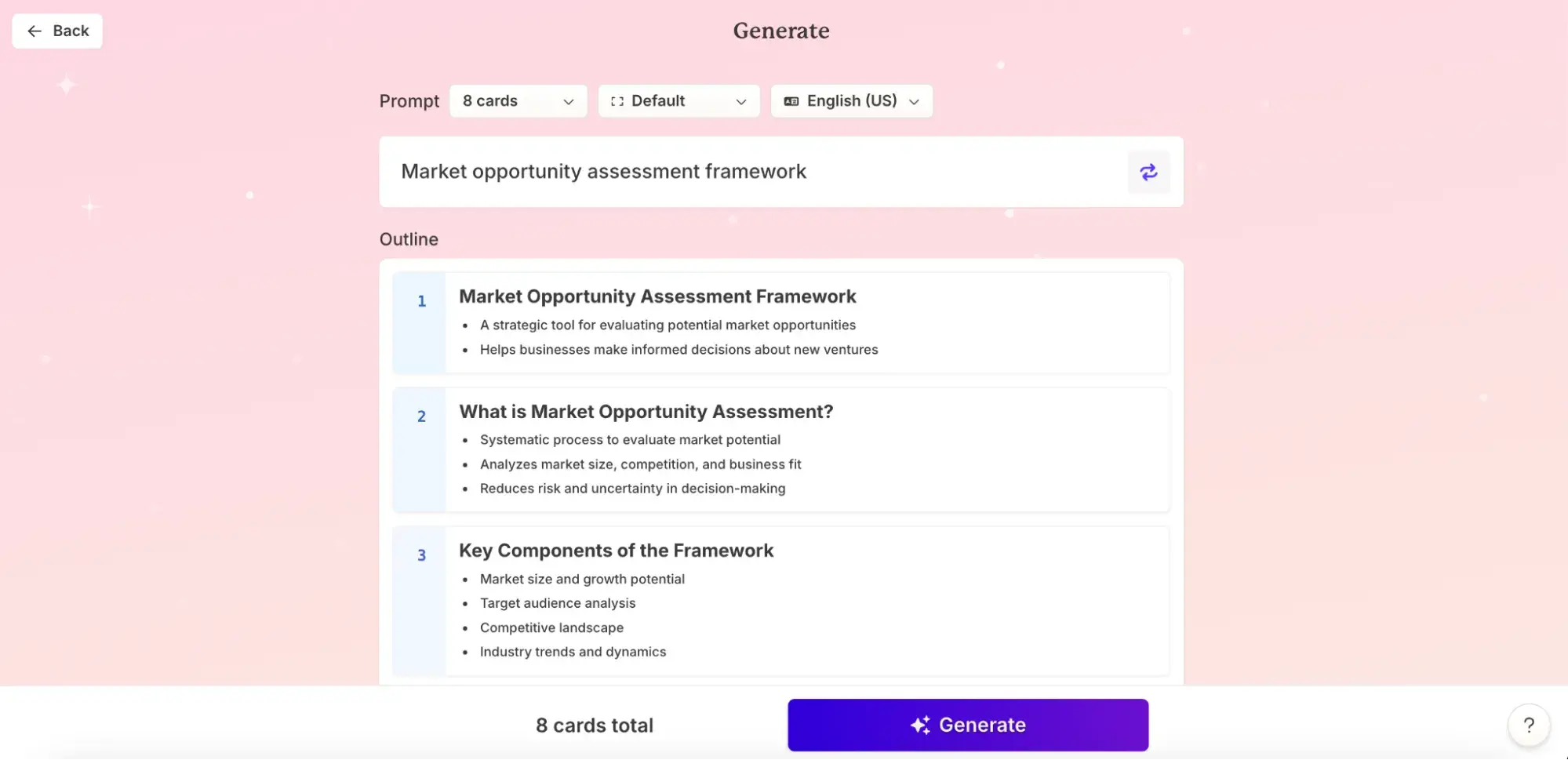
Marketers just can’t escape a good slide deck. But, I’m not a fan of tinkering endlessly to get that photo in the perfect spot. Between ideation, copy, and design, presentations can burn a lot of valuable work time.

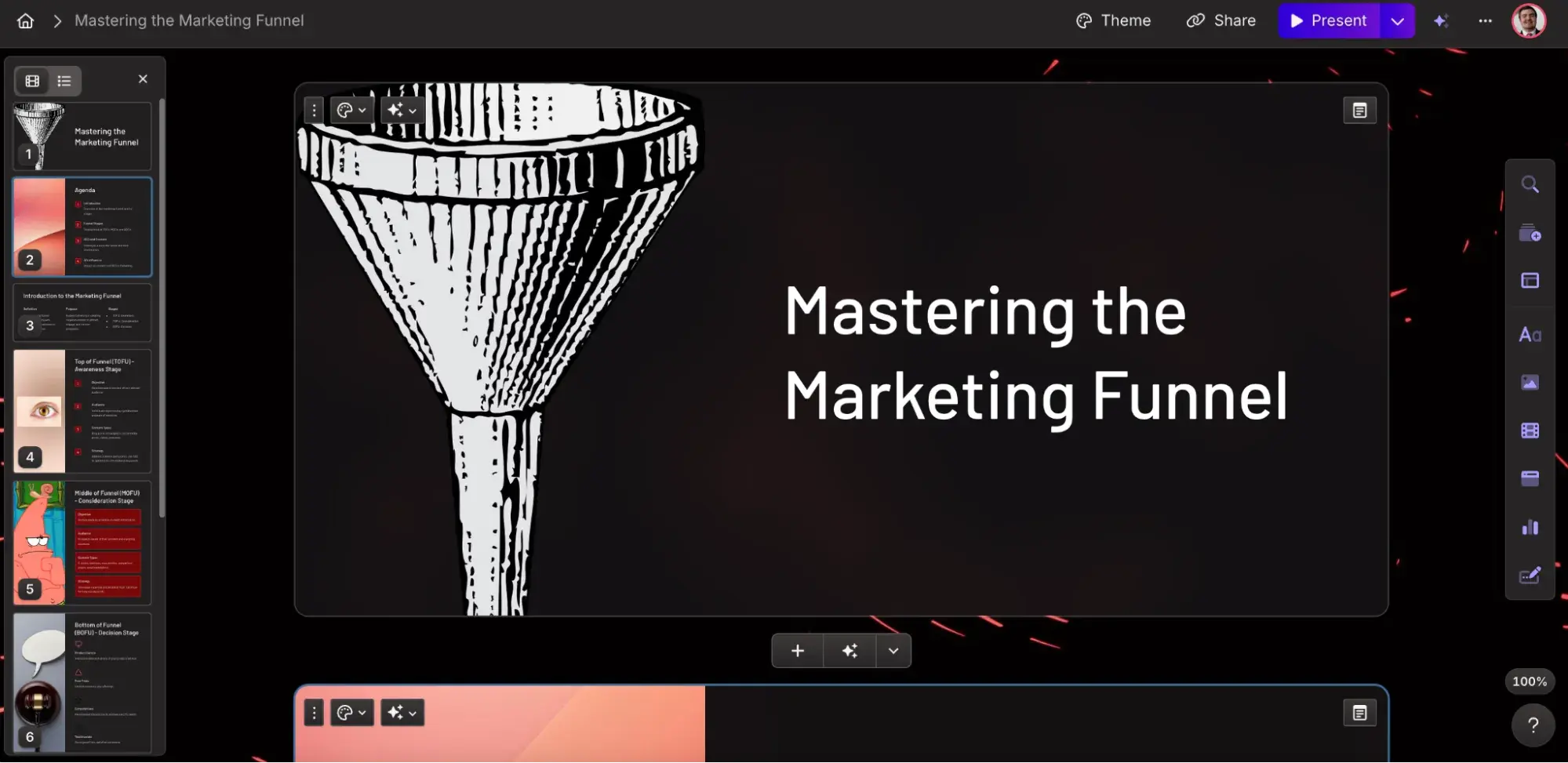
I’ve used Gamma for over a year now to help me solve that challenge. You can bring your notes to the platform, and Gamma will generate gorgeous presentations. The platform lets me toy with the specifics, such as the voice and tone of any generated copy or what image types get used (e.g., Common Creative licensed or AI-generated).

ai branding tools, gamma

Once you have a presentation in hand, you can add, remove, and change content at your convenience. You can also generate documents or landing pages and publish them online directly. I’ve used the landing page feature before to spin up a new content consulting offer, and Gamma did a great job.

I wish Gamma had a brand kit option like Canva does, where I could save and reuse common branding assets. But, it’s a strong and well-stocked marketing presentation-building tool at $10-20 per seat per month.

gamma ai branding tool

Notion AI

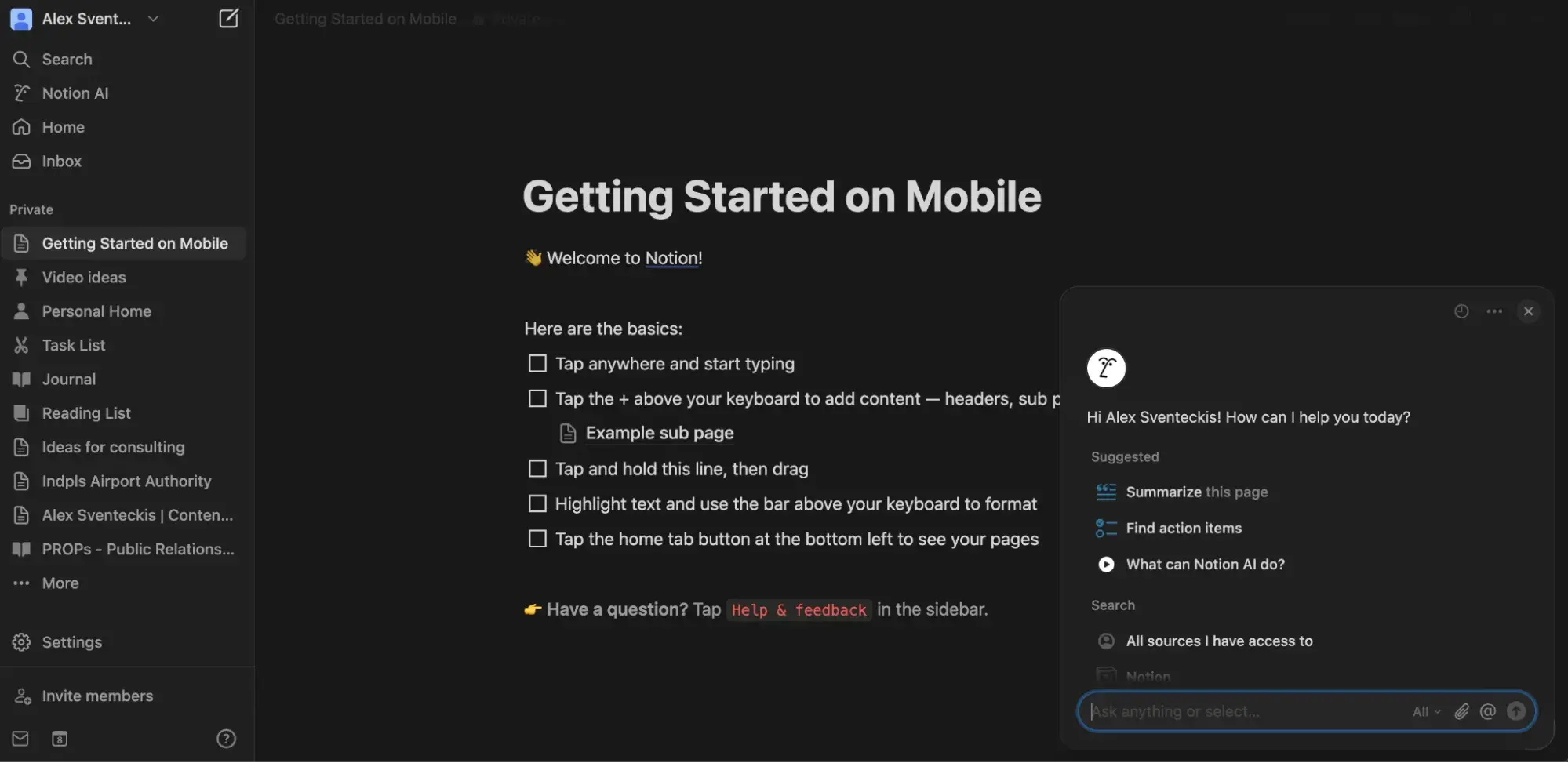
I use Notion as a document repository and information management tool, but the company’s built-in (paid) Notion AI feature has vastly improved over the past year. As projects grow in scope and scale, I end up with documents throughout my Notion database. Notion AI rounds up that information and transforms it into useful insights and actions.

If you want the most from Notion AI, plan your internal knowledge architecture intentionally. I’ve found the AI writer unremarkable. But when I need that solid quote I wrote eight months ago, Notion AI delivers. It’s great for managing brand consistency across your team and finding the best insights and ideas from your data.

Get Notion AI added to your current Notion build for $10 per seat per month.

notion ai tool

Source

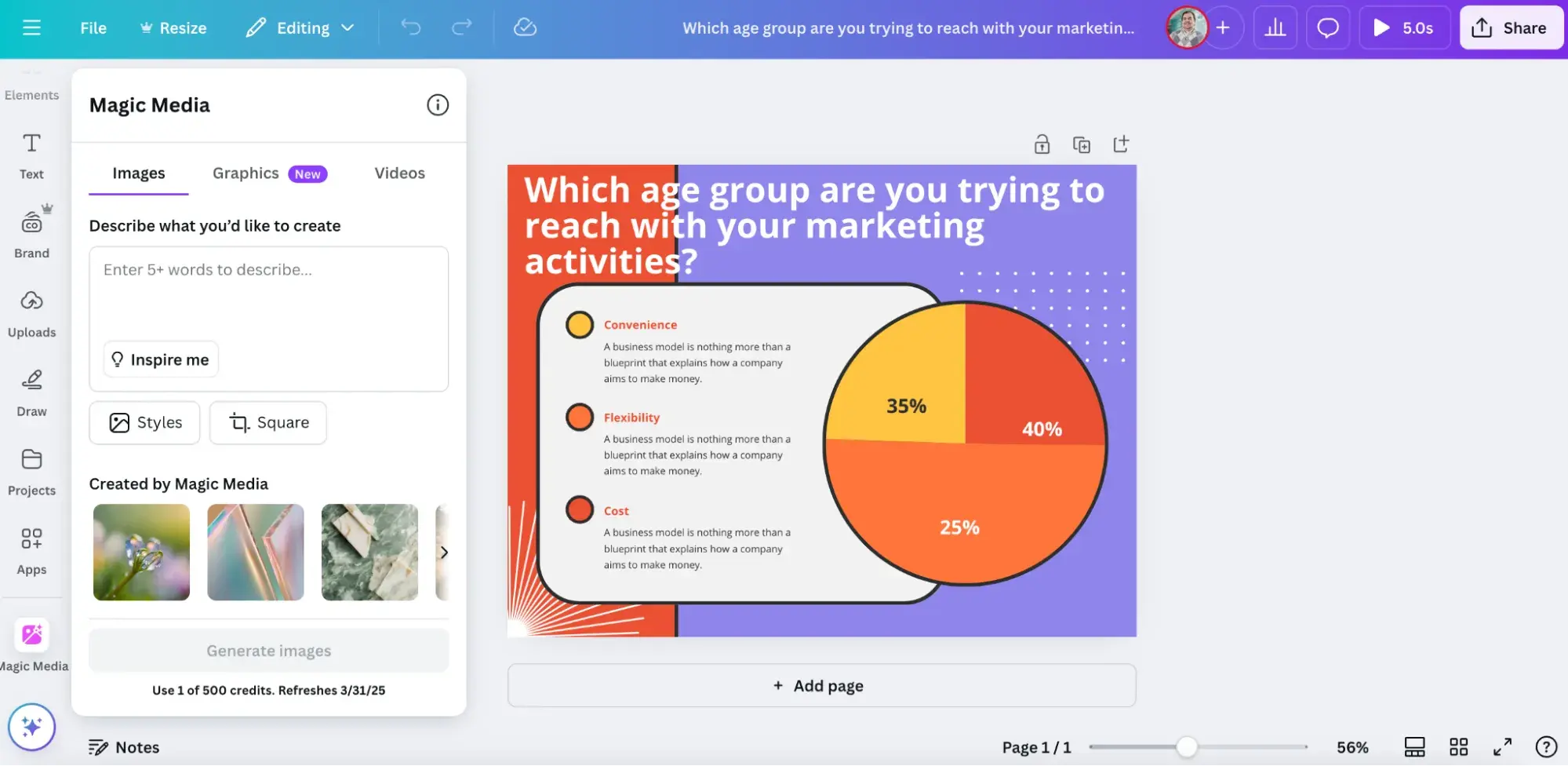
Canva Magic Studio

I’ve always liked Canva’s image creation and manipulation tools to get the right look set for my brand assets, social media graphics, and blog and website images. So, when the company debuted the Canva Magic Studio, I eagerly hopped on board.

Magic Studio offers generative AI and AI-powered editing tools to prepare your pictures and video. You can create and manipulate images using text-based commands and create professional-looking results. It’s a powerful design tool that’s helped me shift creatively from words to visuals.

You can use Canva for free, but you won’t have access to the best AI features until you upgrade to the Pro Plan at $15 per seat per month.

canva ai tool

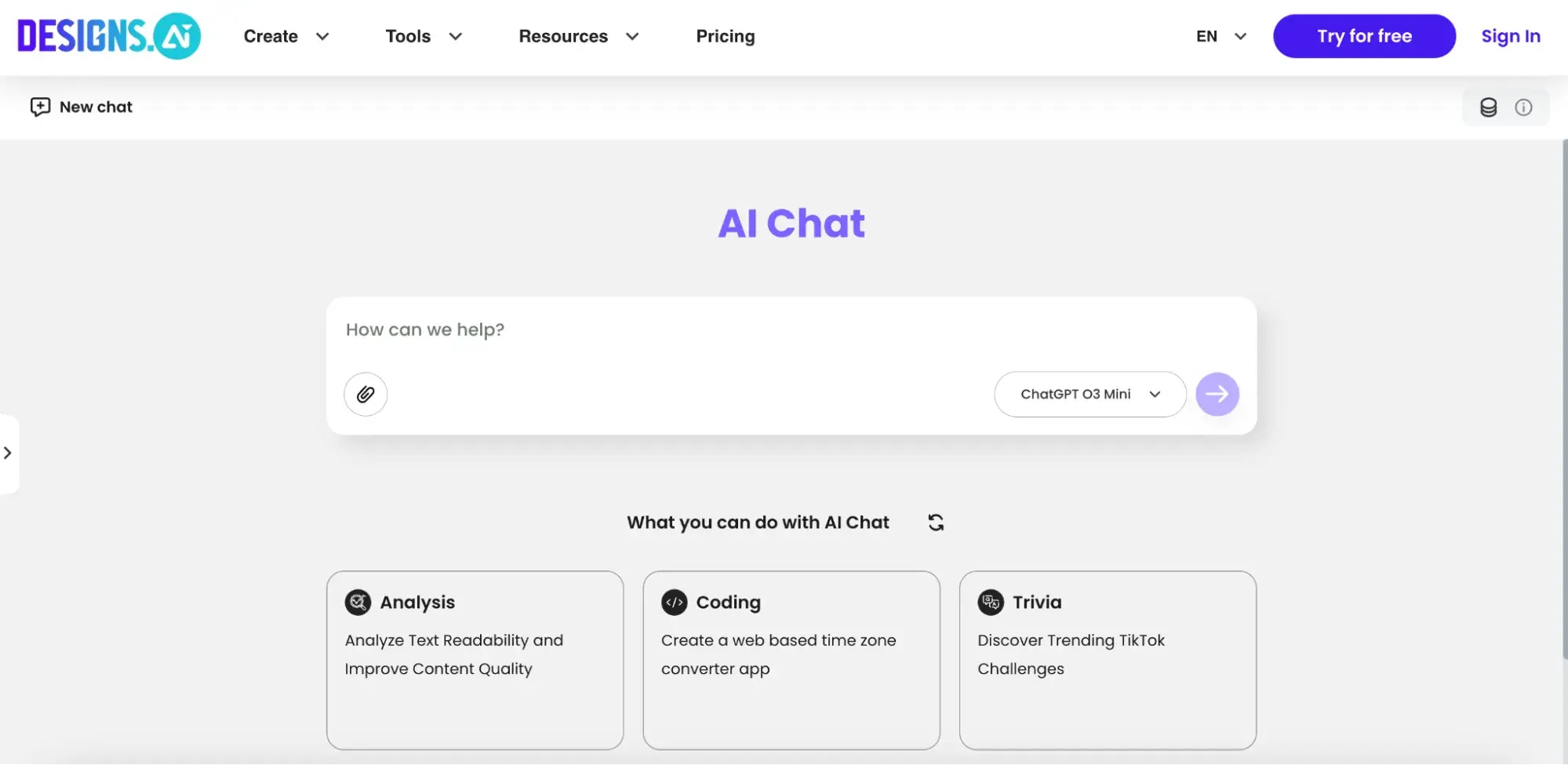
Designs AI

If you’re looking for an all-in-one AI branding tool, Designs AI is a strong candidate. The free tools alone are interesting and helpful. For instance, AI Chat lets me access several LLMs to accomplish tasks.

The free plan is very limited, so I wouldn’t integrate Designs AI without paying for it. But, the paid plan lets you work with images, logos, text, audio — whatever your branding needs require.

Designs AI offers a few plan choices, but the Pro Plan (at $69 per month) is likely the best choice for AI power users.

designs.ai tool for branding

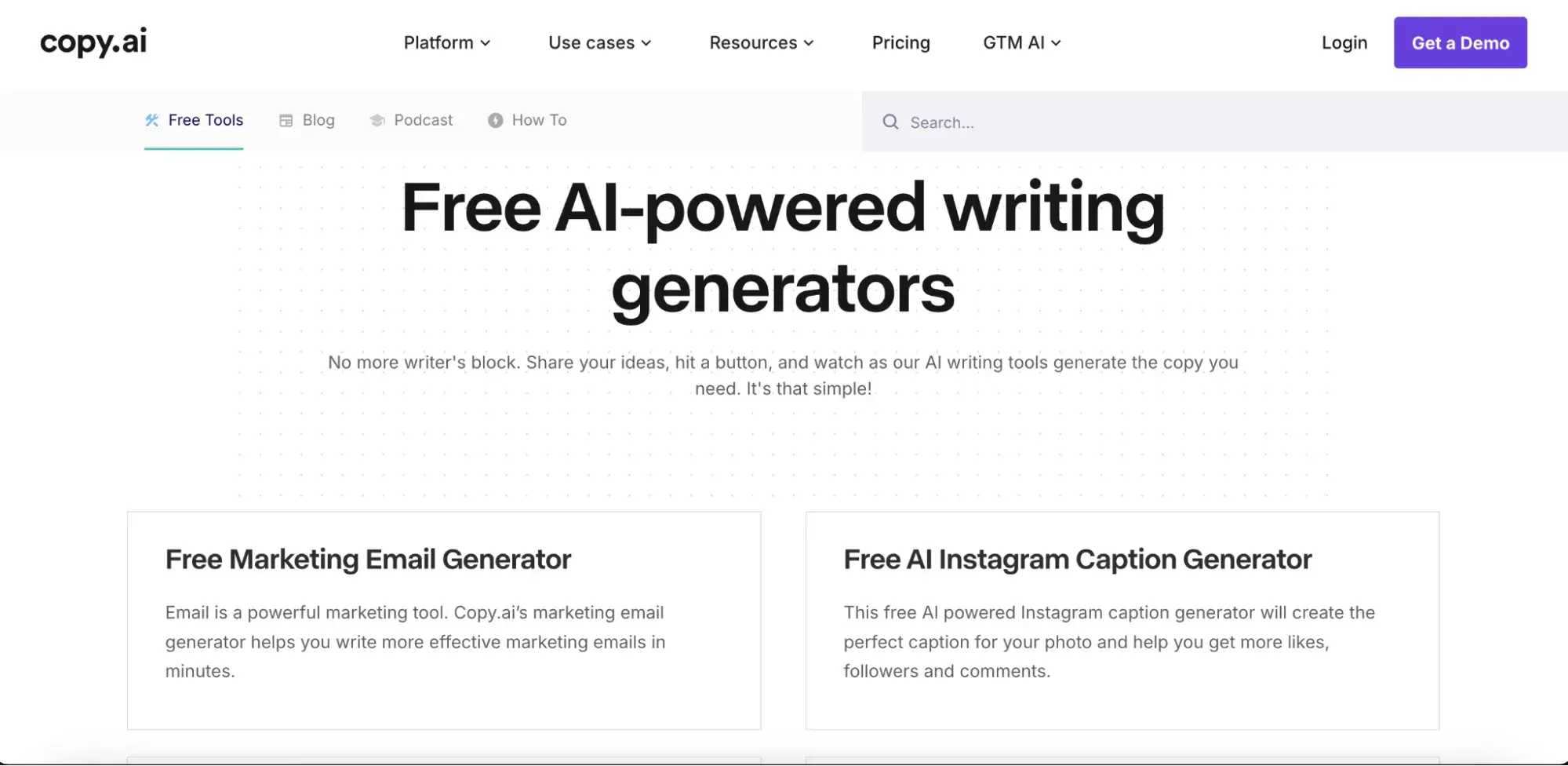
Copy.ai

Copy.ai is doing something interesting in the AI branding space. The company bills its service as the Go-to-Market (GTM) AI Platform. It includes multi-platform brand-specific content but extends across the entire buying experience.

Copy.ai is also leaning into workflow management and AI agenting, which I think are promising future additions to an AI-powered marketing team.

I’ve tried Copy.ai’s free writing generators — and it’s good work for a generic model. Once you integrate the platform into your system, you can get more specific content better attuned to your brand.

You can try a free plan, but the $49 Starter Plan really gets you up and running. If you’re ready to lean into workflow support, go for the $249 Advanced Plan.

copy.ai writing generator

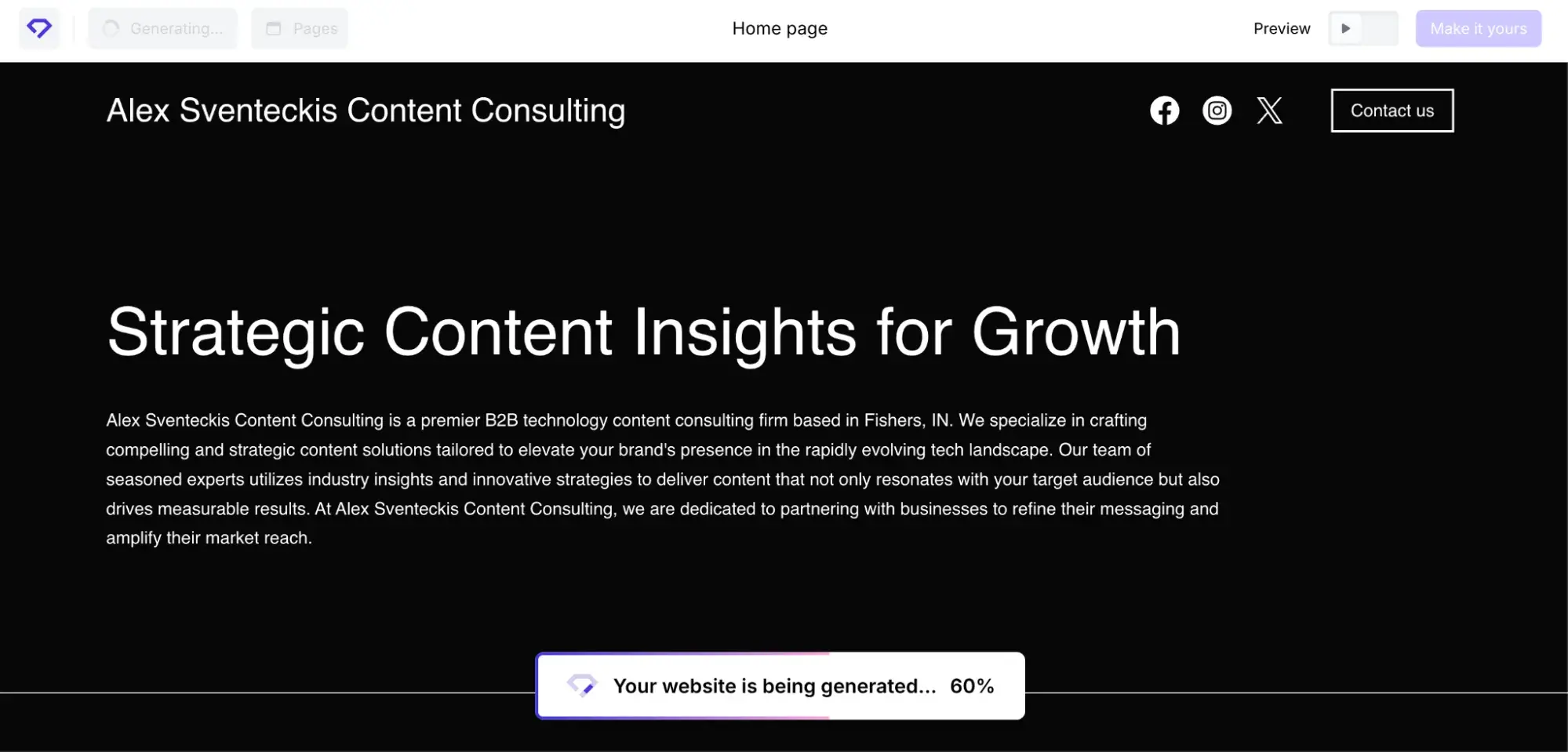
Durable

I’d first heard about Durable when I was building my consultancy’s website. I ended up using another tool, but I enjoyed Durable’s feature set — which has grown since last I looked.

Durable can help you build your websites, blogs, invoicing, and brand identity on one platform. I’m typically careful when a platform promises many options, but Durable impressed me with its reach and success so far.

At $15 per seat per month, you get everything you need to build and launch your web products. If you need extra help with invoicing, social media posts, or Google PPC campaigns, upgrade to the $25 Business Plan.

durable tools for website creation

AutoDraw

I am a whiteboard fanatic. Drawing helps me communicate branding ideas with others when I can’t find the words. But, my artistic abilities stop at stick figures. That’s why I’m so drawn to AutoDraw.

AutoDraw uses AI to analyze your input (like a stick figure person), and it will select drawings most closely resembling your artwork. It’s a sketchbook that automatically adjusts my drawings so I can communicate ideas for visual design faster without continually erasing my creations. For logo brainstorming or visual identity creation, it’s a surprisingly useful tool.

AutoDraw is an AI experiment and is free to use.

autodraw ai tool for illustrations

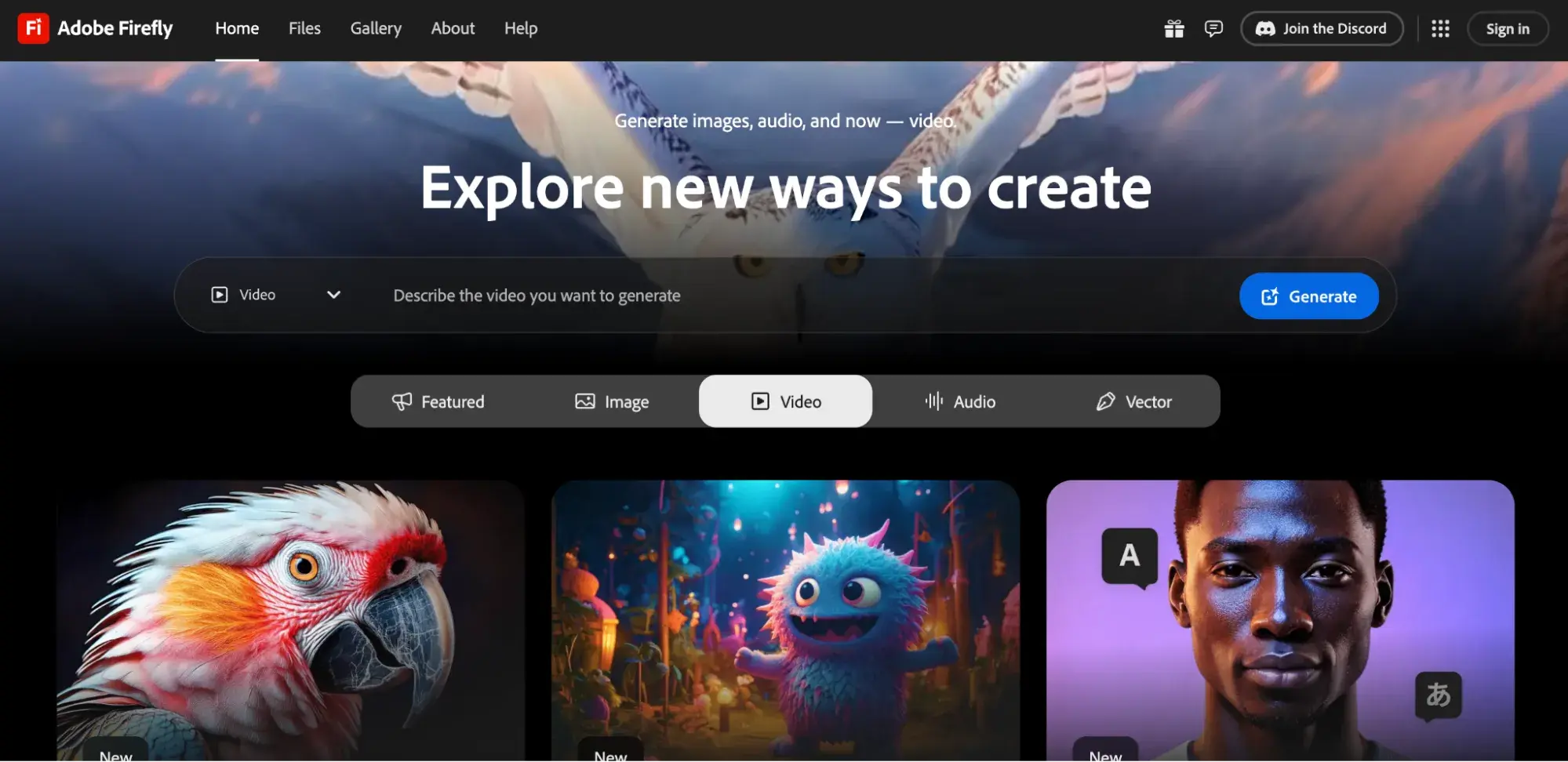
Adobe Firefly

From a generative AI standpoint, Adobe Firefly does much of what other design tools can do but with more advanced options available. For instance, Firefly offers a 3D generative workspace, helping you quickly design “dimensional” brand graphics, packaging, and illustrations. That’s a slick feature for retail or ecommerce brands.

Firefly creations also come with licenses for commercial use. With an enterprise-level focus, Adobe tools usually reflect those kinds of business considerations. And, as part of the Adobe Suite, Firefly integrates across all Adobe products.

You can use Firefly for free, but I wouldn’t bother unless you’re willing to pay. Individual licenses start at $9.99 per month (though be sure to read your Adobe contract’s terms and conditions carefully for cancellation fees and penalties).

adobe firefly ai tool

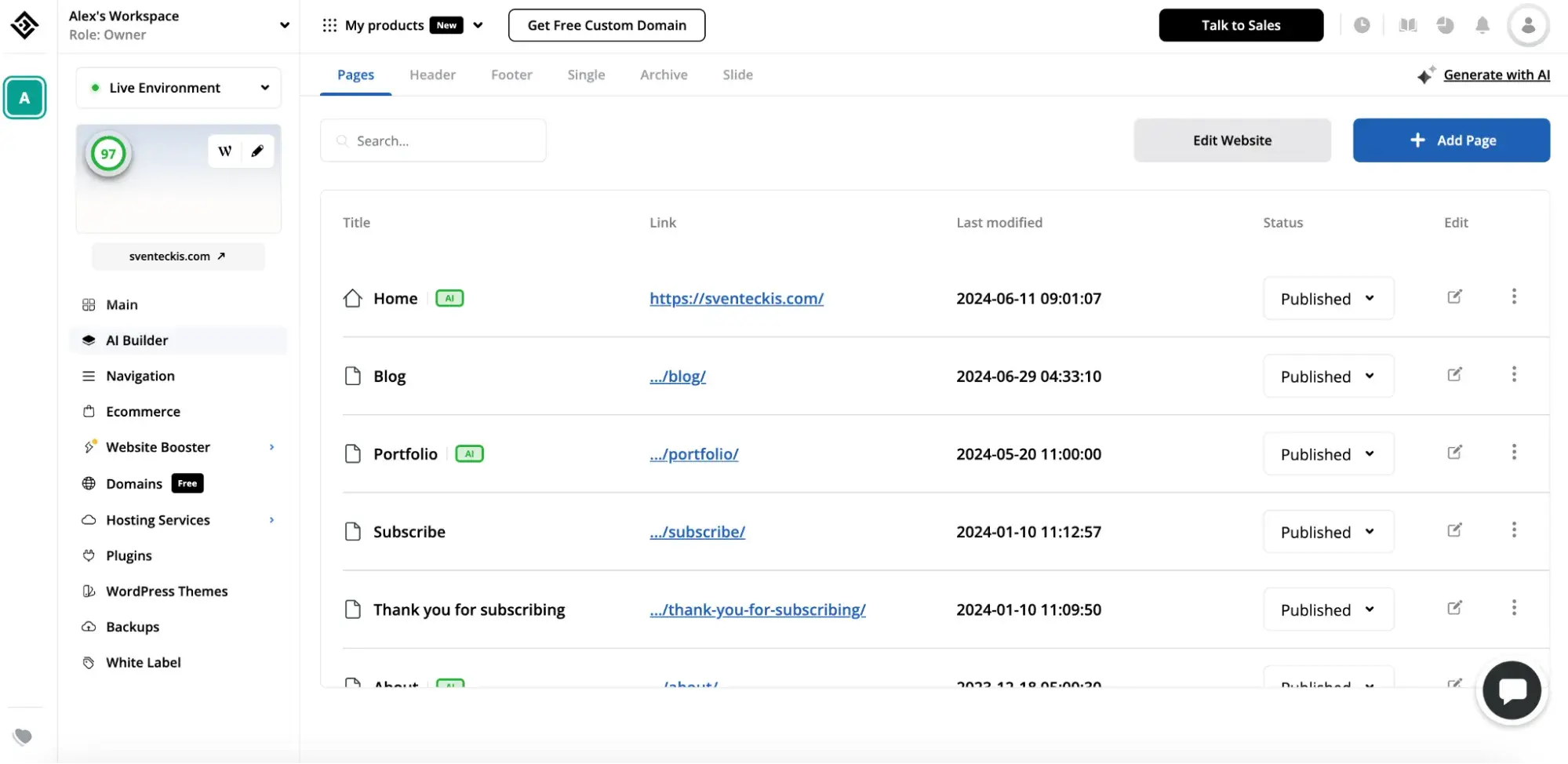
10Web

I host my company’s website on 10Web — and that hosting piece is important. I can build, launch, and manage my site from one place, with no other hosting needs required. It’s a complete feature set that makes sense for my small business needs.

10web website hosting

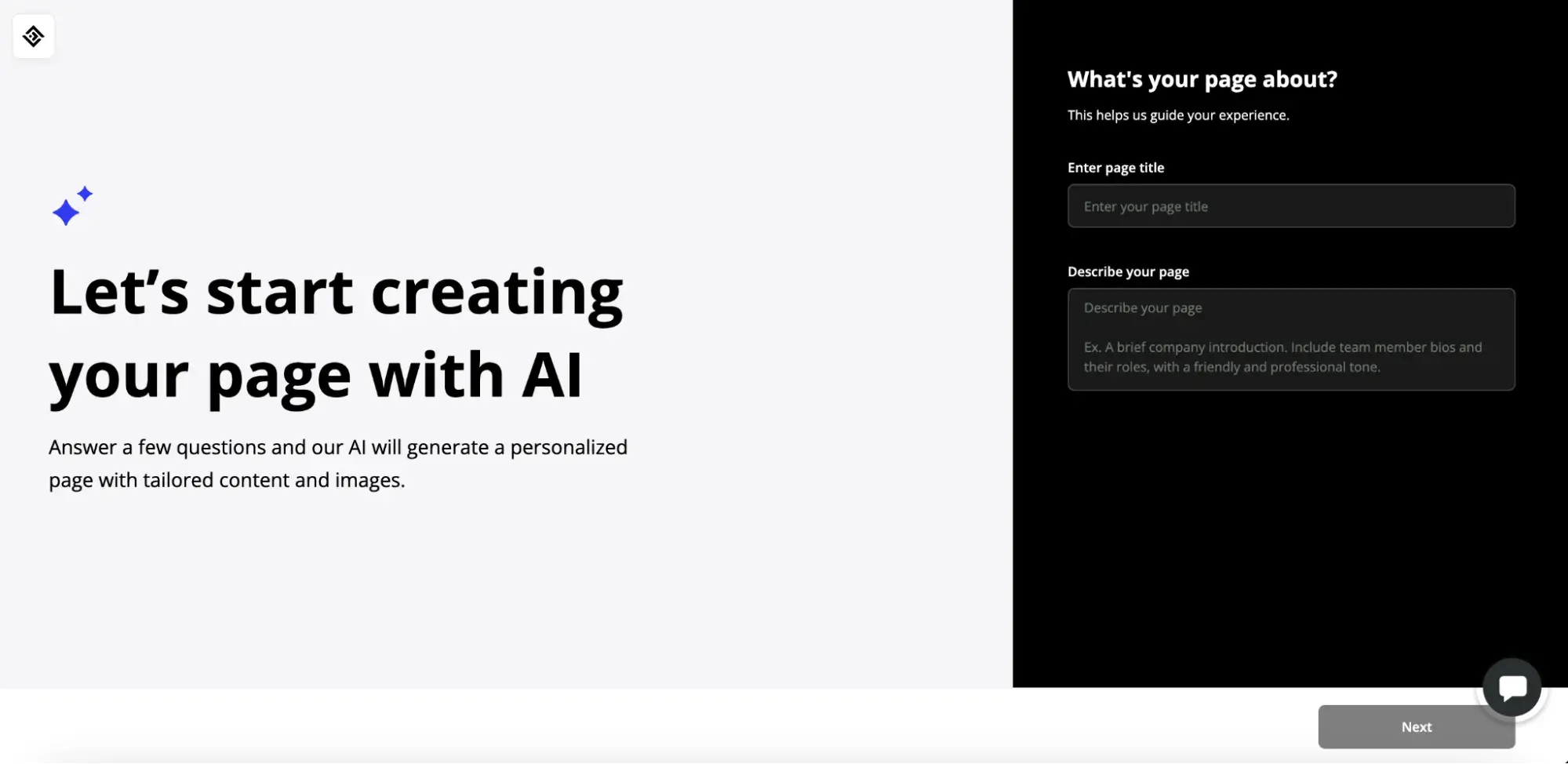
I like 10Web’s AI page creation tool; however, I’ve found it takes more hands-on tinkering than I sometimes want. However, once you build your site and give content to the tool, you’ll generate more brand-accurate results.

10web’s ai page creation tool

Your costs will vary depending on website hosting needs, but spend in the $25-36 per month range to get smaller websites up and running.

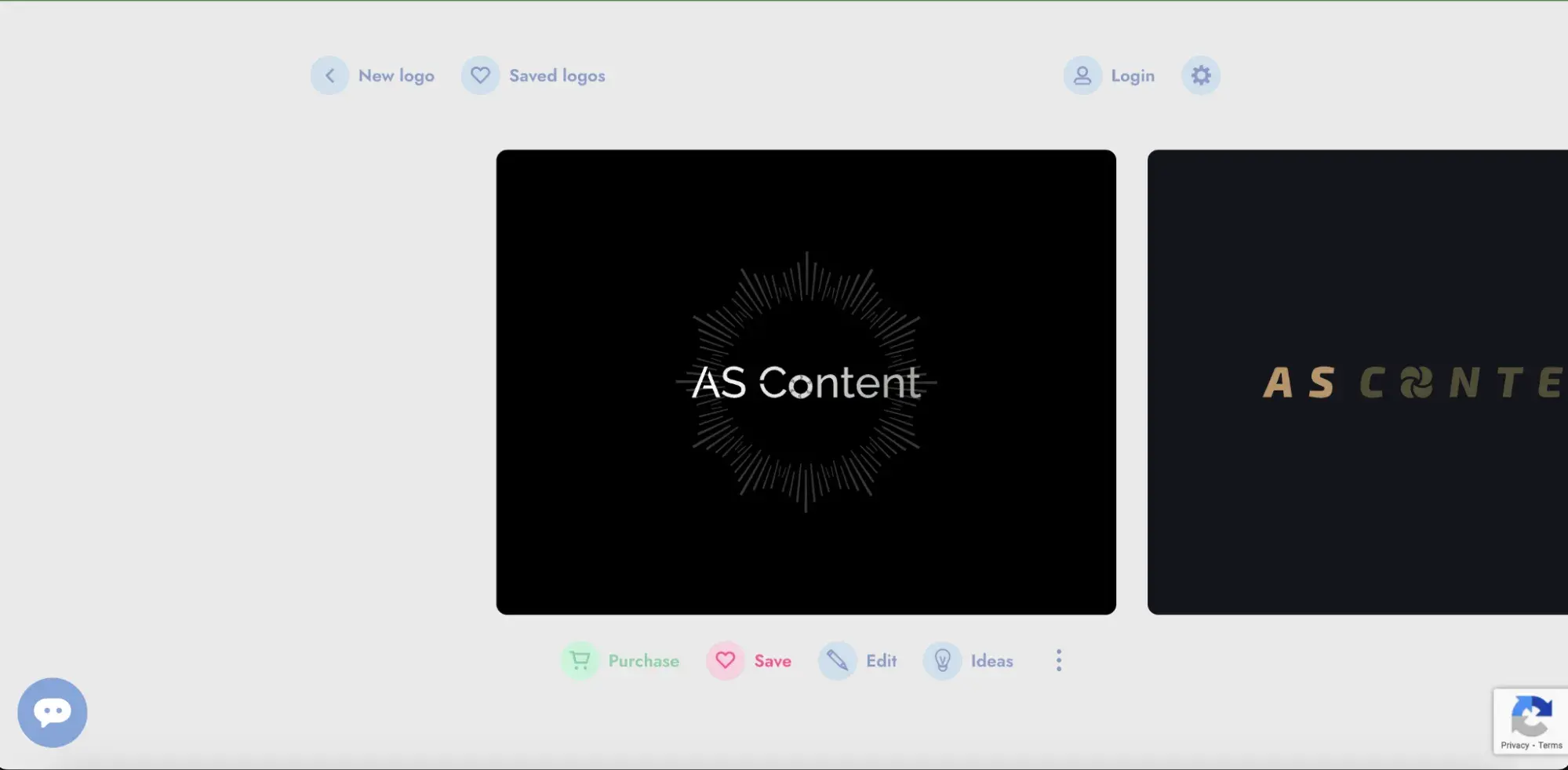
Brandmark

I’m a big fan of upfront pricing models — let me make and buy a logo and tell me how much it costs. Couple it with AI’s help, and you have a strong logo creation tool. Brandmark brings AI to logos, color palettes, and typography to help create a logo that screams you with a clear and affordable pricing structure.

You enter your company name and slogan and provide a few descriptive words and color choices. From there, Brandmark does its thing — I like the polished and professional look of each logo option.

You can edit your logo using an AI chat (like talking to a designer). And when you’re ready, Brandmark can give you marketing mockups so you can see how your logo fits across your visual identity.

Logos start at $25, but you can buy your logo’s commercial license and full brand kits for additional fees.

brandmark ai logo tool

Backstroke

I’ve found better AI branding tools either need unique information from your company or run their operations using hyper-specific models. Backstroke deploys a specialized AI model trained on B2C ecommerce email marketing content, which leads to stronger email campaigns.

I’ve gotten to see it in action through email and SMS campaigns, and it brings excellent AI horsepower to an ecommerce program. While it’s certainly not the most comprehensive tool available, I think it flourishes in its deep focus.

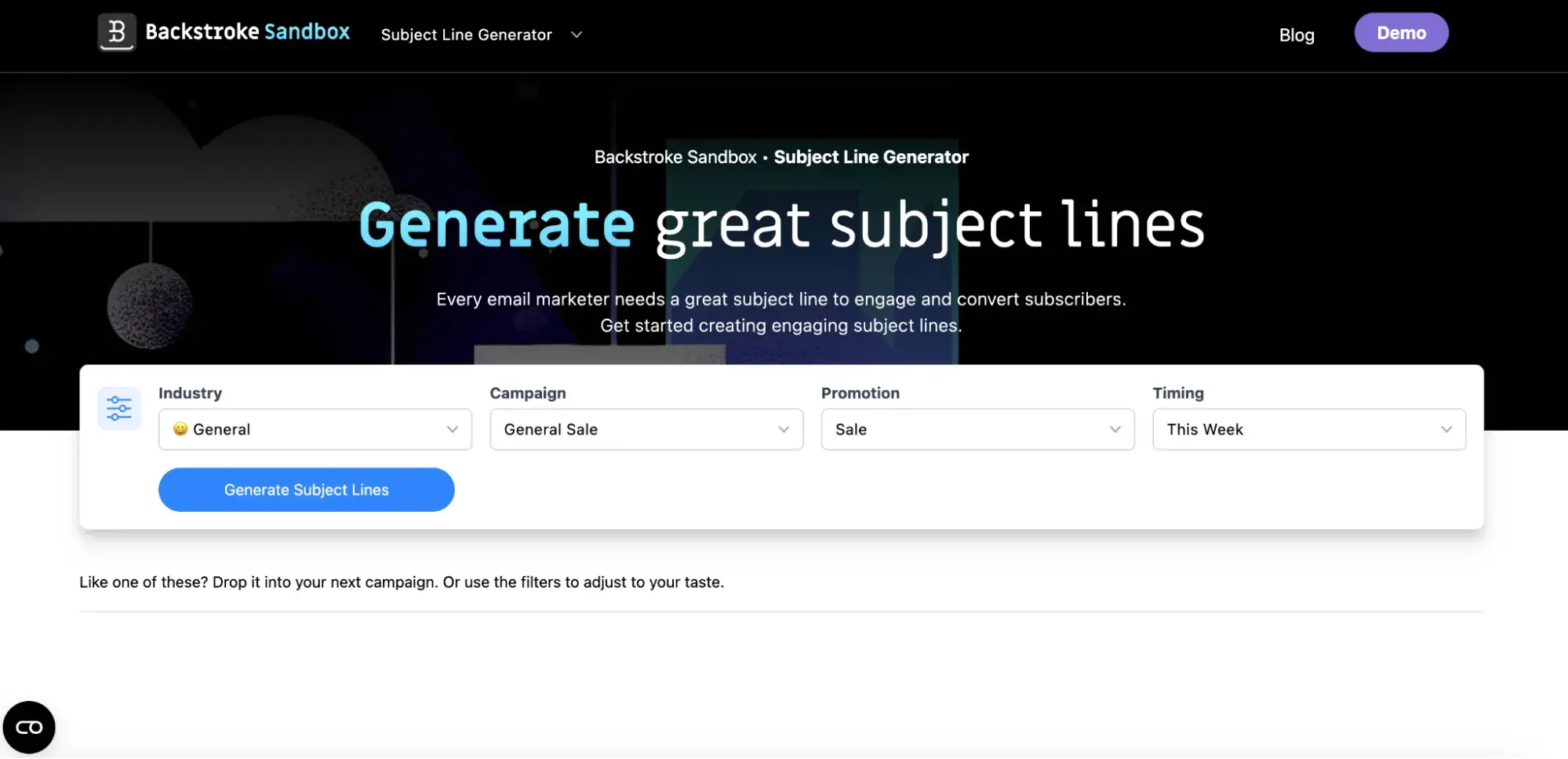
You’ll need to demo the product live and kick off the sales cycle for pricing. But, Backstroke has a free subject line generator and trend identification tool you can try.

backstroke sandbox ai tool

Looka

I like the AI image generation tool Looka provides for logo design. You can design some very nice logos, and you get results that are unique to the market.

Looka also offers a brand kit option: apply your logo to over 300 templates, from letterhead to social media profiles. It’s an easy way to keep your brand’s visual identity consistent across platforms and media.

Looka’s pricing gets a little complicated, which is probably my biggest gripe with the platform. You can buy each logo for $20, but you don’t get full ownership unless you buy the premium logo package for $65. And your brand kit is an annual subscription that runs $96 per year.

It’s not a massive expense, but I don’t like feeling limited in how I own and use my brand assets. That said, if a human brand designer is simply too far out of your price range, Looka is a fine alternative.

looka ai logo tool

Shopify Logo Maker

As with most people, I like when “free” actually means free. Some AI brand asset development tools will give you previews that require a subscription to edit. Not so with Shopify’s Logo Maker.

The Logo Maker does just that — making logos you can download and use anywhere. They’re optimized for Shopify shops, but you can use the image on other sites or social media. You can also generate business names, slogans, and domain names for free (essential components for a Shopify presence.)

The app is free to use. Now, you’re not getting the fanciest logos for free, but if you need to spin up a few brand assets or explore AI’s usefulness, start here.

ai tools for branding; shopify logo tool

ChatGPT Custom GPTs

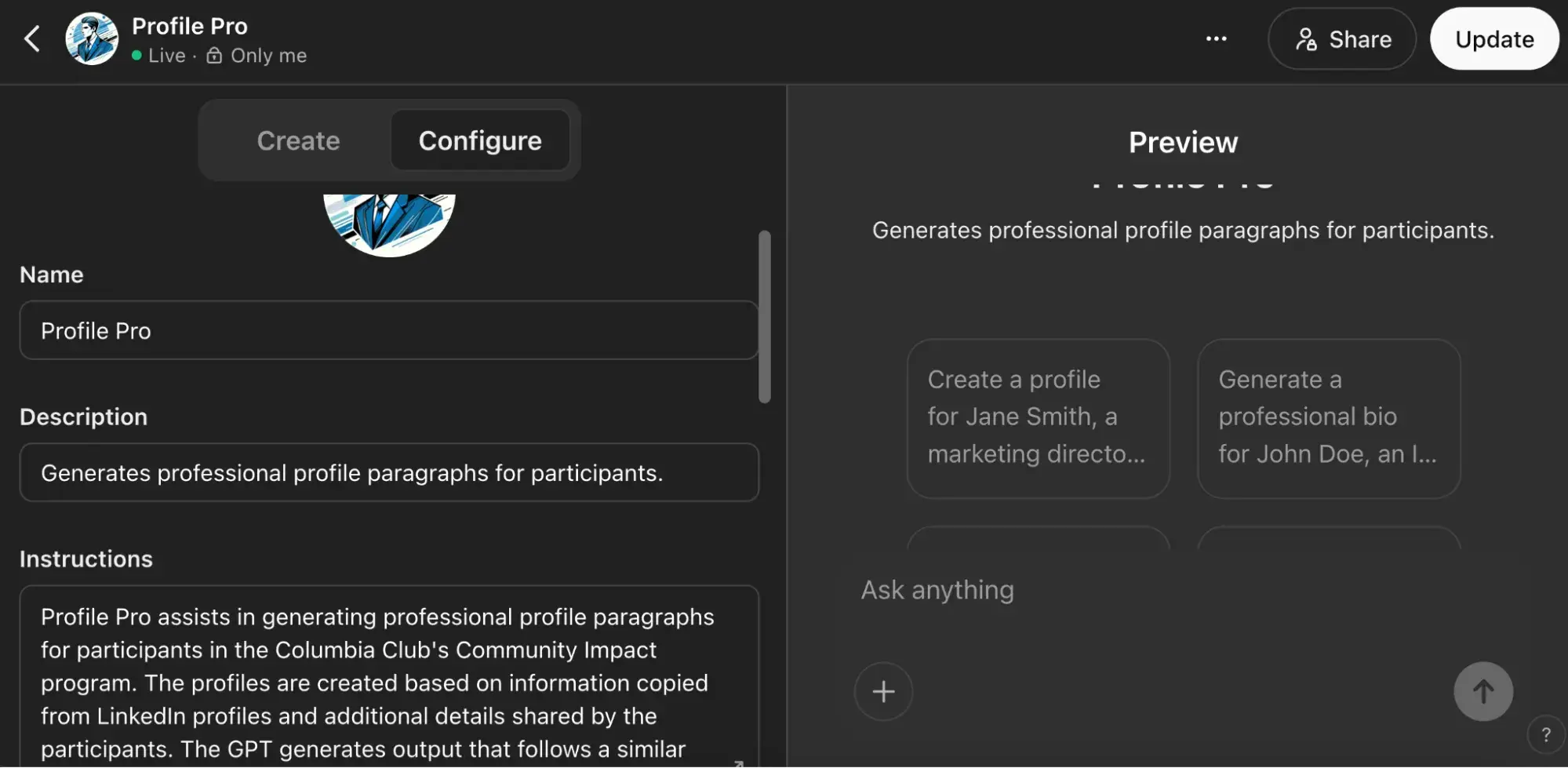
I still think people are sleeping on custom GPTs with ChatGPT, which can help you better manage your brand and create highly specific branded content. Within a custom GPT, you can write detailed instructions for your model’s context window and include PDFs of branded copy. For example, I include PDFs of my consulting company’s blog posts to help the GPT better represent my voice and tone across content types.

A custom GPT is great for content generation and repurposing. You get a lot of power at your fingertips for $20 per month.

try chatgpt customer gpts for branding

Build the Best Business Brand with AI

Not every brand needs that GameCube-level memorability, but every brand needs distinctiveness and consistency. You can build and nurture such a brand using AI and human creativity to reach and win over your audiences.

The best marketing teams in 2025 won’t just automate branding work. Instead, they’ll figure out how to use AI as a strategic co-pilot while keeping people at the center — marketers and consumers alike. Begin with these tools and explore opportunities to put AI to work for you.

Categories B2B

LinkedIn Leads: Secrets from a LinkedIn Marketing VP

Welcome to HubSpot’s Expert Edge Series, where we interview top execs at major brands to explore their perspectives on the latest trends, challenges, and opportunities shaping the industry.

Audiences exposed to brand messages on LinkedIn are — wait for it — six times more likely to convert. And according to Statista, marketers ranked it the third-most important social media platform, behind Facebook and Instagram.

Download Now: The Marketer's Guide to LinkedIn

When it comes to actually generating those LinkedIn leads, you need a clear strategy. So I sat down with Jim Habig, who spent two years as LinkedIn’s marketing VP, and asked him to spill his secrets to using the social platform. His most surprising advice? Your company’s top execs are key to everyday LinkedIn success.

Table of Contents

LinkedIn Lead Generation Strategy

Lead generation refers to all the activities and strategies you use to attract potential customers. Generating leads is important because, with nurturing, potential customers can become paying customers that use your products and drive revenue.

LinkedIn’s typical audience comprises professional decision-makers with purchasing power, helping you speak directly to potential customers who can become paying customers. Below, I’ll discuss how you can use LinkedIn for lead generation.

1. Make sure your executives have a strong LinkedIn presence.

When you’re first getting started on LinkedIn, it can be tricky to know how to dedicate your initial efforts. Should you create a compelling LinkedIn page and immediately post content to your business’s feed? Or should you start by posting job openings to attract new talent?

Habig agrees that optimizing your company page is critical to making a strong first impression. He encourages marketers to ensure their page is complete and up-to-date with relevant information like a business description, logo, website URL, and industry.

However, an often overlooked opportunity to generate leads falls on individual employees’ pages.

As Habig puts it, “You’ll want to encourage your leadership teams and employees to have well-crafted personal profiles with professional headshots, descriptive headlines, and detailed job experiences.”

“encourage your leadership teams and employees to have well-crafted personal profiles with professional headshots, descriptive headlines, and detailed job experiences.

He adds, “A consistent brand presence builds credibility, attracts the right audience, and fosters trust among potential leads.”

Samantha Meller, HubSpot’s head of social media, audience development, agrees. “I strongly believe that people want to follow people,” she says. Even on LinkedIn, a platform more associated with business than pleasure, she says that users “don’t want to follow a brand. They want to see personality.”

“people want to follow people. users don't want to follow a brand. they want to see personality.”—samantha meller, head of social media, audience development, hubspot

Consider the leaders at your company and their current LinkedIn presence. Could they contribute more thoughtfully to LinkedIn groups within your industry or post more often to their feeds? More likely than not, your executives could be doing more to grow their LinkedIn following.

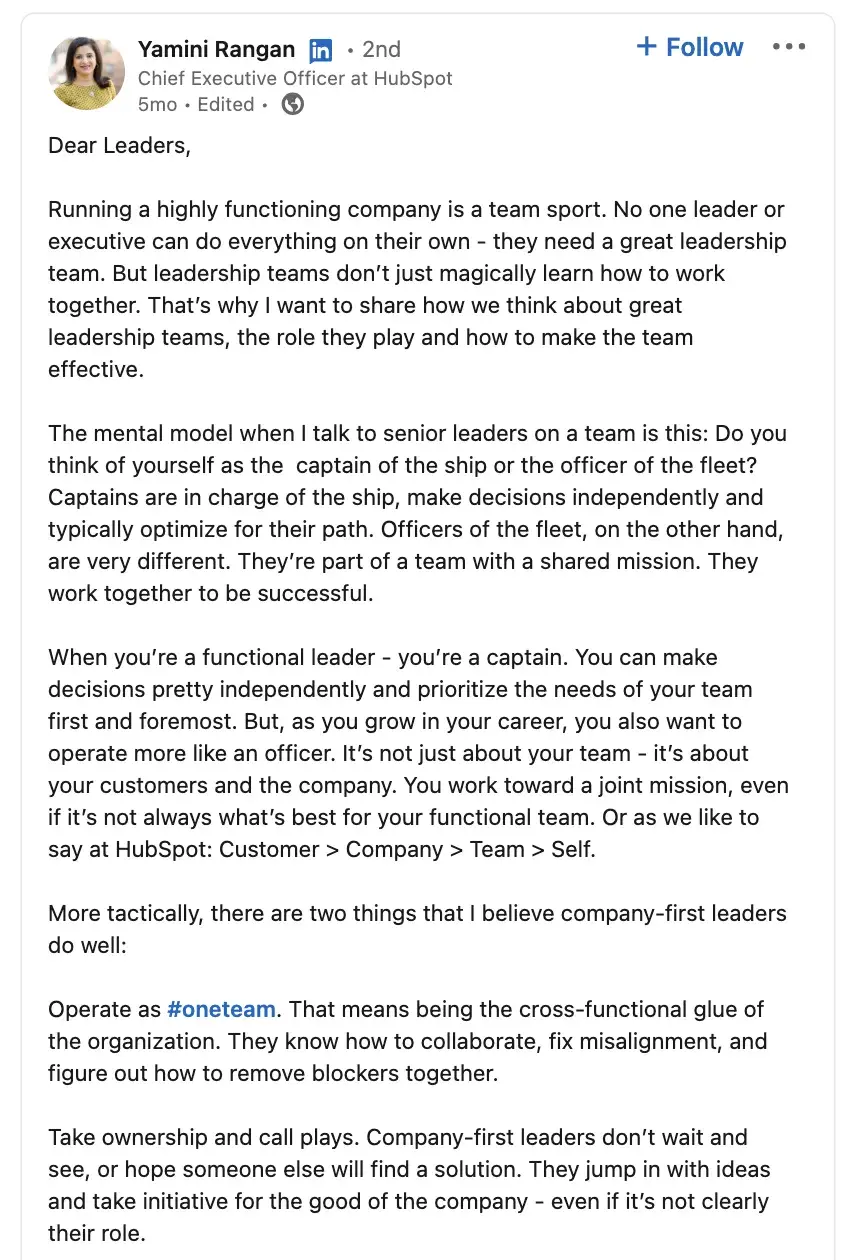
For instance, let’s take a look at a LinkedIn post from HubSpot CEO Yamini Rangan:

Rangan uses LinkedIn wisely, leveraging the platform to share helpful, relevant content for business leaders. I especially like that she builds a personal brand and helps her followers find valuable content related to business growth. Ideally, your executives should be doing the same.

2. Create a powerful LinkedIn Page for your business.

LinkedIn Pages is a free product that can help your company build visibility on the platform. I recommend using it to house your brand’s thought leadership content, such as videos, commentary from executives, and curated information from other sources.

You’ll also want to ensure your page is active with thought-provoking content and contributions to conversations already happening on LinkedIn.

Take a look at 10 Best Practices for Creating (and Growing) LinkedIn Pages to learn more.

3. Post relevant content and engage with your audience.

To ensure your LinkedIn page and profile are strong, consider posting various content types, including video. Featuring this industry-relevant content helps you position yourself as a knowledgeable source and establish relevance and credibility with potential customers. I talk more about the best types of content to post on LinkedIn here.

As Habig puts it, “Creating and sharing high-quality content tailored to your target audience’s interests is key to driving engagement and generating leads. Share a mix of content types — like blog posts, infographics, case studies, and videos to keep your audience engaged.”

“creating and sharing high-quality content tailored to your target audience's interests is key to driving engagement and generating leads.”—jim habig, former vp of marketing, linkedin

He continues, “And don’t forget to join the conversation! Proactively respond to comments and answer questions to foster relationships with your audience and showcase your expertise.”

When you’re recognized as an insightful, valuable source, you’ll begin to develop connections with like-minded professionals that fit your ideal customer profile. If you post often, you’ll become a regular on their feed, and familiarity makes it easier to initiate further conversations.

“don’t forget to join the conversation! proactively respond to comments and answer questions to foster relationships with your audience and showcase your expertise.”—jim habig, former vp of marketing, linkedin

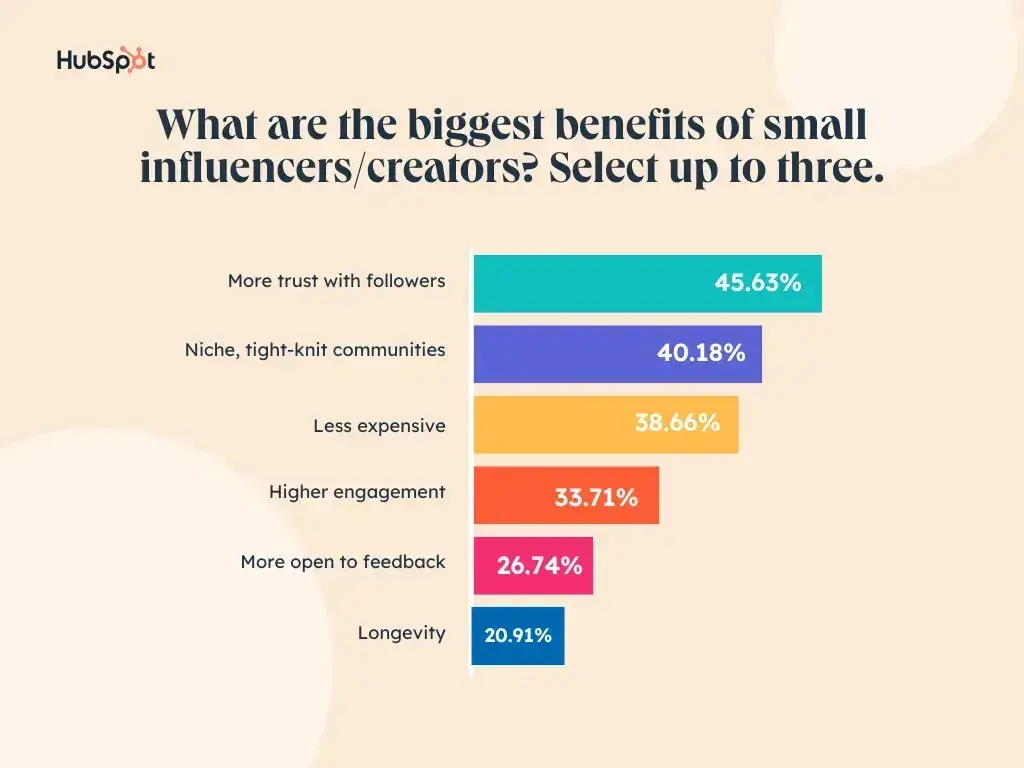
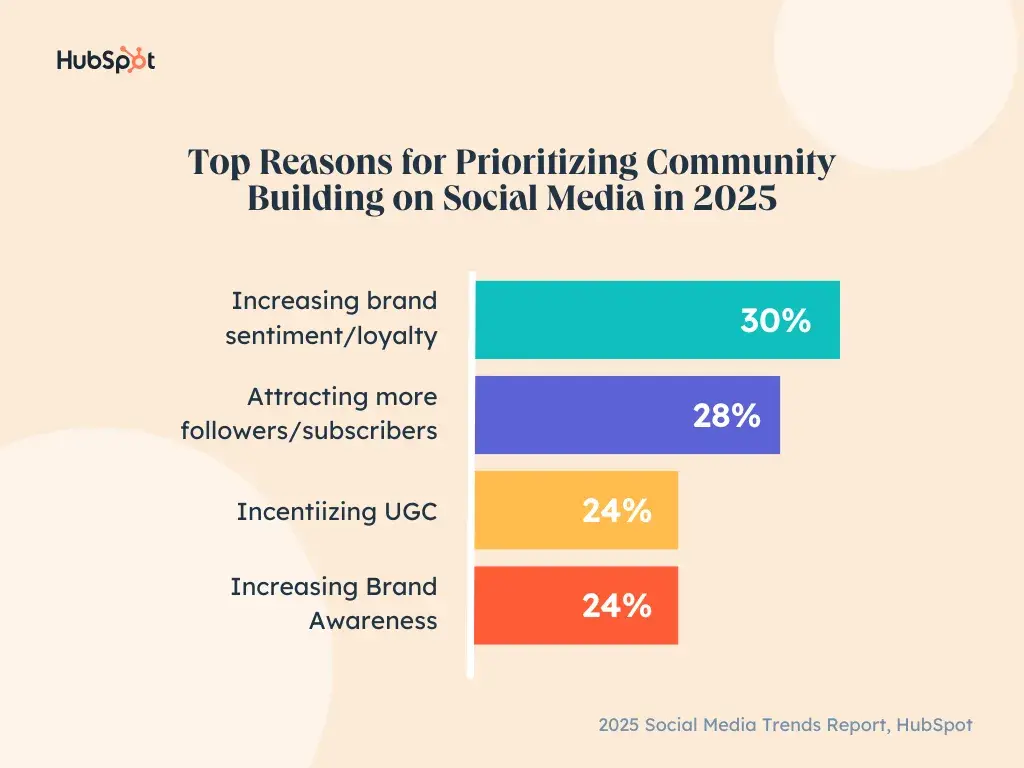
The communities you build and engage with are essential, as social media marketers told us that the biggest benefit to building a social media community is an increase in brand awareness. Growing brand awareness = new eyes on your business, new eyes = potential new leads.

For example, if all of my LinkedIn connections are professionals within my industry, they can expose me to new audiences with the content I post. If someone clicks “Like” on a post I’ve made, it may show up on the feed of a new lead. The lead can see that our shared connection liked my post, which vouches for my credibility and authority, possibly prompting them to send a request to connect (a new lead!).

Follow your page analytics to figure out what resonates with your audience and ensure you create content people want to see.

4. Join LinkedIn groups your clients and customers are in.

LinkedIn, at its core, is a social platform like any other. Just as on Facebook, users can create groups centered around industry-relevant interests, and I recommend joining these groups and having conversations with other professionals.

You can stay informed by exporting LinkedIn comments, then posting content and updates to encourage discussions about relevant topics. Or simply talk about the services you offer — if you’ve joined groups wisely, your potential customers can see what you say and begin to recognize you as a source of valuable information.

You can also use groups to learn more about your audience. If members are active, learn from what they say and discover common industry pain points and how leads want these issues addressed. Use this information to your advantage, and create hyper-targeted value propositions when you reach out that speak directly to your customer’s needs.

5. Use LinkedIn Ads and Sponsored Content to ensure your content reaches your intended audience.

Since LinkedIn is the top paid and organic channel for B2B businesses, spending your money on the platform would be worthwhile. But, if you have a smaller marketing budget, I understand being wary of putting money behind paid campaigns on LinkedIn.

Habig suggests: “Consider using LinkedIn’s advertising and sponsored content solutions to reach the right audience based on factors like job title, industry, and company size.”

He adds, “You’ll want to utilize sponsored content to promote your top-performing posts or lead generation forms to capture valuable lead information. Try testing various ad formats like sponsored InMail, carousel ads, and lead gen forms to identify which works best for your target audience.”

“utilize sponsored content to promote your top-performing posts or lead generation forms to capture valuable lead information. try testing various ad formats like sponsored inmail, carousel ads, and lead gen forms to identify which works best for your target audience.”—jim habig, former vp of marketing, linkedin

In particular, Habig believes the LinkedIn Lead Gen Forms is one of the platform’s most powerful offerings for lead generation.

He told me, “LinkedIn Lead Gen Forms streamline lead generation by auto-populating users’ LinkedIn profile information when they click on your ad. This simplifies the process for users, allowing them to submit their information with ease and boosting lead generation efficiency. Furthermore, the collected data can be effortlessly synchronized with your CRM system.”

I also recommend using other free native content features that can help you increase your engagement with your audience, like articles and polls. You can even automate a lot of this process by using a LinkedIn bot.

While LinkedIn has a native ads management service, you can also use HubSpot’s ads management tool to create, organize, and execute advertising campaigns on LinkedIn. You’ll also get access to high-quality reports that explain ad performance, helping you optimize a strategy to meet your customers’ needs.

6. Ensure you have strong sales and marketing alignment.

You’re likely all too familiar with the recent shift in consumer buying behavior. Nowadays, customers are researching online ahead of time and typically use marketing content to inform their purchasing decisions before even reaching out to a sales rep. What’s more, the top reason consumers use LinkedIn is to learn new things.

So, with these savvier consumers, it is now critical that marketers meet the needs of consumers who are further along the buyer‘s journey and then seamlessly hand them off to sales so sales have the context on which stage of the buyer’s journey the consumer is at.

This is where I have to call out the importance of sales and marketing alignment. Every time we run our Marketing Trends Survey, we hear about the importance of sales and marketing alignment. These teams working together contribute to higher lead quality, more closed deals, and a 107% higher likelihood of goal attainment.

Many salespeople know the target audience better than anyone, so leveraging their knowledge when creating marketing materials is vital. To figure out strategies for better aligning your sales and marketing departments, get more expert advice: How to Create Strong Sales and Marketing Alignment, According to LinkedIn’s Global Product Marketing Leader.

7. Leverage connections with current customers and clients.

LinkedIn’s main draw is networking, and you should use this feature to your advantage for lead generation.

Connect with current customers and clients on LinkedIn and learn from who their industry connections are, as they may be relevant to you as well. If you have relationships with existing clients, ask for referrals and references, or simply learn how to get in contact with a connection they have that matches your customer profile.

LinkedIn is a professional network, so such requests are less pushy, spammy, and sales-esque than cold calling someone after finding their number online. Leads can receive your request to connect, browse your profile, and see your shared connection as a guarantee of trust.

In addition, when you connect with new leads, you use warm outreach. This means that you already know a bit about them and can immediately make propositions that relate to their interests, providing value to them off the bat.

8. Maintain a consistent presence on the platform.

Just like all of your other social media sites, LinkedIn requires consistency. If I post one article a week and log out, I’m not establishing myself as a consistent presence with my connections.

Aside from the content you share, you want to communicate consistently with your leads. Disappearing in the middle of a conversation is not a good look and does the opposite of furthering their interest in doing business with you.

Additionally, to ensure you’re reaching the right audiences, consider leveraging LinkedIn Matched Audiences to retarget website visitors.

Habig says, “LinkedIn offers advanced targeting capabilities to help you connect with your ideal audience. With LinkedIn Matched Audiences, you can retarget website visitors, create contact-based audiences using email lists or CRM data, or build account-based audiences by targeting specific companies. This feature enables you to engage people who have already shown interest in your business or are more likely to be interested.”

He adds, “For newcomers to LinkedIn or those seeking guidance on setting up targeting, consider using LinkedIn’s pre-built audience templates. These templates simplify the process and cater to various audiences, such as doctors, recent college graduates, millennials, and more.”

As I mentioned above, use platform analytics to learn about your audience’s interests and when your posts get the most traction, and create a strategy that will keep you consistently present and visible on LinkedIn.

The Most Effective Content for Generating Leads on LinkedIn, According to LinkedIn’s VP of Marketing

When asked which content Habig believes performs best on LinkedIn when it comes to generating leads, Habig told me two types of content typically win out: educational and thought leadership.

He said, “There’s a delicate balance between offering what I’ll call practical content geared towards the practitioners and presenting forward-thinking thought leadership. Both are essential for capturing the attention of your prospects and customers.”

Habig continues, “Providing educational content — such as how-to guides, case studies, whitepapers, and e-books — positions your brand as a ‘helpful teammate’ that your audience can rely on for support and expertise.”

You don’t want to ignore the potential power of thought leadership, either.

Habig says, “It‘s crucial to incorporate thought leadership, demonstrating that you’re in tune with the industry’s trajectory.”

According to research conducted in collaboration with Edelman, nearly three-quarters (73%) of decision-makers say that an organization’s thought leadership content is a more trustworthy basis for assessing its capabilities and competencies than its marketing materials and product sheets.

“73% of decision-makers say that an organization’s thought leadership content is a more trustworthy basis for assessing its capabilities and competencies than its marketing materials and product sheets.”—2024 edelman-linkedin b2b thought leadership impact report

Source

I always recommend prioritizing your own content analytics to see what performs best with your audience, but testing and experimenting is a good practice. Try Habig’s recommended formats — if you haven’t already — and see how they do.

What Marketers Get Wrong When It Comes to LinkedIn for Lead Gen

Finally, I had to ask: What is the biggest mistake marketers make when it comes to LinkedIn lead gen strategies?

“people underestimate the impact that creativity can have in growing your business and attracting new leads.”—jim habig, former vp of marketing, linkedin

Habig had a straightforward answer:

“People underestimate the impact that creativity can have in growing your business and attracting new leads. In a recent report, we found that 69% of people said B2B purchasing is just as emotionally driven as B2C. Creativity is a powerful way for businesses to build their brands, differentiate themselves, and tell compelling stories about the problems they’re solving that will pique the interest of their audience.”

Which is good news for most marketers — who likely got into marketing for the storytelling in the first place.

Editor’s note: This post was originally published in October 2019 and has been updated for comprehensiveness.

Categories B2B

Stop Measuring These Vanity Metrics in Your Marketing Campaign

In 2021, I was put in charge of a literary blog’s marketing campaign. The blog was racking up page views, yet none of those visits were turning into product sales. It felt frustrating watching the numbers climb without any real impact.

After about three months, I realized that I was chasing a vanity metric (page views) that looked impressive but ultimately did nothing to move the needle. So, I shifted my attention to more meaningful metrics like engagement rate, click-throughs on calls-to-action, and conversion rates from visitors to subscribers/buyers.

Learn how to run more impactful, measurable marketing campaigns.

This required me to tweak the content strategy quite a bit, but soon, the results began to speak for themselves. In this article, I’ll be covering what a vanity metric is, how to identify them, some examples of vanity metrics (and their alternative actionable metrics).

Table of Contents

I learned about vanity metrics the hard way with the literary blog. It was annoying to realize that chasing these shiny numbers meant that my marketing efforts were going down the drain and we were losing money. But the moment I focused on actionable metrics (and key performance indicators (KPIs)) instead, those sales slowly, but steadily, started pouring in.

Beware of vanity metrics. Instead of getting caught up in the low-hanging fruit, ask yourself: “What does this graph mean? Should I continue doing something, increase the time or money I spend on a certain channel, or even stop doing something altogether?”

Vanity Metrics vs. Actionable Metrics

As I said before, vanity metrics refer to data points that may look impressive at first glance but do not provide meaningful insights into a business’s actual performance.

Actionable metrics are the opposite–these metrics directly tie into business objectives and offer insights that drive strategy and decision-making.

Here’s a table that shows the key differences between vanity metrics and actionable metrics


Vanity metrics

Actionable metrics

Examples

Examples of vanity metrics include page views, social media followers, and email open rate.

Examples of actionable metrics include conversion rates, click-through rates, and customer retention figures.

Relationship to goals

They do not directly correlate with business outcomes and may not indicate progress toward goals.

They are closely tied to specific business objectives and measure progress towards achieving them.

Insights provided

They offer superficial insight that can be misleading without context.

They offer clear, measurable insights that help shape effective marketing strategies.

Impact on decision-making

Decisions based on vanity metrics may lead to misdirected efforts and inefficient resource allocation.

Decisions based on actionable metrics lead to more effective strategies and optimized resource use.

Reliability

Vanity metrics can be unreliable because they do not reflect the quality of engagement or conversion.

Actionable metrics reliably reflect the quality of engagement and can pinpoint areas for improvement.

Examples of Vanity Metrics (+ Alternative Actionable Metrics)

Here are seven vanity metrics you should stop obsessing over and the actionable metrics you should track instead.

1. Blog Post Page Views

Blog post page views simply count how many times a page is loaded. It feels great when the numbers are high, like they were with the literary blog–I mean, 50k page views every month is a lot–but it doesn’t show if visitors actually read the post or took the next step. In my case, visitors certainly weren’t clicking the Purchase button.

Page views also don’t indicate where your visitors are coming from, if your blog content answered their question, or even how long they spent on your page.

Actionable Metrics: Bounce Rate, Social Shares

  • Bounce rate: This tells the percentage of people who visit one page on your website and leave without clicking further into the site. In other words: high bounce rate = bad. A declining bounce rate is a great metric to report because it suggests that your blog is becoming more interesting to your visitors.

Pro tip: Keep readers’ attention with a good call-to-action (CTA), as well as links to other content and other parts of your site.

  • Social shares: People share content on social media that they relate to or resonate with in some capacity. So, if your content is getting lots of social shares, there’s a good chance your content is connecting with your audience, which is what you want.

And while search engines like Google and Bing don’t directly use social shares as a primary ranking factor, shares can indirectly influence SEO by indicating content relevance and quality, which can lead to backlinks and increased traffic.

2. Email Open Rate

Email open rate measures the percentage of recipients who open your emails. Here’s the formula:

Open rate = (Number of emails opened / Number of delivered emails) x 100

Email open rate is a reasonable metric to track to check the effectiveness of your email’s subject line and timing. However, it says nothing about the email’s content or its ability to prompt action. Also, there are technical limitations because many email clients have to load images to count as an open, and many users have images turned off by default.

I’ve seen marketing campaigns where the email open rates were sky-high, yet barely any clicks or conversions followed.

Actionable Metric: Click-through Rate (CTR)

CTR measures the percentage of people who clicked on links within your email. It directly indicates whether your content was compelling enough to prompt further action. A high click-through rate (CTR) for an email that invites users to download something on your website, for example, tells you the email campaign has high lead-generating power.

Pro tip: Focus on one call-to-action (CTA) in your email that draws users to your site, and measure your click-throughs on those links.

3. Number of Subscribers/Product Users

It’s simple enough to track how many people have converted into a trial user, or agreed to receive your newsletter. But these metrics don’t tell you if these people are actively engaging with your content or product. Sometimes, the numbers inflate simply due to outdated sign-ups or inactive users.

Actionable Metrics: Active Users, Path to Conversion

  • Active users: Instead of focusing on the total user count, track how many subscribers or users are actually engaging with your content or product on a regular basis.

For example, in Google Analytics, you can examine metrics like New vs. Returning visitors, which measures the percentage of visitors who are new to your website versus those who have visited it before. A higher percentage of returning visitors indicates stronger visitor loyalty and retention.

You can also look at Frequency and Recency in Google Analytics, too–a report that shows how often visitors return to your website and how long it’s been since their last visit.

  • Path to conversion: This metric analyzes the journey users take from first contact to conversion, highlighting where you might be losing potential customers. So, track which content drew in leads that converted to qualified contacts or even customers — as well as what actions those leads took on your website before they converted.

You can monitor this information a few ways, such as adding tracking links to your CTAs so you can see where a user came from as they moved through the conversion path. Rinse, lather, repeat.

4. Social Media Follower Count

On platforms like Facebook, Instagram, or X (formerly Twitter), you shouldn’t really focus on the number of followers you have. People often follow accounts for reasons that don’t reflect genuine interest–and I should know, seeing as the Follow button is like a magnet I’m naturally drawn to (I’ll change, I promise).

Some users may follow you because of that one funny video you posted just to switch things up from your otherwise serious content. Others might follow you hoping for a follow-back, and if that doesn’t happen, those numbers quickly drop off.

Actionable Metric: Engagement Rate

This metric measures interactions like likes, comments, and shares relative to your follower count. It provides a more accurate picture of how your audience is engaging with your content, rather than just how many people might have clicked “follow.”

So, if you have 100,000 followers and are only getting 75 likes and four shares per post, then you know something’s wrong somewhere. It could be that your posts aren’t resonating with your audience or they’re not seeing it–or something else entirely.

Then, you can tweak your strategy and take measures to fix the issue.

5. Ad Impressions

I’ll never forget the first time my friend and I ran an Instagram ad for his window blinds business. It was 2020 — we were both green to paid advertising and I was practically buzzing with excitement as we set up the campaign.

The promise of thousands of ad impressions had us feeling like we’d struck gold — after all, more eyes on the ad should mean more business, right? Well, over the 14 days the ad ran, we racked up thousands of impressions, but only two people actually reached out.

That’s when it hit me: ad impressions are flashy, but they don’t necessarily lead to real engagement or sales.

Actionable Metrics: Conversion Rate

We talked about click-through rate (in the email open rate section above), and you should track that if you’re running paid ads because it shows how many people clicked on your ad after seeing it.

But even better, track your conversion rate, which shows how many clicks led to a meaningful action, like a purchase or sign-up.

In my (and my friend’s) case, focusing on CTR and conversion rate would have shown us that while our ad was being seen, it wasn’t truly connecting with our audience. We would’ve paused it and tried to figure out (and fix) the problem.

6. App Downloads

App downloads count how many times your app has been installed. It’s tempting to celebrate a surge in app downloads—after all, those numbers look great on paper. I’ve seen campaigns where the download count skyrocketed right after launch.

But here’s the catch: downloads alone don’t prove that your app is valuable or that users are sticking around. Something’s wrong if your downloads are through the roof and yet barely anyone if using your app after the initial install.

Actionable Metrics: Retention Rate, Daily Active Users (DAU)

  • Retention rate: This metric tracks the percentage of users who continue using your app after their first download. A high retention rate means your app is offering long-term value.
  • Daily active users (DAU): DAU counts how many unique users interact with your app on a daily basis, giving you a real-time snapshot of its popularity. These metrics are better because they show not just the initial interest but the ongoing relationship between your app and its users.

This ensures that you’re not just racking up downloads but building a loyal user base.

7. Video Views

Video views are often the go-to metric for gauging the success of a video campaign. However, views only tell you that the video was played—they don’t reveal whether viewers watched the whole thing or if it left a lasting impression.

It’s possible for a 10-minute video to rack up hundreds of thousands of views, but have most viewers drop off after the first minute. Their views still count towards video views, but those viewers would likely not be impacted by the video. And if the CTA is at the middle or the end of the video, they won’t see it, let alone act on it.

Actionable Metric: Watch Time Percentage

This metric shows how much of your video viewers actually watch on average. It’s a much clearer indicator of whether your video content is engaging and worth watching. By focusing on watch time, you can fine-tune your content to keep viewers hooked from start to finish, so that your video is not only seen but truly appreciated.

If you need a tool to help you track actionable metrics, look no further than HubSpot Marketing Analytics and Dashboard software. With built-in analytics, detailed reports, and comprehensive dashboards, HubSpot lets you measure the performance of all your marketing campaigns in one place.

How to Identify Vanity Metrics

If you’re not sure how to identify a vanity metric, here are some tips that helped (and could help you, too):

1. Look beyond the surface numbers.

I learned early on that a high number on its own doesn’t tell the whole story. For example, when I saw thousands of page views on our literary blog, it initially felt like a major win. However, I soon realized that these figures were just surface-level and didn’t offer insight into whether those visitors were truly engaged or interested in our products.

This experience taught me to dig deeper and ask, “What does this number really mean for the business?” Instead of just celebrating big numbers, I started analyzing what they were achieving.

2. Check for consistent patterns.

One effective way I identified vanity metrics was by looking at growth patterns. I noticed that while some numbers, like page views, would spike after a viral post, other critical metrics—like demo requests or free trials—remained flat.

Consistency is key. If one metric shows sporadic bursts without any corresponding growth in conversion or engagement, it might be a sign that you’re focusing on vanity numbers rather than sustainable growth.

3. Analyze the relationship between metrics.

I learned to compare related metrics to see if they supported one another. For instance, if there was a surge in social media followers but no increase in website traffic or conversions, that disparity was a clear indicator of a vanity metric.

I would look at how changes in one metric affected another. When the numbers don’t move together as expected—like a rise in likes without a similar rise in comments or shares—it tells me that the engagement might be superficial.

4. Evaluate the quality of engagement.

Not all interactions are created equal. I know now to measure the quality of engagement rather than just counting the interactions. For instance, I compare posts that have numerous likes with those that generate thoughtful comments or were shared widely.

I’ve found that posts with meaningful interactions often led to deeper customer relationships and higher conversions. This approach helped me distinguish between a metric that simply looked good on paper and one that truly drove the business forward.

5. Rely on benchmarking for context.

I found comparing metrics to industry benchmarks and past performance provides valuable context. For example, if your blog’s conversion rate is significantly lower than the industry average despite high traffic numbers, then you need to re-evaluate your strategy.

Benchmarking helps you set realistic targets and better understand which metrics are truly driving success. This context is crucial for distinguishing between metrics that merely look good and those that are genuinely effective.

Transform Data Into Impactful Strategies

Vanity metrics may dazzle at first glance, but they don’t provide the insights needed to drive true business growth. By focusing on actionable metrics—like click-through rates, conversion rates, retention rates, and watch time percentages—you can uncover what’s really working and identify areas for improvement.

Editor’s note: This post was originally published in August 2011 and has been updated for comprehensiveness.

Categories B2B

Brand Building Brilliance from Best Buddies

Before this week’s master found her path to the nonprofit sector, she worked with big brands like Pepsi, Frito-Lay, and FedEx. And even founded her own small business clothing line.

Now, she leads communications and partner engagement for state development initiatives for Best Buddies International, a nonprofit dedicated to ending the social, physical, and economic isolation of people with intellectual and developmental disabilities.

And her rare marriage of small business, agency, enterprise, and nonprofit experience has led to some of the best advice on brand presence that I’ve encountered yet.

Click Here to Subscribe to Masters in Marketing

lise-lozelle-mim

Lise Lozelle

Sr. Director of State Communications & Engagement, Best Buddies International

  • Fun fact: Fly fishing is her reset button. When everything slows down, the best ideas show up. She even launched her own fly fishing clothing line, Maven Fly.
  • Claim to fame: Lise’s personal startup brand launched a fashion-inspired made-in-the-USA women’s fishing shirt for $125. People said it would never sell at that price. A year later, the big brands raised prices and elevated their style, proving that small brands can create a ripple effect.

Lesson 1: You don’t marry someone on the first date.

What’s the first tactic that comes to mind when you imagine nonprofit marketing?

My first thought was, “Oh no, they’re going to ask me for money.” That’s not only wrong but, ironically, not very charitable. 

Lise Lozelle shuts that myth down in no uncertain terms. And pay attention, you for-profit marketers; this advice is for you, too.

“You don’t marry someone on the first date,” Lozelle laughs. “If you want someone to give money to you, you need to make them feel good about it first.

In practice, that means the majority of Best Buddies’ marketing efforts focus on brand building, not solicitation.

“Let’s build a relationship with people and give them bite-size pieces of how they can learn about your organization.”

Even here at Masters in Marketing, we make sure that you get a certain number of educational emails before you ever see a marketing blast.

So slow it down. Wine and dine ’em first. Make your prospects fall in love with your brand before you pop the question: “Will you make me the happiest marketer in the world and click this CTA?”

Lise Lozelle "You don't marry someone on the first date."

Lesson 2: Stand for something. (But do it authentically.)

“What brands can learn from nonprofits is that you have to stand for something. Especially with this next generation,” Lozelle says. “Your consumers want to know what your company does to make the world better.”

And the data proves her point. HubSpot research shows that 82% of consumers want to buy from brands that share their values — and that number climbs still higher for Gen Z.

“Brands that don’t understand that are going to feel some pain from this next generation.”

As a marketer, you may not control your company’s values, but you do shape how those values are presented to your audience.

This doesn’t have to be big. Maybe you share how you use only compostable packaging. Maybe your social account proudly shows employees on volunteer days. Maybe your ads feature a diverse cast of models.

But you do have to walk the walk. The internet is rife with brands being punished for performative activism. (Take a second to google “charity washing,” “greenwashing,” or “rainbow washing.”)

“Make sure your brand ethos aligns with your brand personality,” Lozelle cautions. “When those are at odds, the market will tell you.”

Lise Lozelle "You have to stand for something."

Lesson 3: Let people tell their story.

“There is so much clutter — just in general, but certainly in the nonprofit space — in terms of asks and messaging.”

The people you’re trying to reach are swimming in calls to action. How does any brand cut through, for-profit or non?

“For us, it’s about letting the participants tell their stories,” Lozelle says. “Connecting people directly to the work that we do, as opposed to me as a marketer telling that story.

When you’re floating in that sea of slick, beautifully crafted brand stories… sometimes it’s the raw truth that stands out.

Lozelle gives the example of BBI’s global ambassador, Flava Fran — the self-described “autistic rapping Jew.”

“People love her. And, as an organization, we’ve been able to give her a stage and a platform,” Lozelle explains. “That seems to break through in a different way than someone who works for the organization or even a celebrity endorsement.”

Now, I recognize we’re not all lucky enough to have a rap phenom on our side. But chances are you can think of at least one happy customer who will sing your praises.

Lingering Questions

This Week’s Question

What’s the most underrated marketing channel right now, and why do you think it deserves more attention? — Kevin Indig, Growth Advisor for Hims, Reddit, Dropbox, and Snap Inc

This Week’s Answer

Lozelle says:  “For me, the current most underrated marketing channel is Direct Mail. A well-designed print piece can break through the clutter and make an impact.

People save postcards from favorite nonprofits that capture a mission moment, connecting them to the cause. They earmark pages in a well-designed catalog of products they covet and are incentivized to purchase with direct mail pieces that feel curated and personal.

Pro Tip: Mail isn’t dead — ask Gen Z. According to a USPS survey, 72% of digital natives get excited about good old-fashioned mail. Give them something to hold on to.”

Next Week’s Question

Lozelle asks: As a marketing thought leader, how do you see AI influencing strategic thinking and the creative process in brand building?

Click Here to Subscribe to Masters in Marketing

Categories B2B

Ecommerce Customer Journey Mapping — How to Set Potential Shoppers Up to Buy [Tips & Template]

Whether you’re running an online store or managing marketing campaigns for an ecommerce brand, it’s worth your while to invest time and energy in creating an ecommerce customer journey map.

Ecommerce journeys may be faster than typical B2B buying cycles, but they still involve multiple customer touch points. Understanding the stages of your buyer’s journey and optimizing each touchpoint can make a significant difference in business outcomes — specifically, conversions, retention, and brand loyalty.

Download Now: Free Customer Journey Map Templates

In this guide, I’ll show you how to improve and map your ecommerce company’s customer journey.

Table of Contents

In the awareness stage, potential customers find your brand or product through ads, search results, or word-of-mouth recommendations.

During consideration, they compare options, read reviews, and assess how your product fits their needs.

The decision stage is where they commit to a purchase, influenced by trust factors like product benefits, pricing, and social proof.

After buying, the retention stage kicks in — where product quality, onboarding, customer service, and follow-up communication determine whether they’ll return. If their experience is exceptional, they may progress to advocacy, recommending your brand to their friends and colleagues. I’m sure it’s not surprising that this directly correlates with your bottom line — 81% of consumers trust personal recommendations.

Pro tip: Don’t neglect new customer onboarding. Even in ecommerce, teaching them to use your product means they fall in love with it and are likely to continue to buy from you.

Focusing only on awareness, consideration, or decision at the expense of post-purchase experiences is a mistake. While you need a continual flow of new customers, new customer acquisition costs 5x more than customer retention, and a 5% retention increase correlates with a 25% increase in profitability.

Why is the ecommerce customer journey important?

If you only have a single takeaway about the ecommerce customer journey, it should be that tracking clicks is only the start. Instead, I want you to think of it as your key to decoding why customers are buying.

Even after years in marketing, mapping customer journeys remains my go-to process for uncovering invaluable insights into behavior, preferences, and points of friction.

Every touch point is an opportunity to improve the customer experience (CX) or fine-tune what you communicate. Why? From the moment they land at an online store to the final checkout process, every interaction shapes their perception, influences their likelihood of return, and cultivates brand loyalty.

To get started, I want you to use your customer data — quantitative and qualitative — to answer three questions:

  • Where do potential buyers hesitate?
  • What triggers their interest?
  • Why do they abandon their cart?

By answering these questions, you can find ways to improve the user experience, increase conversions, and more effectively market your products.

So what’s the takeaway here? An accurate map of your ecommerce customer journey leads to improved conversions, retention, and brand advocacy.

Stages of the Ecommerce Customer Journey

stages of the ecommerce customer journey

1. Awareness

Prospects become aware of their problem(s) and start researching potential solutions.

For example, if you sell productivity tools, someone struggling with time management might look for ways to stay organized. They might find you by:

  • Searching for how-to posts and landing on your blog.
  • Engaging with organic posts, ads, or influencer recommendations.
  • Downloading free resources (guides, checklists) or signing up for newsletters to learn more.

2. Consideration

At this stage, buyers actively evaluate different solutions, reading product descriptions, watching reviews, and comparing features. You can win them over with:

  • User-generated content like unboxing or testimonial videos.
  • Great comparison charts and posts.
  • Having a strong social media presence or email strategy.

Using the same example, they might search for the best productivity planners, read customer reviews, and explore your product’s unique benefits. They might also search ecommerce platforms like Amazon or even Google for available morning routine journals and evaluate reviews.

3. Decision

Here, customers narrow down their options and decide whether to buy. Factors that influence their choice include:

  • Price and perceived value.
  • Shipping speed and costs.
  • Customer reviews and testimonials.
  • Discounts or promotional offers.

Ultimately, shoppers will buy your product if it satisfies their needs or desires. For instance, perhaps your journal includes tips to help them establish their new routine or fun stickers to make using it fun.

4. Retention

A great purchase experience isn’t enough — product quality and customer service are important for the customer retention stage. HubSpot’s 2024 Consumer Trends Report found the top purchasing factors for consumers include product quality (51%) and past experiences with a product or brand (25%).

If your morning routine journal arrives late or poor packaging has led to ripped pages, your customer might not check out your other products.

But it’s not enough to just deliver the bare minimum. The study suggests that a focus on quality can be a competitive advantage — while over 80% of shoppers were satisfied with a recent social purchase, only about 30% felt that what they bought was “high quality.”

If you delight your customers, you still want to stay top of mind by exposing them to products through strategic marketing like retargeting ads and social media posts. This means they’ll think of you first when it’s time to buy again.

You can boost retention with:

  • Loyalty programs that reward repeat purchases.
  • Personalized follow-up emails with helpful product tips.
  • Exclusive discounts for returning customers.

5. Advocacy

Satisfied customers naturally become brand advocates — or, as I call them, superfans. They share their experiences through reviews, word-of-mouth referrals, and social media mentions.

The best way to keep the love flowing is by continually delivering excellent experiences and rewarding them through loyalty programs and referral incentives. Most are happy to share or review a product they love, but they’ll keep doing it if there’s something in it for them.

With that in mind, your best advocacy strategies are:

  • Asking for reviews and testimonials.
  • Creating a referral program and sharing it with your customers.
  • Sharing user-generated content featuring your products.

You can deepen your understanding of the ecommerce customer journey with HubSpot Academy’s free Ecommerce Marketing Course.

How to Improve Your Ecommerce Customer Journey

Understanding the customer journey is only the first step — optimizing it is what drives business growth. In this section, I’ll show you how to use proven engagement principles to convert more customers.

1. Improve customer delight.

Customers who enjoy interacting with you are more likely to journey with your brand. The more you delight customers, the higher your campaigns’ conversion rates and the deeper customers engage with your brand.

Here’s how to get a sea of happy customers:

  • Personalize rewards for birthdays or special events.
  • Host exclusive events.
  • Provide branded swag.
  • Cultivate a brand community.
  • Surprise with flash sales or loyalty discounts.
  • Engage one-on-one on social media.

Last year, I got this birthday email from Target Circle offering me 5% extra savings if I chose to spend money with them in the next 30 days. While not technically ecommerce, you can see how this plays out.

target sends birthday savings to surprise and delight during the customer journey.

Pro tip: What delights my customers may not delight yours, so be creative and keep exploring ways to build lasting connections.

2. Create FOMO.

The fear of missing out (FOMO) is the anxiety of feeling left out from enjoyable experiences others are having. Renowned business psychologist and author Robert Cialdini popularized the idea in his book Influence.

FOMO is one of the most potent marketing tools I use across all customer journey stages.

fomo can improve your ecommerce customer journey; example from appsumo

SaaS ecommerce platform AppSumo does this particularly well with bold colors and big countdown timers that identify how much time is left on a particular deal.

You can rouse this feeling in any of these ways:

  • Display the number of products in stock.
  • Add a sale countdown timer on the product page.
  • Show a count of product views hourly or daily.
  • Stress limited supplies.
  • Spotlight event dates and set up a countdown email series.

At first, using FOMO may feel uncomfortable because you don’t want to come off as manipulative to buyers.

But FOMO is only a tool. It’s how you use it that makes it good or bad.

Pro tip: Consider using FOMO as a reminder to order while there’s a deal.

Customers have thanked me for notifying them that a product is on sale or an item they’re interested in will be out of stock soon.

3. Conduct surveys.

Search and market data give me a bird’s-eye view of patterns in customer behavior and demographic metrics, but surveys help me get personal with them. Talking to customers online or in person helps unearth insights other data collection methods might miss.

I like to use both real-time survey methods — like video or phone calls and in-person or online chats — as well as prerecorded options, such as forms, videos, SMS, website pop-ups, and emails.

Looking for a form option? I am partial to Typeform and VideoAsk (which is powered by Typeform) because of their UX.

typeform is a great way to get customer data and surveys.

When I create surveys, I aim to gather information that expounds on what I learned from my initial audience research. I typically ask my customers questions related to why they act or feel a certain way.

For example, I may ask:

  • Why choose us over competitors for this product?
  • Which alternatives or competitors did you weigh before buying?
  • What key issues do you need [product] to address?
  • What’s your budget for this solution?
  • What [product] features do you prioritize and why?

Pro tip: Use these insights to improve your product and update your product suite.

For instance, if Millennials are willing to spend $500 and Boomers $1,500 on my product, I might adjust my offerings and messaging to attract Boomers more.

4. Raise your social proof.

Customers have an easier time acting on recommendations and feeling confident when they see they’re not alone.

So, I engage the power of social proof.

Social proof is where people look to others’ actions or opinions to guide their behavior. And it works. Over 20% of consumers (and 36% of Millennials) have purchased a product in the last three months based on an influencer’s recommendation.

social proof works: 21% of consumers made a purchase based on influencer recommendation

Here’s how I use it:

  • Showcase reviews and testimonials.
  • Display purchase count.
  • Feature social media mentions.

If I can ensure shoppers see that others like my products, it boosts their likelihood of buying from my brand.

Pro tip: People like what other people like, so get creative with how you amplify people sharing the love.

5. Personalize every touch point.

Nowadays, buyers expect you to call them by name. I go beyond this and create personalized journeys that meet customer needs and expectations using customer data from every touch point.

Here’s how I offer personalized experiences:

  • Include the contact’s name in messages.
  • Customize offerings by location, purchase, or browsing history.
  • Tailor exit pop-ups to each stage of the buyer journey.
  • Craft offers that match prospective customers’ desires.

Need a visual? This customer journey map from Canva identifies some of those touch points and opportunities. From there, you can easily adapt it to individual touch points.

ecommerce customer journey map from canva

Thanks to HubSpot’s marketing automation software and my customer data, I can deliver unique experiences at scale. (As a HubSpot employee, I may be biased, but I’ve found that this tool is easy to use and can automate virtually any marketing task.)

Pro tip: Use social listening to pay attention to what your customers are saying and use it as a guide to future improvements.

For more tips, I recommend you read this article on customer journey thinking and watch the video below.

6. Optimize for mobile experiences.

tips for a seamless mobile experience to ensure a strong ecommerce customer journey.

Mobile is the future of ecommerce — it’s ranked #1 over all other devices for online shopping. So the last thing you want is a sluggish site, one that only works well on desktop, or pop-ups that derail the user experience.

If they have to change gears — or devices — to buy from a computer, they won’t do it unless they are highly motivated to buy from you. You can deliver a seamless mobile experience by:

  • Delivering fast load times.
  • Optimizing the site for small screens.
  • Creating mobile-friendly product pages and carts.
  • Offering a one-click checkout.
  • Using mobile-friendly popups.

Pro tip: Consider focusing on your social media shopping game as well as your mobile checkout.

Did you know that 47% of consumers are comfortable with buying directly from social media apps? In fact, the ecommerce app market is expected to grow 10% year-over-year.

7. Keep your checkout friction-free.

The more hoops your customers have to jump through, the more likely they are to abandon ship. And, it’s an uphill battle as it is. Less than one-third of all checkout visits result in a sale. According to YourCX, that number is even lower on mobile.

cart abandonment is higher on mobile.

Source

Anecdotally, I definitely see this — I can’t tell you how many tabs I have open with carts on different sites as I comparison-shop on my phone.

So how can you improve this? While you can’t control for external distractions like kids, dogs, or people not having their credit card handy, there are definitely a few options to simplify your checkout experience:

  • Transparent pricing. Hidden fees at checkout can be a big turnoff for consumers.
  • Required account creation. Offering a guest checkout can speed things up.
  • Assurances of payment safety. Using trusted payment options like Stripe, Apple Pay, or Shopify to create a sense of security.
  • Distraction-free checkouts. Remove any pop-ups, ads, or anything that might keep people from taking action.

Pro tip: Consider pre-filling the promo code with the current best deal if your software allows it.

More than once, I’ve gone back to the site to look for a promo code and gotten distracted before abandoning the cart.

8. Focus on the new customer experience.

The customer journey doesn’t end at checkout. As I mentioned above, it’s only the beginning. How you interact with buyers after their first purchase determines whether they return or forget about your brand.

Whether you’re selling noodles like Momofuku, dog toys like BarkBox, or Nut Butters like American Dream, you have an opportunity to create a ton of goodwill right away. (I’m currently staring at boxes from all three brands, so that’s why they’re top of mind.)

Your new customer experience could include:

  • A quick email offering simple ideas for using (or tasting) the products.
  • A quick thank you email with the brand story.
  • A follow-up email to collect feedback.
  • Share tutorials for getting the most out of your product.
  • Samples of another type of product.
  • Interesting reading material inside the box.
  • A handwritten note in the box.
  • Packaging with an extra touch.

Pro tip: Consider providing instructions (and a reward) for recording an unboxing video.
This video provides a helpful overview:

Additionally, you can send notes to your customers following up on the sample or products, asking for a review, and offering them an incentive to reorder — perhaps a free gift with purchase or in exchange for user-generated content.

hubspot guide to user-generated content for the ecommerce customer journey.

Want to learn how to get and use user-generated content? Grab our guide here.

Now that we understand how the ecommerce customer journey works and ways to make it better, let’s bring it to life with a map.

Ecommerce Customer Journey Map

An ecommerce customer journey map shows the different steps your customer goes through and helps you plan how to improve each customer touch point. It highlights where they are in the buying process, their goals, and how they interact with your ecommerce store at various stages.

Doing your journey map the right way means answering questions like:

  • What is the customer thinking or feeling?
  • What actions are they taking at each stage?
  • Where are they researching products?
  • How can we guide them toward conversion?

hubspot’s free customer journey template makes it easy to map out every stage of the buyer and customer journey.

HubSpot’s free customer journey map template offers the perfect starting point.

Let me walk you through how to use it to map your ecommerce customer journey.

What is the customer thinking or feeling?

Weigh your ideal customer’s thoughts and motivations across the awareness, consideration, and decision stages. Empathizing with, understanding, and addressing buyers’ expectations and worries helps guide them smoothly throughout the buying process.

Let’s assume a prospect is looking to go camping in the winter and exploring my outdoor gear web store for answers:

  • Awareness. They’re going camping in the winter for the first time and feel unsure about packing. They want to know what gear to buy and how to pack it in a simple and compact way.
  • Consideration. They’re comparing winter camping gear and feel uncertain about what to buy. They seek advice through blog posts and forums on finding compact, easy-to-use equipment to make their camping trip successful and enjoyable.
  • Decision. The prospect decides to buy my brand’s winter camping gear. They feel more confident and prepared for their first winter camping adventure.
  • Retention. Their new gear helped make their winter camping trip a success. They trust my brand, feeling confident in the quality and reliability.
  • Advocacy. Impressed by the gear’s performance, they share positive reviews online, encouraging others to buy the same equipment.

Pro tip: Remember that loyalty isn’t automatic.

Encouraging repeat purchases means strategically re-engaging past buyers. Consider post-purchase email sequences, surprise incentives for second purchases, or VIP loyalty perks that make them feel valued.

For instance, if someone buys hiking boots from your store, an automated follow-up email could offer them a discount on hiking socks or a waterproofing spray — items that naturally complement their first purchase.

Then again, you don’t have to do it via email. By including a post-purchase pop-up, you can upsell them and help them solve a problem before it starts. Something like this could work: “Want to protect your purchase? Add waterproofing spray to your order for just $9.99.”

What is the customer’s action?

In my experience, customers can move forward from, return to, or repeat a previous stage or drop off the flywheel at any point in their journey.

Here’s how it could play out using that prospective customer from the winter gear example:

  • Awareness. They want information about staying warm while camping in the winter, so they exchange their email address for my free warm-clothing guide and access to my community of winter camping buffs.
  • Consideration. The prospective customer is considering thermal wear and other winter camping gear. So, they watch a live demo of how to combine thermal wear with other clothing items.
  • Decision. The customer is serious about buying and is looking for a discount.
  • Retention. The customer asks follow-up questions to help them use the thermal wear and returns for more equipment for future adventures.
  • Advocacy. My responsiveness to their questions and support requests wins them over, so they subscribe to my referral program.

What or where is the buyer researching?

Buyers forage for information from disparate sources before reaching a decision.

So, here’s how their research journey will go:

  • Awareness. They engage with blogs, white papers, social posts, and short videos to find the information they need and answer questions about preparing for winter camping.
  • Consideration. The prospect is now curious about camping gear, like outdoor heaters, lighters, lanterns, sleeping bags, camping chairs, thermal clothing, and backpacks to carry it all. So, they’re comparing the best options, reading case studies, and watching longer videos to help them understand the benefits and drawbacks of these items.
  • Decision. They buy their preferred camping items from my website after weighing each product through buyer reviews, samples, and specification sheets and using my chatbot to ask questions.
  • Retention. They might visit competitor websites or even buy competitor products to compare them with mine. They’ll also review post-purchase support documents.
  • Advocacy. When referring a potential buyer, they’ll share my blog posts, guides, and knowledge base articles to educate their friends and contacts about my product.

How will we move the buyer along their journey with us in mind?

Using incentives in your calls-to-action (CTAs) can drive a faster response, and subtle messaging can guide buyers along their path.

Going back to the winter camping gear example, here’s what that could look like:

  • Awareness. I ask prospects for their email address in exchange for free guides on how to choose the best camping gear for their needs.
  • Consideration. Once I have their contact information, I’ll engage my leads with more valuable content related to winter camping, warming them up to chat with my sales team or buy my camping gear.
  • Decision. I demonstrate that I’m placing the customer’s interests ahead of profits by being honest about what my product can and can’t do. Whether the customer is ready to close a deal, sign up for a lesser offer, or part ways, I work to keep them in my flywheel for future sales or referral opportunities.
  • Retention. I respond quickly to post-purchase questions and provide detailed user guides. I also offer free replacements for defective products.
  • Advocacy. I proactively invite and incentivize customers to review and rate products and join my referral and loyalty programs.

Here’s what my map for the winter camping gear example would look like:

example ecommerce customer journey map for camping gear e-store

How to Build an Ecommerce Customer Journey Map

Steps for building an ecommerce customer journey map

Ready to build your own map? Here are the steps I recommend, along with a few pro tips to help you get started.

Step 1: Define your objectives.

Clarify your goals before mapping out the journey. Are you looking to understand customer pain points, enhance the user experience, or optimize conversion rates? Setting a clear objective will help guide the mapping process.

Pro tip: I recommend going narrow to start. It’s tough to do it all at once, so choosing a specific goal and optimizing on that first makes it easier to get quick wins.

Need some ideas? Consider making sure your email automations are consistent or reducing cart abandonment.

Step 2: Identify your buyer personas.

Create a detailed customer persona based on real data, including demographics, behaviors, pain points, and purchasing motivations. A well-defined persona helps you visualize the ideal customer experience and tailor your journey map accordingly.

This is my favorite part, but I know some people find it overwhelming, so lean into available tools to find a starting point.

hubspot’s buyer persona generator can speed up your ecommerce customer journey map process.

Pro tip: Use HubSpot’s free Buyer Persona Generator to streamline your process.

Step 3: List every customer touchpoint.

Identify all the ways customers interact with your brand — from initial awareness to post-purchase engagement. This includes website visits, email communications, social media interactions, product reviews, and customer support experiences.

Pro tip: Not all touchpoints are the same. Evaluate your problem areas based on impact and effort to find the low-hanging fruit (i.e., the highest impact for the lowest effort).

Consider taking the HubSpot Ecommerce Marketing Course to learn more about optimizing each touchpoint.

Step 4: Gather customer data.

Use both quantitative and qualitative research to understand customer behaviors at each stage.

  • Quantitative. This data focuses on the numbers and includes website analytics, conversion data, and cart abandonment rates.
  • Qualitative. This type of data is all about words and sentiment. It includes customer surveys, feedback forms, and live chat conversations.

Real insights from your customers will highlight pain points and opportunities for improvement. And, paying attention to the extremes is helpful here — you can find things that get lost in “average” data trends.

Pro tip: Pay attention to competitor reviews as well as your reviews to find opportunities. How people talk about competitor problems might just reveal your competitive advantage.

Step 5: Map the current customer journey.

Visualize how your customers move through each stage of the buying process. Use a timeline or flowchart to plot key interactions and decisions. You can use journey mapping tools or a simple spreadsheet to create this visual representation.

Pro tip: A wall of sticky notes can be a great way to see the big picture before you put all the information into our template.

Step 6: Identify pain points and opportunities.

Where do customers experience friction? Are they dropping off at checkout? Are they confused about your product options? Identifying these roadblocks allows you to take targeted actions to enhance their experience.

hotjar shares this cart abandonment survey example as a way to improve the ecomm customer journey.

Source

Pro tip: Read customer service transcripts and cart abandonment exit surveys — these firsthand insights tell you exactly where frustration happens.

Don’t have customer service transcripts? Consider implementing them. Additionally, talk to your customer service reps — they’ll have great insights into common problems and themes that might not always be apparent in the data.

Step 7: Develop solutions and improvements.

Brainstorm ways to remove friction and optimize each stage of the journey. This could include:

  • Improving website navigation.
  • Personalizing email sequences.
  • Reducing checkout steps.
  • Offering live chat support.

Pro tip: Not everything has to be go-big-or-go-home. Small adjustments — like a single line of updated UX copy or added social proof — can have a big impact on conversions and retention.

By aiming for quick wins, you can get results quickly without investing a ton of time or effort into the process.

Step 8: Implement and test changes.

screenshot of sample a/b results

​​Source

Put your proposed solutions into action. This might involve adjusting website UX, refining ad targeting, or updating onboarding emails. A/B testing can help determine what works best for your audience.

Pro tip: Test one change at a time. If you adjust multiple things at once, you won’t know which one had the biggest impact.

Step 9: Track and continuously update.

Customer behaviors evolve, and so should your journey map. Continuously monitor key metrics, such as:

  • Bounce rates & conversion rates.
  • Customer feedback & reviews.
  • Repeat purchase behavior.

I recommend revisiting your customer journey map on a quarterly basis to ensure that you’re prioritizing the right things and that it’s still accurate. If you don’t get to it quarterly, aim for at least twice a year. Things shift quickly and it’s important to keep up with your customers’ expectations.

Pro tip: Set a check-in reminder on your calendar.

Creating the Best Ecommerce Customer Journey Possible

Mapping your ecommerce customer journey is vital for targeting the right audience and ensuring a great customer experience. Happy customers typically stick around longer and attract more buyers.

I’ve found the best online shopping experiences result from understanding how customers go through the buying stages. Although the ecommerce shopping cycle is swift, customers still interact with multiple touchpoints before they buy, so you must plan carefully.

As a marketer, I rely on data, templates, and proven strategies to optimize each stage of the ecommerce customer journey. Delighting customers, creating a sense of urgency, asking for feedback, showing off happy customers, and personalizing experiences are all proven ways to generate desirable results.

In the end, an accurate map of how customers experience your online shop helps you attract more buyers, keep them coming back, and get them talking about your brand.

Ready to start? Look below for free templates to map your ecommerce customer journey.

Editor’s note: This post was originally published in April 2021 and has been updated for comprehensiveness.

Categories B2B

The HubSpot Blog’s 2025 Social Media Marketing Report: Data from 1100+ Global Marketers

January 18th, 2025, was a dark day for many in the United States.

TikTok was banned, sending brands and users into turmoil — and then it resurrected about 12 hours later. The social media saga spanned years, starting in 2020, and held the attention of global audiences, only to be more smoke than fire (at least for now). And that’s just one example of how fast social media moves.

Download Now: The 2025 State of Social Media Trends [Free Report]

I honestly knew the ban wouldn’t stick, but even with over a decade of digital marketing experience under my belt, I can’t say everything about social media is that easy for me to predict. Fortunately for both of us, we don’t have to go at this alone.

Recently, HubSpot surveyed 1,100+ social media professionals to get data-backed insight into what trends are on the rise, what strategies are working, where fellow marketers are investing, and where you might want to as well. Here are some of the biggest findings we uncovered.

Not much time on your hands? Click the section you’d like to jump to here:

Table of Contents

1. Continued Rise of Micro-influencers

In 2025, marketers are seeing more success collaborating with small influencers (those with fewer than 100,000 followers) than larger ones. This trend is consistent in both our Social Media Trends and State of Marketing reports for this year — and I’m not surprised.

“Influencer” and “creator” are more established professions now, and follower numbers are reaching the millions. As large influencers scale, the level of engagement and connection consumers respond to are harder to come by.

Niche influencers, however, are less likely to face these problems. The audiences of nano, micro, and macro influencers are still small and mighty, delivering the credibility, community, engagement, and cost-effectiveness that marketers crave.

graph showing the biggest benefits of small influencers

“Micro or small influencers give you a bigger bang for buck,” explains Moby Siddiqui, CEO of Australia-based RedPandas Digital.

“They’re hungrier to collaborate, more flexible with how they work, and, most importantly, they have real trust with their audience. They’re not just pushing another sponsored post — they actually engage, and that authenticity drives results.”

Pro tips: Lauren Vilips, Creator Acquisition Strategist at Mavely recommends exploring high-engagement spaces such as Snapchat, Reddit, Substack, and LinkedIn with your micro-influencer strategy.

“These platforms are less saturated with traditional influencer content than Instagram or TikTok, meaning brands that invest early can cut through the noise and reach consumers in more organic, authentic ways.”

“Additionally, these spaces tend to facilitate long-form discussions, niche communities, and high-intent audiences, making them an ideal environment for driving deeper engagement.”

Srikar Karra, Co-Founder of Trendify, urges marketers to really get creative with their influencer partners. “Don’t just send influencers a brief. Figure out how to collaborate with them. The best-performing user-generated content (UGC) is when influencers have creative freedom while aligning with your goals.”

Meanwhile, Kerry Ingram, Director of Brand & Marketing at Visible Hands and an influencer herself says it’s important for marketers to foster a sense of community with their micro-influencers as their micro-influencers do with their audience.

“Finding ways to help them feel seen in a space that historically overlooked their smaller platforms will encourage them to produce meaningful and truly impactful content for your target customers. We notice when brands truly care versus when they’re just corralling influencers, and it makes the difference in the quality of content produced.”

Check out our articles “How to Identify & Work With the Best Brand Influencers for Your Business” and “My Comprehensive Guide to Micro-Influencer Marketing” for more guidance on how to find the right niche influencers to achieve your goals.

2. More Emphasis on Community

One of the biggest differentiators of social media is that it’s, well, social.

The sense of community brands can create on social media by engaging with their customers and audience at large is unique to the medium and, most importantly, effective.

graph showing top reasons for prioritizing community building on social media in 2025

According to our survey, the top reasons for emphasizing community include increasing brand sentiment/loyalty (30%), attracting more followers/subscribers (28%), incentivizing user-generated content (24%), and increasing brand awareness (24%).

But it also goes deeper than that.

“People are craving community and connection now more than ever,” explains Samantha Meller, Head of Social at HubSpot Media.

“They want to feel a part of something bigger than themselves, either online or in real life (IRL). It‘s no secret that there’s a lot going on in the world, and the last few years, in particular, have been especially challenging. People want to forge genuine relationships and connections with others, be it fellow social media users, creators, influencers, business leaders, and even brands.”

“Plus, it’s just more fun,” adds Max Byrne, Founder of Akari & Co. “Instead of constantly chasing new customers, brands get to build relationships with people who genuinely love their products — turning transactions into long-term connections.”

“When customers feel connected, they don’t just buy once — they come back, engage with your content, and even become brand advocates, driving organic growth. A thriving community reduces reliance on paid ads, strengthens retention, and makes marketing dollars work harder.”

With this in mind, 50% of marketers plan on investing time/money in building their community on social media this year. In fact, 93% of marketers plan to either maintain or increase their investment, with 85% saying this is important to their overall social media strategy.

The vast majority (95%) also intend to hire or have a dedicated community manager.

Read: How to Build a Successful Online Community: A Step-by-Step Guide

Pro tip: Srikar Karra shares three tips his team recommends for community building on social media:

  1. Leverage direct messages (DMs) and comments → Every great community starts in the replies.
  2. Showcase user-generated content → Making customers feel like part of the brand.
  3. Create inside jokes and culture → Memes & behind-the-scenes content build connection.

3. Growth as a Customer Experience Channel

I don’t know if I should admit this, but whenever I have a customer service issue, I’m the girl running to tweet or shoot a direct message to resolve it. But hey, it’s not just me.

graphic showing how many marketers say social media will be consumers preferred customer service channel

In both 2023 and 2024, we found that not only did around 25% of Gen Z, Millennial, and Gen X social media users contact brands through DMs for customer service, but 87% of marketers planned to maintain or increase their investment in supporting this behavior.

In 2025, this trend continues. 78% of marketers agree social media will be consumers’ preferred channel for customer service this year and are gearing up to meet them there.

Guille Santana from QuestionPro explains this shift: “Newer generations are demanding instant, accessible customer service, while older generations are becoming increasingly comfortable with digital communication channels.”

Meanwhile, Hannah Halloran, Digital Marketing Specialist, Social Media at Qantm Creative believes consumers are tired of virtual assistance.

She continues, “The technology assistance pendulum has swung a little far. The chat, robots saying ‘Press 1 for….’ was really innovative and helpful at the start, but now I find people more and more irritated with these systems. On social, they can get in contact with an actual person.”

With so many consumers sliding into business DMs and 67% of brands saying customer service reps field those messages (58% use social media managers), I wouldn’t be surprised if teams feel overwhelmed.

Thankfully, AI tools like chatbots and automation are helping to lighten the load. 50% of marketers use an automated response tool to field customer service requests on social media, but they’re right to tread lightly.

As Rachel R. Pitchford, Owner & Principal Consultant at Life Advisors explains, “Consumers expect instant access, real conversations, and brands that respond like real people, not corporate robots. It’s not just about solving problems; it’s about showing up where people already are and proving that your brand listens, cares, and acts.”

I think we can all admit chatbots aren’t the greatest at this.

Pro tips: When it comes to social media customer service, Taher Batterywala, SEO & Content Marketing Specialist at RankingBell recommends starting with clear internal processes.

”Make sure your social team knows how to handle escalations, has quick access to relevant customer data or order history, and has consistent brand guidelines for tone and language. CRM integration goes a long way here so that your team can log and track any interactions for a full picture of the customer journey.”

As for your actual service, Pitchford says, “Speed matters, but so does personality. A fast, impersonal response is forgettable, but a helpful, human interaction builds loyalty. Every message, comment, and DM is a chance to turn a casual follower into a lifelong customer.”

“For marketers making this shift, the secret is treating customer service like an extension of your brand identity. Automate wisely, but don’t lose the human touch. Anticipate needs before they become complaints.”

“Most importantly, remember that the best customer service isn’t reactive — it’s proactive, turning everyday interactions into moments that people remember and talk about.”

Read: Social Media Customer Service: How to Make the Most of Customer Interactions on Social

4. Leaning on AI for Visual Content

The use of AI isn’t going to stop at just customer service in 2025 — marketers are flocking to it to help them create content, particularly visual content.

According to our findings, about 56% of marketers are using AI to create short-form videos, while 53% are using it to generate images, and 42% are creating long-form videos.

graph showing types of social media content people make with gen ai

Honestly, this isn’t all that surprising. Image and video generation are some of my favorite uses of AI, and I’m far from alone.

Many small businesses and entrepreneurs lack design and visual arts skills, the time to develop them, or the budget to hire them. Artificial intelligence helps overcome these challenges and keeps them competitive.

A great example could be seen in this campaign by Cadbury Celebrations.

After the COVID-19 pandemic, Cadbury Celebrations used OpenAI’s DALL-E 2 to enable small businesses in India to create high-production value social media videos featuring the voice and image of iconic Hindi film actor Shah Rukh Khan (affectionately known as SRK).

Anyone could enter their business details online and quickly get an ad where SRK spoke their business name and urged people to shop there.

Considering SRK is one of India’s most popular actors and brand ambassadors, this was a powerful opportunity for small businesses to capitalize on his star power and quickly generate attention-grabbing visual content.

The campaign resulted in more than 30 million ad views, 35% growth for participating businesses, and plenty of praise for Cadbury.

But note: Not all AI-generated content is as well-received. Coca-Cola’s AI holiday ad in 2024 faced great criticism from industry professionals and consumers alike, who found it “soulless.”

Jordan Scheltgen, Founder of Cave may explain why.

He says, “AI is popular because it‘s fast, but 100% AI-generated content still isn’t there. It looks cheap. My tip for AI is to have it help you do the hidden tasks like editing that can speed you up. Your work shouldn’t look like AI had anything to do with it.”

We have several resources on using AI to generate visual content:

5. Prioritizing Funny, Relatable Content

What kind of brand content are you drawn to on social media? Personally, it’s stuff that makes me laugh, think, or feel seen.

According to Oracle, a lot of people are like this.

A recent report by the company found 91% of consumers want brands to be funny and 78% believe brands could do more to deliver happiness to them. Studies also show that humor can make a product/brand easier to recall and more likely to be chosen over its competition.

So, long story short: Make ‘em laugh, people.

Our report found marketers take this to heart, with 52% already leveraging funny content in their social media strategies. This was the most common type of content, followed by relatable (50%) and authentic or “behind the scenes” (42%).

What do all of these content types have in common? They’re all humanizing.

They make consumers see there are real people behind the products and brands they support, not just some cold corporation. It makes consumers feel better understood and connected to the brands, building the trust they need to feel comfortable buying.

“People don’t go on social media to be sold to,” echoes Pitchford at Life Advisors. “They go to be entertained, to relate, and to feel something real.”

“Funny content cuts through the noise, relatable content builds connection, and behind-the-scenes content makes brands feel human. It’s not about being the loudest brand in the room; it’s about being the one people actually want to engage with.”

One brand that does this brilliantly is Duolingo. The language-learning app has been a social media darling in recent years because it combines humor and casual, conversational language into content everyone wants to talk about.

The brand is also no stranger to filming content featuring its actual team in its offices, creating a more “raw,” unpolished finished product that comes off as less strategic and more authentic.

Over three-fourths (76%) believe that having social media content that is authentic and relatable like this is more important than having content that is polished and high production value (24%).

Top Social Media Platforms

chart showing top social media platforms for improving top metrics

Your brand’s top social media platforms will depend on your audience and goals. However, when it comes to boosting popular metrics like site traffic, engagement, and audience growth, our survey overwhelmingly found four platforms outperform the rest.

  • Instagram
  • TikTok
  • YouTube
  • Facebook

Let’s dig a bit deeper into these results.

1. Instagram leads the pack for all major goals — including community.

graph showing what platforms are most effective for building an active community on social media

According to our survey, Instagram is the top-performing platform for driving site traffic, engagement, and audience growth. It’s only natural that respondents would also report it as the most effective for building an active community.

Between Subscriptions, Broadcast Channels, and Stories (with various interactive stickers), Instagram has no shortage of ways to engage your audience, creating a deeper sense of connection with your brand and followers.

It’s no wonder our survey found that 58% of marketers use it to establish their communities.

graph showing what platforms are most effective for building an active community on social media

As a marketer and certified sweet tooth, I have to say Crumbl does an impressive job using its Broadcast Channel, “Club Crumbl,” to build a community.

screenshot showing club crumbl on instagram screenshot showing club crumbl on instagram

I’ve been a member for a few months now and have enjoyed seeing it use the space of 77.2k followers to gather opinions on flavors, share behind-the-scenes content, and even offer exclusive giveaways.

It’s a light, fun (not to mention delicious) way to engage their audience and drum up foot traffic at their stores to claim freebies.

2. TikTok tops YouTube for engagement and audience growth but not traffic.

TikTok may not be the largest social media platform today, but is certainly the fastest-growing, and eMarketer anticipates this will only continue.

graph showing social network user growth by platform

Source

Gen Z is the most prominent generation on the app, and with its increasing market power (and comfort in making purchases on the app), TikTok is ripe with opportunities for marketers to reach audiences and drive sales.

According to TikTok, 1 in 3 of its Gen Z users are interested in buying from TikTok Live, and 74% of Gen Z weekly TikTok users would seek more information about an advertised product after seeing the ad on TikTok.

3. YouTube drives website traffic.

While YouTube may trail fellow video platform TikTok in terms of engagement and audience growth, it’s far more effective for driving website traffic.

Why, you ask? Well, spend any time on the platforms, and you’ll see.

On YouTube, marketers have plenty of opportunities to link viewers back to their website or landing pages, as highlighted below (e.g., video descriptions, channel bios, comments, and annotations).

screenshot showing different places you can put links on youtube

However, on TikTok, linking is only available to creators with at least 1,000 followers or a registered business account, and even then, it’s limited to your bio and comments, as seen in HubSpot’s account.

screenshot showing different places you can put links on tiktok screenshot showing different places you can put links on tiktok

(Only the first link in your TikTok bio is clickable, though you can add multiple that will appear as plain text.)

Plus, with Google at its helm, optimized videos on YouTube are pulled into search results, getting you in front of the search engine’s billions of daily users. Yes, other videos can also appear in the SERP; it’s been believed for many years that Google prioritizes videos hosted on YouTube over other platforms.

If your business hopes to drive website traffic from video and debating where to host, keep this in mind.

4. Facebook’s sheer mass keeps it competitive.

Contrary to what many may tell you, Facebook is not dead.

With over 3 billion users worldwide, it remains the world’s largest social media network. Add in Facebook Ads and the prowess of its sister-platform Instagram, and it’s no wonder the platform still ranks among marketers’ top five performers.

Our survey also found that 43% of marketers are building their communities on Facebook in 2025. Thanks to features like Groups, Events, and even Marketplace, this is certainly a wise decision, especially for local or brick-and-mortar businesses.

But there’s one big caveat to note: While billions have accounts on Facebook, the most active generations are Boomers and Gen X. Unless this is your demographic, your efforts are likely best spent elsewhere.

Social Media Challenges

graph showing the top social media challenges for 2025

Social media marketing is far from without challenges, but our survey found that there doesn’t appear to be one major issue facing marketers.

Instead, marketers are grappling with a mix of obstacles, from staying on top of trends to measuring ROI and creating engaging content. The landscape is fragmented, with no one issue overshadowing the rest.

HubSpot’s own Samantha Meller agrees that keeping up with the trend cycle today can often feel impossible. “Identifying social trends and conversations in the larger cultural zeitgeist can sometimes happen after work hours, such as scrolling on TikTok before bed or DMing a Reel to a friend while you watch TV.”

“There‘s always a new trend or meme that people are talking about, and all of this can make social managers feel like they’re never truly “off” or that their work is never actually done. It’s like a social media hamster wheel.”

How can you combat this?

Meller encourages marketers to establish guardrails that protect them from an impossible standard. This includes not sending Slack messages after hours (unless it’s an emergency), alleviating pressure to feel like their team needs to jump on every trend, and ultimately, trusting their social team to do their jobs without micromanaging.

Moby Siddiqui, on the other hand, says staying plugged in as consumers themselves helps his team.

“We’re always on the lookout for a camera style or format that stands out just a little more or a rising creator doing something unique. And, of course, we run our own little experiments to see what resonates.”

“Our rule of thumb? Refresh and refine your style every six months. You don’t need to reinvent the wheel, but staying intentional about evolving helps keep content fresh and engaging.”

Top Social Media Marketing Goals

graph showing the top social media goals for 2025

Building Brand Awareness

Regarding social media goals, our survey results were consistent with the State of Marketing — businesses are focusing on building brand awareness.

Increasing brand awareness took top spot as the most commonly reported goal for social media marketers, with 29% of respondents selecting it as one of their primary goals. This is even a slight uptick from last year, when only 25% of respondents indicated the same.

Prioritizing Relationships

Considering community building and improved customer service were among our top trends, it’s safe to assume marketers are prioritizing relationships on social media in 2025. While sales and conversions will always be the top concern for businesses, this focus on relationships is more of a long-term play for customers than immediate.

The Best Times to Post on Social Media

As a social media marketer, you likely want to be posting at the best times for peak engagement. So, during our annual State of Marketing survey, we gathered thoughts on the best times to post across social media platforms in the U.S. specifically.

  • Facebook: 9 AM to 12 AM, closely followed by 12 PM to 3 PM
  • YouTube: 9 AM to 12 AM, closely followed by 12 PM to 3 PM
  • Instagram: 12 PM to 3 PM, followed by 3 PM to 6 PM
  • TikTok: 3 PM to 6 PM, followed by 12 PM to 3 PM
  • X: 3 PM to 6 PM, followed by 12 PM to 3 PM
  • LinkedIn: 9 AM to 12 PM, closely followed by 12 PM to 3 PM

For tips on what other times to post or what to post during the times above, check out this social scheduling guide.

Social Media Predictions for 2025

So, surveys aside, what may the year hold for social media? Here are some predictions from other passionate industry professionals.

Content That Feels Like Culture

“Social media in 2025 isn’t about keeping up—it’s about redefining how brands connect. AI is making content easier to produce, but originality is what makes it matter. The real opportunity for brands lies in creating experiences, not just posts, and turning audiences from passive consumers into active participants.”

“That’s why we’re focused on content that feels less like marketing and more like culture — interactive, conversational, and impossible to ignore. The brands that win won’t chase trends; they’ll create them by making every moment on social media feel intentional, engaging, and worth remembering.”

– Rachel R. Pitchford, Owner & Principal Consultant at Life Advisors

Establishing Brand Trust Using Your Team

“One thing is crystal clear across every company I work with: the real power isn’t just in the brand—it’s in the people behind it. Relying on market trends? Too unstable. Depending only on company leads? Too risky. The one thing that stays consistent? Trust. And trust is built when real people show up, educate, and engage.”

“That’s why we’re doubling down on personal brands — CEO to intern, everyone has a voice, and that voice matters. In 2025, the companies that win won’t just have the loudest brand; they’ll have the most trusted people leading the conversation.”

– Nova Pierre Louis, Client Succes & Growth Strategist at Apptuitive / TEDx Organizer

Community-led Storytelling

“The biggest trend I’m seeing is community-led storytelling. Marketing aimed to build trust and loyalty by creating experiences that resonate emotionally with their target audiences. Creating immersive, community-led, multi-platform experiences that place users at the center of the narrative.”

“Brands that can create a cohesive approach to achieving this, integrating the best elements of omnichannel, transmedia, and immersive experience marketing, are going to win in 2025.”

– Logan English, Account Director, Battenhall

The Future of Paid + Organic Content

“Alongside social commerce, brandformance content will dominate. This approach — coined by Gary Vee and other marketing leaders — bridges the gap between high-performing organic content and paid ads.

Instead of forcing sales-y ads into people’s feeds, brands are repurposing content that’s already resonating organically and scaling it with paid media. This method works because:

  • It blends authenticity and performance. Audiences trust what feels native to the platform.
  • It maximizes efficiency. If a post converts organically, amplify it with ad spend.
  • It turns creators into sales drivers. Brands can leverage UGC and influencer marketing for both organic reach and paid performance.

– Max Byrne, Founder of Akari & Co

More Social Commerce

“As more platforms integrate seamless checkout experiences, expect a massive acceleration of social commerce. The brands that nail brandformance content and social shopping early will be the ones dominating in 2025.

What to watch for:

  • TikTok Shop’s rapid expansion and Instagram’s likely response
  • A shift in ad budgets toward brandformance content
  • Consumers embracing live shopping & video-first e-commerce

This is the evolution of digital marketing—and it’s just getting started.”

– Max Byrne, Founder of Akari & Co

So, What’s Next for Social Media Marketing?

Ultimately, it’s up to you and your company to determine and plan your future success strategies! But our data and insights are always here to help.

To start building, refining, or researching more opportunities for your social media strategy:

Categories B2B

Cultural Marketing: What It Is & How to Do It The Right Way [According to Experts]

As a recent Philadelphian, I love that I live in a city teeming with diversity. As a result, many local businesses dabble in cultural marketing to appeal to as many residents as possible and show how inclusive their products and services are.

Whether coffee shops like The Monkey & The Elephant host various Black history-themed events or Center City restaurants celebrate the Lunar New Year, Philly has cultural marketing down to a science.

Download Now: Free Company Culture Code Template

And if small mom-and-pop shops in the City of Brotherly Love can do it, so can you! I’ll explain.

Table of Contents

For example, The Monkey & The Elephant is one of my favorite coffee shops in the city. It is committed to creating an inclusive environment that celebrates Philadelphia’s vibrant and creative culture.

To do this, the shop often hosts small art exhibitions promoting the work of local artists and displaying their work throughout the shop.

Patrons can enjoy the art between sips of their latte and even purchase their favorite pieces. Featured artists are often from underrepresented communities, such as Black and LGBTQ+.

I became a loyal customer because their inclusive art displays and lovely events make me feel welcomed (plus their matcha lattes are amazing!).

Furthermore, the shop uses its revenue to provide residents aging out of the foster care system with extra support and opportunities, furthering its message of community, inclusivity, and togetherness.

Why Culture Marketing Matters

Culture marketing humanizes your brand and fosters a deep connection with your target consumers. It shows that you’re not just a business out for their money; you also respect their culture and share their values.

Many of my friends grew up in the foster care system or came from difficult backgrounds, so Monkey & the Elephant‘s values align with mine.

I’m also a proud Black and Puerto Rican woman with diverse friends and family, so I love the coffee shop’s dedication to uplifting minority voices in the city.

Research shows that 82% of shoppers prefer to buy from brands whose values align with their own, and 75% say they‘ve parted ways with a brand when their values didn’t align.

Moreover, cultural marketing can keep your brand relevant by staying on top of current trends, discussions, and events pertaining to your audience. For example, leading toy brand Fantasy World posted the following ad celebrating Eid.

Ad from Fantasy World showing Spider-Man hugging his nemesis, Lizard, in celebration of Eid.

The image shows a toy Spider-Man hugging his nemesis, Lizard. The ad‘s text reads, “We’re all one for Eid.”

The ad shows the brand is aware of this important time of year for the Muslim community, and it understands the themes of community, compassion, gratitude, and unity while tastefully connecting the celebration to its brand

Traits of Effective Culture Marketing

Remember the infamous 2017 Kendell Jenner / Pepsi ad? The ad shows Kendell Jenner seemingly calming a confrontation between protesters and police by offering a can of Pepsi.

The ad was released at a time when many activists were marching in support of Black Lives Matter, and the ad received backlash as many believed it trivialized the BLM movement and was culturally insensitive.

Pepsi pulled the ad and later issued an apology. The ad is an excellent example of how a cultural marketing strategy can go wrong if executed poorly.

To avoid a similar blunder, you must make sure your approach to culture marketing includes:

Respect

People hold their culture close to their hearts because of its connection to history, community, resilience, tradition, and much more.

So, it’s crucial to ensure your approach to culture marketing is respectful by avoiding stereotypes, outdated or offensive language, or the conflating cultures with incorrect traditions.

Authenticity

You don‘t want your marketing to come off as a cheap imitation or shallow interpretation of anyone’s culture. To ensure authenticity, consult with members of said culture who can help you achieve accurate, appropriate representation that comes from a genuine place.

Inclusivity

Your cultural marketing strategy should feel inclusive to both your target audience and people belonging to the culture you‘re using in your marketing. Let’s go back to the Fantasy World example.

The toys featured in the ads are available under the Fantasy World brand and appeal to the company’s target audience of toy fans. It also features Spider-Man and one of his iconic villains for comic accuracy.

This ad gets the attention of comic book fans, who are also known to spend money on action figures, and it is a positive representation of Eid’s values, which are respectful and inclusive of Muslim consumers.

Timeliness

The biggest issue that plagued the Kendall / Pepsi debacle was how ill-timed it was. Serious discussions about the relationship between police, protesters, and the Black community were happening on and offline.

To have an ad that seemed to suggest everyone should calm down and drink a Pepsi together seemed trivializing and disrespectful, even if that wasn‘t the intention. So, be aware of your consumers’ current conversations around specific cultural topics.

Be aware of current events and ask yourself, “Is this idea appropriate for the times we’re in?”

Dos and Don’ts of a Cultural Marketing Campaign

Cultural marketing campaigns can be a bit of a tightrope walk. If done right, your brand will come out the other side, having built strong connections with its audience.

Your brand will become humanized and likely put out thought-provoking, unique, sentimental, and touching content that stays at the top of your consumers’ minds.

However, if done wrong, your brand‘s image could suffer, and the campaign could sour your relationship with consumers because you didn’t do your due diligence in connecting something as sensitive as culture to marketing.

So, make sure your campaign is rooted in respect for the culture you are referencing. Avoid cultural taboos like misusing phrases and imagery or spreading misinformation. Do extensive research to ensure your marketing content is accurate.

Seek involvement from those familiar with the culture or community members you are referencing.

Finally, be consistent. Uphold the values referenced in your cultural marketing campaign all year long, not just during special occasions like holidays.

Avoid cultural appropriation, i.e., adopting the culture of a community without any understanding or respect for its history. Don’t use offensive and outdated stereotypes or language.

Before embarking on a cultural marketing strategy, make sure your company has a strong sense of cultural competency.

Cultural competence is not about hitting a diversity quota. It‘s about open and honest communication in a diverse setting. If you aren’t culturally competent, you might not attract the best talent for your employee base.

On the consumer side, cultural competence is important because customers might not support your company if they don‘t think you’re inclusive.

So, what does cultural competence really mean?

According to Martin Tettey, former co-chair of diversity and inclusion at PRSA-NY, “To be culturally competent in business, an organization must be fully aware of its surroundings to ensure that the contributions being shared are from a diverse group of people—differences in race, gender, or sexual identity.”

Being a culturally competent company means your organization actively and vocally invests in continued learning, listening, and change (when needed).

Your business should benefit all your customers and your employees so people from all backgrounds and experiences can find success.

Additionally, Melissa Obleada, a previous diversity, inclusion, and belonging team member at HubSpot, says, “Cultural competency positively impacts your company culture, which we know has a multitude of benefits for your employees as well as your bottom line.”

Being aware of the space you take up and exist within will allow you to navigate those differences with empathy and understanding.

Cultural competence should impact all areas of your business, from hiring practices to company culture to cultural marketing.

1. Provide workplace bias training.

To develop cultural competence, Tettey suggests providing workplace bias training.

With bias training that’s focused on empathy through academic and experiential learning, you can create a more inclusive workplace.

The training strategy should help initiate a conversation about implicit bias and how to minimize workplace bias through education and discussion.

Remember, this shouldn’t be the only thing your company is doing to become culturally competent. Rather, this is a good first step to lay the foundation.

Additionally, it’s important to remember that implicit bias training should include conversations on systemic and structural issues at your company. This means that you might discuss company practices and hold the leadership team accountable for enacting change on a structural level.

Tettey says, “Companies shouldn’t do these things just to avoid lawsuits or fulfill a quota, but make it a part of the backbone that fuels the company and keeps it standing.”

2. Have an ethical hiring process that ensures opportunities are readily available to all.

Another suggestion from Tettey is to implement an ethical hiring process that ensures opportunities are readily available to everybody.

Think about it like this: How can you become culturally competent if your employee base isn’t very diverse?

To attract a diverse pool of candidates, you should advertise jobs through diverse channels, like diverse job boards. Plus, your recruiters should proactively recruit from a diverse talent pool.

3. Invest in meaningful cross-cultural relationships.

Cultural competence is really all about knowing your customers and developing cultural competence outside of work. That means that your leadership team should invest in cultivating meaningful cross-cultural relationships.

Additionally, you should encourage your employees to do this as well.

4. Prioritize cultural competence learning and work on your leadership team.

Continued education in diversity, inclusion, and belonging is imperative to truly develop cultural competence.

Obleada says, “Your organization — particularly leadership — needs to make it clear to everybody internally that you prioritize this type of learning and work. Look into resources – blogs, podcasts, consultants, workshops, etc — that focus on building this particular muscle, and make sure that you’re making it possible for your colleagues to share their feedback (both positive and constructive) with those leading these initiatives.”

Essentially, this means that you should implement cultural learning into the fabric of your company culture. You could invest in resources to help cultivate culturally competent teams and practices.

“Rome wasn’t built in a day, so it’s not like you can flip a switch (or attend one training) and magically be culturally competent,” Obleada says. “It’s a process that involves being more open as individuals and bringing our learnings and empathy into each workplace interaction we have. Have patience with yourselves and one another as you work on developing your cultural competence.”

5. Be willing to listen.

A major part of cultural competence learning is listening. In fact, most cultural competence education is about listening to other people about their experiences.

Gabrielle Thomas, a previous program manager on HubSpot‘s diversity, inclusion, and belonging team, says, “Listen to those inside and outside of your organization and make sure those voices create a diverse group. You can’t build that awareness if you aren’t willing to listen. It means you have to truly be okay with hearing feedback that may not always be positive, and to make progress, you have to be okay with doing things differently.”

6. Evaluate where you stand.

Lucy Alexander, a team manager at HubSpot, says, “Look critically at who gets opportunities to lead in your company (not just in official leadership positions, but who gets to lead projects? Lead meetings? Own initiatives?).

Survey your employees anonymously and regularly solicit feedback, and create tangible action plans to address inequities. Then, revisit those plans to create accountability and ask where you could’ve done better and what needs to change.”

You can only get better when you know where you‘re starting from and what needs to be done. It’s time to make space for this type of work in your business strategies.

7. Create a psychologically safe environment.

Psychological safety is essential in the workplace. This means that employees have the option to be included and feel safe to have conversations with their coworkers or managers when they don’t feel included.

Richard Ng, a coordinator of a HubSpot discussion group focused on diversity and inclusion, says, “To become culturally competent, you need to invest in psychological safety to enable day-to-day communication between employees.”

Creating psychological safety can help build true allyship among your employees. With allyship, the burden of speaking up is fairly distributed across everyone on your team.

Solid guidelines and training for conflict and de-escalation are important to create a psychologically safe environment.

The Bottom Line

When your brand is dedicated to cultural competency and inclusivity, you’re likely to execute a compelling cultural marketing strategy that will encourage consumers to support your business.

Categories B2B

Everything You Need to Know About the Principles and Types of Design

A basic grasp of design principles is useful for any marketer — maybe you’re part of a scrappy DIY team and need to do your own design, or maybe you just want a better understanding of what your in-house design team is up to.

I’ve worked with many graphic design teams over the years, and in my experience, understanding some of these predefined tenets of design can improve cross-team communication, because you’ll have a better vocabulary to describe the problem(s) that need to be solved.

Download Now: 150+ Content Creation Templates [Free Kit]

And if you’re using a tool like Canva to tackle marketing design on your own, our expert designers have some tips for you as well.

Table of Contents

What is marketing design?

Marketing design is more than just — as the name suggests — designing for marketing. It’s a creative strategy that uses visual and even interactive elements to drive a brand’s marketing goals and messages. And it’s not even limited to two dimensions: Marketing design can also take the form of interactive experiences in brand activations.

Former HubSpot designer Amanda Chong puts it succinctly: “Design is about creating feasible, functional solutions to a variety of problems, and always happens with a particular goal in mind.”

Importance of Marketing Design

Good marketing design emphasizes the hierarchy of your message, enhances its clarity, and even makes it more welcoming to your target audience.

I asked Nichol DeRosier, a senior visual designer at HubSpot, why marketing design was so important. “At the end of the day,” she says, “we are visual communicators. And if [designers are] not communicating the message correctly to the user, we’re not doing our job.”

“at the end of the day, we are visual communicators. and if [designers are] not communicating the message correctly to the user, we’re not doing our job.”—nichol derosier, senior visual designer, hubspot

Even the greatest copywriters can’t overcome poor design — CTAs will get lost, customers will get confused, and your messaging won’t convert your audience.

Principles of Marketing Design

There are many additional terms related to these principles: movement rhythm, symmetry, and white space. These design concepts fall under and/or are based on the above tenets and therefore aren’t considered standalone principles.

Let’s break down each principle of design and their associated design concepts.

Balance

Balance is how objects in a composition are arranged and what visual weight they carry. Balance can be achieved using the following methods.

  • Symmetry (formal balance): When objects are arranged evenly around a vertical or horizontal axis. When objects are arranged around a central point (or a radius), it’s known as radial symmetry. The four logos below are all symmetrical:

symmetrical brand logos. clockwise, left to right: starbucks logo, mcdonald’s logo, target logo, abba logo.

  • Asymmetry (informal balance): When objects are arranged unevenly around a vertical or horizontal axis. Typically, there’s one dominant side or element in an asymmetrical composition. These four logos are asymmetrical:

asymmetrical brand logos. clockwise, left to right: hubspot logo, google logo, burger king logo, apple logo.

Contrast

Contrast refers to how elements in a composition differ. This principle is often paired with the principle of similarity, which is how composition elements resemble each other. Contrast can be established using design elements like color, space, form, size, and texture.

White space, or negative space, is also an important element of contrast. These empty spaces in a composition can help organize the elements in a composition and emphasize the most important ones. It also creates an aura of luxury and minimalism, like the Academy of Motion Picture Arts & Sciences logo (below left). NBC’s logo (below right) cleverly uses white space to create the silhouette of a peacock.

brand logos that use negative space. logo for the academy of motion pictures arts & sciences logo (left) and nbc’s logo (right).

Dominance or Hierarchy

Dominance, or hierarchy, refers to the varying degrees of emphasis within a composition. Elements like size, font choice, and contrasting color combinations can change the focus of a design. DeRosier explains hierarchy as “creating a clear visual pathway on how to digest information.”

There are three main stages of dominance in design:

  • Dominant: The object of primary emphasis. It’s given the most visual weight and is typically found in the foreground of a composition.
  • Sub-dominant: The object(s) of secondary emphasis, typically found in the middle ground.
  • Subordinate: The object(s) of tertiary emphasis, typically found in the background.

dominant, subdominant and subordinate emphasis. a large orange circle is surrounded by smaller squares in different shades of blue to illustrate where your eye goes when something is emphasized using color or size.

The visual center is where we naturally focus on a piece of visual design. It’s slightly above and to the right of the actual center of a composition and is often referred to as “museum height.”

Movement

Movement is the visual path a viewer follows when viewing a composition. With proper movement, a composition can create a narrative and provide a high-quality user experience (UX). Movement can be established using design elements like lines, shapes, and colors.

movement in a composition. a white circle has wavy rainbow lines emanating from it to illustrate movement.

Proportion or Scale

Proportion refers to the visual weight and size of a composition’s elements and how they relate to each other. This principle is also known as scale.

The relative size of one object to another can help create a focal point or movement along the composition. Also, varying sizes of objects can help communicate the importance and dominance of one element over another.

In the graphic below, the orange circles are the same size — the one on the right just looks bigger because it’s surrounded by smaller contrasting circles.

proportion in a composition. on the right, an orange circle is surrounded by six larger blue circles. on the left, an orange circle is surrounded by eight smaller blue circles. the orange circles are the same size but appear to be different sizes because of the proportions.

Unity

Visual unity is the typically main goal of design, although that opinion differs among designers and certain design communities. Unity, or harmony, refers to the relationship between the individual parts and the whole of a composition. When a composition’s elements are in agreement, there’s unity; when the elements aren’t in agreement, a composition instead has variety.

The following design principles are associated with unity.

  • Alignment: When objects are lined up on a certain axis or cadence
  • Continuation: When a line or pattern extends
  • Perspective: When there’s a distance between elements
  • Proximity: When objects are placed close together
  • Repetition: When objects are copied multiple times
  • Rhythm: When objects recur with a slight change or interruption

While the principles of design are considered universal, they look a little different as applied to different design communities and practices. Below, we’ve reviewed the top seven types of design in marketing.

Types of Marketing Design

  • Graphic Design
  • Branding and Logo Design
  • UI and UX Design
  • Web (Front-End) Design
  • Multimedia Design
  • Environmental Design

Let’s break down each type of design and how they apply to the marketing industry.

Graphic Design

Graphic design is probably what you picture when you think of design in the marketing field: social media images, email marketing headers, infographics, postcards, and much more. This Canva template shows how an infographic might be designed:

canva template for a step-by-step infographic.

Since visual content is a highly valuable and engaging marketing medium, companies rely on graphic designers to create assets that represent their brand and communicate with their audience.

Branding and Logo Design

Branding and logo design is a subset of graphic design. It includes the visual elements of a brand and brand identity, such as logos, typography, color palettes, style guides, and more.

Branding and logo designers create assets that represent a brand, illustrate the brand’s mission, vision, and values, and promote brand awareness for the company.

If you’re not a designer, don’t worry — tools like HubSpot’s own brand kit generator can help with logos, color palettes, and more.

UI and UX Design

User interface (UI) and user experience (UX) design focus on improving how website, app, and software users interact with and experience a product.

While some roles combine UI and UX design, the two practices are quite different. UI designers are responsible for creating a visually pleasing, on-brand experience for users through web page design, app design, and theme design on sites like WordPress and Shopify.

UX designers, on the other hand, are responsible for making sure a product solves a problem through usability testing, user flows, and digital prototypes.

Web (Front-End) Design

Web design applies to the front-end (public-facing) side of a website. Front-end designers are like UI designers equipped with coding knowledge — they design static UI mockups for a website and then translate them into HTML, CSS, and JavaScript code. (But don’t confuse this practice with front-end web development.)

screenshot of hubspot.com

Web designers create assets that produce an attractive and fully functional website, such as splash pages, navigational elements, sitemaps and pages, scrolling and clicking features, and content management systems.

HubSpot’s free software includes a drag-and-drop website builder, if you’re looking to create or refresh your website but don’t have a web design background.

Multimedia Design

Multimedia (or motion graphic) design uses a variety of media, particularly video and animation. Because of its time and cost requirements, this type of design has historically been reserved for those in TV and film. But with advancements in technology and a recent rise in video content marketing, motion graphic design has become more accessible than ever.

Multimedia designers are responsible for creating moveable assets that communicate and delight with an audience, like animated logos, GIFs, animated videos, tutorial videos, and animated or interactive websites.

Environmental Design

Environmental design, also known as environmental graphic design or experiential design, is intended to improve a person’s experience by furthering the purpose of an environment, whether that’s to be memorable, exciting, informative, motivational, or easily navigable. The practice merges interior design, architecture, graphic design, landscape design software, and industrial design.

Environmental designers create assets that connect people to their environment, such as murals, office design and branding, store interiors, event space design, and signage and interactive advertising.

Marketing Design Tips

We’ve covered the basics of the most common types of design in marketing: graphic, branding, UI and UX, web, multimedia, and environmental. Now, we’re going to dive into some tips for the top four.

Note: Keep an eye out for the principles of design we discussed above … they’ll make an appearance in this section, too.

Graphic Design Tips

1. Start with the purpose.

What type of content are you designing — a social media ad, email template header, or ebook? These are three different pieces of content with three very different purposes and goals. Before you create your design, jot down its purpose. This will help keep your design and content goals aligned as you create your piece of art.

2. Apply your style guide.

When deciding on what design elements to include, consider your company’s branding style guide. (We’ll get into how and why to create a style guide next.) This guide will immediately show you what colors, fonts, and other design elements to use when designing your content. From there, you can make small tweaks depending on what type of content you’re creating.

3. Create order with lines and alignment.

Lines and alignment in your graphic design can create movement and order. Align the text in your graphic to guide your viewer as they read, or incorporate horizontal lines to section off your text and imagery. Similar to how you format long blog posts in small paragraphs, lines and alignment make pieces of graphic design easier to digest.

four types of alignment. center alignment, left alignment, right alignment, and justified alignment.

4. Pepper in some icons and illustrations.

Colors, text, and images make for gorgeous graphics, but don’t limit your elements to those three. Icons and illustrations can also spice up an otherwise text or image-heavy piece of content. Icons might also be able to illustrate concepts that photos can’t, and they serve as creative bullet points for long lists.

Here’s a Canva template by Lythcreative that uses simple illustrations to break up a cleaning list, making it more visually appealing:

canva template of a cleaning list with simple illustrations of a broom, dustpan, and sponge.

Branding and Logo Design Tips

1. Design the aesthetic of your personality.

How do you visually present the personality of your brand and company? If your brand was a person, what would they be like? Your branding design should reflect the answers to these questions.

Before starting your design, make a list of adjectives that describe your brand, company, and culture. This will help you choose color combinations, images, fonts, and other design elements and bring out the key points of your personality. Also, using your brand adjectives as guidance, build a collection of images, graphics, color samples, and similar logos that represent the “mood” of your brand — aka a mood board.

2. Get a little funky.

Your logo and brand assets don’t have to be a straightforward representation of what your company does.

HubSpot’s orange sprocket isn’t specifically about our software, but it was designed to represent marketing, sales, and service, which is what our software started with. DeRosier also notes that “it’s simple — you want a logo mark to be simple enough to be really small or really big.”

As you design your brand’s visual identity, don’t be afraid to get a little funky and incorporate some unique design aspects. Doing so may help your brand stand out from the rest.

3. Keep it simple.

Your branding should communicate your aesthetic in under a second. Impressions are made in the blink of an eye, and your logo and brand identity are no exception.

Consumers will form an opinion on your brand in a split second, so keep your design simple and to the point.

DeRosier says it’s tempting in design to “throw so many [design elements in a logo] that it gets overcomplicated.” Whether you’re designing a logo or another element, she says to make sure you’re not adding so many elements that the design dilutes or loses its meaning.

4. Prioritize consistency.

This is perhaps the most important tip when it comes to branding and logo design: Be consistent. You can spend hundreds of hours and thousands of dollars developing a gorgeous visual identity for your brand — but if it’s not reflected on every piece of print and digital content, your resources have gone to waste.

Consistency applies on a couple different axes — horizontally along your content elements, like fonts, spacing, and color combinations, and vertically across your content outlets, like your social media accounts, email, website, and print materials.

Create a style guide to encourage everyone to adhere to your new branding. Here’s HubSpot’s Style Guide as an example.

UI and UX Design Tips

Note: UI and UX are two different types of design, but because they’re so similar, we’ve collected a few tips that can apply to both practices.

1. Adapt a user’s perspective.

Whether you’re designing the interface or the experience of an app, website, or online tool, always adapt the perspective of a user. Why would someone use your site? What would they hope to achieve? What might their challenges be?

It’s important to research your user base and better understand how they’d approach your site or application. Consider doing first-hand user research through a focus group or by talking to current customers.

2. Anticipate mistakes.

Regardless of how much you talk to your audience, there will always be a few stumbles among users.

Anticipate these by incorporating fool-proof mechanisms, such as not letting someone submit a web form if they’ve skipped a box or having a user confirm they’d like to exit in case they accidentally clicked off the screen. These mechanisms can help prevent mistakes before they happen and let your users know you’ve got their backs.

3. Don’t neglect standards and trends.

Many designers love paving a new path and reinventing the wheel with their designs. While this can create something unique and memorable for the user, it may also create confusion.

Consider sticking with known design patterns, standards, and trends, such as a navigation bar in the top right corner or contact information along the bottom of the page. This can help your users already subconsciously know how to navigate your site without explanation.

4. Be mobile-friendly.

Responsive design is non-negotiable for websites and applications, but is your design also mobile-friendly?

Consider the spacing of your buttons, the size of the text, and any other navigational or organizational elements that might be inconvenient in a responsive design.

Also, look at how your site may change when viewed on a desktop, tablet, and various types of smartphones.

Web (Front-End) Design Tips

1. Consider the fold.

On a website, the fold is considered the bottom of the screen — where your page would “fold” if it were a physical item, like a newspaper. The most important information on a website should always be placed “above the fold” (like in newspapers) so a visitor doesn’t have to scroll down to see it.

2. Use white space to draw focus.

In the case of web design, less is often more.

With lots of information to share with visitors, it can be tempting to clutter it all above the fold, so folks see it right away. But less cluttered websites are easier to read, navigate, and digest.

Keep visitors on your website by adding plenty of white space around your content; it’ll be easier for them to focus.

3. Use color to guide action.

Color psychology plays a big role in marketing. Without us even knowing it, certain colors can encourage us to do certain things, such as click a button or continue on to the next page of a web form.

Use colors to guide the same types of action on your website. Make all of your CTAs a bold color to help them stand out.

4. Avoid generic stock images.

There are lots of ways to use images in your marketing, but the one method to avoid is using generic stock images, which can make a brand seem disengaged with its buyer persona.

The images on your website should represent your audience, and if you can’t capture your actual audience, you should work hard to find stock images that do.

Pro tip: One great way to collect audience images is by running a user-generated content (UGC) campaign.

Time to Design

Design comes in all shapes and sizes — literally. From websites to print graphics to office space design, design plays a major role in marketing our businesses and brands.

Even if you don’t consider yourself a designer, we encourage you to become more familiar with the elements and types of design. You never know when you may have to consult on a project or whip up a design of your own.

Editor’s note: This post was originally published in February 2019 and has been updated for comprehensiveness.

Categories B2B

Who Uses Reddit Anyway? A Deep Dive Into Reddit Users and What They Think of Marketing

The internet is full of opinions. But if you want to know what people really think — about products, brands, trends, or industries — Reddit is where you’ll find the unfiltered truth.

Since 2005, Reddit has been the place for honest, no-holds-barred recommendations — whether brands like it or not. As one of the most visited sites in the world, it holds thousands of communities — and the best answers to countless Google searches.

Download Now: The 2025 State of Social Media Trends [Free Report]

With other social platforms going through lots of upheaval, plenty of brands are making decisions about the future of social media. Reddit isn’t usually top-of-mind, and it’s not for everyone — it’s notoriously tough on brands. But, it’s an incredibly valuable space, as long as you follow the rules.

I’ll take you through the best ways to use Reddit for your brand and how to build genuine connections.

Table of Contents

Reddit User Demographics

If you’re wondering how to market to Reddit’s 100+ million DAUq, or Daily Active Uniques (its term for daily users), without getting downvoted into oblivion, the first step lies in understanding who is on the other end of the computer.

With that in mind, before I go any further, here are a few stats to help you understand who is using Reddit:

  • 101.7 million people use Reddit daily, and 379.4 million use it weekly. (Reddit)
  • The platform is growing rapidly, with 39% year-over-year growth reported in 2024. (Reddit)
  • 1.2 million posts and 9.7 million comments were created daily, on average in 2024. (Reddit)
  • 100,000 active subreddits, 500 of which have over 1 million subscribers. (Reddit)
  • 90% of posts are made in English, and over 1 billion have been translated into one or more languages. (Reddit)
  • 53% of visitors came from outside the U.S., a growth rate of 46% year over year. (Reddit)
  • Daily Reddit users spend an average of 20-30 minutes per day on the platform. (Reddit)
  • Reddit users skew younger, with Millennials and Gen Z making up the majority, at 43.3% and 29.6% respectively. (Business Insider)

Looking for the demographics of other social media platforms? Read this post.

What content resonates with Reddit users?

Demographics are absolutely important, because you have to know who is using a platform.

But in my experience, it’s not just who uses it, but how they use it. And because each subreddit is so different with its own set of rules and culture, you really have to explore each community to find out how things work in that space.

With that said, to help you better understand how Redditors use the platform, we surveyed 103 Reddit users about their favorite content — and here’s what we learned.

More people use Reddit for personal interests.

The people we surveyed most frequently engage with:

  • Product reviews and recommendations (46%).
  • News and current events (46%).
  • Memes and humor (37%).
  • Personal stories and discussions (35%).
  • Niche communities and hobbies (32%).

It comes as no surprise that subreddit categories people visit most often relate directly to the types of content. The top three categories are Entertainment & Pop Culture, Memes & Humor, and Technology.

The majority of people use Reddit for personal interests only, with 56.3% saying they never use it professionally. This could work in your favor if you’re a B2C brand.

Business users are still out there … and there are millions of them.

pie graph breaking down how many reddit users use reddit for business

However, if you’re in the B2B space, all is not lost: 11.7% of those we surveyed say they frequently engage in business or industry-related discussions, and another 32% say they do so occasionally.

The key for you will be finding the right subreddits for your brand.

Remember, even though only about 12% of Redditors are business users, that still represents millions of people.

And whatever industry you’re in, there’s probably a community for you. I was surprised by the career diversity of those we surveyed who use Reddit for business purposes. Though a relatively small sample size, the top three industries were Technology, Real Estate, and Healthcare & Life Sciences.

Wondering what other fields were represented? Ecommerce & Retail, Education, Marketing & Advertising, and Finance & Investing rounded out the top seven.

Redditors are okay with brand engagement … to a point.

pie graph of reddit users responding to the survey question “how do you feel about brands/companies engaging on reddit?”

If you’re a brand wondering if using Reddit to engage with people is a smart marketing move, there’s good news — most Redditors are okay with it. In fact, 46.6% welcome brand engagement if done authentically, and 31.1% don’t mind as long as it’s not intrusive.

However, with 14.6% feeling negatively about brand engagement, I’d advise you to tread carefully here. Be sure to check out the tips I’ve shared below.

Reddit users prefer positive ads.

Even though most of my focus here has been on engagement, since Reddit does allow ads, I also wanted to get a sense of how Reddit users feel about advertising content. A whopping 67% majority say that positive ads that evoke joy are most likely to catch their attention.

How to Market to Reddit Users

Amazingly, 40% of Internet users find a Reddit recommendation most influential to their decision to buy — more than reviews and influencers. However, not all product review content is created equal.

More importantly, the best reviews are organic and not overly promotional.

“Because Reddit is largely anonymous, there’s quite a bit of skepticism. Moderators play a big role in setting the tone for subreddits, but it’s the ability to upvote and downvote content that makes it easier to smoke out people who are shilling versus providing a valuable and helpful solution,” says Bryan Grover, a B2B marketing strategist who uses Reddit personally and professionally.

However, there are definitely opportunities to get your brand in front of new audiences — if you do it the right way.

What is the right way to do it, though?

Understand that authenticity matters more than anything.

All of the Redditors I spoke with feel strongly that brands should be transparent and authentic.

While that can mean different things to different people, those we surveyed overwhelmingly agree that it starts with transparency about being a brand (61%), with another 54% believing that providing valuable insights or expertise contributes to authenticity.

Additionally, 47% feel that brands engaging in discussions like regular users boost their credibility and trust factor.

Build trust by adding value.

One of the subreddits I looked at with Grover had a rule that said no shilling. That means that in that space, you can’t self-promote. However, you can add value to the discussion and share your knowledge — and people pay attention. If your profile is optimized, they can learn more about you and your brand and reach out to start a one-on-one conversation.

In fact, this is Martin Ceisel’s strategy on the subreddits he uses professionally. He is a freelance B2B tech writer who uses Reddit for both personal and professional interests.

“Engaging in organic natural conversation where I can add value or insight might not lead to immediate leads, but I can stand out as knowledgeable in these spaces,” Ceisel says.

If this sounds like a long game, it absolutely can be. That said, I’d argue that most content marketing is a long game, too. By consistently demonstrating you know your stuff, people in your target audience can see that you’ve got the chops to solve their problems with your product.

Know that “fake” or staged posts work against you.

reddit user brand preferences: don’t make fake “organic” posts that feel staged

If authenticity is the most important thing, then it makes total sense that posts that feel staged are the biggest turnoff for Reddit users.

Other no-nos?

  • Obvious or over-the-top self-promotion.
  • Irrelevant or generic content.
  • Lack of transparency.

All of this makes sense. When someone walks up to you and tells you how great they are or interrupts your conversation with something completely from left field, you’re going to politely excuse yourself.

The same goes on Reddit.

“I’m more likely to take recommendations from fellow Redditors seriously because they’re in the same boat as me. Conversely, if they are recommending a brand and didn’t disclose that they’re a rep, it would definitely reduce my trust,” shares Grace Fortune, a copywriter who primarily uses Reddit for personal interests and voice of customer research.

That leads me to the next point.

Reddit is a great resource for market research data.

What better place to get to know your audience and their pain points than to head straight to the source? For that matter, it’s also a great place to uncover competitive opportunities by finding out how people are talking about your product and the competition.

With that in mind, Reddit is a goldmine for anyone doing market research and voice of customer (VoC) research. If market research is about identifying opportunities, then VoC is about finding the right words to talk about the problem, solution, and dream state. It’s also about the overall sentiment.

I’ve found that the most effective copywriting uses the same words your audience does to talk about their problems. After all, it makes them feel like you’re speaking directly to them.

And I’m not alone.

“Every time I’m doing research for content, I add ‘Reddit’ to the search term. It’s one of the few places people are actually talking about issues like AI and automation, to name a few,” says Ceisel.

Fortune also uses Reddit for VoC, though she offers a word of caution: “There’s an issue with bots and automated responses on Reddit. If you’re using Reddit for market research, I encourage you to review the account profiles of any responses you’re considering using to ensure they’re legitimate.”

Tips for Engaging Reddit Users

Interestingly enough, both Grover and Ceisel refer to Reddit as the Wild West. The very level of anonymity means that every comment is up for debate and can — and will — be judged on its merit.

And due to the nature of the beast, if you will, there may be a lot of people who aren’t too thrilled that brands are engaging. Remember, 14.6% of those we surveyed said no way to brand engagement. While these folks may be a minority, they still represent about 15 million people. So, if you make them mad, it could turn into a PR nightmare.

That means you’ve got to play by the rules and use Reddit the smart way. Here are a few tips to help you get started on the right foot.

Find the right subreddit and check the rules.

Pick a few topics and search for subreddits to find communities that make sense for you to be in. Generally, you want to find a place where people are choosing to be because they care about the topic.

Grover recommends checking the age of the subreddit and whether or not it has a wiki with the rules and moderators. He also suggests poking around to learn more about the moderators and who they are. The more transparency in the details, and the more established the subreddit, the more trustworthy it is as a resource.

check the details on reddit to learn more about the subreddit.

All this information can be found at the top of the subreddit if you’re on desktop or by clicking “see more” on mobile.

Take the rules seriously.

Community members are there because they care about the topic and the community. They will defend the rules, so if the rules say clearly, “No shilling,” you’d better follow them. Otherwise, you will get dragged in the responses.

“Fundamentally, that’s how Reddit works — the community democratically chooses the course correction and lets people know what’s welcome and what’s not welcome,” says Ceisel.

Optimize your profile.

Ultimately, this is the best opportunity for you as a brand. If you regularly show up and engage meaningfully on subreddits, people will go to your profile to learn more about you. Make sure your profile talks about your brand, products, areas of expertise, and interests.

When they’re headed your way to learn more about you, you can be sure you’re sharing what you want people to know about you.

Listen before you speak.

As with lots of things, you’ve got to read the room on Reddit before you start posting. Spend some time getting to know the subreddit and reading up on the discussions. Also pay attention to what gets downvoted. By getting a sense of the vibe, you can engage in more meaningfully ways.

Add value to discussions.

When I talk about any type of marketing campaigns, I coach people to avoid “hit-and-run” or “ding-dong-ditch” moments. By that I mean, don’t just drop in when you have something to promote or sell.

Ceisel says, “My fundamental belief is that I’m not making noise to make noise. I want to contribute to the conversation.”

If you’re building a history — regularly showing up and delivering value, whether that means sharing helpful content, solving problems, or even participating in thought-provoking discussions — people will take notice. And because you’ve taken the time to build that history and trust, it’s far more likely that they’ll be open to your recommendations.

Answer a question (don’t just shill).

This goes hand in hand with adding value, but it’s slightly more nuanced.

Let’s say someone has a question about how to do something technical that you’ve actually published a step-by-step guide on your blog. They come to Reddit for advice — and this is your moment to shine.

But don’t just send them to your blog post.

Answer the question. Show them how to do it. Then, depending on the rules of the subreddit, it may or may not be appropriate to share the blog post.

And Fortune, Ceisel, and Grover all have slightly different takes on this.

Grover was much more resistant to seeing a brand share the link, whereas Ceisel and Fortune were more open to it.

“If this is exactly what you’re talking about, and I think it answers your question or offers some insight, I wouldn’t hesitate to drop the link,” Ceisel says.

Fortune agrees. After answering the question, “You could let me know you’ve got a post and drop the link — I can then decide what I want to do with that information.”

The caveat and common thread are that this should come across as informational, not promotional.

Watch for recommendation posts.

Posts asking for recommendations offer a number of opportunities for you as a marketer and a consumer. So keep an eye out for people asking for advice, recommendations, or solutions.

Notably, 23% of recommendation posts lead to people selecting a brand or product not already on their radar. It also gives you a platform to find out how people are talking about problems (back to VoC), and identify opportunities and demands for new products or offers.

Fortune shares, “It’s a great platform for ideation — people go on Reddit specifically for advice. It’s great to see what people want and how they talk about their problems and experiences.”

And of course, if your product or brand can solve a problem, don’t hesitate to mention it … just be sure to be transparent about your connection. That leads me to the next tip.

Be transparent about who you are.

Always disclose that you’re a brand or you represent a brand — in your profile and in any posts where you’re sharing brand content.

If you’re simply answering a question and highlighting your knowledge, you don’t have to start every post with “I’m Jane Doe from Acme Brand.” In fact, I’d argue that you probably shouldn’t do this as it will come out over the top.

But if you’re answering a question and referring people to your resource, be sure to disclose your connection to it.

Let go of the outcome.

If this sounds like strange advice to and from marketers, buckle up — it’s something I say often. At its core, Reddit is another networking platform — albeit very different from anything else out there. Because it’s about community, all of the best networking rules apply.

Even though yes, if we’re talking about marketing, you have some goals in mind, let go of the immediacy and focus on connecting and sharing value. It allows your authenticity to shine — not a sense of desperation. In turn, that means it’s easier to build trust with the people who may eventually become your buyers.

Doing Reddit Well Means Playing the Long Game

Reddit is a truly organic online community where content is driven largely — if not entirely — by user engagement. I found my conversations with Ceisel, Grover, and Fortune to be fascinating as I’m not a regular Redditor. By that I mean, I use it when I’m looking for answers to specific questions, but don’t regularly participate in any subreddits.

If you’re considering creating a Reddit strategy, know that Reddit isn’t a place for quick wins — but for brands who play by the rules, it can be a great opportunity. If you’re going to be successful as a brand on Reddit, don’t “market.” Show up, engage, and provide value — that’s how you’ll get an opportunity with some of the most skeptical audiences online.

So, instead of asking how to market on Reddit, consider asking, “How can I best contribute?”