Categories B2B

Every Team Should Know Its Earned Media Value — Here’s Why

Most brands chase exposure. They pour money into ads and PR, hoping to buy attention. And, it works if you have deep pockets. But if you don’t?

Then, you’ve got a bunch of tactics to gain earned media value without paying for every mention. Here’s where your whole team will help you gain EMV.

In this article, I’ll break down what EMV is, why EMV isn’t just your marketing team’s concern, how to calculate EMV to prove its impact, and real-world examples of brands doing it right.

Download Now: Earned Media Value Calculator

Table of Contents

What is earned media value?

Earned media value (EMV) is the estimated dollar worth of all the publicity your brand gets — without paying for ads. It’s free exposure from media coverage, social media mentions, shares, and good old-fashioned word-of-mouth.

EMV is usually calculated by comparing it to the cost of running ads with the same reach and impact. In other words, how much would you have to spend on advertising to get the same level of attention?

Channels That Drive Earned Media Value

  • Public relations (PR): Getting your brand featured in news articles, magazines, TV, or radio through strategic outreach — for free.
  • Social media mentions and shares: When people talk about your brand on platforms like Instagram, X, LinkedIn, Reddit, or Facebook.
  • Influencer marketing: When influencers, bloggers, or vloggers organically hype up your product/service to their audience.
  • Word-of-mouth: The strongest marketing tool — people recommending your brand to friends, family, business partners, teammates, etc.
  • UGC: Customer reviews, unboxing videos, testimonials, and any content created by real users.
  • Guest blogging and podcasts: Being invited to share your expertise on external platforms to tap into new audiences.
  • Awards and recognitions: Industry accolades that increase your brand’s credibility and authority.

In short, EMV happens when people talk about your brand because they want to — not because you paid them. It’s real influence, not rented space.

Why should your team know your earned media value?

Earned media isn’t just a vanity metric. It’s an indicator of brand trust, customer engagement, and marketing effectiveness.

Here’s why your team needs to track and understand it.

Builds brand authority and trust.

Earned media builds the strongest trust between a brand and its audience. When a brand’s message comes from a third party, it instantly feels more credible.

Costco is a great example of a company that makes the most of earned media. Its high-quality Signature Select products and dedication to its $1.50 hot dog combo have bred brand loyalty. You may have heard of the Costco guys, a father-and-son duo that reviews the company’s products. My personal favorite is the band The Never Ending Fall’s series, “Can It Kirkland?” In each video, they compare name-brand and Coscto-brand alcohol.

@neverendingfall

Can it Kirkland? ONE LAST TIME 🥺 LOVE YOU ALL SO MUCH. Thanks for all the laughs 🥹 (come find us on the gram) ❤️#costco #kirkland #fyp #xyzbca #canitkirkland

♬ original sound – TheNeverEndingFall

Actually, Costco doesn’t spend on advertising. Instead, the company relies heavily on earned media and word of mouth, leading to a brand value of $48.3 billion in 2024.

Boosts visibility and referrals.

Thanks to EMV, your brand spreads naturally through shares, organic mentions, and referrals. For instance, 14.28% of Coca-Cola’s traffic comes from referrals only.

In fact, Facebook alone accounts for 51.23% of Coca-Cola’s total social media referrals, highlighting the impact of organic reach on brand visibility.

coca-cola top traffic sources

Source

But how does it work for smaller brands?

I talked to Mia Jozipović, content and marketing strategist for Siterice.hr. She recently pulled off a great PR campaign and shares her tips:

“We ran a study using data from our platform on the average costs of childcare, pet care, and cleaning services in Croatia for 2025. I sent the data to media outlets I thought would find it interesting, and it led to tons of PR articles — completely free,” she said.

“For example, Net.hr and Lider Media — some of Croatia’s biggest sites gave us free media coverage. Did we deserve it? Absolutely! I gave them something juicy they simply could not resist.”

This case means your analysts or coders have to roll up their sleeves and aid marketing folks in preparing research. Most importantly, they have to understand the “why” and its business impact.

Improves strategy and budget allocation.

Tracking EMV data means understanding what’s working and where to adjust. The right platforms, content types, and influencers can drive serious value, but without a clear measurement strategy, it’s easy to misallocate resources.

Olivia Tian, marketing and innovation manager at Raise 3D, an industrial 3D printing company, shared a great example of this in action.

She told me about a product launch where they heavily relied on PR and assumed media coverage alone would generate conversions. While they secured solid placements, engagement stalled.

Next, she amplified it through LinkedIn thought leadership posts, nurtured it via email marketing and integrated it into sales enablement materials.

This one adjustment — embedding media mentions into outbound sales efforts — led to a 30% increase in email response rates.

Tian wraps it up by saying:

“Don’t just chase PR wins — ensure earned media is woven into your broader marketing and sales funnel for long-term impact.”

The lesson: EMV campaigns include salespeople, too, to spread the word.

The Earned Media Value Formula

EMV helps brands put a dollar amount on unpaid publicity. While there’s no single standard formula, marketers generally calculate it by estimating how much they would have spent on ads to get the same reach and engagement.

The basic EMV formula is:

earned media value formula, emv = impressions × cpm (cost per thousand impressions)

  1. Total Impressions — Includes views from social media, press coverage, influencer mentions, and user-generated content.
  2. CPM for Paid Ads — Look at industry benchmarks or your past campaigns to see how much brands typically pay per 1,000 impressions in your space.
  3. Multiply Impressions by CPM — Gives you an estimated dollar value of what your earned media exposure would cost if it were paid advertising.

Alternative Ways to Measure EMV

Sometimes, you can tweak the formula to make it more accurate depending on the channel and engagement metrics. Here are a few other approaches:

1. Engagement-Based EMV Formula

Since impressions alone don’t show true impact, some marketers factor in engagement (likes, shares, comments) to get a more accurate value:

earned media value formula, emv = (impressions × cpm) + (engagements × cpe)

  • CPE (Cost per Engagement) represents the average cost of a like, share, or comment in paid media campaigns.

2. PR Value Formula

For press coverage, PR teams often use an Advertising Value Equivalency (AVE) model:

earned media value formula,  emv = ad rate per column inch × total coverage inches

  • This works well for traditional media (newspapers, magazines) by estimating what it would cost to buy that same amount of space in ad form.
  • Multiply it by a credibility factor (typically 2-5x).

3. Influencer EMV Formula

For influencer partnerships, brands usually calculate EMV using engagement rates and influencer pricing models:

earned media value formula, emv = (total engagements × influencer cpe) + (total video views × influencer cpv)

  • CPE (Cost per Engagement) and CPV (Cost per View) vary by industry and influencer tier.

“Our most successful EMV campaign involved partnering with micro-influencers in our niche who created authentic content showcasing our product. We calculated impact using: (Estimated Advertising Value) x (Quality Multiplier) x (Engagement Rate),” says Lisa Benson, marketing strategist at DeBella DeBall Designs.

“For example, a post reaching 10,000 people in our target audience with high engagement would be calculated as: (Cost for equivalent paid reach) x (1.5 for positive sentiment) x (engagement rate of 6%). This formula helped us demonstrate that earned coverage was delivering 3x the value of our paid channels,” Benson said.

4. UGC EMV Formula

For user-generated content, you can calculate EMV based on engagement and reach:

earned media value formula, emv = (total engagements × cpe) + (total impressions × cpm)

Natalia Lavrenenko, UGC manager at Rathly, offers her way to calculate UGC impact and shares tips for result-driven campaigns.

“High engagement beats high follower count every time. Before launching, test different creators with small-budget activations to see who actually converts. One campaign stood out by turning UGC into brand momentum,” she said.

“A giveaway encouraged customers to share their experiences, leading to thousands of organic posts. EMV was calculated using: (Total Mentions x Average CPM) + (Engagements x Value per Interaction) = Earned Media Value.”

Which EMV formula should you use?

It depends on your brand’s goals:

For social media: Engagement-based EMV works best.

For PR and press coverage: AVE gives a solid estimate.

For influencer marketing: Use engagement + view-based EMV.

While EMV isn’t a perfect science, tracking it helps brands understand the real impact of organic buzz. Choose a formula that aligns with your strategy and tweak it as you gather more data.

Pro tip: HubSpot’s free Paid Media Template helps you track and organize media placements across channels like paid search, social media, TV, and more. Easily calculate metrics like CPC, CPM, CPA, and ROAS, while analyzing performance to see which channels deliver the best results for your business.

Earned Media Value in Action

Let’s get practical and walk you through a made-up example of an EMV campaign from the very beginning.

Scenario: A marketing manager tasked to attract new gym visitors for an indoor rock climbing gym. They need to create a viral campaign that will be lifted by pros and newbies and local sports news for free.

Implementation: The gym hosts a special event where a 10-year-old climber completes a challenging route meant for pros. A spectator records the moment and posts it on Instagram and TikTok, tagging the climbing gym. The video gains:

  • 1.5 million views.
  • 75K likes.
  • 4K shares.
  • 800 comments.

The marketing manager takes it to local news and a national sports magazine. They agree to post the story for free, which triggers an avalanche of fitness bloggers picking up the story — all without the gym spending a dime on ads.

EMV Calculations

Here, we use the formula :

EMV = (Impressions × CPM) + (Engagements × CPE)

Where:

  • CPM (Cost per 1,000 impressions) = $8 (industry average for fitness ads)
  • CPE (Cost per engagement) = $0.40

Applying the Formula

1. Impressions Value

(1,500,000÷1,000)×8=12,000

2. Engagement Value

(75,000+4,000+800)×0.40=31,120

3. Total Earned Media Value

12,000+31,120=43,120

This means that the final EMV accounts for $43,120 worth of exposure.

Why does this matter?

If the marketing manager chose paid ads to attract new leads and gain exposure, they would’ve needed a significant budget to reach the same audience.

And to be honest, I can hardly imagine the climbing gym investing over $43K in paid ads in one month.

3 Examples of Earned Media Value

Now that we know what EMV is and how to calculate it, let’s check out a few brands that really know how to make the most of it.

1. How did the Barbie movie spark organic buzz?

The marketing campaign for the Barbie movie, released in 2023, became a standout example of earned media success.

Warner Bros created an immersive and catchy campaign, including the “Barbiecore” aesthetic that dominated social media platforms (TikTok and Instagram especially).

influencer inspired by barbie movie — earned media value example

Source

The campaign sparked organic conversations, with influencers and fans sharing their own Barbie-inspired outfits, memes, and experiences. This led to an avalanche of free publicity across social media, news outlets, and pop culture discussions.

Why I like it: The campaign blended nostalgia with modern trends, encouraging UGC content that extended its reach far beyond paid ads. It shows how aligning your brand with cultural moments can create a massive earned media impact.

2. How does Duolingo turn trends into attention?

To follow up on the Barbie trend, I can’t skip mentioning Duolingo’s perfect timing with their owl mascot, who transformed into Margot Robbie. Duolingo made a splash with a pre-film ad inspired by Barbie and a presence at a movie premiere in LA:

It didn’t just turn out bold but resulted in tons of likes and comments, with some of the most popular media outlets and influencers making stitches of these videos, giving Duolingo even more exposure.

influencer jessica golich creating stitch with duolingo on barbie movie premiere — earned media value example

Source

In fact, Duolingo’s TikTok has become a masterclass in viral content, consistently generating earned media. Their owl mascot, featured in funny and relatable videos, regularly racks up millions of views and shares.

Why I like it: Duolingo proves that even tech brands can humanize themselves through humor and relatability. And by jumping on trends at the right time, they get noticed by influencers and media.

3. How does Semrush amplify its event reach organically?

Global Marketing Day, hosted by Semrush, is a 24-hour online marketing conference that brings together top experts from major brands like Google, TikTok, Pinterest, and Vogue Business.

The event streams live from studios in New York, London, and Dubai, offering 48 sessions on topics like SEO, branding, AI, and more.

Semrush generated social media buzz and UGC content throughout the event, earning media exposure across different platforms.

dan gee reposts about semrush’s global marketing day

Source

The results from the 2023 conference speak for themselves:

  • Reached over 5 million people across all posts.
  • Generated 2,700 tweets with #globalmarketingday.
  • Attracted 90,000 registrants.
  • Secured 55,000+ leads.

Why I like it: When you invite experts from different companies, you’re pretty much guaranteed a lot of shares from their teams and connections. A snowball effect — more shares, less effort. Word of mouth takes over.

Also, by inviting SMEs, Semrush shows they’re not just throwing an event, they’re solidifying their spot as a leader in digital marketing education.

Don’t Buy Attention — Earn It

Is it easier to get a mention when you pay? Yes. But is it more valuable? No.

Paid mentions can bring quick results or flop, but the real value lies in EMV. Every brand should aim for a long-term game — great content and smart promotion on their own end to make the media or an influencer notice them.

Get these things right, media attention comes naturally.

Monitor the value of organic mentions. Use AI to track brand mentions, and never forget to thank the media that featured you.

Build those relationships. Earn that attention, nurture it, and watch it compound.

Categories B2B

NetLine Celebrated as a G2 Leader for More Than Seven Years

G2 reflects the impact and relationship a brand has with its customers.

And NetLine has always taken pride in our G2 status.

G2 rankings are a key benchmark in B2B MarTech. They are driven by real user feedback and reflect customer satisfaction, product performance, and market presence, ultimately helping businesses identify vendors that truly deliver.

NetLine Celebrates 30 Consecutive Quarters as a G2 Leader

To be precise, NetLine has been recognized for 30 consecutive quarters in the Mid-Market Lead Capture category. 

This is the equivalent of seven and a half years. 

Scientists say you’re an entirely different person at the cellular level every seven years!

That was a long time ago. TikTok didn’t even exist yet.

And all this time…NetLine has been consistently recognized as a G2 Leader. 

This isn’t Possible Without You

Spring 2025’s recognition marks another milestone for our team. 

Thanks to our customers who trust us to power their pipelines and get them in front of an audience hungry for their content. Your stellar reviews led NetLine to also be recognized as a Momentum Leader and a High Performer in the Enterprise and Small Business Lead Capture categories.

More importantly, it reinforces the trust and confidence B2B marketers place in our platform to improve lead generation outcomes.

How G2 Scores Lead Capture Success

When evaluating a lead generation partner, businesses don’t just want claims—they want proof. That’s exactly what G2’s Mid-Market Lead Capture Grid® rankings provide.

Unlike industry awards or vendor-driven reports, G2 rankings are 100% based on customer feedback. They are based on real marketers, real experiences, and real results. To earn a Leader designation, a platform has to consistently deliver on its promises—no shortcuts, no gimmicks.

So, what does our 30-quarter streak mean for you?

It means that:

  • B2B marketers trust NetLine to deliver intent-rich leads that fuel their pipeline and drive real outcomes.
  • We don’t just meet expectations—we raise them, quarter after quarter, year after year.
  • We’re not just keeping up with industry trends—we’re setting them, continuously refining how businesses engage buyers.

For us, these rankings aren’t just a nice-to-have. They’re a validation of the work we put in every day to make lead gen better, smarter, and more effective for our customers. 

And that’s what pushes us to keep improving.

A Relentless Focus on Client Success

Being recognized by a third party is great. 

But aside from some fancy new badges and positive reviews, what does it really mean?

Exceptional lead generation starts with a deep understanding of client needs and a commitment to empowering their success. 

This begins with our Client Services team, whose proactive support, strategic campaign optimization, and problem-solving foster strong relationships and drive meaningful results. 

To further elevate these outcomes, we’ve spent years refining our solutions—leveraging first-party data, buyer-level intent insights, and unparalleled targeting capabilities—ensuring our clients stay ahead in an ever-evolving B2B landscape.

Thankfully and fortunately, this focus has resulted in strong client relationships and feedback.

All told, the effect of driving these results for our clients is a 94% renewal rate from our Full-Service customers. An astounding outcome.

The Future of B2B Demand Generation

One of the most significant advancements in this pursuit of client success is our attention to Programmatic Lead Generation

Unlike traditional lead capture methods, programmatic lead generation enables marketers to automate and optimize their campaigns in real time. It leverages dynamic pricing models and AI-driven insights. 

This means our clients benefit from a cost-efficient, scalable, and highly targeted lead acquisition strategy that maximizes their marketing investment.

Our always-on approach to innovation includes:

  • Advanced intent data and content syndication strategies to match marketers with in-market buyers.
  • Seamless integrations with top marketing automation and CRM platforms.
  • Optimized lead capture and qualification methodologies that improve efficiency and ROI.
  • Programmatic distribution models that allow brands to dynamically adjust their lead acquisition efforts based on performance and demand.

The Mission Continues

Being named a G2 Leader for 30 consecutive quarters is a testament to our ongoing impact on the B2B marketing landscape. But we’re not stopping here. 

As the industry evolves, so will NetLine—continuing to push boundaries and refine the way businesses connect with their audiences.

Our continued investment in Programmatic Lead Generation is a key driver of this evolution. By removing the inefficiencies of static lead gen models and embracing real-time bidding, intelligent audience segmentation, and performance-driven optimization, we are helping marketers capture the right leads at the right time—at the right cost.

To all of our customers who have shared their experiences and feedback on G2: Thank you. Your support fuels our innovation and drives us to deliver even better results.

Here’s to the next seven-plus years of excellence in B2B lead generation!

Categories B2B

A Deep Dive Into the Different Types of AI Agents and When to Use Them

I have seen things I wouldn’t have believed even a few years ago. ChatGPT drafting content strategies from a three-sentence prompt. Grammarly solving my Oxford comma woes across an entire manuscript. I have yet to watch C-beams glitter in the dark. But I’ve witnessed AI reshape how I work — and it’s only just begun.

One area I find most compelling is agentic AI. Right now, AI agents sit squarely in the “next generation” of AI tools: developing quickly but not quite ready for the limelight. Still, Deloitte’s latest State of Generative AI in the Enterprise report urges companies to prepare their strategies and workflows for agentic AI.

Download Now: Free AI Agents Guide

You should know a thing or two about AI agents and how they can drive growth through AI workflow automation. Let’s investigate agentic AI and see how its potential could affect your company in the future.

Table of Contents

Agentic AI differs from the larger conversation happening around AI. Most workplace AI tools are “assistive AI” like Grammarly or “generative AI” like ChatGPT.

They have amazing capabilities but still require direct user input to operate (i.e., I need to enter a prompt into ChatGPT to make it work). Agentic AI can respond to user inputs but also can proactively pursue objectives, adjust to feedback, and run with some degree of self-sufficiency.

Notably, AI agents can run multi-step workflows automatically and adapt their processes in real time through feedback and new data. That’s a lot of power to grant a non-human operator within a business environment. As such, agentic AI does not make humans obsolete.

Instead, I believe human oversight of agentic AI will be necessary to deploy these tools wisely and ethically.

How do AI agents work?

how do ai agents work?

An AI agent overcomes traditional AI’s limitations to enable problem-solving, decision-making, and influence over external environments. While they can automate lower-level, repetitive tasks, they really excel at adapting to dynamic environments and optimizing outcomes over time.

But how do they actually accomplish that? The short version: agentic AI operates with a few key steps differing from other AI systems you might’ve tried before.

Let’s say you give an AI agent a task like, “Schedule a recurring weekly meeting with the five members of my marketing team.” How would agentic AI complete this request?

1. Agents define the goal and task steps.

The AI agent begins by processing the objective — in this case, scheduling a recurring meeting with specific people on a certain time frame. Some agents can develop this objective autonomously based on context, an important feature in multi-agent operations.

For now, though, this agent will work with the human-based request.

Behind the chat window, the AI agent uses Natural Language Understanding (NLU) to interpret the prompt and pull out key details. Then, it’ll deploy a combination of reasoning models like a Large Language Model (LLM) to understand context and structured task planners to divide the objective into smaller operational subtasks.

For our example, the agent might build a list like:

  • Gather the team’s availability.
  • Identify date and time conflicts.
  • Find the optimal time for the entire team.
  • Send meeting invites and follow-up messages.

This gives the machine specific next steps to develop instructions for its own operation.

2. Agents plan and reason through multiple steps.

The AI agent won’t just grab the first available spot on everyone’s calendars. It understands that it needs additional context to make sure a recurring weekly meeting will consistently work for everyone.

To do that, the agent might collect and analyze data and constraints like:

  • Past meeting patterns.
  • Individual time zones for remote teams.
  • Priority of the meeting relative to others on the calendar.
  • Alternative scheduling options.

The agent’s goal is to find the best options, so it will weigh these options and constraints to find the best choice.

Depending on how the agent is constructed, it may be running a planning algorithm to structure its tasks in a logical sequence. Reasoning models like Tree of Thought (ToT) or Reasoning + Acting (ReAct) are likely generating and evaluating options for the agent. The agent also uses Application Programming Interfaces (APIs) to gather data from various sources like calendars and CRM platforms.

3. Agents make decisions and respond to feedback.

After ingesting and analyzing data, the AI agent decides on an optimal date and time for the recurring weekly team meeting. So long as it’s running the right APIs, the agent can automatically build the meeting invite and send it to all parties.

The real agentic magic starts happening at this stage.

Let’s say the agent chose Wednesday at 4:00 PM for the recurring meeting. But, one team member, Alan, has to pick up his kid from daycare by 3:30 PM every day, and he didn’t add that to his calendar. So, he rejects the meeting invite.

Instead of ending operations, the AI agent learns based on feedback. When Alan says he couldn’t make this time, the agent automatically reassesses availability using this new constraint data. The agent selects a new meeting time and resends invitations to the marketing team. It picks Wednesdays at 1:00 PM, and Alan can make that work.

4. Agents execute tasks autonomously.

During this schedule preparation process, the AI agent is acting of its own accord. Think of all the tools or systems it might touch to handle this request:

  • Google Calendar or Outlook to check availability.
  • Slack or Email to communicate with the marketing team.
  • Zoom or Teams to set up a meeting room.
  • CRM tools like HubSpot to log team interactions.

The agent isn’t just offering a list of dates and times; it’s handling the entire scheduling process.

By calling functions and data through APIs, the agent interacts with other software to accomplish its objective without human intervention. Depending on the objective’s complexity, an agent might even take “initiative” and decide what external tools it needs to do the job and set up the integrations accordingly.

5. Agents remember and adjust based on context.

Now, it’d be easy enough to set it and forget it. The meeting is scheduled, the team is happy, and things are going great. However, an agentic AI can continue its work to help ensure long-term success with its tasks.

Not every AI agent has longer-term memory and context awareness. But of those that do, they can use that information over time to help your marketing team make better decisions.

For instance, this scheduling agent could remember Alan’s daycare needs and store historical meeting patterns as the weeks pass. It can apply that data to future scheduling needs.

In AI parlance, you’re no longer running a “stateless” operation, where AI handles only one prompt at a time. Instead, the agent stores pattern data in long-term memory frameworks like vector databases for later recall. Some agents even include episodic memory, which remembers past interactions for each user (e.g., Alan’s daycare needs).

6. Agents learn, adapt, and self-correct.

Over time, an AI agent refines its own processes to establish greater efficiency. For our scheduling AI, it would monitor the meeting and gather additional feedback to recommend adjustments.

It could track which times get the highest acceptance rates or how many times the meeting gets rescheduled and refine its logic over time. This mirrors Reinforcement Learning from Human Feedback (RLHF) but is closer to real-time optimization through adaptive learning models.

The AI then improves its ability to predict the best meeting times to reduce conflicts and optimize efficiency. It learns from its “mistakes” and self-corrects to do better next time.

7. Agents collaborate with other agents.

For our scheduling example, one AI agent is probably sufficient. But it’s possible for the scheduling agent to encounter other AI agents, such as one that handles email replies or manages project deadlines in your CRM.

A multi-agent system (MAS) requires collaboration between two or more agents to complete a common objective, much like a human team. These agents often chat with each other using structured coordination frameworks like decentralized reinforcement learning or hierarchical planning.

As AI gets more deeply integrated into companies’ workflows, I think we’ll see more opportunities for AI agents to delegate and negotiate tasks within a MAS.

When do I use an AI agent?

AI agents offer tremendous power and opportunities to any business. However, you also need to consider how you want to apply that power and what safeguards you install to monitor and adjust agentic AI’s use.

To explore this idea, Hilan Berger, COO of digital transformation consulting firm SmartenUp, shares his breakdown of agentic AI considerations.

“One of the first considerations is task complexity and scope. The complexity of the task determines whether a straightforward rules-based system will suffice or if a more advanced machine learning model is necessary,” he said.

“Another crucial factor is the autonomy level you require from the AI agent. Some AI solutions need to operate independently, while others serve as decision-support tools that work alongside human users. An AI’s adaptability and learning capabilities are also significant considerations,” Berger added.

“If the problem requires continuous learning and refinement, you’ll need a model with self-learning capabilities. On the other hand, a predefined rules-based system may be enough.”

Berger makes sure to highlight the human’s role in agentic AI. “You should always take into account decision transparency and compliance, particularly in regulated industries,” he said. “If AI-generated recommendations need to be auditable, like in financial forecasting, the system must provide explainable outputs.”

Pro tip: How else are marketing teams using AI right now? Check out our latest AI Trends for Marketers report for more details.

7 Types of AI Agents

While my scheduling agent example can show you the AI ropes, I should say that not all AI agents are created equal. In fact, most are built with intention and care to accomplish specific tasks and objectives.

We haven’t quite reached the stage where AI agents can truly act on their own (more on that later), but recent advances in agentic AI promise a fascinating future.

Let’s dive into the types of AI agents you might encounter now or later and how they can help your company.

Reactive Agents

If you watched an early model of a Roomba run itself into a wall, you’ve seen reactive agents in the real world.

Reactive agents are highly rules-based AI tools. They have a pre-programmed set of responses they adhere to rigidly, without the capability to learn from experience.

Reactive agents in business are excellent for automating low-level tasks that require basic repetition with predictable outcomes. You often see reactive agents operating as basic chatbots integrated into a website or in a workflow.

For instance, a sales-focused reactive agent would engage when a customer abandons their cart. The agent follows a conditional logic tree to “decide” what to do next, like sending a personalized email or text about the item left in the cart. AI-powered customer service and spam filters are also great examples of reactive agents.

Limited-Memory Agents

Limited-memory AI agents analyze recent data to make decisions, but they don’t store long-term knowledge (hence, “limited” memory).

This operational build works for tasks where you need up-to-date information but not long-term retention. For example, autonomous vehicles’ onboard AI makes real-time decisions based on current road conditions. That data should be consistently refreshed, so it’d be a waste of resources for the agent to hold onto it. You also see limited-memory agents in recommendation engines, like Spotify’s music recommendations.

Pro tip: HubSpot’s Breeze has AI that operates as a limited-memory agent, using your freshest HubSpot data to autonomously produce content, handle social media, conduct prospecting, and more. See what Breeze AI can do for your business.

Task-Specific Agents

True agentic AI operates with a lot of flexibility and decision-making capabilities. However, you sometimes have clearly definable high-volume tasks where AI could make a huge difference. This is a task-specific AI agent’s domain.

These agents are built with a highly narrowed and tightly defined purpose. For instance, Thomson Reuter’s CoCounsel AI serves as an AI-powered legal research agent to prepare legal work for clients. Coding assistants like GitHub Copilot or Amazon CodeWhisperer can suggest edits to code and run tests to validate updates.

Multi-Agent Systems

I touched on multi-agent systems earlier, but for more context, these systems involve multiple AI agents working together to accomplish a task. They truly lean into the concept that “the whole is greater than the sum of its parts.”

Industries like stock trading can benefit greatly from multi-agent systems. Multiple models could gather information from various sources, exchange data and insights, and collaborate to make more informed trades.

Multi-agent systems also have interesting physical applications. For example, a swarm of AI drones could deploy into a disaster zone and work together on search-and-rescue missions.

You’re unlikely to need multi-agent systems yet, unless you’re operating in specialized industries. But as agents proliferate, they’ll eventually come into contact with each other. It’s best to stay informed as agentic AI expands.

Autonomous AI Agents

It’s always a good idea to keep a human involved in any AI operation. However, when successes mount, you may start letting machines do more of the lifting. Enter the autonomous AI agent.

These agents operate with high autonomy, often optimizing processes or executing tasks on behalf of humans. Long-term memory and context help autonomous agents complete their objectives efficiently and adjust approaches based on past actions.

In the business world, you’ll see autonomous agents operating in departments like sales. Tools like Conversica automate significant chunks of the sales pipeline, and Salesforce’s Agentforce acts autonomously on various Salesforce-related tasks.

Theory of Mind Agents

Understanding data is one thing, but understanding human emotions is an entirely different realm. As advanced AI agents learn to work together, it’s possible they’ll learn how to understand the desires, behaviors, and attitudes of other agents — and humans — and predict how those mental states influence decisions and outcomes.

These “theory of mind” (ToM) agents cross the emotional divide between a machine and a person.

ToM agents are still in development, so don’t expect an immediate integration into your business. However, companies like Hume AI and Replika have built “affective AI chatbots,” which simulate human-like conversation, even if they don’t “understand” emotions yet. Woebot operates in the mental health space using AI therapists that can detect emotional patterns in a patient’s language and adjust responses accordingly.

replika theory of mind agent

Source

As the need for intelligent agents grows, ToM agents will serve as important partners for collaborating with (or competing against) other agents to accomplish more complex tasks.

For example, in the future, a ToM agent used by a consumer stock trading firm could infer a customer’s spending habits, risk tolerance, and motivations when monitoring trades. If a user is normally conservative but then suddenly makes several high-risk trades, the AI might be able to flag it as emotionally driven behavior and proactively suggest risk-mitigating actions like pausing trades or seeking a qualified financial advisor.

Self-Aware Agents

To be clear: Self-aware agents are still only hypothetical. While the U.S., China, and other countries are investing significantly in developing artificial general intelligence (AGI), self-awareness is not necessarily a requirement for AGI.

Perhaps the most famous fictional self-aware agent is Skynet — the killer AI that annihilates humanity in the Terminator franchise. It makes for classic cinema but doesn’t likely represent reality.

If self-aware AI were to emerge, it could function with a sense of its own existence, influencing how it makes decisions and interacts with us. Regardless of its intentions, the proliferation of self-aware AI would usher in another industrial revolution and upend how we think about work, society, and life itself.

How far away are self-aware agents? Benchmarking self-awareness is a science unto itself, and advanced AI agents are already sparking important ethical discussions on agentic AI’s applications. While I wouldn’t expect self-aware agents to join your office anytime soon, it’ll be an area to watch in the coming years (or decades).

Which AI agent is right for me?

Agentic AI is a developing field; what’s currently offered might not perfectly fit your needs. But, as you plug AI into your workflows, you’ll probably find a need to evolve your agentic AI choices over time.

“Businesses must assess whether they need a reactive AI that follows predefined rules, a limited memory AI that learns from past interactions, or a more advanced AI capable of adapting to new inputs in real-time,” said John Reinesch, Founder of digital marketing consulting firm John Reinesch Consulting.

“For example, in customer service, a company might start with a rule-based chatbot that answers common inquiries using predefined responses. This works well for simple, repetitive tasks but struggles with more complex or nuanced requests. As customer needs evolve, the business might shift to a machine learning-based AI that can analyze past interactions and adjust responses based on user behavior and sentiment,” he said.

I’d encourage you to have your team monitor AI use for opportunities and limitations within your current architecture. More advanced AI agents typically require more IT resources or larger AI experimentation budgets. Coming up with a solid implementation plan for agentic AI can help you convince leadership to increase investments.

Prepare for the Agentic AI Future

I’ve been cautious about AI’s integration into professional workflows. Yet the tools available today have impressed me with their capabilities. In practiced hands, you can accomplish a lot with AI.

If agentic AI fully comes to pass, I think it’ll feel like another quantum leap in reshaping work. While these tools evolve, the best way to prepare is to understand your company’s workflows and identify your team’s greatest needs. Prioritizing objectives and crafting a high-level implementation plan will get your team thinking ahead to integrate agentic AI effectively.

The future is agentic. Will you be ready?

Categories B2B

Main Character Energy: What Black Panther Can Teach You About Inclusive Marketing

“Inclusive marketing is all about brands acknowledging the many ways that people are different,” says this marketing master.

Her voice drops to a conspiratorial tone.

Click Here to Subscribe to Masters in Marketing

“And this is the very important part: Choosing which identities you’re going to serve.”

Also important (to this Marvel fan, anyway): What does inclusive marketing have to do with the … MCU?

Meet the Master

sonia thompson

Name: Sonia Thompson, Founder, Inclusion & Marketing

Job: Thompson consults with brands that want to use inclusive marketing to grow their business

Lesson 1: Toss out your checklist.

I can barely make myself breakfast without a checklist, but Thompson’s got me convinced to throw them out when it comes to inclusive marketing.

As a marketer, you have to choose which identities your product or service is serving, “and that’s where a lot of people are nervous,” Thompson says. “Sometimes people take a checkbox approach — like, ‘let’s get everybody in there.’” But inclusive marketing doesn’t mean “marketing to everybody.”

“sometimes people take a checkbox approach — like, ‘let’s get everybody in there.’” but inclusive marketing doesn’t mean marketing to everybody, and all representation isn’t created equal.”

She gives an example of a recent commercial with a woman in a wheelchair. “You can’t see her face, and there’s no speaking role — she’s just there.”

Your reaction might be, “There’s someone with disabilities in the commercial. It’s inclusive!” But Thompson says that wheelchair users weren’t this brand’s target audience, and she cautions: “All representation isn’t created equal.”

If you’re checking identity boxes instead of thoughtfully choosing your audience(s) and thinking about their overall user experience, you’re not being inclusive at all.

Lesson 2: Be your own MCU.

And that, oddly enough, brings us to the Marvel Cinematic Universe.

“Think about your marketing in the context of customer experience,” Thompson says, “and the ways in which people engage and interact with your brand.” They’re going to do it on a macro level — like the MCU’s 17-year reign over pop culture — and a micro level — say, Black Panther.

“I had seen zero Marvel movies before Black Panther,” says Thompson. But “I felt like it was designed for me and my community.” So she moved on to Infinity War (Note: I’d’ve recommended Thor: Ragnarok, personally). “Black Panther has a role in it, but as part of a cast — a whole ensemble.”

When she audits her clients’ overall user experiences, Thompson encounters a lot of promotional materials, and many times, brands have designed something for specific identities. But it’s separate from their general marketing materials, and that’s a problem.

Your Black Panther should fit comfortably within your multiverse — that is, the specific identities you serve should be an integral part of your marketing ensemble. And they should show up across your full marketing mix — your Instagram feed, your website, your commercials. Wakanda forever.

“inclusive marketing is all about brands acknowledging the many ways that people are different. and this is the very important part: choosing which identities you’re going to serve.”

Lesson 3: Bring the main character energy.

A few years ago, Thompson conducted a survey on representation in marketing. She asked people what types of representation were most important to them and how they wanted to see themselves represented.

“We don’t want to feel like we’re in the back,” was the overwhelming sentiment, “or just placed there to say that we’ve been included.” (There’s that checklist again.) “We want a storyline. We want to be the main character.”

That’s not the only way that brands relegate identities to the supporting cast.

“Let’s say, for instance, that you want to reach Spanish speakers,” says Thompson. Say you’ve translated your website, “but the [Spanish translation] is buried in the footer somewhere.” Sure, you’ve done the work, but you’re also telling that segment of your audience that they’re less important.

Thompson suggests finding a way to get an external evaluation of your inclusive marketing strategies. “If you don’t have people on your team who have those identities or lived experience or areas of expertise,” she says, “Co-create or bring in partners to evaluate and to assess different areas for you.” That way you can bring the main character energy.

Lingering Questions

This Week’s Question

What’s a piece of marketing advice you would have given earlier in your career, but you would no longer give, due to how marketing has changed? Heike Young, Head of content, social, & integrated marketing, Microsoft

This Week’s Answer

Thompson: Early in my career, I would have advised marketers to spend time focusing on a unique brand and really investing in what you could do to deliver a remarkable customer experience.

It‘s not that remarkable experiences and strong brands aren’t needed, but I find spending too much time there — especially up front — prevents brands from showing up consistently. Today’s world and consumer move fast — and quite frankly, consumers will be the ones that guide you on what makes a remarkable experience.

So, it’s more important now to show up and let your voice, point of view, and what you stand for be known. Refine your experience over time, based on feedback from your customers and the community you build. That community and the trust they need to have with you is hard to build if you don’t show up consistently. Don’t fall into the trap of thinking everything has to be perfect and super polished before it gets out into the world.

This isn’t a case for delivering poor quality, but rather a case for brands and marketers to do a better job of being active shapers and participants of culture as it is happening. Be relevant and remarkable to consumers in a way that is most valued and relevant to them. Your marketing and impact will be much more effective as a result.

Next Week’s Question

Thompson asks: How have you seen inclusion shape the way marketing has been done over the last five years, and how do you feel it will shape (if at all) the next five years of marketing?

Click Here to Subscribe to Masters in Marketing

Categories B2B

My Favorite B2B Email Marketing Examples and What Teams Can Learn

A Microsoft study found that people spend 15% of the workday checking email— that’s about six hours a week squinting at their inboxes. While many want that number to be lower, the truth is that email is still a valuable communication tool.

When I opt into an email list, it’s because I anticipate something of value in return: expert insights, a story or case study, a free trial, or an event invitation. Brands have a small window of opportunity to show their value in your inbox. If they can’t, they’ll land in the no man’s land of unsubscribe. If they can, they gain a seat at the table.

→ Download Now: The Beginner's Guide to Email Marketing [Free Ebook]

So, how can brands follow the latter path? I dove deep into my own inbox, spoke to email marketing experts, and explored top brands to bring you best practices for B2B email marketing success— with 10 examples of brands leading the way.

Table of Contents

What is B2B email marketing?

B2B (business-to-business) email marketing is the practice of using email campaigns to promote products, services, or messaging to other businesses instead of individual consumers. B2B email marketing is typically partially or fully automated through an email marketing platform like HubSpot, with varying levels of sophistication and personalization.

B2B marketers use email marketing for several purposes: to reach and nurture leads, onboard new clients, build brand loyalty, share product tips and updates, and cross-sell and upsell. All in all, B2B email marketing is a valuable channel because it allows brands to initiate a conversation where professionals spend the most time— their inbox.

What makes a great B2B marketing email?

No matter which type of B2B email you’re creating— newsletters, welcome emails, drip campaigns, or sales prospecting emails— any marketing email worth its salt should have these three components.

1. Personalization

94% of marketers say personalization increases sales, and 96% say it leads to repeat business. But personalizing emails takes more than adding their first name to the salutation.

Use segmenting and signal-based intent to send dynamic, personalized emails that can move a lead through the funnel. For example, reference a recent event a prospect attended or content they downloaded to continue the conversation. You can also personalize emails with dynamic content, for example, swapping out a case study relevant to that client’s industry.

2. Sharp Copy

Good B2B emails should be brief, relevant, and packed with value. The primary way that you showcase your value is with your words, aka copy.

“Well-crafted copy that resonates with the audience’s needs and interests is vital. It should be concise, clear, and focused on providing value rather than just promoting products,” says B2B email marketing specialist and copywriter Joe Cunningham.

First, craft an intriguing subject line and pre-header to pique a reader’s attention. Then, don’t waste your reader’s time with fluff— you need to earn every open and click with great writing.

“Show busy potential clients or busy contacts that this is, in fact, worth reading, why it‘s worth someone’s time, and how it’s going to fix a problem for them,” advises Cunningham. Telling stories and sharing the voice of the customer can also connect you to the audience.

3. A Strong Call-to-Action

No marketing email is complete without a clear call-to-action (CTA). Even a newsletter or thank you email should have a call-to-action! Many businesses make the mistake of leaving one out or putting too many in, confusing readers about what to do next.

Button text like “Read the blog” isn’t strong enough to convince someone to click. Write CTA copy that speaks to the value you offer, like “Learn how to save three hours a week” or “Book your free consult today”.

B2B Email Marketing Tips from the Experts

I’ve managed email marketing at a startup, a financial services company, and a university. I also interviewed two email marketing specialists about their secrets to email marketing success, and here are the best practices we all agreed on.

1. Keep it short.

More is not better when you have a specific goal for your content. “People are not going to read through a bunch of content,” says Destiny Loyd, Sr. Lifecycle & Email Marketing Manager for Apptio. “So as an email marketing manager, getting to the point is very important. You need to be able to get to the point within the first one to two paragraphs and give the call of action very early on to keep reader engagement.”

Keep the number of clicks as low as possible when asking someone to complete an action, and question whether you need readers to click away at all or whether you can share the key information in the email.

2. Segment your emails.

I’ve already stated how important it is to personalize your emails, and I’ll say it again. Segmentation, where you separate your email lists by audience, industry, or lead stage, lets you send only highly relevant, personalized content to each group.

So instead of having one big mailing list where you send company updates, segment your emails by audience: prospects, leads, current customers, suppliers, partners, and so on.

“List management is the boring part. It isn’t sexy, it’s not fun, and it can be time-consuming,” says Cunningham. “Segmentation requires a lot of strategic thinking with the data you’re collecting and the data in your CRM, but it’s a huge opportunity to send more relevant and effective emails.”

3. Stop blasting your contacts.

There’s no right number to how often you should email B2B leads or partners— it depends on lots of factors. But we all know that many companies take email too far. When you send too many emails, you risk driving your audience away.

“Over-communicating can lead to disengagement,” warns Loyd.

Audit your emails by looking at analytics regularly. If your engagement or unsubscribes are below email marketing benchmarks, consider cutting down or consolidating the emails you send. You can also use standard suppression rules to streamline emails: for example, add a suppression list for registered attendees so you don’t keep asking people who have already registered to attend your event.

4. Centralize your email management.

I once worked at a university that audited how many emails students received from all the different university departments, and the results were eye-opening, to say the least. One key way to right-size your email sends is to coordinate your email marketing strategy across departments. Marketing, sales, customer success, and corporate communications may all send separate email journeys, inundating readers.

“I have been at places where anybody can request an email, and it makes it hard for others — or even me as the email marketing manager — to keep up with what’s being sent out,” shares Loyd.

“Establish a point of contact and a regular meeting to talk about what’s coming out of each department via email this month. Centralizing email requests is important because it will help you strategize, be more targeted, and help the company avoid over-emailing their database.”

5. It’s not about you.

“I think one of the biggest mistakes companies make is making emails too much about them — their news, their products — rather than focusing on what their audience actually needs or wants,” advises Cunningham. Instead of talking all about yourself, focus on the problems you are solving and the value you provide.

One simple way to do this is by using the second-person “you” to address readers and their pain points directly rather than using disconnected corporate speak. Consider how these subject lines hit differently:

  • [Company] launches [product name] with innovative payroll solutions
  • Sick of payroll errors? Alleviate payroll headaches with automated workflows.

6. Keep your brand and tone consistent across emails.

Your emails’ voice, tone, and branding should match across campaigns and any landing pages or content assets where you send them.

“If you send an email that‘s very straight to the point and simple to read and understand, then you drive them to a website that is not simple and easy, you’ll to lose them immediately because there’s a disconnect,” says Loyd. “Brand consistency plays a huge role in driving people down the journey and giving them a sense of familiarity and continuity.”

As a best practice, create a brand and voice guide for anyone creating emails to follow. Then, write on-brand email templates that your sales team or anyone else sending emails can adapt and share for individual emails.

7. Test different hooks, angles, and visuals.

Words and design matter in email marketing. As you write subject lines and body copy, make a practice of A/B testing different copy and visuals to gather evidence on what works best.

While marketers have some audience data and personas, creating great marketing content still requires a certain level of guesswork. You might be surprised by what resonates best, so stay curious and test often.

8. Use automation for smarter outreach.

Email marketing is, by nature, mass communication. To make it personalized, relevant, and timely at scale, look to automation. Setting automated campaigns means that once you set it up, you can send email marketing campaigns in your sleep. Here are three ways to approach automated email marketing.

Journeys

Journeys are an automated sequence of emails sent on a pre-set schedule. These are good for onboarding or nurturing campaigns to help them reach a long-term goal like retention or a purchase. The downside of traditional journeys is that once they start, you can’t adjust or personalize the content.

“Ensure that you’re documenting the logic behind the journeys and all the criteria, triggers, exit criteria, and all of those things that go into that journey,” recommends Loyd.

Behavior-Based Drip Campaigns

Drip campaigns are individual emails or sequences triggered based on behaviors, also known as signals. Examples of signals could include downloading content, attending an event, completing a sales call, or logging into a platform.

Basing your emails on behavior ensures that you’re reaching prospects with the right message at the exact right time.

For example, if it’s a week into a prospect’s free trial period and they still haven’t logged into their account, it’s pointless to ask them to sign up since they haven’t tried the software yet. Instead, you can focus on educational content reminding them about the trial. After a signal like them logging into the account three times, you can switch to conversion campaigns.

AI-Powered Email Marketing Campaigns

Finally, you can power up drip and nurture campaigns with the power of AI. Instead of relying on broad segmentation, where leads are grouped based on shared characteristics, AI can analyze multiple data points to understand each individual’s behavior and intent— and recommend content and campaigns based on the data.

For example, HubSpot’s team revamped their email marketing using first-party marketing data, enriched company data, and thousands of intent signals. They aimed to have AI determine each prospect’s goal and create the perfect messaging and piece of content to send to help them reach that goal. As a result of this hyper-personalization at scale, they saw a 30% boost in open rates, a 50% boost in click-throughs, and an 82% lift in conversions.

10 B2B Email Marketing Examples to Learn From

Great emails can be hard to find, so I’ve done the hard work for you. Each example from a B2B brand below showcases stellar copywriting, design, and relevance to their audience. I’ve given a teardown for why each email hits the mark and how you can emulate it.

1. Newsletter: The Hustle by HubSpot

the hustle b2b email marketing example by hubspot

I love a good newsletter that can bring me up-to-date on the week’s news and stories without disappearing into a doomscrolling cycle. One of my go-to emails for this is The Hustle.

With over two million subscribers, The Hustle brings together the week’s most interesting headlines, original business features, and video and podcast content into daily and weekly emails. I love discovering timely articles I didn’t know I needed, like an article on the business of Halloween theme parks.

What I like: While sprinkled with free resources from owner HubSpot, the purpose of The Hustle isn’t to sell. It’s to build an audience and share expertise from across marketing, sales, small business, and tech. The spot-on mix of original multimedia content and current events commentary keeps me coming back, week after week.

2. Newsletter: Coda

coda b2b email marketing example

The Docket is the monthly newsletter for Coda, an all-in-one collaborative document editor and collaborative workspace. The newsletter combines product tips, updates, and useful content for knowledge workers. Coda’s in the process of being acquired by Grammarly (another brand with a killer email game!), so I’m looking forward to seeing how the brand and email content evolves.

What I like: Coda’s colorful design stands out among a sea of white-background content. The copy is always playful, with a few good workplace puns to keep learning light. I like the “Small things considered” section with visual, bite-sized product highlights (and an NPR-inspired title!).

coda b2b email marketing example

3. Lenny’s Newsletter

lenny’s newsletter b2b email marketing example

When I asked my community what their favorite B2B emails are, a few people said they’re far more interested in following solo creators than brands right now. I tend to agree: people-led email content is booming right now. In tech circles, there’s one solo creator whose name comes up again and again: Lenny’s Newsletter.

Who is Lenny, you ask? Well, he’s just a guy— a guy who’s built an entire business around an email newsletter. Lenny Rachitsky, a seasoned product manager, launched a newsletter in 2020 sharing product thought leadership and interviews and it’s become the go-to product publication. His readership just topped one million email subscribers, including 18,000 paid accounts, a paid Slack community, podcast, and consulting.

What I like: Lenny’s Newsletter shares those rare senior-level insights from those in the trenches of building innovative products. He also shares his unique perspective and voice from inside the industry. The newsletter feels like a community, with frequent guest contributions and reader spotlights. It’s great inspiration for brands for how to put people at the center of your email marketing efforts.

4. Drip Campaign: Adobe

adobe b2b email marketing example

Adobe is one of my favorite brands, and that carries over to their email marketing. I never feel inundated by Adobe emails— there’s no fluff— and their content is always brief, visually crisp, and clear.

What I like: It’s no surprise that Adobe emails have excellent design, but I’m always delighted at the sharp copywriting with headlines like, “Docs on loc,” “Turn to-dos into ta-das,” and “Make taxes less taxing”. I also love the simplicity of having just one CTA. There’s no question or confusion about what the next step is.

5. Drip Email: Figma

figma b2b email marketing example

As a design company, it’s no surprise that Figma creates delightful emails. As a Figma user, I like that the company keeps its emails few and far between but packed with value.

What I like: Figma keeps its value proposition clear throughout the email content. It never simply tells you about a cool new feature; it tells you how it makes your life better or easier. The visual branding, clear designs, and fun illustrations are consistent throughout different emails and stay true to the playful, helpful voice of the brand.

6. Nurture Campaign: Circle

circle b2b email marketing example

Circle is an online community platform that helps creators and brands engage their communities. When you join their email list, you’ll receive professional and relevant emails with original industry reports, event invitations, and inside tips like “How our top 10% of creators really build thriving communities”.

What I like: Circle’s emails bring consistent branding visuals and relevant content for community builders. I like that many of their emails come from a specific person on their team (like “Alexis at Circle”) so it isn’t just a faceless brand email. I also love how they use the voice of the customer. The nurture email above, for example, has just a short blurb and CTA, while three-quarters of the content features the voice of the customer through testimonial quotes.

7. Nurture Email: Beyond Meat

beyond meat b2b email marketing example

Why should SaaS companies have all the fun? Alternative protein producer Beyond Beef shows how brands in industries like food and agriculture can show up in a big way in emails.

What I like: Beyond Beef brings its bold, passionate, and sometimes irreverent brand voice to its email marketing. It uses appealing visuals and CTAs to stand out to its busy audience of restaurants and caterers.

8. Onboarding Emails: Perplexity

perplexity b2b email marketing example

Perplexity calls itself the “world’s first answer engine,” and AI-powered, streamlined search alternative. Since Perplexity is a new category of tech, its onboarding sequence is crucially important to educate users on what they can do with the app before the free trial winds down. Nailing your onboarding emails helps you engage users and avoid churn.

What I like: Perplexity’s onboarding sequence contains seven emails (it’s in the subject line: 4/7, etc.) which walk the user through the best use cases of the app. They contain bright hero images and concrete product examples with images and prompts.

9. Offer Email: Squarespace

squarespace b2b email marketing example

One of the common mistakes brands make is to cram too much into a sales email. Take at look at this offer email from Squarespace: by keeping it short and focusing on just one offer, incentive, and CTA, they raise the chance that the reader will convert.

This likely isn’t the first email Squarespace would send to a prospect. The reader has likely already received a drop campaign or completed a free trial and needs and incentive to buy.

What I like: Squarespace uses the power of urgency and scarcity to tempt a reader to buy a subscription. The email gives a percentage discount and an expiration date for the offer. Even the CTA copy (“Save now”) speaks to the tangible value of the offer.

10. Product Email: Notion

notion b2b email marketing example

The organization tool Notion can do a thousand different things, and that level of overwhelm could turn users off. To combat that, Notion’s email marketing and product updates help users understand the best use cases for them.

What I like: Notion uses product GIFs to show its product in action and give examples of how someone could use the product. Its email designs are always simple and clear, in line with the brand.

Lessons in Email Marketing: How to Improve Your Email Game

When done right, B2B email marketing is still a powerful engine for engaging leads, nurturing relationships, and driving business growth. The best B2B marketing emails aren’t just delivering information; they’re creating value and helping clients solve problems.

Whether you’re just getting started or optimizing an existing strategy, I hope these B2B email marketing examples inspired you to craft better emails. Subscribe to a few of these brands’ email lists, and keep a swipe file of inspiring content to improve your own.

Look for an email marketing service and AI-powered tools to help you reach your goals. With personalization, sharp copywriting, and a clear call to action, you’ll engage your prospects and earn a seat at the table.

Categories B2B

Social Media Engagement: How to Make Your Brand the Life of The Digital Party

Engagement on social media is like mingling at a party.

There could be tons of people in the room (read: following you), the music could be great, and the vibe could be just right, but if no one’s conversing, the party’s dead — and no one wants to throw a lousy party.

Download Now: The 2025 State of Social Media Trends [Free Report]

By prioritizing social media engagement, businesses can avoid this fate and accomplish their marketing goals. Likes and comments may seem like vanity metrics, but they are catalysts for the greater traffic, conversions, and sales brands need to grow.

Pulling from the latest data from our 2025 Social Media Trends report, let’s unpack everything you need to know about social media engagement and how to harness it for your business.

Table of Contents

What is social media engagement?

Social media engagement is when social media shifts from passive to active, from laying around on the couch to up and running around the neighborhood. It’s any interaction a user has with an account, creator, or piece of content on a social media platform, including likes, comments, direct messages, shares, clicks, and tags.

Why is social media engagement important?

These days, anyone can post on social media or get a high follower count. Heck, posting can be automated, and followers can be bought. Neither of these are worth bragging about, but high engagement? That’s something you can be proud of.

In a marketing context, engagement is the first step toward actually accomplishing your goals with social media. Want to drive website traffic? You need to get someone to click. Want to build awareness? That’s where sharing comes in.

It all starts with engaging, but there are also several other benefits.

Influences Algorithm

Achieving organic social media marketing success isn’t impossible, but it is much harder than a decade ago. Regardless of platform, what your audience sees is determined by an algorithm.

Our survey found keeping up with features and algorithm updates is one of the top 5 challenges marketers face with social media, but industry experts agree engagement is one of the most consistent criteria.

Check out Meta’s content ranking criteria, for instance.

screenshot of meta’s content ranking criteria including social media engagement

Social media algorithms see engagement as a vote of confidence. The more people engage, the better the content and the more it should be shared.

Increases Brand Awareness and Discoverability

The better you do with social media algorithms, the more likely your content will appear in explore/discovery feeds and be seen by new people. New people mean new potential audience members and, more importantly, customers.

Marketers named building brand awareness their top goal with social media in 2025, so this can’t be ignored.

Fosters Trust and Sense of Community

Algorithm aside, engagement is what makes social media social. It’s how you form a personal connection with your audience and build trust.

And it’s not just about you engaging with your customers. Customers interacting with each other is also important. TikTok, Instagram, or otherwise, comment sections can get pretty wild as your audience interacts among themselves, but even this chaos creates a sense of community.

It brings people together under a common interest or conversation, making them feel part of something larger.

graph showing the top reasons marketers are prioritizing community on social media

85% of marketers say building an active community in this way is important to their overall social media strategy this year. It can help increase brand sentiment and loyalty, attract followers, and incentivize user-generated content, among other things.

How to Increase Social Media Engagement

Now that you know why social media engagement matters, how can you boost it for your brand? Here are six tips you can follow.

1. Cater to the platform culture.

YouTube stole Stories from Instagram, and Instagram stole short-form vertical videos from TikTok. But even though social media platforms seem to be copying each other, no two are exactly alike.

To leave the biggest mark and earn the highest social media engagement, publish content that feels natural and specific to that platform.

This means not just using the features and mediums popular there but delivering the value or messages your audience wants and expects to get there.

Sure, both Instagram and LinkedIn host videos, but the same content won’t necessarily resonate. This is likely why Duolingo focuses its LinkedIn content on hiring and recruiting talent, while its Instagram content is catered to attracting and appealing to users.


Know the culture of the platform you’re posting to, cater to it, and you’ll be well-poised to maximize your social media engagement.

Want tips for specific platforms?

Pro tip: In our recent social trends survey, marketers named Instagram the top platform for overall engagement. If your audience is hanging out there, it’s a great place to start.

chart showing the top social media platforms by metrics, including social media engagement

Source

2. Post consistently.

I’m a firm believer in quality over quantity, but I’ve found social media engagement really requires a balance.

You see, social media content has a short shelf-life — basically microscopic on platforms like X (formerly Twitter). No matter how good your content is, it can get buried quickly, so you need to consistently post high-quality, relevant content to stay in front of your audience and engage them.

The easiest way to do this is to commit to a posting schedule. Having a set time on your calendar to post gives you a deadline to abide by and gives your audience a specific time to anticipate hearing from you.

Pro tip: Use a social media management tool to help maintain consistency.

screenshot of social media engagment dashboards in hubspot

Get Started with HubSpot’s Social Media Tool

Also, experiment with different times to see what works for your audience and persona. Your target persona can drastically impact your posting timing and frequency, especially if they are in a different time zone.

3. Ask questions.

What’s the easiest way to get a response out of someone? Ask a question.

Questions are like conversational calls to action — they tell your audience what you want them to do next, and sometimes that’s all the convincing they need.

Ask for open-ended opinions in the comments (like Meta below) or prompt people to “vote” by taking different actions on your posts. For instance, they could hit “like” if the answer to your question is no or comment with their favorite emoji if the answer is yes.

Both of these are easy but effective ways to foster engagement.

Shopify does a great job in this Instagram post, asking their followers to share what motivates them in the comment section.

Pro tip: Several platforms have dedicated features you can take advantage of to ask your audience questions. Think polls on LinkedIn (like this one from Slack) and Facebook or the “Polls” sticker in Instagram Stories.

screenshot of a poll on slack’s linkedin

Source

These features elicit engagement from your audience and add variety to the mediums in your social media feed.

4. Host a giveaway or contest.

People love freebies — well, at least I know I do. They incentivize engagement, making people that much more willing to participate. Think of them like party favors — not expected but very much appreciated.

With this in mind, a popular engagement strategy on social media is hosting a contest or giveaway. You can require audiences to engage (e.g., like, comment, share) to enter to win, and if you ask them to tag friends, you’ll also build brand awareness.

Korean skincare brand Laniege regularly uses this tactic on its Instagram, generating thousands of likes.

5. Use humor.

In a recent study by HubSpot research, marketers reported that humorous content delivers more ROI than any other type, and who’s really surprised?

“Humor is serious business in social media marketing,” explains Samantha Meller, Head of Social at HubSpot Media. “When done right, genuinely funny social media content can make your brand feel more ‘human.’ This can make your followers, audience, and customers feel more connected to it.”

Funny content is also the content people want to “like” and share with their friends. So, look for ways to incorporate it naturally into your social media strategy.

Taco Bell has been a master of this for years, and it only continues with its TikTok content.

6. Collaborate with relevant brands and influencers.

Our survey found that 77% of marketers say influencer marketing delivers better ROI than other channels. That’s huge, especially with 44% noting engagement as their most important campaign metric.

With this in mind, explore the influencers, creators, or even other businesses your buyers follow. If relevant to your brand or offering, consider collaborating with them to get in front of new potential followers. This helps with discoverability, reach, and social proof.

Pro tip: Go niche. Nearly 45% of marketers reported seeing the most success with micro-influencers, followed by macro and nano-influencers. Mega-influencers (those with over a million followers) came in last.

While mega influencers may have a larger audience, their engagement is typically low. Some reported benefits of smaller influencers included more trust with their followers, access to tight-knit communities, and affordability.

graph showing the benefits of smaller influencers including better social media engagement

Learn more about your options for influencer marketing.

Engage to Elevate Your Social Media

Social media engagement isn’t just a numbers game — it’s the heartbeat of your brand’s online presence — or the life of the party, if you will.

The more you engage, the more visibility, trust, and community you build. By understanding platform culture, posting consistently, asking the right questions, and tapping strategies like giveaways, humor, and collaboration, you can create a dynamic social presence that drives real results.

At the end of the day, social media is meant to be social. Treat it like a conversation over cocktails, and you’ll turn passive followers into active participants, loyal customers, and even brand advocates.

Categories B2B

How Heike Young Uses Humor to Transform B2B Marketing

It’s rare that a B2B marketer is funny on LinkedIn. 

And not “posted a meme about ChatGPT taking over my job” funny. 

I mean genuinely, “I would watch this content in my free time” kind of humor. 

And she’s got 20K followers (and some viral videos with 4M+ views) to prove it.

Today’s expert tells us to stop obsessing over high-performing content, and why your buyer persona is bingeing Selling Sunset, too.

Click Here to Subscribe to Masters in Marketing

Heike Young Microsoft MiM

Heike Young

Head of content, social, & integrated marketing, Microsoft

  • Job: She leads the Microsoft teams that shape their storytelling and ensures their content strategies resonate with target audiences.
  • Claim to fame: Multimedia content is Heike’s superpower. She grew her LinkedIn following from 2K to 20K in one year by posting funny videos. She also launched Salesforce’s first branded podcast, and her team managed Salesforce’s YouTube account with 800K+ subscribers.
  • Fun fact: Heike used to run her own business throwing princess birthday parties and story hours for kids.

Lesson 1: Your goal shouldn’t be high-performing content. Period. 

When Young walked into a conference room during her first day at Microsoft (this may have been virtual, but for the sake of the story let’s picture the Mad Men office), she told her team that her goal isn’t to create high-performing content. 

Her goal is to change minds.

Every time her team creates a piece of content, she asks herself: “What can we create that’s actually going to change the hearts and minds of our audience? And that’s a heady task.”

Here’s an example that hits home for us: At HubSpot, we’ve hit millions of views each year on one post alone — “The Top Movie Quotes of All Time.” 

(Yep. About as far from a product conversion as you can get.) 

But this year we took another look at that post and said, “Does it matter that it attracts millions of views if it has nothing to do with… well, HubSpot?” 

So we (finally) retired the post. (I suggested a Viking funeral, but we settled on a 301 redirect.)

Heike Young on changing the minds of her audience being her goal

This is Young’s motto and driving motivation behind all of her work. She says, “We hope it performs well, but really our goal is to create influence and to change how people think and act — and for our brand to grow when they do.”

There’s a bonus to this lesson: Creating content that changes minds means writing, recording, and posting content that is provocative and unique. And that’s the only type of content that will cut through the noise, anyway. 

As Young puts it: “Bold POVs are pretty much the only content left that resonates.”

Lesson 2: Your B2B buyer is the same person who’s bingeing Selling Sunset.

A couple of years ago, Young took comedy classes in LA at Upright Citizens Brigade, which touts past students like Amy Poehler, Kate McKinnon, and Nick Kroll. 

And she’s now bringing that comedy to her LinkedIn videos, some of which have amassed millions of views. 

Why? 

Because her B2B audience is still made up of people. And people like to laugh. 

“There’s this idea that is really important to me, which is content that moves with the culture. The same person who approves the PO for your SaaS company also binges Selling Sunset or does Twitch live streams at night.”

She adds, “In B2B, we’ve gotten into this habit of acting like people are so different. You know, they come to work and put on their work outfit and suddenly their standards for content or entertainment are different.”

Her remark reminded me of Severance: There is the buttoned-up, professional B2B audience, and then there are the people we get dinner with and watch movies with and call our friends.  

This artificial separation doesn’t just make our marketing feel stiff — it makes it ineffective.

Young says, “I personally want to create content that is informed by the culture at large and moves at that speed versus content that feels like it was sealed in a time capsule from 2001.”

Heike Young about B2B buyer personas being normal people

Lesson 3: Employee-generated content matters now more than ever. 

Young is going all-in on personality-led content in 2025. 

Why? Because, as she told me, personality-led content can be the core differentiator for your brand: “Anybody can answer a bunch of questions. Nobody can clone your people.” 

(Take that, AI!) 

In her current role, she’s really focused on employee-generated content, and empowering her team to create content on behalf of Microsoft. 

And she’s walking the walk, too. Which is why, about a year ago, she started posting her own videos on LinkedIn. 

She told me, as a leader, she’d been missing the opportunity to create content. To her, it was important to get some skin in the game. “And I also really wanted to bet on myself.”

Sure, it can be hella awkward to post that first awkwardly edited iPhone video of yourself and getting seven likes on it.

But you never know where it could lead.

Coming full-circle to our first lesson, Young adds: “It’s important to change people’s minds around deeper topics, to have deeper conversations, and just to resonate more deeply. Surface-level, basic, one-on-one style answering questions — that’s not really the path forward.”

Lingering Questions

This Week’s Question

As a marketing thought leader, how do you see AI influencing strategic thinking and the creative process in brand building? — Lise Lozelle, senior director of communications and engagement, Best Buddies International

This Week’s Answer

Young: AI is effective as a thought partner. Ask it to poke holes in your strategy and play devil’s advocate. Also ask it to find additional research and data points you haven’t considered. Those workflows can make your original ideas even stronger.

All of that being said, I believe human creativity is more critical than ever, and I love seeing human fingerprints on the content I personally consume. For instance, I’ve recently been swooning over all the tiny creative details in Severance.

I believe some AI-related changes in marketing will happen faster than we expect, and others will happen more slowly. Only time will tell what falls into which category. So I’m leaning into AI where it’s useful for me, and not forcing it where it doesn’t seem helpful.

Next Week’s Question

Young asks: What’s a piece of marketing advice you would have given earlier in your career, but you would no longer give, due to how marketing has changed?

Categories B2B

How I Built a $2.6 Million Agency in Year One Without a Sales Team — Using Nothing But LinkedIn

Prior to launching my own marketing business, I worked at athletic apparel company Gymshark, driving our marketing strategy around community. I knew that bringing people together was powerful. I just had to move that concept out of the fitness space and into business. How hard could it be?

Download Now: The Marketer's Guide to LinkedIn

So, when I launched my community marketing agency, Butterfly Effect, I took a new approach. I put on my “professional” voice. I tried to stick to business talk and keep interactions transactional. But as I built more authentic relationships with decision-makers, I noticed that behind every corporate email address was a human being facing real challenges.

That’s when I had my biggest insight: B2B isn’t just business-to-business — it’s human-to-human. The approach didn’t have to be cold and calculated. I had to take the community-building playbook I knew well and adapt it to a new platform: LinkedIn. Here’s how I did it.

How LinkedIn Transformed Our Business

I noticed that despite having over a billion users, only 1% actively post on LinkedIn. Yet, that 1% drives 99% of all reach and engagement. By consistently showing up there, I not only built influence but created one of the most engaged personal brands on the platform.

So, instead of treating LinkedIn as a digital CV or occasional broadcasting channel, I made it the center of my business development strategy. This approach wasn’t just marginally successful — it transformed my career and business trajectory completely.

When we launched Butterfly Effect, we weren’t starting from zero — we had some investment. But instead of spending it on a sales team or aggressive marketing, we poured it into the service experience. Our money went into building the kind of agency we’d want to work with. We wanted to be rooted in value, creativity, and community — not cold calls and closing scripts.

So we made a decision that scared most people in the room: No sales team. No cold outreach. No funnels. No performance ads. Just community.

We believed that if we showed up with real value, built trust in public, and put people before pitches, the right clients would come to us. Everyone told us we were mad. But, as the momentum built, our community did the selling for us.

Within 12 months, we hit £2 million ($2.6 million U.S.) in revenue. All inbound. No outbound.

So, I made a decision: LinkedIn wouldn’t be a billboard. It would be the heartbeat of the business.

Three Ways You Can Use LinkedIn to Build Connection

three ways you can use linkedin to build connection. remember: linkedin isn't for corporate updates — it's for building credibility. leverage your own linkedin, not just your company page. transform your linkedin into a hub for your ecosystem.

1. Remember: LinkedIn isn’t for corporate updates — it’s for building credibility.

Most B2B brands treat LinkedIn as an afterthought, posting corporate updates that no one engages with. I’ve fallen into that trap too.

My light bulb moment was when I realized that behind every logo was someone trying to solve something. Behind every inquiry was a real person with a problem, a goal, or a dream. LinkedIn was where these people were gathering, listening, and looking for clarity.

So, I moved away from “look-how-great-we-are” updates. Instead, I wrote open playbooks and useful insights. Every post became a conversation starter, and every comment became a connection. Our messages were open doors, not pitches.

This approach allowed the team to build credibility. Each post built on the last, compounding visibility into reputation. When people were ready to work with us, they already felt like they knew who we were and what we stood for.

Action you can take today: Audit your last 10 LinkedIn posts. How many provide genuine value versus talking about your company? Commit to an 80/20 split — 80% valuable insights, 20% business updates — and watch your engagement transform.

2. Leverage your own LinkedIn, not just your company page.

If you only focus on your company’s LinkedIn page, you’re missing out. My business blossomed when I recognized that buyers trust people more than logos. To capture that trust, I needed to leverage my LinkedIn presence.

As the CEO, I gained credibility as an expert in my field, built direct relationships with partners, and turned my personal brand into a business growth engine.

From there, I kept a close eye on who was interacting with my posts. I knew my ideal customer personas (ICPs) and tracked their engagement closely. If I saw an ICP who might be interested in our work, I could then reach out while I was still top-of-mind.

Instead of generic sales pitches, I used DMs strategically, engaging in warm, high-intent conversations that felt natural and valuable. The most powerful shift came when I built genuine inbound demand. My content provided so much value that prospects started coming to me, eliminating the need for traditional outbound sales entirely.

This approach went beyond just me. My whole team engaged actively. They didn’t need to become creators. They became contributors in a different way. Whether it was jumping into comment threads, sharing POVs in DMs, or amplifying the conversations happening on our posts, their presence helped extend the trust we were building.

Action you can take today: Look at your business goals for the next quarter. For each one, ask: “How could community connection help achieve this faster or better?” Then, implement at least one community-driven approach to your most important objective.

3. Transform your LinkedIn into a hub for your ecosystem.

When I noticed the power of LinkedIn, I committed to showing up every day — sharing ideas, telling stories, asking questions, and most importantly being myself.

That consistency changed everything. Over time, my personal LinkedIn evolved into our biggest growth engine. It powered my personal brand and ensured our company page wasn’t just a static placeholder — it functioned like a living, breathing homepage.

People returned to our LinkedIn to understand who we were and how we thought. We became a stop for real collaboration, not just networking. LinkedIn was a town square — the place where we proved our thinking before anyone filled out a form.

With that reputation, we were able to expand beyond the digital realm. We launched Catalyst, a series of events bringing together marketing professionals to tackle industry challenges. The goal? Build trust, exchange knowledge, and forge real connections.

From that foundation, I took an even bolder step with Butterfly Effect — a dedicated space where businesses facing similar challenges could come together to solve problems collectively. This wasn’t just another networking group or shallow forum. It became a space where collaboration led to real outcomes, not just conversations.

Action you can take today: Identify the top problem your customers or industry faces right now. Post your approach, then create a simple collaborative space (even a basic LinkedIn Group) specifically focused on solving that problem together. Don’t sell — facilitate solutions.
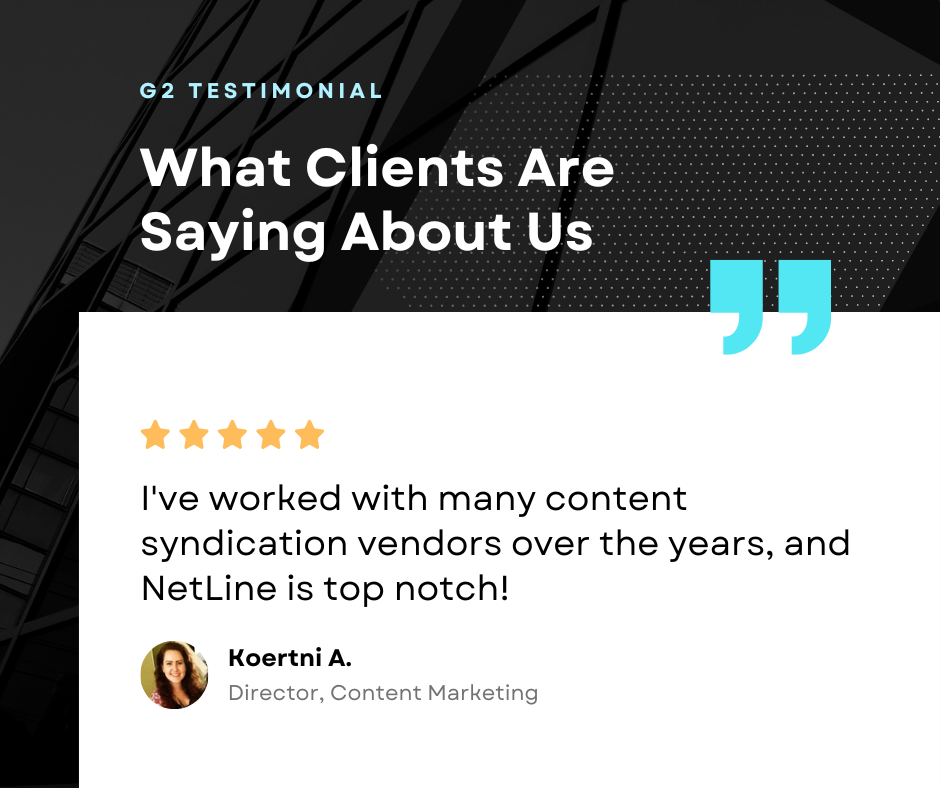
Driving Success Through Community

The old ways of using LinkedIn, keeping knowledge proprietary, and maintaining artificial distance are falling behind. The path forward requires:

  • Being yourself openly so people trust you.
  • Building a community of people who share your values.
  • Sharing what you know to help everyone grow.
  • Working together to make progress that lifts your whole industry.

The moment business became personal for me was the moment everything changed. By embracing authentic human connection in every aspect of my work, I didn’t just find a competitive edge — I found meaning, impact, and sustainable growth that benefits everyone involved.

And, all of that happened on LinkedIn.

Categories B2B

The HubSpot Blog’s Social Media Video Trends Report: Data from 1,000+ Social Media Marketers

2025 is upon us, and a new year brings new trends and new challenges. If you‘re a brand looking to leverage social media video this year, you may not know what to expect but don’t worry.

I, your resident content creator and social media expert, have the expertise you need to prepare for social media video marketing in 2025. I also have stats from HubSpot’s handy-dandy Social Media Trends Report, which includes data from 1,000+ social media marketers.

Download Now: The 2025 State of Social Media Trends [Free Report]

In other words, you‘ve come to the right blog. Let’s get started by answering a burning question.

Is social media video marketing effective in 2025?

The short answer? Absolutely. Our data shows the top three social media platforms for driving site traffic, social media engagement, and audience growth are all video platforms —specifically, Instagram, YouTube, and TikTok.

Instagram shines the brightest, with our survey showing the majority of marketers say it’s the best for driving site traffic (28%), social media engagement (25%), and audience growth (23%).

YouTube ranks second in boosting site traffic and third in social media engagement and audience growth. Meanwhile, TikTok ranks third in site traffic but second in both social media engagement and audience growth.


With this data in mind, according to our survey, it’s no surprise that TikTok, Instagram, and YouTube are the top social media platforms for short-form videos and will see more investments from marketers than the other platforms in 2025.

4 Top Social Media Video Trends to Watch in 2025

I meticulously combed through our Social Media Trends report for the latest trends, and here’s what I found.

1. Brands will prioritize partnering with smaller influencers to create social media videos.

Here’s my hot take: Influencer marketing will always be among the top strategies for marketers.

They’re the new generation of celebrities but are more relatable and accessible than their predecessors. As such, they have a close relationship with their audience, making them perfect for promoting your brand to new audiences.

Don’t believe me? Our survey shows that 77% of marketers say influencer marketing delivers better ROI than other channels. Moreover, 85% say influencer marketing has been effective this past year.

So, it makes sense that nearly half (46%) of marketers plan to increase their investment in influencer marketing in 2025, while 47% will keep with their current spending. Only 6% plan to reduce their investment at all.
But, while influencers are the new celebrities, it won‘t be celebrity influencers receiving the most investment from marketers. In 2025, it will be the smaller influencer’s time to shine.

The majority of marketers in our survey (67%) work with micro-influencers, and 32% of marketers say working with small creators with 1,000 to 100,000 followers will be a better investment than working with large influencers in 2025.

Why? Micro-influencers have niche audiences, making fostering personal connections with their followers easy. In turn, their followers are much more active and engaged than those of a macro- or celebrity influencer. And engagement is crucial for influencer marketers.

Our survey shows that 53% of marketers rank engagement as the top determining factor in choosing an influencer or creator to partner with.

2. Building community on social media will be crucial.

Nearly a third of marketers in our survey predict that building a social media community will become more important in the coming year. Moreover, 85% of marketers say that building an active community is important to an overall social media strategy.

samantha Muller talks about community connection being key on social media in 2025

So, what’s with all this focus on community marketing? Turns out there are three huge benefits to fostering community with your brand.

First, 30% of marketers report that community building on social media increases brand sentiment and loyalty. Second, 28% say it attracts more followers and subscribers. Finally, 24% say it incentivizes user-generated content.

And if you’re not sure about investing in community marketing, keep in mind your competitors likely will.

According to our survey, 64% of marketers plan on having a dedicated community manager, and 93% of marketers will either maintain or increase their investment in community marketing in 2025.

In a long story short, expect to see brands leveraging video challenges, user-generated content, and any type of video marketing involving audience participation and community building.

Duolingo is an excellent example of using video to build a thriving digital community. Marketers behind the language-learning app achieve this by participating in viral trends while incorporating user-generated-content and inside jokes among its users. 


3. Brands will find and test new/emerging social media platforms.

When TikTok surged in popularity in 2020, many brands were scrambling to find their audience on the app despite it having already been around for two years. Some brands found their footing rather quickly, while others still struggled to stand out among billions of users.

In 2025, brands want to avoid that same struggle. In fact, 30% of respondents to our survey say finding and testing new or emerging social media platforms will impact their brand this year.

This focus on new platforms has a lot to do with marketers wanting to stay prepared in case they have to suddenly pivot their strategies.

Think about it: TikTok went dark in the U.S. for just 12 hours, and marketers saw a pandemic turn the world upside down. And don’t get me started on concerns of recession.

Like my mother always says: It‘s better to stay ready so you don’t have to get ready. Therefore, be on the lookout for new or emerging social media video platforms and don’t be afraid to play around with them.

4. Brand content and tone will be tailored to fit each platform.

I’m a content creator with many creator and influencer friends, and we often discuss how each platform has its own vibe.

For example, an influencer may post a gorgeous Instagram Reel of them wearing a matching athleisure set and assembling all their cute Stanley Cup accessories before heading to a hot yoga session.

Not a single hair is out of place, and there isn’t a bead of sweat on it.

That same influencer will post a much less polished video of themselves on TikTok sweating and struggling their way through an intense workout routine, emphasizing the difficult and relatable journey of working toward their fitness goals.

We’re not the only ones who notice this difference. According to our survey, 28% of marketers say tailoring the tone of their content to fit the unique voice of each social media platform will be more important.

For example, the hair care brand Cecred has a different approach to both Instagram and TikTok. It’s Instagram mostly consists of high-quality, stylized photos and videos, whereas TikTok leans more toward funny, simple, unpolished content.

This reminds me.

Regardless of the social media platform you leverage, remember the Big 3 content formats:

  • Funny
  • Relatable
  • Authentic

Our survey shows that 52% of marketers leverage funny content as part of their social media strategy, 50% label relatable content, and 42% leverage authentic or behind-the-scenes content.

I suggest playing around with these content formats on different platforms and seeing how they perform.

The Top Social Media Video Challenges Marketers Face

Of course, social media video marketing isn‘t without its challenges.

Social media trends are more volatile than Florida weather (I can say that because I’m a Florida native), and the customer journey becomes more complex as consumers flock to new channels such as live streams or social searches to find products.

As trends rapidly change, assessing what consumers find engaging and what‘s considered “cool” or current can be difficult. And as the customer journey changes, tracking ROI isn’t as clear-cut as it used to be.

As a result, the top three social media challenges marketers anticipate in 2025 are keeping up with new trends, measuring ROI, and creating engaging content.

As a marketer, you can navigate these changes by investing in a community manager who is tasked with building a community with your audience and keeping a pulse on the kinds of discussions consumers are having about your industry and brand.

This will keep you on top of trends and more prepared to create engaging, timely social media videos.

As for ROI, experiment with newer channels like social media live-shopping or social e-commerce. Track where and how consumers discover your videos and look for ways to simplify their buyers’ journey.

For example, beauty brands on TikTok often include links to their TikTok within their TikTok videos, so people who stumble upon their products while scrolling can buy without having to leave the app.

Get on Trend This Year

2025 is going to be an interesting year for social media videos, but as long as you keep the above information in mind, you’ll be prepared for what the year throws your way. Good luck!

Categories B2B

Customer Experience & Marketing: Why CX Matters More Than Any Other Marketing KPI Right Now

I’m fortunate to work on exciting marketing campaigns for fantastic Nickelodeon and Paramount+ titles. But I never forget that customer experience and marketing go hand-in-hand — everything I plan and execute is to fulfill customer wants and needs.

After all, Fluent Support stated that 89% of companies will compete primarily on customer experience by 2025. Brands can’t just focus on creating an amazing product and marketing it well. They also need to close the loop with positive CX.

Download Now: Free Customer Journey Map Templates

Marketing plays a critical role in defining, communicating, and managing the customer experience. In this post, I’ll walk through how customer experience and marketing intersect, who owns customer experience, and the marketing best practices for supporting an organization’s CX.

Table of Contents

The Significance of Customer Experience

Delivering experiences that delight customers takes a planned, proactive, and holistic strategy that spans the customer journey and lifecycle.

Rightpoint pointed out that customer-centricity, deep customer understanding, journey mapping, cross-functional collaboration, feedback loop, and employee empowerment are the key elements of a winning CX strategy.

Customer experience does not stop after the sale — in fact, some of the most powerful opportunities to create loyalty are experiences with service and support after the sale.

HubSpot’s Flywheel model offers a modern view of how companies can evolve by putting customer experience at the center of the organization’s focus.

The “delight” stage powers the “attract” stage of the inbound methodology because customers talk to others about their experiences, and word-of-mouth recommendations are one of the most powerful ways to attract new customers. I know I personally will make a purchase if even one of my friends or family members recommends it to me.

hubspot flywheel model diagram.

Source

In HubSpot’s 2024 State of Customer Service Report, we discovered many essential insights about customer experience, some of which I’ve detailed below:

  • 55% of respondents say AI-powered chatbots are effective, and they prefer such self-service channels when seeking customer service.
  • 77% of service teams are using AI and getting excellent results.
  • 92% of service teams say AI improves their response time, improves CSAT (86%), and is essential to meeting business and customer needs.
  • Service teams who have adopted AI say it has resolved 11-30% of their support volume.
  • Leaders of organizations with collaborative service and sales teams are 76% more likely to claim their customer service strategy was effective in 2023.
  • Leaders of organizations with collaborative service and marketing teams are 69% more likely to claim their customer service strategy was effective in 2023.

Ultimately, what it means to provide an exceptional customer experience is continually evolving, and marketing will need to work with sales and services teams to ensure they’re always keeping CX top-of-mind.

Why Customer Experience and Marketing Go Hand-in-Hand

You may be wondering, “Is customer experience part of marketing?” I get it — I felt that way, too.

Historically, customer experience has been strictly viewed as a priority for sales and service teams. But, there is a massive impact when marketing includes customer experience as a top goal.

1. Brand Promise and Follow-Through

Marketing builds a strategy that defines compelling brand messages and promises, and customers who invest in the brand trust that the marketing is authentic.

Customer experience can actually follow through on these promises, encouraging brand transparency and improved customer loyalty.

2. Customer Journey

The customer journey begins with marketing and continues through the customer experience. These are part of the same cycle and, thus, cannot exist without the other.

For instance, I work in title marketing for Paramount+ shows and movies. A large part of my job is ensuring we effectively promote the title across key touchpoints, from social to digital to out-of-home.

However, once we build awareness and gain acquisitions, retention is still hugely important, as we want the customers who signed up for Paramount+ to stick with us. This is where customer experience can play a huge role.

3. Revenue Growth

When CX becomes fundamental to marketing, the impact on revenue is massive. I found in my research that brands integrating these two elements see faster revenue growth (5.1x) compared to competitors with poor customer interactions.

4. Customer Loyalty

Along with revenue growth, companies that incorporate marketing and customer experience also see a huge increase in customer loyalty. 75% of customers remain loyal to brands with excellent customer support.

In addition, 77% of customers are more inclined to recommend a brand to others following a positive customer experience. In my opinion, customer experience is the new marketing — this symbiosis leads to enhanced customer retention and brand reputation.

5. Hyper-Personalization

In a crowded marketplace, I easily get tired of seeing the same marketing efforts repeated. Now, marketing can utilize AI to predict customer behavior, desires, and needs more accurately, which leads to a better customer experience.

For instance, many streaming services track users’ viewing patterns to recommend genres or titles. This combines targeted marketing with improved customer experience — I spend less time scrolling when great movies are suggested upfront — for a seamless, customer-forward brand.

Who owns customer experience?

Contrary to popular belief, customer experience is not owned by a single person or department. It should always be the shared responsibility of the entire company, although each team may support it in different ways.

For instance, some companies have a Chief Customer Officer (CCO) overseeing CX. However, this isn’t as universal as it should be; thus, customer experience is often managed cross-functionally by teams like marketing, sales, and operations.

The advent of digital marketing gives marketers the tools to interact with buyers at the individual level — through channels and touchpoints at every stage of the lifecycle. In turn, customer experience becomes important for the success of digital marketing.

While the entire organization is responsible for experience delivery, marketing is often best positioned to listen to, analyze, and advocate for customer needs. By delivering reliable, fact-based insights about customer experience, marketing helps overcome the siloing of departments, which is a major detractor to a consistent CX approach.

Let‘s explore the current marketing best practices for supporting an organization’s customer experience strategy.

1. Listen to customers at scale — and share their insights.

Conversations data: Marketing that meaningfully impacts the audience requires understanding customer experience and marketing analytics and interpretation of conversational data. Data is not only used for targeting marketing campaigns but also for improving the customer experience.

Segmentation: Digital marketing automation platforms make it easy to track and act upon data. Data such as customer history, behaviors, and interests make it possible to develop segments to target customers better, and they also provide insights on how to deliver a more satisfactory experience.

KPIs: Key performance indicators such as conversion rate, churn, retention rate, and patient satisfaction scores should be identified, monitored, and tracked in a manner that is highly visible to all teams. These shared insights drive change and reinforce progress, identify areas for improvement, and support a culture in which everyone is responsible for delivering an exceptional experience.

2. Know the voice of the customer.

Direct customer feedback is foundational for understanding and improving experiences. My team at Paramount continues to use traditional research methods, such as satisfaction surveys, focus groups, and interviews. These play a pivotal role in assessing satisfaction and capturing the voice of the customer.

However, digital technologies are providing new ways to supplement this information. Tools such as social listening, live chat, and website analytics provide opportunities to keep a pulse on customer feedback in real time.

Additionally, sales and service delivery teams can capture customer feedback through observation, field reports, and complaint logs. Regardless of method, following a journey or experience map can ensure effectively capturing feedback about the holistic experience rather than siloed stages.

HubSpot offers customer journey map templates, which help organizations outline the customer journey across several phases, such as lead nurturing, customer churn, and future state. I love how interactive these templates are, providing thought-provoking questions to get marketers into customers’ brains.

hubspot customer journey: lead nurturing map template.

Source

Ultimately, marketing’s role is to work across departments and stages of the lifecycle to consolidate feedback, identify themes, and use the voice of the customer to bring about change.

3. Collaborate cross-functionally to foster change.

Unfortunately, it’s common for marketing teams to take responsibility for attracting prospects and generating leads but then have little involvement after qualified leads are handed to sales, leading to a disjointed customer experience.

Instead, we can bring the results of listening at scale to collaborate on making business processes more customer-centered. When marketing develops insights about customers, this knowledge gives teams a common objective basis for working together on changes to improve the customer experience.

Simply put, we marketers can support the customer experience by creating meaningful, valuable content for the buyer journey and identifying buyer segments and personas to target.

Additionally, the insights from listening at scale can have a much broader impact when shared and used as a springboard to identify bottlenecks, solve problems, and redesign processes in customer-focused ways. I recommend that marketing teams create workshops or brainstorming sessions cross-departmentally to generate solutions and obtain buy-in for change.

Of course, it’s difficult for marketing to bring about change without executive buy-in. One way they can engage and obtain support from executive teams is to calculate the ROI of improvements to the customer experience.

Satisfaction and Net Promoter Score (likelihood to recommend) are two popular KPIs. Others include churn rate, resolution time, or conversion rates.

4. Invest in automation.

Consider both marketing and service automation software to create an ideal customer experience. Marketing automation facilitates an improved customer experience by providing clients with the right information at the right time.

For instance, automation drastically shortens follow-up time. This is critical because the average response time for customer service chat is 2 minutes, but customers expect replies within 45 seconds to feel satisfied.

Marketing automation not only improves the overall customer experience but is also critical to lead generation. Therefore, organizations can benefit from investing in automation software like HubSpot’s Marketing and Service Hubs.

Marketing Hub helps businesses attract, engage, and convert leads through marketing tools, including email marketing, social media management, analytics & reporting, and lead management, all of which enable teams to manage marketing campaigns effectively.

marketing hub unified tools snapshot.

Source

Service Hub focuses on improving customer support and retention through tools like a help desk and ticketing system, knowledge base, omnichannel support, and AI-powered assistance, all of which help manage customer conversations and improve satisfaction.

service hub 360 insights snapshot.

Source

Together, they create a seamless customer journey from lead attraction to retention. Since both share a centralized HubSpot CRM, marketing and service teams can access the same customer data to inform next steps more easily.

These teams can also utilize shared insights to inform their separate goals. For example, marketers can use Service Hub insights, such as common customer pain points, to create more targeted marketing campaigns. On the other hand, service teams can use Marketing Hub data, such as buyer personas, to offer customized support.

There is no end to the insights teams can share when investing in both Marketing and Service Hubs. This symbiosis offers the perfect opportunity for marketing teams to prioritize the customer experience since the customer service information and data are readily available.

Experience the Power of Customer Experience

Ultimately, to create an exceptional customer experience, I believe companies need collaboration from all three of the organization’s departments — marketing, sales, and service.

However, the responsibility can fall on marketers to lead the way by ensuring that when collecting research for marketing efforts, they share those results with sales and service and remain open to their feedback.

Check out The Ultimate Guide to Sales and Marketing to help integrate a stronger partnership between these teams at your own company.

Editor’s note: This post was originally published in December 2019 and has been updated for comprehensiveness.