Categories B2B

6 best email marketing tools for consulting firms in 2025

If you run or market a consulting firm, you already know email isn’t just a channel — it’s your relationship lifeline.

Boost Opens & CTRs with HubSpot’s Free Email Marketing Software

Your prospects don’t buy impulsively; they engage and evaluate your thought leadership, collaboration, and expertise for months. That’s why email marketing for consulting firms differs from that of B2C or e-commerce companies.

You manage long sales cycles, high-value deals, and multiple stakeholders. Without the right email tools, staying top of mind can turn into a manual grind of segmenting contacts by industry, sending follow-ups, syncing data between CRMs, and tracking which campaigns actually influenced revenue.

The right email marketing software simplifies all of that. This article will share the best email marketing tools for consulting firms, including HubSpot. (And not to brag, but companies have used HubSpot’s AI-powered email personalization to increase conversions by 82%.)

Table of Contents

What is email marketing for consulting firms?

Email marketing for consulting firms is arguably more focused on nurturing relationships than other industries, not just blasting promotions.

Unlike retail businesses that see immediate purchases, consulting firms use email to educate decision-makers, demonstrate thought leadership, and stay top-of-mind during lengthy evaluation processes. You can deliver case studies, industry insights, and personalized follow-ups that position your firm as the trusted advisor prospects turn to when they’re ready to move forward.

The right email marketing tool helps you replace these manual follow-ups with structured, intelligent workflows that save time and build trust.

Best Email Marketing for Consulting Firms at a Glance

Email Marketing Tool

Best For

Key Features

Pricing*

Free Trial

HubSpot Marketing Hub

Full-service firms needing CRM + marketing

Deal-linked workflows, AI personalization, analytics

Free plan. Paid starts ~$9/mo; scales to Pro/Enterprise

Yes

Audienceful

Thought leadership content

Document-style editor, minimalist design, lead magnets

Custom

Contact for demo

ActiveCampaign

Small to mid-size firms seeking automation-first

Conditional logic, tagging, CRM sync

From ~$15/mo (1,000 contacts)

14 days

MailerLite

Solo consultants and small firms

Simple UI, landing pages, automations

Free up to 1,000 contacts; paid from ~$9/mo

Yes

Brevo (Sendinblue)

Multi-channel outreach (email + SMS)

Email + SMS + chat

Free plan available; paid starts at ~$8/mo

Yes

Klaviyo

Data-heavy firms needing deep segmentation

Analytics, attribution, scalability

Free plan. Paid starts at $45/mo

Yes

*Pricing reflects Q4 2025. Check vendor sites for the latest updates.

Best Email Marketing Software for Consulting Firms

Choosing the right email marketing platform can transform how your consulting firm attracts and converts clients. Here are the top solutions built for professional services.

1. HubSpot Marketing Hub

If you want to connect every email touchpoint directly to your pipeline, HubSpot is built for you. It combines CRM, marketing automation, and analytics in one platform, so you never have to switch tabs to see how an email influenced a deal.

hubspot email marketing ux for consulting firms

Source

Best For: Consulting teams that want unified marketing, sales, and service data.

Why It Works for You:

  • Smart workflows tied to deals – Build sophisticated nurture sequences that adapt based on prospect behavior, industry, or engagement level. For example, you can set up automated follow-ups when deals move to “Proposal Sent” or “Decision Pending.”
  • AI-powered personalization & content creation – HubSpot’s AI assistant Breeze helps you write compelling email copy, generate subject lines, and create campaign content faster. It also helps you personalize the content using your CRM data for context.
  • Attribution built in – You’ll see exactly which emails or campaigns influenced a client win.

Pricing: Free Plan. Paid plans start around $9/mo/seat for basic email tools. Learn more.

2. Audienceful

Designed specifically for consultancies, Audienceful streamlines client engagement, inbound marketing, and prospect nurturing with a minimalist interface focused on content over design complexity.

This is made clear by its document-style editor, which makes newsletters feel like personal correspondence rather than corporate broadcasts.

audienceful email marketing ux for consulting firms; dropdown for text, heading, small heading, etc.

Source

The platform emphasizes building valuable email lists through lead magnets and targeted campaigns that showcase expertise in specific industries or functions. Its simplicity makes it ideal for consultants who want to focus on writing great content rather than wrestling with complex design tools.

Best For: Solo consultants and small firms focused on thought leadership and content-driven email marketing with minimal design complexity.

Key Audienceful Features:

  • Document-style email editor – Create newsletter-like emails that feel personal and authentic rather than overly designed. The minimalist approach helps your expertise and insights take center stage, building trust through valuable content rather than flashy templates.
  • Lead magnet setup and automation – Quickly create signup forms for whitepapers, guides, or webinars that automatically trigger welcome sequences. Build targeted email lists around specific expertise areas or industries to ensure prospects receive relevant content.
  • Post-engagement sequences – Automatically follow up after client projects to collect testimonials, encourage referrals, and maintain relationships. Turn satisfied clients into advocates who actively promote your services in their networks.

Audienceful Pricing:

  • Custom pricing based on list size and features needed
  • Contact for demo and personalized quote
  • Integrates with 4,000+ tools via Zapier or API

Learn more

3. ActiveCampaign

If you want sophisticated automation at an approachable price, ActiveCampaign is a strong pick. With over 950 pre-built automation templates and machine learning capabilities, it’s ideal for consulting firms ready to scale their outreach without adding headcount.

activecampaign email marketing ux for consulting firms

Source

Best For: Mid-sized consulting firms that need enterprise-grade automation and segmentation capabilities without enterprise pricing.

Why It Works for You:

  • Conditional branching logic – Create multi-step workflows with conditional logic that routes prospects based on their behavior, industry, or engagement level. (i.e. “If opened, send X; if not, resend Y.”) This is perfect for consulting firms managing different service lines or geographic markets with tailored messaging for each segment.
  • Sales deal tracking – Track deals, manage pipelines, and automate sales tasks alongside your email marketing. Your team gets full visibility into where each prospect stands in the buying journey, making handoffs from marketing to sales seamless.
  • Predictive sending and content AI – Machine learning algorithms determine the optimal send time for each contact and suggest content based on engagement patterns. This ensures your expertise-driven emails land when prospects are most receptive.

Pricing: Starts at $15/month for 1,000 contacts (10x email send limit). Learn more.

4. MailerLite

If simplicity and ease matter more than depth, MailerLite helps you move fast without the clutter. Founded by over 130 designers and developers focused on “keeping it simple,” MailerLite proves that affordable doesn‘t mean limited, offering landing pages, automation, and e-commerce integrations at a fraction of competitors’ costs.

mailerlite email marketing ux for consulting firms

Source

Best For: Solo consultants or small firms getting started with email marketing.

Why It Works for You:

  • Drag-and-drop builder – Create professional emails in minutes with a responsive editor that requires zero coding knowledge. Pre-built templates help you maintain brand consistency while customizing content for different client segments.
  • Landing pages + popups – Build dedicated pages for campaigns promoted in your emails without needing a separate tool. Capture leads directly and automatically add them to targeted email sequences.
  • Unlimited email sends – Unlike competitors that cap monthly sends, MailerLite lets you email your list as often as needed with any paid plan (Free plan is limited to 12,000/month, which is still generous). This is crucial for consulting firms running multiple thought leadership campaigns, event invitations, and follow-up sequences simultaneously.

Pricing:

  • Free: Up to 500 subscribers, 12,000 emails/month, includes most features with MailerLite branding.
  • Growing Business: $9/month for 500 subscribers with unlimited emails, removes branding, and unlocks premium templates.
  • Advanced: $18/month with priority support, Facebook integration, and advanced automations.
  • Enterprise: Custom pricing for large organizations requiring dedicated support and custom designs.

Learn more

5. Brevo (formerly Sendinblue)

Brevo stands out with its unique pay-per-email pricing model rather than charging based on contact count. This makes it exceptionally cost-effective for consulting firms with large databases but moderate sending needs.

brevo email marketing ux for consulting firms

Source

Best For: Firms that want multi-channel client communication.

Why It Works for You:

  • Email + SMS in one place – The platform also includes transactional email capabilities, SMS marketing, and live chat — giving you multiple touchpoints with prospects.
  • Segmentation optimization – Brevo makes it easy to send messages to different segments of your email marketing list. You can create different recipient groups by using filters and attributes, segment according to demographics or purchase history, and create dynamic lists that automatically update according to subscriber activity.
  • Transactional email support – Send proposal confirmations, meeting reminders, and invoice notifications through the same platform as your marketing emails. Add SMS campaigns to reach prospects who prefer text communication.

Pricing: Free plan available up to 300 emails/month. Paid plans starting at $8.08/month with Brevo branding. Learn more.

6. Klaviyo

Klaviyo is best known in B2C e-commerce circles. Still, many of its strengths — especially around segmentation, analytics, and data-driven triggers — can be adapted to a consulting context when you have rich behavioral data or want to adopt more advanced targeting.

klaviyo email marketing ux for consulting firms

Source

Best For: Consultancies with stronger analytics or data teams, or firms that already have event / behavior tracking (e.g. pattern of site visits, content consumption) and want to bring that behavioral depth into email.

Why It Works for You:

  • Granular & real-time segmentation – Klaviyo lets you build dynamic segments that update automatically based on any criteria you choose — behaviors, demographics, custom properties, engagement, etc. For example, if a prospect visits a pricing page or a case study, they immediately move to a more aggressive track and get prioritized outreach.
  • Split testing / A/B testing & content optimization – Klaviyo supports A/B testing for subject lines, content, or send times. This helps you refine what resonates with your audience to encourage the best performance.
  • Detailed attribution reporting – Klaviyo gives you behavior tracking, funnel performance dashboards, cohort analysis, and attribution models to help you understand and capitalize on what actually works.

Pricing: Free plan up to 500 emails/month. Paid plans start at $45/month. Learn more.

Benefits of Email Marketing Software for Consulting Firms

The right email marketing platform solves common challenges that consulting firms face when trying to grow their client base while delivering excellent service. Here’s how email marketing software directly addresses these pain points.

Keeps Prospects Engaged

Consulting sales cycles often span 3-12 months as prospects evaluate options, secure budget, and build internal consensus. Manual follow-up at this scale is impossible.

Email automation ensures prospects receive timely, relevant content throughout their journey without requiring your team to remember every touchpoint.

HubSpot’s workflows let you create sophisticated nurture sequences that adapt based on prospect behavior. Send industry-specific case studies to engaged leads, reactivation campaigns to dormant contacts, and educational content to early-stage prospects — all automatically.

hubspot workflows; email marketing ux for consulting firms

Source

Enables Personalized Expertise

Generic email blasts don’t work for consulting firms.

Decision-makers expect communications that speak directly to their industry, role, and specific challenges. Email marketing software enables precise segmentation based on company size, industry, pain points, and engagement level, which lets you tailor your message to make it more relevant.

With HubSpot’s smart lists and segmentation, you can create dynamic segments that automatically update as prospects engage with your content. Send CFOs content about financial optimization while COOs receive operational efficiency resources—all from the same platform.

Its personalization tokens and smart content let you take this further, adjusting the messaging to speak specifically to the recipient based on CRM data.

Better Sales and Marketing Alignment

When marketing and sales operate in separate systems, leads fall through the cracks, and opportunities go cold. Integrated email marketing and CRM ensures every team member (even service) sees complete prospect history (i.e., which emails they opened, which content they downloaded, and which webinars they attended).

HubSpot’s unified CRM means your email engagement data automatically informs all customer conversations from marketing to sales to service. Your team knows exactly what the person has been through with your firm, leading to more relevant discussions and faster closes.

hubspot crm; email marketing ux for consulting firms

Source

Proven Marketing ROI

Great email marketing platforms provide detailed analytics that show which campaigns drive engagement, which content resonates, and which leads are sales-ready.

HubSpot’s attribution reporting connects email engagement to closed deals, proving marketing’s contribution to revenue. Track which campaigns generate the highest-value clients and double down on what works.

Scalable Growth

Research reveals that 90% of consulting clients rank communication frequency as crucial when they decide to stay with an advisor and make referrals.

Consultants who succeed know they must send the right type of email at the right time, and automation enables this at scale. Welcome sequences for new subscribers, proposal follow-ups, and client onboarding can all run automatically while you focus on billable work.

HubSpot’s marketing automation handles repetitive tasks like appointment confirmations, content delivery, and lead scoring. This operational efficiency means you can nurture more prospects without expanding your team.

Important Features for Consulting Firms’ Email Tools

Not all email features matter equally for consulting firms. Focus on these capabilities that directly support complex sales cycles, relationship-based selling, and thought leadership positioning.

Advanced Segmentation and Contact Management

Consulting firms often work with diverse prospects across industries, company sizes, and maturity stages. Basic list management isn’t enough. You need granular segmentation based on multiple criteria, including engagement level, specific services of interest, and where prospects are in their buying journey.

HubSpot’s smart lists automatically update as contacts take action, ensuring segments stay current without manual maintenance.

Email Automation

According to 3cLogic, 80% of sales require five follow-ups after the first meeting, yet 44% of sales reps give up after only one follow-up.

Furthermore, manual follow-up doesn’t scale when you nurture dozens of prospects simultaneously through multi-month sales cycles. Automated workflows help in both of these instances. They maintain consistent communication with mutual contacts simultaneously.

HubSpot’s visual workflow builder makes it easy to create sophisticated nurture sequences without technical knowledge, triggering relevant content based on prospect actions.

Detailed Analytics and Attribution

Consulting firm leaders need to know which marketing activities drive revenue, not just vanity metrics like open rates. For instance, if you can show that a specific email campaign generated three $150K projects, you can justify marketing investment and optimize future campaigns.

HubSpot’s revenue attribution reports track the complete journey from first email touch to closed deal, showing which campaigns contribute most to your bottom line.

CRM Integration and Deal Tracking

Email marketing platforms that operate separately from your sales process create blind spots and can duplicate effort. Proper integration means every email interaction automatically updates contact records, informing sales conversations and triggering appropriate follow-up.

I mean, when a prospect opens your proposal follow-up email five times, your sales team should know immediately—that’s a hot lead ready for a call.

HubSpot’s native CRM integration ensures marketing and sales always work from the same data, eliminating silos that cause prospects to fall through the cracks.

Mobile-Optimized Templates and Design

65% of all email opens now happen on mobile devices, and executives are increasingly reading email on smartphones between meetings. Your campaigns must look professional and function perfectly on small screens, or you’ll lose credibility.

HubSpot’s responsive email templates automatically adapt to any screen size, ensuring your brand looks polished everywhere prospects engage.

hubspot mobile responsive emails; email marketing ux for consulting firms

Source

Lead Scoring and Qualification

Not all email engagement signals the same level of buying intent. Lead scoring helps you identify which prospects actively evaluate solutions versus those casually browsing.

Consulting sales cycles are long and resource-intensive. Lead qualification can focus your team’s time on prospects showing genuine buying signals.

HubSpot’s predictive lead scoring uses AI to identify which prospects match your best customers’ behavior patterns, surfacing opportunities before competitors reach them.

A/B Testing and Optimization

What works for one audience segment may flop with another. A/B testing lets you experiment to know for sure and to continuously improve campaign performance.

Small improvements in email effectiveness compound over time. A subject line that increases open rates by 5% means hundreds of additional prospects seeing your expertise over a year.

HubSpot’s A/B testing tools let you test different approaches and automatically send the winning version to the rest of your list.

How to Choose an Email Marketing Tool for Consulting Firms (Step-by-Step)

Follow this structured approach to evaluate email marketing platforms and select one that truly fits your consulting firm‘s needs, not just the vendor’s ideal customer profile.

1. Map your client acquisition workflows.

Start by documenting how prospects currently become clients.

What touchpoints matter? How long does the process take? Where do prospects get stuck? Understanding your actual workflow prevents you from buying features you won’t use while missing capabilities you actually need.

Map these paths first, so you know what your email marketing tool to support.

2. Identify must-have features vs nice-to-haves.

Based on your activities, distinguish between essential features and those that sound impressive but won‘t be used. If you don’t host events, for example, advanced event management is irrelevant to your email marketing efforts.

Consider what would break your email marketing process if it were missing. Prioritize platforms that nail these essentials over those offering dozens of features you’ll never use.

For most consulting firms, HubSpot‘s combination of CRM, automation, and analytics makes it a robust solution. It’s one platform that handles the client journey rather than forcing you to connect multiple tools.

3. Evaluate ease of use and team adoption.

The most powerful platform is worthless if your team won’t use it. Consider technical skill levels, available training time, and whether you need a dedicated marketing person to run campaigns. Simple interfaces accelerate adoption while complex ones gather dust.

Test interfaces during free trials, focusing on tasks you‘ll do daily, not impressive features you’ll use rarely.

HubSpot is known for its intuitive and user-friendly interface. Most consultants can use it without becoming marketers, and it offers depth for teams with dedicated marketing resources. We also have robust training resources and easy-to-contact support via live chat and phone.

4. Calculate true cost at scale.

Look beyond starting prices to understand costs as your contact numbers and sending volume increase. Many platforms appear affordable at first, but become expensive as you grow.

Analyze and factor in per-contact pricing increases, feature tier upgrades, and additional user seats. Also, calculate the 12-month total cost of ownership, not just month one.

HubSpot’s transparent pricing and free plans mean you know exactly what growth costs, and the value often justifies premium pricing as deal sizes increase.

5. Choose a flexible platform that grows with you.

Your needs will evolve as your firm grows. The platform you choose should support your current stage while scaling to accommodate future complexity.

Can this platform handle automated client onboarding when you scale? Will it integrate with future tools you might need? Does the vendor show commitment to innovation and regular updates?

Avoid tools with rigid contact limits, limited user seats, or features locked behind impossible price jumps.

HubSpot’s platform flexibility makes it ideal for growing consulting firms. You can start with basic email marketing and gradually adopt sales automation, customer service tools, and advanced analytics as your needs expand, all within one integrated system.

How to Create Email Marketing Campaigns for Consulting Firms

Building effective email campaigns requires strategic thinking about your audience, clear messaging that showcases expertise, and systematic testing to improve performance over time.

Read: How to Launch a Successful Email Marketing Campaign: Tips + Data from an Email Marketer

1. Define your campaign goal and target audience.

Every campaign should have one primary objective (i.e., generating event registrations, nurturing cold leads, following up on proposals, or re-engaging dormant contacts). Vague campaigns produce vague results.

Simultaneously, identify exactly who should receive this message based on their industry, role, engagement level, or stage in the buying journey.

Start by asking: What specific action do I want recipients to take? Who will most likely take that action based on their current relationship with our firm? Create segments in your email platform that match these criteria—don’t send the same message to everyone.

Using HubSpot: Create smart lists that automatically include contacts matching your criteria (e.g., CFOs at mid-market companies who downloaded your whitepaper but haven‘t engaged in 60 days). HubSpot’s segmentation ensures you’re always messaging the right people with relevant content.

2. Create email content.

With your goals and list complete, now’s the time to write your email or emails.

Your subject line determines whether prospects open your email or ignore it among the dozens they receive daily. Subject line personalization can increase open rates. So, focus on value, curiosity, or urgency—avoid clickbait that damages credibility.

Keep subject lines under 50 characters so mobile users see the complete message. Use preview text (the line below the subject in most email clients) to expand on your promise and increase opens. Test different approaches to learn what resonates with your audience.

Using HubSpot: AI tools like HubSpot’s Breeze can help you draft this copy, including your subject lines and preview text. You can also A/B your emails so you can identify what drives opens. HubSpot automatically sends the winning version to the rest of your list, continuously improving campaign performance.

3. Test your email on mobile.

With most emails opened on smartphones, responsive design isn’t optional.

Choose or create templates for your campaign that automatically adjust to screen size and mobile behaviors.

This means using single-column layouts, large fonts (14pt minimum for body text), and prominent buttons rather than text links. Every email should also only have one primary call-to-action that’s impossible to miss.

Using HubSpot: All HubSpot templates are mobile-responsive by default. The drag-and-drop editor shows mobile previews, and you can customize mobile layouts separately if needed — ensuring perfect display on every device.

4. Set up automation workflows for consistent follow-up.

Map your ideal follow-up sequence, then build workflows that execute it automatically. Depending on your campaign, include delays between emails (3-5 days typically), conditional logic that adapts based on engagement, and automatic goal tracking that stops sequences when prospects convert.

Using HubSpot: Create visual workflows that nurture prospects throughout your sales cycle. Triggers can include form submissions, email clicks, page visits, or CRM events—enabling sophisticated automation that feels personal. HubSpot’s AI can even suggest workflow improvements based on performance data.

5. Analyze results and optimize campaign performance.

Your email send is just the start of your work. Real email marketing growth and results come from systematic improvement based on data.

Track opens, clicks, and conversions, but also monitor metrics that predict revenue like sales-qualified leads generated, opportunities created, and deals closed that touched your campaign.

Review performance 3-5 days after sending for early signals, then again after 30 days to see complete impact. Take note of which subject lines work best, which segments engage most, and what CTAs drive action. Apply these insights to future campaigns.

Using HubSpot: Campaign analytics connect email performance to revenue outcomes. See which emails contributed to closed deals, which content types generate the most pipeline, and where prospects engage before converting. HubSpot‘s attribution reporting proves email marketing’s ROI, justifying continued investment.

Frequently Asked Questions about Email Marketing for Consulting Firms

What is the best email marketing tool for consulting firms?

HubSpot is arguably the best email marketing tool for most consulting firms because it combines email marketing with an integrated CRM, sales automation, and comprehensive analytics in one platform.

Consulting firms using HubSpot report significant improvements in lead generation. Consulting agency, Digistorm firm saw an 45% increase in leads using HubSpot, while Thomas Witt Consulting generated over 80,000 British pounds from a single client acquired using HubSpot.

The “best,” however, depends on your specific needs. The right choice balances features you’ll actually use, ease of team adoption, and sustainable costs as you grow.

What features should I look for in email marketing tools for consulting firms?

Prioritize these essential features for consulting firms:

  • CRM integration to track prospect engagement throughout long sales cycles and ensure marketing and sales work from the same data.
  • Advanced segmentation to send industry-specific, role-appropriate content that demonstrates relevant expertise.
  • Marketing automation workflows that nurture prospects over 3-12 month evaluation periods without manual follow-up.
  • Analytics and attribution reporting connecting email campaigns to closed deals and revenue — proving marketing ROI to stakeholders.
  • Mobile-responsive templates are essential since 65% of email opens happen on mobile devices, especially among busy executives.
  • Lead scoring to help sales teams prioritize prospects showing genuine buying signals over casual browsers.

HubSpot includes all these features in its integrated platform, making it the most comprehensive solution for consulting firms that want to grow systematically rather than rely on referrals alone.

Is HubSpot good for consulting firms?

Yes, HubSpot is excellent for consulting firms. Thomas Witt Consulting achieved over 1,000% ROI in the first year using HubSpot. Can’t argue with that!

HubSpot works particularly well for consulting firms because:

  • It’s designed for relationship-based, consultative selling with long sales cycles — exactly how consulting works.
  • The integrated CRM eliminates data silos between marketing and sales, ensuring nothing falls through the cracks.
  • Content management and email tools work together, making thought leadership distribution seamless.
  • The platform scales as you grow, from solo consultant to multi-person firm without switching systems.

HubSpot’s free tier lets you start risk-free, and its extensive training resources (HubSpot Academy) help consulting teams implement inbound marketing effectively.

How much does email marketing software for consulting firms cost?

Email marketing software pricing for consulting firms ranges from free to several hundred dollars monthly, depending on the number of contacts (most platforms charge based on list size), feature requirements (automation and CRM capabilities cost more), and integration needs (all-in-one platforms cost more than single-purpose tools).

HubSpot, MailerLite, and Brevo all offer free plans suitable for solo consultants or small firms getting started. HubSpot can also scale to offer many premium features for enterprise-level firms.

Meet HubSpot, the Top Email Marketing Choice for Consulting Firms

HubSpot has become the platform of choice for ambitious consulting firms because it does something competitors can‘t: combine email marketing, CRM, sales automation, and analytics into one system that’s actually easy to use.

Instead of duct-taping together multiple tools and hoping data syncs correctly, you get a unified platform designed specifically for relationship-based selling, and you can get started for free.

Why consulting firms choose HubSpot:

  • Integrated CRM and email marketing – Every email interaction automatically updates contact records in your CRM. Sales teams see exactly which prospects are engaged, which content they‘ve consumed, and when they’re ready for outreach—no manual data entry required.
  • Sophisticated marketing automation – Build complex nurture sequences that adapt based on prospect behavior, industry, or engagement level. Automate proposal follow-ups, re-engagement campaigns, and thought leadership distribution without sacrificing the personal touch that wins consulting engagements.
  • AI-powered content creation with Breeze – Generate email copy, subject lines, and campaign content faster using HubSpot’s AI assistant. Breeze helps time-strapped consultants maintain consistent communication without spending hours crafting each message.
  • Comprehensive analytics and attribution – Connect email campaigns directly to closed deals and revenue. Prove marketing ROI with attribution reporting that shows which campaigns contribute most to your bottom line, justifying continued investment.

Real consulting firms achieving real results:

Thomas Witt Consulting used HubSpot‘s integrated approach to land a long-pursued “white whale” client. Digistorm, specializing in educational technology, implemented HubSpot and saw a 105% traffic increase. The platform’s automation capabilities saved their team countless hours while the integrated CRM gave them complete visibility into their sales pipeline.

Ready to see how HubSpot can work for your consulting firm? Get started with HubSpot‘s free CRM and email marketing tools today—no credit card required. Experience the integrated platform that’s helping thousands of consulting firms grow faster and more predictably.

Categories B2B

Is marketing tuberculosis?

You might know him as the author of YA bestsellers like The Fault in Our Stars, but John Green’s most recent book is a nonfiction defense of its own title: In Everything is Tuberculosis, he argues that tuberculosis has shaped everything around us.

Click Here to Subscribe to Masters in Marketing

For instance: When a hatmaker in the 1850s started coughing up blood, his doctor told him to head West, where the dry air would heal him. The hats in the West, Green writes, “sucked” — they were either “bug-infested, brimless coonskin caps” or “wide-brimmed straw hats that … leaked in the rain.”

So the consumptive hatmaker — one John B. Stetson — designed the cowboy hat.

Upon finishing the book, I fired off an interview request to try to get an answer to my burning question: Could John Green make a connection between marketing and tuberculosis?

John Green

Author, YouTuber, TB fighter

On brand deals

When Green got invited to discuss a possible partnership with Dr Pepper, he was over the moon, so to speak. (He showed up 10 minutes early. To Zoom. Dude really likes Dr Pepper.)

He had a modest proposal: that Dr Pepper sponsor humanity’s relationship with the moon. (Pause for impact.)

Green would make videos about humanity’s relationship with the moon, sponsored by Dr Pepper.

“I‘ve always thought this was a funny idea — that you can’t sponsor a heavenly body, but you can sponsor humanity’s relationship with a heavenly body.”

He didn’t get a follow-up meeting.

“the number of things that have official sponsors is so ludicrous. so the only thing out there left to be colonized in that space is humanity’s relationship with the moon, i figured. that’s the idea i pitched. and i think we were on different pages, probably.” —john green

Green doesn’t fault Dr Pepper (the missing period isn’t a typo —“it‘s a big part of Dr Pepper’s brand identity, whether they know it or not”). It’s an absurd idea.

But that’s kind of the whole point: “I’m not particularly interested in doing a brand deal for the sake of doing a brand deal. I’m interested in brand deals that can enhance the absurdity and joy in the world.

On scaling passion projects

Passion is powerful fuel. Whether the endeavor is personal or professional, passion can give you wings and make you soar — and it can bring you a little too close to the sun.

So I asked Green, who’s successfully scaled more passion projects than I’ve so much as dreamt of, what his early-warning system is. How do you know when growth is going to kill what made your project so special?

“I think the most important thing is the very first person you hire who isn’t you,” he says. “Making sure that their values fit, that they share your passion, that they want the same thing out of the project that you want.”

With Crash Course, the educational YouTube channel Green co-founded with his brother, internet science guy Hank Green, the first hire “was a guy who, like me, loves history; who, like me, loves online video; who’s really passionate about trying to reach people with educational media. I don’t think he was concerned with being able to market effectively. I think he was concerned with making awesome videos that became undeniable and that served a real purpose in the lives of the people who use them.” 

On bottom-up marketing strategies

“In some ways with Crash Course, the marketing took care of itself because kids would go into their high school history classes and say to their teacher, “Hey, I think you should watch this show. It‘s really good. It’s called Crash Course.”

“It was really kind of bottom-up that way. The way that we marketed it was essentially marketing it to students and then letting teachers discover it through their kids.”

On ROI and shared values

Green acknowledges that he’s been very lucky in some business ventures, which has let him take risks — it was the runaway success of The Fault in Our Stars, he says, that let him and his brother build their YouTube channel Crash Course for two and a half years before they saw a single dime.

“for the first two and a half years that hank and i made videos, we didn’t make a dime. we were just doing it because we loved it and because we felt that if we built an audience, good things could happen. and that’s the kind of investment in an audience that i want to be making.” —john green

That’s an enviable position for any marketer to be in, but his wisdom is budget-agnostic: “I believe in an ROI that unfolds over long periods of time, not an ROI that can be immediately measurable.”

And “sometimes ROI gets in the way. You know, what you really want to have is a core group of enthusiastic customers. And I think sometimes it’s a mistake to market to what you see as a demographic rather than marketing to a core group of enthusiastic customers.”

Take his coffee company, for instance.

“There‘s no particular demographic. It’s not like we sell coffee to women between the ages of 24 and 30,” says Green.

The common denominator instead is “people who are interested in purchasing coffee in a way that‘s ethically sourced and where all the profit goes to charity. That’s not a demographic audience. It’s more of a vibes-based, values-based audience.

On risky marketing investments

Although he’s best known for his young adult novels and more recent nonfiction books, Green is also something of a serial co-founder of small businesses — DFTBA, Complexly, and Good Store are but a few.

There’s a through-line of joy in his business ventures; helping small content creators finance and sustain their work, helping nurses-to-be pass their anatomy and physiology exams, selling ethically grown coffee.

“I like working with brands that empower creators and that recognize the benefit of working with creators, which is that you‘re going to be a little bit off the beaten path. That’s what I find most interesting. That’s also the riskiest kind of investment that you can make as a marketer. And so I understand why lots of people don’t make it.”

On authenticity and taking risks with your audience

Green has a remarkably devoted audience that has followed him across platforms, from YA books to YouTube to Instagram to awesome socks. For somebody who describes himself as “extremely risk averse — especially when it comes to taking risks with [my] audience,” he sure has taken a lot of risks with his audience.

“It‘s about answering the call of my own inspiration as much as it’s about and then trusting that the audience will be there one way or another,” he explains. “I mean, if you told me in 2015 that I was going to write a book about tuberculosis, I would have been very surprised. But that’s where my curiosity has led me over the last 10 years. And so I just have to honor that and hope that the audience will be there with me.”

“if you told me in 2015 that i was going to write a book about tuberculosis, i would have been very surprised. but that's where my curiosity has led me over the last 10 years. and so i just have to honor that and hope that the audience will be there with me.” —john green

Marketers might call it authenticity, but Green prefers “creative honesty.” “Everybody talks about being authentic to themselves, but that’s a very hard thing to actually be,” he says.

“Whereas when you‘re trying to be honest to your sense of inspiration or spark of curiosity, I think that’s something that I can quantify a little easier.”

On marketing and tuberculosis

So, back to tuberculosis, the world’s deadliest infectious disease (yes, even in 2025).

Green says that a TB expert once told him that the problem with eradicating the disease is that “tuberculosis doesn’t have a constituency.”

Green’s first reaction was one of incredulity. “I was like, of course tuberculosis has a constituency. It has 10 million people who survive it each year who want to live in a world without it. And it has hundreds of millions of people who are infected with it, who don’t want to become sick with it. This is obviously a disease with a constituency.”

But what that expert meant, Green thinks, is that tuberculosis actually has a huge marketing problem. “Most people don‘t even know that it’s the deadliest infectious disease in the world, let alone that it’s curable and preventable and has been since the 1950s. And so I think that TB is the ultimate example of a disease in need of a marketing campaign.

“Malaria,” he says, “had a really good one in the early 2000s with Malaria No More. ACT UP made HIV/AIDS undeniable starting in the 1980s and 90s. We need a similar marketing campaign around tuberculosis.”

“i don't have to tell marketers that we live in a very fractured information environment. it's hard to reach people, with tough messages especially. [marketing and tuberculosis are] very closely related, because i think one of the reasons why a million and a half people are dying of tuberculosis every year is because we're not doing a good job of spreading the word about the disease in the rich world.”

And, he adds, “I don‘t have to tell marketers that we live in a very fractured information environment. It’s hard to reach people, with tough messages especially.”

“So yeah, I think [marketing and tuberculosis are] very closely related, because I think one of the reasons why a million and a half people are dying of tuberculosis every year is because we’re not doing a good job of spreading the word about the disease in the rich world.”

Your move, marketers.

Click Here to Subscribe to Masters in Marketing

Categories B2B

11 best email marketing tools for restaurants in 2025

Email marketing for restaurants can be challenging with all its unique responsibilities.

You’re managing fluctuating customer traffic, promoting time-sensitive specials and events, coordinating reservations across multiple channels, competing for attention in crowded local markets, and building loyalty programs that keep diners coming back.

Boost Opens & CTRs with HubSpot’s Free Email Marketing Software

Email marketing tools solve these problems by automating reservation confirmations, segmenting customers by dining preferences and visit frequency, and promoting specials when customers are most likely to book.

The right platform helps you fill tables during slow periods, increase average order values, and turn one-time visitors into regulars.

In this guide, you‘ll find a detailed comparison table of 11 email marketing platforms, feature breakdowns for each tool, benefits specific to restaurants, a step-by-step selection guide, and answers to common questions.

Here’s what matters: restaurants using email marketing can see an average of 3-5x ROI, with targeted campaigns driving up to 25% more repeat visits.

HubSpot is used by restaurant groups worldwide—from single-location eateries to multi-unit chains—who rely on the platform’s integrated CRM and marketing automation to increase reservations and build customer loyalty.

Table of Contents

What is email marketing for restaurants?

Email marketing for restaurants is a key way to stay connected with diners through targeted campaigns. You use it to promote daily specials, announce new menu items, send reservation reminders, share exclusive offers, celebrate customer birthdays, and drive traffic during slow periods with strategic promotions.

Comparison Table: Best Email Marketing Software for Restaurants

Email Marketing Tool

Best For

Key Features

Pricing

Average Rating

HubSpot

Multi-location restaurant groups

Free CRM, reservation tracking, loyalty automation, revenue attribution

Free; Available with Marketing Hub; Starter $9/month per seat

4.4/5

Mailchimp

Independent restaurants and cafes

Templates, automation, segmentation, journey mapping

Free; Essentials $13/month

4.3/5

Constant Contact

Restaurants prioritizing ease of use

Drag-and-drop builder, event marketing, live support

Starts at $12/month

4.0/5

ActiveCampaign

Restaurants needing advanced automation

Guest scoring, SMS integration, conditional workflows

Starts at $15/month

4.6/5

Klaviyo

Restaurants with online ordering

Advanced segmentation, predictive analytics, revenue tracking

Free; Email $45/month

4.6/5

Brevo

Growing restaurant groups needing SMS

Email + SMS, transactional emails, unlimited contacts

Free; Starter $8.08/month

4.5/5

Omnisend

Restaurants with e-commerce components

Omnichannel automation, product recommendations

Free; Standard $11.20/month

4.5/5

Square Marketing

Restaurants using Square POS

Native POS integration, automated campaigns, customer insights

Starts at $45/month

4.3/5


Toast Marketing

Restaurants using Toast POS

Toast POS integration, guest data sync, automated campaigns

Custom pricing

4.5/5

Moosend

Budget-conscious restaurants

Unlimited emails, automation, landing pages

Free; Pro $9/month

4.6/5

GetResponse

Restaurants hosting events

Webinar/event hosting, automation, conversion funnels

Email $15/month

4.2/5

Best Email Marketing Software for Restaurants

Here are the top email marketing platforms that work well for restaurants, cafes, bars, and hospitality businesses.

1. HubSpot

hubspot email marketing

Source

Best For: Multi-location restaurant groups that need CRM, marketing automation, and reservation tracking in one platform

Key HubSpot Features:

  • Free CRM with guest profile management – Track every customer interaction from first reservation to repeat visits, dietary preferences, favorite dishes, and spending patterns. Everyone on your team sees the same up-to-date guest information.
  • Automated loyalty campaign workflows – Create email sequences that reward repeat visits, celebrate customer milestones, and re-engage guests who haven’t dined in 30-60-90 days without manual work.
  • Revenue attribution by location and campaign – See which email campaigns drive reservations, online orders, and in-store visits. Connect your marketing directly to revenue by location, day part, and promotion type.

HubSpot Pricing:

  • Marketing Hub Free: $0 (email marketing, forms, landing pages, CRM)
  • Marketing Hub Starter: $9/month per seat
  • Marketing Hub Professional: $800/month
  • Marketing Hub Enterprise: $3,600/month

View detailed pricing

2. Mailchimp

mailchimp email marketing templates

Source

Best For: Independent restaurants and cafes that want easy-to-use automation with food and beverage templates

Key Mailchimp Features:

  • Restaurant-specific templates – Launch promotions quickly with email designs built for daily specials, happy hour announcements, and seasonal menu reveals without design skills.
  • Guest journey mapping – Visualize the complete diner experience from first visit to loyal regular, spot communication gaps, and find opportunities to increase visit frequency.
  • Behavioral automation – Send targeted emails based on what customers do—reservation bookings, online orders, email clicks—to follow up at the right time without manual sending.

Mailchimp Pricing:

  • Free tier (limited capabilities)
  • Essentials: $13/month
  • Standard: $20/month
  • Premium: $350/month

View detailed pricing

3. Constant Contact

constant contact email marketing

Source

Best For: Restaurants that want simple email marketing with strong customer support and event promotion tools

Key Constant Contact Features:

  • Drag-and-drop email builder – Create professional restaurant emails without coding. Simple interface makes launching promotions fast, even during busy service hours.
  • Event marketing integration – Promote and manage wine tastings, chef dinners, live music nights, and private events with registration, confirmations, and reminders in one place.
  • Real-time reporting dashboard – Monitor campaign performance with clear visuals showing opens, clicks, and reservations without complex analytics.

Constant Contact Pricing:

  • Lite: $12/month
  • Standard: $35/month
  • Premium: $80/month

View detailed pricing

4. ActiveCampaign

activecampaign

Source

Best For: Restaurants that need sophisticated automation and guest scoring for VIP programs and personalized marketing

Key ActiveCampaign Features:

  • Advanced guest scoring – Automatically identify your highest-value customers based on visit frequency, average check size, and email engagement to create VIP experiences and exclusive offers.
  • Conditional workflow automation – Create email sequences that adapt based on guest responses, dining preferences, and visit patterns with different paths for first-timers versus regulars.
  • Integrated SMS – Coordinate email and text campaigns for time-sensitive communications like same-day table availability, last-minute reservations, and weather-related closures.

ActiveCampaign Pricing:

  • Starter: $15/month
  • Plus: $49/month
  • Pro: $79/month
  • Enterprise: $145/month

View detailed pricing

5. Klaviyo

klaviyo email marketing

Source

Best For: Restaurants with online ordering and delivery that need advanced segmentation and revenue attribution

Key Klaviyo Features:

  • Predictive analytics for restaurants – Identify guests likely to churn, predict future order values, and recommend menu items based on past orders using machine learning algorithms.
  • Advanced segmentation with 350+ criteria – Create specific guest segments based on order history, dietary preferences, spending patterns, and visit frequency for hyper-targeted promotions.
  • Revenue attribution tracking – See exactly how much revenue each email campaign generates from dine-in reservations, online orders, and delivery to prove marketing ROI.

Klaviyo Pricing:

  • Free: $0 (250 contacts)
  • Email: Starting at $45/month
  • Email + SMS: $60/month

View detailed pricing

6. Brevo

brevo emails marketing

Source

Best For: Growing restaurant groups that need email and SMS in one platform with pricing based on sends, not contacts

Key Brevo Features:

  • Unified email and SMS for restaurants – Coordinate text reminders with email promotions from one interface to confirm reservations via SMS while promoting specials via email.
  • Transactional email capabilities – Automatically send reservation confirmations, online order receipts, and gift card purchase confirmations with reliable delivery.
  • Unlimited contacts on paid plans – Build large customer databases without escalating costs since pricing is based on emails sent, not contact count—ideal for growing email lists.

Brevo Pricing:

  • Free: $0 (300 emails/day)
  • Starter: $8.08/month
  • Business: $16.17/month
  • Professional: $449.08/month
  • Enterprise: Custom pricing

View detailed pricing

7. Omnisend

omnisend email marketing

Source

Best For: Restaurants with merchandise, meal kits, or packaged goods that need e-commerce email marketing

Key Omnisend Features:

  • Omnichannel workflow automation – Create unified customer journeys that combine email, SMS, and push notifications based on guest behavior for consistent messaging across channels.
  • Product recommendation engine – Automatically suggest menu items, merchandise, or meal kits based on previous orders to increase average order value through personalized recommendations.
  • Campaign booster feature – Automatically resend campaigns to non-openers with different subject lines to give each promotion a second chance and increase overall reach by 10-15%.

Omnisend Pricing:

  • Free: $0
  • Standard: $11.20/month
  • Pro: $41.30/month

View detailed pricing

8. Square Marketing

square marketing email marketing

Source

Best For: Restaurants using Square POS that want native integration with their point-of-sale system

Key Square Marketing Features:

  • Native Square POS integration – Automatically sync customer data from your POS system, including purchase history, visit frequency, and favorite items without manual exports or third-party connectors.
  • Automated campaign triggers – Set up emails that automatically send after customer visits, on customer birthdays, or when guests haven’t visited in 30 days based on actual POS data.
  • Customer insights from POS data – Segment guests based on real purchase behavior, average check size, and visit patterns pulled directly from your point-of-sale system.

Square Marketing Pricing:

  • Free
  • Square Plus: $49/month
  • Square Premium: $149/month

View detailed pricing

9. Toast Marketing

toast email marketing

Source

Best For: Restaurants that want deep integration with their restaurant management system

Key Features:

  • Toast POS integration – Sync guest data directly from Toast POS, including order history, preferences, allergies, and visit frequency for highly personalized marketing campaigns.
  • Automated guest communication – Send triggered emails and SMS based on Toast data, including post-visit thank you messages, birthday offers, and win-back campaigns for lapsed diners.
  • Loyalty program integration – Connect email campaigns to Toast loyalty program data to promote point balances, reward redemptions, and tier achievements that drive repeat visits.

Pricing:

  • Custom pricing based on restaurant size and needs
  • Contact Toast for a quote

View detailed information

10. Moosend

moosend

Source

Best For: Budget-conscious restaurants that want powerful automation at low cost

Key Features:

  • Unlimited email sending – Send as many emails as needed without per-message charges, making it economical for frequent promotions like daily specials and happy hour announcements.
  • AI-powered subject line optimization – Improve open rates with AI that analyzes performance and suggests improvements based on millions of campaigns to make your promotions stand out.
  • Landing page builder included – Create campaign pages for event registrations, online ordering promotions, and gift card sales to consolidate tools and reduce costs.

Pricing:

  • Free: $0
  • Pro: $9/month
  • Enterprise: Custom pricing

View detailed pricing

11. GetResponse

getresponse

Source

Best For: Restaurants hosting cooking classes, wine tastings, and special events that need event management

Key GetResponse Features:

  • Integrated event hosting – Manage virtual cooking classes, wine tastings, and chef demonstrations for up to 1,000 participants without separate event software.
  • Conversion funnel builder – Create complete marketing funnels with landing pages, email sequences, and event registration that guide diners from awareness to booking.
  • Autofunnel templates – Launch campaigns faster with pre-built templates for restaurant promotions that take minutes instead of hours to set up and deploy.

Pricing:

  • Starter: $15.58
  • Marketer: $48.38
  • Creator: $56.58

View detailed pricing

Benefits of Email Marketing Software for Restaurants

Fill tables during slow periods.

Stop relying on walk-ins during off-peak hours. Email marketing software promotes strategic offers during slow day parts and days of the week. Restaurants increase weekday lunch traffic significantly by using targeted slow-period promotions. Send timed campaigns that reach customers when they’re planning their meals.

Build a loyal regular customer base.

Email keeps you top of mind and turns first-time visitors into regulars. Automated loyalty campaigns reward repeat visits and celebrate milestones. Restaurants increase repeat visit frequency through strategic email loyalty programs. Create VIP experiences that make guests feel valued.

Increase average order values.

Identify high-value menu items and promote them to the right customers at the right time. Restaurants boost average check sizes by 20-30% using AI-powered systems like personalized menu recommendations in email. Suggest appetizers, premium entrees, and desserts based on past ordering behavior.

Reduce no-shows and cancellations.

Automated reminder emails and SMS reduce forgotten reservations. Restaurants decrease no-show rates with automated confirmation and reminder sequences. Send reminders 24 hours before reservations with easy modification options.

Generate revenue from your email list.

Turn your customer database into a revenue channel. Email campaigns drive reservations, online orders, gift card sales, and merchandise purchases. See exactly which promotions generate the most revenue and optimize accordingly.

10 Important Features for Restaurant Email Marketing Software

  1. POS integration – Sync customer data from your point-of-sale system automatically
  2. Reservation system integration – Connect with OpenTable, Resy, or proprietary booking systems
  3. SMS capabilities – Send text messages for time-sensitive promotions and confirmations
  4. Segmentation by dining preferences – Target customers based on dietary needs, favorite dishes, and visit patterns
  5. Automated birthday campaigns – Trigger special offers on customer birthdays automatically
  6. Mobile optimization – Display properly on smartphones where 75% of restaurant emails are opened
  7. A/B testing – Test subject lines, send times, and offers to improve performance
  8. Behavioral automation – Trigger follow-ups based on reservations, orders, and website visits
  9. Revenue attribution – Track which campaigns drive reservations and online orders
  10. Event marketing tools – Promote and manage special events, tastings, and private parties

How to Choose an Email Marketing Tool for Restaurants (Step-by-Step)

Step 1: Map your restaurant marketing workflows.

Document all customer touchpoints, including reservation confirmations, post-visit thank-you messages, birthday offers, loyalty rewards, event promotions, daily specials, seasonal menu launches, and win-back campaigns for lapsed customers. Identify what’s manual and what could be automated.

Step 2: Identify must-have features based on your restaurant type.

Quick-service restaurants need online ordering integration and mobile optimization. Fine dining establishments need a reservation system integration and VIP guest management. Restaurant groups need multi-location capabilities and centralized reporting. List your absolute requirements versus nice-to-haves.

Step 3: Compare ease of use and team fit.

Test platforms during free trials. Can your team create campaigns independently between service shifts, or will you need ongoing support? Constant Contact and Mailchimp suit beginners. ActiveCampaign and HubSpot offer more power but require more expertise.

Step 4: Check cost at scale.

Calculate costs as your customer database grows over 12-24 months. Some platforms charge per contact, others per email sent. Project your list size (including email captures from reservations, WiFi signups, and loyalty programs) and check pricing at that volume. Include costs for SMS messaging.

Step 5: Choose a flexible platform — like HubSpot

Pick a platform that scales without forcing you to migrate later. HubSpot supports restaurants from single locations through multi-unit chains with one unified platform. Start with the free tier, then upgrade as you grow — no data migration required.

How to Create Email Marketing Campaigns for Restaurants

Define your campaign goal and target audience.

Set a clear objective before creating content. Are you filling tables during slow periods? Promoting a new menu? Building your loyalty program? Generating gift card sales? Re-engaging lapsed customers? Clear goals guide everything from subject lines to offers.

Segment your customer list.

Divide contacts into targeted groups: first-time visitors versus regulars, lunch versus dinner customers, dietary preferences (vegetarian, gluten-free, etc.), high spenders versus value seekers, and inactive guests. [Segmented restaurant campaigns] [generate 65% higher open rates] [than generic broadcasts].

Design appetizing, mobile-optimized templates.

Build templates that showcase your food beautifully while displaying properly on smartphones (where 75% of restaurant emails are opened). Use high-quality food photography, single-column layouts, clear hierarchy, and large tap-friendly buttons for reservations.

Write subject lines that drive action.

Communicate value and urgency immediately. Examples: “Tonight Only: 20% Off All Wine,” “Your Birthday Dinner is On Us,” “New Fall Menu Just Dropped,” or “Table for 2 Available This Saturday.” Keep subject lines under 40 characters and include time-sensitive language.

Include one clear call-to-action.

Direct recipients toward one primary action: make a reservation, order online, buy a gift card, register for an event, or redeem an offer. Multiple CTAs create confusion. Place your primary CTA prominently with contrasting colors and action-oriented text.

Set up automated follow-up sequences.

Configure triggered follow-ups based on guest behavior. Send thank you emails within 24 hours of dining. Follow up with review requests 2-3 days later. Create win-back campaigns for guests who haven’t visited in 30-60-90 days with escalating offers.

Monitor performance and adjust timing.

Track opens, clicks, reservations, and revenue generated. Test different send times to find when your customers are most likely to engage. Many restaurants see best results sending lunch promotions Tuesday-Thursday mornings and dinner promotions Thursday-Friday afternoons.

Frequently Asked Questions

What is the best email marketing tool for restaurants?

HubSpot is the best email marketing tool for restaurants because it combines email, SMS, CRM, and reservation tracking in one platform.

The free tier includes unlimited contacts, email marketing, forms, landing pages, and CRM—accessible for single-location restaurants and small chains. Multi-location groups benefit from revenue attribution that connects campaigns to reservations and online orders by location.

Restaurant groups using HubSpot increased repeat customer visits through automated loyalty campaigns and personalized offers.

What features should I look for in email marketing tools for restaurants?

Look for POS integration, reservation system integration, SMS capabilities, segmentation by dining preferences, automated birthday campaigns, mobile optimization, behavioral automation, A/B testing, revenue attribution, and event marketing tools.

POS integration automatically syncs customer data without requiring manual exports. SMS capabilities matter for time-sensitive promotions and reservation confirmations. Mobile optimization is essential because 50-60% of emails are opened on mobile devices.

Is HubSpot good for restaurants?

Yes, HubSpot is excellent for restaurants. It provides a single platform for marketing, reservations, and guest management, specifically designed for hospitality businesses. The free CRM tracks every customer interaction, including visit history, favorite dishes, dietary restrictions, and spending patterns.

Marketing automation enables the creation of workflows for reservation confirmations, post-visit thank-you messages, and loyalty rewards, eliminating the need for technical expertise.

Multi-location restaurant groups increased online ordering revenue by using HubSpot’s automated campaigns and segmentation. Single locations start free, then scale up as they grow.

How much does email marketing software for restaurants cost?

Email marketing software costs $0-$3,600+ monthly, depending on customer database size, features, and restaurant scale. Free tiers support typically 250-1,000 contacts with basic features.

Entry-level paid plans cost $12-$ 29 per month for under 1,000 contacts. Mid-market restaurants with 2,500-5,000 contacts typically spend $50-$ 200 per month. Large restaurant groups with 10,000+ contacts invest $ 500-$3,600+ per month.

Some platforms charge per contact, others per email or SMS sent—compare carefully as your list grows.

How can restaurants build their email lists?

Build email lists through WiFi signup forms that require email addresses for access, table-side tablet signups offering birthday rewards, reservation system integrations that automatically capture emails, point-of-sale prompts during checkout, website popups offering first-visit discounts, social media contests requiring email entries, and in-store signage promoting loyalty programs.

Restaurants grow email lists 3-5x faster using multiple capture points throughout the customer journey. Always provide clear value in exchange for email addresses.

Meet HubSpot, the Top Email Marketing Choice for Restaurants

HubSpot combines email marketing, SMS, CRM, and reservation tracking into a single platform designed specifically for hospitality businesses. Over 184,000 businesses trust HubSpot worldwide because it eliminates the need for multiple disconnected tools.

Key HubSpot Features for Restaurants:

  • Unified guest database and marketing platform – Manage every customer interaction from first reservation to 50th visit, including dietary preferences, favorite dishes, allergies, and spending patterns in one system that everyone accesses.
  • Automated reservation and loyalty workflows – Create email and SMS sequences triggered by reservations, visit milestones, and guest behavior using drag-and-drop automation with conditional logic—no technical expertise required.
  • Multi-location revenue attribution – Track which campaigns drive reservations, online orders, and in-store visits by location, day part, and promotion type to see exactly what’s working.

HubSpot’s Impact on Restaurants:

Multi-location restaurant groups increased repeat customer visits with HubSpot’s automated loyalty campaigns that reward visit frequency and spending milestones.

Restaurants using HubSpot generated more online ordering revenue by segmenting customers by order history and sending personalized menu recommendations.

Independent restaurants reduced no-show rates by using HubSpot’s automated confirmation and reminder sequences via email and SMS. Restaurant chains saved 15 hours weekly per location by automating birthday offers, post-visit thank you messages, and win-back campaigns.

HubSpot’s free tier offers complete CRM and email marketing capabilities without requiring a credit card. Paid tiers start at $9 per month and scale up to enterprise solutions, featuring advanced analytics, multi-location reporting, and API integrations with major POS and reservation systems.

Ready to fill more tables and build customer loyalty? Get started with HubSpot’s free platform or schedule a demo to see how it works for restaurants like yours.

Categories B2B

12 best email marketing tools for accounting firms in 2025

Email marketing for accounting firms comes with unique challenges. You’re dealing with strict compliance requirements, seasonal workload swings during tax season, complex financial information that needs to be communicated clearly, and client relationships that can span decades.

Boost Opens & CTRs with HubSpot’s Free Email Marketing Software

Email marketing tools solve these problems by automating tax deadline reminders, segmenting clients by service type, and keeping you connected with clients year-round—not just during tax season. The right platform helps you stay top-of-mind, cross-sell advisory services, and generate more referrals without adding hours to your day.

In this guide, you‘ll find a detailed comparison table of 12 email marketing platforms, feature breakdowns for each tool, benefits specific to accounting firms, a step-by-step selection guide, and answers to common questions. Here’s a stat worth noting: email marketing delivers an average ROI of $42 for every dollar spent, with professional services firms often seeing even higher returns.

HubSpot is used by accounting firms worldwide — from solo practitioners to multi-partner CPA practices — who rely on the platform’s integrated CRM and marketing automation to increase client engagement and cross-sell advisory services.

Table of Contents

What is email marketing for accounting firms?

Email marketing for accounting firms is how you stay connected with clients through targeted campaigns. You use it to send tax deadline reminders, share regulatory updates, deliver financial planning tips, announce new services, and maintain relationships during the off-season when client interaction naturally drops off.

Comparison Table: Best Email Marketing Software for Accounting Firms

Email Marketing Tool

Best For

Key Features

Pricing

Average Rating

HubSpot

Multi-partner firms needing CRM integration

Free CRM, marketing automation, client portals, revenue tracking

Free; Available with Marketing Hub; Starter $9/month per seat

4.4/5

Mailchimp

Small to mid-size CPA practices

Templates, automation, segmentation, journey mapping

Free; Essentials $13/month

4.3/5

ActiveCampaign

Firms needing advanced automation

Lead scoring, SMS integration, conditional workflows

Starts at $15/month

4.6/5

Constant Contact

Practices prioritizing ease of use

Drag-and-drop builder, live support, event marketing

Starts at $12/month

4.0/5

Brevo

Growing firms needing SMS + email

Email + SMS, transactional emails, unlimited contacts

Free; Starter $8.08/month

4.5/5

Drip

Advisory firms with complex journeys

Visual workflows, behavioral tracking, revenue tracking

Starts at $39/month

4.4/5

AWeber

Solo practitioners and small firms

Templates, autoresponders, list management

Free; Lite $14.99/month

4.2/5

GetResponse

Firms hosting educational webinars

Webinar hosting, automation, conversion funnels

Email $15/month

4.2/5

Klaviyo

Firms serving e-commerce clients

Advanced segmentation, predictive analytics, attribution

Free; Email $45/month

4.6/5

Moosend

Budget-conscious practices

Unlimited emails, automation, landing pages

Free; Pro $9/month

4.6/5

Campaign Monitor

Firms with multiple practice areas

Multi-brand management, custom templates

Lite €9.90/month

4.1/5

Kit

Accounting educators and creators

Visual automation, subscriber tagging, digital products

Free; Creator $33/month

4.4/5

Best Email Marketing Software for Accounting Firms

Here are the top email marketing platforms that work well for accounting firms, CPA practices, and tax advisors.

1. HubSpot

hubspot

Source

Best For: Multi-partner accounting firms that need CRM, marketing automation, and client portal features in one platform

Key HubSpot Features:

  • Free CRM with client pipeline management – Track every client interaction from consultation to tax prep to advisory services. No spreadsheets required, and everyone on your team sees the same up-to-date information.
  • Compliance-ready email templates – Send professional communications using templates designed for financial services. They maintain the right tone, include disclaimers where needed, and present complex information clearly.
  • Revenue attribution by service line – See which email campaigns generate tax clients, advisory engagements, and consulting projects. Connect your marketing directly to billable hours and revenue.

HubSpot Pricing:

  • Marketing Hub Free: $0 (includes email marketing, forms, landing pages, and CRM)
  • Marketing Hub Stater: $9/month per seat
  • Marketing Hub Professional: $800/month
  • Marketing Hub Enterprise: $3,600/month

View detailed HubSpot pricing

2. Mailchimp

mailchimp

Source

Best For: Small to mid-size CPA practices that want easy-to-use automation with professional templates

Key Features:

  • Professional services templates – Launch client communications quickly with email designs built for tax reminders, financial tips, and regulatory updates. No design skills needed.
  • Client journey mapping – Visualize the complete client experience from inquiry to tax filing to year-end planning. Spot gaps in your communication and find opportunities to engage.
  • Behavioral automation – Send targeted emails based on what clients do—website visits, email clicks, form submissions. Follow up at the right time without manual work.

Pricing:

  • Free
  • Essentials: $13/month
  • Standard: $20/month
  • Premium: $350/month

View detailed Mailchimp pricing

3. ActiveCampaign

activecampaign

Source

Best For: Accounting firms that need sophisticated automation and client scoring for complex service models

Key Features:

  • Advanced client scoring – Automatically prioritize high-value prospects based on email engagement, website behavior, and inquiry history. Focus on leads most likely to become long-term advisory clients.
  • Conditional workflow automation – Create email sequences that adapt based on client responses, service types, and engagement. Different paths for tax-only clients versus full-service relationships.
  • Integrated SMS – Coordinate email and text campaigns for time-sensitive communications like tax deadline reminders and appointment confirmations.

Pricing:

  • Starter: $15/month
  • Plus: $49/month
  • Pro: $79/month
  • Enterprise: $145

View detailed ActiveCampaign pricing

4. Constant Contact

constant contact

Source

Best For: CPA practices that want simple email marketing with strong customer support

Key Features:

  • Drag-and-drop email builder – Create professional emails without any coding. Simple interface makes campaign creation fast, even during busy tax season.
  • Event marketing integration – Promote and manage CPE events, client appreciation gatherings, and financial planning seminars. Registration, confirmations, and reminders all in one place.
  • Real-time reporting dashboard – Monitor performance with clear visuals showing opens, clicks, and engagement. Quick assessments without diving into complex analytics.

Pricing:

  • Lite: $12/month
  • Standard: $35/month
  • Premium: $80/month

View detailed Constant Contact pricing

5. Brevo

brevo

Source

Best For: Growing accounting firms that need email and SMS in one platform with pricing based on sends, not contacts

Key Features:

  • Unified email and SMS – Coordinate text reminders with email notifications from one interface. Simpler than managing multiple platforms.
  • Transactional email capabilities – Automatically send engagement confirmations, document receipts, and invoice notifications. Reliable delivery for critical client communications.
  • Unlimited contacts on paid plans – Build large client databases without escalating costs. Pricing based on emails sent, not contact count.

Brevo Pricing:

  • Free: $0
  • Starter: $8.08/month
  • Standard: $16.17
  • Professional: $449.08
  • Enterprise: Custom pricing

View detailed Brevo pricing

6. Drip

drip

Source

Best For: Advisory-focused firms managing complex client journeys with behavioral tracking

Key Drip Features:

  • Visual workflow builder – Design complex email sequences with an intuitive interface. Map client journeys from consultation to ongoing advisory relationships.
  • Behavioral tracking and tagging – Monitor client interactions across email, website, and content. Automatically tag based on behavior for hyper-personalized follow-up.
  • Revenue tracking integration – Connect campaigns to client acquisitions and service upgrades. See which marketing efforts generate the highest-value relationships.

Drip Pricing:

  • Email: Starting at $39/month (2,500 contacts)
  • Pricing scales with contact list size

View detailed pricing

7. AWeber

aweber

Source

Best For: Solo practitioners and small firms that want simple, reliable email marketing

Key AWeber Features:

  • 700+ email template library – Choose from pre-designed professional templates for tax reminders, financial tips, and newsletters. Fast campaign creation without custom design.
  • Autoresponder sequences – Set up automated follow-ups after consultations, tax filing, or inquiries. Consistent communication without manual sending.
  • List segmentation tools – Organize clients with unlimited tags based on service type, engagement, and lifecycle stage. Target specific segments easily.

AWeber Pricing:

  • Free: $0
  • Lite: $15/month
  • Plus: $30/month
  • Done for You: $30/month

View detailed AWeber pricing

8. GetResponse

getresponse

Source

Best For: Accounting firms using educational webinars for CPE courses and thought leadership

Key GetResponse Features:

  • Integrated webinar hosting – Conduct live events for up to 1,000 participants. Tax planning workshops, software tutorials, and regulatory updates without separate webinar software.
  • Conversion funnel builder – Create complete marketing funnels with landing pages, email sequences, and webinar registration. Guide prospects from interest to consultation.
  • Autofunnel templates – Launch campaigns faster with pre-built templates for professional services. Minutes instead of hours for tax season promotions.

GetResponse Pricing:

  • Starter: $15.58/month (1,000 contacts)
  • Marketer: $48.38/month
  • Creator: $56.58/month
  • Enterprise: Custom Pricing

View detailed GetResponse pricing

9. Klaviyo

klaviyo

Source

Best For: Accounting firms serving e-commerce clients that need advanced segmentation and revenue attribution

Key Klaviyo Features:

  • Predictive analytics – Identify high-value clients and predict future service needs using machine learning. Target clients most likely to buy advisory services or refer business.
  • Advanced segmentation with 350+ criteria – Create specific client segments based on service history, engagement, revenue, and lifecycle stage. Hyper-targeted communications.
  • Revenue attribution tracking – See exactly how much revenue each campaign generates. Connect marketing directly to client acquisitions and service upgrades.

Pricing:

  • Free: $0 (up to 250 contacts)
  • Email: Starting at $45/month (based on contacts)
  • Email + SMS: Starting at $60/month

View detailed Klaviyo pricing

10. Moosend

moosend

Source

Best For: Budget-conscious practices that want powerful automation at low cost

Key Features:

  • Unlimited email sending – Send as many emails as needed without per-message charges. Economical for frequent tax reminders and year-round client education.
  • AI-powered subject line optimization – Improve open rates with AI that analyzes performance and suggests improvements based on millions of campaigns.
  • Landing page builder included – Create campaign pages for service promotions and consultation bookings. Consolidates tools and reduces costs.

Pricing:

  • Free: $0 (up to 1,000 subscribers)
  • Pro: $9/month (unlimited emails)
  • Moosend+: Custom pricing
  • Enterprise: Custom pricing

View detailed Moosend pricing

11. Campaign Monitor

campaign monitor

Source

Best For: Accounting firms with multiple practice areas that need separate branding for different services

Key Features:

  • Multi-brand management – Organize different practice areas in one account. Separate branding, templates, and contacts for tax prep versus wealth management versus business advisory.
  • Custom template designer – Create branded email templates that maintain consistent firm identity. Build recognition and trust through cohesive messaging.
  • Time zone sending – Deliver campaigns in recipients’ local time zones. Optimize engagement for firms serving clients across regions.

Pricing:

  • Lite: €9.90/month
  • Essential: €24.30/month
  • Premier: €132/month

View detailed Campaign Monitor pricing

12. Kit

kit

Source

Best For: Accounting professionals creating educational content and courses for audience building

Key Kit Features:

  • Visual automation builder – Design email sequences with an intuitive interface. Easy to create complex nurture sequences for prospects at different stages.
  • Subscriber tagging system – Organize audience by interests like tax planning, business advisory, estate planning, or retirement. Deliver targeted content that matches preferences.
  • Digital product delivery – Sell and deliver tax guides, financial checklists, and courses directly through the platform. Revenue streams beyond traditional services.

Kit Pricing:

  • Newsletter: $0
  • Creator: $33/month
  • Creator Pro: $66/month (advanced features)

View detailed Kit pricing

Benefits of Email Marketing Software for Accounting Firms

Automate tax deadline communication.

Stop manually reminding clients about deadlines. Email marketing software automatically notifies clients of upcoming tax deadlines based on their service type. Accounting firms reduce last-minute document submissions by 40% using automated deadline reminders. Your staff saves 8-12 hours weekly on outbound calls.

Stay connected year-round.

Email keeps you top-of-mind during slow seasons. When client interaction drops between tax deadlines and year-end planning, strategic email campaigns maintain engagement. Share financial tips, regulatory updates, and advisory insights.

Cross-sell advisory services.

Identify clients ready for additional services by tracking who engages with your advisory content. Accounting firms increase advisory service adoption by using behavioral email triggers. Turn tax-only clients into full-service relationships.

Generate more referrals.

Systematic referral campaigns encourage satisfied clients to recommend your firm. Firms generate more qualified leads with automated referral sequences as automation formalizes a highly successful, but often passive, form of marketing. Time your requests after positive experiences, such as successful tax outcomes.

Make data-driven decisions.

See which campaigns generate consultations, service upgrades, and referrals. Replace guesswork with concrete metrics: open rates, click-throughs, conversions, and revenue attribution. Prove marketing ROI to partners and justify continued investment.

10 Important Features for Accounting Email Marketing Software

  • Tax deadline automation – Trigger campaigns based on federal, state, and local tax calendars
  • Client segmentation by service type – Target tax-only clients differently from advisory relationships
  • CRM integration – Sync data with practice management software to eliminate duplicate entry
  • Compliance-friendly templates – Use professional formats appropriate for financial services
  • Document sharing integration – Connect to secure client portals without email attachment risks
  • Mobile optimization – Display properly on smartphones where 67% of emails are opened
  • A/B testing – Test subject lines, send times, and content to improve performance
  • Behavioral automation – Trigger follow-ups based on opens, clicks, and website visits
  • Landing page builder – Create consultation booking pages without web developers
  • Revenue attribution – Connect campaigns to client acquisitions and service revenue

How to Choose an Email Marketing Tool for Accounting Firms (Step-by-Step)

Step 1: Map your client communication calendar.

Document all recurring touchpoints throughout the year: tax season communications, quarterly reminders, year-end planning, CPE events, regulatory updates, and financial education content. Identify what’s manual and what could be automated.

Step 2: Identify must-have features based on your practice.

Tax-focused practices need deadline automation and seasonal scheduling. Advisory-focused firms need sophisticated nurturing and behavioral tracking. Multi-service practices need advanced segmentation. List your absolute requirements versus nice-to-haves.

Step 3: Compare ease of use and team fit.

Test platforms during free trials. Can your team create campaigns independently, or will you need ongoing support? Constant Contact and AWeber suit beginners. ActiveCampaign and HubSpot offer more power but require more expertise.

Step 4: Check cost at scale.

Calculate costs as your database grows over 12-24 months. Some platforms charge per contact, others per email sent. Project your list size (active clients, prospects, and referral sources) and check pricing accordingly. Include costs for add-ons like SMS or landing pages.

Step 5: Choose a flexible platform — like HubSpot.

Pick a platform that scales without forcing you to migrate later. HubSpot supports accounting firms from solo practitioners through multi-partner practices with one unified platform. Start with the free tier, then upgrade as you grow—no data migration required.

How to Create Email Marketing Campaigns for Accounting Firms

Define your campaign purpose and audience.

Set a clear goal before creating content. Are you promoting tax prep before deadlines? Educating about new regulations? Announcing expanded services? Nurturing leads? Reactivating dormant clients? Clear objectives guide everything else.

Segment your client list.

Divide contacts into targeted groups: business versus individual clients, tax-only versus advisory, active versus inactive, high-value versus standard service. Segmented campaigns generate 58% of all revenue

Design professional, mobile-optimized templates.

Build templates that maintain your brand while displaying properly on smartphones (where 67% of emails are opened). Use single-column layouts, clear hierarchy, professional colors, and large buttons.

Write clear subject lines with specific value.

Communicate relevance immediately. Examples: “Q4 Estimated Tax Payment Due December 15,” “New 2025 Tax Law Changes Affecting Your Business,” or “Ready for Year-End Tax Planning?” Keep subject lines under 40 characters.

Include one clear call-to-action.

Direct recipients toward one primary action: schedule consultations, download guides, register for webinars, or upload documents. Multiple CTAs create decision paralysis. Place your primary CTA prominently with contrasting colors.

Set up automated follow-up sequences.

Configure triggered follow-ups based on behavior. Send reminder emails to non-openers after 2-3 days with different subject lines. Follow up on clicks with additional information. Create abandoned booking sequences to recover 15-25% of incomplete scheduling.

Monitor performance against benchmarks.

Track opens, clicks, conversions, unsubscribes, and revenue. Compare against professional services benchmarks (24% open rate, 3.2% click-through rate). Identify what works and replicate it in future campaigns.

Frequently Asked Questions

What is the best email marketing tool for accounting firms?

HubSpot is the best email marketing tool for accounting firms because it combines email, CRM, client portals, and automation in one platform. The free tier includes unlimited contacts, email marketing, forms, landing pages, and CRM—accessible for solo practitioners and small firms.

Multi-partner practices benefit from revenue attribution that connects campaigns to client acquisitions and service upgrades. Accounting firms using HubSpot increased client retention rates through automated year-round engagement.

What features should I look for in email marketing tools for accounting firms?

Look for tax deadline automation, client segmentation by service type, CRM integration, compliance-friendly templates, document sharing integration, mobile optimization, behavioral automation, A/B testing, landing page builders, and revenue attribution.

Tax deadline automation ensures timely reminders without manual work. CRM integration eliminates duplicate data entry. Mobile optimization matters because 81% of consumers prefer to use their smartphones to open and respond to emails.

Is HubSpot good for accounting firms?

Yes, HubSpot is excellent for accounting firms. It provides one platform for marketing, sales, and client service—designed for long-term professional relationships.

The free CRM tracks every client interaction over multiple years. Marketing automation enables the creation of workflows for tax reminders, client education, and advisory promotions, eliminating the need for technical expertise.

Multi-partner accounting practices increased advisory service adoption by using HubSpot’s behavioral email triggers. Solo practitioners start free, then scale up as they grow.

How much does email marketing software for accounting firms cost?

Email marketing software costs $0-$3,600+ monthly, depending on database size, features, and practice scale. Free tiers support 250-1,000 contacts with basic features. Entry-level paid plans cost $12-$ 29 per month for under 1,000 contacts.

Mid-market firms with 2,500-5,000 contacts typically spend $50-200 monthly. Large, multi-partner practices with 10,000+ contacts invest $ 500-$3,600+ monthly. Some platforms charge per contact, others per email sent—compare carefully as your list grows.

How can accounting firms improve email deliverability rates?

Use double opt-in for new contacts, remove inactive subscribers regularly, authenticate your domain with SPF and DKIM records, avoid spam trigger words, send consistent volumes, segment for relevance, personalize sender names, and monitor bounce rates.

Aim for 95%+ inbox placement and under 0.1% spam complaints. Only email people who opted in, and provide clear value in every communication.

Meet HubSpot, the Top Email Marketing Choice for Accounting Firms

HubSpot combines email marketing, CRM, client communication, and service tracking into one platform designed for professional services. Over 184,000 businesses trust HubSpot worldwide because it eliminates the need for multiple disconnected tools.

Key HubSpot Features for Accounting Firms:

  • Unified CRM and marketing platform – Manage every client interaction from consultation to tax prep to advisory engagements in one system. No duplicate entry, and everyone sees the same current information.
  • Tax season automation workflows – Create email sequences triggered by tax deadlines, client service dates, and engagement milestones. Drag-and-drop automation with conditional logic—no technical expertise required.
  • Client portal integration – Provide secure document sharing, two-way messaging, and engagement tracking through integrated portals that connect to your email campaigns.

HubSpot’s Impact on Accounting Firms:

Multi-partner accounting practices increased client retention rates with HubSpot’s year-round engagement campaigns beyond tax season. CPA firms using HubSpot generated more advisory service revenue by identifying tax-only clients ready for expanded services.

Accounting practices reduced client acquisition costs by using HubSpot’s integrated platform that eliminated separate CRM, email, and portal subscriptions. Solo practitioners saved 12 hours weekly by automating tax reminders, document follow-ups, and referral requests.

HubSpot’s free tier gives you complete CRM and email marketing without a credit card. Paid tiers start at $9 monthly per seat and scale up to enterprise solutions with advanced analytics, custom reporting, and API integrations.

Ready to transform your accounting firm’s client communication? Get started with HubSpot’s free platform or schedule a demo to see how it works for firms like yours.

Categories B2B

5 best email marketing tools for real estate businesses in 2025

Real estate professionals face unique challenges when it comes to staying top-of-mind with clients, nurturing leads through long sales cycles, and managing relationships with both buyers and sellers simultaneously.

Boost Opens & CTRs with HubSpot’s Free Email Marketing Software

Email marketing addresses these challenges by enabling agents and brokerages to deliver personalized property listings, market updates, and timely follow-ups that keep prospects engaged throughout their home-buying or selling journey.

This post provides a comprehensive comparison of the best email marketing tools for real estate businesses, including detailed feature breakdowns, pricing information, and a structured guide to help you choose the right platform. We’ll compare tools and share how HubSpot has successfully aided businesses like Avison Young, a global real estate advisor with over 5,000 employees, with increased CRM adoption from 23% to 90% in four months using its integrated email marketing and platform.

Table of Contents

What is email marketing for real estate?

Email marketing for real estate enables agents and brokerages to build relationships with prospective buyers, sellers, and past clients through targeted campaigns. Real estate email marketing automates property alerts, market updates, and nurture sequences that guide leads through extended decision-making processes while maintaining consistent touchpoints that drive referrals and repeat business.

Email Marketing Tools for Real Estate Comparison Table

Email Marketing Tool

Best For

Key Features

Pricing

Average Rating

HubSpot

Full-service real estate marketing with CRM integration

Drag-and-drop builder, property listing automation, lead scoring, CRM integration

Free plan available; Marketing Hub starts at $15/month

4.4/5

Mailchimp

Small agencies needing basic email campaigns

Template library, basic automation, audience segmentation

Free for up to 500 contacts; paid plans from $13/month

4.3/5

Constant Contact

Agents prioritizing ease of use and templates

Real estate-specific templates, list management, event marketing

Plans from $12/month

4.0/5

ActiveCampaign

Brokerages requiring advanced automation

Complex automation workflows, CRM features, lead scoring

Plans from $29/month

4.6/5

BombBomb

Video-focused real estate marketing

Video email integration, tracking analytics, mobile app

Plans from $33/month

4.5/5

Best Email Marketing Software for Real Estate Businesses

Selecting the right email marketing platform can transform how real estate professionals nurture leads and close deals. The following tools offer features specifically valuable for real estate workflows.

HubSpot

hubspot email marketing dashboard - showing drag-and-drop editor and real estate campaign templates]

HubSpot is best for: Real estate agents and brokerages seeking comprehensive marketing automation with integrated CRM capabilities

Key HubSpot Features:

  • Smart Content & Personalization – HubSpot enables real estate professionals to deliver property recommendations based on client preferences, budget parameters, and location interests, ensuring every email feels personally curated rather than mass-distributed.
  • Automated Lead Nurturing Workflows – The platform automates follow-up sequences for open house attendees, property inquiry responses, and buyer journey stages, allowing agents to maintain consistent contact without manual intervention.
  • Integrated CRM & Deal Tracking – HubSpot connects email campaigns directly to contact records and deal pipelines, giving real estate teams visibility into which properties generate the most engagement and which clients are closest to making decisions.

HubSpot Pricing:

Learn more about HubSpot

Mailchimp

mailchimp campaign builder

Best For: Independent agents and small real estate teams needing straightforward email campaigns with minimal setup

Key Mailchimp Features:

  • Pre-built Real Estate Templates – Mailchimp provides ready-to-use templates designed for property showcases, market updates, and open house announcements, reducing design time for busy agents.
  • Basic Automation Sequences – The platform supports simple automated welcome series and follow-up emails for new leads, though workflows are less sophisticated than enterprise alternatives.
  • Audience Segmentation Tools – Mailchimp allows real estate professionals to segment contacts by location, price range, and property type, enabling more targeted messaging than one-size-fits-all broadcasts.

Mailchimp Pricing:

  • Free plan includes up to 500 contacts and 1,000 monthly email sends
  • Essentials: $13/month for 500 contacts with basic automation
  • Standard: $20/month for 500 contacts with advanced automation and A/B testing
  • Premium: $350/month for 10,000 contacts with advanced segmentation

Learn more about Mailchimp

Constant Contact

constant contact email marketing

Best For: Real estate professionals prioritizing user-friendly interfaces and industry-specific email templates

Key Constant Contact Features:

  • Real Estate Template Library – Constant Contact offers dozens of professionally designed templates specifically for property listings, market reports, and client newsletters, streamlining campaign creation.
  • Event Marketing Integration – The platform includes built-in tools for promoting open houses and client events, complete with registration management and automated reminder emails.
  • List Growth Tools – Constant Contact provides sign-up forms and landing pages that help real estate agents grow their contact database through website integration and social media promotion.

Constant Contact Pricing:

  • Lite: $12/month for 500 contacts with basic email features
  • Standard: $35/month for 500 contacts with automation and event marketing
  • Premium: $80/month for 500 contacts with advanced features and SEO tools
  • 60-day free trial and 30-day money-back guarantee

Learn more about Constant Contact

ActiveCampaign

active campaign email marketing

Best For: Growing brokerages requiring sophisticated automation and detailed lead scoring capabilities

Key ActiveCampaign Features:

  • Advanced Automation Workflows – ActiveCampaign enables complex, multi-step nurture sequences that respond to specific behaviors like property page visits, price range searches, and email engagement patterns.
  • Predictive Lead Scoring – The platform assigns scores to contacts based on engagement and behavior, helping real estate teams prioritize high-intent buyers and sellers for immediate follow-up.
  • Conditional Content Blocks – ActiveCampaign displays different property listings within the same email based on recipient preferences, creating personalized experiences without building multiple campaign versions.

ActiveCampaign Pricing:

  • Lite: $29/month for 1,000 contacts with basic automation
  • Plus: $49/month for 1,000 contacts with CRM and advanced automation
  • Professional: $149/month for 2,500 contacts with predictive sending
  • Enterprise: Custom pricing with dedicated support

Learn more about ActiveCampaign

BombBomb

bombbomb video email interface - showing video recording and tracking dashboard

Best For: Real estate agents leveraging video to build personal connections and showcase properties

Key BombBomb Features:

  • Simple Video Email Creation – BombBomb allows agents to record and send personalized video messages directly through email, creating face-to-face connections that text-only emails cannot achieve.
  • Video Tracking Analytics – The platform notifies agents when recipients watch their videos and tracks engagement metrics, enabling timely follow-up when prospects show interest.
  • Mobile Recording App – BombBomb provides a mobile application that lets real estate professionals record and send video emails from property locations, offering authentic, on-site perspectives.

BombBomb Pricing:

  • Core: $36/month (billed annually)
  • Core + Copilot: $56/month (billed annually)
  • Enterprise: Custom pricing

Learn more about BombBomb

Benefits of Email Marketing Software for Real Estate

Email marketing software solves critical challenges that real estate professionals face daily:

  • Automated Lead Nurturing – Real estate email platforms maintain consistent contact with prospects throughout extended buying and selling timelines, ensuring agents remain top-of-mind without requiring manual follow-up for every lead.
  • Personalized Property Matching – Modern email marketing tools deliver customized property recommendations based on client preferences, search behavior, and budget parameters, increasing relevance and engagement compared to generic listing blasts. Email marketing has an average conversion rate of 1.4% in real estate, outperforming many other digital channels.
  • Scalable Client Communication – Email automation enables individual agents and small teams to communicate with hundreds or thousands of contacts simultaneously, providing large-brokerage capabilities without proportional staffing increases. eXp Realty uses HubSpot to communicate with more than 90,000 agents across 24 global locations through a single unified platform.
  • Performance Tracking & Optimization – Real estate email platforms provide detailed analytics on open rates, click-through rates, and property interest patterns, allowing agents to refine their messaging based on data rather than guesswork.
  • Relationship Maintenance at Scale – Automated birthday messages, home anniversary notes, and market update newsletters keep past clients engaged for future referrals and repeat business without overwhelming agent schedules.

7 Important Features for Real Estate Email Marketing Software

When evaluating email marketing platforms for real estate businesses, prioritize these capabilities:

  1. CRM Integration – Seamless connection between email campaigns and contact databases ensures agents can track communication history, property interests, and transaction stages without switching between multiple systems.
  2. Property Listing Automation – Tools that automatically generate and distribute emails featuring new listings save significant time and ensure timely market updates reach interested buyers.
  3. Behavioral Segmentation – Advanced segmentation based on property type interests, price range, location preferences, and engagement patterns enables highly targeted messaging that resonates with specific buyer or seller profiles.
  4. Mobile-Responsive Templates – With over 60% of emails opened on mobile devices, real estate email templates must display property photos and details flawlessly across all screen sizes. 73% of homebuyers use mobile devices to search for properties, making mobile optimization essential.
  5. A/B Testing Capabilities – Testing different subject lines, property descriptions, and call-to-action buttons helps real estate professionals optimize campaign performance based on actual recipient behavior.
  6. Lead Scoring & Prioritization – Platforms that assign engagement scores help agents identify and prioritize hot leads who are actively searching and engaging with content versus passive contacts.
  7. Automated Drip Campaigns – Pre-built nurture sequences for buyer journeys, seller timelines, and past client re-engagement ensure consistent communication without requiring manual campaign launches.

How to Choose an Email Marketing Tool for Real Estate (Step-by-Step)

Follow this structured process to select the email marketing platform that best fits your real estate business:

Step 1: Map your current workflows.

Document how you currently manage client communication, property marketing, and lead follow-up processes. Identify pain points like manual follow-up tasks, difficulty tracking client property interests, or time-consuming campaign creation that an email platform should solve.

Step 2: Identify must-have features.

Determine which features are non-negotiable for your business model. Solo agents might prioritize ease of use and templates, while growing brokerages often require CRM integration, team collaboration tools, and advanced automation capabilities.

Step 3: Compare ease of use and team fit.

Evaluate platform interfaces to ensure your team can effectively use the tools without extensive training. Request demos or free trials to test campaign creation, automation setup, and reporting interfaces before committing.

Step 4: Check cost at scale.

Calculate total costs as your contact database grows. Some platforms offer attractive entry pricing but become expensive at higher contact volumes, while others provide better value for growing businesses.

Step 5: Choose a flexible platform — like HubSpot.

Select a platform that grows with your business and integrates with other tools in your marketing stack. HubSpot provides real estate businesses with email marketing, CRM, landing pages, and analytics in a unified platform, eliminating the need to connect multiple disconnected tools. Real estate businesses, such as Havenpark Communities, closed 6,000 deals and decreased deal cycle time-to-close by 51% using HubSpot’s integrated platform between 2019 and 2021.

How to Create Email Marketing Campaigns for Real Estate

1. Define your campaign objective.

Establish clear goals for each campaign — whether generating open house attendance, promoting new listings, nurturing long-term buyer relationships, or soliciting seller leads—before designing content or selecting recipients.

2. Segment your audience strategically.

Divide your contact database into meaningful groups based on factors like buyer versus seller status, price range interests, neighborhood preferences, and stage in the transaction process to ensure relevant messaging.

3. Design mobile-optimized templates.

Create email templates that showcase property images beautifully on smartphones and tablets, with clear calls-to-action that are easy to tap and text that remains readable without zooming.

4. Personalize property recommendations.

Use available data about client preferences, past property views, and stated interests to curate property selections that feel hand-picked rather than mass-distributed, increasing engagement and response rates.

5. Automate follow-up sequences.

Build automated workflows that send timely follow-up messages after open houses, property inquiries, or listing alerts, maintaining momentum without requiring manual sends for every interaction.

6. Test and refine your approach.

Continuously test subject lines, send times, content formats, and calls-to-action, using performance data to optimize future campaigns for higher open rates and conversions.

Frequently Asked Questions

What is the best email marketing tool for real estate?

HubSpot stands out as the best email marketing tool for real estate businesses because it combines email automation with CRM capabilities, lead scoring, and property listing management in a single platform. Real estate professionals using HubSpot benefit from integrated tools that track every client interaction from initial email engagement through transaction close, eliminating data silos between marketing and sales activities.

What features should I look for in email marketing tools for real estate?

Real estate email marketing tools should include CRM integration for client relationship tracking, automated property listing distribution, behavioral segmentation for targeted messaging, mobile-responsive templates, lead scoring to prioritize hot prospects, and drip campaign capabilities for long-term nurturing. Advanced platforms also offer A/B testing, video email integration, and detailed analytics showing which properties generate the most interest.

Is HubSpot good for real estate?

HubSpot excels for real estate businesses of all sizes. The platform provides real estate agents and brokerages with email marketing, contact management, deal pipeline tracking, and reporting tools that work together seamlessly. HubSpot’s free tier offers sufficient functionality for individual agents getting started, while paid tiers scale to support large brokerages with complex automation needs. Avison Young increased CRM adoption from 23% to 90% in four months using HubSpot, now tracking 95% of North American revenue on the platform. Havenpark Communities decreased deal cycle time-to-close by 51% and closed 6,000 deals between 2019 and 2021 using HubSpot’s integrated marketing and sales workflows.

How much does email marketing software for real estate cost?

Email marketing software for real estate ranges from free plans suitable for new agents to enterprise solutions costing several thousand dollars monthly. Entry-level options like HubSpot‘s free plan, Mailchimp’s free tier (up to 500 contacts), and Constant Contact ($12/month) serve individual agents and small teams. Mid-tier solutions like ActiveCampaign ($29-$149/month) and BombBomb ($36-$56/month) offer more advanced automation. Growing brokerages should budget $50-$500 monthly depending on contact volume and feature requirements.

Can email marketing help real estate agents generate more leads?

Email marketing generates real estate leads through consistent nurturing of prospects, automated property alerts that keep agents top-of-mind, and strategic content that positions agents as market experts. Real estate professionals using email marketing maintain relationships with past clients who become referral sources, re-engage cold leads through targeted campaigns, and convert website visitors into qualified prospects through email capture and follow-up sequences. TenantBase achieved 3x revenue growth year-over-year using HubSpot’s email marketing and CRM capabilities.

Meet HubSpot, the Top Email Marketing Software for Real Estate Companies

HubSpot provides real estate professionals with comprehensive email marketing tools that integrate seamlessly with contact management, deal tracking, and analytics capabilities. The platform enables agents and brokerages to scale their marketing efforts without sacrificing personalization or relationship quality.

Key HubSpot Features for Real Estate:

  • Unified CRM & Email Platform – HubSpot eliminates the need to sync data between separate email and contact management systems, giving real estate teams complete visibility into every client interaction, property interest, and deal stage.
  • Smart Property Recommendation Automation – The platform delivers personalized property listings based on client behavior and preferences, ensuring every email feels curated rather than generic.
  • Lead Scoring & Pipeline Management – HubSpot assigns engagement scores to contacts and tracks their progress through customizable deal pipelines, helping real estate teams prioritize high-intent prospects and forecast closings.

Avison Young increased CRM adoption from 23% to 90% in four months by implementing HubSpot’s CRM Platform, consolidating four separate CRMs while tracking 95% of North American revenue. Havenpark Communities closed 6,000 deals, increased deal volume by 100%, and decreased deal cycle time-to-close by 51% using HubSpot between 2019 and 2021. Real estate businesses using HubSpot improve lead response times through automated workflows that trigger immediate follow-up when prospects engage with property listings or submit inquiry forms.

Ready to see how HubSpot can transform your real estate marketing? Get started with HubSpot today or explore HubSpot for Real Estate.

Categories B2B

8 best email marketing tools for HVAC companies in 2025

The HVAC industry often means juggling emergency calls, seasonal demand spikes, and fierce local competition. When your schedule‘s packed during summer heatwaves and winter chills but crickets in spring, staying top-of-mind with customers is critical. That’s where email marketing for HVAC companies delivers.Boost Opens & CTRs with HubSpot’s Free Email Marketing Software

Email marketing generates $36–$40 for every $1 spent, making it still one of the most cost-effective marketing channels. In fact, email marketing has an average ROI of 4200% for HVAC companies specifically.

But any old email tool won’t cut it for HVAC companies.

You need tools to handle appointment reminders, seasonal maintenance campaigns, and equipment replacement nurturing without being too technical. The right software automates follow-ups, segments customers by system type, and tracks which campaigns actually fill your calendar.

This guide breaks down the best email marketing platforms built for HVAC companies like yours (i.e. HubSpot), complete with pricing, must-have features, and how to pick the right one for you.

Note: Heating and air conditioning company Viessmann orders increased by 12% and revenue increased by 15% while using HubSpot.

Table of Contents

What is email marketing for HVAC companies?

Email marketing for HVAC companies involves using targeted email campaigns to stay connected with customers from the initial installation of their equipment or service through annual maintenance to eventual replacement.

Unlike spray-and-pray advertising, email marketing for HVAC companies segments customers by equipment age, service history, or property type, then sends personalized messages when relevant and appropriate.

For HVAC contractors, this includes automated appointment reminders, seasonal tune-up campaigns, filter change alerts, and equipment replacement nurturing sequences. The goal? Keep your schedule full year-round while building the customer relationships that turn one-time service calls into lifetime maintenance contracts. HubSpot’s free email marketing tools are a great choice for HVAC companies.

Benefits of Email Marketing Software for HVAC Companies

So, why do HVAC companies need email marketing software exactly? There are a handful of benefits.

Automates Year-Round Customer Communication

HVAC demand fluctuates wildly with seasons, but your customer relationships shouldn’t. Email automation keeps you connected during slow periods while nurturing future equipment replacement opportunities.

hubspot workflows dropdown highlighting how to create a new email; email marketing for hvac companies

Source

HubSpot’s workflows, for example, automatically trigger seasonal maintenance reminders, filter replacement alerts, and tune-up campaigns based on customer equipment age and service history—ensuring no customer falls through the cracks when your schedule lightens.

Segments Customers for Targeted Campaigns

Not every customer needs the same message. I mean, homeowners with 15-year-old systems need equipment replacement nurturing, while commercial clients with maintenance contracts need different touchpoints than residential one-time service customers. The right email marketing tool for HVAC companies will enable this.

HubSpot’s CRM-powered segmentation lets you create customer lists based on equipment type, property classification, service history, and dozens of other criteria, then automate targeted campaigns that speak to each segment’s specific needs.

Tracks Marketing ROI

Traditional HVAC advertising (radio spots, direct mail) leaves you guessing which channels drive results. Email marketing shows exactly which campaigns drive bookings and revenue.

HubSpot Marketing Hub connects every email to your CRM, attributing appointments and revenue directly to specific campaigns.

hubspot email marketing analytics dashboard showing engagement and delivery rates; email marketing for hvac companies

Source

You’ll know whether your spring tune-up campaign generated 15 appointments worth $3,000 or your equipment replacement series closed $45,000 in system installations.

Builds Maintenance Contract Recurring Revenue

One-time service calls keep you busy, but maintenance contracts create predictable recurring revenue that smooths seasonal volatility. Email nurturing converts one-time customers into contract holders.

HubSpot lets you create automated sequences that educate customers about preventative maintenance benefits, showcase contract member advantages, and gradually move customers toward enrollment—turning transactional relationships into long-term partnerships.

Integrates with Existing Business Tools

Your email platform shouldn’t live in isolation from your scheduling software, CRM, and other business tools. It should speak and work along with them without much manual effort on your part.

HubSpot natively integrates with ServiceTitan, Jobber, Housecall Pro, and hundreds of other platforms HVAC contractors already use. Customer data syncs bidirectionally, so your CRM always reflects email engagement, and your email campaigns are personalized automatically based on scheduling system data.

Now that you know why you need email marketing software, let’s dig into what you should look for.

6 Important Features for Email Marketing Software for HVAC Companies

Customer Segmentation and List Management

No two HVAC customers are alike. They can differ dramatically in equipment age, property type, and service needs.

Robust segmentation lets you send filter replacement reminders only to customers with specific unit types, target commercial property managers separately from homeowners, and identify systems approaching replacement age.

HubSpot lists let you segment by basically any trait or activity logged in your CRM, and if they’re active, they’ll automatically update based on any changes, keeping segments current as customer situations change.

Appointment-focused Automation Workflows

Generic automation templates don’t address HVAC-specific customer journeys. Look for platforms that let you build workflows around service appointments, seasonal maintenance windows, and equipment lifecycle stages.

While not HVAC specific out-of-the-box, HubSpot’s visual workflow builder allows you to create sequences like quote request → follow-up email → phone call reminder → closed deal → maintenance reminder → filter replacement → equipment replacement nurturing over multiple years.

Mobile-optimized Templates

Your techs and customers are on the go. They’re accessing email primarily on phones, not desktop computers. In fact, 65% of all email opens now happen on mobile devices. This means responsive design is non-negotiable. You need an email marketing tool that has it built in.

HubSpot’s email templates automatically adjust for smartphone screens, ensuring your seasonal campaigns and appointment reminders display perfectly regardless of device. You can also preview what your emails look like on a variety of devices before scheduling or sending.

CRM Integration for Complete Customer Visibility

Email campaigns inform better service delivery when you know what your customers have been through with your company — what services they’ve received, what emails and conversations they’ve had. An integrated CRM means every email, form submission, and website visit appears in the customer profile alongside service history, so you can use it to inform your marketing.

HubSpot’s unified platform eliminates data silos. Your marketing team sees service history while your techs reference email engagement before arriving on-site.

Local Service Business Templates and Assets

Starting with a blank canvas can waste time that contractors don’t have. Having pre-built templates handy for seasonal tune-ups, maintenance reminders, and equipment replacement campaigns help cut this time and keep things moving quickly.

HubSpot provides service business templates you customize with your branding, stock images of HVAC equipment, technicians, and satisfied customers. This eliminates the need for custom photography.

Analytics That Connect Emails to Revenue

Opens and clicks matter less than appointments booked and revenue generated. Look for platforms that attribute business outcomes to specific campaigns.

HubSpot’s robust analytics connect every email to CRM data, showing exactly which campaigns drove quote requests, maintenance bookings, and equipment sales, plus lifetime value of customers acquired through each marketing channel.

Comparison Table: Email Marketing Tools for HVAC Companies

Email Marketing Tool

Best For

Key Features

Pricing

HubSpot Marketing Hub

Full-service HVAC companies wanting CRM integration

Marketing automation, CRM integration, landing pages, and advanced segmentation

Free plan available; Starter at $15/month (1,000 contacts)

ServiceTitan Marketing Pro

HVAC contractors using ServiceTitan FSM

Native ServiceTitan integration, equipment-based segmentation, revenue attribution

Add-on to ServiceTitan subscription; contact for pricing

Housecall Pro Campaigns

Small to mid-size HVAC businesses using Housecall Pro

Built-in automation, SMS + email, Mailchimp integration

Included with Housecall Pro plans starting at $49/month

Jobber + Mailchimp

HVAC contractors using Jobber FSM

Mailchimp integration, customer data sync, automated campaigns

Jobber from $69/month + Mailchimp from $13/month

Mailchimp

Small HVAC businesses getting started

Drag-and-drop builder, basic automation, landing pages

Free plan available; Essentials at $13/month (500 contacts)

AWeber

HVAC businesses prioritizing automation

Smart designer, automated tagging, subscriber segmentation

Free plan available; Lite at $15/month (500 contacts)

ActiveCampaign

Mid-size HVAC companies needing complex workflows

Advanced automation, CRM features, predictive sending

Lite at $29/month (1,000 contacts)

MailerLite

New HVAC businesses

Website builder, landing pages, clean interface

Free plan available; Growing Business at $10/month (1,000 contacts)

Best Email Marketing Software for HVAC Companies

1. HubSpot Marketing Hub

HubSpot Marketing Hub’s strength lies in connecting marketing campaigns directly to your customer database (CRM). This allows you to see exactly which content drives appointments to inform your email campaigns, use customer behavior to segment lists, and improve your targeting.

hubspot email editor; potential email marketing tool for hvac companies

Best For: Full-service HVAC companies wanting integrated marketing automation and customer management in one platform.

Key HubSpot Marketing Hub Features:

  • CRM-powered segmentation – Target customers based on equipment age, service type/ history, location, or property type using data that automatically syncs from your customer database. Send filter replacement reminders only to customers with specific unit types.
  • Automation – Build sophisticated, automated drip campaigns that nurture leads from quote request to installation without manual follow-up. HubSpot’s drag-and-drop builder makes creating multi-step workflows simple.
  • AI-powered generation & personalization  HubSpot is no stranger to “personalization tokens,” but Breeze takes this to the next level, enabling you to not only generate email copy from scratch but also use CRM data to make it feel truly personal to the recipient. This is important in Loop Marketing.
  • Unified customer timeline – Every email interaction appears alongside service calls, quotes, and previous jobs in one customer profile in HubSpot. Your technicians can reference communication history before arriving on-site or even while there to give them a better idea of what clients know or don’t know.

HubSpot Marketing Hub Pricing:

  • Free: Includes email marketing, forms, and basic CRM
  • Starter: $15/month (1,000 contacts, 3 users)
  • Professional: $800/month (2,000 contacts)
  • Enterprise: $3,600/month (10,000 contacts)

View detailed HubSpot pricing

2. ServiceTitan Marketing Pro

ServiceTitan Marketing Pro is one of the only email marketing tools built natively inside field service management (FSM) software. This eliminates data sync headaches and allows you to use existing customer, job, and equipment data to power hyper-targeted email campaigns.

servicetitan email editor; email marketing for hvac companies

Source

Best for: HVAC contractors already using ServiceTitan who want email marketing powered by their FSM data; new, small teams that want to streamline their technology toolkit.

Key ServiceTitan Marketing Pro Features:

  • Audiences – Thanks to its native location within ServiceTitan, you can create audiences based on equipment age, unsold estimates, expiring memberships, or service history without exporting data. Everything updates automatically in real-time from your existing ServiceTitan database to help you hyper-target your email campaigns.
  • True revenue attribution – Track which emails drive actual booked jobs and revenue, not just opens and clicks. ServiceTitan connects every email to call data and completed jobs for genuine ROI measurement.
  • Set-and-forget automation – Build dynamic audiences that automatically update as customer situations change. For example, your “aging equipment” campaign automatically adds customers when their systems hit 10 years old. You can also automate these emails to send based on when the trait is triggered.

ServiceTitan Marketing Pro Pricing:

  • Available as add-on to ServiceTitan subscription (Contact for pricing details)
  • Free trial periods are sometimes available

Learn about ServiceTitan Marketing Pro

3. Housecall Pro Campaigns

Housecall Pro brings email, SMS, and direct mail marketing into the Housecall Pro field service platform. The Marketing Center consolidates campaign creation, scheduling, and performance tracking, where contractors already manage jobs, eliminating the need to juggle separate marketing tools.

housecall pro email editor; email marketing for hvac companies

Source

Best For: Small to mid-size HVAC businesses using Housecall Pro for field service management.

Key Housecall Pro Campaigns Features:

  • Seamless data sync – Create email and SMS campaigns directly in Housecall Pro without switching platforms. Customer data syncs automatically from your job history and scheduling system.
  • Automated campaign flows – Set up trigger-based sequences for job completion follow-ups, seasonal promotions, and maintenance reminders. Eligible customers enter your funnel automatically based on criteria you define.
  • Mailchimp integration – Need advanced design capabilities? Sync your Housecall Pro customer lists and tags to Mailchimp for sophisticated template creation while maintaining basic campaigns in Housecall Pro.

Housecall Pro Campaigns Pricing:

  • Included with Housecall Pro plans starting at $59/month (Basic)
  • Essentials plan ($149/month) includes advanced marketing features
  • 14-day free trial available

Explore Housecall Pro Campaigns

4. Jobber + Mailchimp Integration

Jobber integrates with Mailchimp to provide email marketing capabilities for contractors using Jobber’s field service management platform. While not as seamless as native solutions like ServiceTitan Marketing Pro, the integration syncs customer data between platforms for targeted campaigns.

The integration syncs contacts from Jobber into Mailchimp to allow you to send emails and postcards and even reach new customers through Facebook and Instagram ads.

Best For: HVAC contractors using Jobber FSM who need email marketing without switching platforms.

Key Jobber + Mailchimp Features:

  • Automatic customer data sync – Automatically sync your Jobber customer list to Mailchimp, maintaining up-to-date contact information without manual exports. Tags and customer properties are transferred for segmentation.
  • Job-based triggers – Use Jobber data to create Mailchimp segments based on service history, then automate follow-up campaigns and seasonal reminders through Mailchimp’s automation builder.
  • Dual-platform management – Manage jobs and scheduling in Jobber while handling email design, automation, and analytics in Mailchimp’s specialized interface.

Jobber + Mailchimp Pricing:

  • Jobber: Mailchimp available with Grow plan, starting at $149/month, free 14-day trial available
  • Mailchimp: Free plan available; Essentials at $13/month (500 contacts)

View Jobber pricing | View Mailchimp pricing

5. Mailchimp

Mailchimp remains the go-to starter platform for small businesses, and that includes HVAC contractors. Its familiar interface and extensive template library make creating professional campaigns straightforward, though automation features require upgrading from the free tier.

mailchimp email editor; email marketing for hvac companies

Source

Best For: Small HVAC businesses getting started with email marketing on a limited budget

Key Mailchimp Features:

  • Pre-built service business templates – Choose from templates designed specifically for service seasonal campaigns and appointment reminders, that can then be customized with your branding in minutes.
  • Basic automation workflows – Set up welcome series for new customers and abandoned form follow-ups (though advanced segmentation requires paid plans).
  • Landing page builder – Create dedicated pages for seasonal promotions without needing a developer, driving traffic from local ads directly to conversion.

Mailchimp Pricing:

  • Free: Up to 500 contacts, 1,000 monthly emails
  • Essentials: $13/month (500 contacts)
  • Standard: $20/month (500 contacts)
  • Premium: $350/month (10,000 contacts)

View Mailchimp pricing

6. AWeber

AWeber earned a strong reputation in HVAC circles for its powerful automation capabilities and intuitive subscriber management. HVAC Webmasters recommends AWeber for its Smart Designer, automated tagging, and ability to track multiple segmentations within a subscriber list.

aweber email editor; email marketing for hvac companies

Source

Best For: HVAC businesses prioritizing automation and customer segmentation

Key AWeber Features:

  • Smart Designer automation – Create professional email campaigns quickly using AI-powered design suggestions that adapt to your brand and previous campaigns.
  • Advanced tagging system – Automatically tag customers based on behaviors (opened seasonal campaign, clicked maintenance offer) enabling sophisticated follow-up sequences.
  • Canva integration – Design stunning graphics directly within AWeber using built-in Canva compatibility, perfect for creating seasonal promotion visuals.

AWeber Pricing:

  • Free: Up to 500 subscribers, paid plans start at $12.50/month up to 500 subscribers.

View AWeber pricing

7. ActiveCampaign

ActiveCampaign delivers enterprise-level automation at mid-market pricing. The platform‘s CRM features and conditional workflows handle complex customer journeys that typical contractors can’t manage manually.

activecampaign email editor; email marketing for hvac companies

Source

Best For: Growing, mid-size HVAC companies looking for complex automation workflows and CRM functionality.

Key ActiveCampaign Features:

  • Conditional automation logic – Build workflows that adapt based on customer actions. For example, if they open an AC tune-up email but don’t book, you can automatically send a limited-time discount three days later.
  • AI templates With ActiveCampaign’s AI Brand kit, you can import colors, fonts, and logos directly from your website, then use them to generate on-brand email templates, content, and images. This is great for teams that may not have a designer or developer on staff and want something unique.
  • Predictive sending – Machine learning determines the optimal time to send emails to each customer based on their historical open patterns, improving engagement rates.

ActiveCampaign Pricing:

  • Lite: $15/month
  • Plus: $49/month
  • Professional: $79/month
  • Enterprise: $145/month

View ActiveCampaign pricing

8. MailerLite

MailerLite delivers a surprisingly robust feature set at budget-friendly pricing, wrapped in one of the cleanest interfaces in email marketing.

mailerlite email editor; email marketing for hvac companies

Source

Best For: New HVAC businesses building their first email marketing system

Key MailerLite Features:

  • Easy-to-use content blocks – Create professional campaigns without design experience using a variety of dynamic content blocks (i.e. quizzes, surveys, countdown clocks, gallery, etc) in a drag-and-drop editor.
  • Automated workflows – Whether it’s delivering a simple educational resource or a full sales funnel, you can set up your campaign and forget it with MailerLite’s automation.
  • We’ve even got templates to fast-track your way to automated success!
  • Landing page templates – Launch seasonal promotion pages that align with your emails quickly using pre-built templates optimized for conversions.

MailerLite Pricing:

  • Free: Up to 1,000 subscribers, 12,000 monthly emails
  • Growing Business: $10/month (1,000 subscribers, unlimited emails)
  • Advanced: $21/month (1,000 subscribers)
  • Enterprise: Custom pricing (100,000+ subscribers)

View MailerLite pricing

How to Choose an Email Marketing Tool for HVAC Companies (Step-by-Step)

Step 1: Map your customer journey and communication needs.

Before comparing platforms, document how customers progress from first contact through years of service relationship.

What emails do prospects receive after requesting quotes? How do you nurture equipment replacement over the 10-15 year system lifecycle? When do you send maintenance reminders, filter replacement alerts, seasonal tune-up campaigns?

Mapping these touchpoints identifies must-have automation capabilities. HubSpot’s journey mapping tools visualize customer progression while its workflow builder automates every stage.

Step 2: Identify must-have features for your business model.

Feature priorities differ for residential-only contractors versus commercial HVAC companies, versus hybrid businesses.

Residential contractors need strong homeowner segmentation and seasonal campaign automation while commercial-focused companies require account-based features for managing property managers and facility teams. Companies selling equipment online need e-commerce integration.

List the non-negotiables for your specific business before comparing platforms. HubSpot’s modular approach lets you start with basic email marketing, then add CRM, sales, and service tools as your needs evolve.

Step 3: Make sure it works with your existing tech stack.

Your email platform must connect with tools you already use (i.e. scheduling software, CRM, phone system, accounting platform). Manual data entry between systems wastes time and increases the risk of human error.

That said, consider whether your email marketing tool options offer native integrations with your scheduling system or require third-party connectors like Zapier.

HubSpot maintains hundreds of native integrations with tools HVAC contractors actually use, plus an open API for custom connections.

Step 4: Compare total cost as your customer list grows.

Most email platforms charge per contact, with costs escalating as your database expands. Make sure that, as you grow, you can still afford your tool.

Calculate pricing at your current list size, then project costs at 2,500, 5,000, and 10,000 contacts to avoid surprises. Also, compare what’s included at each tier, as some platforms lock automation, CRM, or advanced segmentation behind expensive upgrades.

HubSpot’s transparent pricing includes free CRM for unlimited contacts, with email marketing starting at just $15/month for 1,000 marketing contacts.

Step 5: Choose a flexible platform that grows with your business.

Early on, you need basic email functionality (i.e. appointment follow up) but as your HVAC business expands, you’ll likely need more robust campaigns which use marketing automation, CRM, customer service tools, and sales pipeline management.

Platforms that force you to migrate when you outgrow them cost time and money. Look for solutions that scale from startup to enterprise without switching systems.

HubSpot’s unified platform combines free CRM with optional Marketing Hub, Sales Hub, Service Hub, and Operations Hub — all working together as your business grows.

One Richmond HVAC contractor saw impressive upward trends in website visits after implementing HubSpot’s integrated platform, demonstrating the value of choosing a scalable solution from the start.

How to Create Email Marketing Campaigns for HVAC Companies

Regardless of which email marketing platform you choose, here are some basic steps you can follow to create your first campaigns.

1. Define campaign objectives and success metrics.

Establish clear, measurable goals for each email campaign before creating content. This gives you direction on your messaging and segmentation and something to help you evaluate how you’re doing.

HubSpot’s campaign management tools enable setting specific goals, such as appointment bookings or consultation requests, tracking performance against those targets in real time, and calculating ROI by attributing revenue directly to specific campaigns.

Pro tip: Keep a Seasonal Campaign Calendar

HVAC businesses live and die by seasons. Plan campaigns 3-6 months in advance around key periods: spring AC preparation, summer emergency service availability, fall heating system checks, winter freeze protection tips, and off-season equipment replacement opportunities.

Scheduling these campaigns to reach customers 2-4 weeks before peak demand will help you get ahead of the competition. HubSpot’s campaign planning tools let you build entire seasonal strategies, assign workflows, and track performance across related emails in unified dashboards.

2. Build your target list.

Email marketing effectiveness depends on targeting the right customers with relevant messages.

Start by importing existing customers from your scheduling software if needed. Then segment according to your goals. Perhaps this means targeting a specific geographic region, equipment type, or even residential versus commercial.

Whatever the traits may be, HubSpot’s lists tool can import contacts from spreadsheets or directly from your CRM, while active lists automatically update based on customer behaviors and attributes.

3. Create email content.

With your goals and list complete, now’s the time to write your email or emails. AI tools like HubSpot’s Breeze can help you draft this copy, even right within the email tool.

4. Test your email on mobile.

With most emails opened on smartphones, responsive design isn’t optional.

Choose or create templates for your campaign that automatically adjust to screen size and mobile behaviors. This means including clear calls-to-action with large, thumb-friendly buttons linking to your booking page and eliminating clutter.

HubSpot’s email builder shows you how your email will appear on a variety of devices. It also provides service business templates you can customize with your branding. This ensures a professional appearance across all devices without the need for design expertise.

5. Set up your automated workflow.

Rather than manually sending, build an automated sequence that triggers based on customer actions or dates.

Essential workflows for HVAC may include:

  • new customer welcome series
  • seasonal maintenance reminders
  • filter replacement alerts
  • appointment confirmations and reminders
  • post-service follow-up and review requests
  • multi-year equipment replacement nurturing.

HubSpot‘s workflow builder uses drag-and-drop logic to create sophisticated sequences. For example, if a customer opens a spring tune-up email but doesn’t book, an early-bird discount is automatically sent three days later.

6. Track performance and optimize based on results.

Monitor which campaigns drive actual appointments and revenue, not just email metrics. Test subject lines, send times, offers, and calls-to-action to improve conversion rates. Review unsubscription patterns to identify content customers don‘t want.

Track customer lifetime value by acquisition source to understand which campaigns attract your most valuable customers. HubSpot’s marketing analytics connect email engagement to appointments booked and revenue generated, showing exactly which campaigns fill your calendar and grow your business.

Frequently Asked Questions About Email Marketing for HVAC Companies

What is the best email marketing tool for HVAC companies?

This depends on your needs, but HubSpot Marketing Hub stands out as the top email marketing choice for HVAC companies because it combines powerful automation with an integrated CRM that tracks customer relationships from first contact through years of service history.

HubSpot connects marketing campaigns directly to your customer database, appointment scheduling, and revenue attribution, unlike standalone email platforms and in-FSM email tools.

This unified approach means you can segment customers by equipment age and service history, automate seasonal campaigns based on CRM data, and get performance analytics to improve each campaign.

One HVAC contractor used HubSpot’s automated drip campaigns to upsell existing customers on their membership program, generating several new leads and signups in the early stages.

For contractors already using field service management software, ServiceTitan Marketing Pro and Housecall Pro Campaigns offer native integrations that eliminate data sync challenges.

What features should I look for in email marketing tools for HVAC companies?

Prioritize platforms with robust customer segmentation (e.g. equipment type, age, property type), appointment-focused automation workflows, mobile-optimized templates, CRM integration, and analytics that connect emails to actual revenue.

HVAC-specific needs include seasonal campaign scheduling, maintenance reminder automation, equipment lifecycle tracking, and integration with scheduling software like ServiceTitan or Jobber.

HubSpot excels in all these areas while adding unified customer profiles that show email engagement alongside service history, creating seamless handoffs between marketing and service teams.

Is HubSpot good for HVAC companies?

Absolutely. HubSpot serves HVAC companies extremely well because it solves the industry’s core marketing challenges: staying connected during slow seasons, nurturing long-term equipment replacement opportunities, converting one-time customers into maintenance contract holders, and tracking marketing ROI accurately.

Multiple HVAC companies have documented strong results with HubSpot. Aermec North America, an HVAC manufacturer, increased website traffic by 1,377% after implementing HubSpot’s Marketing Hub, while Viessmann, a heating and air conditioning company, increased new leads by 16% year-over-year using HubSpot’s customer-centric approach and content strategy.

How much does email marketing software for HVAC companies cost?

Email marketing costs typically range from free plans with limited contacts to $15-50/month for small HVAC businesses and $100-800/month for larger operations, depending on the tool, your contact count, and features needed.

Most platforms charge per contact tier, escalating costs as your database grows. HubSpot offers exceptional value with free CRM and email marketing, paid plans starting at just $15/month for 1,000 contacts, and transparent pricing that scales predictably as your business grows.

Can email marketing help fill my HVAC schedule during slow seasons?

Yes, email marketing is great at combating seasonal volatility that plagues HVAC businesses.

Strategic campaigns keep you top-of-mind during shoulder seasons while nurturing future opportunities. For instance, you can launch off-season equipment replacement campaigns targeting customers with aging systems when your installation schedule has availability. Send pre-season maintenance reminders 4-6 weeks before peak demand to fill your calendar before competitors. Promote maintenance contracts during slow periods to create recurring revenue streams.

A 2024 Blue Corona client campaign sent a “Beat the Summer Rush” AC maintenance email to existing customers, generating 122 service appointments in two weeks with zero paid advertising spend.

HubSpot’s automation ensures these campaigns deploy consistently without manual effort, while CRM integration identifies exactly which customers need outreach based on equipment age and service history.

Meet HubSpot: The Top Email Marketing Choice for HVAC Companies

HubSpot combines email marketing automation with a powerful CRM platform explicitly designed for service businesses like HVAC contractors. Unlike standalone email tools that operate in isolation, HubSpot creates a unified system where marketing campaigns, customer data, and service operations work together seamlessly.

Why HVAC Companies Choose HubSpot

  • Integrated CRM – Track every customer interaction (emails, calls, service appointments, equipment history) in unified profiles that marketing and service teams both access, eliminating data silos between departments.
  • Robust automation abilities – Build sophisticated email sequences that nurture customers from quote request through installation, maintenance reminders, and eventual equipment replacement without manual follow-up at each stage.
  • Mobile-optimized templates and a drag–and–drop builder— Create professional campaigns quickly using service business templates that automatically adjust for smartphone screens.
  • Revenue attribution and campaign analytics – Connect every email to appointments booked and revenue generated, seeing exactly which campaigns fill your calendar and grow your business, rather than vanity metrics like opens and clicks.
  • Seamless integration with HVAC scheduling software – Even if not using the native CRM, HubSpot has native connections with ServiceTitan, Jobber, Housecall Pro, and hundreds of other platforms contractors use. This syncs customer data bidirectionally so your systems always stay current.

Many real HVAC companies have achieved measurable results with HubSpot.

Viessmann increased new leads by 16% year-over-year, partner numbers jumped 14%, and revenue grew 15% using HubSpot’s customer-centric approach and hubs rather than one-off tools like Mailchimp. And one Richmond-based HVAC contractor generated several new membership program signups through HubSpot’s automated upsell campaigns targeted at existing customers.

Ready to see how HubSpot can work for your HVAC business? Start with the free CRM and basic email marketing tools, then scale into advanced automation as your needs grow. Get started with HubSpot today and transform how you stay connected with customers year-round.


Categories B2B

7 best email marketing tools for lawyers in 2025

Law firms face unique marketing challenges in 2025. Lawyers balance strict ethical guidelines with the need to maintain client relationships, generate referrals, and attract new business in an increasingly competitive market. Email marketing delivers an average return of $36 for every $1 spent, making it one of the most cost-effective channels for legal professionals.

Boost Opens & CTRs with HubSpot’s Free Email Marketing Software

The right email marketing platform helps law firms automate client communications, nurture leads through the intake process, and stay top-of-mind with referral partners without sacrificing billable hours.

HubSpot powers email marketing for law firms worldwide. Legal firm Campmany Abogados increased its visitor-to-lead conversion rate from below 1% to 4% and boosted client numbers by 7X in just four months. This article compares the top seven email marketing tools that help lawyers automate client communications and grow their practices, read more to find the right one for your business.

Table of Contents

What is email marketing for lawyers?

Email marketing for lawyers involves strategic communication with current clients, prospective clients, and referral sources through targeted email campaigns that effectively reach and engage these audiences. Law firms use email marketing to nurture leads through the client intake process, share legal insights that demonstrate expertise, provide case updates, and maintain relationships that generate referrals. Effective email marketing for lawyers combines compliance with legal advertising rules, data privacy protection, and personalized messaging that builds trust.

Comparison Table: Email Marketing Tools for Lawyers

Email Marketing Tool

Best For

Key Features

Pricing

Average Rating

HubSpot

Law firms needing CRM integration

All-in-one platform, advanced automation, CRM sync, analytics

Free plan; paid from $15/month

4.5/5

Mailchimp

Solo practitioners and small firms

User-friendly interface, templates, basic automation

Free plan; paid from $13/month

4.4/5

ActiveCampaign

Firms requiring advanced automation

Sophisticated workflows, segmentation, CRM features

From $29/month

4.5/5

Constant Contact

Event-driven legal marketing

Event management, social media integration, simple interface

From $12/month

4.1/5

Brevo

Budget-conscious small firms

SMS marketing, transactional emails, automation

Free plan; paid from $25/month

4.5/5

GetResponse

Firms with webinar needs

Webinar tools, landing pages, automation

From $19/month

4.3/5

Moosend

Budget-conscious small law firms

Intuitive interface, automation, reporting

Free plan; paid from $9/month

4.7/5

Best Email Marketing Software for Lawyers

Choosing the right email marketing platform helps lawyers maintain consistent communication with clients and referral partners while focusing on billable work.

1. HubSpot

hubspot email marketing for professional business email hosting

HubSpot is best for: Law firms seeking an all-in-one marketing and CRM solution

HubSpot provides email marketing tools integrated with customer relationship management designed to help law firms automate marketing while managing client relationships effectively. A Houston-based law firm improved team productivity by 25% and decreased time spent on non-billable activities by 40% after implementing HubSpot.

Key HubSpot Features:

  • Integrated CRM and Email Platform – HubSpot combines contact management with email marketing, allowing lawyers to track every client interaction from initial contact through case completion without switching between systems.
  • Legal-Specific Workflows – Create automated email sequences for client onboarding, case status updates, and post-case follow-ups that maintain communication without manual effort.
  • Advanced Segmentation and Personalization – Target specific practice areas, case types, or client stages with personalized content that demonstrates relevant expertise and builds trust with potential clients.

HubSpot Pricing:

Learn more about HubSpot

2. Mailchimp

mailchimp email marketing

Best For: Solo practitioners and small law firms with limited budgets

Mailchimp offers user-friendly email marketing tools that simplify campaign creation for lawyers without extensive marketing experience. Mailchimp’s versatility, integrations, and ease of use make it a solid option for law firms seeking CRM-linked email marketing.

Key Mailchimp Features:

  • Legal Practice Management Integration – Direct integration with Clio, MyCase, and PracticePanther automatically syncs new contacts, enabling immediate marketing to potential clients.
  • Drag-and-Drop Email Builder – Pre-designed templates and intuitive editing tools allow lawyers to create professional emails quickly without design expertise.
  • Audience Segmentation – Organize contacts by practice area, case type, or client status to send targeted communications that maintain relevance.

Mailchimp Pricing:

  • Free plan includes up to 500 contacts and 1,000 monthly email sends
  • Essentials: $13/month for 500 contacts with basic automation
  • Standard: $20/month for 500 contacts with advanced automation and A/B testing
  • Premium: $350/month for 10,000 contacts with advanced segmentation

Learn more about Mailchimp

3. ActiveCampaign

active campaign email marketing

Best For: Law firms requiring sophisticated automation and client nurturing

ActiveCampaign delivers powerful automation capabilities that enable law firms to create complex client journey workflows. ActiveCampaign combines email marketing, automation, and CRM functionalities seamlessly, making it ideal for lawyers seeking integrated marketing solutions.

Key ActiveCampaign Features:

  • Advanced Marketing Automation – Build sophisticated drip campaigns that guide potential clients through consultation scheduling, document submission, and retainer agreement processes automatically.
  • CRM with Pipeline Management – Track leads through intake stages while automating follow-up communications based on client actions and engagement levels.
  • Predictive Sending – ActiveCampaign’s AI determines optimal send times for each recipient, increasing open rates and engagement with legal marketing content.

ActiveCampaign Pricing:

  • Lite: $29/month for 1,000 contacts with basic automation
  • Plus: $49/month for 1,000 contacts with CRM and advanced automation
  • Professional: $149/month for 2,500 contacts with predictive sending
  • Enterprise: Custom pricing with dedicated support

Learn more about ActiveCampaign

4. Constant Contact

constant contact email marketing

Best For: Law firms hosting seminars, CLEs, and client events

Constant Contact specializes in event marketing alongside email campaigns, making it valuable for law firms that regularly host educational events. Constant Contact helps businesses automate personalized emails based on customer interactions, including cart abandonment features that can be adapted for service inquiries.

Key Constant Contact Features:

  • Event Management Tools – Create invitations, manage registrations, sell tickets, and handle check-ins for legal seminars, continuing legal education events, or client appreciation gatherings.
  • Social Media Integration – Schedule posts to Facebook, LinkedIn, and Instagram directly from the platform while creating coordinated marketing campaigns across channels.
  • List Growth Tools – Use text message sign-ups, Google ads integration, and Facebook lookalike targeting to expand your contact database with qualified prospects.

Constant Contact Pricing:

  • Lite: $12/month for 500 contacts with basic email features
  • Standard: $35/month for 500 contacts with automation and event marketing
  • Premium: $80/month for 500 contacts with advanced features and SEO tools
  • 60-day free trial and 30-day money-back guarantee

Learn more about Constant Contact

5. Brevo

brevo email marketing

Best For: Small law firms needing email and SMS communication

Brevo combines email marketing with SMS capabilities, allowing law firms to reach clients through multiple channels while maintaining budget-friendly pricing.

Key Brevo Features:

  • Transactional Email Capabilities – Send automated appointment confirmations, case status updates, and document receipt notifications that keep clients informed throughout their legal matter.
  • SMS Marketing Integration – Reach clients via text message for time-sensitive communications like court date reminders or urgent document requests.
  • Advanced Contact Segmentation – Create detailed contact segments based on practice area interest, case status, or engagement history to deliver highly relevant communications.

Brevo Pricing:

  • Free plan includes 300 emails per day
  • Starter: $25/month for 20,000 emails
  • Business: $65/month for 20,000 emails with marketing automation
  • Enterprise: Custom pricing with advanced features

Learn more about Brevo

6. GetResponse

Best For: Law firms conducting educational webinars

GetResponse provides comprehensive marketing tools including webinar hosting, making it ideal for attorneys who educate potential clients through online presentations.

Key GetResponse Features:

  • Built-in Webinar Platform – Host up to 100 attendees in educational webinars about legal topics, generating leads while demonstrating expertise in your practice area.
  • Landing Page Builder – Create high-converting landing pages for case evaluation forms, consultation bookings, or downloadable legal guides without coding knowledge.
  • Automation Workflows – Design email sequences triggered by webinar attendance, consultation requests, or website behavior to nurture leads effectively.

GetResponse Pricing:

  • Email Marketing: $19/month for 1,000 contacts
  • Marketing Automation: $59/month for 1,000 contacts with advanced automation
  • Ecommerce Marketing: $119/month for 1,000 contacts with e-commerce features
  • 30-day free trial available

Learn more about GetResponse

7. Moosend

Best For: Budget-conscious small law firms

Moosend delivers powerful email marketing features at competitive prices, making advanced automation accessible to solo practitioners and small firms.

Key Moosend Features:

  • Intuitive Email Editor – Design professional legal marketing emails with drag-and-drop simplicity and responsive templates that display correctly on all devices.
  • Behavioral Automation – Trigger email sequences based on client actions like form submissions, email opens, or link clicks to nurture leads effectively.
  • Real-Time Analytics – Track email performance with detailed metrics including opens, clicks, and conversions to refine legal marketing strategies.

Moosend Pricing:

  • Free plan for up to 1,000 subscribers
  • Pro: $9/month for 500 subscribers with unlimited emails
  • Enterprise: Custom pricing with advanced features
  • 30-day free trial on paid plans

Learn more about Moosend

Benefits of Email Marketing Software for Lawyers

Email marketing platforms address specific challenges law firms face in maintaining client relationships and generating new business:

Time Efficiency Through Automation – Lawyers maintain billable hour requirements while automated email sequences nurture leads, update clients on case progress, and maintain relationships with referral sources without manual effort for each communication.

Cost-Effective Lead GenerationEmail marketing generates one of the highest ROIs in digital marketing at $36 return for every $1 spent, making it more economical than paid advertising while delivering targeted messages to qualified prospects interested in specific legal services.

Compliance and Professionalism – Purpose-built email marketing platforms help lawyers maintain ethical compliance by managing opt-in consent, providing clear unsubscribe options, and maintaining professional communication standards required by bar associations.

Client Relationship Management – Integrated CRM features track every client interaction, ensuring lawyers stay informed about client needs, follow up consistently, and provide attentive service that generates referrals and positive reviews.

Measurable Marketing Performance – Detailed analytics reveal which practice areas generate the most interest, which messages resonate with potential clients, and which campaigns drive consultation bookings, enabling data-driven marketing decisions.

7 Important Features for Lawyer Email Marketing Software

When selecting email marketing software, lawyers should prioritize features that address the unique needs of legal services marketing:

  1. Legal Practice Management Integration – Seamless connection with practice management software like Clio, MyCase, or PracticePanther eliminates double data entry and ensures marketing communications stay synchronized with client records.
  2. Advanced Segmentation Capabilities – Organize contacts by practice area interest, case type, referral source, or client status to deliver highly relevant content that demonstrates expertise in specific legal matters.
  3. Compliance and Privacy Features – Built-in tools for managing consent, providing clear opt-out options, and protecting sensitive client information help maintain ethical standards and data privacy regulations.
  4. Automated Workflow Builder – Create sophisticated email sequences for client onboarding, case updates, post-case follow-ups, and referral nurturing without sending each message manually.
  5. Mobile Optimization36.6% of emails are opened on smartphones daily, making mobile-responsive design essential for reaching clients who check email primarily on mobile devices.
  6. High Deliverability Rates – Strong sender reputation and technical infrastructure ensure legal marketing emails reach client inboxes rather than spam folders, maximizing campaign effectiveness.

  7. Detailed Analytics and Reporting – Track open rates, click-through rates, and conversion metrics to understand which legal topics interest potential clients and which calls-to-action drive consultation bookings.

How to Choose an Email Marketing Tool for Lawyers (Step-by-Step)

Follow this systematic approach to select email marketing software that fits your law firm’s specific needs:

Step 1: Map your current communication workflows.

Document how your firm currently communicates with leads, clients, and referral sources. Identify repetitive communications that could be automated, such as consultation confirmations, new client onboarding emails, case status updates, or referral partner newsletters.

Step 2: Identify must-have features.

Determine which features are essential versus nice-to-have based on your practice. Solo practitioners may prioritize ease of use and affordability, while larger firms might require multi-user access, advanced segmentation, and CRM integration with existing practice management software.

Step 3: Compare ease of use and team fit.

Test platforms during free trials to evaluate interface intuitiveness, template quality, and whether your team can use the software effectively without extensive training. Consider how much time team members can realistically dedicate to email marketing beyond billable work.

Step 4: Check cost at scale.

Review pricing tiers carefully, as costs increase significantly with contact list growth. Calculate total cost including contact limits, monthly email sends, and additional fees for features like SMS marketing or inbox preview testing.

Step 5: Choose a flexible platform — like HubSpot.

Select software that grows with your firm and integrates with other tools you use. Legartis reduced cost per lead by 75% and increased the number of marketing qualified leads by 20X using HubSpot’s integrated platform, demonstrating how comprehensive solutions deliver superior results as firms scale their marketing efforts.

How to Create Email Marketing Campaigns for Lawyers

Effective email marketing campaigns for lawyers follow a structured approach that builds trust while demonstrating legal expertise.

Define campaign goals.

Establish specific objectives for each email campaign, whether generating consultation bookings, educating potential clients about specific legal matters, maintaining relationships with past clients who might refer new business, or staying top-of-mind with referral sources.

Build your email list ethically.

Collect email addresses through website forms, consultation requests, networking events, and existing client relationships. Ensure clear opt-in consent and provide transparent information about email frequency and content to maintain compliance with CAN-SPAM, GDPR, and bar association rules.

Segment your audience.

Divide contacts into meaningful groups based on practice area interest, current client status, referral source type, or engagement level. Send targeted content that addresses specific legal needs rather than generic messages to your entire database.

Create valuable content.

Develop emails that provide genuine value through legal insights, answers to common questions, case study succaries, or practical guidance. Avoid legal jargon that confuses non-lawyers and focus on clear explanations that demonstrate expertise while remaining accessible.

Design professional templates.

Use responsive email templates that maintain professional appearance across desktop and mobile devices. Include your firm’s branding, clear calls-to-action, and proper legal disclaimers about attorney-client relationships.

Test and optimize.

Conduct A/B tests on subject lines, sending times, and content approaches to identify what resonates with your audience. Monitor metrics like open rates, click-through rates, and consultation bookings to continuously improve campaign performance.

Maintain consistent communication.

Establish regular sending schedules that keep your firm top-of-mind without overwhelming recipients. Most law firms find success with monthly newsletters supplemented by targeted campaigns for specific practice areas or timely legal developments.

Frequently Asked Questions

What is the best email marketing tool for lawyers?

HubSpot stands out as the best email marketing tool for lawyers because it integrates CRM, email marketing, and automation in a single platform. Campmany Abogados increased its visitor-to-lead conversion rate from below 1% to 4% and boosted client numbers by 7X using HubSpot. For budget-conscious solo practitioners, Mailchimp offers excellent value with practice management software integrations, while ActiveCampaign provides sophisticated automation for firms with complex nurturing needs.

What features should I look for in email marketing tools for lawyers?

Prioritize practice management software integration, advanced segmentation by practice area and case type, compliance features for managing consent and privacy, automation for client onboarding and case updates, mobile optimization for clients checking email on smartphones, high deliverability rates to ensure messages reach inboxes, and detailed analytics to track which campaigns generate consultations. CRM capabilities help track every client interaction for better relationship management.

Is HubSpot good for lawyers?

Yes, HubSpot excels for legal practices of all sizes. A Houston-based law firm improved productivity by 25% and decreased non-billable time by 40% using HubSpot. The platform combines contact management, email marketing, automation, and analytics in one system, eliminating the need to switch between multiple tools. HubSpot’s free CRM makes it accessible to solo practitioners, while paid tiers scale effectively as firms grow. The platform integrates with legal practice management software and provides workflows specifically designed for client intake, case management, and referral nurturing.

How much does email marketing software for lawyers cost?

Email marketing software costs vary significantly based on features and contact list size. Free plans exist from HubSpot, Mailchimp, and Brevo for small contact lists with basic features. Entry-level paid plans start around $10-20/month for 500 contacts but increase substantially as lists grow. Mid-tier plans with automation typically range from $30-60/month, while enterprise solutions can exceed $100/month. Consider total cost including contact limits, monthly send volumes, and additional fees for features like SMS, inbox preview, or additional users. Most platforms offer free trials to test functionality before committing.

What are the compliance considerations for lawyer email marketing?

Lawyers must comply with multiple regulations when conducting email marketing. CAN-SPAM Act requires accurate sender information, clear opt-out mechanisms, and truthful subject lines. GDPR applies when emailing EU residents and requires explicit consent and easy data access. Bar association rules vary by jurisdiction but generally prohibit false or misleading communications, require legal disclaimers, and may restrict testimonials. Always include unsubscribe links, use professional language, avoid guaranteeing outcomes, and maintain clear records of consent. Email marketing platforms typically provide built-in compliance tools, but lawyers remain responsible for ethical advertising practices.

Meet HubSpot, the Top Email Marketing Software for Lawyers

HubSpot provides the comprehensive platform law firms need to automate marketing, manage client relationships, and grow their practice efficiently.

Why Lawyers Choose HubSpot:

HubSpot empowers law firms to automate client communication while maintaining the personal touch that builds trust and generates referrals. The platform enables lawyers to focus on billable work while sophisticated automation nurtures leads, updates clients, and maintains relationships with referral sources.

Ready to see how HubSpot can transform your law firm’s marketing? Get started with HubSpot today and join thousands of legal professionals who have streamlined their client communication and grown their practice with the industry’s leading all-in-one platform.

Categories B2B

The buyer persona gap that’s costing you customers and making your marketing less authentic [+ the fix]

Buyer personas are a foundational component of many brands’ marketing strategy. Personas often serve as a blueprint that guides marketing campaigns, customer journeys, and even product development.

Download Our Free Buyer Persona Guide + Templates 

Even though buyer personas are highly effective, they often miss the helpful context that marketers need to effectively serve the various identities their ideal customers possess. As a result, personas aren’t converting certain consumers at the rates that they could be.

In this post, I’ll share where traditional buyer personas miss the mark and how to fix it.

Table of Contents

The Gap in Most Buyer Personas

As an inclusive marketing strategist and consultant, I work with my clients to audit various components of their customer experience. This often includes reviewing and providing feedback on their creative briefs as they work on creating campaigns. It also involves getting consumer feedback on what they make.

Whenever I flag materials that can be improved regarding consumers with specific identities, brands have included specific buyer personas in their creative brief.

carmen is an aspiring creator who dreams of going full-time. she built her audience through written posts and image-based content, but knows platforms now prioritize video. since she doesn't have the budget now to outsource, she's looking for affordable tools that let her produce high-quality, professional-looking content herself. she often learns new skills through youtube tutorials, creator communities, and from observing design elements from creator videos on social. she gravitates toward brands that feel approachable, supportive, and align with her values.

However, the execution of the materials wasn’t as successful. That’s often because the personas lacked the depth of information about the various identities of the consumers that the brand wanted to reach.

And as a result, the corresponding campaigns often fail to effectively engage consumers who are part of underrepresented and underserved communities that also fit the buyer persona profile. That’s a missed opportunity. Getting it right makes buyers feel seen, supported, and like they belong.

Here are some examples of challenges that arise with personas that lack specificity. I should note that these are all complaints I’ve heard directly or seen consumers commenting on in various channels:

  • Magazine covers that don’t have plus-sized people featured.
  • General market ads that don’t feature any Hispanic consumers.
  • Website pages that don’t take into account accessibility features to support consumers with disabilities.
  • Ads that feature people from underrepresented and underserved communities but lack cultural intelligence elements. The messaging doesn’t speak to their needs or objectives.
  • Visual imagery that features people from underrepresented and underserved communities in a stereotypical way.

Consumer identities are often part of their decision-making process.

sonia thompson inclusive brand coach

Every consumer has identities that influence what they buy and who they buy from, whether they know it or not.

For instance, I’m a Black woman. I’m left-handed. I follow a gluten-free diet for health reasons. My husband is a Spanish-speaking immigrant. And, together, we have a mixed-race bilingual child. As both a consumer and a business owner, at least one of these aspects of my identity influences what I buy in more instances than not.

For example, as a business owner, I often look for success stories from other business owners who “look like me.” After relocating to the U.S. from Buenos Aires, when we went to buy a car, my husband and I chose our salesperson based on whether or not they spoke Spanish. When I buy clothes, dolls, and toys for my daughter, I intentionally look for options where the images reflect girls who have curly hair and match her skin tone.

Other consumers don’t have the choice of considering their identity when it comes to making buying decisions. That’s because societal influences shape their experiences. How others respond to and/or engage with them is different. That’s especially true when compared to others who fit what has traditionally been considered the “mainstream.”

To illustrate, I worked with a client who had both service providers and the end consumers in their customer base. During research, we often heard from service providers that aspects of their identity (including race/ethnicity and gender) impacted the way they were treated while doing their work.

The service providers’ identities did not impact how well they were able to perform at their craft. But, their identities sometimes impacted the kinds of experiences they had with others. That wasn’t the case for people with identities that were part of the “mainstream”.

As consumers, our identities are a core part of who we are. Most consumers don’t compartmentalize or separate their identities when it comes to the buying process — even if marketers aren’t necessarily considering or infusing identity effectively into personas.

For buyers, their identity is so ingrained that they might not even realize how much it is a part of their decision-making process. And if marketers don’t ask about it during research, their identities may never come up as a point of consideration.

Therein lies the disconnect between many buyer personas and the consumers they are intended to represent.

Marketers must remember that the customers they serve are both consciously and unconsciously looking to answer this fundamental question when engaging with your brand: Is this product for someone like me?

That someone like me could be a variety of things:

  • A solopreneur.
  • Someone who isn’t tech savvy.
  • Someone who is neurodivergent.
  • Someone who speaks English as a second language.
  • A woman.
  • Someone with a bigger body frame.
  • Someone with textured hair.
  • Someone with kids.
  • Someone without kids.
  • Someone who is single.
  • Someone who is married.
  • Someone who practices Hinduism.
  • A gay male.
  • An immigrant.
  • Someone with a disability.
  • Someone who is 53.

And the list goes on and on.

If a consumer doesn’t feel like what you have to offer is for “someone like them,” they will move on to something or someone else.

Brands face a challenge: They must clearly and quickly communicate that their offering is for the specific identities of people who face the problem they solve. To meet this need, marketers need to call out those identities and acknowledge them in personas.

So even though a neurodivergent consumer fits one of your buyer persona categories to a tee, that doesn’t mean he will feel seen, supported, or like he belongs with your brand. That’s especially true if your personas don’t mention any aspects of his identity.

How to Make Your Buyer Personas More Effective

One of the core tenets of customer acquisition is choosing the specific identities you want to serve as customers. By infusing those identities into your buyer personas, you’ll set your brand up with the foundation needed to effectively serve all the consumers you want to target.

There are two ways you can approach this.

1. Add identity layers within your personas.

This involves taking your existing personas and adding more of the identity-based context. The extra information will help marketers execute on campaigns.

It’s always a good idea when data can inform the identity-based layers you want to include. So whatever data you can access about your ideal consumers from an identity standpoint, dig into it.

If you can’t access that data from your own internal or third-party data sources, consider sourcing this type of information from surveys, 1:1 interviews, or other direct engagements. That way, you can start to build the layers of the identities into your buyer persona profiles.

Once you have more specifics about what the identities are, be intentional about clearly and quickly communicating that what you have to offer is “for people like them” throughout your customer journey.

Here’s what adding in more identity-based information could look like for Creator Carmen.

Carmen is an aspiring creator who dreams of going full-time. She built her audience through written posts and image-based content, but knows platforms now prioritize video. Since she doesn't have the budget now to outsource, she's looking for affordable tools that let her produce high-quality, professional-looking content herself. She often learns new skills through YouTube tutorials, creator communities, and from observing design elements from creator videos on social. She gravitates ward brands that feel approachable, supportive, and align with her values.

Carmen is an aspiring creator who dreams of going full-time. She built her audience through written posts and image-based content, but knows platforms now prioritize video. Since she doesn't have the budget now to outsource, she's looking for affordable tools that let her produce high-quality, professional-looking content herself. She often learns new skills through YouTube tutorials, creator communities, and from observing design elements from creator videos on social. She gravitates toward brands that feel approachable, supportive, and align with her values.

Carmen is an aspiring creator who dreams of going full-time. She built her audience through written posts and image-based content, but knows platforms now prioritize video. Since she doesn't have the budget now to outsource, she's looking for affordable tools that let her produce high-quality, professional-looking content herself. She often learns new skills through YouTube tutorials, creator communities, and from observing design elements from creator videos on social. She gravitates toward brands that feel approachable, supportive, and align with her values.

These facts alone might be helpful to include in the narrative. But if a marketing team doesn’t know how being visually impaired, an Afro-Latina, or speaking English with a Spanish preference potentially influences Carmen, that information isn’t useful.

Marketers need to understand how identity factors impact these three versions of Creator Carmen’s decision-making process and buyer journey.

My recommendation is to infuse more nuanced information into your personas like this:

Biggest Disability-Related Challenges & Frustrations: Because of her disability, editing videos on her phone is more cumbersome. She prefers to work and edit on her desktop, because the interface is bigger, and she can more easily tap her external tools that help her when working. Disability representation is extremely scarce. Carmen likes to see "people like her" achieving success with the brand. Not enough brands talk about their accessibility features. She is never really sure if a brand has accessibility and just isn't talking about them, or if there aren't accessibility features, which would add more friction to her user experience The user-experience for accessibility focused features is often clunky and takes a bunch of extra steps to access. It doesn't feel like equal access at all - more like a check-the-box afterthought

Then, supplement your identity-related challenges, frustrations, and wishes with supporting documentation. The extra information serves as a guidebook of what’s different about Creator Carmen’s experiences because of her disability versus a Creator Carmen who doesn’t have one. You can then show up well for the various versions of Creator Carmen you want to reach.

Customer interviews, focus groups, social listening, and other secondary sources can help you gain the cultural intelligence you need about identity.

2. Build identity-specific personas.

You might find that there are times when having a buyer persona specific to certain identities is helpful. However, the success of a persona depends on what your suite of buyer personas looks like or how they’re categorized.

This works well in the instances where it’s necessary to create specific products, features, communications, experiences, and even core messaging.

For instance, let’s say one of your product offers includes a customer segment of children under the age of 18. The needs, experiences, expectations, and ethics associated with how a brand communicates with them would be sufficiently different. With these constraints, it could be harder to make personas with identity-specific layers.

Here’s another example for you. In this video, email marketing strategist Eman Ismail explains how her Muslim faith identity has impacted her experiences at business events. Brands that host any kind of event and want to create a space where Muslim attendees feel seen, supported, and like they belong could benefit from creating a separate identity-specific persona.

You can listen to my entire conversation with Eman here on this episode of the Inclusion & Marketing podcast.

It’s time to make your personas more effective.

Buyer personas are powerful, but only when you create them to operate at their full potential. Move beyond traditional buyer personas to incorporate important elements of identity that your ideal customers are using to make buying decisions.

The payoff: more authentic campaigns, more conversions, and greater impact.

Categories B2B

12 best email marketing tools for automotive businesses in 2025

Email marketing needs in the automotive industry are unique. Dealerships, repair shops, and automotive service centers face challenges that differ significantly from those in other sectors.

These challenges include managing long sales cycles that span months, coordinating service appointment reminders based on mileage and time intervals, and maintaining customer relationships that generate repeat business over decades rather than weeks.

Boost Opens & CTRs with HubSpot’s Free Email Marketing Software

Email marketing tools solve these industry-specific challenges by automating service reminders, segmenting customers by vehicle type and purchase history, scoring leads based on engagement levels, and integrating with dealership management systems to create seamless customer experiences.

This comprehensive guide includes a detailed comparison table of the top 12 email marketing platforms, in-depth feature breakdowns for each tool, benefits specific to automotive operations, important features to prioritize, a step-by-step selection guide, and actionable FAQs.

Email marketing delivers an average ROI of $36 for every dollar spent, making platform selection a critical business decision.

HubSpot is used by automotive businesses worldwide, including multi-location dealership groups, independent repair shops, and automotive parts retailers who leverage the platform’s integrated CRM and marketing automation to increase lead conversion rates and service appointment retention.

Table of Contents

What is email marketing for automotive businesses?

Email marketing for automotive businesses is a digital communication strategy that enables dealerships, repair shops, and automotive service centers to nurture customer relationships through targeted campaigns.

Automotive companies utilize email marketing to send service reminders, promote vehicle inventory, announce special offers, and maintain customer engagement throughout the lifecycle.

Comparison Table: Best Email Marketing Software for Automotive Businesses

Email Marketing Tool

Best For

Key Features

Pricing

Average Rating

HubSpot

Multi-location dealerships needing CRM integration

Marketing automation, free CRM, landing pages, revenue attribution

Free; Available with Marketing Hub; Starter $9/month per seat

4.4/5

Mailchimp

Small to mid-size independent dealerships

Templates, automation, segmentation, journey mapping

Free; Essentials $13/month

4.3/5

ActiveCampaign

Businesses requiring advanced automation workflows

Marketing automation, lead scoring, SMS integration

Starts at $15/month

4.6/5

Constant Contact

Dealerships prioritizing ease of use

Drag-and-drop builder, event marketing, live support

Starts at $12/month

4.0/5

Brevo

Growing businesses needing SMS + email

Email + SMS, transactional emails, automation

Free; Starter $8.08/month

4.5/5

Klaviyo

Automotive parts retailers and e-commerce

Advanced segmentation, predictive analytics, revenue attribution

Free; Email $45/month

4.6/5

GetResponse

Automotive businesses hosting webinars

Webinar hosting, automation, conversion funnels

Email $15/month

4.2/5

Omnisend

Automotive aftermarket retailers

Omnichannel automation, product recommendations

Free; Standard $11.20/month

4.5/5

Moosend

Budget-conscious automotive businesses

Unlimited emails, automation, landing pages

Free; Pro $7/month

4.6/5

Campaign Monitor

Agencies managing multiple dealerships

Client management, custom templates, white-label reporting

Lite €9.90/month

4.1/5

AWeber

Small repair shops and service centers

Email templates, autoresponders, list management

Free; Lite $12.50/month

4.2/5

Kit

Automotive content creators and influencers

Visual automation, subscriber tagging, landing pages

Free; Creator $33/month

4.4/5

Best Email Marketing Software for Automotive Businesses

The following platforms represent the top email marketing solutions specifically suited to automotive industry needs including service reminder automation, vehicle-based segmentation, CRM integration, and long-term customer relationship management.

1. HubSpot

hubspot

Source

Best For: Multi-location dealerships and automotive groups requiring integrated CRM, marketing automation, and sales enablement in one unified platform

Key HubSpot Features:

  • Free CRM with Unlimited Contacts – Track every customer interaction from initial inquiry through vehicle purchase and ongoing service appointments without paying for basic CRM functionality, eliminating the need for separate database management tools that create data silos in automotive businesses
  • Visual Workflow Automation Builder – Create sophisticated service reminder sequences, lead nurturing campaigns, and customer retention workflows using drag-and-drop automation with conditional logic that adapts based on vehicle ownership, service history, and engagement patterns
  • Revenue Attribution Reporting – Connect email campaigns directly to vehicle sales and service appointments with closed-loop reporting that shows which marketing efforts generate actual dealership revenue, enabling data-driven budget allocation decisions

HubSpot Pricing:

  • Marketing Hub Free: $0 (includes email marketing, forms, landing pages, and CRM)
  • Marketing Hub Stater: $9/month per seat
  • Marketing Hub Professional: $800/month
  • Marketing Hub Enterprise: $3,600/month
  • View detailed HubSpot pricing

2. Mailchimp

mailchimp

Source

Best For: Small to mid-size independent dealerships seeking user-friendly automation with pre-built automotive templates and intuitive campaign creation

Key Mailchimp Features:

  • Pre-Built Automotive Templates – Launch professional campaigns quickly using industry-specific email designs optimized for vehicle promotions, service reminders, and dealership announcements without requiring design expertise or custom development
  • Customer Journey Mapping – Visualize and optimize the complete customer experience from initial lead inquiry through vehicle purchase and service appointments, identifying gaps in communication and opportunities for engagement
  • Behavioral Automation Triggers – Automatically send targeted emails based on customer actions, including website visits, email clicks, and form submissions, ensuring timely follow-ups that match the automotive sales cycle timing.

Mailchimp Pricing:

3. ActiveCampaign

activecampaign

Source

Best For: Automotive businesses requiring sophisticated automation workflows with advanced lead scoring and multi-touch nurturing campaigns that match complex sales cycles

Key ActiveCampaign Features:

  • Advanced Lead Scoring System – Automatically prioritize hot prospects based on email engagement, website behavior, and interaction history, enabling sales teams to focus efforts on customers most likely to purchase or schedule service appointments
  • Predictive Sending Optimization – Leverage machine learning to automatically send emails at optimal times for each individual customer based on their past opening behavior, increasing open rates by delivering messages when recipients are most likely to engage
  • Integrated SMS Marketing – Coordinate email and text message campaigns within unified workflows for appointment confirmations, last-minute service reminders, and time-sensitive vehicle promotions that require immediate customer action

ActiveCampaign Pricing:

4. Constant Contact

constant contact

Source

Best For: Dealerships and repair shops prioritizing ease of use with extensive customer support, including live chat and phone assistance for teams with limited marketing experience

Key Constant Contact Features:

  • Drag-and-Drop Email Builder – Create professional automotive emails without coding knowledge using an intuitive visual builder that simplifies campaign creation for busy dealership staff who need to launch promotions quickly
  • Event Marketing Tools – Promote and manage test drive events, vehicle reveal parties, and customer appreciation sales with integrated event registration, automated confirmations, and reminder sequences that increase attendance rates
  • Real-Time Reporting Dashboard – Monitor campaign performance with clear visualizations showing open rates, click-throughs, and conversions, enabling quick performance assessments and campaign optimization decisions

Constant Contact Pricing:

5. Brevo

brevo

Source

Best For: Growing automotive businesses needing email and SMS marketing in one platform with pricing based on emails sent rather than contact list size

Key Brevo Features:

  • Unified Email and SMS Platform – Coordinate text message appointment reminders with email follow-ups from a single interface, reducing tool complexity and ensuring consistent customer communication across channels without managing multiple platforms
  • Transactional Email Capabilities – Automatically send service confirmations, appointment receipts, and purchase documentation with reliable delivery infrastructure that ensures critical customer communications reach recipients promptly
  • Unlimited Contacts on Paid Plans – Build large customer databases without escalating costs since Brevo charges based on emails sent rather than contact quantity, making it economical for dealerships maintaining extensive customer lists

Brevo Pricing:

6. Klaviyo

klaviyo

Source

Best For: Automotive parts retailers and e-commerce businesses in the aftermarket sector requiring advanced segmentation and revenue attribution

Key Klaviyo Features:

  • Predictive Analytics Engine – Identify high-value customers and predict future purchase behavior using machine learning algorithms that analyze past buying patterns, enabling targeted campaigns to customers most likely to make repeat purchases
  • Product Recommendation Engine – Automatically suggest relevant automotive parts and accessories based on previous purchases and browsing behavior, increasing average order value by showing customers items that complement their vehicle needs
  • Revenue Attribution Tracking – Track exactly how much revenue each email campaign generates with detailed attribution reporting that connects marketing efforts directly to sales, proving email marketing ROI to stakeholders

Klaviyo Pricing:

  • Free: $0 (up to 250 contacts)
  • Email: Starting at $45/month (based on contacts)
  • Email + SMS: Starting at $60/month
  • View detailed Klaviyo pricing

7. GetResponse

getresponse

Source

Best For: Automotive businesses incorporating webinars into their marketing strategy for virtual vehicle walkthroughs, maintenance tutorials, and customer education

Key GetResponse Features:

  • Integrated Webinar Hosting – Conduct live virtual events for up to 1,000 participants, including vehicle reveals, maintenance workshops, and Q&A sessions, without requiring separate webinar software, streamlining event marketing from promotion through execution
  • Conversion Funnel Builder – Create complete automated sales funnels combining landing pages, email sequences, and webinar registrations that guide prospects from initial interest through vehicle purchase or service bookin.g
  • Autofunnel Templates – Launch marketing campaigns faster using pre-built funnel templates designed for lead generation and sales conversion, reducing setup time from hours to minutes for automotive promotions

GetResponse Pricing:

8. Omnisend

omnisend

Source

Best For: Automotive aftermarket retailers requiring omnichannel marketing automation that combines email, SMS, and push notifications

Key Omnisend Features:

  • Omnichannel Workflow Automation – Create unified customer journeys that seamlessly combine email, SMS, and push notifications based on customer behavior, ensuring consistent messaging across channels while maximizing engagement through customers’ preferred communication methods
  • Product Picker for Personalization – Build targeted campaigns featuring specific automotive parts and accessories with visual product selectors that simplify campaign creation and ensure promotional accuracy without manual HTML coding
  • Campaign Booster Feature – Automatically resend campaigns to non-openers with different subject lines, effectively giving each message a second chance to reach customers and increasing overall campaign reach by 10-15%

Omnisend Pricing:

9. Moosend

moosend

Source

Best For: Budget-conscious automotive businesses seeking powerful automation capabilities at competitive pricing with unlimited email sending

Key Moosend Features:

  • Unlimited Email Sending – Send as many emails as needed without per-message charges on all paid plans, making it economical for automotive businesses running frequent service reminder campaigns and promotional communications to large customer databases
  • AI-Powered Subject Line Optimization – Improve email open rates using artificial intelligence that analyzes subject line performance and suggests improvements based on patterns from millions of campaigns across industries
  • Landing Page Builder Included – Create dedicated campaign landing pages for vehicle promotions and service specials without purchasing additional tools, consolidating marketing technology and reducing monthly software expenses

Moosend Pricing:

  • Free: $0 (up to 1,000 subscribers)
  • Pro: $9/month (unlimited emails)
  • Moosend+: Custom pricing
  • Enterprise: Custom pricing
  • View detailed Moosend pricing

10. Campaign Monitor

campaign monitor

Source

Best For: Marketing agencies managing email campaigns for multiple automotive dealership clients requiring white-label reporting and client portals

Key Campaign Monitor Features:

  • Client Management System – Organize multiple dealership accounts within one master agency dashboard, enabling efficient campaign management across clients while maintaining separate branding, templates, and contact databases for each location
  • White-Label Reporting – Generate branded analytics reports for dealership clients showing campaign performance metrics without Campaign Monitor branding, presenting professional insights that reinforce agency value
  • Time Zone Sending – Automatically deliver campaigns to recipients in their local time zones, optimizing engagement for dealership groups with locations across multiple regions by ensuring emails arrive during business hours

Campaign Monitor Pricing:

11. AWeber

aweber

Source

Best For: Small automotive repair shops and independent service centers requiring simple, reliable email marketing with extensive educational resources

Key AWeber Features:

  • 700+ Email Template Library – Choose from pre-designed automotive templates optimized for service reminders, promotional offers, and customer newsletters, eliminating the need for custom design work and accelerating campaign launch times
  • Autoresponder Automation – Set up automated email sequences that deliver scheduled follow-up messages after service appointments, vehicle purchases, or initial inquiries, ensuring consistent customer communication without manual sending
  • Tag-Based Subscriber Management – Organize customers using unlimited tags based on vehicle type, service history, and preferences, enabling targeted campaigns to specific customer segments without creating duplicate contact lists

AWeber Pricing:

12. Kit

kit

Source

Best For: Automotive content creators, YouTubers, and influencers building audiences around car culture and automotive education

Key Kit Features:

  • Visual Automation Builder – Design email sequences using an intuitive visual interface that shows subscriber paths through automation workflows, making it easy to create complex nurture sequences for automotive content subscribers
  • Subscriber Tagging System – Organize audience members based on interests such as specific vehicle brands, performance modifications, or restoration projects, enabling highly targeted content delivery that matches subscriber preferences
  • Digital Product Delivery – Sell and automatically deliver digital products like automotive guides, maintenance checklists, and video courses directly through the platform, creating revenue streams beyond traditional advertising

Kit Pricing:

Benefits of Email Marketing Software for Automotive Businesses

Automated Service Reminder Delivery

Email marketing software eliminates manual reminder calls by automatically sending maintenance notifications based on purchase dates and mileage intervals. Automotive businesses using automated service reminders reduce no-show rates by 25-35% while saving staff 10-15 hours weekly on outbound calling. Customers receive timely reminders for oil changes, tire rotations, and inspections without requiring service advisor intervention.

Improved Lead Conversion Through Nurturing

Email platforms enable systematic lead nurturing that keeps prospects engaged throughout the extended automotive sales cycle, which averages 90-120 days. Automated follow-up sequences deliver relevant content, vehicle information, and promotional offers at optimal intervals, increasing lead-to-sale conversion rates.

Enhanced Customer Lifetime Value

Email marketing maintains ongoing relationships with customers between service visits and vehicle purchases, increasing retention and repeat business.

Automotive businesses utilizing strategic email campaigns experience significant increases in customer lifetime value through enhanced service appointment adherence, increased accessory sales, and optimized vehicle trade-in timing.

Data-Driven Marketing Decision Making

Modern email platforms offer detailed analytics that show which campaigns generate appointments, sales, and revenue, enabling evidence-based budget allocation.

Automotive businesses replace guesswork with concrete metrics, including open rates, click-through rates, conversion tracking, and revenue attribution that prove marketing ROI to stakeholders.

Scalable Customer Communication

Email software enables automotive businesses to communicate with thousands of customers simultaneously at a fraction of the cost of traditional direct mail. Platforms enable personalized messaging at scale, where each recipient receives content relevant to their vehicle, service history, and preferences while maintaining operational efficiency.

10 Important Features for Automotive Email Marketing Software

  1. Service Reminder Automation – Trigger maintenance notifications based on purchase dates, mileage intervals, and service history without manual scheduling
  2. CRM Integration – Sync customer data between email platforms and dealership management systems to eliminate duplicate data entry
  3. Vehicle-Based Segmentation – Target customers by vehicle make, model, year, trim level, and ownership status for relevant campaign messaging
  4. Lead Scoring – Automatically prioritize hot prospects based on email engagement, website behavior, and dealership visit history.
  5. Mobile Optimization – Ensure emails display correctly on smartphones where 81% of customers prefer to open their emails.
  6. A/B Testing – Test subject lines, send times, content variations, and calls-to-action to continuously improve campaign performance
  7. Workflow Automation – Create complex multi-step sequences with conditional logic that adapts based on customer actions and responses
  8. Landing Page Builder – Design campaign-specific landing pages for vehicle promotions and service specials without web development resources
  9. SMS Integration – Coordinate text message and email campaigns for time-sensitive communications like same-day appointment availability
  10. Revenue Attribution – Track which campaigns generate vehicle sales, service appointments, and parts revenue with closed-loop reporting

How to Choose an Email Marketing Tool for Automotive Businesses (Step-by-Step)

Step 1: Map your customer communication workflows.

Document all current customer touchpoints, including initial inquiries, test drive follow-ups, purchase confirmations, service reminders, maintenance notifications, trade-in alerts, and loyalty communications.

Identify which communications are currently handled manually and which could benefit from automation. Understanding your complete communication ecosystem reveals which platform features will deliver the most significant operational impact and efficiency gains.

Step 2: Identify must-have features based on business type.

Determine essential features based on your automotive business model. Dealerships prioritize CRM integration, lead scoring, and inventory-based segmentation. Repair shops require service reminder automation and appointment booking integration.

Parts retailers need e-commerce features and product recommendation engines. Create a prioritized feature list that distinguishes between absolute requirements and nice-to-have capabilities to guide platform evaluation.

Step 3: Compare ease of use and team technical fit.

Evaluate your team’s marketing technology experience and available training time. Platforms like Constant Contact and AWeber suit teams with limited technical skills, as they prefer intuitive interfaces.

ActiveCampaign and HubSpot offer more advanced capabilities but require a higher level of expertise. Test platform interfaces during free trials to assess whether team members can independently create campaigns without extensive ongoing support.

Step 4: Check cost at scale over 12-24 months.

Calculate the total cost of ownership as your contact list grows. Some platforms charge per contact while others charge per email sent, creating dramatically different cost structures at scale.

Project your list size 12-24 months into the future and calculate pricing based on that volume. Include costs for required add-ons, such as SMS messaging, additional users, or advanced features that may necessitate tier upgrades.

Step 5: Choose a flexible platform — like HubSpot.

Select a platform that scales with your business growth without requiring disruptive migrations. HubSpot supports automotive businesses from startup through enterprise scale with a unified platform that eliminates the need for multiple disconnected tools. The platform’s free tier enables businesses to start immediately with email marketing and CRM, then seamlessly upgrade to marketing automation, sales enablement, and customer service features as needs evolve without data migration.

How to Create Email Marketing Campaigns for Automotive Businesses

Choose your campaign objective.

Define the specific goal for each campaign before building content. Common automotive objectives include generating service appointments, promoting vehicle inventory, announcing sales events, nurturing new leads, reactivating dormant customers, or encouraging referrals. Clear objectives guide content creation, call-to-action selection, and success metrics that determine campaign effectiveness.
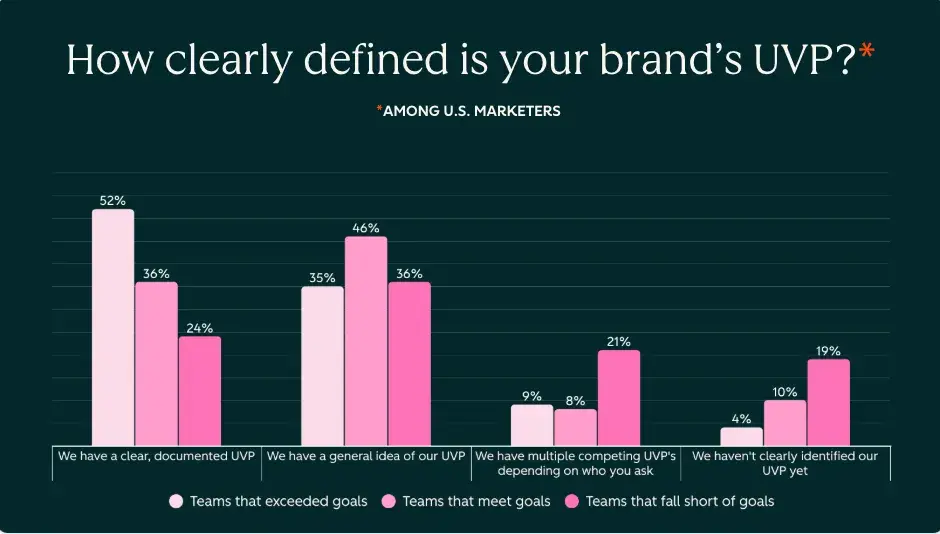
Segment your audience by relevant criteria.

Divide your contact list into targeted groups based on vehicle ownership, purchase history, service needs, and engagement levels. Effective segments include customers due for service, recent vehicle purchasers, leads interested in specific vehicle types, customers with vehicles over 100,000 miles, and high-engagement email subscribers. Segmented campaigns generate 58% higher open rates than generic broadcasts.

Design mobile-optimized email templates.

Build email templates that display properly on smartphones since 61% of automotive emails are opened on mobile devices. Use single-column layouts, large tap-friendly buttons, concise subject lines under 40 characters, and clear calls-to-action above the fold. Test emails across multiple devices and email clients before sending to ensure consistent rendering.

Write compelling subject lines and preview text.

Craft subject lines that immediately communicate value and relevance to recipients. Effective automotive subject lines include specific benefits, create urgency, personalize with vehicle information, or ask questions that spark curiosity. Preview text should complement the subject line by providing additional context that encourages opens.

Include clear calls-to-action.

Direct recipients toward a single primary action per email, such as scheduling a service appointment, viewing vehicle inventory, claiming a promotional offer, or reading educational content.

Place primary calls-to-action prominently, using contrasting button colors and action-oriented text such as “Schedule Service,” “View Inventory,” or “Claim Offer.”

Set up automated follow-up sequences.

Configure triggered follow-up emails based on recipient behavior. Send reminder emails to non-openers after 2-3 days with different subject lines. Follow up on email clicks with additional information related to the content that was clicked. Create abandoned booking sequences when customers start but don’t complete appointment scheduling, recovering 15-25% of incomplete bookings.

Monitor performance and optimize.

Track key metrics including open rates, click-through rates, conversion rates, unsubscribe rates, and revenue generated.

Compare campaign performance against automotive industry benchmarks of 22% open rates and 2.5% click-through rates. Identify top-performing subject lines, content types, and send times, then replicate successful elements in future campaigns while testing continuous improvements.

Frequently Asked Questions

What is the best email marketing tool for automotive businesses?

HubSpot is the ideal email marketing tool for automotive businesses because it combines email marketing, CRM, marketing automation, and sales enablement into a single, integrated platform.

HubSpot enables automotive businesses to manage complete customer lifecycles from initial inquiry through vehicle purchase and ongoing service appointments without switching between disconnected systems.

The platform‘s free tier includes unlimited contacts, email marketing, forms, landing pages, and CRM functionality, making it accessible for businesses of any size. Multi-location dealership groups benefit from HubSpot’s attribution reporting, which connects marketing campaigns directly to vehicle sales and service revenue, thereby proving ROI.

What features should I look for in email marketing tools for automotive businesses?

Automotive businesses should prioritize service reminder automation, CRM integration, vehicle-based segmentation, lead scoring, mobile optimization, workflow automation, landing page builders, A/B testing, SMS integration, and revenue attribution in email marketing tools.

Service reminder automation ensures customers receive timely maintenance notifications based on purchase dates and mileage intervals without manual intervention. CRM integration syncs customer data between email platforms and dealership management systems, eliminating duplicate data entry and ensuring information accuracy.

Vehicle-based segmentation enables targeted campaigns by make, model, year, and service history for relevant messaging. Lead scoring automatically prioritizes hot prospects based on engagement patterns, helping sales teams focus efforts efficiently. Mobile optimization is essential since 61% of automotive emails are opened on smartphones.

Is HubSpot good for automotive businesses?

HubSpot is excellent for automotive businesses because it provides a unified platform that manages marketing, sales, and customer service in one system, specifically designed for managing long customer lifecycles.

Automotive businesses benefit from HubSpot‘s free CRM that tracks every customer interaction from initial website visit through vehicle purchase and ongoing service appointments. The platform’s marketing automation enables sophisticated workflows for service reminders, lead nurturing, and customer retention campaigns, eliminating the need for technical expertise.

HubSpot‘s closed-loop reporting shows which marketing campaigns generate actual vehicle sales and service appointments, enabling data-driven budget allocation. Service departments reduced no-show rates by using HubSpot’s automated reminder campaigns.

Single-location dealerships start with HubSpot’s permanently free tier, while multi-location groups leverage enterprise features that scale with business growth.

How much does email marketing software for automotive businesses cost?

Email marketing software for automotive businesses costs between $ 0 and $3,600+ per month, depending on the contact list size, required features, and business scale. Most platforms offer free tiers that support 250-1,000 contacts, with basic email and automation features sufficient for small repair shops and single-location dealerships.

Entry-level paid plans cost $12-$ 29 monthly for businesses with fewer than 1,000 contacts that need templates and basic automation. Mid-market automotive businesses with 2,500-5,000 contacts and marketing automation requirements typically spend between $50 and $ 200 per month.

Enterprise dealership groups with 10,000+ contacts and advanced needs, including lead scoring, revenue attribution, and API integrations, invest $500-3,600+ monthly. Pricing structures vary significantly: some platforms charge per contact while others charge per email sent, making cost comparison essential before selection.

How can automotive businesses improve email deliverability?

Automotive businesses improve email deliverability by using double opt-in confirmation, maintaining list hygiene through regular removal of inactive subscribers, authenticating email domains with SPF and DKIM records, avoiding spam trigger words in subject lines, sending consistent email volumes, segmenting lists for relevance, and monitoring bounce rates.

Email platforms with robust deliverability infrastructure maintain strong relationships with major inbox providers and proactively monitor sender reputations.

Automotive businesses should strive for inbox placement rates above 95% and maintain spam complaint rates below 0.1% by sending emails only to customers who have explicitly opted in and providing clear value in every communication.

Meet HubSpot, the Top Email Marketing Choice for Automotive Companies

HubSpot delivers the most comprehensive email marketing solution for automotive businesses by unifying marketing automation, CRM, sales enablement, and customer service in one integrated platform. Over 184,000 businesses across 120 countries trust HubSpot to manage their complete customer lifecycle without requiring multiple disconnected tools that create data silos and operational inefficiencies.

Key HubSpot Features for Automotive Businesses:

  • Unified CRM and Marketing Platform – Manage every customer interaction from initial website visit through vehicle purchase and ongoing service appointments in one system that synchronizes data automatically, eliminating duplicate entry and ensuring every team member accesses current customer information
  • Visual Marketing Automation Builder – Create sophisticated email workflows for service reminders, lead nurturing, and customer retention campaigns using drag-and-drop automation with conditional logic that adapts based on vehicle ownership, service history, and engagement patterns without requiring technical expertise
  • Closed-Loop Revenue Attribution – Track which email campaigns generate vehicle sales, service appointments, and parts revenue with detailed reporting that connects marketing activities directly to dealership revenue, proving ROI and enabling data-driven budget allocation decisions

HubSpot’s Proven Impact on Automotive Businesses:

Automotive dealership groups increased lead conversion rates by implementing HubSpot’s integrated marketing and sales platform that eliminated gaps between lead generation and sales follow-up.

Multi-location automotive businesses reduced marketing technology costs by 38% consolidating five separate tools into HubSpot’s unified platform while simultaneously improving campaign performance. Service departments using HubSpot decreased no-show rates through automated reminder campaigns that coordinate email, SMS, and CRM notifications.

Independent dealerships increased customer lifetime value by utilizing HubSpot’s retention workflows, which maintain engagement between service visits and vehicle purchases.

HubSpot’s permanently free tier offers complete access to CRM and essential email marketing features, eliminating credit card requirements and enabling automotive businesses to start immediately with no financial risk.

Paid tiers scale affordably from $20 per month for starter features to enterprise solutions supporting complex, multi-location operations with advanced analytics, custom reporting, and dedicated support.

Ready to transform your automotive email marketing and drive measurable business growth? Get started with HubSpot’s free email marketing and CRM platform or schedule a personalized demo to see how HubSpot delivers results for automotive businesses like yours.

Categories B2B

9 best email marketing tools for dentists in 2025

Running a successful dental practice requires more than fluoride, free toothbrushes, and clinical expertise.

Between managing patient appointments, following up on treatment plans, and regulatory concerns, dental practices face unique marketing challenges, and analog outreach methods often fall short of tackling them.

Boost Opens & CTRs with HubSpot’s Free Email Marketing Software

Thankfully, email marketing offers a scalable channel to stay top-of-mind, educate patients, and boost retention across hygiene, referrals, or specialty procedures by automating appointment reminders, personalizing treatment follow-ups, and segmenting patients based on their dental health needs.

In fact, the average email open rate for dental practices hovers around 40%, showing email marketing is a highly effective avenue in the industry. But where do you start?

This article provides a comprehensive comparison of email marketing solutions built for dental practices (including HubSpot). You’ll find detailed feature breakdowns, verified pricing information, a side-by-side comparison, and a step-by-step guide to choosing the right platform.

Table of Contents

What is email marketing for dentists?

Email marketing for dentists enables dental practices to send digital targeted messages to patients and prospects. This includes appointment reminders, treatment follow-ups, recall notifications for cleanings (all with HIPAA compliance), oral health education, and promotional campaigns for cosmetic procedures. Email marketing helps dental practices maintain consistent patient engagement while reducing no-shows and increasing treatment acceptance rates.

Benefits of Email Marketing Software for Dentists

Email marketing software addresses critical challenges dental practices face in patient communication and practice growth. Here’s how the right platform transforms dental practice operations:

Better Patient Segmentation

Organizing patients by treatment needs, demographics, visit history, or engagement behavior helps you better target your contacts with messaging that truly resonates and drives action.

HubSpot’s advanced segmentation allow dental practices to create both static and dynamic patient lists that you can use to promote things like orthodontic services to families with teenagers, cosmetic procedures to adults aged 35-55, or dental implant consultations to seniors. In fact, companies have cut their time creating lists and segmenting contacts by 50% using HubSpot.

However, it’s important to note that your email marketing tool must be HIPAA-compliant (like HubSpot) to target and email patients based on any health or medical history data. (More on this shortly.)

Reduced No-Show Rates

Automated appointment reminders (like the one below) significantly decrease missed appointments, which cost dental practices an average of $150-200 per occurrence in lost revenue and schedule disruptions.

appointment reminder example of email marketing for dentist

Appointment reminder workflows with a HIPAA-compliant tool like HubSpot can integrate with practice management systems to automatically send confirmation emails upon booking, followed by strategically timed reminders at 48 hours and 24 hours before appointments.

Appointment reminders have been shown to reduce no-shows by up to 40%.

Improved Patient Retention

Regular communication keeps patients engaged between visits, encourages consistent preventive care, and builds camaraderie, directly impacting practice revenue and patient health outcomes.

Dental practices can send care tips, team updates, host contests, or even send birthday wishes like the orthodontist below:

birthday greeting example of email marketing for dentist

Increased Sales

Educational email campaigns that explain procedures, address common concerns, and showcase results can help patients feel more confident about recommended treatments , particularly high-cost ones like implants or cosmetic work.

Here’s an example of a newsletter from the same orthodonist:

newsletter example of email marketing for dentist

HubSpot Content and Marketing hubs can aid the delivery of this kind of content through automated drip emails. Practices can share targeted educational content, patient testimonials, and even financing information, all of which can help patients make more informed purchase decisions.

Enhanced Practice Efficiency

Automating routine communications frees up staff time previously spent making phone calls and sending manual reminders, allowing them to focus on higher-value activities like in-office patient care.

HubSpot’s versatile workflows, for example, can automate consistent, transactional communication (e.g., appointment confirmations, pre-appointment instructions, and insurance reminders) thanks to its HIPAA compliance without requiring staff intervention.

This reduces administrative burden while improving communication consistency and timeliness.

7 Important Features for Dental Email Marketing Software

When evaluating email marketing platforms for your dental practice, prioritize these essential features that directly impact patient communication effectiveness and practice growth:

HIPAA-Compliant Infrastructure and Security Standards

Protecting patient information is legally mandatory for dental practices and any healthcare providers under HIPAA regulations. And a lot of email initiatives like appointment reminders and campaigns based on patient history depend on this.
To be HIPAA-compliant, email platforms must maintain specific security standards and sign Business Associate Agreements to send messages including or relating to protected health information (PHI).

screenshot showing hubspot's hippa compliance in email marketing for dentist

Source

HubSpot offers Business Associate Agreements for enterprise-level plans and maintains the security infrastructure necessary to communicate patient information safely (i.e. encryption, access controls, and audit logging).

Note: HIPAA compliance is unnecessary for sending general marketing emails that do not include specific health information.

Automation

The ability to automatically send pre-appointment reminders at strategic intervals reduces no-shows, improves schedule efficiency, and eliminates staff time spent making manual reminder calls.

HubSpot’s automated emails integrate seamlessly with practice management systems like Dentrix and Eaglesoft, so practices can trigger confirmation emails upon booking, followed by reminders at 48 hours, 24 hours, and even same-day.

Your HubSpot emails can also include personalization, such as patient names, appointment times, and specific pre-appointment instructions for different procedure types.

Segmentation and List Management

Grouping patients by treatment history, age, last visit date, procedure interest, insurance status, or engagement behavior enables targeted, relevant communication that drives higher engagement and conversion rates (though this requires HIPAA compliance).

For instance, perhaps you could send emails about braces to preteen patients or resources on denture care to elderly patients.

HubSpot’s segmentation tools allow dental practices to create patient lists based on multiple criteria. Dynamic lists can also automatically refresh segments as patient data changes.

screenshot showing hubspot's active list segmentation in email marketing for dentist

Source

Read: Customer Segmentation: How to Segment Users & Clients Effectively

Mobile-Responsive Email Templates and Design

Over 60% of emails are opened on mobile devices, making mobile optimization essential for ensuring appointment details, treatment information, and practice updates display correctly and remain actionable on smartphones and tablets.

Great email marketing tools like HubSpot provide mobile-optimized templates specifically designed for healthcare communications.

HubSpot’s drag-and-drop editing ensures any staff member can create professional, mobile-friendly emails without coding skills, while its preview tools show exactly how emails appear across different devices before sending.

Check out HubSpot’s free email templates.

A/B Testing and Optimization Capabilities

Testing different subject lines, send times, content variations, and calls-to-action helps optimize email performance and identify what resonates best with your specific patient base.

HubSpot’s built-in A/B testing allows dental practices to experiment with up to five variations simultaneously, automatically determining winning versions based on open rates, click rates, or custom goals.

Seamless Integration with Practice Management Software

Bidirectional data flow between email marketing and scheduling systems prevents duplicate data entry, ensures patient information stays synchronized, and enables automation based on practice management system events like appointments, completed treatments, or outstanding balances.

HubSpot connects with leading dental practice management platforms, including Dentrix, Eaglesoft, Open Dental, and Curve, through native integrations and API connections.

This allows it to automatically synchronize patient demographics, appointment history, and treatment information to enable sophisticated segmentation and personalization without manual data exports.

Comprehensive Reporting, Analytics, and ROI Attribution

Understanding which campaigns drive results helps refine marketing strategy and justify marketing spend to practice owners and stakeholders.

HubSpot’s analytics dashboard can track email opens, clicks, appointment bookings, and revenue attribution with clear visualization, providing visibility into which campaigns generate the highest ROI, which patient segments are most responsive, and how email marketing contributes to overall practice growth.

Comparison Table of Best Email Marketing Tools for Dentists

Email Marketing Tool

Best For

Key Features

Pricing

HubSpot

Dental practices seeking all-in-one patient management

AI-powered personalization, appointment workflows, patient segmentation

Free plan available; Marketing Hub Starter at $15/month; Professional at $800/month

Mailchimp

Small practices with basic email needs

Email templates, basic automation, audience segmentation

Free for up to 500 contacts; Essentials from $13/month

Constant Contact

Practices focused on event marketing

Event management, social media integration, list segmentation

Starting at $12/month for up to 500 contacts

ActiveCampaign

Practices with complex automation requirements

Advanced automation, CRM integration, predictive sending

Starting at $29/month for 1,000 contacts

AWeber

Solo practitioners and small teams

Drag-and-drop builder, autoresponders, landing pages

Free for up to 500 subscribers; Pro from $12.50/month

Kit

Practices with content marketing strategies

Landing pages, visual automation, subscriber tagging

Free up to 1,000 subscribers; Creator from $25/month

Drip

Practices with sophisticated patient journeys

E-commerce focus, multi-channel campaigns, custom workflows

Starting at $39/month for 2,500 contacts

Campaign Monitor

Practices valuing design and brand consistency

Template builder, journey designer, analytics

Starting at $11/month for 500 contacts

Moosend

Cost-effective option for growing practices

Marketing automation, landing pages, reporting

Free for up to 1,000 subscribers; Pro from $9/month

Best Email Marketing Software for Dentists

Choosing the right email marketing platform can transform how your dental practice communicates with patients. Here are the top solutions designed to meet the unique needs of dental professionals.

1. HubSpot

HubSpot is the most comprehensive email marketing solution for dental practices, combining robust automation with an integrated CRM and practice management capabilities.

Unlike competitors that focus solely on email delivery, HubSpot provides a complete patient engagement ecosystem that tracks every interaction from initial inquiry through ongoing care. This makes it the ideal choice for practices that want to eliminate data silos and streamline operations. It’s also HIPAA-compliant, unlike many other popular email marketing tools.

screenshot showing hubspot's drag-and-drog editor for email marketing for dentist

Source

Best For: Dental practices of all sizes that want to consolidate patient communication, appointment scheduling, and marketing automation in one unified platform while maintaining complete visibility into patient engagement.

Key HubSpot Features:

  • AI-Powered Email Creation and Personalization – HubSpot’s Breeze can generate email content for different patient segments, from routine cleaning reminders to cosmetic dentistry promotions, while personalization tokens automatically insert patient-specific details like names, appointment dates, and treatment history. This saves hours of manual work while increasing relevance.
  • Automation – With HubSpot workflows, practices can create sophisticated, automated email sequences for a variety of events (i.e. appointment reminders, post-treatment follow-ups). This helps ensure no patient falls through the cracks without requiring staff intervention.
  • Integration and Segmentation – HubSpot seamlessly connects with leading dental software including Dentrix, Eaglesoft, and Open Dental so it can synchronize patient data automatically. From there, its segmentation abilities enable targeting based on treatment history, last visit date, demographics, or custom criteria for highly relevant messaging.

HubSpot Pricing:

HubSpot offers a free CRM with basic email marketing capabilities, including email creation, contact management, and simple automation. Marketing Hub Starter begins at $15 per month (billed monthly) with expanded email features and removes HubSpot branding.

Marketing Hub Professional costs $800 per month (annual billing) and includes advanced automation, A/B testing, and comprehensive reporting. Marketing Hub Enterprise is $3,600 per month (annual billing) for larger practices requiring sophisticated patient journey mapping and multi-location management. Learn More.

2. Mailchimp

Mailchimp has established itself as one of the most recognizable names in email marketing, offering an accessible entry point for dental practices new to digital marketing. Its intuitive drag-and-drop interface and extensive template library make it easy for non-technical staff to create professional-looking emails. It is, however, not HIPAA-compliant.

screenshot showing mailchimp's editor for email marketing for dentist

Source

Best For: Small dental practices or solo practitioners who need straightforward email campaigns with minimal complexity. It can be useful for newsletters and basic appointment reminders rather than sophisticated patient journey automation.

screenshot showing mailchimp's analytics for email marketing for dentist

Source

Key Mailchimp Features:

  • Pre-Built Healthcare Templates – With Mailchimp, dental practices can access hundreds of customizable email templates specifically designed for healthcare providers. These include clean layouts optimized for appointment reminders, health tips, and service announcements.
  • Basic Automation and Scheduling – This allows you to set up simple emails like a welcome for new patients and automated birthday greetings, and special offers with minimal ongoing management effort.
  • Audience Segmentation and Tags – With this, you can group patients by demographics, engagement levels, enabling more targeted and relevant communications.

Mailchimp Pricing:

Free plan available for up to 500 contacts with 1,000 monthly email sends and basic features. Essentials plan starts at $13 per month with 5,000 contacts, removing Mailchimp branding and adding basic automation. Learn more.

3. Constant Contact

Constant Contact differentiates itself through robust event marketing capabilities and exceptional customer support. While its email features are solid, the platform’s real strength lies in its event management tools and reputation for responsive customer service.

screenshot showing constant contact's editor for email marketing for dentist

Source

Best For: Dental practices that regularly host community events like oral health seminars, open houses, or patient appreciation days and need integrated event registration, ticketing, and promotion alongside standard email marketing. Also, for practices investing in multi-channel marketing.

Key Constant Contact Features:

  • Built-In Event Management System – For practices that hold events, Constant Contact allows you to create event registration pages, manage attendee lists, send automated confirmations and reminders, and track RSVPs all within the same platform.
  • Social Media Integration and Posting – Automatically share email campaigns across Facebook and Instagram to reach patients through multiple channels, while also scheduling social posts directly from the platform. This is helpful for maintaining a multi-channel presence that is essential with loop marketing.
  • Contact List Management and Segmentation – Easily import patient contacts from spreadsheets or practice management systems, manage opt-ins and unsubscribes to maintain compliance, and create targeted lists based on patient attributes for more relevant communications.

Note: Constant Contact is not inherently HIPAA compliant, but it can be made so. Learn more here.

Constant Contact Pricing:

Core plan starts at $12 per month for up to 500 contacts with unlimited email sends, basic automation, and event management. Plus plan begins at $35 per month with advanced automation, dynamic content, A/B testing, and social media scheduling. Learn more.

4. ActiveCampaign

ActiveCampaign excels in sophisticated marketing automation and CRM functionality, making it ideal for multi-location dental practices or specialty practices with complex patient journey requirements. ActiveCampaign is HIPAA compliant.

screenshot showing active campaign's editor for email marketing for dentist

Source

Best For: Multi-location dental practices, specialty practices, or growing practices with complex patient journey requirements.

Key ActiveCampaign Features:

  • Advanced Automation Builder with Conditional Logic – Create sophisticated patient communication workflows that adapt based on treatment, appointment history, email engagement, and website behavior, enabling truly personalized patient journeys that respond dynamically to individual actions.
  • Predictive Sending and Machine Learning – Machine learning algorithms determine the optimal time to send emails to each individual patient based on their historical engagement patterns, automatically scheduling messages when they’re most likely to be opened and read.
  • Integrated CRM with Deal Tracking – Built-in CRM functionality tracks patient interactions across email, website visits, and appointment scheduling. Deal pipelines help manage high-value treatments like implants or orthodontics from initial consultation through completion.

ActiveCampaign Pricing:

Starter plan starts at $15 per month for up to 1,000 contacts with email marketing, marketing automation, and basic CRM. Plus plans begin at $49 per month, adding landing pages, Facebook audiences, and contact scoring. Learn more.

5. AWeber

AWeber has built its reputation on reliability and excellent customer support, making it a comfortable choice for solo dental practitioners and small practices that prioritize ease of use. The platform delivers solid email marketing fundamentals without overwhelming users with complexity. It is particularly newsletter-friendly.

screenshot showing aweber's editor for email marketing for dentist

Source

Best For: Solo dental practitioners and small practices seeking user-friendly email marketing with strong customer support and straightforward functionality rather than complex automation or advanced features.

Key AWeber Features:

  • Intuitive Drag-and-Drop Email Builder – Create professional patient emails without technical skills using a visual editor with pre-built content blocks. This makes it easy for staff members to design newsletters, appointment reminders, or promotional campaigns.
  • Autoresponder Series and Time-Based Triggers – While not as robust as other tools. AWeber does allow users to set up automated welcome sequences for new patients, promotions, or educational content. AWeber is not HIPAA compliant, so you can’t send appointment or health-related emails.
  • Newsletter AI: This is a feature unique to AWeber. It uses artificial intelligence to learn your voice and draft highly engaging newsletters that you can then edit and schedule.

AWeber Pricing:

Free plan for up to 500 subscribers with basic email marketing features, one list, and AWeber branding. Pro plan starts at $12.50 per month for 0-500 subscribers with unlimited email sends, removes branding, and adds automation. Learn more.

6. Kit (formerly ConvertKit)

Kit caters specifically to users with content marketing strategies, making it well-suited for dental practices that publish blogs, educational newsletters, or oral health resources to attract and nurture patients.

Its subscriber-centric approach and visual automation builder appeal to practices that view email marketing as part of a broader content strategy rather than just transactional communication.

screenshot showing kit's editor for email marketing for dentist

Source

Best For: Dental practices that prioritize using blogs, educational newsletters, and oral health resources to attract new patients, establish thought leadership in their community, and nurture existing contacts to purchase.

Key Kit Features:

  • Visual Automation Builder – Easily create email sequences using an intuitive visual interface and logic that adapts based on subscriber actions like link clicks or form submissions.
  • Tagging and Dynamic Segmentation – Organize patients by interests such as cosmetic dentistry, orthodontics, or preventive care using tags rather than rigid lists. Then, dynamic segmentation automatically updates as patient interests evolve allowing highly targeted messaging.
  • High Deliverability – It’s easy to get sent to the spam folder these days. Kit has an impressive delivery rate of 99.8% and a healthy reputation with email providers that helps your emails actually get seen.

Note: Kit is not HIPAA compliant, so you cannot include sensitive patient health information.

Kit Pricing:

Free plan available for up to 1,000 subscribers with unlimited landing pages, forms, and broadcasts, though without advanced automation. Creator plan starts at $25 per month for 1,000 subscribers, automated funnels, and sequences. Learn more.

7. Drip

Drip positions itself as an e-commerce CRM with sophisticated multi-channel capabilities, making it particularly valuable for dental practices with multiple revenue streams (i.e. selling dental health products) and complex patient retention strategies.

screenshot showing drip's editor for email marketing for dentist

Source

Best For: Dental practices with sophisticated patient retention strategies, multiple revenue streams from both services and products, and the desire to coordinate messaging across email, SMS, and on-site channels.

Key Drip Features:

  • Multi-Channel Campaign Orchestration – Coordinate email, SMS, and on-site messaging to guide patients through treatment decisions using unified workflows, ensuring consistent messaging across touchpoints and the ability to reach patients through their preferred communication channel.
  • Custom Workflow Builder with Advanced Logic – Design patient journeys that respond to specific triggers with complex conditional logic enabling highly personalized experiences based on multiple behavioral and demographic factors.
  • Revenue Tracking and Analytics Dashboard – Monitor which campaigns drive treatment acceptance and calculate the financial impact of email marketing efforts with clear revenue attribution, providing visibility into marketing ROI that justifies investment and guides strategy refinement.

Note: Drip is not HIPAA compliant, so you cannot include sensitive patient health information.

Drip Pricing:

Plans start at $39 per month for up to 2,500 contacts with unlimited email sends and full platform access, including automation workflows and revenue tracking. Pricing scales with contact volume. Learn more.

8. Campaign Monitor

Campaign Monitor emphasizes beautiful design and brand consistency, appealing to dental practices that want every patient communication to reflect professional polish.

screenshot showing campaign monitor's editor for email marketing for dentist

Best For: Dental practices that prioritize brand consistency and visually appealing patient communications as part of their premium positioning, particularly upscale practices focusing on cosmetic dentistry.

Key Campaign Monitor Features:

  • Professional Template Builder with Brand Control – Design branded emails that reflect your practice’s visual identity with advanced customization options, custom fonts, and precise layout control, ensuring every patient communication reinforces brand recognition and professional image.
  • Visual Journey Designer for Patient Workflows – Map out patient communication flows visually and implement automated touchpoints based on behavior and time, creating sophisticated nurture sequences for high-value treatments that guide patients through decision-making processes.
  • Dynamic Content: Use your customer data to create dynamic content that delivers the right message at the right time to your contacts.

Note: Campaign Monitor is not HIPAA compliant, so you cannot include sensitive patient health information.

Campaign Monitor Pricing:

Basic plan starts at $11 per month for 500 contacts with unlimited email sends, basic automation, and analytics. Unlimited plan begins at $29 per month for 500 contacts with time zone sending, advanced segmentation, and countdown timers. Premier plan available with custom pricing for advanced features, priority support, and dedicated account management. Pricing scales with contact volume.

9. Moosend

Moosend delivers powerful marketing automation capabilities at affordable pricing. While less known than competitors like Mailchimp or Constant Contact, the platform punches above its weight class in features, offering automation, segmentation, and reporting tools typically found in much more expensive solutions.

screenshot showing moosend's editor for email marketing for dentistSource

Best For: Cost-effective option for growing dental practices seeking powerful automation capabilities at an affordable price point, particularly practices transitioning from basic email tools to more sophisticated marketing.

Key Moosend Features:

  • Affordable Advanced Automation – Access sophisticated workflow automation typically found in premium platforms at a fraction of the cost, enabling automated promotions, holiday greetings, etc. without the high monthly fees of competitors.
  • Real-Time Reporting and Analytics Dashboard – Monitor email performance metrics including opens, clicks, and appointment bookings to optimize campaign effectiveness, with clear visual dashboards that make data accessible even for non-technical staff members.
  • A/B Testing: Experiment with different copy and visuals in your emails and pick the version that resonates most with your audience to achieve the best results.

Note: Moosend is not HIPAA compliant, so you cannot include sensitive patient health information.

Moosend Pricing:

Free plan available for up to 1,000 subscribers with basic email marketing features and one list. Pro plan starts at $9 per month for unlimited emails, automation workflows, landing pages, and reporting with no subscriber limit. Learn more.

How to Choose an Email Marketing Tool for Dentists (Step-by-Step)

Selecting the right email marketing platform ensures your dental practice communicates effectively with patients while supporting practice growth goals. Follow these steps to make an informed decision:

1. Map your communication workflows and patient touchpoints.

Begin by documenting every patient touchpoint from initial inquiry through ongoing care, identifying which communications happen manually today that could be automated.

Common dental practice workflows include:

  • New patient welcome sequences introducing your team and services
  • Appointment confirmation emails sent immediately after booking
  • Pre-appointment reminders at 48 hours and 24 hours before visits
  • Post-treatment care instructions delivered after procedures
  • Recall campaigns for patients due for cleanings
  • Educational sequences for high-value treatments like implants or cosmetic procedures.

Understanding your complete communication flow helps identify which platform features matter most for your specific practice needs.

Remember, any transactional emails related to your contact’s health require a HIPAA-compliant tool — that includes appointment reminders. Only general marketing emails like blog articles, promotions, holiday greetings, etc., can be sent without this compliance.

It is common to use multiple tools to cover all your bases, but HIPAA-compliant tools like HubSpot streamline your email marketing toolbox to just one.

2. Identify must-have features based on practice priorities.

Based on your workflow map, prioritize essential capabilities to reap the most immediate value to your practice.

Most dental practices require appointment reminder automation to reduce no-shows, patient segmentation to enable targeted messaging, mobile-responsive templates for optimal viewing on all devices, and integration with existing practice management software to avoid duplicate data entry.

Determine whether you need advanced features like SMS capabilities for multi-channel reminders, webinar hosting for patient education, sophisticated patient journey automation for complex treatment nurturing, or e-commerce functionality if selling oral care products.

HubSpot provides comprehensive features that address common dental practice needs including automation, segmentation, integrations, and analytics without requiring multiple disconnected tools.

3. Evaluate ease of use and team capability.

Consider who will manage email marketing in your practice (i.e. front desk staff, marketing coordinator, or practice manager) and their comfort with learning new technology.

Work with them to test free trials and demos to see how quickly they can create campaigns, set up automation workflows, and interpret results without help.

The ideal platform enables existing staff to execute marketing initiatives easily and without consistent support.

HubSpot’s intuitive drag-and-drop interface, thorough documentation, support, and training courses in HubSpot Academy allow dental teams to become proficient quickly, even without previous marketing technology experience.

4. Calculate total cost at scale and hidden fees.

Compare pricing as your patient database grows. Many platforms appear affordable at low contact volumes but become expensive as your practice expands.

Factor in costs for additional features like extra user seats, email volume limits and overage charges, SMS messaging credits, and integration costs for connecting practice management software.

Consider the value of integrated functionality versus purchasing separate tools for CRM, landing pages, automation, and analytics, which adds complexity and total cost.

HubSpot’s transparent pricing structure and included features often prove more cost-effective than piecing together multiple solutions, particularly when accounting for staff time spent managing disconnected systems.

5. Choose a flexible platform like HubSpot that grows with your practice.

Select a platform that scales with your practice and adapts to changing marketing needs rather than one you’ll quickly outgrow.

HubSpot serves dental practices ranging from solo practitioners just starting with email marketing to multi-location groups with sophisticated patient acquisition funnels.

Dental practices implementing HubSpot report 25% improvement in new patient appointments within the first six months and a 40% increase in positive reviews, demonstrating the platform’s effectiveness for dental-specific communication needs and patient relationship management.

How to Create Email Marketing Campaigns for Dentists

Successfully implementing email marketing requires strategic planning and consistent execution. If you’re just getting started, here are some basic steps you can follow to set up a basic email marketing campaign for a dental practice. Refine as needed for your specific goal and messaging.

1. Define campaign objectives and success metrics.

Establish clear, measurable goals for each email campaign before creating content. This gives you direction and something to help you evaluate how you’re doing.

Common dental practice objectives include:

  • filling schedule gaps with short-notice appointment campaigns
  • promoting seasonal services like teeth whitening before wedding season or holidays
  • increasing hygiene appointment attendance among lapsed patients
  • educating patients about new technology like same-day crowns or digital impressions
  • driving consultations for high-value treatments like implants or orthodontics.

HubSpot’s campaign management tools (and HIPAA compliance) enable setting specific goals like appointment bookings or consultation requests, tracking performance against those targets in real-time, and calculating ROI by attributing revenue directly to specific campaigns.

2. Build and segment your patient database.

Organize your patient database into groups based on shared characteristics or behaviors.

This could mean last visit date, age group, treatment history, geographic location, insurance status, and engagement level to identify potential campaign ideas and improve relevance and response rates.

HubSpot’s sophisticated list features enable complex filtering. Dynamic lists even automatically update as patient data changes, ensuring segments stay current without manual maintenance.

3. Design mobile-optimized email templates.

Create visually appealing, on-brand emails that display correctly and remain functional across all devices, particularly smartphones, where most people read email.

Include clear, easy-to-click calls-to-action, use concise copy that communicates value quickly since patients scan rather than read thoroughly, incorporate practice branding elements like logos and colors for consistency and recognition, and optimize images to load quickly even on slower mobile connections.

HubSpot’s drag-and-drop email builder includes a library of mobile-responsive templates specifically designed for healthcare providers. This allows even non-technical staff to create professional emails, while also showing you a real-time preview of how the email will appear on desktop, tablet, and mobile devices.

4. Set up automated workflow sequences.

Set up the automated sequence that triggers your email send. This could be based on patient actions, practice management system events, or time intervals, ensuring communication without any additional manual effort.

HubSpot’s visual workflow builder makes it simple to design, test, and launch sequences with drag-and-drop logic.

5. Personalize content using patient data.

Customize email content using available patient information to increase relevance, engagement, and response rates through targeted messaging.

Include patient first names, sure, but also go beyond that. Reference their specific upcoming appointments with date, time, and provider details, mention their treatment history to acknowledge ongoing care relationships, recommend services based on previous procedures or stated interests, and adjust messaging tone based on patient demographics like age or family status.

Modern buyers are savvy to “first name” personalization tokens, but incorporating deeper details cut through the noise. They make your emails feel like they were actually written specifically for that person. (This is an important piece of Loop Marketing).

In addition to HubSpot’s personalization tokens, it’s smart content features can display entirely different content blocks to different segments within the same email campaign.

6. Test campaign variables and optimize performance.

Continuously improve email effectiveness through systematic testing of different elements like subject line, call-to-action, design, and messaging.

HubSpot’s A/B testing capabilities allow you to test up to five variations of subject lines, content, or send times simultaneously, automatically determining winning versions and applying those insights to future campaigns for continuous improvement.

7. Monitor results and refine strategy.

Regularly review campaign metrics to understand what resonates with patients, which segments are most responsive, and how email marketing contributes to practice growth. This may include, but is not limited to:

  • Tracking open rates to gauge subject line effectiveness and sender reputation
  • Monitoring click-through rates to assess content relevance and calls-to-action effectiveness
  • Measuring appointment bookings and consultation requests attributed to specific campaigns
  • Calculating overall ROI by comparing campaign costs against revenue generated from attributed appointments
  • Analyzing unsubscribe and complaint rates to ensure messaging remains welcome and relevant

HubSpot Reporting consolidates these metrics into visual charts and graphs, enables filtering by segment or campaign type to identify patterns, and provides year-over-year comparison showing growth in email marketing effectiveness over time.

Frequently Asked Questions About Email Marketing for Dentists

What is the best email marketing tool for dentists?

The best tool depends on your specific needs, but with its comprehensive suite of integrated marketing and business growth tools and HIPAA compliance alongside its email offerings, HubSpot is hard to top.

It combines powerful automation, sophisticated patient segmentation, and practice management integration in one unified platform rather than requiring multiple disconnected tools and protecting patient data. What features should I look for in Email Marketing Tools for Dentists?

Essential features for dental email marketing include:

  • Automation
  • Patient Segmentation
  • HIPAA-compliance and security
  • Mobile responsive design
  • Bi-directional integration with practice management software like Dentrix and Eaglesoft
  • A/B testing
  • Analytics

HubSpot delivers all these features in a unified platform with transparent pricing, eliminating the need for multiple disconnected tools that create data silos and complicate operations.

Is HubSpot good for dentists?

Yes, HubSpot is excellent for dental practices of all sizes seeking comprehensive patient communication and practice growth solutions that go beyond basic email marketing.

The platform serves solo practitioners just starting with digital marketing, growing practices ready for automation and segmentation, and multi-location dental groups requiring sophisticated patient journey management, with scalable features that adapt to specific needs and practice size.

Many dental practices report significant improvements in patient retention rates, treatment acceptance for high-value procedures, operational efficiency through automation, and overall practice growth after implementing HubSpot for their email marketing and patient relationship management needs.

How much does email marketing software for dentists cost?

Email marketing software pricing for dental practices ranges from free plans with basic features to enterprise solutions costing several thousand dollars monthly, with pricing typically based on contact database size, number of email sends, and feature sophistication.

HubSpot offers flexible pricing starting with a completely free CRM including basic email marketing suitable for practices just beginning digital communication. Paid plans start at $15 a month.

Can email marketing help reduce dental appointment no-shows?

Absolutely. Email marketing significantly reduces no-show rates through appointment reminders sent at strategic intervals before scheduled visits, addressing one of dental practices’ most costly operational challenges.

Research indicates that practices using automated email reminders reduce no-shows by 30-50% compared to relying solely on phone calls or no reminders, translating to thousands of dollars in recovered revenue monthly for typical practices.

HubSpot’s appointment reminder workflows integrate with practice management systems to automatically send multiple touchpoints.

Meet HubSpot, the Top Email Marketing Choice for Dentists

HubSpot stands out as the premier email marketing solution for dental practices seeking to transform patient communication and accelerate practice growth through sophisticated yet accessible marketing technology.

Unlike specialized email tools that require separate systems for patient tracking, scheduling coordination, and analytics, or basic tools that lack the automation capabilities dental practices need, HIPAA-compliant HubSpot provides a unified platform that streamlines all aspects of patient engagement while maintaining complete visibility into marketing effectiveness and ROI.

Key HubSpot Features for Dental Practices:

  • Comprehensive Automated Workflow Capabilities – Design sophisticated patient communication sequences triggered by appointments, treatment completions, time-based intervals, or patient behaviors, ensuring consistent engagement throughout the patient journey without manual effort from staff, including new patient onboarding, appointment reminders, post-treatment follow-ups, recall notifications, and treatment-specific education sequences.
  • Advanced Patient Segmentation and Personalization – Create unlimited patient segments based on treatment history, demographics, last visit date, engagement behavior, insurance status, and custom criteria to deliver highly relevant messaging that drives action, with dynamic lists that automatically update as patient data changes and personalization tokens that customize every email with patient-specific information.
  • Seamless Practice Management Integration – Connect effortlessly with leading dental software including Dentrix, Eaglesoft, Open Dental, and Curve to automatically synchronize patient demographics, appointment schedules, treatment history, and other critical data, eliminating double entry and enabling automation workflows that trigger based on practice management system events.
  • AI-Powered Content Creation and Optimization – Generate personalized email content for different patient segments using HubSpot’s Breeze, dramatically reducing time spent writing campaigns while maintaining quality and relevance, with AI also optimizing send times, subject lines, and content recommendations based on historical engagement patterns.

Dental practices using HubSpot’s email marketing platform experience 25% more new patient appointments within the first year.

Ready to see how HubSpot can work for your dental practice? Get started with HubSpot today and transform how you connect with patients, fill your schedule, and grow your practice through strategic, automated email marketing that delivers measurable results.