Categories B2B

The best social media platforms for video content in 2025 [consumer data]

Video is everywhere right now. As a basic Millennial, my video diet mostly consists of YouTube and Instagram, but hop on any social media platform, and I bet you’ll run into a short-form video as you scroll through your feed.

Download Now: The 2025 State of Social Media Trends [Free Report]

With TikTok’s future uncertain, many social media platforms are trying to capture more of their audience and debuting features to support vertical videos. YouTube, Instagram, and even LinkedIn are now constantly pushing out updates to elevate video content.

“Everyone wants to be like TikTok and they‘re saying, ‘Let’s take a gamble here,’” says Brian Alves, founder of Marketing Nerds.

Before we explore the vast video options marketers have at their disposal, let’s dive into the importance of social media videos, where consumers are watching them, and other important findings.

Table of Contents

Where are consumers watching social media videos?

YouTube, Instagram, and TikTok are among the social media platforms with the highest ROI, according to our 2025 State of Marketing Report. So, it’s safe to say that’s where most consumers watch social media videos.

Short-form videos take center stage, with 29% of marketers saying that it’s the format they use the most, and 21% of marketers saying that it gives the highest ROI.

Now more than ever, people get all sorts of information from video. I get my news, recipes, DIYs, and product reviews through social media videos, and I’m not alone. A survey done by Wyzowl shows that 78% of consumers said they prefer to watch videos to learn more about products and services instead of other media, and 89% of consumers said that watching a video has convinced them to buy a product or service.

Given these stats, the importance of social media videos cannot be overstated. So without further ado, I give you the best video platforms and a rundown on their latest video updates.

Want to learn more about the state of video marketing? Check out our latest Social Media Video Trends Report for insights from over 1,000 social media marketers.

1. YouTube

YouTube is the largest video-sharing platform and the second-largest social media platform in the world, with global users expected to top 2.85 billion this year. It is also the only platform on this list that has taken a large chunk of the TV streaming market.

In February 2025, CEO Neal Mohan said that more people are now watching YouTube on TV than on their phones. That same month, YouTube also overtook broadcasting behemoths like Disney and FOX, amassing more of viewers’ TV time according to Nielsen’s Media Distributor Gauge,

results from nielsen showing aggregated total tv usage with youtube leading other media companies like disney and netflix

Source

So, if you’re wondering if the platform can be a great addition to your video marketing or social media strategy — the numbers suggest that’s the right move.

What I love most about YouTube is how the platform can host diverse formats of videos, such as live streaming, short-form videos, and long-form videos, and they have different tools available to help you reach your creative vision.

You can also utilize YouTube’s Community tab to speak to engage with your audience in between video uploads.

Other key features and benefits include:

  • AI-generated transcriptions and captions.
  • Straightforward privacy settings.
  • Option to pay to promote your videos on YouTube and Google.
  • The ability to curate your videos into playlists.
  • Data analytics and management tools via YouTube Studio.
  • Monetization options via the YouTube Partner Program.
  • Robust audio library.

graph from pew research showing social media platform use changes from 2014-2024

Source

2. TikTok

TikTok is an excellent platform for attracting a Gen Z audience.

Our 2024 Consumer Trends Report shows that 48% of Gen Z consumers prefer to learn about new products via short-form videos on TikTok, and 72% say they’ve used the app in the last three months.

And of course, there’s TikTok Shop which drove social commerce gains in 2024, which rose by 26%, according to EMARKETER.

Some of my favorite marketing features of TikTok are:

  • Live stream shopping capabilities.
  • Several monetization opportunities, including the ability for viewers to send gifts.
  • Hashtags for boosts in engagement and community building.
  • Advertising options for business accounts.
  • Constantly growing library of trending songs and sounds.

3. Instagram

Instagram is also popular among Gen Z, with 72% reporting to have used the app in the last three months. It’s a great platform for promoting products and selling them in-app.

They’ve also invested a lot into Reels, rolling out more features and updates in the past few months.

For me, the most exciting change is being able to upload videos up to three minutes long instead of 90 seconds. Gone are the days where I have to shave literal seconds off a TikTok to cross-post on Instagram.

Here are some of the best features:

  • Ecommerce capabilities via Instagram storefronts.
  • Live stream capabilities.
  • Shoppable stories.

4. Facebook

Facebook is known to be more popular among Millennials and Gen X, but our Consumer Trends Report shows that it’s going strong across all age groups. Our report shows that 82% of consumers are using it.

Facebook is also great for reaching local customers if you are a service-based business like landscaping or home improvement, Alves told me. You’re able to post about your business or chime in when people are looking for recommendations, depending on where your business is based and the rules of your neighborhood page. (Make sure to check with the moderators first to know what the rules are for businesses.)

Features include:

  • Facebook Live
  • Facebook Stories
  • Paid Video Ads
  • Community pages to connect with your audience

5. Snapchat

If you want to reach younger audiences, Snapchat may be for you. Almost 40% of Snapchat’s global users are from Gen Z.

Marketing on Snapchat can be tricky since the app’s main draw is that users can send each other videos and photos that disappear after 24 hours. It’s more popular for interpersonal communication.

However, marketers can still leverage the app thanks to various features like Snap Ads, Story Ads, Collections Ads, and my personal favorite, customizable AR filters that can help you increase brand awareness and engagement.

snapchat showcasing video content feed on their homepage

Source

6. Twitch

Twitch is a live streaming platform especially popular among gamers; however, you don’t need to be in the gaming industry to leverage it.

Take some pointers from Gillette. In 2024, Gillette leaned heavily on the platform’s gamer demographic with its campaign “Hit Reset with Gilette.” They partnered with popular Twitch streamers and sponsored Twitch Rivals, Twitch’s e-sports tournament.

Twitch has also launched new features to help brands and streamers to forge partnerships. They’re experimenting with sponsored subscriptions, which allows brands to gift or subsidize subscriptions during live streams. Sponsors can also create custom channel skins that are overlaid on a channel’s stream similar to ad banners on TV broadcasts.

In 2025, they’ve also made it easier for creators to connect with sponsors. They launched Creator Profiles, which is essentially a calling card with stats and information about the channel that creators can also show to potential sponsors outside the platform. It also partnered with StreamElements and integrated it into creators’ Twitch dashboards to make connecting with sponsors and managing sponsorships a lot easier.

My favorite Twitch features and benefits are:

  • Monetization options via its affiliate and partnership programs.
  • Stream scheduling.
  • Live comments.
  • Channel analytics.

7. X (formerly Twitter)

X is also hopping on the video train. In January 2025, it launched a dedicated video tab that’s similar to TikTok.

If you’re just starting out, users without an X subscription can upload videos up to 140 seconds long. Subscribers using iOS and the desktop version of X can upload videos up to four hours long, while subscribers on Android can upload videos up to 10 minutes.

8. Bluesky

X competitor Bluesky has been slow-rolling its investment into video since it launched in 2024. As of 2025, users can now upload videos up to three minutes long, and they can also pin a customized video feed on the app.

While Bluesky is still fairly new and staunchly ad-free, I’ve found the conversation buzzing and it seemd like people are engaged. Early adopters include news publishers like the New York Times and The Boston Globe. You can also find companies like Netflix, Steam, and Calm regularly posting there as well.

social media platforms for video, bluesky’s post about rolling out video to their platform

Source

9. LinkedIn

LinkedIn has also been investing heavily in video. In 2024, it rolled out in-feed video carousels on the app, and a dedicated video tab. It also launched the Wire Program which allowed some brands to run pre-roll ads before video streams from a small number of publications like Bloomberg and The Wall Street Journal. LinkedIn then opened up the Wire Program to more companies in 2025.

And it appears that their bet on video paid off. Microsoft announced that in Q4, video was the fastest-growing format on LinkedIn.

Similarly, Alves has written in his newsletter how LinkedIn’s algorithm now favors video over other types of content saying, “Be like TikTok or die.” But he advises his clients that they should be mindful about what works well on LinkedIn.

“It‘s a platform where if you’re going to be talking about business topics, struggles that you have as an entrepreneur… that’s the platform to be on,” Alves says.

social media platforms for video, linkedin header image from reframed newsletter on video feeds on linkedin

Source

10. Pinterest

I love browsing Pinterest for ideas for colorful outfits and home decor. Because it’s pretty much a digital vision board, it totally makes sense that videos work really well on Pinterest, since most people come on the site to seek products and find inspiration.

Etsy, for example — which has 11 million followers and 10 million monthly views on Pinterest — curates different boards on topics like DIY, home decor, and weddings.

In between images of beautiful vases and whimsical embroidery are videos that show brief tutorials and people showcasing unique handmade goods.

Other useful features are:

  • Shoppable video ads featuring a video clip promoting relevant products to users with similar interests.
  • Personalized collection ads that are a collage of one large asset, called a hero, and three smaller assets that can be either photo or video.

social media platforms for video, etsy’s pinterest feed

11. Tumblr

Tumblr TV is back. This feature was first introduced in 2015 as an experimental GIF finder only available to select users but was resurrected in 2025 and given its own dedicated tab on people’s dashboards.

I find Tumblr TV a bit unique compared to all the other unique video feeds we’ve seen so far. First, Tumblr TV has curated channels and a recommendation section that users first see when they click the tab. Second, the feed includes mixed media carousels that contain GIFs and images, which I think is refreshing.

While a quick search on Tumblr shows that longtime users are not happy that Tumblr TV is back, it seems like a good time for Tumblr to jump into video.

As of 2025, 50% of Tumblr’s active users are Gen Z, as well as 60% of new sign-ups, according to data shared with Business Insider. The site has also seen jumps in sign-ups when TikTok was briefly banned in the U.S. and when X was banned for a few months in Brazil.

12. Discord

Marketers typically use Discord for community marketing. They create a designated space (server) that serves as a central hub for interactions between the brand and its consumers, divvying them up into different channels that appeal to their interests.

So, where does video come in? Well, I added Discord to this list because brands can do things like hold community events around product launches. They can show demonstrations and hold watch parties where people can comment along and feel like they’re getting exclusive access to content.

Companies can also set up stage channels, which is just what it sounds like: it’s a stage where you can designate speakers and hold presentations. Text chats are also available if people want to engage with the speakers and audience members.

13. Nextdoor

Nextdoor is a community-based social network that lets neighbors ask each other for recommendations and post local news. One of my neighbors recently posted a photo of some baby bunnies that she uncovered in her garden, and they were adorable. As someone who loves learning about stuff to do around my area, it’s quickly becoming one of my favorite social media sites to browse.

With its hyperlocal focus, Alves advises his clients with service-based businesses to post on Nextdoor. According to Nextdoor, 79% of users — or neighbors as they like to call them — were influenced to visit a business that they saw on the app.

Advertisers can post video ads up to three minutes long with supporting ad copy with up to 800 characters. The app also has a feature called dynamic local substitution that automatically changes city names in ad copy to make the ad more relevant to locals.

14. Substack

Substack has made bold moves to lure TikTokers to their platform. In January 2025, Substack CEO Chris Best announced a “$25,000 TikTok Liberation Prize” in his personal account. The goal: “To rescue the smart people from TikTok,” offering the prize to “the creative genius who can make a TikTok video that sparks a trend.”

Similar to other social media sites, Substack also announced a dedicated scrollable video feed on the app in March 2025.

According to Annie-Mai Hodge, founder of Girl Power Marketing, “This move aligns with a growing trend: brands are using Substack not just as a publishing tool, but as a space to express values, test ideas, and connect with communities in a more intentional way.

“The new video feature could amplify this shift – making it easier to deliver updates, behind-the-scenes content, or light thought leadership in a format that still feels personal and owned.”

Tips for Sharing Social Media Videos

1. For most platforms, zone in on short-form videos.

As you can see from my examples above, many social media networks are capitalizing on TikTok’s uncertainties and rolling out vertical video feeds to attract both creators and audiences to their platforms.

If you haven’t already, it’s a great time to experiment with these new feeds with some short-form videos and get noticed. And if you’re already posting on TikTok, try cross-posting to these newer video feeds.

But when you’re ready to start creating short-form videos, Meisha Bochicchio, a digital content marketing program manager at Broadcom, says to make sure videos are autoplay-friendly.

“Keep them short and put your key messaging in the first few seconds,” she said.

“Remember that most people won’t hear your audio, so make sure your videos are also silent-friendly, ” Bochicchio advises. “Consider text overlays, or upload captions directly on platforms like LinkedIn, Twitter, and Facebook.”

To learn more about this strategy, check out this post on snackable content or this post that highlights the latest short-form video trends.

And if you want to make snackable content on your own, our AI-powered Clip Creator tool can convert text into professional videos for your business with just a few clicks.

2. Test different video formats, too.

While short-form video content is a great tactic to harness, you can still publish longer videos as long as they’re engaging and valuable to your audience.

For example, while people might not want to watch a two-hour commercial, they could watch a longer live video Q&A, an interview with a thought leader, product demos, explainer videos, or a video that tells a longer but entertaining story.

You can also test out other formats, such as live streams and shopping videos — it’s worth noting that 46% of Gen Z consumers in the U.S. have participated in live shopping events. As new video formats emerge, it can be helpful to determine if they might work for your brand and start doing some testing.

Be sure you identify and track the right success metrics. For example, if you’re testing a longer video, look at its views and drop-off rates to see how long viewers stay tuned.

If you want to try a more interactive approach like a live stream or Q&A, you can also take note of views, comments, and engagements on the content while you’re live.

3. Meet your video audiences where they are.

Luckily, to create a great marketing strategy you don’t have to — and let’s be honest, shouldn’t have to — place your videos on every single social media platform. Content will often perform better on some social media platforms than others.

“The best platform depends on your audience, what type of business you have, and who you want to reach,” says Alves. “My answer is always different.”

Alves says that ecommerce companies tend to do better on TikTok. And if you’re trying to reach a more professional audience, then LinkedIn is the answer.

It helps to learn about the demographics of each major network and figure out who you want to reach. Know your audience, and set yourself up for success.

4. Don’t always lean on repurposed content.

During my early days as a content creator, I would often repurpose content across multiple platforms. That strategy was sufficient for a while, but things have changed since then.

And while it can still be beneficial for brands to repurpose some video content for different platforms when they have similar audiences and features, it’s certainly better to tweak videos to suit each platform — or just focus on one platform when creating a video.

That being said, posting the same content on multiple platforms can also be a great way to test whether your content strategy for one platform will resonate with the audience of another.

If you have no choice but to repurpose much of your content, be mindful of the time limits on each platform. Many social media sites have finally extended their maximum short-form video lengths past one minute or 90 seconds after much grief (I’m looking at you, YouTube!), but there are still some that haven’t.

And please, whatever you do, avoid downloading videos from one platform to post on another. Always upload the original video each time. Platforms like TikTok and Instagram will deprioritize your content if it has a watermark from another network.

5. Embrace influencers and customers.

Even if you‘ve done all of your research and churn out videos daily, it can still be incredibly hard to post a viral piece of content that grows your audience. That’s why partnering with influencers or thought leaders is one great growth strategy.

In 2024, marketers reported that they saw the most success working with smaller-scale influencers with fewer than 100k subscribers. They found that these smaller-scale creators are more trusted by their followers and gave brands access to niche, tighter-knit communities.

But if you can’t afford to have an influencer help boost your video strategy, you can also look towards happy consumers.

With this strategy, you can encourage customers to share a video about their experience with your brand on social media, or you can create a video filled with multiple pieces of user-generated content from happy customers.

According to a consumer survey by Wyzowl, 89% of consumers said they were influenced to buy a product after watching a video, and 96% said that they’ve watched explainer videos to learn more about a certain product or service.

Because today’s consumers crave authenticity from brands, getting your business’ fans to hype up your product or service is a great way to spread brand awareness and boost trust with consumers.

Navigating Social Media Content

Now more than ever, social media and content marketing are evolving — but looking at the data, short-form vertical videos are here to stay.

I know it’s hard to keep up with all the constant updates on each platform, but once you start to hit your groove on a platform or two, it’s worth keeping up with any changes to the algorithm so your brand continues to stand out.

Editor’s note: This post was originally published in June 2021 and has been updated for comprehensiveness.

Categories B2B

How to plan a seasonal marketing campaign: A 5-step strategy

As a marketer, I always keep track of whatever holidays are rolling around each month for my seasonal marketing campaigns — even the ones that don’t get the huge parades and Hallmark TV specials.

Every holiday is an opportunity to boost sales, increase brand recognition, and bolster customer relationships. A well-executed seasonal marketing campaign is the key to aligning your outreach with special times of the year, like holidays and events, to capitalize on increased consumer enthusiasm.

Download Now: Free State of Marketing Report [Updated for 2025]

Pulling off a standout seasonal marketing campaign requires hard work, creativity, and a little know-how — but don’t fret, I’m here to help with my step-by-step campaign guide and seasonal marketing examples.

Table of Contents

What is seasonal marketing?

Seasonal marketing is the process of aligning your marketing efforts with certain times of the year when consumer enthusiasm is high. Holidays like New Year‘s, Christmas, and Valentine’s Day are classic opportunities to tap into the collective consumer emotional landscape.

However, I’m a firm believer that your seasonal marketing should extend to more than just holidays known for high consumerism.

Even lesser-known holidays are associated with strong emotions such as joy, love, and hope. Your business can create a more meaningful and memorable connection with your customers by marketing products and services that appeal to these emotions.

And who says you have to keep your seasonal marketing to only holidays? Special events like the Super Bowl and seasonal opportunities like Back-to-School shopping and Black Friday are further examples of chances to flex the seasonal marketing muscle.

Seasonal marketing aims to drive sales and foster an emotional connection with your target audience. Read on for a step-by-step guide to jumpstart your next seasonal campaign.

1. Choose a seasonal opportunity.

Choosing the seasonal opportunity to capitalize on is the first step to a successful campaign.

Major seasonal events like Black Friday and Mother’s Day are always a safe bet to campaign around, mainly due to the spike in customer spending. According to Statista, Americans planned on spending $33.5 billion on Mother’s Day in 2024.

However, you should research your target audience to find seasonal opportunities that resonate with your customers and their values.

Audit existing seasonal campaigns.

Once you have decided on a seasonal event to utilize for a campaign, it’s time to do some homework on similar, successful campaigns — Ahrefs and BuzzSumo are great places to begin your research.

Consider how each piece approached content format, distribution, messaging, and emotion when evaluating previous campaigns.

When validating a campaign, ask yourself the following questions:

  • How has this piece used multiple content types and distribution platforms?
  • Is the messaging clear, and if so, what is it?
  • What emotion does this campaign evoke in the user?

Gather insights via external outreach.

Consider gathering outside opinions from journalists and digital publications in your space.

Seek out platforms that have covered campaigns you admire and ask for feedback on what makes a seasonal campaign compelling from their point of view.

2. Plan for marketing-friendly holidays.

Lucky for us marketers, many holidays are packed with advantageous marketing opportunities. But what is it about holidays that makes them so great for marketing campaigns? It’s the built-in positive sentiment.

Holidays are generally positive times that beget warm feelings like joy, nostalgia, and gratitude.

Marketing is all about evoking positive emotions in your audience, and aligning your campaigns with marketing-friendly holidays allows you to ride the wave of seasonal good vibes and make customers feel good about buying your product.

fantasy world eid-themed ad

Source

For example, Eid is a major religious holiday observed worldwide by those of the Muslim faith. The holiday is a joyful occasion that promotes community, togetherness, and sharing.

Fantasy World, a toy company, referenced Eid in its seasonal marketing campaign by showing toy versions of Spider-Man and his nemesis, Lizard, putting their differences aside to embrace one another in celebration.

The simple photo included text that read “We’re all one for Eid.”

It‘s common for gifts to be given during Eid, and Fantasy World’s Eid-themed ad captures the holiday’s sentiments while promoting its products as excellent gifts.

Of course, there are many other holidays to consider, and choosing the right one depends on your brand values and goals.

3. Establish a schedule.

With seasonal campaigns, timing is of the essence. Your planning should begin well before your selected seasonal event, and you must create a schedule to execute each campaign step.

Generally, your content should be prepared, built, planned, and ready for press releases at least two months before the big event.

Consider using a marketing calendar to streamline your processes and get your team on the same page.

When creating a schedule for your campaign, don’t forget about your audience. When is the best time to contact them? When will they be most willing to share the content or engage with the campaign?

4. Organize your assets.

Your seasonal marketing campaign should touch all major platforms, including social media, email, blogs, and out-of-home advertisements (if that’s your thing).

A wide-reaching campaign requires meticulously organized assets. You should brief your creative team on the assets needed for each channel and the necessary resolutions and dimensions.

Pro tip: A practical, up-to-date campaign plan document is essential during this process.

It will enable you to better organize the timing and frequency of content releases and keep your messaging consistent by serving as a home for all your campaign assets and communications.

I suggest checking out these content marketing planning templates to get started.

5. Report and remain agile.

Remaining agile means prioritizing speed, collaboration, flexibility, and testing.

Reporting and reviewing your campaign’s performance as you go is necessary for maintaining the ability to adjust the campaign as it unfolds.

I always ask myself, where is the majority of traffic coming from? Which pages have the best bounce rate? Which ones are converting the best? These are some examples of metrics that can inform your strategy moving forward.

Don’t be afraid to make alterations to the original plans. If the changes you will make will ultimately improve the campaign’s success, why wouldn’t you make them?

Check out the video below for helpful information on running seasonal marketing campaigns. The video discusses promoting digital products like online courses, but the advice is broadly applicable.

I understand if all these steps seem daunting, but fortunately, there are many tools available to help you streamline your process and create high-quality content for your campaign with ease. 

My personal favorite is HubSpot’s Campaign Assistant, a free AI marketing asset creator you can use to generate engaging copy for landing pages, newsletters, and, of course, seasonal ads. 

Once you have the right tool for success, you can move on to considering campaign ideas. 

Seasonal Marketing Campaign Ideas

1. Limited Editions

Part of the magic of seasonal traditions is that they‘re not year-round, so you need to celebrate while you can; otherwise, you’ll miss out until next year.

You apply that FOMO (fear of missing out) to your seasonal campaign by offering limited edition products and services that are only available during a specific holiday or time of year.

For example, McDonald‘s Shamrock Shake is only available from February through the end of St. Patrick’s Day. The sweet treat’s limited availability drums up excitement and makes it a must-have for many consumers.

mcdonald's shamrock shake

Source

2. Discounts and Deals

It‘s not just holiday cheer that excites consumers, it’s also holiday deals! Offering deals and discounts around specific holidays or seasons will help make your brand name synonymous with that special time of year.

One of my favorite seasonal marketing campaigns is the Victoria’s Secret Semi-Annual Sale. The sale happens twice a year, first in late December and again in June to coincide with the changing seasons. Discounts vary, but prices are often slashed by up to 80%.

Dates for the sale are not announced ahead of time, so shoppers have to check the lingerie store’s website, social media, and email updates frequently to catch the deals on time. The mystery and price plunge make for an exciting experience that consumers look forward to.

3. Philanthropy

Many holidays, especially those from November through January, are associated with fostering community and giving to those in need. Many brands incorporate the spirit of giving into their seasonal marketing campaigns. Let’s take retail chain True Religion for example. 

[Heads up: The video below contains some strong language.]

In December 2024, True Religion partnered with rapper and philanthropist Megan Thee Stallion for an event called “When Wishes Come True.”

The event consisted of a shopping spree in which at-risk youth received new clothes for the holidays, all paid for by Thee Stallion and the True Religion.

Seasonal Marketing Examples

Back-to-School Shopping

Company: Walmart

walmart back-to-school ad

Source

As much as I wish it weren’t the case, summer comes to an end every year. With summer’s end comes back-to-school shopping season, which can bring about excitement or dread, depending on who you are.

Still, the back-to-school season presents a tangible seasonal marketing opportunity, and Walmart seized it.

What I love: Walmart cleverly combines the urgency of back-to-school shopping with an exciting deal. Walmart offered last year’s prices on this year’s school supplies, which is an exciting way to frame their low prices, especially for inflation-conscious consumers.

Pro tip: Don’t be afraid to get a jump start on things. Walmart announced its 2024 back-to-school campaign in July (too soon if you’re a student, but just right if you’re a marketer), and planning occurred many months beforehand.

Americans collectively spend billions of dollars each year on back-to-school preparations. In 2024, total spending was projected at $39 billion. So, don’t miss out on the opportunity to ride that wave if your products fit the bill.

Fall and Winter Holiday Treats

Company: Starbucks

starbucks holiday cups

Source

When it comes to seasonal campaigns, Starbucks is a master of the craft. It’s holiday cups and fall menus are almost as ubiquitous as the seasons themselves.

Every year, as the colder months approach, Starbucks releases a festive holiday cup to kick off the season. Starbucks has been taking advantage of this seasonal marketing opportunity since 1995, and brand loyalty increases as the tradition cements yearly.

As for the company’s fall menus, that tradition started in 2003. Its first fall menu included the iconic Pumpkin Spice Latte (or PSL), and even the most casual of coffee drinkers like myself look forward to the fall menu reveal each year.

What I love: Starbucks gives customers something fun to look forward to every holiday season with fresh, festive cup designs and limited edition fall treats.

They have piggybacked off the warm and inviting feelings of the changing seasons so consistently and effectively that their seasonal marketing campaign has become a mainstay of the holidays.

Pro tip: Consistency is key. If you can devise a seasonal marketing campaign that you can execute every year (while still keeping things fresh), your customers will look forward to it and open their wallets accordingly.

Summer Olympics

Company: Nike

The Summer Olympics season is one of the most competitive events in international sports, rivaled only by the Winter Olympics. To coincide with the 2024 Summer Olympics, Nike pushed an ad campaign that turned the popular phrase “Winning isn’t everything” on its head.

The campaign was called “Winning Isn’t for Everyone” and featured iconic athletes, like LeBron James and Sha’Carri Richardson, emphasizing the hard work and drive it takes to compete (and win) in events like the Olympics.

What I love: The campaign capitalizes on the competitiveness of the Olympics while showing Nike gear in motion on the world’s most talented athletes.

Pro tip: Seasonal marketing doesn‘t have to revolve solely around holidays or weather-specific seasons. Think about major events that have the world’s attention, such as sports, concerts, or film festivals.

Father’s Day

Company: Bottega Veneta

Bottega enlisted rapper A$AP Rocky and his sons RZA and Riot for the fashion house‘s 2024 Father’s Day campaign “Portraits of Fatherhood.” The campaign is a photography series featuring images of A$AP sharing tender, authentic moments with his sons.

The series is also accompanied by a short-form behind-the-scenes video that shows the rapper candidly playing with his children.

What I love: The ad perfectly captures the feelings and emotions associated with Father’s Day by showing candid moments between A$AP Rocky and his sons.

Pro tip: Make sure your campaign accurately taps into the feelings surrounding the occasion coinciding with your seasonal marketing campaign.

‘Tis the Season for Marketing

Use the power of seasonal marketing to your advantage. With the right recipe of relevancy, creativity, and timing, you can capitalize on big events — and ultimately, boost sales.

Editor’s note: This post was originally published in January 2025 and has been updated for comprehensiveness.

Categories B2B

45 landing page design examples to inspire your own

Looking for landing page design examples and tools to create high-converting pages? There are so many elements that a top-notch landing page design needs, and making those elements the “best” they can be often depends on what your landing page goals are.

If you’re looking to up your landing page game, knowing what goes into a great one is helpful.

Access hundreds of Website Themes & Templates on HubSpot

In this post, I’ll explain how to make a landing page work in your favor and provide you with a list of landing pages I love so you can see these impressive designs in action and implement their tactics on your own landing pages.

Table of Contents

Pro tip: HubSpot’s free content tools enable you to create your own website from scratch, with plenty of customization options available so you can tailor your website to your branding.

What makes a landing page effective?

A truly effective landing page immediately captures attention with a compelling value proposition that speaks directly to the visitor’s needs or desires. It then guides them down a frictionless path to a single, clear action through strategic design, persuasive copy, and social proof that builds enough trust to overcome hesitation.

But to get a broad overview, we can break it down into 6 elements, let’s go through them.

Content Management Software

Landing pages can be built from scratch, but it’s often quicker and more effective to use content management software with free landing page builder tools

HubSpot's landing page template library

For example, with HubSpot’s Landing Page Builder, you’ll access a drag-and-drop website builder with free landing page themes and templates. These features let you hit the ground running with your landing pages and start ranking on SERPs and converting visitors into contacts. Get a demo or get started for free today.

If you’re a WordPress user, there are plenty of themes that support landing page templates, like Pearl, as well as dedicated landing page builders like Instapage.

Catchy Headlines

Make a headline that grabs attention. It should be around ten words short and tell visitors what they’ll get from your page.

 headline that grabs attention.

Source

Use numbers, be specific, and choose strong words.

If you need some inspiration for word choice, I found a fantastic OptinMonster blog post with 700+ converting and attractive words.

From the long list, I chose this one because catchy terms keep me engaged every time:

landingpageexamples_59

Source

Pro tip: Emotional headlines grab attention. For example, “Master Time Management” is transparent, but “Best Tool for More Time with Your Kids” hits differently, straight to the heart.

Eyeflow Design

Make sure your page looks neat and is easy to use.

First, categorize everything you can.

Then, put up excellent videos or pictures that fit your brand. Don‘t use too many colors and elements — it can make things messy and make it hard to notice what’s important.

Play with neutral colors, contrast, white space, and directional cues to make your CTA pop.

Here’s a bit of inspo from Duda:

Duda

Source

Scroll down to see pictures with the same colors and fonts, keeping the brand’s style consistent.

landingpageexamples_40

Source

Pro tip: Consider spicing things up with new elements like VR, AR, or 3D images. Shopify’s research showed a 94% increase in conversions with these visuals.

Short and Sweet Writing

Just like with headlines, keep your landing page text brief. In this case, we’re talking around 250-300 words — unless you’re selling something super complex.

The shorter text makes it 11.8% easier to read and understand.

Keep it simple and direct.

Explain why your offer matters to them.

When writing landing page content, start with an outline.

I love Patrick Cumming’ s LinkedIn carousel, where he shared the AIDCA outline for crafting effective landing page content.

AIDCA outline

Source

Also, don‘t be boring or too pushy with your CTA. Instead of “Sign up for a Trip,” go for “Join the Trip of Your Life.” It’s more fun and promises something amazing ahead.

Pro tip: Don’t sound like a robot. If your copy is too ChatGPT-ish, most people will probably leave the site (including me :)). Show you care by writing in a way that connects with your audience.

Testimonials and Reviews

Include quotes from happy customers or stories about good experiences. It helps people trust that your thing is great.

You can use different types of testimonials — short quotes, video stories, case studies, ratings, before-and-after pictures, social media posts, influencer endorsements, employee feedback, expert recommendations, or interactive content.

And who says you need to choose one type only?

Very Good Copy mixes both video and written testimonials, and it works great:

mix of video and written testimonials

Source

According to the Reputation X study, business needs more than just showing up in search results:

  • 49% of people want at least a four-star rating.
  • People read about 7 reviews before trusting a business.

Trust leads to purchases, and online reviews can make or break that trust.

Pro tip: Try to use video testimonials whenever possible. 93% of marketers think videos work as well or even better than other content types.

I like it when there’s a real person talking on a site — way cooler than reading quotes and names, especially on some new site where you end up Googling if that person is even real.

A/B Testing

You need to regularly do checkups to see what’s working on your landing page.

A/B testing helps you compare two web page styles with the same web address. Some visitors see one style, and the rest see another. By looking at how well each version does, you can pick the one that works better.

Keep changing little things on your page to make sure it’s always a crowd-pleaser. Whatever the problem is, A/B testing can help you figure it out and find the best solution.

Use quality tools for this purpose to find out where users are having trouble. For instance, with our Marketing Hub and Content Hub, you can A/B test your landing pages.

A/B Testing

Source

You can put things into context with marketing analytics. It helps identify more info about your audience and how your landing page contributes to your overall marketing efforts — details useful to create relevant A/B tests or to further refine your page.  

Pro tip: If your page is in multiple languages, you can run a test for each language version with our software.

Now, check out the best 45 landing pages to inspire yourself.

Examples of Great Landing Pages

1. Shopify

Tool used: Shopify’s own platform

shopify landing page

Source

Like many of the other landing pages in this post, Shopify’s trial landing page for sellers keeps it simple. It’s not too text-heavy but still manages to persuade users by noting a few key points about its top-notch product.

Visitors come away knowing that Shopify is an all-in-one platform that is easy to use and trusted by many.

Why This Landing Page Works

  • Clean interface: The user-oriented headline is just a few words, for example, and the page relies on simple graphics and short paragraphs to communicate the trial’s details and benefits.
  • Concise CTA: There are only a few fields you need to fill out before you get started. All of this makes it easier for you to quickly get started selling online with their tool.

What Could Be Improved

  • Emphasizing security: The last column states that the platform is safe, but doesn’t explain why. Instead, it mentions that over a million businesses use it. A few words that speak to site security would improve this section since the number of vendors is already stated at the top of the page. Additionally, it would eliminate friction for visitors with security concerns.

2. Great Jones

Tool used: Shopify Plus

Great Jones landing page

Source

Great Jones offers up a landing page that’s as beautiful as its Dutch Ovens. It’s very aspirational and taps into all of our ideal kitchen dreams.

Why This Landing Page Works

  • Use of color: Great Jones’ site is colorful, just like its cookware. The use of bold colors quickly draws visitors in and makes the cookware stand out.
  • Prominent CTA: You can’t miss the $10 Off coupon. Who wouldn’t want a discount on these gorgeous pots?

What Could Be Improved

  • More Variety: Great Jones’ catalogue is vast, from pots to pans to utensils, but only highlighting its blue sheet pan can be a bit limiting upon first glance.

3. Muzzle

Tool used: Custom development

Muzzle landing page

Source

Muzzle, a Mac app that silences on-screen notifications, fully embraces this show-and-tell mentality on their otherwise minimal landing page.

Landing pages help users decide whether or not your product or service is actually worth their precious time and energy.

What better way to clearly and straightforwardly communicate your value proposition than by confronting visitors with the very problem your app solves?

Why This Landing Page Works

  • Show rather than tell: Visitors to the page are greeted with a rapid-fire onslaught of embarrassing notifications in the upper left of the screen. Not only is the animation hilarious, but it also manages to compellingly convey the app’s usefulness without lengthy descriptions.
  • Cohesive visual experience: Even the text on the page is a muted gray color, mirroring the function of the product.

What Could Be Improved

  • Could be difficult to read: While the light gray text on the white background is great at mimicking the product’s function, it may be harder to read for some.

4. DoorDash

Tool used: Django

DoorDash landing page

Source

Takeout enthusiasts are no doubt familiar with DoorDash, the app that lets you order food from a variety of restaurants from your phone.

Well, instead of customers, this landing page is geared towards recruiting partners and Dashers who make the deliveries.

Why This Landing Page Works

  • Emphasizes dasher autonomy: This landing page really plays up that Dashers are independent and free to work when they want.
  • User-friendly: Just enter your address in the search bar, and voila! Instantly find the best local restaurants near you.

What Could Be Improved

  • Advantage over competitors: DoorDash is not the only delivery game in town. They could highlight what sets them apart from a competitor like UberEats.

5. Wise

Tool used: Wise platform

Wise landing page

Source

Wise allows you to send or receive money in different currencies and countries. Its landing page separates customers into two categories — either Business or Personal. You‘re not distracted by options that don’t apply to you.

There’s even a short video to show visitors how the service works before they try it. Since they’re dealing with money, it’s important to get the customer experience right the first time.

Why This Landing Page Works

  • Highlights safety: The security information is out front and center on this page, helping to ease any hesitancy a potential customer might have and assuring them that Wise is a safe service to use to send and receive money.
  • Emphasizes value: In several places on the page, in both text and video, Wise reiterates that it’s less expensive than transferring money through a traditional bank.

What Could Be Improved

  • Adding an FAQ: Putting an FAQ section at the bottom would be great, especially for such finance-related stuff where people often have many questions.

6. Airbnb

Tool used: React

Airbnb landing page

Source

To help convert visitors into hosts, Airbnb offers a search bar pop-up. You can enter additional information about your potential accommodations into the fields to get an even more customized estimation.

Airbnb example

Source

If you visit the page already convinced, the clear call-to-action at the top of the page makes it easy to convert on the spot.

Why This Landing Page Works

  • Personalization: Airbnb shows you right at the start what you could potentially earn based on your area and the size of your home. This is useful for potential new hosts who may still be figuring out how much they should charge and what they can expect to earn.
  • Straight to the point: Minimal information against a clean white backdrop keeps the focus sharp.

What Could Be Improved

  • Nothing: The page is clear and concise, reassures potential hosts Airbnb is safe to use, and offers a personalized experience.

7. Wag!

Tool used: Servicesx

Wag landing page

Source

Wag! is a service that connects dog owners with dog walkers and sitters. This page gets right to the point with a large font encouraging prospects to join and puts the sign-up form prominently on the right half of the page.

The green background color makes the white font and other elements on the page pop. The addition of a QR code on the form is also a nice touch, enabling visitors to scan it, quickly download the app, and sign up.

Why This Landing Page Works

  • Efficient form: Leaving the form field open on the page means visitors don’t even have to click on a CTA to access it. The QR code further expedites the process.
  • Emphasizes credibility: Including caretaker photos and the fact that more than 400,000 caretakers currently use the service nationwide makes Wag! more trustworthy.

What Could Be Improved

  • It’s not compelling: Unlike DoorDash mentioned earlier, Wag! makes no mention of why people should join. What are the perks? Are the hours flexible?

8. Wistia

Tool used: Wistia’s own platform

Wistia landing page

Source

Right off the bat, you notice the baby blue background with the pop of darker blue in the form of an “Explore Plans” button. The page gets right into the action with a video describing the services.

Why This Landing Page Works

  • Ease of use: The form itself allows users to quickly fill it out by linking to their Google account. Doing so enables the autofill feature, which cuts down on friction for the user.
  • Capitalizes on visuals: As a video host, Wista does a great job of showcasing its capabilities using a variety of mediums. There are colorful graphics, videos, and even a link to marketing-focused cartoons.

What Could Be Improved

  • Including an FAQ: Testimonials are great, but sometimes customers have a few concerns that could be answered quickly with an FAQ section. That way, they can decide whether or not to sign up without having to leave the page to search for answers.

9. Webflow

Tool used: Figma

Webflow landing page

Source

Webflow, a design tool for web developers, packs a lot of information into just one GIF. As with Muzzle, Webflow also gets right to the point and demonstrates what its tool can do, rather than just talking about it.

The animated GIF is visible in the same frame on the website, so users can see how the product works and sign up without scrolling.

Why This Landing Page Works

  • Show rather than tell: Being able to view Webflow’s tool in action gives potential customers a clear idea of not only what it does but how their user experience will be.
  • Removes risk: In several places on the landing page, visitors are reminded that the service is free. There’s no trial to sign up for. They can build their site for free and decide whether or not to sign up for a plan when they’re ready to launch.

What Could Be Improved

  • Nothing: This landing page is the perfect balance of information, usability, and visuals.

10. Talkspace

Tool used: Twilio

Talkspace landing page

Source

Talkspace, an online therapy service, really focuses on trustworthiness with this landing page. All of the information on this page emphasizes that customers will have access to licensed therapists.

It drives home that the service is secure and confidential. This is a great way to reassure those who may be hesitant to participate.

Talkspace example

Source

Talkspace reviews

Source

The use of shapes is also a clever idea. Overall, the layout is clean, inviting, and informative.

Why This Landing Page Works

  • Color palette: Calming pastel colors perfectly match the brand’s message.
  • Provides value: In addition to providing details about how Talkspace works, this page also provides several mental health resources and articles.

What Could Be Improved

  • Nothing: This page has a great user interface and serves as a great starting point for mental health resources.

11. Nauto

Tool used: Databricks

Nauto landing page

Source

Nauto, a data platform for self-driving cars, helps make autonomous driving safer for companies that manage fleets of self-driving vehicles.

Naturally, its customers would need all kinds of information to sell them on this platform. Nauto has it packaged into a super-simple ebook.

Its landing page gives you both a brief contact form and some preview statistics to prove why this resource is so important.

Nauto example

Source

The green “Submit” button might’ve even been on purpose (on the road, green means go, after all).

Why This Landing Page Works

  • Simplicity: No distractions on this landing page, which is perfect given the company’s focus on safe, self-driving vehicles.
  • Smart white space usage: Nauto effectively uses a white background, showcasing a clean and purposeful design.

What Could Be Improved

  • The form: 10 fields is too overwhelming.

12. Industrial Strength Marketing

Tool used: WordPress

Industrial Strength Marketing landing page

Source

Right off the bat, this landing page pulls me in with a compelling, punchy header: “Don’t Make Me Zoom.” It directly speaks to a common experience most of us have had when we‘re browsing on our phones or tablets — and it’s a little sassy, too.

But that‘s not the only thing keeping me interested in this landing page. Notice how the color red is strategically placed: It’s right at the top and bottom of the form, drawing you even closer to the conversion event.

placement of color

Source

Why This Landing Page Works

  • Voice: The language is punchy and relatable, quickly drawing the reader in.
  • Minimalist: The black and white color scheme with just a few pops of red really makes the sign-up sheet stand out. Additionally, the minimalist design works beautifully on mobile and desktop, with no pinching required.

What Could Be Improved

  • Nothing: Both the mobile and desktop versions illustrate the perfect execution of a minimalist layout, which helps the reader navigate the site with ease.

13. Inbound Emotion

Tool used: HubSpot

Inbound Emotion landing page

Source

Even if you don’t speak Spanish, you can still appreciate the conversion capabilities of this HubSpot partner site. My favorite feature of the page? The form stays in a fixed, prominent position as you scroll through the site.

I also love the simple layout and warm colors.

Why This Landing Page Works

  • Fixed form: Having access to the form while scrolling provides a better user experience. No need to scroll back up to the top of the page to find it.
  • Simple interface: The layout is simple but effective. The use of only two shades of orange gives a monochrome feel and keeps the focus on the benefits of the ebook.

What Could Be Improved

  • Make the form brief: There were six items to fill out, not including the checkboxes option at the end. Longer forms could be a turnoff for some visitors.

14. IMPACTBranding & Design

Tool used: Wix, Squarespace

IMPACTBranding & Design landing page

Source

Full disclosure: IMPACT is a HubSpot partner — but that‘s not why they’re included here.

IMPACT’s landing pages have long been a source of design inspiration.

I love the simple layout of the page, from the large headline copy and detailed featured image, to the outline that surrounds the form, to the colors and fonts that are very pleasing to the eye.

simple layout of landing page

Source

The free guide IMPACT is offering for download here also doesn’t emphasize the download itself in the blue button that allows you to submit your filled-out form.

Rather, IMPACT is inviting you to “generate more conversions” — putting the focus on what you stand to gain as a result of reading the guide.

Why This Landing Page Works

  • Clever messaging: You’re not downloading an ebook. You’re learning how to “generate more conversations.” This rephrasing is far more enticing than simply putting a regular download button.
  • Simple use of color and fonts: The blue tones work really well on this landing page, giving it variety while keeping the look cohesive. Since there’s lots of text on the page, a simple font is perfect.

What Could Be Improved

  • Nothing: This page encourages downloads in a clever way using a simple layout and colors.

15. Unbounce

Tool used: Smart Builder AI

unbounce landing page

Source

It‘s no surprise Unbounce made this list — they’ve actually written the book on creating high-converting landing pages.

Although there are many amazing things about this landing page, I absolutely love the sidebar menu and lots of visuals.

Unbounce is really skilled at providing visitors with the information they need, but also what they didn’t know they needed until they landed on the site.

Why This Landing Page Works

  • Gives visitors options: When it comes to accessing the course, users can either click the main button above the upper half of the page or, if they’ve been scrolling, click on the course from the sidebar on the left. Eliminating the need to scroll back up to the top of the page.
  • Sometimes more is more: In addition to the course, Unbounce provides visitors with industry-specific reports and answers to other landing page-related topics. Providing even more useful information sets Unbounce up as a trusted authority in their field.

What Could Be Improved

  • The descriptions: The course offers several modules, and it would be helpful if some offered a brief description. The sidebar menu offers a course list, but a short sentence summarizing what visitors can expect to learn would be helpful.

16. Bills.com

Tool used: Amazon Quicksite

bills.com landing page

Source

Often, people think landing pages are static pages on your website. But with the right tools, you can make them interactive and personalized.

Take the example above from Bills.com. To see if you’d benefit from their consultation, you answer three questions before you are shown a form.

Then, you answer two more questions, like the one below:

landingpageexamples_13


bills.com

And here’s the final landing page form where you fill out your information:

form in landing page

I‘m not sure how the algorithm works (or if there’s one at all), but while I was filling it out, I had some anxiety about not qualifying.

Once I found out I did, I was excited to fill out the form, which I’m sure most people who are in debt and using this tool are.

By making this offer seem more exclusive before the form appeared on the landing page, I’d bet that Bills.com increased conversions pretty significantly.

Why This Landing Page Works

  • Exclusivity: Everyone likes to feel special, which is why exclusivity works so well. The page gives the impression that the offer isn’t given to just anyone. You have to qualify first.
  • Interactivity: Anytime you can get users to interact with the page, even if it’s something as simple as using a form with a sliding bar question.

What Could Be Improved

  • More color: While the site is geared toward not-so-fun topics like bills and debt, it doesn’t mean it has to be boring. The gray leaves much to be desired.

17. Zillow

Tool used: Microsoft SQL Server, MongoDB

zillow landing page

Source

Zillow did something very similar to Bills.com with their landing page. It starts with a simple search bar asking for a neighborhood, city, ZIP code, or address. Sounds creepy, but don’t worry.

This form field is set on top of a hero image featuring a woman stepping out from home.

Of course, the address itself won‘t be enough to get a true appraisal value of a home. It just denotes the home’s neighborhood. It’s a bit like playing The Price is Right.

You can guess how many homes in the area are worth and then type in an address to see how close you are. If you want to learn more info about a property, Zillow then prompts users to sign up to continue.

Why This Landing Page Works

  • Simple access: Users can get all the information without signing up.
  • Establishes authority on the topic: Zillow has access to so much housing and neighborhood data. It’s no wonder they are one of the top home search sites in the nation.

What Could Be Improved

  • Nothing: The Zestimate page is simple but effective. Those with concerns about what a Zestimate is and how it’s calculated have easy access to the homebuying FAQ on the second half of the page.

18. Landbot

Tool used: Smart Builder AI

landbot landing page

Source

Landbot, a service that creates chatbot-based landing pages, puts its own product front and center on its chat-fueled landing page.

Visitors are greeted by a friendly bot —complete with emojis and GIFs —that encourages them to provide information in a conversational format instead of via a traditional form.

Why This Landing Page Works

  • It’s fun: From the bright colors to the GIFs, this page keeps visitors engaged and entertained.
  • Show, not tell: By having the chatbot right on the page, doing its thing, potential customers can see exactly what they’re getting. The whole experience simulates what it’s like to use Landbot’s product.

What Could Be Improved

  • Nothing: Landbot’s use of a live demo, testimonials, highlighted integration features, and detailed breakdown of how the product works leaves new customers ready to sign up at first glance.

19. Webprofits

Tool used: WordPress

webprofits landing page

Source

Like Industrial Strength Marketing mentioned earlier, Webprofits also makes great use of a predominantly black, white, and red color scheme. The result is a clean layout that makes great use of the pops of color on the page.

It’s a testament to the organization’s expertise in digital marketing and UX design.

what Webprofits does

Source

They also make it easy for you to figure out what Webprofits actually does. The rest of the page offers detailed case studies.

Why This Landing Page Works

  • Informative, but not overwhelming: There’s a lot of information and text on this page, but the use of well-placed graphics and videos helps break things up.
  • Multiple CTAs: Placing the same CTA throughout the page makes it so visitors don’t have to scroll all the way to the top to “Talk with Webprofits” or “Get in Touch.”

What Could Be Improved

  • Nothing: Webprofit makes great use of the long landing page format, packing in all the pertinent information visitors would need in one place with a visually appealing experience.

20. Native Poppy

Tool used: Shopify

Native poppy landing page

Source

Sometimes, you‘ve just got to stop and admire a landing page for being beautiful. Using high-resolution photography and lots of white space, Native Poppy’s landing page is a pleasure to look at.

Aside from its beauty, the page has some great elements: a clear and delightfully pink CTA, an informative “How It Works” section, testimonials, and an FAQ at the bottom.

Best of all, it plays with language, ditching the phrase “become a subscriber” for “become a wild flower.” I don’t know about you, but I’d much rather be a “wild flower” over a subscriber any day.

Native Poppy

Source

landing page products display

Source

Why This Landing Page Works

  • Captures brand voice: The layout of Wild Poppy mirrors the whimsical vibe of the brand. From the photos, font choice, and “wild flower” subscription, all the messaging works in harmony.
  • Persuasive: By highlighting all the perks and discounts of being part of the subscription program, it entices customers to join.

What Could Be Improved

  • Form visibility: While there are multiple CTAs, it would have been nice to have the form fields on the page for faster sign-up or as a pop-up after clicking.

21. Conversion Lab

Tool used: WordPress

Conversion lab landing page

Source

While I wouldn’t typically include an example of a homepage with a form on it in a post about landing pages, this website is special. The homepage is the entire website — the navigation links just take you to the information below.

When you click “Get My Free Consult,” the entire page darkens to highlight the form. See what it looks like before you click on the photo above.

Conversion lab example

Source

And, when you click that CTA, check out how the form appears:

landing page CTA form

It’s a similar function when clicking on any of the headings on the page. Instead of taking you to a different page, it simply jumps to the corresponding section on the homepage.

I love how you don’t have to leave the page to fill out the form or view any of the features, creating a seamless user experience.

Why This Landing Page Works

  • Creative: Having a homepage that also functions as various landing pages makes Conversion Lab unique. Best of all, it still provides a pleasant user experience.
  • Organized layout: Despite having the homepage and landing pages as one, the page doesn’t feel cluttered or busy at all.

What Could Be Improved

  • Form placement: It would be nice if the form maybe opened up on one side so visitors could still read the content on the rest of the page.

22. Taboola

Tool used: Custom development

Taboola landing page

Source

The first thing that grabs attention on the Taboola page is the big headline in capitalized letters. The message really stands out against the dark background, and I love the pop of the yellow bubble around the CTA button.

Plus, there‘s a super easy-to-spot “Learn More” button, so you don’t have to scroll through the whole page for more info.

Why This Landing Page Works

    • Bold message: The big headline immediately convinces visitors.
    • Simplicity: Clear and simple design makes it easy to understand and navigate.
  • Color combination: The black, yellow, and white combo is effective for improving readability and conveying a modern and energetic vibe.

What Could Be Improved

  • Nothing: The page is already great with its clear message and eye-catching colors.

23. Casper

Tool used: Shopify Plus

Casper landing page

Source

Casper usually has big discounts right on the main page that change depending on the season and collection.

For instance, in this example, we can see the final snooze sale offering a 30 percent discount on everything, perfect for those in need of a new mattress or bedroom upgrade.

The design is minimalistic and kinda relaxing, matching their vibe of selling good, quality sleep.

Keep scrolling, and you’ll find a cool section I love on the site — UGC. Those TikTok videos make the site feel real and leave you wanting to try products.

TikTok reels on page

Source

Why This Landing Page Works

  • Quick access: Product categories are right at the page’s center, making it easy to find things quickly.
  • Highlighted CTA: The “Shop Now” button catches the eye with its vibrant red color against the light tones.
  • User-generated content and reviews: Real TikTok videos and customer feedback make the site authentic and trustworthy.

What Could Be Improved

  • No pop-up chat: The chat button only pops-up on the mobile version. It would be great if it was also on the desktop for easy access to customer support.

24. Merrill Edge

Tool used: Adobe Experience Manager

Merrill Edge landing page

Source

If you need inspiration for your finance site, check Merrill Edge.

The first thing you notice here is a personal retirement calculator that prompts you to click and make some calculations. Although it seems like a calculator at first, it’s actually an image that you need to click, leading you to the real calculator.

In my opinion, that’s a minor drawback.

The combination of colors is effective, showcasing the colors of the US.

Why This Landing Page Works

  • Matching colors: The page has nice colors that match the US flag, making it visually appealing.
  • Sign-up form: The sign-up form is right there, easy to see, making it simple to get started.
  • Dual search bars: With two search bars — one for quotes and another for site navigation — finding information is simple and efficient.

What Could Be Improved

  • Visual appeal: The website would be more attractive if it had more images. Even though finance and stocks involve a lot of written information, adding pictures can make the content more engaging and easier to understand.

25. Munchery

Tool used: Custom development

Munchery landing page

Source

For discovering awesome recipes, check out Munchery. When you land on the website, there’s a handy search bar where you can find the recipe you want with just one keyword.

I love the cool, dark background with real people enjoying their food at a table.

Right below the search bar, there’s a subscribe button and a chance to win a free gift worth $154 — super enticing!

When you scroll down, you’ll find neatly organized recipes, from burgers and grilling to vegetarian dishes.

Why This Landing Page Works

  • Easy recipe search: Find recipes quickly with a simple keyword search.
  • Attractive colors: The vibrant orange colors break the monotony of black and white.
  • Clear categories: Well-organized recipes and simple navigation.

What Could Be Improved

  • Nothing: Munchery has a great page setup, making it easy to find what you need while looking pretty cool.

26. Zoom

Tool used: Custom development with React

Zoom landing page

Source

When you go to Zoom’s page, the first thing you see is the Zoom AI Companion. The page is simple, showing how this AI makes you better at your job.

The buttons like “Sign Up” and “Contact Sales” are easy to find, so you don‘t have to search around. On the right side, there are cool sliding pictures, showing real people, numbers, and features. It’s a friendly start, inviting you to explore more.

Why This Landing Page Works

  • Nice colors: The white and blue combo looks fresh and clear.
  • Credibility: Partners and trust site reviews give the site credibility and trust.
  • Good copy: The short and snappy writing is on point—easy to understand and grabs attention.

What Could Be Improved

  • Information overload: The abundance of information and resources on a single page might be a bit overwhelming for users.

27. Domo

Tool used: Marketo

Domo landing page

Source

Domo turns data into super-smart decisions. The landing page is user-friendly and packed with helpful information.

And the colors? Soothing baby blue and vibrant orange — so easy on the eyes.

Cool visuals, quotes from happy customers, and buttons like “Watch Demo” and “Try Free” are right where you need them.

Domo also highlights industry recognition and real ROI stats, emphasizing the platform’s credibility.

Why This Landing Page Works

  • Clear menu: Easy navigation with categorized sections.
  • Engaging visuals: Images, quotes, and logos improve visual appeal and credibility.
  • Simple actions: Prominent buttons encourage immediate engagement.

What Could Be Improved

  • Nothing: This page is clear and uncomplicated. It’s easy to absorb information and visuals.

28. Netflix

Tool used: Custom development

Netflix landing page

Source

Netflix’s landing page cannot be simpler and better at the same time.

It strategically places the email sign-up feature right in the center. After you enter your email, it takes you to the account setup or login page (if you already have an account).

Crystal-clear CTA and slick, streamlined steps ensure hassle-free navigation for users of all ages.

Why This Landing Page Works

  • Easy talk: Netflix talks in simple words. No need for a dictionary — just straightforward info.
  • No puzzle: Everything in the offer is laid out neatly and cleanly.
  • Attractive design: Cool movie and series pics in the background, and that irresistible red and black combo makes the page look fantastic.

What Could Be Improved

  • Pricing plan: It would be a good idea to put the prices where people can easily see them, instead of FAQs.

29. Constant Contact

Tool used: WordPress

Constant Contact landing page

Source

Upon opening Constant Contact, I fell in love with the clear and organized layout.

The tagline, “This year, don’t just hit send–send hits,” also caught my eye immediately.

Simple. Effective. Amazing.

Explore what you need by entering your email and testing out a 14-day free trial.

Also, you can’t miss the badge proudly declaring Constant Contact as the top email marketing agency in summer 2023, so you know they mean business.

Although there are many colors on the site, Constant Contact strikes that sweet balance for an awesome user experience.

Why This Landing Page Works

  • Cool words: The writing is catchy and makes you want to learn more about the offer.
  • Easy to get around: Finding stuff is easy because of flawless organization and categorization.

What Could Be Improved

  • Communication choices: You can call or email for help, but adding a chat option would offer a better way to communicate.

30. WordStream

Tool used: WordPress

Wordstream landing page

Source

Talking about good copies, WordStream also knows how to capture attention with a single catchy sentence.

Right on the landing page, there’s a freebie with the Google Ads Performance Grader. The laptop flaunts a bold image, drawing attention to quick audit reports and tempting you to hit the “Grade My Account” button.

If you keep scrolling through the page, you’ll see the Free Keyword Tool and many helpful blog posts.

Trust builds up with impressive stats on LocaliQ’s success, while features like demo scheduling and newsletter sign-ups improve the overall experience.

Why This Landing Page Works

  • Effective messaging: Clear and compelling copy on the landing page to communicate the value proposition.
  • Visual appeal with data: Engaging graphs and numbers for credibility and persuasive impact.
  • Bullet points: Quick and easy scanning of key information.

What Could Be Improved

  • Contact section: It’d be good to add an email option in the contact section, as many users prefer email communication over phone calls.

31. Lyft

Tool used: Custom development

Lyft landing page

Source

The Women+ Connect by Lyft page looks cool and has a girly vibe — nice pics, minimalistic design, catchy messages, and a clear layout.

It talks about rides for women and how they can make money with Lyft. The words are short and simple, saying women can drive on their own terms.

Lyft’s landing site also talks about fun things like different ways to travel and special benefits for members.

Why This Landing Page Works

  • Clean design: A simple, clutter-free design for easy navigation.
  • Real-life pictures: Images with real people add an authentic feel.
  • Easy option exploration: Find and understand all choices with a user-friendly layout.

What Could Be Improved

  • Nothing: I don’t want to play favorites, but the girly vibe on this landing page is just awesome. Everything is clear, easy to find, and super cool.

32. OptinMonster

Tool used: WordPress

OptinMonster landing page

Source

OptinMonster is one of those sites that might not sweep you off your feet in terms of design, but its functionality is top-notch. I like the tidy layout — everything is well-categorized and structured.

There are pictures and videos next to the explanations to help you understand the features better.

When you scroll down a bit, you can see the results and figures constantly cycling and updating.

numbers in landing page

Source

Why This Landing Page Works

  • Page sections: Well-organized page sections and categories.
  • Live chat: If you have further questions, you can get answers immediately.
  • Testimonial slider: Real customer opinions in a cool sliding format, making it look attractive and reliable.

What Could Be Improved

  • The copy: The copy would be better with a stronger emphasis on “you” instead of relying heavily on “our” or “we.”

33. Codecademy

Tool used: Custom development

Codecademy landing page

Source

Codecademy‘s landing page is a mix of authenticity and functionality. They kick things off with a real person’s testimonial, adding immediate credibility.

“Build your tech career” copy screams ambition right from the headline.

But what really rocks here are the videos featuring real learners sharing success stories. That’s the most relatable inspiration and motivation to get intrigued.

I also love the color scheme on the site. White, blue, and yellow always make me happy for some reason. They have a good vibe and can influence people to choose your service.

Why This Landing Page Works

  • Testimonials: Video testimonials of previous successful learners give you a real feel of what’s possible.
  • Content: The landing page clearly shows what Codecademy has without making you read a lot.
  • Nice colors: The mix of white, blue, and yellow looks good and makes you want to stick around.

What Could Be Improved

  • CTA: The first button you notice on this page says “Compare prices.” However, it’d be good to replace it with a more engaging option like “Become the best tech expert in the country.”

34. Semrush

Tool used: Custom development with React

Semrush landing page

Source

I can’t get enough of Semrush’s landing page for a few key reasons.

Firstly, they promise measurable results from online marketing, setting the tone and message right away.

The central search bar makes it super easy to jump into action by entering keywords or URLs. Right below, we can see partnership muscles with global giants like Amazon, Tesla, and Samsung.

The breakdown of services into categories with visuals and bullet points is informative and easy to catch. The testimonials and numbers add weight to their claims, showcasing the platform’s popularity and awards.

Something that’s too cool to ignore is the CEO’s presentation with a cartoonish hat.

showcasing CEO Semrush

Source

Semrush simply knows how to make it playful and professional at the same time.

Why This Landing Page Works

  • Visual and Informative: Clear categories, images, and bullet points for an effortless understanding of the content.
  • Credibility: Impressive testimonials and numbers highlight the platform’s popularity and accolades.
  • Coolness: The CEO’s presentation adds a fun and cool vibe that sticks in your memory.

What Could Be Improved

  • Nothing: No complaints at all.

35. Eiger Extreme by Mammut

Tool used: Custom development

Eiger Extreme by Mammut landing page

Source

The most interesting site I explored is definitely the Mammut website for Eiger Extreme. The way they use moving pictures and that science lab font is absolutely fantastic.

I like how the top menu stays in place while you scroll down.

The small animations, like the temperature dropping, are also amazing and engaging.

small animations in landing page

Source

As you keep scrolling, different parts of the page show up, and it’s easy to add things to the cart. The page has good pictures and sounds, telling a story about adventures.

So, once you open the site, you won’t feel like you’re in a typical online store; it will make you want to go outside and explore. And that’s the best part of it.

Why This Landing Page Works

  • Visually appealing: Moving pictures and special fonts look amazing.
  • Fun animations: The little things, like the temperature dropping, make the site fun to check out.
  • Tells a story: The pictures and sounds tell a neat story about adventures.
  • Unique: Something you haven’t seen before.

What Could Be Improved

  • Loading and scrolling issues: The page takes a while to load — it’s a bit frustrating. It also stutters a bit when scrolling.

36. Hint

Tool used: Shopify

Hint landing page

Source

Hint’s landing page is a showstopper with its lively aesthetic. The imagery of ingredients and bottles pops against the serene baby blue background.

Placing the one-dollar-per-bottle offer in the focus is a brilliant move, instantly grabbing attention and interest.

There’s also an ability to put bottles into your cart directly from the landing page—not a common but definitely a convenient feature.

Why This Landing Page Works

  • Smart offer placement: The one-dollar-per-bottle deal grabs attention right away.
  • Easy shopping: Adding items from the landing page is super handy.
  • Consistent brand look: The colors stay true to the brand’s product.
  • Organized sections and categories: Each part of the site is neatly laid out for a user-friendly experience.

What Could Be Improved

  • Shift focus: Instead of so many discounts and offers, I’d like to see the product’s qualities and benefits to provide people with a reason to buy.
  • Real-life images: It would be good to include images of influencers and UGC showcasing how people enjoy the product. It makes it more relatable and appealing to potential customers.

37. Linkfluencer

Tool used: Leadpages

Linfluencer landing page

Source

Linkfluencer helps you succeed on LinkedIn.

I like the friendly video from the founder explaining how things work. The whole site feels real with actual people, testimonials, and success stories.

The site is well-designed, using dark blue as the primary color to align with LinkedIn’s aesthetics.

B2B sites should always have some valuable resources for free, so they put a free guide button at the end of the page.

Why This Landing Page Works

  • Real and genuine: The friendly video with the founder and testimonials makes the site feel real.
  • Credibility boost: Conference images show Linkfluencer is involved and knows their stuff.
  • Effective copies: The content is clear and gets the message across.

What Could Be Improved

  • Autoplay video: The video starts right away, and I don’t like that. It would be better if you could choose whether you want to watch it or not.
  • No chatbot: It’d be good to have a chatbot for instant replies and help.

38. Chanel

Tool used: Custom development

Chanel landing page

Source

The Chanel landing page screams luxury. But not luxury like kitsch and tastelessness, but luxury like elegance and timeless sophistication. The landing page showcases various collections, one below the other.

Each collection features background images of fragrances, jewelry, eyewear, watches, and fashion shows.

If you want to learn more about each, there’s a “See more” button that takes you to more details.

What I particularly like is the option to enable high contrast, turning the entire site into a dark mode. It is a thoughtful and eye-friendly feature.

dark mode landing page

Source

Why This Landing Page Works

  • Luxurious style: The page looks classy and fancy, perfectly in line with the brand’s image.
  • Good overview: The page provides a clear and systematic display of collections.
  • Chat: Live chat option for quick assistance.
  • Dark mode: You can switch to a dark mode for a more comfortable viewing experience.

What Could Be Improved

  • Layered navigation: One button leads to another button until you finally reach the information/product you want.

39. Lamborghini

Tool used: Custom development

Lamborghini landing page

Source

Lamborghini’s landing page features a dynamic background with scenes of cars, car parts, and the whole production process.

The site looks great, with a simple layout and clear categories. You can also see the latest Lamborghini news right on the main page, keeping enthusiasts informed and engaged.

The website focuses more on pictures than words, which makes it enjoyable to explore.

Why This Landing Page Works

  • Background videos: Big moving videos show cool car stuff, making the page interesting.
  • Easy layout: The site is simple and easy to use, with clear categories.
  • Lots of pictures: The website has many images, making it attractive.
  • Nice colors: The landing page is mostly black, with bright-colored cars breaking the monotony.

What Could Be Improved

  • Nothing: No issues at all. Lamborghini’s site scrolls smoothly despite the motion background, with no glitches.

40. Apple

Tool used: Custom development

Alive landing page

Source

The Apple landing page boasts the best design among all companies selling similar products.

Typically, pages for brands selling devices aren‘t stunning. I mean, don’t get me wrong — they’re all high-quality — but Apple has the most beautiful look.

The landing page is well-organized, with easy-to-spot sections. They always showcase the newest product first, taking up most of the landing page.

Why This Landing Page Works

  • User-friendly navigation: It’s easy to explore, making it hassle-free for visitors.
  • Visual focus: More pictures, less text, giving a visually appealing experience.
  • Spotlight on new products: The latest items in the main focus for quick attention.
  • Concise and impactful writing: Short, effective sentences to keep you interested.

What Could Be Improved

  • Nothing: This page serves as an amazing starting point for anyone looking for a new device.

41. Hubstaff

Tool used: WordPress

Hubstaff landing page

Source

Hubstaff’s landing page brings value, has a clear CTA, and includes trust-building elements like partnerships and testimonials.

The page uses cool visuals, important stats, and key features to highlight how great Hubstaff is. What I especially love is focusing on the benefits, not only the features.

The “Free 14-day trial” stands out in the blue button on the white top bar, making it easy for users to notice.

Why This Landing Page Works

  • Sharp look: Sleek design with different shades of blue and easy-to-read fonts.
  • Good pictures: Awesome choice of images with real people, keeping it genuine and relatable.
  • Smart layout: Well-placed CTA and account creation fields.

What Could Be Improved

  • FAQ: It’d be good to add an FAQ section on the landing page to address common user queries.

Enterprise Landing Pages

Enterprise landing pages require specific elements to effectively convert high-value B2B prospects. Unlike standard landing pages, enterprise pages need to demonstrate credibility, security, scalability, and compliance features while maintaining a sophisticated design that resonates with corporate decision-makers.

42. Salesforce

Tool used: Salesforce Experience Cloud

enterprise landing page example salesforce

Salesforce’s enterprise landing pages are masterclasses in B2B conversion optimization. They balance comprehensive information with clear calls to action.

Why This Landing Page Works:

  • Social proof emphasis: Features logos of major enterprise clients and industry-specific case studies to build immediate credibility
  • Segmentation: Offers industry-specific paths that tailor content to different enterprise verticals
  • Security credentials: Prominently displays compliance certifications (SOC 2, GDPR, ISO) that enterprise clients require
  • Enterprise-specific benefits: Highlights scalability, customization options, and integration capabilities

What Could Be Improved:

  • Form length: The demo request form could be shorter while still qualifying leads

43. Microsoft Azure

Tool used: Microsoft’s custom CMS

enterprise landing page example microsoft azure

Microsoft’s Azure landing pages effectively communicate complex cloud services to enterprise decision-makers.

Why This Landing Page Works:

  • Visual simplification: Straightforward layout for businesses looking to access Azure services
  • Technical documentation: Provides in-depth resources that technical decision-makers need to evaluate the platform
  • Compliance center: Dedicated section for regulatory and compliance information essential for enterprise adoption
  • Migration path: Clearly outlines how enterprises can migrate from existing systems

What Could Be Improved:

  • Nothing: This page is a one-stop shop for all FAQ and business inquiries and doesn’t need to rely on aesthetics to succeed.

44. Oracle Cloud

Tool used: Oracle Content Management

enterprise landing page example oracle cloud

Oracle’s enterprise landing pages effectively target C-suite executives while providing the technical depth needed by implementation teams.

Why This Landing Page Works:

  • Executive summaries: Provides concise business value propositions for C-level executives
  • Technical specifications: Includes detailed specifications and benchmarks for technical evaluators
  • Enterprise pricing transparency: Clearly explains enterprise licensing models
  • Integration ecosystem: Showcases enterprise-level integration capabilities

What Could Be Improved:

  • Load time: The page could load faster by optimizing some of the heavier interactive elements

45. Slack Enterprise Grid

Tool used: Custom development with Webflow

enterprise landing page example slack enterprise grid

Slack’s enterprise landing page effectively communicates the platform’s capabilities for large organizations.

Why This Landing Page Works:

  • Security focus: Prominently features enterprise-grade security credentials and compliance information
  • Admin controls: Highlights the advanced administrative features that enterprise IT departments require
  • Organization visualization: Uses effective visuals to demonstrate how Slack scales across large organizations
  • Integration emphasis: Showcases enterprise system integrations (SAP, Oracle, Workday)

What Could Be Improved:

  • Case study depth: Could benefit from more detailed enterprise implementation stories

AI-Generated Landing Pages: A Personal Perspective

I’ve been watching everything evolve from basic HTML to the drag-and-drop builders we all got comfortable with. And now? AI is stepping into the ring, and honestly, I’ve got mixed feelings about it.

Look, tools like HubSpot’s Campaign Assistant can generate a complete landing page copy in seconds — which is pretty cool when you’re staring at a blank page with a deadline looming. Wix, Unbounce, and others are jumping on this AI train too.

Here’s the thing though, I’ve noticed a lot of these AI-generated pages are starting to look like cousins, if not twins. After checking out dozens of newer landing pages, I couldn’t help but notice the patterns. There’s definitely an “AI tone” emerging — kinda formal, heavy on the benefits, following these predictable structures.

When everything starts looking the same, it’s harder for any single page to grab attention. That’s just marketing 101. And AI is really good at creating “average” content based on what worked before, but not so great at those creative leaps that can make conversion rates skyrocket.

But it’s not all downhill, I actually think AI has solid advantages:

  • It’s a huge time-saver when you need to get something up quickly
  • It provides a good foundation that you can build upon
  • It rarely misses basic conversion elements that humans might forget
  • It can help overcome writer’s block when you’re stuck

My approach these days? Use AI as a starting point rather than the finish line. Let it generate that initial draft, then roll up your sleeves and make it yours. Add your unique brand voice, throw in some unexpected elements, and bring that human creativity that sets you apart.

I’m thinking the winning formula is going to be this AI-human collaboration, like using tech for the heavy lifting while humans focus on adding those creative touches that really connect with people.

With that being said, I want to leave you with some ideas to consider before you start working on your own landing page.

Landing Page Ideas

A well-optimized landing page can transform prospects into leads by gathering information that can help you better understand, market to, and delight visitors.

Since landing pages are crucial for conversions, it‘s important to make sure they’re well-planned, designed, and executed.

Here are a few things to keep in mind when creating landing pages:

  • Appealing aesthetics. Giving your landing page color and a clean UI can only help. Visitors will want to learn more about your products and see evidence of the value you’re offering. Take a look at #18 on our list, Landbot, for a great example of a stunning web page.
  • Less is more. Let the offer or images do most of the talking, but be sure to include any and all descriptive headlines and supporting text to make your landing page clear and compelling. HubSpot’s Campaign Assistant does the heavy lifting for you and generates landing page copy in a few clicks. This goes for just about all the components on the page: try white space, simple copy, and shorter forms.
  • Keep visitors on the page. By removing the main navigation or any distracting backlinks, it’s less likely there will be any lead generation friction that could cause visitors to abandon your page.
  • Offer social sharing options. A simple way of getting visitors to engage with your landing page is to include social media sharing buttons so that they can spread your content to their social followers. After all, customers are the center of your marketing flywheel.
  • A/B testing. Landing pages are important to get right, and since consumer psychology can sometimes be surprising, it’s always better to experiment with different versions of your pages to see which has the highest conversion rate (CVR). Test the positioning of the offer, kinds of CTAs, or even the color scheme.
  • Call-to-action. The CTA is where the meat of the landing page is, or the tipping point where prospects become contacts. CTAs could ask visitors to subscribe, download, fill out a form, share on social media, and more — but, overall, CTAs are necessary for getting your audiences more engaged with your offering. To generate leads, CTAs should be bold and eye-catching, but most importantly, they need to effectively communicate value.

Creating Landing Pages That Shine

Landing pages aid in growing your customer base and increasing conversions. Create a page that delights customers with a user interface so great they continue to come back for more.

Editor’s note: This article was originally published on April 2020, and has been updated for comprehensiveness.

Categories B2B

Does Quora work for marketing?

SEO is dead, long live SEO!

That’s how it feels, at least, as both AI-powered search and user-generated content take hold in our digital lives. Today’s master in marketing knows a thing or two about user-generated content and how brands can make it work for them.

Click Here to Subscribe to Masters in Marketing

(And read to the end to find out whether she thinks SEO is actually dying.)

Meet the Master

Shelagh Dolan

Shelagh Dolan

Content marketing lead, Quora for Business

Lesson 1: Find conversations that are already happening.

Whatever your marketing channels are, don’t reinvent the wheel.

One of the benefits that businesses can find in communities like Quora, Dolan says, is that there are a lot of conversations already happening. Instead of building a campaign anew, businesses can start where the users are, regardless of where that is in the funnel.

Even if it doesn’t make sense for your marketing strategy to target users at every point in the funnel, use existing conversations (on Quora or elsewhere) to meet your users where they’re at.

Think about somebody who wants to learn a language, she says. Maybe it starts with, “I want to go to Italy.” Somebody else has been dreaming of a trip to Italy for months now, and they’re starting their research with an idea of the specific tours they want to go on. And a third person has everything planned and is ready to start learning some Italian.

Dolan says that her most successful clients are the ones that can target all of those people — ”an awareness campaign paired with a retargeting campaign” combined with genuinely helpful content (we’ll get to that in a moment).

Lesson 2: Build authority by being helpful.

Now, about that genuinely helpful content.

Dolan says that brands can build authority and trust on public forums by genuinely answering people’s questions — when they use a trusted individual, not a corporate entity, to do so.

She gives the example of a healthcare company running a marketing campaign on Quora. To answer user questions, they could use a licensed provider — not their CMO — whose expertise will build trust. The goal is to jump into those existing conversations with something that will solve problems, not promote a product.

(But keep it brand relevant. Please don’t answer medical questions if your job is hocking used Crocs. —ed.)

Honestly, it’s a little bit how we think about the Masters in Marketing newsletter — we want to provide genuinely helpful, good advice on marketing. Self-promotion comes second.

Lesson 3: Embrace multichannel, multi-format distribution.

Last year, Dolan started publishing the Quora Ads newsletter natively on LinkedIn.

Existing subscribers to the newsletter already knew about Quora’s ads platform, so Dolan went off in search of an unsaturated audience. She asked herself, “How can we draw in net new people who maybe don’t know that Quora even has ads?”

Let’s bring this full circle.

Part of this strategy stemmed from Dolan’s own advice to find existing conversations and leverage individuality — she’d noted the popularity of LinkedIn influencers who have a steady drumbeat of posts based on their own experience and expertise.

Find those existing conversations, think outside your usual channels, and look for a fresh audience.

Lingering Questions

This Week’s Question

Will SEO be obsolete in three to five years? Brian Morrissey, Founder, The Rebooting Show podcast

This Week’s Answer

Dolan says: Honestly? Yes.

Traditional, organic SEO has always been a challenge — it required constant research and maintenance with no guaranteed returns, not to mention being beholden to an algorithm that could tank your strategy at any moment.

AI Overviews and zero-click search have made it 10 times harder to drive organic traffic, and in three to five years, there will be no reason for anyone to ever scroll through pages of results to find themselves on a company-sponsored blog post reading a long-winded, H2-clad overview of an industry topic — and I say this as a long-time company blog writer (with a heavy heart)!

I think about how my own information-seeking behavior has completely changed over the last year with AI, from finding quick answers and technical troubleshooting at work to making recipes and getting TV/movie recommendations at home.

I don’t have a technical background, but I get a daily behind-the-scenes look at the AI product the Quora team is building (it’s called Poe, and it’s a central place to access every AI model and create your own customized bots). The biggest shock has been how quickly new models and capabilities roll out — announcements and launches are measured in minutes and hours, not days.

I think marketers — probably especially B2B marketers — are hyper aware of AI’s capabilities and its impact on SEO, among other aspects of marketing, but it won’t be long before the general public catches up and becomes accustomed to the deeply personalized experiences possible through AI.

Soon everyone will gravitate to their preferred method of finding and consuming information, whether it’s scanning an AI Overview, messaging a chat app (which can already do so much more than chat), conversing out loud with AI, or referencing a handful of trusted sources.

In three to five years I think we’ll be far away from scrolling through SERPs and much closer to a Her [the 2013 sci-fi movie in which a man falls in love with his AI] situation.

Editor’s note: Kudos to Dolan and Morrissey for giving us an opening to tackle this very complex issue. If you haven’t already, subscribe to Masters in Marketing, as we’ll be exploring this question from different angles in the future. —Curt del Principe

Next Week’s Lingering Question

Dolan asks: Besides AI, what marketing trends or technologies are you keeping your eye on or planning to try this year?

Click Here to Subscribe to Masters in Marketing

Categories B2B

Reddit marketing mistakes to avoid in your social media strategy

Reddit is inherently simple — think old-school internet forums. And despite — or perhaps because of — that simplicity, it can be overwhelming. I can’t tell you how many rabbit holes I’ve found myself surfing down, only to realize I’ve lost a ton of time or that I’m not doing what I set out to do.

While the time lost to the scroll can feel like just another social platform, thinking of Reddit like LinkedIn or Facebook is a mistake, especially when you put on your marketing hat. While Reddit has a TON of social media marketing potential, it needs a specific strategy to help you build trust with your audience — and avoid comments like “Nice ad, Bro.”

Download Now: The 2025 State of Social Media Trends [Free Report]

I’ll take you through mistakes to avoid while advertising on Reddit so you can show up authentically and make the most of your brand presence on Reddit.

Table of Contents

Reddit Marketing Mistakes to Avoid

Marketers are starting to take Reddit seriously and with good reason. Social media platforms are increasingly unpredictable. Reddit shows up near the top of most Google search results, and over 101 million people use Reddit daily.

So, what exactly does it mean to take Reddit seriously? In our 2025 State of Marketing report, 57% of marketers surveyed plan to maintain or increase their investment in Reddit, and 8% plan to start using it for the first time.

The signs are clear — if you have the time and budget, Reddit is worth a look, especially with people putting a growing emphasis on authentic marketing. In our 2025 research, 28.78% of marketers reported creating content that reflects brand values as a top strategy in 2024, and that number is holding strong in 2025.

Reddit fits right into that shift. But before you dive in, make sure you read the room and stay away from the biggest pitfalls.

Mistake #1: Treating Reddit Like “Just Another” Social Platform

I have to say, using the words “Reddit” and “social media” in the same sentence doesn’t quite feel right. Even though it predates most social platforms we use today and is inherently social, Reddit doesn’t have the same polish that comes to mind when I think of social media.

My friend Jenn Prochaska, a copywriter and brand messaging specialist, made me laugh out loud when she described Reddit as “Metallica before The Black Album” because it feels much more underground than mainstream.

When I interviewed Bryan Grover and Martin Ceisel — both B2B writers and marketers — for an article exploring Reddit user demographics, they both independently called it the “Wild West.”

Suffice it to say, Reddit is not built for pretty photos or look-at-me style marketing. Instead, communities expect you to pull up a chair, sit down, listen, and share something real.

So, don’t copy-paste your Instagram or LinkedIn strategy and think it will work. Redditors want you to bring value, not shamelessly self-promote.

As Roshni Shaikh, product marketer and GTM strategist, shares, “Platforms like Reddit are the last corners of the internet where we can find authentic experiences that aren’t shadowed by social media’s flaunty nature.”

What to do instead: Lurk in the communities where you want to engage, get a sense of what’s expected, and create a specific strategy to build authentic connections.

Mistake #2: Poorly Timed or Irrelevant Engagement

I caught up with Garrett Gottlieb, founder of Pulse, a tool designed to help brands market on Reddit through authentic conversations. He shared that timing is everything on Reddit, and that “particularly on high-engagement posts — being among the first commenters greatly enhances visibility and impact.”

But, being first to comment doesn’t do you any good if you’re engaging with the wrong conversations. Gottlieb, like others I’ve talked to, offered words of caution: “Redditors quickly detect and dismiss inauthentic promotion, so offering real, meaningful value through relevant conversations is crucial.”

Gottlieb is solving this problem by ensuring his platform “uses advanced logical operations (to filter out irrelevant discussions, pinpointing not just good communities but the perfect places to engage” so brands can be more effective in their conversations.

What to do instead: Whether you use a tool to help you “listen” and find the right conversations or you do it all manually, make sure you hit the right mark and find the right thread.

Mistake #3: Ignoring Subreddit Rules

Reddit looks like the Wild West, but every subreddit has rules, and they’re strictly enforced. What flies in one community might get your post removed and leave you downvoted into oblivion elsewhere.

Moderators take their roles seriously, and they’re not the only ones paying attention. Post the wrong content, and the community will roast you. Instead of chucking rotten tomatoes at you, they’ll make sure to humble you.

That said, most communities on Reddit tend to value thoughtful discussion. As Prochaska explains, even when people disagree, the tone tends to stay more intelligent and respectful, especially compared to platforms like Facebook. But that higher standard also means there’s less tolerance for off-topic posts or low-effort content.

What to do instead: Before you post, read the rules. Lurk a bit. Better yet, comment before you create original content. It builds goodwill and gives you a sense of how things actually work.

Mistake #4: Missing Out on the Context

Reddit comments aren’t isolated questions or opinions. They’re part of threads and even larger ongoing conversations. At a minimum, don’t jump in until you’ve read the full post. Doing so is a rookie mistake, and without the context, whatever you share could land flat and kill your credibility.

If you’re using Reddit for market research, don’t take one comment at face value. The full context can help you better understand your audience and how they feel about the topic at hand.

What to do instead: Whether you’re using Reddit to market your business or using it to gain market insights, slow your roll. Read the original post and scroll through the comments. If you need to, ask some clarifying questions. A thoughtful approach will be rewarded.

Mistake #5: Ghosting a Discussion

When I’m talking about any marketing strategy, especially email or social media, I often tell people to avoid hit-and-run situations. While I’m usually explaining the importance of consistency and not only showing up when it’s time to sell, it applies to Reddit marketing, too.

The principle is the same — cultivate relationships by offering value. If you drop a post and then promptly abandon ship, never returning to the comments, people take notice. Things happen, but if failing to stick around and engage becomes an ongoing issue, I can promise you that you’re sending the wrong message.

What to do instead: Recognize that Reddit is not usually a quick-win space. It’s about the long game, so be sure to participate.

Mistake #6: Blatant Shilling

Everywhere you turn, you’re bombarded by marketing messages. So, believe me when I say that Reddit users have seen it all. And they are not here for your marketing funnel. If your content sounds like a pitch, Redditors will downvote it before you’ve finished your sentence.

reddit marketing mistakes: pie chart of respondents answering question: “what’s the biggest turnoff when brands advertise on reddit?”

In fact, in our recent Reddit survey, users said fake organic posts are their #1 marketing turnoff (49.5%), far more than obvious promotion (20.4%) or irrelevant content (18.4%). It’s not just what you say — it’s how honest you’re being about your intentions.

“If you’re being promotional, you lose credibility on Reddit because people want to hear about raw and real experiences, not orchestrated posts from marketers,” says Shaikh, and she shared an example of this thread where a user asked for career advice.

Instead of selling anything, the host shared her personal experience. She was honest, specific, and didn’t try to steer the conversation toward her company.

What to do instead: Post like a person. Everyone I’ve spoken with echoes this advice. Focus on being a helper first, delivering valuable insights and experiences. If people want more info, they can check out your profile (which you’ve optimized, right?).

Mistake #7: Cherry Picking Conversations

This is two-fold. If using Reddit for market research, don’t pick and choose. Make sure to get the whole picture instead of focusing on the pieces that best fit your narrative.

The same goes for participating. It’s tempting to only engage in threads that serve your brand goals. But Reddit communities are too smart for that. If you’re only showing up when it benefits you, people will notice.

Ultimately, yes, Reddit has some people on the fringe. However, remember that it’s full of people who are there to share, not to rank on Google. You can join them.

“Reddit conversations often include people with deep expertise who identify their credentials. It’s often more informed and balanced than a simple Google search, or even the news, because these people aren’t commenting for SEO,” says Prochaska.

What to do instead: Take a wide-angle view, whether you’re researching or engaging. If you’re mining Reddit for insights, look beyond the convenient quotes and recurring complaints for patterns and outliers.

And when you’re participating, show up with the same curiosity and contribute where it counts.

Mistake #8: Not Being Transparent

Reddit doesn’t tolerate fakes, and that includes your profile. Trying to fly under the radar without disclosing your brand affiliation might feel like a smart way to avoid negative publicity or downvotes. However, it’s one of the fastest ways to lose credibility.

reddit marketing mistakes: bar graph with responses to the question: “what makes a brand’s presence on reddit feel authentic?”

According to our Reddit user survey, 61% of users said a brand feels most authentic when it clearly identifies itself. Transparency ranked higher than even providing valuable insights (54%) or actively participating in discussion threads (47%).

What to do instead: Be clear about who you are and who you represent, starting with your profile. You don’t need to lead with your brand every time you comment, but don’t hide it, either. Transparency is the first building block of trust on Reddit. Without it, even your most helpful contributions can feel manipulative.

When Reddit Marketing Works

Reddit marketing can work if you create the right strategy for it. If you’re hoping for quick wins or to go viral, this isn’t your best bet. But if you’re in it for credibility and trust, Reddit can be incredibly effective.

Here’s when it tends to work best:

  • Building authority and credibility in a specific niche.
  • Building word-of-mouth buzz.
  • Getting beta testers and authentic feedback (even when it’s brutally honest).
  • You’re willing to show up consistently, not just post and disappear.
  • Mining real market research data.
  • Putting your finger on the pulse of industry discussions (and using that information to create content).

“Reddit is powerful for sharing reporting, storytelling, and micro-doses of insight,” says Shaikh, who explains that these types of posts tend to be the most real, which is what users crave.

She goes on to suggest that businesses consider starting communities or subreddits around the problems they are solving. In other words, if you can’t find a space, create one.

Because lots of people I talked to are copywriters and marketers, many use Reddit for getting a deeper understanding of a subject matter or for message mining. It offers unfiltered language straight from people’s mouths.

Because of the anonymity, they don’t censor themselves. Unlike SEO-optimized Google results or polished LinkedIn comments, Reddit gives you the real stuff: questions, frustrations, and moments of clarity in people’s own words.

“Reddit is a great source for idea generation. I’ve been able to look over the discussions in some relevant subreddits to find common questions people ask. In addition to answering them on Reddit, they’ve inspired posts I can share on social media,” says Nikita Morell, copywriter and messaging strategist for architects.

Reddit is not a shortcut.

One of the biggest appeals Reddit has is its value to build trust, if and only if you play by the rules. Because people who use it are often skeptical, I find it can be a real proving ground for your business.

With no flash or glamor, there’s no way to fake authenticity or automate your way into trust. By showing up as a real human, even when you represent a brand, you can form real connections and establish a great reputation.

The bottom line? Give Reddit a shot if you’re willing to show up with value and be transparent. It might just become one of your best marketing channels.

Categories B2B

Supercharge your productivity with an AI project assistant: A step-by-step approach

When it comes to AI, it’s easy to get distracted by all the flashy demos and headlines that are constantly splashed across social media. But the fact is, most people still aren’t leveraging AI in one of the simplest, most impactful ways it can be used: by creating an AI project assistant.

An AI project assistant can help you manage a wide range of projects across a wide range of business environments. It can dramatically boost your productivity and efficiency. Best of all, it’s much easier to set up than you might think.

Download Now: AI Task Delegation Playbook [Free Kit]

In this article, I’ll walk through our simple, three-step approach to building an AI-powered project assistant, giving you the tools you need to create an AI assistant that will set you and your business up for success.

What is an AI project assistant?

Broadly speaking, an AI project assistant uses a generative AI platform like ChatGPT, Claude, or Gemini to manage a specific project within your organization.

For example, in our roles at HubSpot, some of our core projects include overhauling how we create demand, driving internal transformation via AI, and augmenting our go-to-market strategy. Each of these projects is associated with a desired outcome, and each one comes with lots and lots of people, communications, and all sorts of other data.

In our case, we’re managing huge teams with hundreds of people, but projects don’t have to be that massive to benefit from an AI project assistant. Whether you’re leading a thousand-person department or running a small business with just one or two employees, an AI-powered project assistant can help you act on the extensive data that is associated with your projects.

And how does it do that? There are three core parts of an AI project assistant: your context, your templates, and your instructions. Below, we’ll go through each of these vital components, sharing best practices and recommendations to help you set up an AI assistant like a pro.

components of an ai project assistant: context, templates, and instructions

1. Upload context data.

The foundation of your AI project assistant is all the structured and unstructured data you have access to that’s associated with your project. As such, the first step to build out your assistant will be to upload all of that context.

That means all your Google Docs, your Google Slides, reports, strategy documents, meeting transcripts … Any time someone on your team creates a document that’s relevant to your project, it should go straight into the AI’s context.

Importantly, this isn’t just your own data. You can collect meeting transcripts from meetings that you yourself couldn’t attend, so your AI assistant knows about every conversation related to the project. You can also include transcripts of Loom videos, as well as any other resources your organization has created or accessed, from internal reports and in-depth external research to important emails or Slack messages.

Ultimately, the context data is your chance to leverage all of the incredibly valuable data that your organization has created related to your project. So, when in doubt, upload! The AI assistant will use all those files to get smarter about your business, empowering it to offer recommendations and support that are tailor-made for your unique situation.

2. Build your templates.

The next step is to build the templates that the AI assistant will use to format its responses. This is where you define how you want the AI to present information to you for the common asks that you’ll have.

There are a few standard templates that we’ve found can be especially helpful. One is a Weekly Blockers template. Weekly Blockers is a list of all the issues or obstacles that are currently slowing down a project, and that should be solved within the next week. We use this template to get a summary at the start of each week, so we know what we need to do to continue to build momentum that week.

Another useful template is a Monthly Status Update. This template is designed to drive accountability: It lays out what we said we’d do over the last month, where we fell short, what the reasons were for those missteps, and what the plan is going forward.

Other common templates include Executive Memos (a summary of key metrics, deliverables, and status updates for a project), as well as Biweekly Momentum Drivers (docs that share what we shipped in the last two weeks, any items we said we’d ship but didn’t, and what we plan to ship in the next two weeks).

Once you’ve developed these key templates, you can upload them into the project files alongside your context data. Then, whenever you ask the AI assistant to complete one of those standard tasks, it will respond using the exact format and structure you’ve specified in the template.

3. Define your instructions.

Finally, once you’ve uploaded your context data and templates for frequent tasks, it’s time to add some instructions. The instructions are where you specify how the AI project assistant can best help you with your project.

For example, you can start by asking it to be clear, concise, and insightful in its responses. You can ask it to prioritize clarity. However, don’t sacrifice details or accuracy when nuance matters. You can ask it to surface blind spots. You can ask it to always back up its recommendations with evidence. You can even ask it to cite specific documents from your context data when making a recommendation.

This last instruction is especially important because it can help ensure that the assistant doesn’t hallucinate, or make up things that aren’t true. By telling the AI assistant to explain its recommendations and pull specific data from your documents, you can verify that its suggestions are informed by your situation.

In addition, beyond just responding to your prompts, you can also ask the AI project assistant to be proactive in identifying risks, missed opportunities, or potential second-order effects. You can instruct it to challenge your thinking respectfully, to point out when your assumptions or logic may be flawed, and to offer (and explain) a better alternative.

In other words, you can encourage the assistant to act as a real strategic partner. You can ask it to bring in external perspectives where they are valuable, and to connect patterns and trends it finds in your internal information with external insights. You can also ask it to show you overlap across teams, or places where disconnected teams may be working on the same thing without realizing it.

Part of what makes AI so powerful is that it has the ability to spot patterns that are really hard for humans to see. By explicitly instructing it to find those trends — and to turn them into actionable recommendations with clear steps and options for you to consider — you can build a tool that will uncover valuable hidden insights and work with you exactly how you want.

The Future of AI Project Assistants

With the three steps we’ve outlined above, you’ll be on your way to creating an incredibly impactful AI project assistant. But what’s next in the world of AI-powered productivity tools?

There are a few additional features that we expect AI providers like OpenAI, Google, and Anthropic may consider developing in the near future. For example, the ability to capture all emails and Slack messages and automatically include them in the context data would be really helpful.

Similarly, if these tools were able to ingest Google Docs dynamically, as they are updated in real time (rather than needing us to remember to re-upload documents whenever we change them), that would also make the process even more efficient.

But really, all of that would just be a bonus. Already, the AI tools available today make it possible to increase your productivity and work more efficiently than ever before. As long as you upload all of the relevant context data, build out the right templates, and define clear instructions, you’ll be on your way to unlocking incredible new value and supercharging your productivity.

To learn more about lead-scoring tactics and marketing growth strategies, check out the full episode of Marketing Against the Grain below:

This blog series is in partnership with Marketing Against the Grain, the video podcast. It digs deeper into ideas shared by marketing leaders Kipp Bodnar (HubSpot’s CMO) and Kieran Flanagan (SVP, Marketing at HubSpot) as they unpack growth strategies and learn from standout founders and peers.


Categories B2B

Be human or be ignored — why authenticity matters and how my brand helped me launch a business

I still remember how uncomfortable I felt the first time someone suggested I needed to “build my personal brand.” It seemed so … self-promoting. Weren’t my ideas and work supposed to speak for themselves?

But as I looked around at who was actually gaining traction in my industry, I noticed something important. The most talented people weren’t necessarily getting opportunities. The ones who showed up as themselves, shared what they knew, and helped others along the way truly thrived. Then, I realized being authentic isn’t just nice to have — it’s essential.

Download Now: The Marketer's Guide to LinkedIn

My breakthrough came when I stopped trying to sound like everyone else in my industry. I stopped using jargon that made me feel important but put distance between me and the people I wanted to help. Instead, I started writing and speaking exactly how I talk to my closest friends. The response was immediate and powerful. Here’s what actually worked for me.

How An Authentic Personal Brand Leveled Up My Career

When I first opened LinkedIn, it felt like a corporate graveyard. Everyone sounded the same. Buzzwords. Status updates dressed up as leadership. That’s not what my personal brand is, and I don’t think that’s what a personal brand should be.

A personal brand isnt just a logo or catchy tagline attached to your name — it’s the authentic expression of who you are, what you stand for, and the unique value you bring to others. It’s the intersection of your genuine expertise and distinctive perspective that creates an impression in people’s minds when they encounter your work or hear your name.

When I was newly promoted to head of social content at Gymshark, I didn’t want to fall into the brag-post trap. I wanted to create content with value.

I posted five times a week — win or flop, rain or shine. Some posts got 10 likes. Some got 10,000. But the rhythm built trust. It built recognition. And recognition, over time, became credibility. Here’s my guide to building that authenticity online.

How I Built Authenticity on My Social Channels

how i built authenticity on my social channels. getting crystal clear about what i do. showing up until i couldn't be ignored. giving first, asking later.

1. Getting Crystal Clear About What I Do

For years, I tried to be everything to everyone. I was afraid of niching down, thinking I’d miss opportunities. But, I was drowning in a sea of sameness. Nobody could remember what made me special.

So, I forced myself to complete this sentence: “I help [specific people] achieve [specific outcome] through [my unique approach].”

It took me about 27 attempts to get it right. But once I had that clarity, everything else became easier. People finally understood what I was about in seconds. And more importantly, they started thinking of me when specific opportunities came up.

This wasn’t just a statement — it became my operating system.

Tactical approach: I developed three specific questions to achieve this clarity:

  • What am I really good at helping with? (My genuine expertise.)
  • Who do I most want to help? (My ideal audience.)
  • Why should someone choose me over others? (My unique difference.)

The people who stand out focus on ONE thing. Think about how Seth Godin is instantly connected to marketing ideas or how Gary Vaynerchuck is known for helping new entrepreneurs. They’re remembered because they don’t try to be everything.

Action you can take today: Write your one-sentence description: “I help [specific people] achieve [specific outcome] through [your unique approach].” Test it with five people who know you well — if they say, “That’s so you,” you’ve nailed it.

2. Showing Up Until I Couldn’t Be Ignored

Consistency was never my strong suit. I’d get excited about sharing ideas, post a flurry of content, and then disappear when client work got busy.

The turning point came when I committed to sharing an idea everyday on LinkedIn, no matter what. Even when I was tired. Even when I thought nobody was listening. I picked this one platform where my ideal clients actually spent time, and I became a fixture in their feed.

This approach eventually led me to becoming part of the 1% that drives 99% of all LinkedIn engagement. It wasn’t an overnight success — these results were the compounding effect of consistent presence.

Tactical approach: I focused on three specific content strategies:

  • Share what you know. I started passing along helpful tips, lessons I’d learned, and stories that demonstrated expertise — not theory.
  • Join the conversation. I identified where people in my field were already talking and became an active participant rather than just starting new threads.
  • Pick my spot. I focused exclusively on LinkedIn because that’s where my audience spent time, rather than diluting my efforts across multiple platforms.

I didn’t focus on follower count. Instead, I measured success by the quality of conversations my posts sparked. The most meaningful posts weren’t the ones that went viral — they were the ones where someone messaged me saying, “It’s like you were reading my mind. I needed to hear this today.”

Action you can take today: Choose your primary platform (LinkedIn was mine) and commit to sharing valuable content at least three times per week. Make each post something that could stand alone as your manifesto.

3. Giving First, Asking Later

The most counterintuitive lesson I learned was that the less I focused on selling, the more business came my way.

I started each week by asking myself: “How can I add value to my community today?”

Sometimes, that meant sharing a resource Id created. Other times, it meant making an introduction between two people who needed to know each other. Often, it was simply shining a spotlight on someone else’s great work.

Tactical approach: I focused on three specific giving strategies:

  • Share what you know freely. I published insights that others in my industry charged for. People remember those who helped them without strings attached.
  • Shine a light on others. I became known as someone who celebrated others’ wins and amplified their voices. The reciprocity effect was powerful.
  • Solve actual problems. Instead of posting for engagement, I identified real challenges my community faced and provided actionable solutions.

Action you can take today: Identify three specific ways you can add value this week. That can be sharing a resource, making an introduction, or helping someone in your industry solve a specific problem. Do this before asking for anything in return.

Authenticity Helped Me Level Up

The more I gave without expectation, the more opportunities, partnerships, and business flowed back to me — without any awkward asks.

This approach became the foundation of my personal brand’s growth, amassing over 500 million impressions, 9 million engagements, and 350k followers. I was ranked as the number one most influential marketing creator globally on LinkedIn and second overall in five years.

That success translated to real value for my business. When I launched Butterfly Effect, my marketing business, we generated £2 million (about $2.5 million U.S.) without needing a traditional sales team. So remember, your digital self can drive dividends beyond what you expect. Just be sure to be authentic.

Categories B2B

Alex Lieberman’s guide to personal branding: A step-by-step process for boosting your social presence

Hot take: I don’t think everyone needs a personal brand. Plenty of businesses have expanded their reach with company social accounts as their mouthpieces. However, executives and founders can create personal brands that supercharge growth. How do I know? I’ve done it myself.

I founded newsletter Morning Brew, which gives business updates with personality. Each send has a lighthearted, but informative, tone — a style consistent with social posts from the brand and my account. Later, I launched storyarb to drive demand for high-growth B2B businesses. My personal brand helps position the agency as a leader and piques interest in potential clients.

Of course, building a compelling, consistent personal brand is no walk in the park. That’s why I wrote this article. In this post, I’ll share a step-by-step guide with tips to help you get started. Let’s dive in.Download Now: The Marketer's Guide to LinkedIn

Benefits of Building a Personal Brand

When I think about a company, I’m not picturing a faceless brand. Instead, I think about a person who is related to that company.

For example, when I hear Airbnb, I think about Brian Chesky posting on X. When I hear HubSpot, I think about CMO Kipp Bodnar and his podcast. And when people think about StoryArb, they’re likely thinking about me. That’s personal branding at work.

In a nutshell, a personal brand gives your company a face and a personality that people can interact with. That helps your brand feel more human.

Building a great personal brand isn’t easy. But in my experience, that work has more than paid off. Cultivating a brand on social media has generated so many career opportunities both for me and for my businesses.

At storyarb, 90% of our impactful moments have come through my personal LinkedIn. Even my cofounder, Abby Murray, first connected with me on the platform. Most of our employees were introduced to us through this channel, and my team still sends cold recruiting DMs from my LinkedIn today.

People may think of a personal brand as something that just drives customer acquisition, but it’s incredibly multi-functional. Beyond just directly boosting business opportunities, it also supports hiring, partnerships, career development, and so much more.

A Three-Step Guide to Creating a Personal Brand

creating a personal brand in three steps

So, what does it take to create a personal brand? Here’s a step-by-step guide that you can use as a founder, executive, or B2B professional.

Step 1: Understand your why.

The first step is to understand your reason for creating content. Remember: There is no “right” answer — it’s all about what’s right for you.

For example, I know some people who view content as a creative outlet or a way to share their ideas with the world. Other people use it to build a network: A friend of mine built an entire podcast, not because he cared about how many downloads it got, but just as a way to connect with interesting people and build relationships.

Another common reason is to build credibility. Many professionals build up their personal brands on social media to help them get an advance for a book deal, or to reassure potential customers that they’re qualified.

In my own case, I’ve invested in my personal brand for two reasons: to help me build my businesses and to meet interesting, nerdy people. Ultimately, it’s up to you to figure out why you want to create — and then to make sure that all your downstream choices reflect that core motivation.

Step 2: Identify your “market of one.”

The next step is to figure out exactly who you want to create content for. I call this your market of one. Rather than defining a target market in vague, generic terms, a market of one refers to an actual, specific person who you can pull up on LinkedIn.

In my case, my market of one is HubSpot’s CMO, Kipp Bodner. I ask myself: What do I think Kipp wants? I put myself in his shoes.

Through this exercise, I speculate that Kipp wants content about media and marketing that will help him stay up-to-date and keep a pulse on the future of the industry. But he’s also probably really busy managing a multi-hundred-person team, which can make it hard to keep up. My job is to help him with that.

When I was creating my newsletter business, I was always thinking, “How can I help Kipp level up HubSpot’s newsletters for his customers and prospects?” In each post I wrote and each decision I made, that was the lens I looked through. What can I do to make sure that my product is as valuable to Kipp as possible?

Step 3: Find your content ikigai.

personal branding, ikigai

Once you know why you’re creating and who you’re creating for, it’s time to figure out what exactly you want to create. To do that, I’ve found it can be helpful to use the Japanese concept of ikigai.

Ikigai is a simple framework that’s meant to help people determine their reason for being, or the thing that gets them out of bed in the morning. To do so, it asks people to find the overlap between:

  • What they love doing.
  • What they’re good at.
  • And what the world needs.

A similar approach can help you determine what kind of content to create: Simply ask yourself the following questions:

  1. What do I know a lot about (or what would I like to learn about)?
  2. What kind of content would be helpful for my market of one?
  3. What would I have fun creating content about?

The intersection of that Venn diagram is the content you should focus on. For example, here’s how I answered each of those questions when building my own personal brand.

Question 1: What do I know a lot about?

I started by reflecting on what I knew a lot about. After some brainstorming, I came up with the following list: I knew a lot about building newsletter businesses, creating a niche on the internet, how to bootstrap a business, content marketing, Legos, skiing, and mental health.

Question 2: What kind of content would be helpful for my market of one?

Next, I asked myself what kind of content would help my market of one — Kipp Bodner, the CMO of HubSpot — solve a problem.

Again, after some brainstorming, I came up with a list: I guessed that Kipp would be interested in learning about the creator economy, the future of media, how small companies approach marketing, the impact of AI on marketing, and how to create world-class content.

Question 3: What would I have fun creating content about?

Finally, I asked myself what kind of content I would actually enjoy creating. Remember: building a personal brand is a long-term project. If you don’t enjoy what you’re doing, you may burn out long before you can make much of an impact.

After some reflection, I came up with the following list of topics: the media industry, the creator economy, mental health, and content marketing.

Finding My Content Ikigai

Based on the overlap between these three lists, I was able to land on three topics: the creator economy, the future of media, and content marketing. So, that’s what I focused my personal brand content on.

How to Create Content Like a Pro

how to create content like a pro

Once you’ve identified the core topics that you’ll focus on — your content ikigai — it’s time to start creating. There are several strategies and considerations that I’ve found can help take your content creation to the next level.

Ask smart questions.

First, I’ve found that creating great content almost always starts with asking smart questions.

I might ask myself, “What is one thing I believe about content marketing that most people don’t?” By asking this question, I land on my belief that value-driven content without any desire to sell is actually the best sales mechanism long-term.

If you ask the right questions, the answers that come out of your mouth are likely to be really interesting ideas, analyses, and opinions that are directly relevant to your content ikigai.

Leverage AI to create efficiently.

I’ve also become a big proponent of leveraging AI tooling to create content more efficiently.

My process looks like this:

  • First, I pick a question and jot down a few bullet points to answer it.
  • Next, I record myself talking about it for a few minutes. I use the Notes app on my Mac, which automatically transcribes the recordings.
  • Then, I take that transcript and ask Claude to use it to create a short- or long-form post for X or LinkedIn.

Importantly, I tell Claude that I don’t want it to change any of the language. I ask it not to invent any new words, but simply to act as an editor, making sure the post has good flow, formatting, and rhythm without changing the essence of my ideas.

Then, I take just a few minutes to edit the post, and I’m done!

Choose the right platforms.

What you make varies by platform, so you’ll need to decide where to share your content and what kinds of content you’ll create.

To start, ask yourself where your market of one consumes content. So, in my case, I would ask myself where Kipp gets information. I’ve seen him post on LinkedIn. I’ve DMed with him on X, and he hosts a podcast. So, I’d guess that the best ways to reach Kipp would be on LinkedIn, X, and podcasts.

Next, ask yourself what kinds of content you enjoy working with. After all, as noted above, all of this only works if you’re able to stick to it long-term. Personally, I like creating on many platforms, but short-form and long-form text (like this article) are my favorites.

Finally, you should always aim to balance your efforts between platforms that you own (e.g., a newsletter or website) and platforms where you can only rent space, like social media.

Social platforms are built for discoverability and shareability, so they’re a great way to expand the top of your funnel. However, because you don’t own the platform, there is inherent risk involved. That’s why I always recommend investing in an owned audience as well.

Track the right metrics.

As with any new initiative, your content can only be as effective as your ability to measure its success. In particular, when it comes to social media, I think that the number of people who like your posts is less important than what I call in-niche engagement.

For example, if I got five likes on post A and 25 likes on post B, I might assume post B is a better post — but that’s not necessarily the case. If all five likes on post A were from CMOs of B2B companies (e.g., people like my market of one), but only one of post B’s 25 likes fit that profile, then post A delivered the most value.

Being thoughtful about the metrics you track will help ensure that you better understand engagement. Then, you can use that data to determine what’s working and what isn’t … and iterate accordingly.

Content Creation Tips and Tricks

content creation tips and tricks

Alright, we’ve gotten through the basics. Now, it’s time for some of my personal favorite tips and tricks. Here’s how you can craft high-quality content to boost your personal brand.

1. Pass the palm test.

Your voice should be unique enough that if one of your readers were to cover your name with their palm and look at your writing, they would still know that it came from you. If you don’t feel like they could do that, then you’re not speaking with enough specificity or enough voice to really stand out in the market.

2. Take your brain off autopilot.

All too often, founders and executives struggle to create content because they don’t think they have anything interesting to say. But of course, that couldn’t be further from the truth. Instead, the real problem is that their brains are on autopilot. They go about their days doing lots of interesting things, but they fail to notice any of it.

To build a compelling personal brand, you have to take your brain off autopilot and start bringing a new level of awareness to everything you do.

Rather than just going with the flow, constantly check in and ask yourself: What am I learning from my experiences? How might these learnings inform content that could benefit my market of one?

3. Stay in the game.

Content follows a power law: Just a few posts are likely to drive outsized returns. You don’t know which of your posts will turn out to be runaway successes, so you have to stay in the game for the long haul. Each time you step up to bat, give it your all. Eventually, you’ll get a home run.

4. Don’t aim for likes.

As noted above, in-niche engagement is far more important than likes. While it can be tempting to view the number of likes as a measure of a post’s success, a more relevant metric is likely to be saves, bookmarks, or likes from particularly relevant readers.

For example, on X, one of the metrics I care about most is the ratio of bookmarks to likes. If a post has a high bookmarks-to-likes ratio, that means people are hoping to revisit it later, which suggests that the post was extremely valuable to my audience.

5. Squeeze the lemon.

When most people have an idea for a piece of content, they turn it into a single post. The problem is, we don’t have great ideas that often. When you do have one, it’s important to squeeze that lemon dry.

When I come up with a great idea, I’ll turn a five-minute recording of my thoughts into 15 different posts. I might even repost a highly successful social media post three months later. After all, no one will remember a post from three months ago. If I’ve gained a lot more followers in the meantime, it will be brand new to them.

6. Embrace VANS.

Great writing is VANS: It’s Voicy, Actionable, Niche, and Specific. When you’re creating content, imagine that you’re a painter with a blank canvas. Your job is to fill that canvas in with content that’s so specific, unique, and memorable that no one ever will forget the painting you created.

7. Don’t reinvent the wheel.

I constantly draw inspiration from formats or ideas that have worked well in other industries or contexts. For example, I’ll take an idea that I saw on X, and I’ll use it in a very similar way, but on LinkedIn. I’ll take a format that someone used in the self-storage space, and I’ll adapt it to marketing with ideas from my world.

When it comes to content, there’s no need to reinvent the wheel — and imitation is the best form of flattery.

8. Create a content Mount Rushmore.

Who are your content idols? At any given time, I have three or four people who I think are some of the best creators on the internet. I read everything they do, and I actually use Google Docs to annotate the specific aspects of their writing that I want to draw inspiration from.

Getting as specific as possible about what you think others do well will help you learn and grow yourself.

Great Personal Branding Constantly Evolves

At the end of the day, the most important thing I’ve learned is that a great personal brand has to evolve constantly. The market of one’s needs and your interests will change over time. That shouldn’t set off alarm bells. It’s an opportunity to grow and shift.

When you build a business, the first few years are an absolute grind. You put in a lot of work up front, and you don’t get much in return. You just have to hope for something to pan out, often years down the road.

Building a personal brand is the same. It takes years of concerted effort and the flexibility to adapt. But if you put in the work, you’ll be on your way to crafting a personal brand that will help you cultivate strong, trusting relationships with your audience.

Categories B2B

The best marketing campaigns of the year (thus far), what to learn from them, and why they worked so darn well [new data]

Cookie-scented body wash flew off the shelves. Shaken espressos made a comeback (as long as they’re associated with short ‘n sweet blondes), and, oddly, interactive guerrilla marketing caught a second wind (or whiff?). I think it’s safe to say that 2025, thus far, has been a chaotically charming year to be both a marketer and, in turn, consume it.

Download Now: Free Marketing Plan Template [Get Your Copy]

This year, tons of digital marketing campaigns circulated social media channels and group chats, but, as the old proverb goes, only the most stellar stood out. Get the full rundown of which brand moments made the cut below. Plus, get an inside look at why these campaigns performed so well with a peek at original data from HubSpot’s annual State of Marketing Report.

Table of Contents:

The Latest Data About Marketing Trends You Should Know

In my opinion, no marketing campaign is successful all on its own. A top-tier marketing campaign is only defined by the people, trends and data, consumers, and cultural commentary that shape its impact.

That said, take a look at fresh data from HubSpot’s 2025 State of Marketing Report for an insights-driven perspective on why this year’s biggest and best digital marketing campaigns captured the hearts (and pockets) of modern consumers everywhere:

  • 92% of marketers plan to maintain or increase their investments in brand awareness in 2025.

a hubspot-branded graphic showcasing data about marketers' plans to maintain or increase their investments in brand awareness in 2025

  • 1 in 4 (25%) marketers are currently exploring creating content that reflects their brand’s values.

  • The top reported advantages of using data to inform marketing strategy are: 1) reaching target audiences more effectively (35%), 2) increasing the ROI of marketing efforts (34%), and 3) planning media mixes more effectively (32%).

a hubspot-branded graphic showcasing data about the biggest ways the marketing industry has changed in past year

  • The top reported ways that marketers believe the marketing industry has changed in the past year are: 1) focusing on the customer and their experience (44%), 2) creating content that reflects your brand’s values (35%), 3) using data to inform marketing efforts (35%), and 4) using data to demonstrate the ROI and business value of marketing efforts (31%).

a hubspot-branded graphic showcasing data about the biggest ways the marketing industry has changed in past year

  • Over 70% of marketers plan to target Millennials in 2025.

a hubspot-branded graphic showcasing data about which age groups marketers are trying to reach with their marketing

The Best Marketing Campaigns of This Year

As I’ve already mentioned, 2025 is already shaping up to be a pretty dope year for marketing, particularly digital marketing campaigns. From Rhode Skin to Dove and Crumbl Cookie, unconventional, authentic, audience-first marketing campaigns are setting the standard for what it means to do brand identity, storytelling, and consumer visibility right.

Take a look below for my full list of marketing campaign favorites from this year thus far (and what you can take away from them):

1. Rhode Skin: Peptide Lip Shape Launch

Since its inception in 2022, Rhode Skin has been the talk of the (beauty) town. With a focus on scent-free, sensitive skin-friendly, clean, and simple offerings, Hailey Bieber’s first-ever beauty venture was a hit with every product launch.

 a split-side image of tate mcrae and hailey bieber for the peptide rhode lip shape campaign

Source

In January 2025, to complement its growing collection of lip-specific product options, Rhode unleashed a new showstopper to the beauty rodeo: lip liners. (And while I would argue that the beauty industry does not need another “must-have lip staple,” many beauty consumers, creators, and connoisseurs demonstrated that Rhode’s take on the sculpted lip was worth the hype and investment.)

Thus, Rhode’s Peptide Lip Shape campaign went live, and the internet … went crazy over it — in both a good and “bad” way (more context on the “bad” later).

a screenshot of a galore article highlighting rhode skin’s peptide lip shape campaign launch

Source

The social media marketing campaign on Instagram featured sporty, movement-focused aesthetics (to represent the flexibility of the actual product) paired with classic 90s it-girl motifs — a signature emblem that Hailey has been known to lean into throughout Rhode’s branding and visuals — and the faces of Tate McRae as well as other cool-girl-coded models that perfectly embodied what it means to be a true, glazed Rhode girl.

a screenshot of the rhode skin’s peptide lip shape instagram campaign

Source

a promotional image of hailey bieber and tate mcrae for the rhode peptide lip shape campaign

Source

Now, enter: the “bad” I mentioned above. When Rhode’s Peptide Lip Shape actually arrived in folks’ hands, consumers had a lot to say about how the product was meant to be worn, its shade inclusivity (which has been a misstep for Rhode before; if you don’t know about it, do some research research their initial pocket blush launch), and its actual wear-longevity. The girls (rightfully) had questions, comments, and concerns!

Nevertheless, the average beauty consumer seemed pretty open to testing Rhode’s newest addition out (whether they bought it themselves or received it through a PR list), sharing user-generated content (UGC) with their followers and feeds, and offering their honest opinion about the product to the world.

I say all of this to say: Mixed reviews and all, Rhode’s Peptide Lip Shape campaign still made waves — online and IRL. There’s much to extract here — from the brand’s marketing wins to mistakes — so here’s what lessons I think you can implement into your next marketing campaign:

  • Lean into aesthetic storytelling. Rhode succeeded by aligning the Peptide Lip Shape launch with visuals rooted in flexibility, movement, and 90s nostalgia — a perfect match for Hailey’s brand persona and Gen Z’s sensibilities.
  • Own the conversations that are being had about your product or service, even when they’re messy. Rhode didn’t shy away from user feedback. After experiencing backlash about shade diversity for its blushes, the brand confronted their mistake and ensured that its Peptide Lip Shape collection was universal and inclusive.
  • Let UGC do the legwork. When Peptide Lip Shape hit Rhode’s site, it was the consumers — not just the brand — who amplified reach. Bolstering consumer content made the campaign feel real, not overproduced.

Also, here’s a pro tip: If you need some help (without the headache) designing a multi-platform marketing strategy, you might want to give HubSpot’s Free Marketing Plan Template a try. It comes fully equipped with all the resources you need — from a SWOT analysis breakdown to a budget sheet — to plan next your campaign smarter, not harder.

2. Dunkin’ Donuts: Sabrina Carpenter’s Shakin’ Espresso

Almost every year, Dunkin’ sweeps with a celebrity-signed sweet treat launch. We all know it’s coming. I think we all almost look forward to it. In 2021, it was Charli D’Amelio’s “Charli Cold Foam” beverage; the year before that, it was Ice Spice and her official Ice Spice Munchkins Drink. But in 2025, Dunkin’ tapped the only five-foot blonde that timelines wouldn’t stop talking about: Sabrina Carpenter.

a promotional image of sabrina carpenter with shaken espresso collaboration beverage from dunkin’ donuts

Source

In honor of her chart-topping single, “Espresso,” Dunkin’ Donuts collaborated with Sabrina to create a very on-brand version of a Brown Sugar Shakin’ Espresso. Stamped by Sabrina’s go-to kiss mark and her undeniably fresh Gen Z wit, this collaboration was truly a match made in marketing heaven. Dunkin’ even hard-launched this partnership with a hilariously inappropriate — in true Sabrina fashion — commercial. The title? Shakin’ that Ess. (BTW: I laughed out loud, so I know you did.)

While most of this campaign was social media-oriented, I think there are so many reasons why it 1) worked and 2) got people talking. There’s a lot for brands to take away from Dunkin’s power move, so here’s what I think is worth taking notes on:

  • Embrace (pop) cultural timing. Dunkin’ dropped this collab as “Espresso” (and Sabrina Carpenter in general) was still at peak virality — riding the wave of Sabrina’s momentum instead of trying to concoct buzz.
  • Tone-matching is everything. The Shaken’ Ess campaign embraced Sabrina’s playful, tongue-in-cheek persona perfectly, which made the campaign feel more authentic and less manufactured.
  • If you can, embrace the power of a multi-sensory hook. From the name of the drink to the kiss-mark branding and cheeky video rollout, Dunkin’s campaign rollout hit every touchpoint — visual, auditory, and emotional — turning a celeb drink collaboration into a full-on brand moment.

3. Bumble: Amelia Dimoldenberg x Interview Magazine

If you’re chronically online (like me), you know that comedian Amelia Dimoldenberg, also known as the host of the “Chicken Shop Date” web series on YouTube, is one of the most endearingly flirty, funny, and high key awkward gals with a platform right now. And you want to know what else is endearingly awkward and also prompts a whole lot of laughs? Finding love through a dating app.

an image from amelia dimoldenberg’s interview magazine x bumble editorial fashion photoshoot

Source

Luckily, Bumble, with the help of their year-long content partner, the iconic Interview Mag, knew this, took it, and ran with it … with Amelia’s darling hand entangled with their Q1 digital marketing efforts.

And Bumble’s campaign didn’t just seize a relevant face for clicks and views. On the strategy side, the dating app’s social media marketing efforts targeted Amelia’s personal YouTube channel (‘cause duh) and Instagram, along with their own native social media channels (primarily Instagram and TikTok), with tons of digestible, short-form video content to keep audiences engaged.

From a marketing campaign perspective, these moves from Bumble were brilliant, particularly because they were massively called out in 2024 for releasing an anti-celibacy, anti-woman ad. Plus, on another note, having turned this campaign into an editorial/interview-style moment — something that Bumble hasn’t ever done before — signaled a bold, playful, refreshing campaign that actually resonated with online communities.

 an image from amelia dimoldenberg’s interview magazine x bumble editorial fashion photoshoot

Source

Here’s what inspiration I think brands can draw from Bumble:

  • When you’ve done wrong, do better the next time around. After backlash in 2024, Bumble didn’t ignore criticism — they recalibrated with self-awareness, humor, and a culturally relevant face who embodied the brand’s softer side.
  • Stretch your (content) format. By blending short-form social content with an editorial-style rollout, Bumble pushed a typical influencer partnership into branded storytelling.
  • If you’re going to work with internet personalities or influencers, tap the ones that align with your brand values and identity. The campaign worked because it felt real — Amelia’s charm paired naturally with Bumble’s forthright perspectives on online dating, creating authentic, shareable content.

4. Billie: Scratch and Sniff Pits

Move over Native, Suave, and Secret. Billie, the Gen Z-coded razor and bodycare brand, didn’t just steal your swag in 2025 — they reinvented it entirely and, shockingly, were bold enough to target people where they knew they’d catch their attention: on the streets they roam.

a screenshot of billie’s scratch-and-sniff digital campaign

Source

In April 2025, Billie literally hit the streets of New York to preview their new coconut-vanilla scented deodorant — a new addition to the brand’s collection of several non-shave products. With huge, guerrilla-style “scratch and sniff” posters, Billie debuted its product to thousands of fresh eyes (and brave noses), clearly demonstrating a contemporary commitment to bringing back old school experiential marketing.

a screenshot of billie’s scratch-and-sniff campaign posters in new york

Source

Even if you wouldn’t personally market your brand’s product in this way, neither of us can hate too much on Billie’s swag. Ultimately, they did their big one by leveraging and executing the unconventional. If you liked what they did to pull this off, these are the power plays I recommend keeping in your back pocket:

  • If you’ve got the budget to do so, go beyond the scroll. In a hyper-digital world, Billie proved that IRL activations, when paired with bold creative tactics, can break through the noise in ways paid ads simply can’t.
  • Make scent (or any sense) a part of your campaign strategy. Billie’s scratch-and-sniff posters weren’t just quirky — they were memorable. Think beyond visuals and engage multiple senses when possible.
  • Don’t play it safe with product launches. Billie didn’t just post a product shot — they built a moment. Turning a basic deodorant drop into a street-level spectacle gave consumers something to talk (and post) about.

5. Dove: Dove x Crumbl Cookie

Crumbl Cookie made waves in 2024, so it was only fitting that they did so again in 2025. However, I personally never imagined that their next move would be to make the impossible possible. But with some unexpected brand chemistry and a little bit of scent-engineering from Dove, they made it happen — and went viral while doing it.

a split-screen photo showcasing a lemon glaze body wash and a strawberry crumb cake body scrub from the dove x crumbl cookie collaboration

Source

When both brands announced they’d be collaborating to create a cookie-scented body care line, many people (rightfully so) asked, “Why?” Confused consumers took to the internet to share their hot takes, disdain, and, for a few, excitement, about this unexpected mashup.

While most level-headed people are not actively using a strawberry crumb cake body scrub for their daily showers, I think that Dove’s choice to collaborate with Crumbl Cookie wasn’t about rationale. It was about digital momentum, explosive reach, and product experimentation.

In short, this 2025 marketing campaign was indeed uncanny, but it worked. Avid Crumbl Cookie taste-testers ran to Walmart stores to pick up items from this exclusive collection, and some even offered reviews through YouTube and TikTok to show folks what they were really missing.

Regardless of how you felt about this marketing campaign taking up space in 2025, there’s mastery in the mayhem. If you’re curious about why this marketing campaign worked, these are the learnings I suggest you zero in on:

  • Lean into the absurd — if it’s on-brand. We both know that a cookie-scented body scrub was never a logical product extension, but it was weird enough to spark conversation and get people talking, which is half the battle.
  • Create culture collisions. Unconventional brand pairings (like Dove and Crumbl) force audiences to pay attention, especially when the collab taps into things like sensory appeal and/or novelty.
  • Use scarcity to fuel buzz. The limited-time drop and exclusive retail partnership with Walmart added urgency, driving traffic and user-generated reviews that extended the campaign’s shelf life.

6. Severance: Severance x Grand Central Station (plus Lumon’s super dope LinkedIn presence)

2025 quickly became the year of Severance. After a three-year hiatus, the jaw-dropping Apple TV original’s Season 2 comeback did not disappoint. It also wasn’t subtle.

a photo of (from left to right) zach cherry, adam scott, and britt lower in grand central station at the severance pop-up

Source

To commemorate the return of the long-awaited second season, the entire Severance show cast — Adam Scott, Britt Lower, Zach Cherry, Patricia Arquette, and Tramell Tillman — placed themselves on display in a glass box in Grand Central Station’s Vanderbilt Hall.

In the company of some replica furniture from the show’s Macrodata Refinement department — a cubicle-style set-up, desktop computers, and sterile office props straight out of Lumon Industries — the Severance squad put on a mini-performance of a lifetime in front of Grand Central’s passersby.

Folks were really into it, too. They even brought their cameras.

a photo of the severance pop-up glass box in grand central station with a crowd of spectators surrounding

Source

In addition to this exhibitionist marketing installation, the Severance digital marketing team was hard at work building an astoundingly on-brand LinkedIn presence for the show as it aired weekly.

On LinkedIn, Lumon Industries shared weekly cryptic, Lumon-themed posts to keep fans and viewers guessing about what could be next for the show’s characters as its Season 2 plot unfolded every Friday until the show’s finale.

Many people praised the Severance marketing team for its commitment to creating memorable experiences for its viewers, both online and offline. If you’re hoping to do the same for your next marketing campaign, here’s what I think you can learn (and steal) from Severance’s Season 2 marketing efforts:

  • Build immersive worlds, not just campaigns. From in-person pop-ups to an entire LinkedIn persona, Severance didn’t just promote a show — it extended its universe into everyday life.
  • Surprise your audience in unexpected places. The Grand Central stunt and corporate-themed LinkedIn presence gave fans something fresh and out of context (but still within bounds), which made it all the more memorable.
  • Commit to the bit. The Severance team stuck to its eerie, hyper-professional tone across all touchpoints. When your tone, content, and platform choices are aligned, the whole campaign feels stronger and more cohesive.

7. Nike: “So Win” x WNBA

From Angel Reese to Caitlin Clark, the female athletes of the Women’s National Basketball Association (WNBA) had folks rooting for their big wins, court-related or not, during all of 2024. In 2025, the love and support continued with a WNBA-centered marketing campaign from Nike.

an image of caitlin clark and a’ja wilson for nike’s “so win” campaign

Source

The “So Win” campaign commercial debuted during Super Bowl 59 in February; it featured a motivational monologue from none other than Doechii, and its digital marketing rollout featured a few other non-WNBA athletes (i.e., Sha’Carri Richardson, Sophia Wilson).

an image of sabrina ionescu for nike’s “so win” campaign

Source

Tons of visually stunning editorial clips of each athlete, juxtaposed with some short vignettes of their most groundbreaking moments as professional athletes, created a resonant narrative about what it means to be a woman who works hard in sports, or what it means to be a woman who works hard (but is still questioned about her dedication and strength).

When it comes to promoting their products, Nike has always known how to bring the heat. But this marketing campaign in particular? It felt like an elevated version of the emotion-meets-performance narrative work they do best. Critics online even agreed.

an image of an adweek article highlighting the “so win” campaign

Source

an image of a women’s health article highlighting the “so win” campaign

Source

Below, review soe marketing gems that I think you can learn from Nike’s “So Win” campaign execution:

  • Go cinematic, not just commercial. The visual and editorial quality of the campaign leaned more like a short film than a product promo — proof that brand storytelling thrives when it feels premium and personal.
  • Reframe the campaign spotlight. By shifting focus from just the game to the grind, Nike tapped into a more inclusive and emotionally resonant story — broadening their audience without losing athletic credibility.
  • Layer your cast intentionally. Including non-WNBA athletes like Sha’Carri Richardson created intersections across sports, elevating the campaign beyond basketball and helping it hit different cultural corners.

8. Heaven by Marc Jacobs: Heaven x Starface

If you’re not familiar with Heaven by Marc Jacobs or Starface, get familiar.

an image of BBtrickz and mazzy joya for starface’s and heaven by marc jacobs’ collaboration campaign

Source

Both brands have entirely redefined what it means to be rule breakers in their respective industries — Starface in beauty and skincare, Heaven in luxury fashion and decor — and by joining forces for a limited-time capsule drop of tattoo pimple patches, they’ve blurred the line between skincare and self-expression.

a screenshot of an instagram post from starface highlighting the heaven by marc jacobs and starface collaboration

Source

The campaign, which primarily rolled out on Starface’s Instagram, also featured the unforgettable faces of Gen Z’s pop culture scene (i.e., Lil’ Uzi Vert, Beabadoobee, BB Trickz, etc.), all of whom have already become spokespeople for the brand in its previous campaigns. (Now, you may not know these names, you may not even care about what they do or why they’re popular — but Starface’s and Marc Jacobs’ consumers do. And that’s the whole reason why this campaign attracted traction online.)

a screenshot of an instagram post from heaven highlighting the heaven by marc jacobs and starface collaboration and the faces of the campaign

Source

If you want to do Gen Z-marketing right, consider Starface and Heaven by Marc Jacobs your Krabby Patty formula. Check out what ingredients you can snag for your next marketing campaign below:

  • Cast with cultural fluency. Don’t just go after “cool influencers” — tap people who are actually shaping the subcultures your audience cares about. Collaborations that are tailor-made to the audiences that love your brand will garner attention without you (or your digital marketing team) lifting a finger.
  • Let the product be weird (on purpose). Tattoo pimple patches aren’t just skincare — it’s statement-making. Gen Z embraces the unexpected, especially when it doubles as self-expression.
  • Match the vibe, not just the platform. Starface and Heaven didn’t just post on Instagram — they posted on Instagram like themselves. Tailor your tone, aesthetics, and language to feel native to both your brand and your audience’s feed.

9. NYX Professional Makeup: NYX Fat Lip Oil x Big Fat Kiss Campaign

Back in February 2025, NYX Professional Makeup, in collaboration with DraftKings, took to Super Bowl 59 to promote its collection of NYX Fat Oils, a shade-diverse lineup of shiny lip glosses, and used one of the internet’s funniest personalities, Brittany Broski, to sell the hype.

an split-side image of brittany broski and NYX’s fat oils

Source

This marketing campaign was purely designed for social. It launched on Instagram and was even paired with a $60,000 predictions-based contest that encouraged sports fans and beauty lovers to cast their vote via DraftKings for which team would score big during football’s biggest night.

a screenshot of NYX’s big fat kiss social media marketing campaign

Source

Leading up to the Super Bowl, NYX fueled their Instagram, YouTube, and TikTok with organic user-generated content mixed with short-form, humor-filled video content of Brittany hamming up — in true sports commentator style — how NYX is prepping for the second biggest moment after the game: the big fat kiss.

This marketing campaign was major for NYX and was also their first influencer-led campaign of the year. While it was short-lived, there’s stuff to learn from its strategy. Here’s what I think you ought to bookmark from it:

  • Tap into culture collisions. NYX x DraftKings was unexpected — but that’s what made it memorable. Cross-category collabs create fresh talking points, especially when they blend beauty and sports in a way that feels playful, not forced.
  • Put your talent in their element, then trust them to deliver. Brittany Broski’s charm came through because the content matched her tone — comedic, fun, and fully Gen Z-coded. Let your influencer shine in their own voice.
  • Design for scroll-first success. NYX built this campaign with virality in mind: bite-sized video, UGC, and humor tailored to social platforms. When your audience is moving fast, give them multiple reasons and opportunities to slow down (and engage).

Not Just Noise: Campaigns That Cut Through

If there’s one thing this year’s standouts made clear, it’s that meaningful marketing doesn’t have to be polished to be powerful. In fact, I think that 2025 proved that marketing campaigns need to be more loud, more offbeat, more unapologetically niche — ‘cause clearly, resonance outshines reach.

So as you plan your next big launch or brand refresh, ask yourself: are you adding to the noise — or creating something that might actually break through it?

Editor’s note: This post was originally published in December 2023 and has been updated for comprehensiveness.
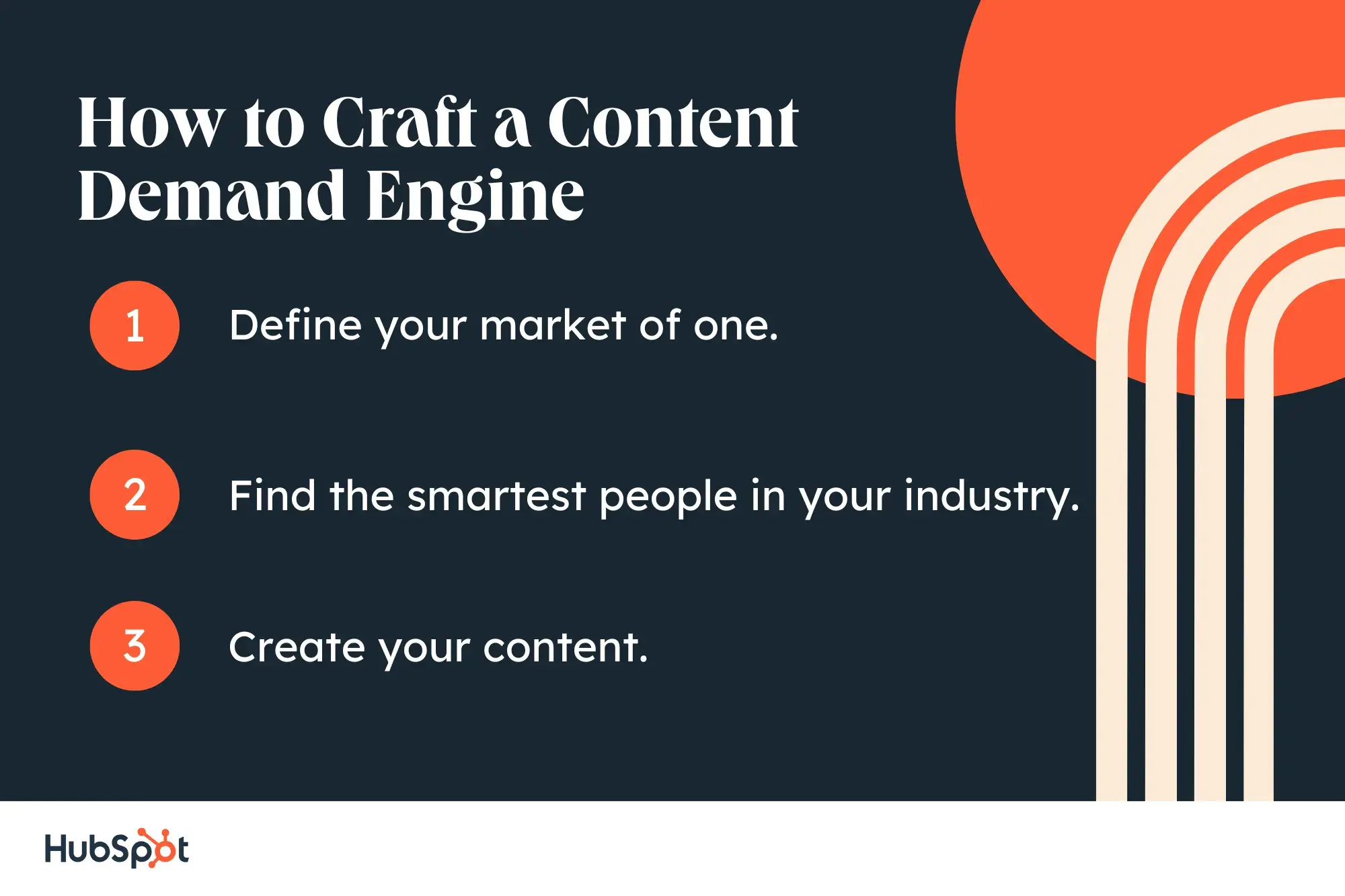
Categories B2B

The top inclusive marketing trends of 2025, according to Sonia Thompson

Welcome to Creator Columns, where we bring expert HubSpot Creator voices to the Blogs that inspire and help you grow better.

Brands have engaged in inclusive marketing for decades, but it is only in recent years that the practice has become more widespread.

As an inclusive marketing strategist and consultant, I’ve spent the last eight years observing trends in the space. There’s been a lot of evolution in recent years, both at the macro and micro levels, in how brands think about and apply inclusive marketing (or not).Download Now: Free State of Marketing Report [Updated for 2025]

Here are my top inclusive marketing trends and observations for 2025, backed by data from the HubSpot Blog’s recent Inclusive Marketing Report.

5 Inclusive Marketing Trends to Pay Attention To in 2025

1. More brands are investing in inclusive marketing.

I am constantly telling my clients that inclusive marketing is the future of marketing, and that future is materializing today: survey results show that 63% of businesses invest in inclusive marketing.

Brands can engage in inclusive marketing in many ways, and I get excited to see more and more examples in my work and when I’m out and about as a consumer.

For example, I was recently in Mexico, and I saw several vendors engaging in inclusive marketing in the form of personalizable, handmade bracelets that featured U.S. organizations, like, “The Divine Nine” (a group of historically Black fraternities and sororities) and regional representation of U.S. college and professional football teams.

bracelets

I think inclusive marketing is growing in prominence because consumers have a variety of different identities and brands that want to engage them are realizing that continuing to take a “general market” approach won’t work.

Camila Victoriano is the Chief Content Officer and co-founder of Sonoro, a fast-growing media company that makes culturally relevant audio content with Latino creators and brings it to life in film, TV, and beyond. The brand recently announced an original podcast series with Toyota Corolla, designed to reach young Latino consumers.

Victoriano told me “The most important thing that you cannot erase, ignore, or disregard is the fact that the world is changing. And it’s looking a lot different, and it’s looking a lot more multicultural. And so if you are a brand and you have a product that you want people to buy, you need those people. Those are the people that are going to be buying.”

If you aren’t investing in updating your marketing strategies to be more inclusive, I suggest making this the year that you start. Get going by identifying a specific community you want to engage. Then develop a deeper degree of intimacy with them so you understand more about their needs, desires, fears, and frustrations. Then work to infuse your insights throughout your marketing mix. Taking this approach will support you in being more effective with your inclusive marketing, and helps you avoid tokenization (including a community just to be able to say you included them).

This video goes more in depth about what tokenization is, how brands commonly engage in it, and how to avoid it.

2. Consumers expect brands to be inclusive.

One of the reasons so many more brands are engaging in inclusive marketing is because consumers expect it. In fact, 74% of marketers agree that they’ve noticed a shift in consumer demand for inclusive marketing.

Gone are the days when consumers from underrepresented and underserved communities just take what brands offer them. They are letting their needs and desires be known, and brands are responding to those voices.

In summer of 2024, retailer Forever 21 had to respond to outrage from consumers over what they felt was a substandard experience for shoppers with larger body types.

In the comments of the post, consumers continued to share their expectations of what a good experience should look like for the brand. One commenter wrote, “Same clothes, same rack, same sections, our size. Hopeful of your action toward inclusivity.” 

Another wrote, “Plus sizes should be in every store and should be dispersed by item like every other piece of clothing, not pushed into a dark and dingy corner in the back.” Another added, “Have girls that are ACTUALLY plus size girls be models! There’s never been a girl that looked like my body type in the media and it’s time!”

I think you’ll find that your existing customers have already thought about what they want from your business, and you can start by talking to them to gain a better understanding of their identity-based needs, desires, and expectations for your brand. 

3. Brands investing in inclusive marketing are seeing a positive business impact.

Inclusive marketing isn’t just the right thing to do —it’s a growth lever for your brand. Doing a better job of serving a broader consumer base leads to higher customer acquisition and retention rates.

HubSpot research confirmed this as well: 96% of respondents whose companies invest in inclusive marketing say it impacts their business success.

I see real-life evidence of the benefit of inclusive marketing in The Sports Bra, a bar in Portland, WA, that only plays women’s sports on TV.  It earned more than $1M in its first eight months of business, and its wild success of catering to a highly underrepresented community attracted high-profile investors eager to help the business grow  through franchising.

My tip is to look deeper at the consumers with the pain points your brand solves. Identify which identities are currently underrepresented and underserved by your brand and others in your industry, then brainstorm ways to serve this audience like none other.

4. Brands aren’t as effective as they could be with inclusive marketing.

When done well, inclusive marketing has proven to produce positive business results. However, results aren’t automatic just because a brand decides to start marketing to underrepresented and underserved communities.

I  like to use this analogy: Just because you invite someone to your party doesn’t mean they will just show up eagerly, especially if you have a long history of not extending invitations to them.

Case in point:  just 32% of marketing professionals whose companies invest in inclusive marketing felt their marketing efforts were very successful, while 61% said they were somewhat successful.

When I’m doing inclusive marketing audits, I almost always find examples of friction-filled experiences that negatively impact conversions of people from the underserved communities brands are trying to reach.

There are a number of reasons why brands who engage in inclusive marketing aren’t as effective as they could be, including budget limitations (38%), fear of resistance and blowback from consumers and the general public (28%), and even concerns about getting inclusive marketing wrong (25%).

Inclusive marketing has many benefits, and taking the time to do it right is worth it. When you do, you’ll see even greater returns on your investment. One study showed that brands whose ads were most effective from a cultural inclusion perspective showed increases across key performance indicators, including 69% in purchase intent, 67% in brand trust, 49% in brand affinity, and 43% in brand recommendations. 

Regarding budget constraints, I advise my clients to double down and focus on building case studies with unignorable results, showing that further investment in inclusive marketing is warranted.

I also advise clients that fear of backlash and concerns about getting it wrong resolve themselves if they engage in inclusive marketing effectively. Following best practices like deepening relationships with the groups you want to serve and producing products and experiences that are truly authentic demonstrates that your brand sees and supports them, not that you’re tokenizing them.

5. Brands have a limited view of what effective inclusive marketing is.

Even though inclusive marketing isn’t a new concept, the reality is that inclusive marketing as a competency among marketers is still very much in its early stages. 

Inclusive marketing is all about acknowledging the many ways in which consumers are different, intentionally choosing which identities your brand will serve, and then incorporating those identities throughout all areas of your marketing mix.

Most brands engage in inclusive marketing in a few key areas of their overall marketing mix, and survey results showed that the most popular adoptions are: 

  • Inclusive imagery (74%)
  • Accessible web design (44%)
  • Using inclusive language (36%)
  • Awareness month campaigns (36%)
  • Multicultural campaigns (26%)
  • Inclusivity in overall brand image (20%)

I don’t think there’s anything wrong with engaging in inclusive marketing in this way; it’s just very much focused on communications. There’s missed opportunity for inclusive approaches in other areas, like:

  • Inclusive product design
  • Inclusion in distribution channels and modes of discovery
  • Product positioning
  • Inclusive pricing

Throughout all these areas, the customer experience can be optimized for different communities to reduce friction, increase conversions, increase customer success, and increase customer retention.

Inclusive marketing is just good marketing. To be even more effective, don’t just limit it to how your brand communicates and through your visuals;infuse it into every part of your brand.

To expand your view of where inclusive marketing fits in your brand, I recommend listing out all the different forms of marketing you and your teams engage in. Then, workshop how to make each component of your marketing mix appeal to a broader base of consumers. 

To help you get started, check out this episode of the Inclusion & Marketing podcast for inspiration. In it, I walk you through how to infuse inclusion into your SEO strategy.

It’s Time to Go Deeper With Inclusive Marketing

The way we do marketing continues to evolve. With each passing year it becomes less of an “optional” thing to do, and more of a “must do” to stay relevant and grow. 

Both your business and your customers need you to go all in with inclusive marketing. When you do, you’ll see the positive impact it has both on your customers and your brand’s results.