Categories B2B

What Is Content Operations? A Straight-Forward Guide

In a 1996 essay, Bill Gates wrote, “Content is king,” and what was true then is still true now. Content is necessary to the success of a business.

If the content is the king, we could say its operations are the queen — or at least a knight. Imagine a startup that wants to create a blog post. It’s a timely post that needs to be up before the end of Q1. Because the startup is new, it hasn’t established concrete operations for blog content. So, the post sits in a Google document with no plan for who uploads the content or what blog platform will host the information. The business has a content writer, but operations don’t typically end there.

Download Now: Free Content Marketing Planning Templates

Blog posts aren’t the only content option there are. You can incorporate over a dozen different content types, including email, videos, social media posts, podcasts, infographics, and other visual content to increase brand awareness. Without content operations, though, this content likely has no plan for production, publication, or distribution. And what good is a blog post if no one reads it?

If the goal is to post content daily, then you’ll need to identify who is performing the work? What methods are they using? What systems are necessary to get the job done?

One department is the solution to these questions — content operations.

Content operations focus on three elements:

  • People: who is performing a task and what their roles and responsibilities are.
  • Process: what functions are needed to complete a project successfully.
  • Technology: what tools help build out a content operations system.

People

In content and content operations, the people are the foundation. While customers sit at the center of content, the operations aspect focuses on the company and its team. Roles and responsibilities should be well-defined and outlined to keep the system running smoothly.

The first step is defining clear roles. Content teams have content strategists, managers, creators, editors, and more. For example, the content creation department might break down into specialized positions — content writers, graphic designers, and photographers. Although these are typical roles, some content roles and responsibilities may overlap. Content writers and editors have distinct differences. Depending on the team and its bandwidth, your writers may be responsible for editing their work. It is best to avoid overlap; however, that is sometimes impossible. As long as the roles and responsibilities are clear, the team and its operations should function successfully.

Process

Once you have a team in place, how will you get your projects from start to finish? Your people need processes. Your team — and their roles and responsibilities — will help determine workflows to keep your content moving from planning to publishing.

Say you were publishing a blog post. A sample process might go as follows:

  • Step 1: Strategize and generate the idea.
  • Step 2: Set a timeline and schedule for the post.
  • Step 3: Write the post.
  • Step 4: Edit the grammar and content.
  • Step 5: Add graphics.
  • Step 6: Optimize the post for SEO.
  • Step 7: Publish.
  • Step 8: Share.
  • Step 9: Analyze.

If one of the steps in this process falls through, it impacts the overall success of the operation. Style guidelines, templates, and content governance models strengthen processes and promote accountability and consistency. These frameworks help keep content on track, but they need to be used with technology to ensure content operations are running smoothly.

Technology

The last key to successful content operations is technology or the necessary tools for accomplishing each task. Because the planning and execution of content are so extensive, teams require multiple resources to be successful.

The technology for content operations can fall into categories such as:

  • Project Management & Scheduling
  • Task Management
  • Content Execution
  • Analytics & Reports

Project Management & Scheduling

All content should appear in an editorial calendar. It is a high-level calendar that keeps track of where, how, and most specifically, when content publishes. Not to be confused with scheduling tools that send out timed posts, like Hootsuite or Sprout Social, tools for project management and scheduling include Monday and Asana.

Task Management

Monday and Asana are also great examples of task management tools. These platforms allow for the building, following, and executing of content operations by the team.

Content Execution

Content operations also require the technology needed to execute a task. What is the team using to get the job done? Writers need access to word processing tools, like Microsoft Word or Google Docs. Alternatively, designers might need a variety of web and graphic design tools like Adobe Photoshop or Canva.

Analytics & Reports

Analyzing and reporting is usually the last step in a content life cycle. Analysis tools measure your content and its success. WordPress, the world’s biggest blogging platform, has its analytics capabilities while thousands of companies, including General Electric and NASA, use Google Analytics to monitor their content and traffic.

Who benefits from content operations?

This is a simple question with a simple answer — everyone. Content operations provide stability and consistency at every level. Upper management personnel, like a CEO, know that the business is operating efficiently, which has a positive reflection on the company as a whole.

Content operations also benefit the members of the team who are directly involved. Team members can use clearly defined responsibilities and processes to work confidently in their roles. It can boost both workplace culture and quality of work.

Lastly, and possibly most importantly, the final group that benefits from content operations are consumers. Content is one of the biggest tools companies use to keep current and potential customers engaged. Blog posts provide valuable information and tips. Emails inform them of current or upcoming sales and promotions. As customers build relationships with businesses, they have expectations. Content operations help meet them.

Why do content operations matter?

Content operations lead to results, and they result in:

  • Saving time and money
  • Better quality content
  • Producing content faster
  • Happy and confident teams

Saving Time And Money

When a content operations team establishes a sound cycle between people, processes, and technology, it leads to efficiency. Efficiency saves time and money. Content operations allow companies to save time by reducing the time needed to get content created, approved, and published. Companies save money when their team can produce content according to schedule without additional resources, for example, extra labor or tools.

Better Quality Content

Content operations promote better quality content. Teams uphold standards for accurate, consistent, and impactful content with a structured content cycle process.

Producing Content Faster

While there should always be a focus on quality content, that content needs to get out quickly. Not all content is evergreen. When faced with an immovable deadline, content operations keep teams on schedule.

Happy And Confident Teams

When team members are unhappy or confused about their roles, responsibilities, or resources, their work may reflect it. Not only does content operations promote accountability and structure, but it allows teams to become confident in their position. It breeds a positive and happy workplace environment for all involved.

Content Operations Manager

At the head of content operation sits the content operations manager. While the title can vary from business to business, the job function is the same. The content operations manager oversees the day-to-day operations of the content team to ensure that the necessary people, process, and technology execute the content strategy.

To accomplish their overall goal, content operations managers might also be responsible for:

  • Choosing the technology and tools to support operations
  • Creating and managing company policies and procedures
  • Streamlining content processes
  • Recruiting and hiring content staff members
  • Training new staff members

In summary, the work of a content operations manager has less to do with actual content and more to do with the people, processes, and technology needed to plan, create, and publish it.

The Three Words Of Content Operations

To understand content operations, remember these three words — people, process, and technology. As long as the right people are in place, with knowledge of the processes and access to the technology, the content operations of a company should run smoothly and successfully.

Blog - Content Mapping Template

New Call-to-action

Categories B2B

What Is B2B Marketing Automation Plus the Best Software

Marketing automation allows your team to increase productivity while simultaneously nurturing more leads.

Within the category of marketing automation tools are B2B marketing automation tools — software that’s ideal for the B2B marketer.

Get Started with HubSpot's Marketing Software for Free

B2B Marketing Automation

B2B marketing automation allows you to streamline marketing tasks and role responsibilities through workflows and triggers. B2B marketing automation is meant to help your team stay productive and efficient while nurturing your leads.

B2B Marketing Automation Examples

Here are some examples of how you might use B2B marketing automation on your team.

  1. Trigger follow-up workflows after leads visit high-intent web pages (e.g. product page, pricing page).
  2. Create educational workflows to send to your new customers — included educational resources may include videos, how-to articles, and knowledge base articles about how they can accomplish basic tasks.
  3. Nurture leads with content that shows you’re a thought-leader in the industry and is also tailored to their specific needs and goals. This will help you show your prospects that you’re the right solution for them.
  4. Set up rewards for loyal brand advocates — for example, send a discount code to a customer after they successfully refer a new customer or complete a certain number of purchases.
  5. Set up email campaigns with lead nurturing so you can better understand which campaigns work best among your audience while also having the ability to manage a higher volume of leads.
  6. Trigger notifications to internal team members when a prospect takes a specific action.
  7. Set up workflows for webhooks, lead scoring, and lead rotation (to Sales).
  8. Automatically complete data fields and update current data to avoid the need for any manual entry.

B2B Marketing Automation Software

1. HubSpot Marketing Automation Software

b2b marketing automation: hubspot marketing automation software

Price

HubSpot Marketing Hub comes in a free-forever version. For omnichannel marketing automation, you’ll need a Professional plan ($800/mo) or an Enterprise plan ($3,200/mo).

Key Features

With HubSpot, you can create and automate beautiful and customized email drip campaigns to help you nurture prospects. The tool will help you send the right type of email to the right prospect at the right time based on audience criteria.

Use the visual editor to easily create workflows and use advanced segmentation logic to determine which audience members should be enrolled in your workflows. HubSpot makes it easy to personalize emails for your recipients in those workflows by pulling contact information from your HubSpot CRM.

You can implement workflows and triggers for lead scoring, lead rotation, webhook creation, data entry, and internal notifications (e.g. notify your sales team when a prospect completes a certain action).

2. Versium Reach

B2b marketing automation: Versium Reach

Price

There are B2B Digital and B2B Direct plans that start at $300/mo/billed annually. There are also pay-as-you-go plans.

Key Features

Versium Reach makes it easy to visualize marketing data. As a B2B marketer, you can view a snapshot of leads so they can effectively tailor content and other marketing materials to them throughout the different stages of the buyer’s journey.

You can also create targeted B2B audiences that you can reuse across all of your digital marketing platforms.

Versium Reach also automatically manages your data for you — it surfaces your ideal targets for you so you don’t have to review multiple data sources.

3. Marketo Engage

b2b marketing automation software: marketo engage

Source

Price

Contact Sales for pricing.

Key Features

Marketo Engage is a B2B marketing tool that allows you to segment your audiences and enrich your audience data with engagement information and integrated customer profiles.

Experience automation nurtures your audience and scores engagement throughout the buyer’s journey. It provides tailored content that feels personal for audience members at scale with the help of artificial intelligence.

4. ActiveCampaign

b2b marketing automation: activecampaign

Price 

There are four plans all ranging in price based on the number of contacts that you have and the features you need. Plans start at $9/mo.

Key Features

ActiveCampaign’s Marketing Automation tool gives you the ability to automate a number of tasks such as sending welcome email campaigns and tracking engagement (by using engagement tags, custom fields, and more). 

ActiveCampaign pulls in information about your audience from all of the channels they have access to including social media, live chat, web pages, and SMS. It automatically identifies your most engaged audience members 

Begin Using B2B Marketing Automation

B2B marketing automation has the power to save your B2B marketing team time, increase their productivity, and help them reach and resonate with more qualified leads. So, find the right tool for your team and begin using B2B marketing automation. 

Free Resource: How to Reach & Engage Your Audience on Facebook

Categories B2B

10 Great Examples of Welcome Emails to Inspire Your Own Strategy

We’ve all heard how important it is to make a good first impression.

Show up late for a job interview? That’s a bad first impression. Eat a ton of garlic and forget to brush your teeth before a first date? Also a bad first impression.

It turns out that the “make a good first impression” principle holds true not only in face-to-face encounters but email interactions as well. The result? The right welcome email goes a long way to connect with potential business contacts or customers.

→ Download Now: 8 Free Customer Onboarding Templates [Free Kit]

When you send a welcome email to a new blog reader, newsletter subscriber, or customer, you’re making a first impression on behalf of your brand. To help ensure you’re making the best first impression possible, we’ve rounded up some examples of standout welcome emails from brands big and small.

Pro Tip: Use HubSpot’s free email marketing software to easily create a high-quality welcome email sequence like the ones featured below.

free welcome Email Template to send to customers

As you’ll soon discover, each example below showcases different tactics and strategies for engaging new email subscribers. Let’s dive in.

The Components of an Impressive Welcome Email

What makes a great welcome email? While there’s no one-size-fits-all format, there are several key components that can help your email stand out from the crowd and connect with your intended audience. These include:

Compelling Subject Lines

The first step in making a great first impression? Make sure recipients actually open your emails. subject lines are critical — opt for short and to the point subjects that make it clear what you’re sending, who it’s from, and why it matters to potential customers.

Content Recommendations

While the main purpose of welcome emails is to introduce your brand, it’s also critical to add value by providing the next steps for interested customers. A good place to start is by offering links to the great content on your website that will give your customers more context if they’re curious about what you do and how you do it.

Custom Offers

Personalization can help your welcome emails stand out from the pack. By providing customized introductory offers on products consumers may want — based on the information they’ve provided or data available on public, social platforms — welcome emails can help drive ongoing interest.

Clear Opt-Out Options

It’s also important to provide a clear way out if users aren’t interested. Make sure all your welcome emails contain “unsubscribe” options that allow customers to select how much (or how little) contact they want from you going forward. If there’s one thing that sours a budding business relationship, it’s incessant emails that aren’t easy to stop. Always give customers a way to opt-out.

10 Examples of Standout Welcome Emails

So what does a great welcome email look like? We’ve collected some standout welcome message series examples that include getting started messages, thank you emails, and offer templates to help you take customers through the welcome process from start to finish — and make a great impression along the way.

1. Virgin America

Type of welcome: Get Started

Virgin America welcome email with a red CTA to get started

A welcome email is a perfect medium for introducing folks to the characteristics (and eccentricities) that make your brand unique.

For Virgin America, that means putting the “I love you” hand symbol front and center. This small gesture signals to the recipient that the folks at Virgin America care about their customers. The playful accompanying copy, “Welcome aboard,” and casual call-to-action, “Grab a seat,” also help to position Virgin America as a hip, fun-loving brand right off the bat.

2. Food52

Type of welcome: Get Started

Food52 welcome email with a gray CTA to get started

Sometimes the tiniest of elements in a welcome email can speak volumes about a brand. And when it comes to Food52’s welcome email, their preview text at the top of the email, “We brought snacks,” definitely accomplishes this.

Also known as a pre-header or snippet text, the preview text is the copy that gets pulled in from the body of an email and displayed next to (or beneath) the subject line in someone’s inbox. So when you see Food52’s welcome email in your inbox, you get a taste of their brand’s personality before you even open it.

preview_text-3.png

Food52’s welcome email also does a good job of building trust by putting a face (make that two faces) to their name. As soon as you open the email, you see a photograph and message from the company’s founders.

3. Monday.com

Type of welcome: Video

Monday.com welcome email with a link to watch a video by CEO Roy Man

From the subject line to the conversational tone in the email body, the welcome email above keeps it friendly and simple so the focus stays on the introductory video inside.

Monday.com is a task management tool for teams and businesses, and the welcome email you get when you sign up makes you feel like the CEO, Roy Man, is talking directly to you. The email even personalizes the opening greeting by using the recipient’s first name — this is well known for increasing email click-through rates (especially if the name is in the subject line).

The more you can make your email sound like a one-on-one conversation between you and your subscriber, the better. If you have just so many details you need to inform your new customer of, follow Monday.com’s lead and embed them in a video, rather than spelling them all out in the email itself.

4. Kate Spade

Type of welcome: Thank You

Kate Spade welcome email with orange envelope graphic saying thank you

Let’s face it: We, the internet-using public, are constantly bombarded with prompts to sign up for and subscribe to all sorts of email communications. So as a brand, when someone takes the time to sift through all the chaos in order to intentionally sign up for your email communications, it’s a big deal.

In order to acknowledge how grateful they are to the folks who actually take the time to subscribe, Kate Spade uses a simple — but effective — tactic with their welcome emails: They say “Thank You” in big, bold lettering. And by placing that “Thank You” on an envelope, Kate Spade recreates the feeling of receiving an actual thank-you letter in the mail. (The 15% off discount code doesn’t hurt either.)

5. Lyft

Type of welcome: Get Started

Lyft welcome email with pink CTA to get started

If there’s an ideal “attitude” that welcome emails should give off, Lyft has got it.

The company’s simple but vibrant welcome email, shown above, focuses entirely on the look and feel of the app, delivering a design that’s as warm and smooth as the lifts that Lyft wants to give you. At the same time, the email’s branded pink call-to-action draws your eyes toward the center of the page to “Take a Ride” — inviting language that doesn’t make you feel pressured as a new user.

6. IKEA

Type of welcome: Offer

IKEA welcome email with offer to join free membership

It might not be the most beautifully designed email on this list, but that doesn’t mean IKEA’s welcome email isn’t effective.

Instead of going for the hard sell (e.g., “By stuff now!”), or explaining what it is they do (which is something IKEA probably assumes most people already know), IKEA uses its welcome email to turn folks onto its other, lesser-known programs and content channels. For example, there’s a call-to-action right at the top that explains the value of its member benefits program. There are also prompts to visit their design blog and to contribute to their collaborative “Share Space” site.

Of course, if you’re not interested in any of that stuff, IKEA’s welcome email also makes it easy for you to simply log in and start shopping (there’s a login field right up top).

7. Michaels

Type of welcome: Offer

Michaels welcome email with offer of 20% off an entire purchase

The Michaels approach to the welcome email borrows elements from both Kate Spade and Virgin America. In addition to expressing gratitude to the folks who took the time to sign up, Michaels uses its welcome email to showcase the brand. And the company does a great job: The lengthy email feels like one big arts and crafts project, complete with paint, yarn, and chalkboards.

Another standout feature of this welcome email is that Michaels makes it immediately clear what value its future email communications are going to provide. After thanking subscribers, there’s this nice bit of copy that sums it up:

“We’re going to send fun stuff like DIY tips and tricks, invites to in-store events, and exclusive deals and coupons.”

8. Sphero

Type of welcome: Hello

Sphero welcome email with BB-8 Star Wars Droid saying hello

Sphero’s welcome email might in fact be the cutest one we’ve seen recently — and it was sent from a galaxy far, far away.

If you purchase a Bluetooth-controlled BB-8, the friendly Droid from Star Wars, it was probably made by Sphero. And if it was, you’ll have an email similar to the one above waiting in your inbox when you activate your new rolling companion.

This email’s subject line is what qualifies it for this list — “A little Droid told us you wanted our emails.” By cleverly personifying the product, and being somewhat candid about its email marketing newsletters, Sphero develops a relationship with its recipients through the product you just bought from them.

Besides showing you how to use your new BB-8 Droid with your smartphone, all this welcome email wanted to do was say hi — just like BB-8 himself.

9. InVision

Type of welcome: Video

InVision welcome email with link to watch video

When you sign up for InVision’s free prototyping app, the welcome email makes it very clear what your next step should be: using the app.

To facilitate this action, InVision’s welcome email doesn’t simply list out what you need to do in order to get started. Instead, it shows you what you need to do with a series of quick videos. Given the visual, interactive nature of the product, this makes a lot of sense.

10. Drift

Type of welcome: Get Started

Drift welcome email with link to get started

No fancy design work. No videos. No photos. The welcome email Drift sends out after signing up for their newsletter is a lesson in minimalism.

The email opens with a bit of candid commentary on the email itself. “Most people have really long welcome email sequences after you get on their email list,” Dave from Drift writes, before continuing: “Good news: we aren’t most people.” What follows is simply a bulleted list of the company’s most popular blog posts. And the only mention of the product comes in a brief postscript at the very end.

If you’re trying to craft a welcome email that’s non-interruptive, and that’s laser-focused on adding value vs. fluff, this is a great example to follow.

Bonus Example: HubSpot’s Welcome Email Templates

Need a little help getting your welcome email efforts off the ground? We’ve got you covered with welcome message templates to streamline the connection process. The example below is one of four templates offered in our free kit (which also includes 40+ customer email templates) and showcases a straightforward example of a great welcome email.

Simply fill in the details, tweak the text to reflect your brand voice, and start sending.

customer welcome emailDownload the kit now to start crafting the perfect series of welcome emails for new customers.

Now that you’ve seen some great examples of welcome emails, let’s dig into the process of writing a great email and catching customer attention.

1. Write a Catchy Subject Line

Research shows that while more than 90% of welcome emails are opened, just 23% are actually read. That means if your welcome email doesn’t catch the eye of your new customer, they may not know you sent it at all.

The best tool you can leverage to increase email open rates is the subject line. A catchy and actionable subject line can draw customers in and make them curious about your content.

When writing subject lines, be sure to include what your email is promoting and how it will benefit your customer. Remember to be concise because the reader will only be able to see a sentence or two in the preview. A good rule of thumb is that your subject line should provide enough information to peak the reader’s interest, but not enough so that they need to open your email for the full details.

2. Restate Your Value Proposition

Although this may seem like an unnecessary step to take, it can actually provide some significant benefits.

The most obvious benefit is that it provides the customer with some reassurance that they made the right decision signing up. It’s never a bad thing to remind customers why they created an account with you, and it clarifies exactly what they can expect to achieve with your product or service.

This also gives you the opportunity to clearly explain any ancillary services or features that you offer that could create more stickiness with your business. This is especially true if you have a complex solution with unique features that customers might not know about.

3. Show the Next Onboarding Steps

Now that you’ve reminded them why they signed up, get them fully set up with your product or service. Usually, there are steps that users must take after signing up to get the most out of the platform. Examples include:

  • Completing their profile information
  • Setting preferences
  • Uploading necessary information (e.g. contacts into a CRM, profile picture for a social media profile, etc.)
  • Upgrading their account or completing an order

4. Generate the “A-ha” Moment

This is one of the most important steps to take in a welcome email, and there’s a data-backed reason behind that. Former Facebook head of growth, Chamath Palihapitiya famously discovered that if you can get a user to acquire seven friends within 10 days, they were much more likely to see Facebook’s “core value” and become a returning active user. This is known as an “a-ha moment,” in which the customer understands how they benefit from using your product or service.

The goal is to get the user to this aha moment as quickly as possible so your product sticks and the customer achieves success as soon as possible. This will produce a better overall customer experience and ultimately help your business grow.

To get this done, first identify your business’s “core value” and the obstacles or prerequisites customers must complete to receive this value. Then you can use your welcome email to guide new customers through these tasks.

5. Add Helpful Resources

As mentioned in the previous step, you want the user to see the value immediately. But, customer success doesn’t stop there. Depending on the nature and complexity of your product, customers may need additional help. For example, customers might require guidance on troubleshooting, utilizing advanced features, or getting the most value out of your core features.

It’s likely that you’ve already created help content addressing common questions from customers. Whether it’s tutorial videos, an FAQ page, or helpful blog posts containing best practices, this help content is essential to customer success. Why not include it in your welcome email? This gives them the tools they need upfront without forcing them to search for the information after a problem arises.

6. Provide Customer Service Contact Information

The final step to setting your customers up for success is making sure that they know how to contact you. You can spend all the time in the world creating excellent help content, but you can’t foresee every possible problem that will arise for your customers.

Even if you could, customers are only human, and not all of them will be willing to pore through your help resources to find the answer to their question. So it’s best to be forthright with customers on how they can get in touch with you for additional help.

Adding this contact information to your welcome email is a great way to lay the foundation of trust needed for building a relationship. It drives customer loyalty and reassures readers that you are available if they need you. Avoid sending customers on a treasure hunt just to find a way to ask you a simple question. This will lead to frustration and send them into the arms of your competitors.

7. Conclude with a Call-to-Action

You should wrap up your welcome email with a call-to-action that entices customers to begin the onboarding process. After you’ve demonstrated your company’s value and explained how you’re going to help them achieve their goals, customers will be eager to get started. So, make things easier for them by providing a button at the end of the email that triggers the first step in the onboarding process.

Here’s one example of what this could look like.

Image Source

Making a Great First Impression

Bottom line? Whether it’s in-person, over the phone, or by email, first impressions matter. Your welcome email is often the first chance a prospective customer or contact has to see what your brand is all about and if you don’t stick the landing, they’ll likely go somewhere else.

Luckily, writing a great welcome email is simple. It’s not easy, necessarily, but if you focus on what matters — compelling subject lines, great content, personalized offers, and always, always a way to opt-out, your first impression can help lay the groundwork for long-term relationships.

Editor’s note: This post was originally published in April 2016 and has been updated for comprehensiveness.

customer onboarding templates

Categories B2B

3 Super Bowl Ads Consumers Loved in 2022 & What Marketers Can Learn from Them [New Data]

Each year, the Super Bowl teaches us a lot about healthy competition. But — we don’t always see it play out on the football field. 

In fact, when the commentators send us to a commercial break, that’s where some of the biggest game-day face-offs take place. While football teams compete for trophies, companies spend millions trying to get more views, leads, and revenue than other brands advertising in their industry on the same day.

Think about it. When haven’t you seen 10 competing car ads during one big game?

And, despite the noise of dozens of ads with blockbuster budgets, viewers might only recall just a few commercial spots. 

→ Access Now: Video Marketing Starter Pack [Free Kit]

If you’re a video marketer, even for a small brand, you can learn a lot from the top Super Bowl ads. Although they have budgets we couldn’t imagine, they still leverage creativity and cleverness that have allowed them to grow mass awareness and stand out among their fiercest competition.

To help you zone in on key takeaways from the Super Bowl ads that resonated most with viewers, we asked more than U.S. 150 consumers to vote on their favorite big-game ads within three major product categories this year.

Below are three consumer favorites, plus takeaways that any marketer can leverage to fend off their biggest competition.


The 3 Most Popular 2022 Super Bowl Ads, According to 150+ Viewers

Consumers’ Favorite Auto Company Commercial

Toyota: “The Joneses”

Everyone wants to keep up with the Joneses, aka the cool family, click, or group in the neighborhood that has all the best stuff. That’s potentially why 24% of consumers we surveyed enjoyed Toyota’s ad over other auto-company Super Bowl commercials.  

Toyota plays up the relatable need to keep up with the people you idolize by showing some of the most famous Joneses, including Rashida Jones, Tommy Lee Jones, and Leslie Jones, racing in Toyota Tundras. Quite literally, everyone in this ad is trying to keep up with the Joneses. When the race ends, the Joneses are surprised to see popular musician Nick Jonas pull up and say, “It’s keeping up with the Jonases now.”

While this commercial was boosted by a lot of star power, it’s easy-to-understand storyline offered a witty, yet effective message – “to keep up with the cool people, you’ll want to buy a Toyota Tundra.”

If you want to create a video marketing campaign that uses a similar strategy, consider telling stories of credible, notable, or somewhat popular people, micro-to-macro influencers, or thought leaders in your industry – and how your product has benefited them. This will boost trust and credibility towards your product or service, intrigue the fans of the people in your campaigns, and also let your audience know that people they strive to be like or learn from are using your offerings.

Consumers’ Favorite Tech, Telecom, or Software Brand Commercial

Verizon: Goodbye Cable

One of actor Jim Carrey‘s classically funny films was The Cable Guy. In the 1996 movie, Carrey’s character becomes infatuated with a client he’s fixing the cable for and keeps finding more fake reasons to fix the man’s cable and bond with him in his apartment.

During the 2022 Super Bowl, Verizon creatively plays up the film’s nostalgia by bringing back the somewhat-elusive Carrey for a mini-reboot where he comes to an apartment to set up a prospect’s cable and finds that she’s using Verizon 5G instead.

The cable prospect shows Carrey her internet setup and counters comments he offers, such as, “You must be locked into quite a contract.” and “This might be illegal… I’m gonna need to know who installed this! Who set this up?” As Carey’s character finally understands the value of Verizon 5G, he puts his hand up in the air and – kind of – admits defeat by saying, “Reception’s good, but I’ll be back tomorrow to check.

Although some viewers might not have seen the decades-old film, most people at least understand the ordeal cable customers face when trying to cut chords. As someone who’s tried to cut cable out of my life, I’ve been put through almost the same line of questioning by a cable company’s customer care team.

Ultimately, while Jim Carrey and the ad’s storyline make the commercial nostalgic, attention-grabbing, and fun, its message is still valuable and relatable to anyone who has or has had cable – even in 2022.

Consumers’ Favorite Food or Meal Service Commercial

Budweiser: “A Clydesdale’s Journey”

While most food and beverage brands focused their ad slots on their product during the Super Bowl, Budweiser – famous for its Clydesdale mascot – chose a different route. And, with most of the consumers we polled (18%) picking this ad as their favorite food or drink company commercial, Budweiser likely made a good choice.

Budweiser’s ad tells the story of a Clydesdale that hurts its leg in a jumping accident. The horse lies and moans sadly in a barn for days as farmers and a concerned dog look on. Just as the farmers, and Clydesdale’s dog friend, begin to show lost hope, the horse finds the strength to get up, walk out of the barn gallantly, and run full speed through pastures again.  

The commercial’s end text reads “In the land of the brave, down is never out.”


The ad from Budweiser, which didn’t buy space during last year’s Super Bowl, shares a story of hope and optimism which is also a metaphor for national resiliency and how America will eventually heal following years of difficult times and pandemic-related uncertainty.

Although Budweiser’s ad doesn’t highlight a product, it tells a memorable, relatable, and empowering story about the brand’s well-recognized mascot and enables the brand to flash its logo with viewers feeling entertained and hopeful. This is a great example of how a narrative can create an interesting break from a saturated stream of food brands – and stand out among consumers.

Takeaways for Video Marketers

While all the ads above featured celebrities, the stars didn’t necessarily make these ads stand out among consumers in an already-crowded stream of celebrity-filled ads.

In fact, the three ads highlighted above shared the following themes.

  • Relatability: All three ads, even Budweiser’s commercial about a Clydesdale, had a message that was relatable on a human level – making them more memorable andd interesting to watch.
  • Humor: While many Super Bowl ads in past years had heavier tones, two of the commercials on the list above – and many of this year’s ads – won audiences over with a lighter, optimistic, and funny tone.
  • Strong storylines: While most of the Super Bowl ads we saw had celebrity cameos in them, not all of them had memorable or intriguing storylines. The three above all had an interesting narrative that threw viewers into the action and left them wanting to know how the commercial would end.

Even without a million-dollar ad budget, you can keep these themes in mind, and create scaleable affordable video content that caters to them and really draws your audiences in.

Inspired by these ads, and want to revel in some of the best Super Bowl commercials of all time? Check out this post to learn more from the greats.

Or need help building your newly budgeted video marketing plan? Download the free resource below. 

Discover videos, templates, tips, and other resources dedicated to helping you  launch an effective video marketing strategy. 

Categories B2B

14 Free Personality Tests You Can Take Online Today

Personality tests are a great way to explore different aspects of who you are, and uncover layers you perhaps hadn’t recognized about yourself before.

Being truly self-aware is hard — while they might not be always 100% accurate, personality tests work well as a starting point for self-discovery by providing results you might not have concluded on your own. These insights are invaluable for personal and professional growth.

When you’ve got some downtime and want to explore aspects of who you are, why you make certain decisions, who you work well with, or get some guidance on potential career paths, take a look at the best free online personality tests we’ve compiled. 

Download Now: Free Company Culture Code Template 

Free Myers-Brigg Personality Tests

Myers-Briggs is a widely respected and popular personality assessment tool — first used in the 1940s, the test was developed by Katharine Cook Briggs and her daughter, Isabel Briggs Myers. Initially inspired by Jung’s personality theory, the Myers-Briggs test conveniently separates people into 16 categories of personalities, providing each person with a four-letter acronym.

The following four tests are broad-stroke indicators of who you are, using inspiration from Myers-Briggs. Among other things, the tests cover your communication styles, your strengths and weaknesses, your desires and ambitions, how you see the world, and how people perceive you.

If you’ve never taken a test based off Carl Gustav Jung’s psychological traits, or Myers-Briggs’ 16 categories of personalities, I’d suggest you take at least one of these. You’ll be surprised by the accuracy of some of the statements, and more importantly, you could gain insight into how your behavior is perceived by others, helping you improve both professional and personal relationships.

1. 16 Personalities

16 Personalities covers five broad personality aspects: mind, energy, nature, tactics and identity. The test is based on Carl Gustav Jung’s study of psychological traits (e.g. extroversion vs. introversion) and the Myers-Briggs test, two popular personality theories meant to determine an extensive overview of who you are.

Among other things, the test will cover how you communicate and relate to others — both professionally and personally — what you value and strive for, and how you make decisions. 16 Personalities has been taken over 126 million times, and is available in 30 languages.

Pros: Once you’ve gotten your results, you’ll find extensive information on your personality type including strengths and weaknesses, relationships, friendships, parenthood, and workplace habits. The test is incredibly accurate and can tell you how your personality type plays out in specific situations. 

Cons: With seven bubbles varying from “Agree” to “Disagree”, it can be difficult and time-consuming to figure out where exactly you fall on each question. A “Strongly agree,” “Agree”, “Neutral”,”Disagree”, and “Strongly disagree” chart might’ve been easier to answer. 

16 personalities free test you can take online

Best for: Learning how your personality type influences many different areas of your life, as well as how it impacts your relationships. 

2. Personality Perfect

Similar to 16 Personalities, Personality Perfect is also based on Jung’s and Myers-Briggs’ personality theories, and uses four broad categories — extraversion vs. introversion, sensing and intuition, thinking and feeling, and judging and perceiving — to compile a four-letter abbreviation of your personality type (e.g. “INFP”).

The test provides a broad overview of how you connect with others, how you behave, and, perhaps most surprising, how you’re likely seen by others.

Pros: Once you know your four-letter personality abbreviation, you can apply that label to various situations, like work and love, and determine how others’ perceive your behaviors in those settings. 

Cons: Tests that are based on Jung’s personality theories are typically considered rough tendencies, and not strict classifications — and many researchers say Myers-Briggs tests are unscientific due to the different results you might get if you take the test twice. 

personality perfect free test you can take online

Best for: Learning how others perceive you or how they might misinterpret your behaviors, and finding out what you value most. 

3. Human Metrics

If you’ve ever wondered which famous personalities share your personality type, you’re in luck — Human Metrics shows you that information, along with your four-letter personality type (again, based off Jung and Myers-Briggs theories).

With this test, you’ll get information about which career paths are most suitable for your personality type. If you’re having trouble choosing a career path or doubting the one you’ve chosen, maybe this test can help you figure it out.

Pros: This specific test allows you to see all 64 questions on one screen, which makes it easier to scroll back and change an answer if you’d like to. 

Cons: Many of these responses can feel situation-dependent. “You feel involved when watching TV soaps”, for instance, could depend on the show you’re watching, how you’re feeling that day (relaxed? overwhelmed?) and simply might not be a strong predictor of who you are as a person. 

human metrics free personality test you can take online

Best for: Determining a career path that is most well-suited for your personality. 

4. TestColor

Test Color, a test validated by a team of clinical psychologists, psychoanalysts and mathematicians, asks you just two questions: “Click on the colors you like most,” and “Click on the colors you like least.”

Test Color tells you about your emotional intelligence, your creativity and imagination, your social skills, and your work style, including organization and management styles. I found it to be surprisingly accurate: in two questions, it nailed how I communicate with others and how I act in group settings.

Pros: It’s incredibly quick and easy — taking roughly 5 minutes to complete. 

Cons: The results are relatively vague and general, and the test doesn’t divide your personality into categories depending on situation. (For instance, it doesn’t tell you the difference between your personality in work settings and romantic situations.) 

test color free personality test you can take online

Best for: Finding out the ratio of extraverted to introverted you are, plus getting short descriptions of the qualities that most characterize your personality. 

Free Disc Personality Tests

The DISC assessment determines where you lie on four DISC factors: dominance, influence, steadiness, and compliance. DISC is one of the most popular and authoritative career assessments out there, and many companies encourage their employees to take it.

Undoubtedly, personality affects our career ambitions, as well as how we perform in different workplace environments. If you’re particularly extraverted, maybe you’ve chosen a career path that enables you to work daily with large groups of people. If you have certain communication styles that rely on passivity and emotion, perhaps your boss’s direct statements sometimes offend you.

Arming yourself with a sense of self-awareness could help you find your optimal career path, foster better work relationships, and mitigate work conflict more effectively. Here are four career-focused tests to help you achieve higher work satisfaction.

1. Crystal

Crystal provides a free DISC assessment, which tells you (among other things) how your personality fits into your work environment, who you work well with, who you might have conflict with, how you perceive other’s behaviors, and how other’s perceive yours.

The test helps you understand how your own personality biases you towards certain colleagues (i.e. your personality might take another coworker’s comments offensively, while the coworker just believes in being direct), which could strengthen your work relationships.

Best of all, Crystal also offers an accurate personality test, enabling you to build an extensive personality profile on one website. Plus, when you input your company, Crystal lets you see your colleague’s personality profiles — undeniably critical information when you’re looking to empathize with a coworker.

Pros: Can be a useful tool for identifying areas to focus on for professional development and coaching. 

Cons: There has been no correlational study to show that test results match real-world job performance. 

crystal free personality test you can take online

Best for: Learning how your personality biases you towards colleagues’ behavior, and gaining a deeper understanding of your coworkers’ personalities. 

2. 123Test

123Test offers a DISC personality test you can take in five minutes, so there’s really no excuses. You’ll get a score to find out which DISC factors predict your behaviors towards other people.

The test offers critical information for understanding why you might get along better with one employee, and have more conflict with another. It identifies how you perceive other people’s actions (i.e. “You’re sensitive to her blunt nature, even though she believes she’s just being straightforward”), which can help you improve work relationships.

Pros: It’s incredibly quick and straightforward, and will give you a general sense for how you could misinterpret colleagues’ behaviors. 

Cons: With a few simple images (like the example, below), this test is less advanced than others in the list, and could provide different results every time you take it depending on your mood. 

123test free personality test you can take online

Best for: Analyzing and improving your relationships with coworkers. 

3. Truity Career Personality Profiler 

This test, based on the Holland Code and Big Five theories, will analyze your interests and personality traits and tell you careers (and college majors) that are a good match for you. It also lets you know about specific tasks and projects you’d love, what motivates you, and provides advice to help you maximize your strengths. 

Even if you’re happy with your current career track, the test provides suggestions for specific skills you could learn to get ahead in your career.

Pros: If you’re early in your career (or a college student), this is a good test for uncovering your interests and discovering potential career paths. Best of all, it lets you know which projects or tasks you’d enjoy — allowing you to mix-and-match and determine the ideal career based on your personal interests. 

Cons: It can be difficult to know what you’d enjoy doing if you’ve never done it. For instance, as a college student, I might not know how to answer whether or not I’d enjoy designing a magazine cover, if I’ve never experienced design work. 

truity career test free personality test you can take online

Best for: Figuring out an ideal career path, and learning which skills are required to excel in that career. 

4. Interpersonal Skills assessment

Having well-developed interpersonal skills is critical to forming deep and meaningful personal and professional relationships. Interpersonal Skills assesses your listening skills, verbal communication skills, ability to work in teams, and emotional intelligence.

Better yet, the test identifies areas of weakness and provides tactical advice on how to improve those skills.

Pros: After you’ve completed the test, Interpersonal Skills provides you with helpful resources to level-up your communication or listening skills. Resources include “An Introduction to Communication Skills” and “Advanced Communication Skills” ($13 each). And even without the resources, this is a quick and easy test for evaluating areas for improvement in your own communication style. 

Cons: To evaluate your listening skills, you might need to ask other people how they perceive you. Maybe you think you’re a good listener, but others disagree — if that’s the case, it can be difficult to accurately self-analyze your own skills for this test (or any others). 

interpersonal skills free personality test you can take online

Best for: Improving your communication and listening skills.

5. Sokanu

Major companies including General Assembly, NYU, and Redfin use Sokanu, a career assessment tool that tests you on your personality, background, interests, and goals to determine an ideal career path.

After you take the test, it provides you multiple matches, which you can sort through to explore different careers and workplaces before choosing an ideal match.

Pros: The test provides you with multiple options for careers that could fulfill you — which I appreciate, since it can be stressful to get to the end of a test and find out there’s only job that would make you happy.  Plus, Sokanu offers a library filled with over 1,000 careers, and explains what type of people thrive in them — and why.

Cons: If you don’t know much about what interests you professionally, it can be a difficult test to take. Question one, for instance, is “Would you like to… Advise organizations on how to meet their business goals?” As a high school student, I wouldn’t have any idea how to answer that question. 

Sokanu free personality test you can take online

Best for: Determining a few different career paths that could make you happy — and then having the opportunity to pick-and-choose from there. 

Free Emotional Intelligence Tests

Psychology Today defines emotional intelligence as, “the ability to identify and manage your own emotions and the emotions of others.” Arguably, having emotional intelligence is the most important factor in dealing with conflict and communicating with others.

It’s undeniable that emotional intelligence is important — in fact, research has shown success is 80-90% attributable to emotional intelligence (EI), and only 10-20% to your IQ.

In the workplace, whether you’re around coworkers in the midst of a stressful project, or dealing with a tough performance review from your boss, it’s critical you know how to both identify and handle your own emotions; it’s equally important you know how to read other people’s emotions, and manage them appropriately.

So let’s dive in. Below are four emotional intelligence tests to help you recognize your level of emotional intelligence, and also how to improve it.

1. Berkeley Emotional Intelligence

This test, designed by Berkeley, shows you 20 pictures and asks you to recognize the facial expression on each person’s face. It’s easy, quick, and fun, and an informative way to learn how well you read other people’s emotions — which is a critical skill for assessing and mitigating conflict.

Pros: It’s fun and easy, and correctly identifying people’s facial expressions is a scientifically-proven way to evaluate someone’s emotional intelligence (EI). 

Cons: 20 questions is a relatively short test to determine emotional intelligence, so the test is a good starting point, but might not offer a comprehensive view of your EI. 

berkeley emotional intelligence free personality test you can take online

Best for: Figuring out how well you analyze and interpret other people’s emotions — a vital component of strong emotional intelligence.

2. VeryWellMind

If you don’t have the time for anything more in-depth, this test only asks you 10 quick questions before delivering your results.

It’s admittedly not medical or scientific by any means, but does offer other articles depending on your score. If you score low, for example, VeryWellMind.com includes a link to another one of their articles, “Emotions and Types of Emotional Responses.”

Pros: Takes only a few minutes to complete, and the questions are straightforward and easy to answer. 

Cons: It’s easy and fun, but isn’t necessarily as accurate or scientific as the others in this list. 

verywellmind free personality test you can take online

Best for: A speedy gut-check on how emotionally intelligent you are, with resources to further your understanding. 

3. Empathy Quotient

Unlike the tests above, this one is designed to clinically assess you — the test was developed by Simon Baron-Cohen at the Autism Research Center at the University of Cambridge, and uses the same emotional measurements mental health professionals use to diagnose social impairment.

It’s a 60-item questionnaire and is suitable to measure “temperamental empathy” in adults.

Pros: It uses the same measurements that mental health professionals use to diagnose social impairments — meaning it’s accurate and scientifically-backed, and should provide you with a deeper understanding of your own empathy (and areas for improvement). 

Cons: The test requires you to have a certain level of self-awareness and understand how others’ perceive you. For instance, one statement is, “I am very blunt, which some people take to be rudeness, even though this is unintentional” — it might be difficult for someone to know whether their bluntness comes across as rudeness. 

Empathy Quotient free personality test you can take online

Best for: A more in-depth test to accurately analyze how emotionally intelligent you are. 

company culture template

Categories B2B

How to Use Excel’s INDEX/MATCH Formula With Multiple Criteria

Excel is an incredibly powerful software – if you know how to leverage it. With so many functions and formula options, there’s something new to learn every day.

The INDEX/MATCH formula can help you find data points quickly without having to manually search for them and risk making mistakes.

Download 10 Excel Templates for Marketers [Free Kit]

Let’s dive into how that formula works and review some helpful use cases.

Understanding INDEX and MATCH Functions Individually

Before you can understand how to use the INDEX and match formula, it’s valuable to know how each function works on its own. That will offer some clarity on how both work together once combined.

The INDEX function returns a value or the reference to a value within a table or range based on the rows and columns you specify. Think of this function as a GPS – it helps you find data within a document but first, you need to narrow down the search area using rows and columns.

The MATCH function identifies a specific item in a range of cells then returns the relative position of that item in the range or the exact match.

For instance, say the range A1:A4 contains the values 15, 28, 49, 90. You want to know how the number “49” is relative to all values within the range. You would write the formula =MATCH(49,A1:A4,0) and it would return the number 3 because it’s the third number in the range. The 0 in the formula represents “exact match.”

Now that we’ve got the basics out of the way, let’s get into how to combine the formula and use it for multiple criteria.

How to Use the INDEX and MATCH Formula with Multiple Criteria

The formula for the INDEX/MATCH formula is as follows:excel index match with multiple criteria formula

Here’s how each function works together: Match finds a value and gives you its location. It then feeds that information to the INDEX function, which turns that information into a result.

To see it in action, let’s use an example.

excel index match example

This Excel sheet features a marketing budget for two categories: Events and company swag gifts. There are four purposes: Public relations (PR), celebration, team outing, and rebranding. The sheet also includes the defined budget and the actual expense for each category.

This is where the INDEX and MATCH formula comes in handy when using it for multiple criteria. You can quickly find the answer(s) you’re looking for and limit mistakes that would happen when searching manually.

Say you want to know the variance for an event that had a purpose of celebration with a budget of 10,000 – here’s how you’d do it.

excel index match example

First, take note of the row numbers and columns. The answer you’re looking for will go in I8. Here’s how the formula will look:

excel index match formula multiple criteria

Let’s break down how you get there.

1. Create a separate section to write out your criteria.

excel index match with multiple criteria step 1The first step in this process is by listing out your criteria and the figure you’re looking for somewhere in your sheet. You’ll need this section later to create your formula.

2. Start with the INDEX.

how to use index match formula with multiple criteria step 2

The formula starts with your GPS, which is the INDEX function. You’re looking for the variance, so you select rows E4 through E9, as that is where the answer will be.

3. Add your ranges.

The more columns you have, the more ranges you’ll need to add to narrow down your results.

As a reminder, you’re looking for the variance for an event that had a $10,000 budget and had a purpose of celebration. This means that you’ll have to tell Excel which rows hold the

how to use index match formula with multiple criteria step 3

Starting with the “event,” criteria, you find it first in I4., with its range located in column A between rows 4 and 9.

Follow the same process for “celebration” – it’s in I5 and its range is B4 and B9. Lastly, the “$10,000” is in I6, with a range of C4 through C9.

The last step here is to add 0, which means you’re looking for an exact match.

That’s how you end up with this final formula:excel index match formula multiple criteria

4. Run the formula.

excel index match with multiple criteria step 4

Because this is an array formula, you must press Ctrl+Shift+Enter to get the right results, unless you are using Excel 365.

There you have it!

excel marketing templates

Categories B2B

How to Create An Effective Facebook Ad Strategy in 2022

When it comes to spending your advertising budget, you may be unsure how to get the most bang for your buck. After all, there are so many different advertising and marketing options out there. How do you know which will best suit your business, reach your desired audience, and give you the biggest return on your investment?

Even with all of the changes Facebook has undergone in the past few months, it’s still a great place to advertise your business. Ads are affordable and you have the ability to target your “ideal” customers. With approximately 1.93 billion people using this social media platform each day, you’re bound to reach the audience you’re looking for.

Download Now: Free Facebook Advertising Checklist

Like any marketing or advertising platform, you’ll want to go into this endeavor with a solid plan or strategy. Without one, you might as well be tossing flyers off a bridge and hoping for the best.

Facebook Ad Strategy 2022

If you’re new to advertising on Facebook, this landscape may look like a frightening new frontier where no business has gone before… but it’s not. There are more than 3 million businesses actively advertising on Facebook.

“Wait… then isn’t it oversaturated? Shouldn’t I advertise somewhere else?” There are so many advertisers on Facebook because it works. It’s an excellent way to reach your desired audience and inspire them to take action (ideally, purchasing your product).

Now, what you do need to know is that not all of those 3 million advertisers are successful. Many have failed to understand who their ideal customer is and how to target the people they want to sell to.  

As a result, the question isn’t whether you should advertise on Facebook. The question is, how do you advertise properly so the ROI is worth your time and money.

What to Know Before you Set Up your Facebook Ad

We get that you’re excited, but some pre-planning will help make your campaign much more successful.

First, you need to understand who your customer is.

  • Who are they?
  • What does their family situation look like?
  • How much do they make?
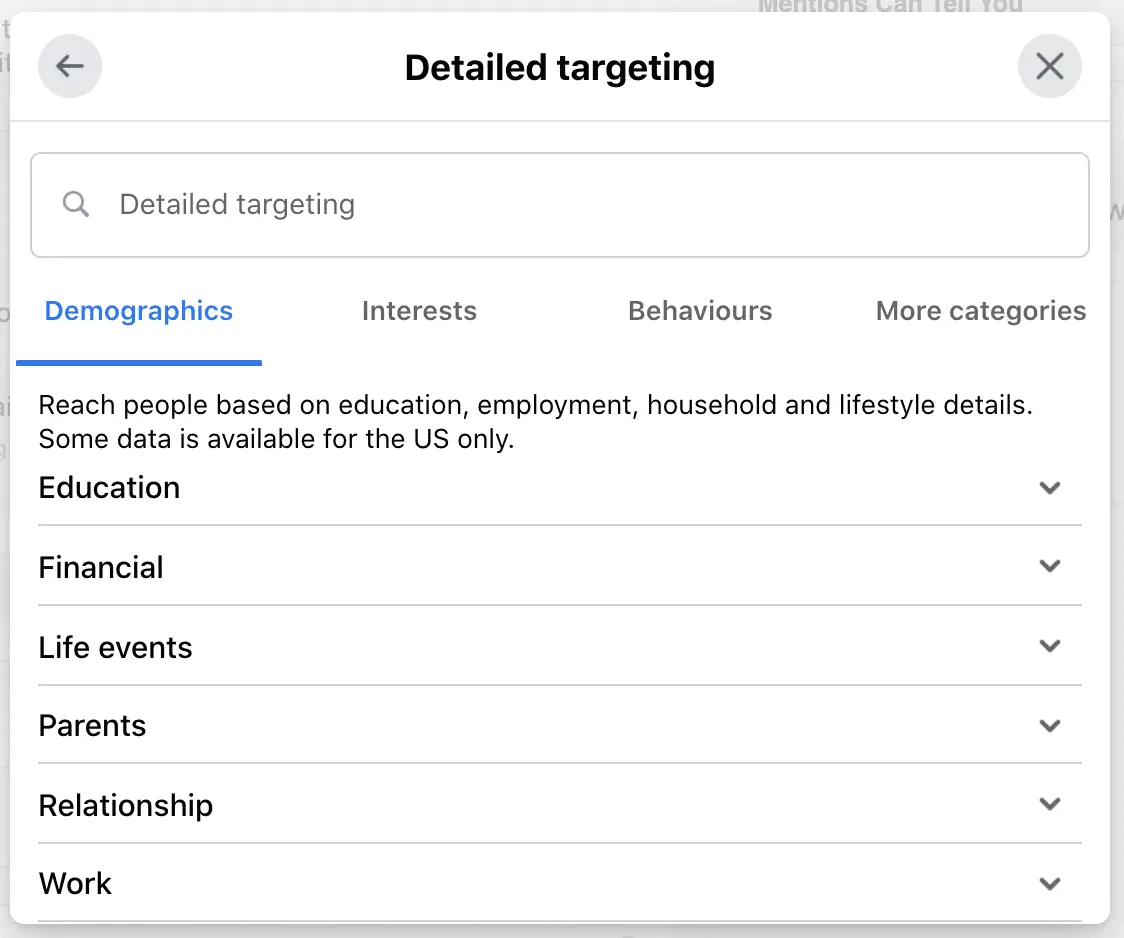
  • Where do they live? (Both geographically and whether or not they own or rent).
  • Where do they work?
  • How do they spend their free time?  

Once you understand who they are, you’ll want to take it one step further and understand how they think.

What keeps them up at night? How is their emotional state and what needs are they looking to have fulfilled? How do they identify themselves? The way they see themselves is often more important than how you see them (even if your view is more realistic).

Next, you’ll want to walk through the average customer journey. What steps do they take as they:

  • Recognize that they have a problem
  • Identify what that problem is
  • Discover potential solutions
  • Become aware of you as an option
  • Choose to purchase your product

For each customer, this journey may be slightly different. However, they generally fall into 3 categories:

  1. Awareness Phase (top of the funnel)
  2. Consideration Phase (middle of the funnel)
  3. Decision Phase (bottom of the funnel)

Why does this matter to you as an advertiser? Because you will tweak your content, offers, verbiage, and Call to Action based on whatever stage of the customer journey your potential buyer is in.

Finally, you’ll want to break your audience up into segments based on where they are situated in the customer journey. This will allow you to make the right offers to the right people at the right time.

Here are a few examples of potential audience segments:

  • Any new customers in the “prospects stage” are entering your funnel as warm leads because they are interested in your product.
  • Lukewarm leads visited your website but didn’t engage, you may wish to use Retargeting to remind them that you are there, waiting in the wings, with the solution to their problems.
  • Engaged blog readers like your blog and keep coming back for more. They’re more likely to share your content on Facebook or make a purchase.
  • Landing Page visitors came to a specific landing page and are therefore probably interested in that particular product.
  • Shopping cart abandoners were so close to making a purchase… but something stopped them. They may just need a gentle push to finish their purchase.
  • Return customers love your brand. They’ve already purchased from you in the past and come back time and time again for more. These customers can serve as brand advocates, singing your praises and recommending your product to their friends.  

As you learn more about your own audience, you may uncover different segments that will require different messaging.

Now, consider how your Facebook strategy will differ based on who you are advertising to and where they are in their journey (and in your funnel). Consider these possibilities.

  • When you are looking to attract prospects, you may create ads around your brand or content that will help them understand their problem (and position you as an expert).
  • As your goal shifts and you want to CONVERT the prospects, you will utilize contests and giveaways, free trial offers, and lead ads.
  • When it’s time to CLOSE the prospects, you’ll incorporate lead nurturing campaigns, discount offers, sales campaigns, and limited-time offers to encourage them to buy.
  • Once prospects become customers, it’s time to DELIGHT them with premium offers, referral programs, upsell campaigns, and helpful information about their purchases.

There’s one more step before we dive into Facebook Ad Strategy. It’s called a Facebook pixel and if you want to track your conversion (which you definitely do), you need to install it. The Facebook pixel is a string of tracking dots that you take from Facebook and embed in your website. It then tracks what visitors do when they get to your site. This allows you to better hone your advertisements based on actual user behavior.

Not super techy but still trying to handle your own website? Facebook has step-by-step instructions to help you install a Facebook pixel on your website.

Facebook Ad Strategies

Now that you’ve set up the foundation for strong Facebook Ads, we can take a look at different strategies you might employ with your advertising.

Depending on what audience segments you choose to target, these may not all fit the bill. Make sure to keep all of the audience research you did, in mind as you look through these options.

1. Combine Facebook Ads with Content Marketing

Many companies make the mistake of targeting warm leads with ads designed to turn them into paying customers. You know better. You know that a warm lead is not ready to buy from you yet. Instead of turning them off with straight sales offers, provide them with useful content that answers their questions, and solves their pain points. This needs to be short, interesting, and valuable. Be patient. Eventually, you will convert these warm leads into customers.

How do you do this?

  1. Create content.
  2. Share content on Facebook.
  3. Ask your team members (and maybe a handful of friends) to like and share the post.
  4. Boost your Facebook post so you can reach a wider audience.

2. Use Giveaways and Contests

Facebook contests needn’t focus on sales all the time. You can instead offer a potential high-value prize to create increased brand awareness that will pay off in the long run by bringing new leads into your conversion funnel. Before committing to a contest or giveaway strategy, review Facebook’s policies to ensure you aren’t violating any of their rules.

3. Use Lead Ads to Build Up your Marketing List

A large Facebook following is great, however, Facebook “owns” your contacts. If they decide to change their algorithm or shut down, you will lose access to those people.

Creating a lead magnet such as a free e-book or course and then running a lead ad, will help you build your marketing list. Consumers can enter their email address directly into Facebook (no added steps or friction during which you may lose them) in exchange for their free gift. You can then add their email to your marketing list and include them in your email marketing campaigns moving forward.

4. Incorporate Video Ads

If you’ve been running ads for a while and aren’t seeing the returns you’d hoped for, or you’re brand new to Facebook ads and want to try a few different options and see what works best for your situation, video ads may be just what you’re looking for.

Not only do people love videos, but they also have the lowest effective cost per click (eCPC) compared to other ad types. Need to sweeten the deal even more? Adobe found that “shoppers who view video are 1.81 times more likely to purchase than non-video viewers.”

5. Create Facebook and Google Ads

While many marketers see these platforms as one-or-the-other, Facebook and Google can actually complement each other quite nicely.

Once again, your strategy must depend on your campaign goals and the audience segment you’d like to target. For example, someone searching for a specific product, say a new computer, is likely ready to make a purchase and is simply researching their options. Using the right keywords and creating Google ads around them may be better than targeting warm leads on Facebook with increased brand awareness.

6. Utilize Facebook Mobile Ads

Before we go any further, is your website or landing page optimized for mobile viewing? This means that users will have a positive viewing experience no matter what device they use. If your site is not set up for this, you aren’t ready for mobile ads. Despite the fact that 94% of Facebook’s advertising revenues were generated via mobile, you will be throwing money out the proverbial window if you send potential customers to a site that causes them frustration.

When utilizing Facebook for your business, remember to connect your social media platform to your HubSpot account for convenient scheduling and easy-to-read reports.

Over to You

When it comes time to devise your Facebook ad strategy, the most important thing you can do is understand your audience better. All of the fancy strategies and new tricks won’t help if you don’t know who you are selling to and how close they are to making a purchase.

Spend some time getting to know your ideal customer, learning who they are, what they do, and what they want. Once you understand where your potential customers are in their buying journey, you can better usher them towards purchasing your product.

Facebook may have changed, but the value of understanding your customers never will.

New call-to-action

Categories B2B

9 Types of Organizational Structure Every Company Should Consider

Choosing the best organizational structure for your company, division, or team is a lot like picking out a new car.

At the most basic level, you’re always looking for something road-worthy — something that can take you (and your passengers) from point A to point B without a hitch.

But beyond that, there are a lot of options to consider. Automatic or manual? Four-wheel drive or two? Built-in GPS? Leather interior? Flux capacitor? (Only if you’re going back in time, of course.)→ Download Now: The Illustrated Guide to Org Charts [Free Guide + Templates]

In the world of organizational structures, the options you have to choose from include things like chain of command (long or short?), span of control (wide or narrow?), and centralization (centralized or decentralized decision-making?), just to name a few.

What’s the point of an organizational structure? As a business leader, do you even need one? As I said, org structures help you define at least three key elements of how your business is going to run.

As your company gets bigger, an organizational structure can also be helpful for new employees as they learn who manages what processes at your company.

Then, if you need to pivot or shift your leadership, you can visualize how the work flows would work by adjusting your organizational structure diagrams.

To put it simply, this chart is like a map that simply explains how your company works and how its roles are organized.

Here’s what each of those elements means to an organization:

Chain of Command

Your chain of command is how tasks are delegated and work is approved. An org structure allows you to define how many “rungs of the ladder” a particular department or business line should have. In other words, who tells whom to do what? And how are issues, requests, and proposals communicated up and down that ladder?

Span of Control

Your span of control can represent two things: who falls under a manager’s, well, management … and which tasks fall under a department’s responsibility.

Centralization

Centralization describes where decisions are ultimately made. Once you’ve established your chain of command, you’ll need to consider which people and departments have a say in each decision. A business can lean toward centralized, where final decisions are made by just one or two entities; or decentralized, where final decisions are made within the team or department in charge of carrying out that decision.

You might not need an org structure right away, but the more products you develop and people you hire, the harder it’ll be to lead your company without this crucial diagram.

(To dive deeper into what all of these different organizational structure components are, check out my earlier post, “The 6 Building Blocks of Organizational Structure.”)

In this post, we’ll explore how you can combine those components to form different types of organizational structures. We’ll also highlight the benefits and drawbacks of different structure types so you can evaluate which is the best option for your company, division, or team. Let’s dive in.

Mechanistic vs. Organic Organizational Structures

Organizational structures fall on a spectrum, with “mechanistic” at one end and
“organic” at the other.

Take a look at the diagram below. As you’ll probably be able to tell, the mechanistic structure represents the traditional, top-down approach to organizational structure, whereas the organic structure represents a more collaborative, flexible approach.

Mechanistic vs organic organizational structure, compared in two diagrams side by side

Here’s a breakdown of both ends of the structural spectrum, their advantages and disadvantages, and which types of businesses are suited for them.

Mechanistic Structure

Mechanistic structures, also called bureaucratic structures, are known for having narrow spans of control, as well as high centralization, specialization, and formalization. They’re also quite rigid in what specific departments are designed and permitted to do for the company.

This organizational structure is much more formal than organic structure, using specific standards and practices to govern every decision the business makes. And while this model does hold staff more accountable for their work, it can become a hindrance to the creativity and agility the organization needs to keep up with random changes in its market.

As daunting and inflexible as mechanistic structure sounds, the chain of command, whether long or short, is always clear under this model. As a company grows, it needs to make sure everyone (and every team) knows what’s expected of them. Teams collaborating with other teams as needed might help get a business off the ground in its early stages, but sustaining that growth — with more people and projects to keep track of — will eventually require some policymaking. In other words, keep mechanistic structure in your back pocket … you never know when you’ll need it.

Organic Structure

Organic structures (also known as “flat” structures) are known for their wide spans of control, decentralization, low specialization, and loose departmentalization. What’s that all mean? This model might have multiple teams answering to one person and taking on projects based on their importance and what the team is capable of — rather than what the team is designed to do.

As you can probably tell, this organizational structure is much less formal than mechanistic, and takes a bit of an ad-hoc approach to business needs. This can sometimes make the chain of command, whether long or short, difficult to decipher. And as a result, leaders might give certain projects the green light more quickly but cause confusion in a project’s division of labor.

Nonetheless, the flexibility that an organic structure allows for can be extremely helpful to a business that’s navigating a fast-moving industry, or simply trying to stabilize itself after a rough quarter. It also empowers employees to try new things and develop as professionals, making the organization’s workforce more powerful in the long run. Bottom line? Startups are often perfect for organic structure, since they’re simply trying to gain brand recognition and get their wheels off the ground.

Now, let’s uncover more specific types of organizational structures, most of which fall on the more traditional, mechanistic side of the spectrum.

Depending on the size of a business and its goals, the organizational structure of the team will vary. Each type has its advantages and disadvantages; however, there is a universal benefit to establishing a clear organizational structure. It helps employees understand their role within a company, which enables them to manage expectations and goals.


A business needs to have an organizational structure in place to be successful. There are several types of organizational structures commonly used by companies, nine of which we expand upon below.

1. Functional Organizational Structure

One of the most common types of organizational structures, the functional structure departmentalizes an organization based on common job functions.

An organization with a functional org structure, for instance, would group all of the marketers together in one department, group all of the salespeople together in a separate department, and group all of the customer service people together in a third department.

types of organizational structures: functional

Download this Template

The functional structure allows for a high degree of specialization for employees, and is easily scalable should the organization grow. Also this structure is mechanistic in nature — which has the potential to inhibit an employee’s growth — putting staff in skill-based departments can still allow them to delve deep into their field and find out what they’re good at.

Disadvantages

Functional structure also has the potential to create barriers between different functions — and it can be inefficient if the organization has a variety of different products or target markets. The barriers created between departments can also limit peoples’ knowledge of and communication with other departments, especially those that depend on other departments to succeed.

Advantages

Functional organization increases efficiency, provides stability, and boosts accountability. It allows departments — with employees who share similar skills and knowledge — to focus on their specialized tasks within their respective fields. Because the roles and responsibilities of this organizational structure example rarely change, department employees can consistently work on similar assignments and hone their skills.

The fixed structure of functional organization also operates through management. It provides employees with a chain of command. It guides communication between the team and keeps the team accountable.

2. Product-Based Divisional Structure

A divisional organizational structure is comprised of multiple, smaller functional structures (i.e. each division within a divisional structure can have its own marketing team, its own sales team, and so on). In this case — a product-based divisional structure — each division within the organization is dedicated to a particular product line.

types of organizational structures: product-basedDownload this Template

This type of structure is ideal for organizations with multiple products and can help shorten product development cycles. This allows small businesses to go to market with new offerings fast.

Disadvantages

It can be difficult to scale under a product-based divisional structure, and the organization could end up with duplicate resources as different divisions strive to develop new offerings.

Advantages

Companies and their employees can experience the benefits of the product-based divisional structure. If one division performs poorly, this does not automatically translate across the organization. Because of their separation, divisions may flourish (or fail) concurrently. This system allows companies to mitigate risk.

3. Market-Based Divisional Structure

Another variety of the divisional organizational structure is the market-based structure, wherein the divisions of an organization are based around markets, industries, or customer types.

types of organizational structures: market-basedDownload this Template

The market-based structure is ideal for an organization that has products or services that are unique to specific market segments, and is particularly effective if that organization has advanced knowledge of those segments. This organizational structure also keeps the business constantly aware of demand changes among its different audience segments.

Disadvantages

Too much autonomy within each market-based team can lead to divisions developing systems that are incompatible with one another. Divisions might also end up inadvertently duplicating activities that other divisions are already handling.

Advantages

Because this organizational structure focuses on specific market segments, it provides each division with autonomy. The divisions work separately, which allows employees to work independently and enables them to focus on the needs of their particular industry.

4. Geographical Divisional Structure

The geographical organizational structure establishes its divisions based on — you guessed it — geography. More specifically, the divisions of a geographical structure can include territories, regions, or districts.

types of organizational structures: divisional geographicalDownload this Template

This type of structure is best-suited to organizations that need to be near sources of supply and/or customers (e.g. for deliveries or for on-site support). It also brings together many forms of business expertise, allowing each geographical division to make decisions from more diverse points of view.

Disadvantages

The main downside of a geographical org structure: It can be easy for decision- making to become decentralized, as geographic divisions (which can be hundreds, if not thousands of miles away from corporate headquarters) often have a great deal of autonomy. And when you have more than one marketing department — one for each region — you run the risk of creating campaigns that compete with (and weaken) other divisions across your digital channels.

Advantages

Geographical divisions allow companies the advantage of catering to a specific customer. Based on the differences in language, culture, and customs one would find across the world, companies cannot necessarily expect the same operations to work in different locations. Not only does it allow organizations to tailor their approach based on geography, but it allows the division to react quickly and efficiently to any geographical market changes.

5. Process-Based Structure

Process-based organizational structures are designed around the end-to-end flow of different processes, such as “Research & Development,” “Customer Acquisition,” and “Order Fulfillment.” Unlike a strictly functional structure, a process-based structure considers not only the activities employees perform, but also how those different activities interact with one another.

In order to fully understand the diagram below, you need to look at it from left to right: The customer acquisition process can’t start until you have a fully developed product to sell. By the same token, the order fulfillment process can’t start until customers have been acquired and there are product orders to fill.

types of organizational structures: process-basedDownload the Template

Process-based organizational structure is ideal for improving the speed and efficiency of a business, and is best-suited for those in rapidly changing industries, as it is easily adaptable.

Disadvantages

Similar to a few other structures on this list, process-based structure can erect barriers between the different process groups. This leads to problems communicating and handing off work to other teams and employees.

Advantages

As mentioned, one of the most significant benefits of the process-based structure is that it increases efficiency and speed. If Department B cannot start its processes until Department A finishes, this compels Department A to work promptly and proficiently. This organizational model also promotes intradepartmental (within the department) and interdepartmental (across multiple departments) teamwork.

6. Matrix Structure

Unlike the other structures we’ve looked at so far, a matrix organizational structure doesn’t follow the traditional, hierarchical model. Instead, all employees (represented by the green boxes) have dual reporting relationships. Typically, there is a functional reporting line (shown in blue) as well as a product- based reporting line (shown in yellow).

When looking at a matrix structure org chart, solid lines represent strong, direct-reporting relationships, whereas dotted lines indicate that the relationship is secondary, or not as strong. In our example below, it’s clear that functional reporting takes precedence over product-based reporting.

types of organizational structures: matrixDownload the Template

The main appeal of the matrix structure is that it can provide both flexibility and more balanced decision-making (as there are two chains of command instead of just one). Having a single project overseen by more than one business line also creates opportunities for these business lines to share resources and communicate more openly with each other — things they might not otherwise be able to do regularly.

Disadvantages

The primary pitfall of the matrix organizational structure? Complexity. The more layers of approval employees have to go through, the more confused they can be about who they’re supposed to answer to. This confusion can ultimately cause frustration over who has authority over which decisions and products — and who’s responsible for those decisions when things go wrong.

Advantages

An advantage of a matrix structure is that it promotes collaboration and communication. This open line of communication ultimately allows businesses to share resources and allows employees to develop new skills from working with different departments.

7. Circular Structure

While it might appear drastically different from the other organizational structures highlighted in this section, the circular structure still relies on hierarchy, with higher-level employees occupying the inner rings of the circle and lower-level employees occupying the outer rings.

That being said, the leaders or executives in a circular organization aren’t seen as sitting atop the organization, sending directives down the chain of command. Instead, they’re at the center of the organization, spreading their vision outward.

types of organizational structures: circular

Download the Template

From an ideological perspective, a circular structure is meant to promote communication and the free flow of information between different parts of the organization. Whereas a traditional structure shows different departments or divisions as occupying individual, semi-autonomous branches, the circular structure depicts all divisions as being part of the same whole.

Disadvantages

From a practical perspective, the circular structure can be confusing, especially for new employees. Unlike with a more traditional, top-down structure, a circular structure can make it difficult for employees to figure out who they report to and how they’re meant to fit into the organization.

Advantages

Most examples of organizational structure have a top-down hierarchy. Alternatively, this type of structure follows an outward flow and contributes to information flowing freely across the business. Its benefits include keeping all employees aligned with the processes and goals of the company and encouraging employees to collaborate between departments.

8. Flat Structure

While a more traditional organizational structure might look more like a pyramid — with multiple tiers of supervisors, managers and directors between staff and leadership, the flat structure limits the levels of management so all staff are only a few steps away from leadership. It also might not always take the form or a pyramid, or any shape for that matter. As we mentioned earlier, It’s also a form of the “Organic Structure” we noted above.

types of organizational structures: flatThis structure is probably one of the most detailed, It’s also thought that employees can be more productive in an environment where there’s less hierarchy-related pressures. This structure might also make staff feel like the managers they do have are more like equals or team members rather than intimidating superiors.

Disadvantages

If there’s a time when teams in a flat organization disagree on something, such as a project, it can be hard to get aligned and back on track without executive decisions from a leader or manager. Because of how complicated the structure’s design is, it can be tricky to determine which manager an employee should go to if they need approval or an executive decision for something. So if you do choose to have a flat organization, you should have a clearly marked tier of management or path that employers can refer to when they run into these scenarios.

Advantages

The elimination of middle management employees defines the flat structure type. Its advantages are instantaneous. First, it reduces the expenses of the company. Second, it allows staff to build direct relationships with upper management. And lastly, it shortens the decision-making process.

9. Network Structure

A network structure is often created when one company works with another to share resources — or if your company has multiple locations with different functions and leadership. You might also use this structure to explain your company workflows if much of your staffing or services is outsourced to freelancers or multiple other businesses.

The structure looks nearly the same as the Divisional Structure, shown above. However, instead of offices, it might list outsourced services or satellite locations outside of the office.

If your company doesn’t do everything under one roof, this is a great way to show employees or stakeholders how outsourcing of off-site processes work. For example, if an employee needs help from a web developer for a blogging project and the company’s web developers are outsourced, the could look at this type of chart and know which office or which person to contact outside of their own work location.

Disadvantages

The shape of the chart can vary based on how many companies or locations you’re working with. If it’s not kept simple and clear, there may be a lot of confusion if multiple offices or freelancers do similar things. If you do outsource or have multiple office locations, make sure your org chart clearly states where each specific role and job function lies so someone can easily understand your basic company processes.

Advantages

The outsourcing nature of the network structure provides companies with the advantages of lower costs, more focus, and increased flexibility. Outsourcing allows organizations to save money, as they don’t have to bear the expense of setting up a department for the same purpose. It also gives companies the flexibility to change their processes and the ability to focus on their core functions.

Why is having an organizational structure important?

Imagine a business that has no organizational structure. Instantly, questions arise about the systems and processes. Who makes the decisions? How are employees held accountable? What are the company’s goals? These questions are practically impossible to answer without a functional organizational structure.

Organizational structure is necessary for running a successful business because it improves workflow and efficiency, promotes communication, identifies company needs, and aligns employees with company goals. It directly affects how a business operates daily. When a company establishes a structure that works, the combined efforts of its employees, in conjunction with its systems and processes, allow the company to make better decisions for its future.

Navigating Organizational Structures

Organizational structures are central to a successful team. Employees can move comfortably, confidently, and efficiently when given a clear definition of their role within an organization.

Structure types will vary from business to business, so it’s important to remember that these structures are not one size fits all. Every type may not suit your organization, but chances are, one of them will. Use this post to determine which organizational structure works for you, and then it’s time for the real work to begin.

Editor’s note: This post was originally published in December 2014 and has been updated for comprehensiveness.

New Call-to-action

Categories B2B

How to Write a Marketing Resume Hiring Managers Will Notice [Free 2022 Templates + Samples]

As we collectively enter into year three of the pandemic, the great resignation, and the “candidate’s market”, having a stand-out marketing resume is more important than ever.

It’s ironic, but despite knowing how to sell products and services, so many marketers have a hard time selling themselves. It can often be difficult to turn the spotlight inward, but this is a skill all marketers need to perfect if they want to grow in their careers.

→ Download Now: 12 Resume Templates [Free Download]

In this article, we’ll show you both new-aged and tried-and-true methods for building the perfect resume. You’ll find resume templates and examples that have worked for our team here at HubSpot and folks in successful careers at other companies.

How to Write a Marketing Resume

If you’re a marketer whose resume could use a little polish, don’t worry. With just a few resources and some actionable tips from hiring managers themselves, we’ll help you create a truly impressive marketing resume that’s sure to stand out to recruiters.

1. Start with a template.

To make things easy and increase your effectiveness, don’t start from scratch. Resume templates give you a starting place for layout and formatting as well as inspiration for what to include.

Featured Resource: 12 Free Resume Templates

resume templates

Download 12 free designed, formatted, and customizable resume templates here. Take a look at them, and then use the advice below to customize your resume and make it rise above the rest in the stack.

Alternatively, there are resume builder tools out there that can help as well.

2. Know your target audience.

You never start a marketing campaign without knowing who you want to reach. That’s because once you know your target audience, it’s easier for the other decisions to fall into place.

The same logic applies to your resume. If you know who will read it and what’s important to them, you can shape your message accordingly. To do this, you need to think about the type of job and company you’re hoping to work for.

Ask yourself questions like:

  • Is the job purely in inbound marketing, or will it require both traditional and digital work?
  • Will you be a specialist or a generalist?
  • Who is the employer — an agency with a buzzing digital marketing team in place already, or a small company looking to leverage the power of social media to grow their sales? Or maybe it’s a marketing department within a large and established corporation?

Once you’ve outlined what’s most important to the company and job you’re applying for, you can carefully target your resume to them. You’ll know what skills or traits to highlight, what keywords to use, and which parts of your background will be most interesting to the hiring manager. (For clues about which skills different marketing roles typically require, read this blog post on marketing job descriptions. You can borrow phrasing from those for your own resume.)

3. Define your unique value proposition.

You have a unique blend of skills, characteristics, and experiences that make you different from every marketer. To create a truly effective resume, you need to define exactly what this unique blend is — we’ll call this your value proposition.

To develop your own value proposition, think about what separates you from other marketers. Is it your in-depth knowledge of marketing analytics? Your ability to write irresistible headlines? Perhaps it’s your talent for creating compelling videos? Or maybe you have an impressive record of using social media to drive sales growth? Whatever it is, you can use it to set your resume apart from the crowd.

To a large extent, your value proposition depends on the type of positions and companies you’re targeting. Large and small companies often look for completely different skill sets, as do companies in different industries. So as you think about what makes you uniquely valuable, and how that aligns with the jobs you’re applying to.

4. Describe impact, not features.

One of the oldest copywriting tricks in the book is FAB (features, advantages, benefits).

By selling benefits over features, you’re better able to resonate with your audience because you’re actually painting a picture of what life will be like with the product or service.

The same goes for your resume.

When writing your resume copy, summarizing your experience, or formulating your objective, don’t simply rely on what you’ve done. Instead of creating a list of duties (features) under each role, outline your accomplishments (benefits). These provide a clearer picture of who they’re hiring if they choose you.

For example, instead of “Monitored SEO campaigns,” the following makes a much stronger statement: “Increased organic traffic by 56% in one quarter.”

As a result, the hiring manager is challenged to wonder, “What would life look like if we benefited from this impact?”

5. Determine your messaging strategy.

It’s crucial to determine your messaging strategy — before you write a single word of your resume. That’s what you do when you’re running a marketing campaign, isn’t it? Here are some of the things to think about:

  • What is the best structure for your resume in order to highlight your value proposition?
  • Which keywords will your ideal employer be looking for?
  • How can you give real-world examples of your value proposition in action? (Think about campaigns you’ve run, social media successes, ideas you developed, etc.)
  • What is the best layout and design to reinforce your message?

All these decisions should be made before you start writing, and they should all be made with your target audience in mind. That way you can be sure that when potential employers read your resume, it will immediately strike a chord.

If you want an example of great messaging in a resume, check out the example below. Look at the progression of roles and key accomplishments in those roles — it tells the applicant’s career story while also making them look exceptionally qualified.

professional experience and progression of roles on a marketing resume

6. Don’t overcomplicate things.

Just like the marketing adage says, “A confused mind says no.”

The best way to convey an idea is… simply. Even when the topic is complex.

With this in mind, consider what message you want to send and keep the copy clear and concise to support it.

Use the layout of your resume to help in this endeavor, and don’t be afraid to trim any unnecessary bits.

7. Make sure your resume gets seen.

If you don’t already have a connection at the company you’re applying to, you’ll most likely need to apply through a computer system. This process is what makes it so critical to upload it in a format that allows all recipients to read it as intended, like a PDF. That way, none of the original formatting or spacing is lost in translation, making it really difficult to read from a recruiter’s perspective. Although they’ll still have access to your resume, confusing formatting might distract them from the content.

Once you send in your resume, the computer service will scan it for relevant keywords that have been programmed in advance by the recruiter. Then, the system will either “pass” or “fail” you, depending on how many keywords and phrases are included in your resume that match what the recruiter’s looking for.

Don’t worry: Even if you “fail,” it doesn’t mean your resume won’t ever get seen by a real human. But it doesn’t look great, either — so try to foresee which keywords the recruiter will be looking for by making a note of all of the skills you have that are relevant to the job description.

Keywords to include might be the names of the social media sites you use, analytics or CRM systems you know, and software programs or SAAS systems you’re familiar with. Make sure you’ve included these terms as seamlessly as possible throughout your resume (where relevant), and add any outliers at the very bottom under a “Technical Skills” or “Digital Marketing Skills” section.

Sure, computers may be used in the initial screening process, but it’s humans — with real feelings, pet peeves, hobbies, relationships, experiences, and backgrounds — who are ultimately reading and evaluating our resumes.

They’re also the ones who get annoyed when we don’t put our employment record in chronological order; who just don’t feel like reading paragraph-long job descriptions; and who get excited when you went to the same college as them. So to get a sense of what really matters on a marketing resume, I asked some hiring experts what they actually care about when they scan resumes, and here’s the inside scoop on the tips they shared with me. (By the way, don’t miss out on what they said about cover letters at the end.)

1. Keep it brief.

Limit your resumes to one page if you can. It takes hiring managers six seconds to decide whether they like your resume or not. If they do, they’ll keep reading. If they don’t… well, it’s on to the next. So, chances are, they won’t even get to page two.

In some cases, bleeding onto another page is OK, especially if you have a lot of really relevant experience. But if you have to do that, just don’t exceed two pages. Remember, recruiters can always look at your LinkedIn profile for the full story. (Because you’ve completed your profile on LinkedIn, right?)

2. Use simple formatting.

Formatting speaks to the way candidates collect their thoughts and organize their ideas. As HubSpot’s VP of Sales Productivity and Enablement Andrew Quinn explains it, “A candidate’s resume is their ad to me. How are they structuring this ad so I get a clear picture of what they’re capable of?”

There’s a fine line, though. You have to strike a balance between making your resume stand out and keeping the formatting consistent.

Below is an example resume with great formatting that’s easy to read. If you like the format and want to use it as your own, you can find it among our free downloadable resume templates here.

marketing resume template with great formatting

If you’re a creative, you might be asking, “What about graphic-heavy resumes?” Here’s the general consensus on infographic resumes: Don’t make an infographic resume. Every hiring manager I spoke with advised sticking to the classic resume form instead of infographics or other formats.

Simply put, infographics are hard to understand. Creativity is encouraged when applying for design roles, but use your portfolio to let that skill shine. Plus, you’ll have a lot more wiggle room to show off your talents outside of a static medium like a PDF version of your resume.

Below is an example of a creative format that’s still easy to read and understand. It was made using the Apple desktop app iWork Pages, which can be exported as a PDF so none of that beautiful formatting gets messed up in translation.

marketing resume with creative format

3. Pay attention to the quality of your writing.

Hiring managers throw away resumes with spelling errors — but writing quality goes beyond just simple spelling mistakes. Writing and presenting data in meaningful ways is a critical skill for any position, from blogging to engineering.

Are the details you want hiring managers to know about you easy to consume? Do you use concise sentences to convey your performance and accomplishments? Are your verb tenses consistent (except for current positions)? Is your language overflowing with buzzwords, or does it sound natural? Are you making sure to use first-person without using “I” or “my”? (See #11 in this blog post to understand why that’s not okay.)

“Formatting, spelling, syntax, and structure are all evidence of attention to detail,” Quinn told me. “This is important for any job, but especially if you’re applying to a job where attention to detail matters.” If you’re applying for a writing position, this is even more important.

4. Include your location.

When it comes to location, hiring managers want to know if you’ll need to relocate. If you already live near the company’s office, great! If you would need to relocate, then there are more options both you and the hiring team will need to think through. Hiring managers can’t legally ask you directly where you live — but omitting your location may raise eyebrows. Even P.O. boxes could be concerning.

If you do need to relocate, you should still include your current, out-of-town city and state on your resume, but be prepared to answer relocation status questions in an interview. If the company doesn’t offer relocation packages or remote options, will you be able to afford to take the job and move anyway?

If not, you’re better off applying for roles in your area, roles that mention relocation assistance on the application, or roles that are remote-friendly.

5. Highlight your education intentionally.

Which is more important: Where you went to school, or what you studied?

It depends on the job you’re applying for and the level of the role within the company.

In most cases, your degree should make sense for the role. Hiring managers are looking for the tie-in; what’s relevant about what a candidate’s done in school. That doesn’t mean only marketing majors can apply to marketing jobs — marketing teams might hire someone who came out of creative studies like liberal arts, graphic design, or writing. An engineering team, on the other hand, probably won’t hire someone without a computer science degree.

marketing resume education section

It also depends on how successful you were at the school you attended. While there are some hiring managers who only give interviews to graduates of top-tier schools, most say it helps to go to a top-tier school, but it’s certainly not a deal-breaker if you went to a less popular school or a community college. A community college graduate with a 4.0 GPA could be more attractive than an Ivy League graduate with a 2.0.

Speaking of GPA — when to take it off your resume is subjective. If your GPA was below a 3.0, consider removing it altogether. If it’s higher than that, Quinn says, “The benchmark is five to seven years after graduation, which is when candidates tend to have a solid track record of employment. If you did well in school but had lackluster job prospects following graduation because of, say, a bad economy, you could definitely leave it on longer.”

marketing resume education section with gpa listed

It goes both ways, he explained: “If you had great jobs and accomplishments following graduation but didn’t have a good GPA, consider removing your GPA earlier.”

Three to five years after college or graduate school graduation, you can move your “Education” section to the bottom of your resume — unless you connected with someone through an alumni network or if you know an executive there who also went to your school.

The same thing applies if you haven’t completed your degree. Basha Coleman, Historical Optimization Marketing Manager at HubSpot adds, “Not every job requires a degree these days. Relevant work experience and transferrable skills are just as valuable. Focus on highlighting your experience so the hiring team can see your expertise.”

Want to take your marketing education to the next level and make your resume even more appealing to potential employers? Become a certified inbound marketing professional with HubSpot’s free marketing certification.

6. Be consistent with company names and job titles.

Hiring managers will look at where you’ve worked before (do they recognize the company names or know anyone who works there?) and your titles at those companies.

“If you’re applying for a sales position at a software company like HubSpot, we’re looking for experience selling software,” David Fernandez, former Recruiting Team Lead at HubSpot, told me. “If you’re applying for a services position, we’re looking for customer-facing experience.”

example of a marketing resume

Yes, people tweak their titles at previous companies to more closely match the positions they’re applying for. If you do this, your “new” title should be close enough to what you really did that if someone were to call and check a reference, they wouldn’t be dumbfounded. Maybe “Clerk to the Surgical Waiting Room” becomes “Customer Service Clerk.” Also, make sure to change your titles on LinkedIn, too — hiring managers will check for consistency on LinkedIn, Fernandez said.

7. Include enough bullet points in each section.

Each position you’ve had should be accompanied by no more than five to six bullet points. Remember, these hiring managers are scanning your resumes really quickly, so you want to make it easy for them to find and digest the relevant information by consolidating the most important points and putting them first. Paragraphs are a big no-no.

Luckily, you work in a profession where everything can be measured and analyzed, which means it’s relatively easy to tell an impressive story of success. Think about all the ways your work can be quantified through hard data and then fill your resume with action-packed bullet points that convey the value you’ve added.

Focus on accomplishments first before responsibilities and duties. If you had a senior management role, include the number of people you managed. If you built a program from the ground up, call that out.

Also, include goals and metrics that hiring managers can use to compare you against other candidates, and make sure those metrics make sense so you don’t confuse the hiring manager. Run the metrics by a family member. I’m serious. If they make sense to them, then they’re all set. If not, then you weren’t clear enough and you need to tweak the language.

Examples might be increasing social media engagement, improving SEO ROI, driving increased web traffic, reducing bounce rates, boosting landing page conversions, etc. Once you have a list of your results, choose the best four or five and turn these into bullet points like these:

  • Drove 37% improvement in newsletter clickthrough rates by rewriting sales copy.
  • Grew ecommerce sales 23% in just 6 months by redesigning and A/B testing all landing pages.

8. Don’t forget to add your dates of employment.

Job hopping isn’t the red flag it once was. These days, switching jobs is not only necessary for career growth but it’s often cited as one of the fastest ways to grow financially, too.

So don’t be afraid to list several back-to-back stints at different companies in a short period of time. As long as you’ve included your achievements in each role, you’re golden.

If you took longer than six months off of work, explain the gap on your resume. If it’s something like teaching or the Peace Corps that you can describe like a job, then you can insert it into your resume just as you would any other position:

example resume with peace corps as a position

If it’s something like traveling abroad or taking time off for family or personal reasons, you can simply add it in italics of parenthesis. You could also list this period as a “sabbatical”. Hiring managers just want to see a rational explanation — that you were doing something productive with your time.

9. Consider adding interests and hobbies.

Character is something hiring teams are constantly on the look out for in the candidates they interview and hire. Although character is easily picked up on in person, it’s not impossible to get an impression of a person’s character from their resume.

To showcase character in a one-way document, Editor in Chief of LinkedIn’s Marketing Solutions Blog, Tequia Burt, encourages candidates to be confident in their ability to do the work they’re applying for. She adds, “Take pride in what you do. Don’t focus on how others will perceive you. Show them how you perceive yourself.”

Burt continues, “Be real. Be yourself. Be the best at what you do and let that shine through in your resume.” The perfect way to do this is by sharing interest and hobbies.

10. Let your personality and character shine.

Whether you should include interests and hobbies on your resume depends on the company culture and the job. If you’re applying for a creative role, hobbies like photography and painting could be interesting to an employer. If you’re hiring for an accounting role, then a hobby like skydiving wouldn’t be good to include — hiring managers might categorize you as a risk-taker, and do they really want a risk-taker managing their money?

“Think about the conclusions someone could draw from your hobbies relative to the role you’re hiring for,” Quinn advises. “Do they enhance or detract from the image you’re trying to convey? If you know the culture embraces unique individuals that have a broad background and set of interests, then it could be useful information. But conservative organizations probably don’t care what you do in your free time — in fact, they could interpret outside hobbies as distractions.”

Companies with cultures like HubSpot’s want their employees to have some personality and invest in outside interests. So if you’re applying to join that kind of culture, an “Interests” or “Hobbies” section could benefit you.

Before including or omitting this section on your resume, gain some intelligence about the company’s environment and culture. (And check out HubSpot’s culture code if you haven’t already.)

Spend Less Time on These…

Personal Statements/Objectives

In fact, we recommend skipping these altogether. Frankly, they’re irrelevant. I’ve spoken with HubSpot recruiters about numerous times where candidates put the name of another local company on there — huge mistake.

Instead, replace it with a “Skills” or “Key Skills” section at the top of your resume, in column format, that highlights the top six to nine skills applicable to the role you’re applying for. Be sure to change these skills for each job and use the job description as a guideline.

Don’t plagiarize the job description by any means, but you can pull out key phrases. For example, in the example below, one of the listed skills is “Deep understanding of the consumer lifecycle.” That’s because the job description asked for exactly that: a deep understanding of the consumer lifecycle and customer journey.

Skills section on a resume

Pro Tip: Although you should leave this section off your resume, you should have something in the ‘Summary’ section of your LinkedIn profile. Focus this section on specific skills and achievements. It’s a good place to put a link to your portfolio, blog, SlideShare presentations, or examples of work you’ve created like open-source code.

Use that space to talk about specific achievements from previous roles, awards you’ve won, or projects you’ve worked on. The information and skills on here should be applicable to where you’re headed in your career, not irrelevant past skills. (When I first heard this tip, I immediately took “emergency medicine” off of mine.)

Cover Letters

Cover letters vary in importance, depending on the industry or company to which you are applying. Many companies that require you to write a cover letter will read it, but they’ll focus mostly on your resume.

With this in mind, it’s best practice to draft a cover letter just in case. And you don’t need to create one from scratch for each role. Coleman suggests creating a cover letter template. “This can be the base of your cover letter, but it still gives you enough room to customize. That way, you don’t feel as overwhelmed when you realize the job description requires a cover letter.”

Here’s the cover letter template she created as a new marketer applying to roles in her first few years after college:

Marketing Cover Letter Example: Basha Coleman

Marketing Resume Examples

So here are some examples of marketer resumes done well:

1. Natalie Gullatt

Marketing Resume Example: Natalie Gullatt

Natalie Gullatt takes a more traditional approach with her resume, abandoning fancy frills in favor of hard-hitting copy. She expertly conveys her marketing impact with metrics (e.g. “decrease[d] costs by 61%” and “generated a $746k revenue pipeline”) so that anyone considering her for the role can ask themselves: “What if she could do that for us too?”

2. Andrea Fitzgerald

Marketing Resume Examples: Andrea Fitzgerald

Andrea Fitzgerald uses her page space effectively with listable items on the left and experience on the right. This makes the rest of the resume easier to skim so hiring managers can quickly find the information important to them.

She also summarizes her achievements in bite-sized sentences. This combined with the vertical format gives a lot of room to fully list out the depth of experience Fitzgerald has.

3. Jess Johnson

Marketing Resume Example: Jess Johnson Page 1Marketing Resume Example: Jess Johnson Page 2

Jess Johnson applied to HubSpot with this resume, tailored to the job and company branding. By taking this unique approach, her goal was to stand out from other applicants. While her resume wasn’t the only factor in her landing the job, I imagine it gained a bit of attention. After all, a hiring manager is looking for applicants they can picture in the position.

4. Sarah Casdorph

Marketing Resume Example: Sarah Casdorph Page 1Marketing Resume Example: Sarah Casdorph Page 2

There’s an old saying out there for keeping resumes to one page, but for marketers with extensive experience, the one page isn’t always possible without compromising readability and design. At the same time, anything on the second page is at risk of being ignored.

Sarah Casdorph solves for this, putting top skills on the front page and pulling out “notable impacts” for each position. Not only is her two-pager easily navigable, but there’s a clear trail of achievement.

It’s Just Like Marketing

As a marketer, you have a talent for communication and a solid understanding of what makes people buy. The good news is that by applying this knowledge to your own resume, you can easily stand out from the crowd.

Editor’s note: This post was originally published in July 2018 and has been updated for comprehensiveness.
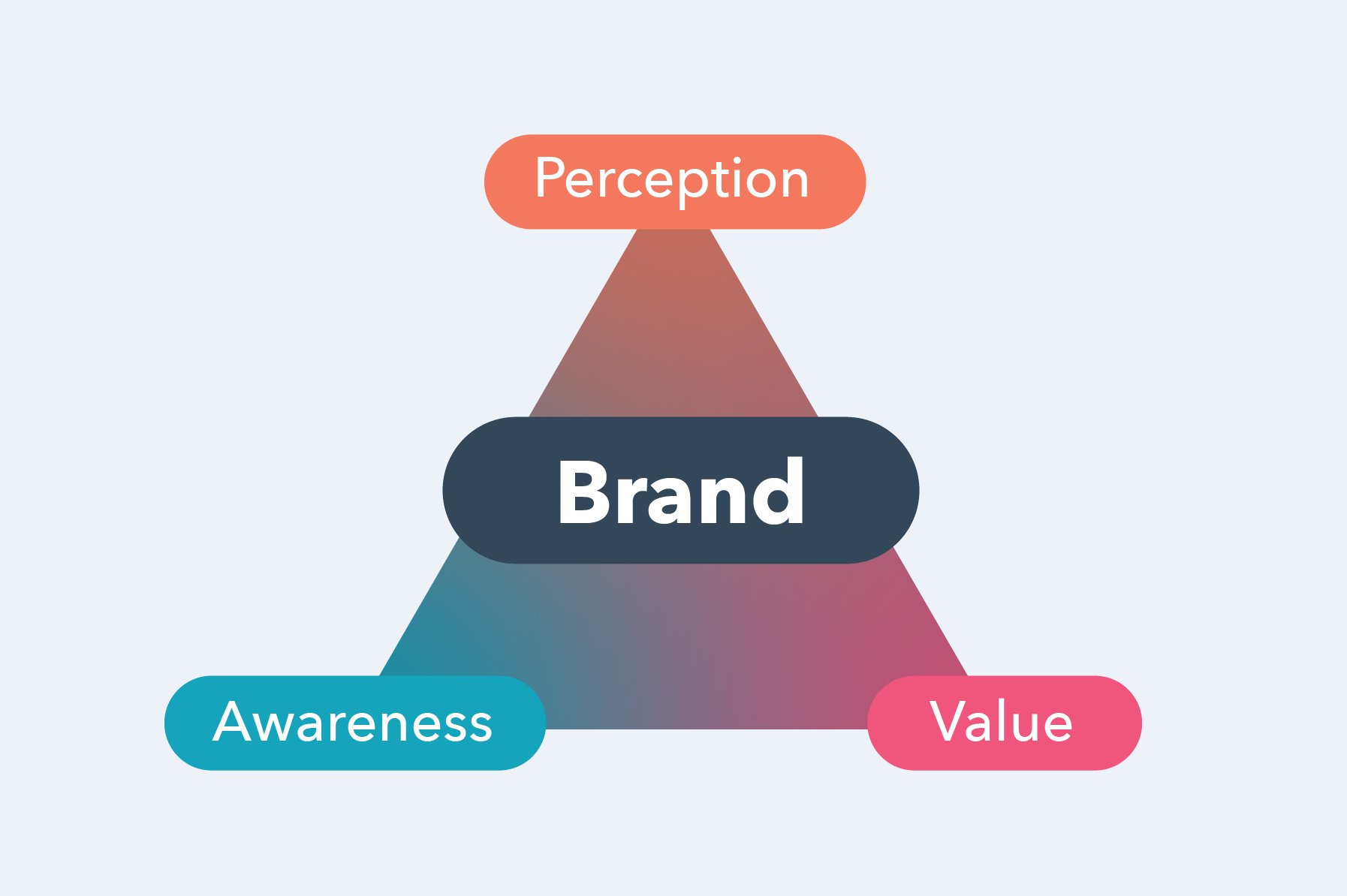
New Call-to-Action

Categories B2B

How to Understand Market Penetration and Create a Strategy With STP Marketing

Everyone wants their business to grow. This seems pretty intuitive considering effective and successful growth means your business is experiencing boosts in revenue, brand awareness, brand loyalty, and more — and we know this to be true by looking at the most successful and well-known companies today (e.g. Apple, Amazon, etc.).

The question is: What do these highly-successful companies do to ensure they put themselves in a position for strong and consistent growth?

→ Download Now: Free Product Marketing Kit [Free Templates]

Of course, there are a number of answers to this question based on who you ask. However, the one we’re going to focus on in this blog post is market penetration. So, what is market penetration?

How to Calculate Market Penetration

If you’re using market penetration as a measurement, use the following formula to discover how much a product or service is used by customers compared to its total estimated market. In other words, take the current sale volume for your product or service and divide it by the total sale volume of all similar products available in the market.

(Number of Customers / Target Market Size) x 100 = Market Penetration Rate

Frequently monitoring your market penetration is important in order to identify any increases or decreases in penetration. If you’re wondering how often to calculate market penetration, a good rule of thumb is to calculate it after every marketing and sales campaign you run. This will highlight any changes in penetration — and, as a result, you’ll also have a better idea of the success of your campaign(s).

Next, let’s dive a little deeper into what market penetration is and why it’s such an effective growth strategy.

Understanding Market Penetration

A company can use market penetration at the industry level to review the potential for specific products or services or on a smaller scale as a way to gauge the market share of a product or service. It offers insight into how the market and your customers view your product or service.

What is high market penetration?

When it comes to market penetration, you want yours to be high. There are many benefits to high market penetration.

For instance, think about Nike. The company is a market leader in athletic shoes. When you go to the sneakers section of a store like Foot Locker or Dick’s Sporting Goods, Nike consistently takes up a large portion of the space.

That’s because retailers like Foot Locker and Dick’s know Nike delivers in sales. They also know their customers expect a wide selection of Nike products in their stores. Nike’s popularity and brand name warrant better shelving space and visibility, too. This is all a result of Nike’s high market penetration.

Similar to Nike, when you have a high market penetration…

  • You’re an industry leader.
  • You sell products or services that are already established within the industry.
  • You have a widely-recognized brand.
  • You have good visibility in the market.
  • You have strong brand equity.
  • You likely make your product for less than you would be able to if you were a less-established business due to the scale of your operation.
  • You have a high sales volume which means you have leverage among suppliers and sellers.

High market penetration offers a marketing advantage and more potential for continued growth and success as a business. Needless to say, high market penetration is the goal — but, how do you achieve it? Well, market development is a good place to start.

To increase market penetration, focus on market development first. Let’s look at an example.

Example of Market Development Increasing Market Penetration

A successful leggings brand, Booty by Brabants, has made waves in recent years in the athletic-wear industry. The brand has established itself as a seller of high-quality and unique leggings for women of all sizes.

By reviewing their market penetration, BBB was able to identify a small, existing market they could tap into — kids’ leggings. They determined that selling kids’ leggings could help them broaden their target audience and customer base for little added cost and effort.

Although BBB Kids leggings aren’t a major source of revenue for the company, they’re complementary to its existing product line and bring in new customers. BBB was able to identify an existing market they hadn’t taken advantage of yet and determine clear steps to successfully enter that market. As a result, they expanded their product line, customer base, and market penetration.

Now, let’s look at the most effective ways to get started on your market penetration strategy.

As you begin working on your market penetration strategy, you may hear the words: Ansoff Matrix.

The Ansoff Matrix is a tool with four growth strategies listed for businesses to consider.

ansoff matrix growth strategy

Image Source

As you move to the upper-right quadrant of this matrix, the growth strategies become riskier for businesses. We’ve included information about the Ansoff Matrix in this article because it further proves and highlights the fact that market penetration is a highly-valuable and achievable way to effectively grow a business, even for the risk-averse.

At this point, you might be wondering about the specific strategies under the umbrella of market penetration that you can deploy at your company — let’s talk about some of those next.

Market Penetration Strategies

Here are some examples of effective market penetration strategies that you may choose to focus on and/or implement at your company.

1. Change your pricing.

Lower or raise the cost of one of your products.

2. Revamp your marketing.

Rework your marketing plan and/or roadmap.

3. Identify the need for a new product and launch it.

Survey and analyze your customers and target audience to identify the need for a new product (or feature). Then, create that product and sell it.

4. Update or change your product (or a specific feature of your product).

Resolve the challenges of your customers and buyer personas more effectively by updating or changing a product or feature.

5. Grow business in new territories and offer franchise opportunities.

Identify new territories in which you can expand and grow your business. Ask yourself: Which new areas can we open our stores or prospect? You might also begin offering franchise opportunities to expand your brick-and-mortar business.

6. Identify a business partner to work with.

Partner or merge with another business in a mutually beneficial way (e.g. run a co-marketing campaign).

7. Purchase a small business or competitor in your industry.

If you have the resources, consider acquiring a small business or competitor in your industry to broaden your base of customers and your offerings/ capabilities. (HubSpot did this a while ago.)

8. Offer a promotional program to boost loyalty.

Give customers an opportunity to sign up for a loyalty program that provides them with perks in return for giving you their contact information (e.g. discounts, birthday gifts, inside information, etc.).

9. Develop a new marketing campaign.

Create and launch a marketing campaign or initiative to promote your product line in a unique and new way that your customers haven’t seen before. Analyze your campaign’s success so you can refer to it in the future.

10. Boost sales rep activity.

Encourage sales reps to increase the number of interactions they have with qualified prospects (e.g. focus on social selling and meeting prospects where they are).

Segmentation, Targeting, and Positioning

STP marketing stands for segmentation, targeting, and positioning. This is a three-step model that helps you to examine your products or services and how you communicate them to your market. Step one is to divide your market into segments. Step two is to target each segment with tailored marketing campaigns. Step three is to position your business and marketing in a way that will appeal the most to each segment.

What’s an example of a successful market penetration strategy?

There are several examples of companies using market penetration to grow their business. For the sake of this piece, let’s look at Dunkin’.

Dunkin’ (formerly, Dunkin’ Donuts) was started in Quincy, MA back in the 1940s. Since then, Dunkin’ has become a globally-recognized brand. Dunkin’ has since grown substantially and opened stores in 46 countries — yet, the company’s most-loyal customers remain in New England. In fact, there are 12,500 Dunkin’s worldwide (9,000 of which are in the U.S.) In terms of market penetration, Dunkin’ continues to tap into their large and loyal market by opening and maintaining that large portion of their stores in New England.

Check out the following map for example — Boston is a small city, and you can walk between almost all 10 of these Dunkin’ locations in just minutes.

dunkin donuts example of market penetration

Image Source

Dunkin’ knows where their customers are and that those customers want a Dunkin’ store every… well, city block.

Not only has Dunkin’ successfully penetrated their market by opening and maintaining so many stores in New England, but they’ve also increased market penetration by making specific changes to their branding and menu.

Most notably, they changed their name from Dunkin’ Donuts to Dunkin’. The company does 60% of their business in coffee and other drinks, so the “Donuts” aspect of their original name was arguably a bit misleading. The CEO of Dunkin’ said this move was important because the new name, “… speaks to the breadth of our offerings.”

The brand name change also gives a signal to customers that there are a number of other menu items available, aside from donuts. In fact, the name change was paired with many menu additions, including healthier options as well as offerings for non-dairy and vegan customers including their Beyond Sausage and almond milk.

All of these changes broadened Dunkin’s customer base and target audience by accommodating more people within the market they were already penetrating.

Invest in Market Penetration to Grow Better

We just covered several reasons why market penetration is so beneficial to your business’s long-term success. And as you’ve learned throughout this blog post, it’s a highly effective growth strategy that’s typically low-risk.

There are many market penetration strategies to choose from, plan, and implement at your company, so pick the best option for your goals and get started.

Editor’s note: This post was originally published in August 2020 and has been updated for comprehensiveness.

Product Marketing Kit