Categories B2B

Where Are These Viral Social Media Platforms Now?

From TikTok to Clubhouse to Lasso, it seems like new viral social media platforms are popping up every day. Furthermore, many of the ones that were once en vogue have suddenly waned in popularity. If you’re a marketer, keeping up with these trends can be difficult but necessary in building and maintaining a strong audience.

Over the years, we’ve kept you up-to-date about the social media platforms you should care about. But you may be wondering, where are these viral social media platforms now? And which ones are still worth investing in? Here’s what you need to know.

Download Now: Social Media Trends in 2022 [Free Report]

Viral social media platforms: Where are they now?

  1. TikTok

We first pointed out TikTok as the app marketers should watch back in 2019. At the time, the app had over 500 million monthly active users. Since then, that number has doubled to over 1 billion monthly active users.

In 2019, we saw brands like Guess experimenting with TikTok by creating their own unique viral video challenges. We predicted more industries and brands would start getting creative with their marketing tactics and dabble with TikTok over time.

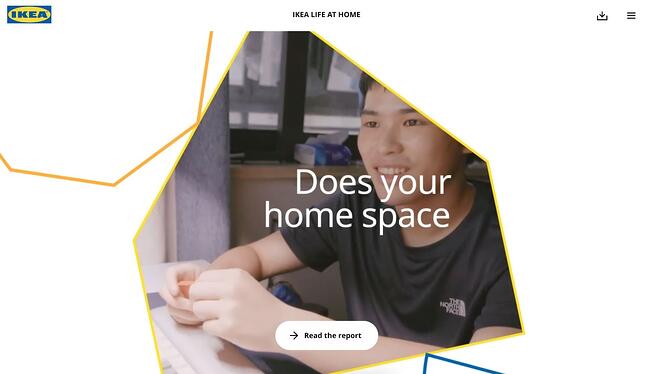
However, in 2022, brands are still struggling to find their place on TikTok. In 2022, InVideo reported 50% of top brands do not have a presence on TikTok. This includes billion-dollar brands like Google, Ikea, and YouTube.

But this doesn’t mean businesses are counting the app out — far from it, actually. Through our own surveys, we found that 65% of social media marketers who leverage TikTok plan on increasing their investment in 2022.

Leveraging TikTok Influencer Marketing

If you’re a marketer looking to start leveraging the app, or increase your investment, a great way to do so is via influencer marketing. While many brands are still floundering to fit in on the app, TikTok influencers are popping every day and seeing huge success.

One example of this would be Drew Afualo (@drewafualo on TiKTok). The Los Angeles-based content creator rose to fame on TikTok by calling out misogynistic creators and users on the app.

In January, Afualo saw her account grow from 1.5 million followers to 4 million in just two months, according to Buzzfeed. As of April 2022, the account has 6.9 million followers.

Since gaining popularity on the app, Afualo has been tapped to promote films like “The Lost City,” starring Sandra Bullock and Channing Tatum.


@drewafualo
#ad Make sure you check out The Lost City out 3/25 😎 Sandra Bullock is the baddest period @Paramount Pictures
#fyp
#xyzbca
#girls
#men
#funny
#college
#embarrassing
#OscarsAtHome
#WomenOwnedBusiness
♬ Joy (30 seconds) – TimTaj


She has also partnered with the online fashion retailer Shein to promote their SheinX collection.


@drewafualo Lmk which outfit is your fave 🤓 Shop the
#SHEINX Collection & use my code “DREW” to save 15% off the entire @SHEIN US site!
#SHEINpartner
#fyp
#xyzbca
#girls
#men
#funny
#college
♬ original sound – Drew Afualo


TikTok content creators like Afualo create meaningful connections with their audience and understand the app in ways that many brands do not. This makes influencer marketing a great method for brands or businesses looking to market themselves on TikTok.

In our survey, we found that 57% of influencer marketers reported influencer marketing as one of the most effective trends they leverage. We also found that 86% of marketers plan to continue investing the same amount or increase their investment in influencer marketing.

2. Clubhouse

I remember when Clubhouse was launched in 2020. It felt like an exclusive club where you had to know someone who could get you in. And in a way, it was. Clubhouse is an audio chat-based app. When it launched, users had to receive an invitation from another user to join.

In July 2021, app developers removed Clubhouse’s invite-only system, allowing anyone to join the platform.

When we first mentioned Clubhouse back in February 2021, the app was only available on iOS devices. However, the following May, it became available on Android devices as well.

In our initial reports, we said we weren’t quite sure whether Clubhouse could work for brands and marketers. And, in the last year, Clubhouse’s popularity has started to wane as other platforms, like Twitter via Twitter Spaces, dabble with audio chats.

Is Marketing on Clubhouse Valuable?

In February 2021, Clubhouse peaked at nearly 10 million monthly downloads. Just two months later, in April 2021, that number plummeted to just 900,000 downloads, according to Forbes. But don’t let that dissuade you from leveraging the audio app. Numbers suggest Clubhouse could be experiencing a resurgence in 2022.

In December 2021, the app was downloaded 1.3 million times and, as of the start of 2022, Clubhouse is ranked number 12 in social networking on the app store, according to InfluencerMarketing Hub.

So, is there value in marketing on Clubhouse? It depends on your approach. A huge draw for Clubhouse was its association with celebrities like Drake, Kevin Hart, and Tiffany Haddish. With that in mind, utilizing well-known influencers or industry micro-influencers to promote your brand on Clubhouse could be a worthy investment.

Clubhouse can also be a useful platform to host focus groups and to create personal connections with your audience.

However, if you find yourself struggling to find an influencer big enough to draw your audience to Clubhouse, or your audience doesn’t seem to frequent the app, it may be best to invest elsewhere.

3. Twitter Spaces

Launched in 2020, Twitter Spaces is Twitter’s answer to Clubhouse. It’s a feature that allows users to join and host live audio discussions on the Twitter app.

We predicted that Twitter Spaces would be a great feature because Twitter is already a dialogue-friendly platform with very little focus on visuals.

Though there aren’t any statistics regarding Twitter Spaces popularity among users, Twitter itself is a hugely successful app. Twitter reported its annual revenue in 2021 was $5 billion, a 37% increase in its year-over-year revenue.

In a recent HubSpot survey, we also discovered that just 14% of social media marketers leverage audio chat rooms like Clubhouse and Twitter Spaces, however, 68% of those who do say it is the most effective social media marketing strategy they use.

Knowing the popularity of Twitter, and that your competitors are likely to increase their investment in audio chats, Twitter Spaces is definitely a feature you should consider in your marketing strategy.

Your brand can use Twitter Spaces to create meaningful engagement with its audience, connect during over trending topics and cultural moments, or hold large-scale focus groups to gain feedback on a product or service.

4. Houseparty

Launched in 2016, Houseparty was a group-messaging app that allowed video chats and could host up to eight users at a time. For added fun, participants could use unique filters, stickers, and other features to keep the party going. Two years after its founding, the app launched an in-chat gaming feature so users could play games with friends.

In 2019, we wrote, “For example, a small makeup company might sponsor a ‘houseparty’ where an influencer can answer beauty questions and show attendees how to use one of their new beauty products.”

However, Houseparty was shut down in September 2021 after being acquired by Fortnite developer Epic Games. The game developer said, “The team behind Houseparty is working on creating new ways to have meaningful and authentic social interactions at metaverse scale across the Epic Games family.”

5. Lasso

We first pointed to Lasso as a social media platform marketers should watch back in 2019. Launched by Facebook in 2018, Lasso was a short video platform meant to compete with TikTok.

We stared into our crystal ball in 2019 and wrote, “While Lasso is just getting started, it might be a promising platform in the future because it’s owned by Facebook. This could mean the app might benefit from Facebook’s user base, technological resources, and financing.”

Unfortunately, Lasso never really tapped into the Gen Z audience Facebook was trying to attain, and the app was shut down in July 2020. The platform was scrapped as Facebook began testing Instagrams TikTok-like feature, Reels.

Trying to promote your brand on an app that isn’t as popular as it once was can feel like showing up to a party after almost everyone’s gone home. Fortunately, new platforms are always on the rise, so there will always be new and creative ways to tap into your audience. And you can trust us to share what’s next.

New call-to-action

Categories B2B

The Ultimate Guide to Internet Marketing [Data + Expert Tips]

Internet use is still increasing worldwide every day — in fact, over 4.95 billion people around the world use the internet, as of 2022.

Marketing is, and always has been, about reaching customers where they are. TV commercials, print advertisements, and billboards all attempt to do just that.

The internet offers unique benefits other marketing mediums can’t offer — scope of reach, the option to personalize content, and the opportunity to build far-reaching relationships with customers, being just a few.

Download Now: Free Content Marketing Planning Templates

But the internet can be an overwhelming and all-encompassing entity, filled with videos and recipes and news articles and e-commerce sites. In the crowded space of the internet, how are you supposed to differentiate your business to reach the right audience?

The answer is internet marketing.

Internet marketing leverages digital channels, including email, social media, websites, and search engines, to reach your ideal audience.

Unlike more traditional advertising mediums, such as print, the internet encourages two-way conversations between your business and your customer, ideally creating better long-term customer retention.

There’s no avoiding it: internet marketing is critical for the success of your business in 2022 and beyond.

But with all the gimmicks and tricks, it can be difficult to distinguish short-term wins from effective long-term strategies, which is why we’ve created an ultimate guide.

Here, we’ll cover everything from marketing strategies to real-world examples, to ensure your business reaches the right people out of that four billion.

What is Internet/Online Marketing?

Online marketing, also known as internet marketing or web advertising, is a form of marketing that uses the internet to deliver promotional messages to customers through digital channels such as search engines, email, websites, and social media.

Online marketing strategies include web design, SEO, email, social media, PPC, and other internet-related methods.

What’s the role of internet marketing?

Simply put, the role of internet marketing is to help your business reach, attract, and convert online audiences.

Let’s dive into two separate goals you’ll have with internet marketing, as well as the necessary methods you’ll want to take to achieve those goals.

Internet Marketing to Attract New Customers

You can use online marketing strategies to attract new customers. To do this, you’ll want to focus primarily on paid social media ads, search engines, and web design.

For instance, you might use Facebook’s Lookalike Audiences to get your message in front of an audience similar to your core demographic. Or, you could pay a social media influencer to share images of your products to her already well-established community.

Paid social media can attract new customers to your brand or product, but you’ll want to conduct market research and A/B testing before investing too much in one social media channel.

To attract new customers, you also need to maintain a powerful SEO presence. With 81% of shoppers using the internet for research before making purchasing decisions, it’s imperative your business is at the forefront of search for related keywords.

Having a strong SEO presence also translates to more in-store purchases, as well — in fact, 78% of local mobile searches result in an offline purchase.

Finally, it’s critical you spend time and resources on your business’s website design.

When these aforementioned customers find your website, they’ll likely feel deterred from trusting your brand and purchasing your product if they find your site confusing or unhelpful. For this reason, it’s important you take the time to create a user-friendly (and mobile-friendly) website.

Internet Marketing to Cultivate Brand Loyalists

Internet marketing is for more than just attracting new customers — it’s also critical for maintaining a loyal, long-term customer base.

You’ll want to use email, blogging, and social media tactics to increase brand awareness, cultivate a strong online community, and retain customer loyalty.

Consider sending personalized emails to past customers to impress or inspire them — for instance, you might send discounts based off what they’ve previously purchased, wish them a happy birthday, or remind them of upcoming events.

To properly employ email campaigns, you’ll need an email list. Here’s how to build an email list from scratch.

Additionally, you might use social media to showcase your brand’s personality and hear directly from your customers. Consider hosting a Twitter chat, posting surveys on Instagram, or creating fun contests on Facebook.

If you don’t feel like you have the bandwidth to create all social media content internally, consider using a third-party service like UpContent, which sends you compelling, curated content that you can share with your audiences for increased engagement.

Internet Marketing vs. Content Marketing

Content marketing and internet marketing are incredibly similar strategies used to attract leads and prospects to your site, and ultimately convert web traffic into customers. However, there are a few slight differences between the two.

Content marketing lives under the roof of online/internet marketing — which means online/internet marketing is the more broad, overarching strategy, and content marketing is one process within that strategy.

Content marketing applies only to the process of creating and distributing content to reach audiences.

Online marketing, on the other hand, encompasses sharing that content through email, search engines, and social media — it also includes paid advertising, retargeting, and a wide range of strategies you might use to reach audiences online.

While most of the strategies that fall under online marketing have to do with content creation, online marketing also pertains to the non-content creation tasks of internet marketing: such as PPC bidding, or website design.

We surveyed 1,067 global marketing professionals working in B2B and B2C companies to find out which trends they leverage, the channels they use, and the challenges they face, as well as their plans and expectations going into 2022.

Based on our research, there are 16 strategies you’ll want to employ to ensure you’re successful at internet marketing.

  1. Keep TikTok in mind.

Without question, TikTok’s popularity soared as the pandemic kept many people at home and in need of connection and entertainment. And that popularity isn’t expected to wane anytime soon.

While LinkedIn, Facebook, and Instagram have the highest ROI for B2B businesses, TikTok is quickly becoming the app to invest in.

Through our research, we found that while just 40% of B2B social media marketers leverage TikTok, 65% of those who do plan on increasing their investment in 2022, the highest increase of any social platform.

2. Consider podcasts and audio chat rooms to make connections.

Podcasts are gaining more attention as influencers, celebrities, and comedians continue to step into the medium. Despite low ROI, investment in podcasts or other audio content is expected to grow in 2022.

Our research shows that just 14% of social media marketers leverage audio chat rooms like Clubhouse and Twitter Spaces, but 68% of those who do say they are the most effective social media marketing platforms they leverage.

51% of those who already leverage podcasts or other audio content will invest more in 2022, and 43% plan to continue investing the same amount. Additionally, 26% of content marketers plan to leverage podcasts or other audio content for the first time in 2022.

Essentially, if you’re not leveraging podcasts and audio chats in your marketing strategy, your competition most likely will.


3. Lean into short-form video content.

With the enduring popularity of TikTok, audiences are gravitating more and more toward short-form videos. Short-form videos continue to be the norm as Instagram and YouTube push similar short-form video features such as Reels and Shorts, respectively.

We’ve found 31% of marketers are currently leveraging short-form video and 29% plan to leverage it for the first time in 2022. In this survey, we specified short-form videos like TikTok and Instagram Reels. Yet another reason to keep an eye on TikTok.

4. Repurpose content across various channels.

Repurposing content means re-using your existing content and presenting it in a fresh format that extends its lifespan and audience reach.

Our survey found that 32% of marketers who repurpose content say this method is among their most effective marketing strategies. Examples of repurposing content include:

  • Sharing old blog posts you’ve updated with new information, fresh data, and video content (Hint: The piece you’re currently reading is an update).
  • Using video clips of podcast recordings sessions on Instagram to create intrigue and excitement over an upcoming episode.

If you’d like to learn more about repurposing content, here are 20 methods you should know about.

5. Invest in Permanent Social Media Content.

Permanent social media content is content that won’t disappear after a set amount of time, unlike Instagram Stories or SnapChat photos and videos.

We found 33% of marketers are currently leveraging permanent social media content. Our surveys also showed 85% of marketers plan to continue investing the same amount or increase their investment in permanent social media content.

6. Design a user-friendly website.

First, you want to create a user-friendly, and mobile-friendly, website. The design of your site will showcase your brand’s personality and differentiate your business from every other online business. But it’s more than just looking good — a cleaner, more well-organized site structure can affect how you rank in the SERPS.

For help designing your website or ensuring it’s up-to-par, check out 8 Guidelines for Exceptional Web Design, Usability, and User Experience.

7. Optimize your site for search engines.

Next, you’ll need to keyword optimize your site for search engines. Essentially, this means you’ll choose keyword(s) that relate to your business, and incorporate those keywords into the URL, body text, image text, headers, and navigation bar.

For tips on keyword optimizing your entire site, check out On-Page SEO 101: Tips for Keyword Optimizing the Most Critical Parts of Your Website.

If you’re interested in focusing on keyword optimizing your blog posts, consider reading Blog SEO: How to Search Engine Optimize Your Blog Content.

For a real-life example on how to successfully implement SEO into your digital marketing strategy, check out our case study on Canva here:


8. Use email marketing or opt-in email campaigns.

Email marketing and opt-in marketing campaigns are one of the most effective long-term strategies to connect with potential customers and cultivate brand loyalty.

For everything from getting started with email marketing, to email marketing best practices and lead magnets, check out The Ultimate Guide to Email Marketing.


9. Write online press releases.

Writing online press releases is an additional way to increase online coverage of your business from other sources, which will also positively affect your ranking in the SERPs. Plus, if a local news outlet covers your business, you’ll receive their audience, which you otherwise might not have reached.

To get started writing a press release for your business, consider How to Write a Press Release [Free Press Release Template + Example].

10. Create a blog.

I might be biased, but blogging is one of the best ways to attract a large audience to your site, establish your business as a thought leader in your industry, and prove your brand to be both useful and current.

Writing blog posts is especially effective for providing different opportunities to land on page one of search engines — for instance, maybe your eyeglass store’s website is on page three of Google for “eyeglasses,” but your “Best Sunglasses of 2018” blog post is on page one, pulling in an impressive amount of traffic (over time, that blog post could also boost your overall website to page one).

To learn everything from choosing a domain name to writing your first blog post, check out How to Start a Blog: A Step-by-Step Guide [+ Free Blog Post Templates].

11. Develop social media contests and campaigns.

Social media contests and campaigns are exceptional opportunities to engage with your online audience, form relationships with customers, and learn about your buyer’s persona.

For an overarching compilation on everything you need to know about social media campaigns — from how to craft perfect posts on Facebook to the most shared phrases on LinkedIn — take a look at Everything You Need to Know about Social Media Campaigns.

12. Leverage pay-per-click advertising.

Pay-per-click advertising, or PPC, is an advertising model in which advertisers only pay when someone interacts with their ad through impressions or clicks.

PPC is most commonly used on search engines, and can help your business appear for searches related to your products or services. This is particularly important for more competitive keywords, when it’s difficult to rank on page one against websites with higher domain authority.

It’s important to note — PPC doesn’t replace your SEO strategy, it simply complements it. For instance, if you’re trying to rank for “website builder”, you’ll see the keyword difficulty is “super hard (95)”, according to Ahrefs. However, there are some long-form keywords you might have success ranking for, including “what is a website builder? (52)” or “best website builders for ecommerce (57)”.

If you do want to target “website builders”, you’ll want to bid for an ad and use PPC to stand out against competitors.

13. Optimize your site for conversions.

Okay, you got readers to your blog or homepage … now what?

Ultimately, you’ll want to invest in resources for conversion rate optimization (CRO). If you don’t, you risk not being able to convert any of your traffic into qualified leads and, ultimately, customers.

There are four areas of your website that can benefit from CRO. These include the homepage, pricing page, blog, and landing pages.

Within a blog, a CRO strategy might include adding relevant calls-to-action throughout the text, or inviting readers to submit their emails in exchange for an ebook. On a pricing page, a CRO strategy might include a slide-out that invites viewers to book time with a sales rep or watch a demo.

Optimizing your site for conversions is a critical component of any strong internet marketing strategy.

14. Post videos on YouTube or other social networks.

Video marketing is an undeniably powerful opportunity to reach new audiences and convert leads into customers. In fact, 86% of video marketers say video has helped them generate leads, and 88% of people say that they’ve been convinced to buy a product or service by watching a brand’s video.

Convinced yet? If not, simply consider the fact that YouTube is used by 88% of video marketers — which means, even if you’re not posting videos on the channel, your competitors most likely are.
You’ll want to diversify the type(s) of content you produce to attract audiences who prefer video over text, or YouTube over Twitter.

Consider how you might implement your own video strategy to reach and convert new audiences. If you’re not sure where to start, check out HubSpot’s Ultimate Guide to YouTube Marketing.

15. Find influencers to work with your brand.

I’m currently wearing a watch I found on Amazon. I’m sitting on a couch from Wayfair, with a candle from Anthropology on the table in front of me.

Where did I hear about all these products? Influencers.

Social media influencers have cultivated strong, meaningful relationships with their followers. Their followers typically trust them to provide true, reliable guidance on a range of topics related to the influencers’ expertise. Which is why influencer marketing can be an effective opportunity to spread brand awareness to new audiences.

If you think influencer marketing could be a good choice for your business, consider micro-influencers as a more effective (and oftentimes more cost-efficient) option. Micro-influencers often experience higher engagement rates than mega-influencers, and we predict micro-influencers will likely have more influence than celebrities in 2022.

Additionally, it can be expensive and time-consuming to find the right influencer(s) for your brand. If you’re going to invest in the strategy, consider working with the same few influencers for the long-term — which enables your company to build stronger relationships with their social followers.

16. Create a Facebook group.

A Facebook group — unlike a Facebook page — is an exclusive, private group that enables you to facilitate a sense of community surrounding your brand.

A Facebook group isn’t a necessity for every business, but when done properly, it can go a long way towards creating a stronger relationship between you and your customers. Best of all, it can help foster connections between your customers.

Since having a strong community can help you build brand loyalty, it’s important to seek out unique opportunities to engage directly with your customers. If a Facebook group doesn’t seem like a good fit for your business, however, there are other ways to create a sense of community — including via social media, or through a branded newsletter.

Finally, take a look at our Essential Step-by-Step Guide to Internet Marketing to dive deeper into the six essential steps of internet marketing.

There are many different methods to online marketing you can try to boost engagement for your brand, such as:

1. Repurpose your high-quality content across multiple channels.

Like we said earlier, repurposing your content simply means reusing content you already have but in a fresh format. That reaction video you created on TikTok could be repurposed as a Reel on Instagram. If you change the caption on Reels, you can use the video to react to something else.

2. Lean into permanent social media content that doesn’t have a time limit.

Examples of permanent social media content include tweets, YouTube videos, and TikTok videos. Content such as Snapchat videos or Instagram stories are note permanent and disappear after a period of time.

3. Choose the right keywords and optimize your site for search.

Using keywords helps search engines, especially Google, categorize your content and ensure it reaches the right audience. It also helps your target audience find your website and services. To optimize your site with the right keywords, use applications like Ahrefs that are designed to help you find the right keywords your audience is searching for.

4. Create a mobile-optimized site.

There are many ways to better optimize your website for mobile users, such as compressing images to reduce page load time, mapping your customers’ journey, or creating a mobile app.

5. Publish blog posts regularly.

Blogging consistently has many benefits. It keeps your website up to date with fresh content, maintaining the interest of your audience. It’s also an effective way to get your website to pop up on the first page of search engines. The more you post, the more content you’ll have for the search engine to rank.

6. Conduct email marketing campaigns.

In our recent survey to predict 2022 marketing trends, we found that email marketing is still a helpful approach to marketing your business online. According to our survey, the three most effective email marketing strategies are subscriber segmentation, message personalization, and email automation campaigns.

7. Encourage conversation on social media accounts.

Social media is the place where connections are made and conversations happen. Social media users don’t want to just interact with brands, they want to see the humanity behind the big name and logo.

A great way to create meaningful connections with the humans that make up your audience is to facilitate conversations. Ways to do this include conducting social media polls or hosting Spaces on Twitter.

8. Publish online press releases.

Like blogging, publishing online press releases will increase your presence on search engines and raise awareness of your brand. When writing press releases, remember to answer the “who,” “what,” “where,” and “why” of your brand. And make sure to use simple, understandable language as well as a quote.

9. Cultivate paid social media campaigns.

The idea of paying for advertising may seem a bit daunting, but paid social media advertising is one of the least expensive types of advertising. Paid social media ads can start as low as one dollar thanks to the bidding model and lottery system some platforms use to push ads to users’ news feeds and timelines.

Platforms that allow for paid advertisements are:

  • Facebook
  • Twitter
  • Instagram
  • TikTok

10. Leverage pay-per-click advertising for competitive keywords.

Pay-per-click advertising (PPC) and SEO go hand-in-hand like peanut butter and jelly. Optimizing your website for keywords can definitely help your brand appear at the top of search engine results pages. However, it requires patience, and you may not see results for weeks or months if you’re optimizing for highly competitive words.

But by leveraging PPC, you’ll be able to stand out among competitors by bidding for an ad.

11. Post videos on YouTube or other social channels.

YouTube is the second largest search engine on the internet, and 81% of Americans used YouTube in 2021. So, you can bet your audience frequently visits the site. When creating content for YouTube, be sure to diversify your content in order to attract audiences who prefer video over text. You’ll also want to research keywords you can optimize your content for and use in your video’s title, description, and tags.

12. Work with micro-influencers to reach new audiences.

On apps like TikTok, brands are still struggling to find their place. However, influencer marketing has proven to be a helpful tool in helping brands elevate their online presence and find their target audience.

In our survey, we found that 57% of influencer marketers cited influencer marketing as one of the most effective trends they leverage. We also found that 86% of marketers plan to continue investing the same amount or increase their investment in influencer marketing.

Online Marketing Examples

There are hundreds, if not thousands, of online marketing examples to inspire your next internet marketing campaign.

Here, I’ll dive into five real world examples of social media, email, SEO, and website marketing methods. I’ll also include links to additional blog resources at the bottom, for even more exceptional ideas.

1. Social Media: HubSpot’s “Set Sail With HubSpot CRM” Campaign with Kathryn Hahn

In 2022 we kicked off our “Set Sail” campaign with award-winning actress and comedian Kathryn Hahn. In the campaign, Hahn plays a pirate using HubSpot’s CRM to expand her reach across the seven seas.

“As CEO of my own pirate enterprise, I chose HubSpot as our CRM platform,” Hahn says as she tours a busy office-like pirate ship. “Because it helps us treat customers like people, not conquests. Plus it enables my teams to work together seamlessly as we expand.”

Hahn’s comedic timing and stage presence helped highlight the many tools we provide to help businesses achieve their goals, but our approach to social media is what helped the campaign be a success.

Our first social post announcing the campaign was promoting Kathryn Hahn’s Fast company cover, we positioned her as our newest ambassador and let her be the hero of the story—not us to start,” said Hubspot’s Senior Social Strategy Manager Leslie Green. “The positioning of her success as our success leans into our humble voice and tone.”

When it came to Instagram, there was a particular feature on the app that played a key role in spreading our message on the platform.

“We utilized a collab post feature on Instagram which allowed this post to be delivered to both ours (and Fast Company’s) followers,” Green said. “The reach and engagement on this announcement was incredible for this reason. Across channels, we shared our 30 second spot to showcase how Kathryn was making waves as a disrupting Pirate CEO.”

In 2022 we kicked off our “Set Sail” campaign with award-winning actress and comedian Kathryn Hahn. In the campaign, Hahn plays a pirate using HubSpot’s CRM to expand her reach across the seven seas.

“As CEO of my own pirate enterprise, I chose HubSpot as our CRM platform,” Hahn says as she tours a busy office-like pirate ship. “Because it helps us treat customers like people, not conquests. Plus it enables my teams to work together seamlessly as we expand.”

Hahn’s comedic timing and stage presence helped highlight the many tools we provide to help businesses achieve their goals, but our approach to social media is what helped the campaign be a success.

Our first social post announcing the campaign was promoting Kathryn Hahn’s Fast company cover, we positioned her as our newest ambassador and let her be the hero of the story—not us to start,” said Hubspot’s Senior Social Strategy Manager Leslie Green. “The positioning of her success as our success leans into our humble voice and tone.”

When it came to Instagram, there was a particular feature on the app that played a key role in spreading our message on the platform.

“We utilized a collab post feature on Instagram which allowed this post to be delivered to both ours (and Fast Company’s) followers,” Green said. “The reach and engagement on this announcement was incredible for this reason. Across channels, we shared our 30 second spot to showcase how Kathryn was making waves as a disrupting Pirate CEO.”

When promoting the campaign on Twitter, Green said it was important to engage and interact to build intrigue.

“On Twitter, along with sharing campaign assets in clever & social-first ways, we made sure to highlight and retweet notable media mentions from publications like Entertainment Weekly to drum up excitement about this partnership and give our audience social proof,” Green said.&

She continued, “In order to encourage our audience to feel included in our fantastical founder’s journey and be inspired to share their own, we repurposed UGC to go with CTAs for the audience to share their own #HubSpotSuccessStory on Instagram and LinkedIn.”

2. Social Media: Under Armour’s “I Will What I Want” Campaign

Under Armour came up with the hashtag “I Will What I Want” to encourage powerful athletic women to achieve their dreams despite any opposition they might face. The hashtag, first used by American Ballet Theatre ballerina soloist Misty Copeland, blew up on Facebook after supermodel Gisele Bündchen used it in one of her Facebook posts. Many other female athletes have also used the hashtag.

The campaign spreads a positive message of female empowerment, while also highlighting Under Armour’s women apparel. The campaign reached five billion media impressions, increased Under Armour’s women’s sales by 28 percent, and pulled in an additional 42 percent of traffic to their website.

under armour's instagram campaign, an example of internet marketing

3. Email: JetBlue

Companies often use email marketing to re-engage past customers, but a “Where’d You Go? Want To Buy This?,” message can come across as aggressive, and you want to be careful with your wording to cultivate a long-term email subscriber.

This is why JetBlue’s one-year re-engagement email works so well — it uses humor to convey a sense of friendliness and fun, while simultaneously reminding an old email subscriber they might want to check out some of JetBlue’s new flight deals.

jetblue re-engagement email as an example of internet marketing

4. SEO: Moz’s case study for Pipedrive, a sales CRM

Using a content marketing strategy that included content creation, outreach, and guest posting, Pipedrive, a sales CRM, was able to rank #1 for a high-volume keyword — “sales management” (9,900 search volume). They were able to outrank many competitors and even US News and Wikipedia. They published their strategy on Moz.

Moz's case study for pipedrive as an example of internet marketing

5. SEO: Brian Dean’s YouTube strategy

Brian Dean, an SEO expert and the creator of BackLinko, uses SEO tactics to rank #1 on YouTube for keywords like “on page SEO” and “video SEO”. Initially, Dean admits his YouTube account struggled to get any views.

Employing SEO methods like keyword optimization has enabled Dean to rise to #1 on YouTube for search results related to his business. He published his full strategy on Backlinko.

brian dean's video, which ranks first on YouTube for 'on page SEO', as an example of internet marketing

6. Web Design: AccessAble

AccessAble, an information provider for people with disabilities in the UK and Ireland, hired Agency51 to implement an SEO migration strategy to move AccessAble from an old platform to a new one.

By applying 301 redirects to old URLS, transferring metadata, setting up Google webmaster tools, and creating a new sitemap, Agency 51 was able to successfully transfer AccessAble to a new platform while keeping their previous SEO power alive.

Additionally, they were able to boost visitor numbers by 21% year over year, and the site restructuring allowed AccessAble to rank higher than competitors. Their case study is available on SingleGrain.com.

AccessAble's website Image Source

More Internet Marketing Examples:

Whether you’re a seasoned marketer, or just starting out, there are plenty of tools available to help build your brand’s audience, including:

1. HubSpot

Ultimately, your internet marketing strategies will work best if you incorporate inbound marketing methodology. First and foremost, you want all your online content to add value to your customers”s lives. This is the only way you’ll attract quality leads and build deep relationships with your online community for the long-term.

2. Buzzsumo

We love Buzzsumo because it can help you analyze what content performs best for any topic or competitor. Buzzsumo can report important metrics such as social shares, backlinks, and which influencers are sharing certain pieces of content.

You can also find influencer reports that give insight if you’re looking for a micro influencer to promote your brand.

3. Canva

Canva makes designing infographics and materials for print, blogs, and social media simple, even if you don’t have much experience with graphic design. Its user interface is easy to navigate and includes thousands of customizable templates you can redesign to fit your brand’s aesthetic.

4. GTMetrix

This application tests your website’s performance, particularly its speed. If your website takes too long to load, you run the risk of deterring potential customers or clients from your brand. With GTMetrix, you can measure how long your website takes to load and what areas of performance need to be improved.

5. Ahrefs

Ahrefs is my favorite tool for finding the right keywords for optimizing my content. They offer tools for tracking keyword performance, analyzing your competitor’s keywords, web traffic, and more. One of my favorite features has been the “content gap” tool, which shows the keywords our competitors rank for that we don’t.

6. Buffer

Posting multiple pieces of content across several different platforms can be overwhelming. Fortunately, applications like Buffer allow you to draft and schedule posts across multiple social media channels, such as Facebook, Instagram, Twitter, and Pinterest.

Furthermore, Buffer also offers social media reporting and functionality monitoring so you can track how your content is performing.

7. Facebook Insights

When I was a journalist, Facebook Insights played a key role in tracking how my articles performed. With a Facebook Insights dashboard, you’ll be able track user behavior and post performance on your Facebook Business Page.

This tool also reports important metrics like page views and post reach for paid and organic posts. It even recommends competitor pages to monitor.

8. SocialRank

SocialRank is an online tool that helps you manage your followers on Twitter and Instagram. SocialRank offers a range of filters to better analyze your follower count. It can also search for new followers, get leads, and more.

9. Trello

As your business grows, so will its output and the projects it takes on. Therefore you’re going to need a tool like Trello that will help you manage it all.

With Trello, a project management tool, you can put all your team’s projects in one customizable space that can grow as your company grows. You can use Trello to conduct growth experiments, sales pipelines, and product feature road maps.

10. Crazy Egg

Crazy Egg is a website optimization software that offers A/B testing, heat mapping, and usability testing tools. We love its A/B testing tool because it allows you to test variations of every page on your website. All you have to do is copy one snippet of code to the pages you want to test.

You don’t need coding experience to use Crazy Egg, as the software is user friendly to marketers at all levels.

11. Google Keywords Planner

If you struggle with finding the best keywords for your website, Google Keywords Planner is an excellent tool for you.

By putting in one keyword, multiple keywords, or even your website address into Keyword Planner, Google will show a list of related keywords along with simple metrics.

These metrics will gauge the competition around each keyword and how many searches it gets on both a global and local search level.

Ultimately, your internet marketing strategies will work best if you incorporate inbound marketing methodology. First and foremost, you want all your online content to add value to your customers’ lives. This is the only way you’ll attract quality leads and build deep relationships with your online community for the long-term.

New Call-to-action

Categories B2B

11 Conversion Copywriting Tips that Grew Our Revenue by 240%, According to Lately’s CEO

As marketers, we write copy daily: For landing pages, social media posts, email newsletters, you name it.

And this content isn’t just supposed to sound pretty — it’s also supposed to be powerful enough to convert visitors into sales. In fact, as of 2022, over 60% of marketers measure the success of their content through sales. That’s no small feat.

If you’re stuck in a writing rut or unsure how to use conversion copywriting to increase sales, you’re in luck. Here, I sat down with Lately’s CEO, Kate Bradley Chernis, to discuss the 11 tips that enabled her and her team to grow monthly recurring revenue by 240%.  

But first — what is conversion copywriting, anyway?

Free Guide: How to Build & Optimize Landing Pages

What is conversion copywriting?

Simply put, conversion copywriting is copy with the ultimate goal of converting readers into buyers.

Conversion copywriting uses engaging and persuasive language to motivate readers to take a specific action.

Typically, the goal with conversion copywriting is to encourage readers to purchase a product or service. However, conversion copy can be used at all stages of the buyer’s journey, so conversion copywriting might be leveraged to inform buyers’ of their pain points, encourage them to sign-up for newsletters or future offers, or simply increase brand awareness.

Conversion copywriting ultimately falls under the broader topic of website conversion rate optimization (CRO) — or leveraging your website to effectively convert users across your homepage, blog, pricing page, and more. 

There’s a difference between conversion copywriting and SEO copywriting. As Chernis puts it, “As a startup founder, I’m in the business of turning customers into evangelists — because evangelists work for you for free. SEO is never going to get me there. Besides, SEO is reliant on you, the search engine user, to take all the action. But with conversion copywriting, I’m driving the conversation and have complete control over where it goes.”

SEO and conversion copywriting can coincide, but the biggest distinction is the goal you’ll have in-mind when creating the content: SEO copy is copy written with the intent of getting on page one of Google. Conversion copy, on the other hand, is written with the intent of keeping readers’ on-page once they find your content.

Consider, for instance, the following LinkedIn post by Chernis:

The piece uses engaging and active language to encourage viewers to join one of Lately’s live video Office Hours. While the content might not pass an ‘SEO-optimized’ test, it doesn’t need to — on social media, it’s more about standing out from the crowd through authentic, creative content.

Next, let’s dive into some of Chernis’ favorite copywriting tips, followed by a few impressive examples of conversion copywriting for inspiration.

11 Conversion Copywriting Tips, According to Lately’s CEO

1. Write like a boss.

The first – and perhaps most important — rule Chernis told me is to write with confidence.

She encourages writers to avoid words like need, think, just, probably, maybe, and possibly. Instead, be direct with your writing and ensure you’re getting your point across without superfluous details.

In the examples below, you’ll notice that the brands and influencers we’ve highlighted do a fantastic job of writing with confidence. Consider Uber, for instance — the car-sharing app’s homepage reads: “Get in the driver’s seat and get paid.” It doesn’t read, “Consider getting into the driver’s seat, and you just might get paid.” It’s direct, firm, and assured.

Confidence is key to making you feel empowered to write directly to your readers and encourage them to take action, without offering apologies or excuses.

2. Remove the phrase ‘check out’ from your vocabulary.

I’ll admit: I’m as guilty of this as anyone.

It can be incredibly easy to write ‘Check out’ when you’re encouraging readers to click on a link or read a blog post, but Chernis suggests using stronger action verbs instead to communicate the value of what someone will get by completing your CTA.

For instance, consider the difference between the CTA link “Check out how to optimize your landing pages here” and “Optimize your landing pages here”. The second one is much stronger, and likely more effective. 

3. Don’t bury the lede.

As writers, it can be tempting to create beautiful, long-winded introductions full of humor and imagery and metaphors. But as conversion writers, it’s best to get to the point.

Chernis told me, “There’s something about this ‘warming up to the point’ that we all suffer from, an incessant over-intro’ing. Some of it is out of politeness, but ultimately, you want to be direct and get to that point, lickety split.”  

4. Use negative calls-to-action instead of positive ones.

Chernis says, “The bad kid in all of us responds to this tactic.”

Consider how you might leverage negative calls-to-action instead of positive ones — for instance, rather than writing, “Remember to follow these rules”, try “Don’t forget to follow these rules.”

Negative calls-to-action work particularly well for B2C brands. As an avid online shopper myself, I can attest: Seeing ‘Don’t miss out on 10% off’ or ‘Don’t forget to purchase’ is often all the encouragement I need to buy.

5. Leverage ‘why’ and ‘because’.

Whenever possible, aim to use ‘why’ and ‘because’ to posit interesting, thought-provoking, open-ended questions and encourage your viewers to keep reading to find out the answer. 

As Chernis explains in her copywriting course with HubSpot:

  • ‘Why’ wants to be resolved; the reader expects ‘because’.
  • ‘Because’ resolves the ‘why’ and triggers reason, which is an ingrained cue for trust — key for compelling CTAs.
  • ‘Because’ at the start of the sentence creates pause.
  • ‘Why?’ gets the bonus visual of a question mark.

Consider the HubSpot blog post title, ‘Why your brand needs a strong visual identity’ — for some, this unresolved question will be enough to get them to click.

6. Use the royal we/you.

As Chernis told me, using ‘I’ too often can signify selfishness in a brand. By contrast, using ‘we’ and ‘our’ implies inclusivity and trust, and ‘you’ signifies empathy.

Take a look at the difference between “In this post, I am going to demonstrate five examples of copywriting” versus “In this post, let’s explore five examples of copywriting” or “In this post, we’ll explore five examples of copywriting.”

Feel the difference?

7. Read what you write out loud.

Oftentimes, one of the easiest ways to catch awkward or cumbersome writing is by reading it out loud. Reading your content out loud can help ensure you sound authentic, natural, and human.

Additionally, Chernis encourages writers to seek out different ways to say the same thing by leveraging synonyms. She says, “How can you say the same thing differently and do it in a way that cuts through the noise? We all get lazy, but as conversation copywriters, this is our challenge. Find a more interesting way. Open the thesaurus. And don’t just pick any other word; it has to be the right word.”

8. Write with your eyeballs.

When writing for conversion, consider how your writing looks on the page. Many prospects and visitors will skim through your content, so you want to make that easy for them to do.

Leverage spacing, numbers, exclamation points, question marks, percent signs, emojis, and more to make your content as digestible as possible.

9. Do unto others.

As Chernis puts it, “Having compassion is key. Don’t forget that the person on the other end is a busy, stressed human like you. Take the time to ensure that what you want to communicate will be understood as you intend it.”

Reading out loud is one effective strategy to ensuring your writing conveys empathy. Additionally, put yourself in the reader’s shoes often and ask yourself, ‘Would I click this link?’ ‘Would I find this helpful?’ ‘Would I enjoy this content?’

If you’re not passionate about it, your readers won’t be, either.

10. Write with a clear objective.

Conversion copywriting is different from other types of writing in one key way: You want people to take action as a result of your writing.

Which is why Chernis encourages writers to identify what action you want readers to take, and then work backwards from it.

For instance, on social media, Chernis says there are only two objectives: conversion (click) and reach (share). She says to get readers to share your content, you’ll want to appeal to their ego.

As she puts it, “Reshares are all about ego and the person sharing that content — so make those people look smart and interesting, and they’ll share your content; that’s why Gary V. will write ‘Be nice to others’ and everyone shares it … you want to give people something that will make them look cool to others.”

Additionally, Chernis told me the second action — click — always works with How-Tos and tactical content.

11. Dog-food your own marketing.

Finally, Chernis says successful conversion copywriting is about encouraging employees to share your message on social.

She says, “First and foremost, all of my employees are social beasts. That is a must. We also broadcast all of our Lately branded content on each of their personal social channels, because together, we’re stronger. We even have a Slack channel called #sharingiscaring, where every time someone evangelizes us on social, we drop the link in that Slack channel and my entire team is expected to boost it with likes, comments and re-shares. I might even share those links with other Slack groups or with my investors … because I’m an army of one. I rely on the help of other people.”

Chernis adds, “If your employees aren’t following and sharing your message, you’ve got bigger problems. They should be your biggest fans.”

How Lately Achieved 240% Monthly Recurring Revenue Increase from Copywriting Alone

When I spoke with Chernis about her copywriting tips, I was also curious about the results of her conversion copywriting efforts. Does conversion copywriting actually matter all that much to a business’ bottom line?

Turns out, it does. For Lately, conversion copywriting alone led to a 240% increase in monthly recurring revenue, and a 98% sales conversion rate.

Wondering how?

Chernis told me she does one public speaking or guest post every single day. When she’s done, she asks for the file and uploads the file into Lately, which uses artificial intelligence to transcribe the text and pull out one-liners that the AI knows will get the highest re-shares, likes, and comments.

Chernis says, “We don’t do any paid ads, cold calls, or cold emails. Instead, we repurpose all our content to the nth degree. Lately’s AI picks out which bits will get us the most likes, shares, and comments — it knows what our targets want to read, watch, or hear. We then consider those folks ‘warm leads,’ we either qualify or disqualify, and by the time we get them into a demo, we have that 98% sales conversion rate because those leads are hot.”

Ultimately, she told me you can do something similar even without the use of AI. It would just take longer, and you’d have to guess which bits to highlight.

The key is persistency and amplification of each branded message. 

kate bradley chernis on marketing with AINext, let’s dive into some conversion copywriting examples.

Conversion Copywriting Examples

1. Spotify

Direct, and to the point.

Spotify sure doesn’t bury the lede with this one: “Get 3 months of Premium for free.” You know exactly what they want you to do (sign-up) and you know exactly what you’ll get for completing the request (3-months free). The focus is on you, the reader. This is an actionable, assertive, powerful example of strong copywriting.

2. Black Girl Sunscreen 

Start-to-finish, this caption is fun, engaging, and personal. It’s concise, but uses playful phrases (i.e. “no mess, no stress”) to connect with Instagram followers.

Additionally, this is an effective example of ‘writing with your eyeballs’. The caption is easily digestible, using sun emojis as bullet points and an arrow to draw attention to the “Available Now” CTA. 

3. Ann Handley

Master-marketer/writer Ann Handley is no stranger to strong conversion copywriting. For instance, her newsletter subscription page is concise and informative: Telling you exactly what you’ll get in her newsletter, and even offering an empathetic “Unsubscribe whenever you want” — signaling Handley took the time to understand any concerns her readers might have when signing up.

4. Uber 

I love this conversion path from Uber’s homepage: “Get in the driver’s seat and get paid.” The content doesn’t waste time on any benefits beyond the major one: financial gains as a result of signing up to drive for Uber.

Plus, Uber is smart enough to know why most prospects visit their website — to become a driver, explore Uber Eats, or get a ride – so they don’t waste their readers’ time on superfluous content.

5. Kate Bradley Chernis

Here, Chernis shows an authentic, human side while asking her LinkedIn followers to take action. In particular, notice how Chernis uses negative calls-to-action, i.e. “Learn what not to do” and “Plus all the reasons not doing it are costing you” to effectively convey her message and convince followers to join the live webinar. 

Now, it’s your turn.

It’s time for you to take these tips to bring your conversion copy to the next level. The end result is glorious: higher sales, better revenue, more customers, and through-the-roof conversions. It’s up to you to produce the content that will make this happen.

New Call-to-action


New Call-to-action

Categories B2B

Learning What B2B Buyers Want Through Content Consumption Data

For the second year in a row, content consumption increased in a big way. In total, since the beginning of 2020, NetLine has seen reported growth of 33% – a remarkable rise in overall demand. While we’ve detailed this in great length in our annual 2022 Content Consumption Report, we know there are still considerable hurdles for Marketers to navigate. 

As B2B organizations continue to face new challenges created by the pandemic, they’re also hyper-aware of the need to rapidly adapt in order to grow. To do this effectively, you need to understand not only who your buyers are but what they want.

Digging Into What B2B Buyers Want 

Marketers are spinning a lot of plates. 

The more consumption rises, the more your content needs to be simplified without losing substance. 

Your library needs to contain content for multiple audiences at every stage of the funnel, while simultaneously keeping the type of content prospects consume (and the rate at which they consume it) top of mind.

And that’s not even to mention how you should begin to fold in buyer-level intent data on top of all this. What’s a modern Marketer to do?

In an upcoming webinar with Iron Horse, we’ll detail exactly what to look for in your data and how to leverage it properly.

Join us on April 28th at 11am PT for a coffee break discussion between Amber Keller, Associate Content Director at IronHorse, and David Fortino, Chief Strategy Officer at NetLine. Together, they’ll be digging into our first-party data findings inside the 2022 Report, including:

  • Who to target with your content
  • Which content formats generate the most interest
  • How to understand intent from content consumption
  • How to address the need for “more” without overwhelming your audience

Register for Understanding What Buyers Want: Digging into B2B Content Consumption Data.

Here’s a sample of what to expect on the 28th.

Addressing the Need for More

One of the key findings in our sixth annual consumption report states that as content demand volume increases, so too does the total time to consume. This uptick in demand is directly connected with the needs of the Buyer Committee and how much information it requires to be satisfied. Research from FocusVision further supports our findings, stating that professionals seek out as many as 13 pieces of content before arriving at a purchase decision. Clearly, the need for more has never been greater.

Why is this significant? Well, not only because it has a direct impact on the number of assets needed in any content library, but because of the amount of time each asset will require. 

For example, eBooks are the most popular content format across our platform. Not only did they represent more than ⅖ of all registrations, eBooks were 4.8x more likely to be requested compared to White Papers. Knowing this, one might say they should focus all their content production efforts on eBooks. While this would be a wrong move for a multitude of reasons, here’s the one that matters most: eBook requests aren’t the best indicator of purchase intent.

eBook requests certainly can indicate a level of interest in a given product, they pale in comparison to White Papers. While eBooks can take just about any form and vary in length, they’re often more casual and communicate visually. White Papers, however, are traditionally weightier, lengthier, and require a true commitment from the consumer to dive into what’s being presented to them. Considering these factors, it should be a lot clearer why a White Paper registration should raise the purchase intent flags.

Content Formats More Likely Associated with Immediate Buying Decision Content Formats Less Likely Associated with Immediate Buying Decision
White Papers Tips and Tricks Guide
Survey Report eKit
Tool Course
Research Report Newsletter
Analyst Report eBook
On-Demand Webinar Book Summary
Live Webcast Cheat Sheet


But this is just the tip of the iceberg! David will be going into much greater detail in this webinar and will aim to get you ready to understand buyer behavior like never before. 

Register for Understanding What Buyers Want: Digging into B2B Content Consumption Data.

Save your spot now!

Categories B2B

How to Use the Weighted Average Formula in Excel

When you’re calculating the average for a set of values, you’re generally working with values that have the same weight and importance.


But what happens if some values weigh more than others? This is where the weighted average formula comes in.

Download 10 Excel Templates for Marketers [Free Kit]

In this article, we will break down how to use this formula in Excel, plus provide some examples.

How to Calculate Weighted Average in Excel

sumproduct weighted average formula

To calculate the weighted average in Excel, you must use the SUMPRODUCT and SUM functions using the following formula:

=SUMPRODUCT(X:X,X:X)/SUM(X:X)

This formula works by multiplying each value by its weight and combining the values. Then, you divide the SUMPRODUCT but the sum of the weights for your weighted average.

Still confused? Let’s go over the steps in the next section.

Using SUMPRODUCT to Calculate Weighted Average in Excel

1. Enter your data into a spreadsheet then add a column containing the weight for each data point.

sumproduct to calculate weighted average in excel step 1

2. Type =SUMPRODUCT to start the formula and enter the values. sumproduct to calculate weighted average in excel step 2

3. Click enter to get your results.

sumproduct to calculate weighted average in excel step 3

How to Find Weighted Moving Averages in Excel

A weighted moving average is a technique used to keep the time period of the average the same as you add new data or give more weight to certain time periods. This can allow you to identify trends and patterns more easily.

For instance, say you have the number of views your website got in the last five days, you can easily determine the average views in a five-day period.

Now, say the next week, I ask for the five-day average, you would use data from the last five days, not the original five days from the previous week.

As such, you’re still relying on the same time period but updating the data to generate the moving average.

For a weighted moving average, you give more weight to certain time periods than others. You may say that day 5 weights 60% with the remaining percentages decreasing by day.

As such, you’ll need to manually calculate this formula.

WMA = [value 1 x (weight)] + [value 2 x (weight)] + [value 3 x (weight)] + [value 4 x (weight)]

Once you get the hang of it, using the weighted average formula is easy. All it takes is a little practice.

excel marketing templates

Categories B2B

30 Google Sheets Shortcuts Marketers Need to Know

As a marketer, you already know you love Google Sheets for storing data, tracking performance metrics, and creating collaborative reports. But are using the full arsenal of Google Sheets shortcuts available to streamline your workflow and save valuable time?

Whether you’re experienced with Google Sheets or you’re just getting started, you’ll be happy to know there are many simple and time-saving Google Sheets keyboard shortcuts at your disposal.

Keeping track of the numerous keyboard shortcuts may sound daunting but, luckily, I’m here with a list of Google Sheets shortcuts you can bookmark and return to again and again.

→ Access Now: Google Sheets Templates [Free Kit]

30 Google Sheets Keyboard Shortcuts

1. Select column

Ctrl + Space (PC and Mac)

2. Insert columns to the left

Alt + i, then C (PC), Ctrl + Options + i, then C (Mac)

3. Insert columns to the right

Alt + i, then O (PC), Ctrl + Option + i, then O (Mac)

4. Select row

Shift + Space (PC and Mac)

5. Insert rows above

Alt + i, then R (PC), Ctrl + Option + i, then R (Mac)

6. Insert rows below

Alt + i, then W (PC), Ctrl + Option + i, then B (Mac)

How to use Google Sheets Shortcuts to select columns, insert columns to the left or right, select row, and select rows above or below.

7. Select all

Ctrl + A (PC), Command + A (Mac)

8. Fill range

Ctrl + Enter (PC), Command + Enter (Mac)

9. Fill down

Ctrl + D (PC), Command + D (Mac)

10. Fill right

Ctrl + R (PC), Command + R (Mac)

How to use Google Sheets shortcuts to select all, fill range, fill down, and fill right.

11. Save

Ctrl + S (PC), Command + S (Mac)

12. Open

Ctrl + O (PC), Command + O (Mac)

13. Paste values

Ctrl + Shift + V (PC), Command + Shift + V (Mac)

Using Google Sheets shortcuts to save work, open sheets, and paste values

14. Insert new sheet

Shift + F11(PC), Shift + Fn + F11 (Mac)

15. Insert time

Ctrl + Shift + ; (PC), Command + Shift +; (Mac)

16. Insert date

Ctrl + ; (PC) , Command + ; (Mac)

17. Insert date and time

Ctrl + Alt + Shift + ; (PC), Command + Option + Shift + ; (Mac)

Using Google Sheets shortcuts to insert new sheet, insert time, insert date, and insert date and time

18. Format as decimals

Ctrl + Shift + 1 (PC and Mac)

19. Format as time

Ctrl + Shift + 2 (PC and Mac)

20. Format as date

Ctrl + Shift + 3 (PC and Mac)

21. Format as currency

Ctrl + Shift + 4 (PC and Mac)

22. Format as percentage

Ctrl + Shift + 5 (PC and Mac)

23. Clear formatting

Ctrl + (PC), Command + (Mac)

Using Google Sheets shortcuts to format as decimals, time, date, currency, percentage, or to clear formatting

24. Show all formulas

Ctrl + ~ (PC and Mac)

25. Insert array formula

Ctrl + Shift + Enter (PC), Command + Shift + Enter (Mac)

26. Collapse an expanded array formula

Ctrl + E (PC), Command + E (Mac)

27. Show/Hide Formula Help

Shift + F1 (PC), Shift + Fn + F1 (Mac)

28. Full Compact Formula Help

F1 (PC), Fn + F1 (Mac)

29. Absolute/relative references

F4 (PC), Fn + F4 (Mac)

30. Toggle Formula

F9 (PC), Fn + F9 (Mac)

Using Google Sheets shortcuts to show all formulas, insert array formula, and more

An Alternative to Google Sheets Custom Keyboard Shortcuts

In the past, Google Sheets custom keyboard shortcuts were an option users could perform to customize their shortcuts in a way that suited them best. However, nowadays custom keyboard shortcuts in Google Sheets are not an option.

But don’t worry! Another feature that can help you further streamline your work in Google Sheets is the ability to use compatible keyboard shortcuts from other digital spreadsheets, like Excel, in Google Sheets.

To do this, press Ctrl + / then click the button next to “Enable compatible spreadsheet shortcuts.”

How to enable Excel shortcuts with Google Sheets shortcuts

Afterward, you’ll have more than 100 new keyboard shortcuts you can use to record and sort your data in Google Sheets.

Work Smarter, Not Harder, with Google Sheets Keyboard Shortcuts

Keyboard shortcuts allow you, as a busy marketer, to streamline your workflow and cut down on the time it takes to record and sort data in Google Sheets. Best of all, these shortcuts are easy to implement whether you’re on a Mac or PC.

Not only will these time-saving shortcuts make data recording more convenient, they’ll also allow you to spend more time focusing on other tasks —because, let’s face it, a marketer’s work is never done.

business google sheets templates

Categories B2B

How to Prevent Click Fraud

When it comes to business, the old adage “You’ve got to spend money to make money,” couldn’t be more true. Aside from the financial outlay to develop your product and manufacture it, and all the overhead that comes with owning a business, you are responsible for marketing your product so the public knows that your product exists.

Download Now: Free Ad Campaign Planning Kit

You’ve set aside some marketing dollars to spread awareness and attract people to your brand and your website. You’ve looked into a variety of advertising options, and determined that pay-per-click (PPC) advertising is a sound way to spend your marketing budget. After all, you only pay when users click on your ad, so you only pay to advertise to people who are at least mildly interested in what you offer.

PPC advertising can provide a healthy return on investment – unless you become the victim of click fraud. By understanding what click fraud is, and being aware of the tools that are available to protect yourself and your investment, PPC can be an excellent choice to market your business.

What is click fraud?

Click fraud happens when a person or a bot clicks on an ad, button, or hyperlink to trick the platform into thinking there is more interaction than there actually is.

With PPC advertising, click fraud can happen for one of two reasons:

  1. The website owner who is hosting the ad will click on the link repeatedly to increase the amount of money the business must pay them.
  2. A company’s competitor may employ click fraud to divert from the business’s marketing budget.

Interestingly enough, sometimes it’s the business itself that will engage in click fraud. Search engines like Google rely on the click-through rate – how many people have visited a site because of a certain link – to determine search rankings. Sometimes, a business owner will attempt to scam the system, inflating the number of clicks through click fraud and moving up the search engine ranks so that more actual users will find and visit their page.

Any type of click fraud can be damaging to a business which is why you’ll want to protect yourself against this illegal practice.

What is a click bot?

You’ve likely heard of click fraud bots, but do you know how they operate? It’s estimated that bots comprise roughly 52% of all internet traffic. Harmful bots (like fraud bots) make up a large part of this number.

So what are click bots and what are they doing to our websites? Click bots are designed to carry out click fraud. They vary from relatively simple (access webpage and click on the desired link) to advanced (mimic the actions a human would take such as moving the mouse and clicking at uneven intervals). The more advanced a bot is, the more difficult it is to distinguish it from a legitimate user.

Rather than attempt to create hundreds of thousands of clicks from one device with a single IP address (this bot traffic would be immediately suspicious), bots are installed across many devices, often through malware. This means that the device owner is completely unaware that their electronic property is being used for nefarious purposes.

Bots aren’t always to blame for click fraud. Some scammers will employ people to manually perform click fraud. While it’s more difficult to recognize human fraud, it’s considerably less efficient than utilizing fraud bots.

Click Fraud Prevention

Instances of click fraud are not uncommon. A recent study from the University of Baltimore found that in 2020 click fraud cost marketers over $35 billion.

Search engines like Google have put practices in place to protect businesses from click fraud. These include:

  1. Automated detection systems built with machine learning and complex algorithms to keep ad platforms clean.
  2. Manual reviews when invalid activity is suspected or brought to their attention.
  3. Advanced research to uncover sources of invalid traffic and prevent them from entering their networks.

Knowing that Google is looking out for your business is great news, though it’s still important to be proactive to protect your business. The first step is creating ads that are more difficult for scammers to target. You can consider allocating more budget to social media ads that are less keyword-focused and therefore harder to search for.

You also have the option to be more targeted with your desired audience which will lessen your chances of encountering click fraud. Being more specific about the geographic locations your ads target and avoid can also provide an added layer of protection from click fraud.

Next, you can help prevent click fraud by keeping a close eye on your ads and your ad spend. The moment you suspect fraud, it’s time to jump into action. If you’ve detected fraudulent clicks coming from specific IP addresses, Google Ads will allow you to block these IP addresses.

Click Fraud Detection

While preventing click fraud is an admirable goal, it’s not always possible. Scammers have created highly advanced and indiscernible methods for perpetrating click fraud which is sometimes impossible for the average business to protect against.

Thankfully, there are a number of click fraud detection protection services available. Here are a few recommendations.

1. ClickCease

ClickCeace click fraud protectionImage Source

ClickCease blocks bot traffic from Google and Facebook ads before these clicks can impact your ad spend budget. Users can also create custom detection rules to provide the level of support their business needs.

Price: Standard Plan starts at $59 per month; Pro Plan starts at $79 per month

2. PPC Shield

PPC shield click fraud protectionImage Source

PPC Shield offers holistic support to protect your Google Ads campaigns from fraudulent clicks. Notable features include instant blocking of suspicious IP addresses, detailed reporting, and a budgeting tool to help you allocate ad spend saved from click fraud prevention.

Price: Basic Plan starts at $39 per month; Standard Plan starts at $55 per month; Professional Plan starts at $119 per month

3. AppsFlyer

AppsFlyer click fraud preventionImage Source

Looking for protection for your ads against mobile fraud? If so, the AppsFlyer fraud protection tool is worth looking into. This tool provides multi-layered protection against click fraud and has an extensive partner network to keep companies safe from emerging threats.

Price: Free with paid plans starting at 6 cents per conversion

4. Singular

Singular click fraud preventionImage Source

Singular provides a comprehensive fraud prevention tool with a suite of features including iOS and Android click prevention, hyper-engagement detection, and geographic outliers to keep your ad placements safe.

Price: Free, with custom paid options available

5. ClickGUARD

ClickGUARD click fraud preventionImage Source

ClickGUARD’s platform is a powerful click fraud prevention system. Offering a Google Ads shield to protect conversions and prevent invalid clicks and advanced bot detection, this tool identifies and prevents threats from targeting your ads.

Price: ActiveGUARD plan starts at $79 per month; PremiumGUARD plan starts at $79 per month; EliteGUARD plan starts at $99 per month

Unfortunately, click fraud is a very real threat to your PPC advertising campaigns. While it has the potential to drain your budget and leave you short of your marketing goals, with the right protections in place, it’s still a viable option for your business. Investing in education and services to prevent click fraud is a worthwhile expense.

Improve your website with effective technical SEO. Start by conducting this  audit.  

Categories B2B

How To Improve Your Emails With a Handwritten Signature

Email is the darling of the marketing world, and for a good reason. With 99% of email users checking their inbox every day, it’s an excellent way to connect with customers. 

However, the popularity of email marketing means you have to work harder to stand out among competitors. It’s not enough to just write great content. You have to make your emails feel personalized and look professional too. 

Create a new, on-brand email signature in just a few clicks. Get started here.  (It's free.)

We’ll show you how you can create a handwritten signature for your emails to give them an extra human touch.

Why You Need a Signature

Of the billions of emails sent and received every day, more than half of them are spam. As a professional, you want your emails to look trustworthy and credible so customers don’t discard them. 

Creating a high-quality, handwritten email signature helps you build trust with customers. You can also use the signature to reinforce your brand identity, evoke professionalism, and add a personal touch.

You can create a handwritten signature in five straightforward steps. Let’s dive in. 

1. Go to a signature maker website.

To create a handwritten signature, you need to use an online tool. The good news is that several websites like Signature Maker and Create My Signature digitize your cursive signature for free.

If you want your signature to match your brand colors and style, look for a tool where you can customize the thickness and color of your “digital pen.”

2. Select “Create My Signature.”

Once you go to Signature Maker or another tool, select the “Create My Signature” button. 


How to Create a Handwritten SignatureImage Source

If you use another online signature maker, you might be given the option of typing or drawing your signature. Select the “draw signature” option.

3. Specify your pen settings.

On the electronic signature maker page, you have two customization options for your pen: width and color. 

Signature Creator for Handwritten SignatureImage Source

Use the numbers to select the pen width. Higher numbers generate thicker lines. Then, you can choose a pen color. 

The tool has three categories for colors: basic, saved, and advanced. If you can’t find the right color in the basic selections, you can use the advanced tab to select your color and adjust lightness and saturation. 

In general, it’s best to use a black pen or choose a color that matches your branding. When using a color that fits your brand, ensure that it’s easy to read on a computer. 

4. Draw signature.

Once you have the settings customized to your liking, draw your own signature using your mouse. If you’re on a touch screen device, you can also use your finger or stylus pen. 

Drawing a Digital Handwritten Signature

Image Source

You can use the “Clear” button to start over if you don’t like your drawing or want to change your pen settings.

Learning how to do a signature with your mouse or trackpad can be challenging, so you can always try on a touch screen device or generate a cursive signature using handwritten fonts.

5. Save and download your handwritten signature.

When you have a handwritten signature that you’re happy with, click “Save.” You’ll then see a button that says “Download Signature.” Click the download button to save your digital signature as an image file (.png or .jpg format).

Your downloaded image will have your personal signature against a transparent background. That way, you can add it to emails and even use it to electronically sign PDF documents.

How To Add Your Handwritten Signature to Emails

Now that you have a file with the image of your signature, it’s time to add it to your emails. 

Option 1: Create an Email Signature Using a Professional Template

If you want a more professional signature with more formatting options and social media icons, you can create one using HubSpot’s free Email Signature Tool.

Before you get started, you’ll need to upload the image file with your handwritten e-signature to Dropbox or Google Docs to get the image URL.

Once that’s done, navigate to HubSpot’s Email Signature Tool, and select a template on the left-hand side. 

Use the second tab to enter your signature details, including your name, job title, and contact information. 

Then, navigate to the fourth tab, with the picture icons, to upload a custom image. 

HubSpot Email Signature Maker tab to upload your custom signature images.

Image Source

Go to your Dropbox image and click on “Copy URL” to get the link to your digital signature image. Paste the link under “Profile Picture” on HubSpot’s tool to add your handwritten signature.

Email signature with handwritten cursive signature.

Image Source

You can use the third tab, with the paintbrush icon, to change the theme and colors of your signature to match your brand.

Once you have the perfect signature, select “Create Signature” to fill out your information and download your new email signature.

Option 2: Using Your Email Client Signature Settings

Since your signature file has a transparent background, you can upload and insert it as an image in your custom signature using your Gmail or Microsoft email settings.

Screenshot of Gmail’s email signature settings. 

Make sure you resize the image manually or use the “small” size to ensure the signature image isn’t too big. 

Final Thoughts: How To Create a Handwritten Signature for Your Emails

Email marketing is one of the best channels for reaching customers, and your competition knows it too. If you want to stand out, you have to pay attention to every element of your email, not just the content. 

Using a professional template with a handwritten signature balances professionalism and personalization in a way that helps you stand out from the crowd. 

New Call-to-action

Categories B2B

Best Structured Data Testing Tools

Structured data is the code on your website that explains and organizes the content on the page. The image below is an example of structured data.

example of structured data

Image Source

Structured data relates to SEO and marketing because it helps search engines understand your content and website. When your website content is optimized using structured data, you’ll gain more visibility for your site pages in SERPs.

→ Download Now: SEO Starter Pack [Free Kit]

Given its impact on SEO, you’ll want to ensure your website’s structured data is optimized. Below we’ll recommend some high-quality structured data testing tools, and explain how to fix errors you find in your testing process.

Structured Data Testing Tool Preview

1. Rich Results Test

Google’s Rich Results Test tool analyzes the structured data on your desktop and mobile site pages to ensure it supports rich results. It specifically tests for Google SERPs special features, so it’s crucial to use if you’re optimizing your website for Google search results.

best structured data testing tool: rich results test

Image Source

To use it, simply paste a URL or code snippet and click test and the results will call out any errors and explain how to fix them.

2. JSON-LD Playground

JSON-LD Playground tests your structured data syntax against JSON standards to ensure it is correct. To use it, simply enter your structured data markup code and you’ll get a detailed report.

best structured data testing tool: json-ld

Image Source

The tool also shares example code structures for specific categories, like recipes or people, that you can use to model your structured data.

3. Schema.org

Schema.org checks the syntax of your structured data to ensure it meets standard schema markup requirements. While Google’s Rich Results Test focuses more on Google SERP features, this tool checks for all possible schema markups like, for example, the correct structure for a restaurant’s website.

best structured data testing tool: schema.org

Image Source

To use it, paste your code snippet or URL, and click Run Test. Your results will call out any errors and let you know how to fix them.

4. Bing Markup Validator

Bing’s Markup Validator analyzes your site’s structured data for markup errors and gives suggestions on how to improve. If you’re optimizing your site for Bing SERPs, this is the site to use. Hovering over any of the issues brings up a dialogue box that explains how to solve the problem.

best structured data testing tool: bing

Image Source

5. SEO Site Checkup

SEO Site Checkup’s Structured Data Test analyzes whether your structured data meets HTML Microdata specifications. To use the tool, simply paste the URL of the page you’re checking and run the test.

best structured data testing tool: seo site checkup

Image Source

Results call out the total number of errors, their suggested level of priority for fixing them, and links to guides that help you fix the issues.

6. Email Markup Tester

Google’s Email Markup Tester analyzes your email’s HTML to verify if it meets standard specifications. To use it, simply paste your code into the text box and click validate. If there are any errors, the tool will call them out for you to fix.

best structured data testing tool: google email markup

Image Source

7. RDF Translator

RDF Translator validates different types of structured data formats to ensure your site is set up correctly. To check your code, simply paste your site URL or code snippet and click submit.

best structured data testing tool: rdf translator

Image Source

8. Search Console Structured Data Report

Search Console Structured Data Report gives you an overview of your structured data that includes the total number of valid elements, valid elements with warnings, and errors. If you click on the report rows that contain errors, the tool tells you exactly what the error is so you can tackle the issue.

best structured data testing tool: google search console

Image Source

Structured Data Generator

9. Markle’s Schema Markup Generator

Merkle’s Schema Markup Generator helps you generate accurate structured data for your website and website pages. You can create schema markups for articles, events, FAQ pages, etc., that are correctly formatted, ensuring your website is fit to appear in SERPs.

best structured data testing tool: merkle

Image Source

Simply select the schema you need, input your information, and copy and paste the code on your site.

10. Structured Data Markup Helper

The Structured Data Markup Helper helps you create structured data that meets Google’s standards. You simply paste your URL to your website or your email HTML, select the type of data you’re inputting (i.e, a job posting) and click Start Tagging.

best structured data testing tool: google structured data markup helper

Image Source

The tool then gives you your structured data using the correct tags that will surface your content in SERPs.

How to Fix Errors Found With a Testing Tool

If you get errors when testing your structured data, fixing them is crucial to ensuring your site shows up in SERPs. Many structured testing tools give suggestions on how to remove the errors in your structured data, and below we’ll go over some critical steps to remember.

1. Fill in missing fields.

Some of the most common errors you may see are missing fields. This usually means that you have an element in your structured data that doesn’t have a corresponding field that explains what the data is. For example, if you’re missing a publish date in the structured data for a news article, you may see:

Missing:date published

You can simply fix this error by entering the publish date.

2. Prioritize those with the most errors.

After testing your structured data, your tool may call attention to the data types that contain the most errors. You’ll want to fix these first, as errors in these may be contributing to subsequent errors that will resolve themselves once these are fixed.

3. Fix manual actions.

Manual actions are when a human reviewer determines that pages on your site aren’t compliant with Google’s webmaster guidelines. For example, a page on your site uses the standard review markup but doesn’t include any reviews. You’ll want to address these errors immediately because manual actions can significantly impact your site rankings.

Structured Data Helps Your Site SEO

You should consider testing and validating your website’s structured data as a critical component of your SEO process, as it has a significant impact on your site appearing in search results. Leverage the structured data testing tools in this list to ensure your structured data meets standards.

marketing

Categories B2B

Why CRM and Marketing Automation Need Each Other

Turning prospects into loyal customers is a multi-step process requiring the combined efforts of cross-functional teams. Thankfully, there are different types of technologies available to make the task more organized and easy — like customer relationship management software (CRM) and marketing automation.

But it’s not just about how much easier it makes your job. When the two software work together, it can become a more streamlined process that can potentially convert more prospects into qualified leads quicker and more effectively.

And more businesses are seeing the value in integrating the two. In fact, 52% of marketers prioritize implementing marketing automation platforms that can integrate into other solutions to enhance their marketing efforts.

In this post, we’ll review what marketing automation and CRM software do, and why they need each other to better help your business.

Download Now: Free RFP Templates

CRM and Marketing Automation

Before we dive into why marketing automation and CRM should be integrated, we need to understand their specific functions.

What is marketing automation software?

Marketing automation software helps marketers promote and streamline content without manual application. This includes automating the distribution of content and reporting analytics derived from how prospects interact with it. It pulls data from when leads visit your website, open an email, fill out a form, or read a blog, and makes the data easily accessible for the business to build its strategy.

Ultimately, the goal is to streamline the process of taking a lead, nurturing them, and moving them to a sales-qualified lead. Essentially, it’s all about lead generation and personalization.

Some of the best marketing automation software include HubSpot, MailChimp, and Marketo.

What is customer relationship management software?

On the other hand, customer relationship management (CRM) is software for sales and service teams to manage their pipeline and lead qualification processes. It historically tracks customer data, including dates and notes of phone conversations, past purchase records, and email interactions as they proceed through the buyer’s journey.

Essentially, with this software, your salesperson can see the full picture of who a prospect is, their history with your company, and their journey to becoming a customer.

Best CRM for Marketing Automation

HubSpot is one of the best choices for CRM marketing automation tools because the HubSpot Marketing Hub includes the foundational CRM functionalities, so you have both software in one.

And for seamless CRM integration, users can manage both their sales and marketing strategies in the HubSpot Marketing Hub and advanced Sales Hub together for more sophisticated features in marketing automation and CRM.

If you’re interested in using HubSpot for your marketing automation needs, but need some guidance on assessing your marketing automation strategy, use our Simple Guide to Smart Automation.

a simple guide to smart automation to assess marketing automation strategies

Download for Free

Now that we’ve discussed what each software does and how they can help your team, we can address the big question, “Why do these need to work together?”

CRM and Marketing Automation: Why You Need Both

When marketing automation and CRM software work together, they provide a seamless journey for your customers as they go from visitor to customer. Integrating the two software will give your sales reps the full picture of a prospect’s interaction with your company. Your sales rep will know the marketing history of their prospects.

Let’s go through a tangible example of how the two software can work together.

Example of Marketing Automation and CRM Integration

To start, let’s say a marketer attracts a lead through a blog post, much like this one.

Perhaps they found the content insightful and decided to download a lead magnet and fill out a form. Once that happens, the marketing team starts nurturing the lead through an email marketing campaign.

These actions evolve this reader into a marketing-qualified lead (MQL). After a while of engaging with more content, when the lead requests a demo of the product, they then turn into a sales-qualified lead (SQL). Once this happens, the sales rep who’s responsible for the demo goes to the marketing automation and CRM software to gather information on their interactions with the company.

Sales can then look through what offers the prospect has downloaded, what blogs they’ve read, who they are, and what company they work for and use it in their strategy for the demo call. So now they’re prepared to answer the right questions and personalize the sales call to better connect with the qualified lead and nurture them into a sale.

So we’ve taken the prospect all the way through the funnel, and now they’ve made the purchase. Keep reading to see how CRM and marketing automation contributes to that success.

Benefits of Integrating Your CRM with Marketing Automation

Building off of the progression of the example, the integration of CRM and marketing automation software has the ability to:

Offer Better Visibility to Marketing and Sales Teams

This allows both teams to know where they are in the process and what their next actions should be in the future.

Shorten the Sales Process

Without marketing automation used in conjunction with CRM, it potentially takes a much longer time to source leads. Both software makes the process of taking prospects through the sales funnel with

Provide Consistent Messaging

The marketing and sales professionals that affect the customer’s experience can be aligned when engaging in client-facing communication. It’s not as much of a challenge to provide consistent messaging when you have all the contextual information available in cross-functional software.

Unify Your Data Management

With the software already working together, salespersons don’t have to go out of their way to request customer profile information and instead were readily able to prepare to sell based on unified data management.

Enhance Pipeline Management

Both teams in the process have a process that involves observing and tracking the step-by-step progression of a lead.

Minimize Human Error

If you might have an outdated system or process in place for lead tracking, it’s probably a manual process that comes with human error and prospects slipping through the cracks. You can’t scale a system like that.

Your marketing automation and CRM should be connected so your sales team has the right tools to close a deal.

Combine Your CRM and Marketing Automation Efforts

Integrating these systems should help you understand the gaps and friction points in your marketing and sales process. It can help you discover why leads aren’t moving from MQL to SQL or why prospects aren’t closing. CRM and marketing automation can make your marketing team, sales team, and customers happier by streamlining the marketing and sales process.

Editor’s note: This post was originally published March 2020 and has been updated for comprehensiveness.
rfp templates